Photo credit: Wirestock Creators/ShutterStock.com
Some cartridges were officially declared obsolete the moment their “replacement” hit the shelves. In theory, they should have faded away, replaced by something with better ballistics, more efficiency, or broader military adoption. But hunters, shooters, and handloaders don’t always follow the script. A few calibers hang on, not because they’re cutting-edge, but because they continue to do their jobs so well that people keep using them decades after being pushed aside.
You’ll still see them in deer camps, on reloading benches, and even in new rifles and revolvers. They stick around because shooters trust them, and because game animals don’t care if a cartridge was “supposed” to be replaced. These calibers prove that practical performance, nostalgia, and availability often matter more than marketing or military contracts. If you’ve ever carried an “outdated” round into the woods and watched it perform, you know why some cartridges refuse to die, even after being written off by manufacturers.
.30-40 Krag

The .30-40 Krag was replaced quickly in U.S. military service by the .30-06 Springfield, but it never completely disappeared. Introduced in the 1890s, it was America’s first smokeless powder service cartridge. While the military found it lacking in velocity and power, especially compared to European rifles of the time, hunters discovered it was more than capable in the field.
Even after being retired from official use, the .30-40 Krag stayed alive in surplus rifles and handloads. Hunters liked its mild recoil, reliable performance, and ability to take medium- to large-sized game without drama. Handloaders also found that they could squeeze a lot more out of the cartridge than the original government loads provided. While it’s not widely chambered in modern rifles, plenty of old Krag-Jørgensen rifles still get taken out each season. The cartridge’s legacy as a smooth-shooting, effective round has given it staying power long after its official replacement.
.45-70 Government
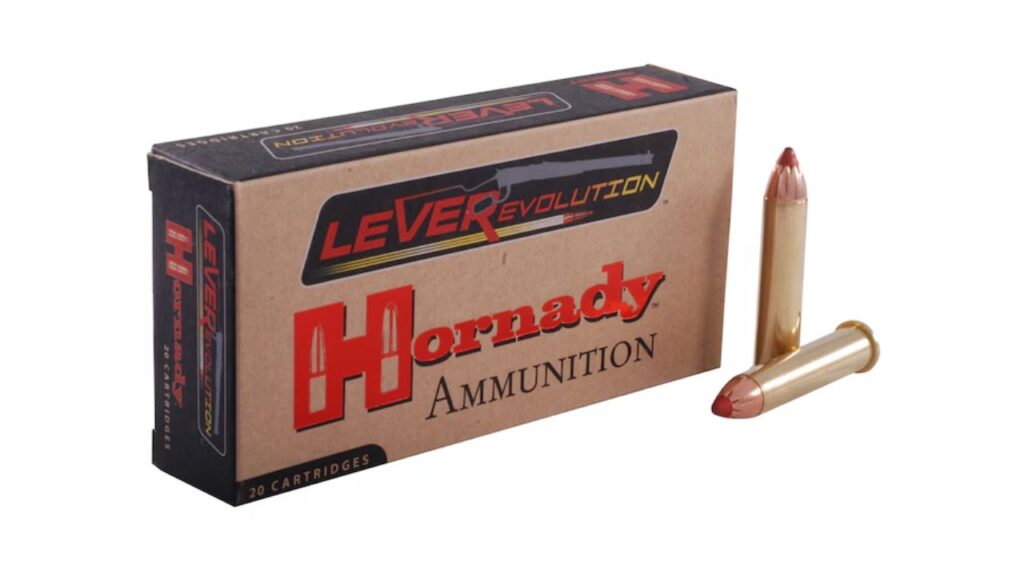
The .45-70 Government was officially replaced in military service before the turn of the 20th century, but it never went away. Designed in 1873 for black powder loads, it seemed outdated once smokeless powder came along. By the time the Krag and .30-06 hit the scene, the .45-70 should have been dead. But it kept proving itself in the hunting world.
Hunters quickly realized that with smokeless powder and modern loadings, the .45-70 still had plenty of life. It became a favorite for big game in North America, especially in lever-action rifles that offered quick follow-up shots. Today, you’ll still find it in deer camps, hog hunts, and Alaska for bear defense. Modern loads have extended its usefulness even further, making it a cartridge that refuses to fade into history. Despite being “replaced” more than a century ago, the .45-70 is one of the most resilient calibers still in active use.
.257 Roberts
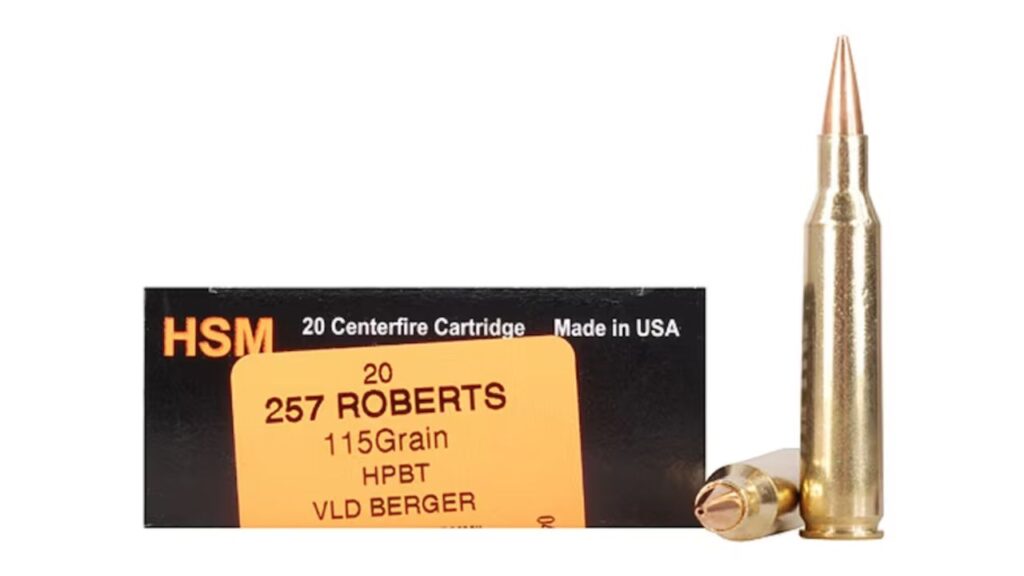
The .257 Roberts was introduced in the 1930s and was eventually overshadowed by the .243 Winchester and 6mm Remington. On paper, those replacements offered flatter trajectories and higher velocities. But in practice, the .257 Roberts kept hanging on, thanks to its mild recoil and effectiveness on deer-sized game.
Hunters who stick with the .257 Roberts appreciate how forgiving it is to shoot, while still packing enough punch for whitetails and pronghorn. Handloaders have kept it alive by developing loads that push it close to modern 6mm cartridges in performance. Rifle manufacturers still occasionally chamber rifles in .257 Roberts because demand, though small, never disappears entirely. For many hunters, especially those who grew up with it, the Roberts feels like the perfect middle ground between light varmint rounds and heavier deer calibers. Even though it was officially “replaced,” the .257 Roberts has kept its place in the hunting world far longer than anyone predicted.
.300 Savage
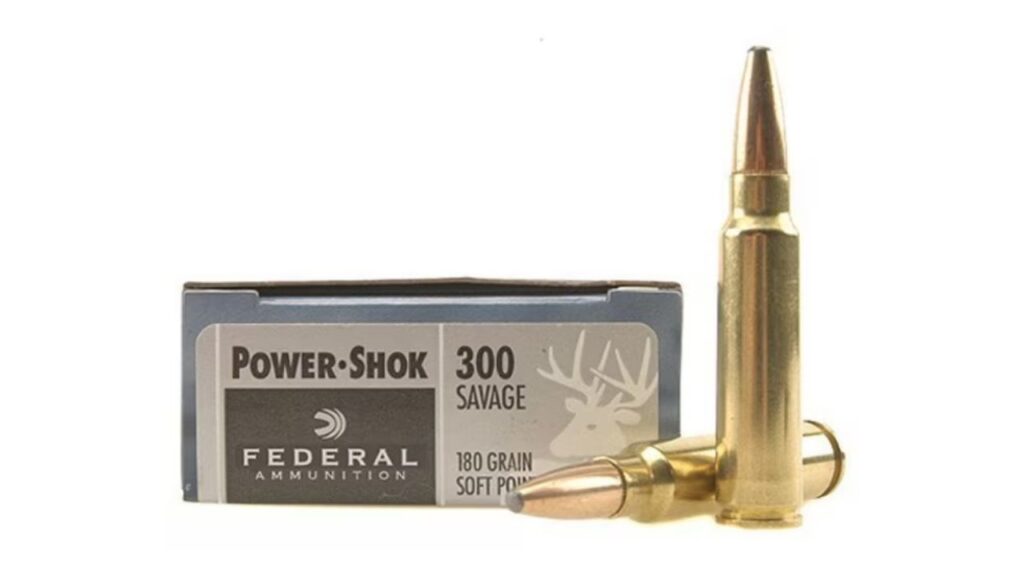
The .300 Savage was designed in 1920 as a modern hunting round and later served as the basis for the .308 Winchester, which eventually replaced it. The .308 was more efficient, worked better in semi-autos, and was backed by military adoption. But hunters didn’t abandon the .300 Savage completely.
Part of its staying power comes from the rifles it was chambered in, especially the Savage Model 99 lever-action. That rifle became a legend, and so did the cartridge. Hunters who carried it found that the .300 Savage had more than enough power for deer and elk within normal hunting ranges. Even today, older rifles in .300 Savage still see action, and ammo companies continue to load it for those loyal shooters. While the .308 overshadowed it in every measurable way, the .300 Savage lives on in the hands of hunters who know it works as well now as it did a century ago.
.32 Winchester Special

The .32 Winchester Special was introduced as a step up from the .30-30 Winchester, but eventually it was overshadowed and unofficially replaced by more popular rounds like the .35 Remington and the .308. Despite this, it never completely went away. Hunters who owned rifles chambered in .32 Special kept using them, and ammunition makers continued to support the cartridge.
The .32 Winchester Special delivers a little more punch than the .30-30, and with the right loads, it has proven effective on deer, black bear, and hogs. It stayed alive mainly because of the Winchester Model 94 lever-action, which was chambered in .32 Special for decades. While production numbers aren’t what they once were, plenty of old lever guns are still in circulation, and they keep the cartridge alive. Even though newer rounds have officially replaced it, the .32 Winchester Special holds onto its spot in the deer woods.
.41 Magnum
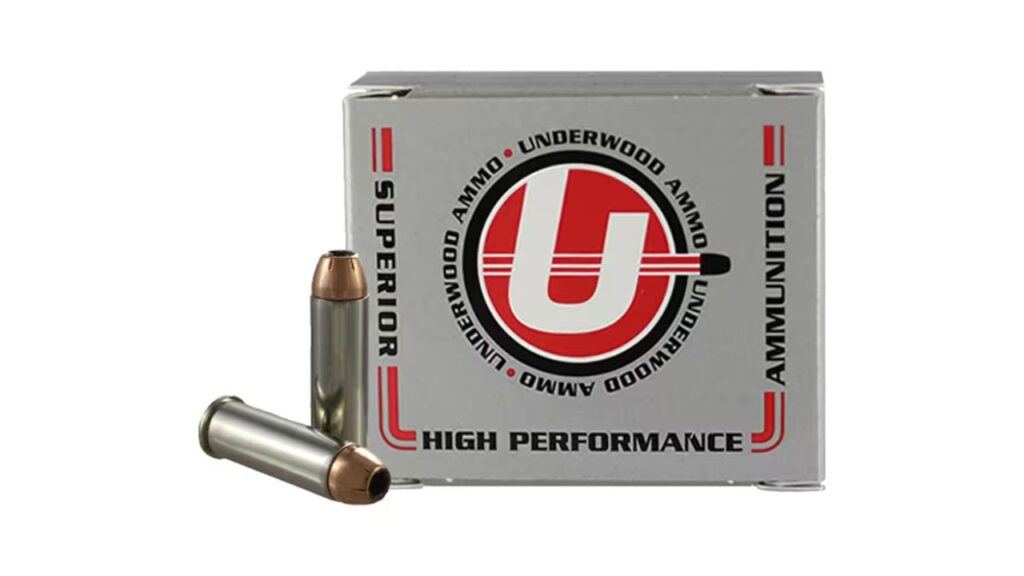
The .41 Magnum was introduced in the 1960s with hopes of replacing both the .357 Magnum for law enforcement and the .44 Magnum for hunting. Instead, it found itself overshadowed by both. Police departments never adopted it widely, and hunters stuck with the .44 Magnum for raw power. But the .41 never fully disappeared.
Handgun hunters and revolver enthusiasts kept it alive because it offered a sweet spot of controllability and power. It shoots flatter than the .44 Magnum and delivers more energy than the .357, which makes it a capable hunting round in the right hands. Revolver makers like Smith & Wesson and Ruger continued to chamber it in select models, ensuring its survival. While it never became mainstream, the .41 Magnum refuses to die. Its dedicated following proves that even when a cartridge doesn’t succeed commercially, it can carve out a lasting niche among hunters and shooters.
.38 Super

The .38 Super was designed in the late 1920s as an improvement over the .38 ACP, but it was quickly overshadowed by the 9mm Luger and .357 Magnum. Law enforcement and militaries shifted to those replacements, leaving the .38 Super in an awkward spot. Still, it survived and continues to show up in certain circles today.
Competitive shooters in IPSC and USPSA kept it alive because of its high velocity and ability to meet power factor requirements while maintaining controllability. South American shooters also adopted it, since in many countries civilians are restricted from owning military calibers like 9mm or .45 ACP. For them, the .38 Super became a practical choice. Even though the world largely moved on, the .38 Super remains a cartridge that refuses to vanish. It may not dominate the market, but its loyal users keep it relevant long after its supposed replacements took center stage.
.35 Whelen

The .35 Whelen is essentially a .30-06 necked up to take .35 caliber bullets, and while it never became a mainstream hit, it’s been kept alive by hunters who value its versatility. It was often compared to newer magnums and eventually overshadowed by them, but the .35 Whelen still has a strong following.
Hunters who carry it appreciate its ability to take on both deer and larger game like elk and moose. It delivers heavy bullets with authority but without punishing recoil, making it practical for a wide range of hunts. Even after more modern cartridges came along, the .35 Whelen’s balance of power and shootability kept it from fading away. Ammunition companies still produce runs of .35 Whelen because demand remains steady. For hunters who want one rifle to do nearly everything in North America, the Whelen continues to prove itself long after newer options were supposed to replace it.
.220 Swift

The .220 Swift was introduced in the 1930s as the fastest commercial cartridge available, but it was eventually replaced in popularity by rounds like the .22-250 Remington. Critics said it was hard on barrels and overkill for small game, and manufacturers shifted attention to other cartridges. But the .220 Swift never fully disappeared.
Hunters and varmint shooters who value flat trajectories and incredible velocity kept it alive. Even today, many shooters swear by it for long-range varmint control, where its speed translates to accuracy and devastating terminal performance. Handloaders also found ways to extend barrel life and fine-tune loads, keeping the Swift relevant despite its reputation. While the .22-250 became the standard, the .220 Swift still holds a special place for those who want maximum velocity. It may not be the commercial success it once was, but it refuses to fade into obscurity completely.
.44 Special

The .44 Special was largely replaced by the .44 Magnum, which offers much higher velocity and power. Once the Magnum came out in the 1950s, most shooters moved on. But the .44 Special never went away, and in some circles, it’s more popular than ever.
Revolver shooters kept it alive because it offers a milder recoil profile while still delivering excellent performance. Many handloaders also discovered that the .44 Special could be loaded up to respectable levels in strong revolvers, making it more versatile than it first appeared. Modern defensive loads in .44 Special also give it new life as a carry option. Revolver makers continue to chamber models for it, ensuring ammunition demand continues. Even though it was technically replaced by the .44 Magnum, many shooters actually prefer the Special for its balance of power and controllability. Its endurance proves that not every “replacement” really ends the story for an older caliber.
.30-30 Winchester

The .30-30 Winchester was technically replaced on paper many times over, with newer rounds like the .308, .243, and even the 6.5 Creedmoor offering superior ballistics. Yet, the .30-30 refuses to die. It has been around since 1895 and still shows up in deer camps every year.
Hunters trust the .30-30 because it works. Lever-action rifles chambered in it are handy, reliable, and perfect for thick timber hunts. While it doesn’t match the long-range capabilities of modern cartridges, it excels in the ranges where most whitetail are actually taken. Ammo makers continue to produce it in large quantities, and new rifles are still being made for it. That’s a clear sign the .30-30 isn’t going anywhere. Even with all the advancements in cartridge design, hunters keep coming back to the .30-30 because it consistently gets the job done. Its survival proves that practicality often outlives supposed replacements.
*This article was developed with AI-powered tools and has been carefully reviewed by our editors.