Photo credit: Isootch00/YouTube
Concealed carry has gone through several major turning points over the past few decades, and each shift can be traced back to a handful of handguns that changed the way shooters think about size, capacity, reliability, and everyday practicality. Some sidearms made carry realistic for new shooters, while others pushed the entire industry toward slimmer frames, higher capacity, or better ergonomics.
When you look at what people carry today, you can trace most of it back to a few pivotal designs. These pistols didn’t just sell well—they changed expectations and reshaped what a real carry gun should be.
Glock 26

The Glock 26 was one of the first subcompact pistols that actually ran reliably enough for daily carry. Before it arrived, smaller guns often required compromises in durability or shootability. The 26 changed that mindset entirely.
It kept the same operating system and magazine compatibility as its larger siblings, which gave shooters confidence they hadn’t had in smaller pistols. Even though newer models have surpassed it in capacity and size, the 26 built the foundation for the modern double-stack carry gun and proved a small 9mm didn’t have to feel fragile.
Kahr PM9

When the PM9 hit the market, it changed what people expected from a deep concealment pistol. It delivered a slim, lightweight frame long before single-stack 9mms became common, and it did so while maintaining reliability that was rare among small handguns at the time.
The PM9 carried comfortably in pockets, ankle rigs, and minimalist holsters, which opened up new options for people who previously relied on small-caliber guns. Its smooth trigger and steel-framed predecessors set the tone for high-quality micro 9s that came later.
Ruger LCP
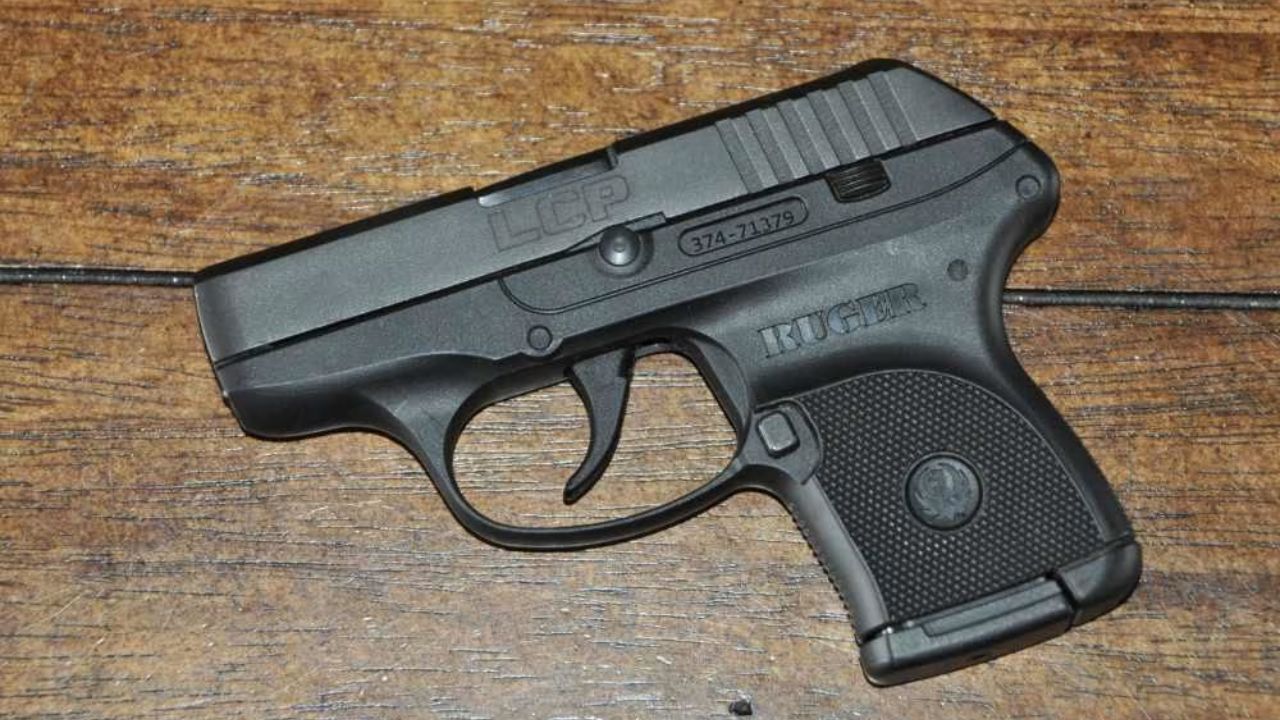
The LCP brought true pocket carry into the mainstream. Its tiny footprint and lightweight build made it accessible for new shooters and those who needed a defensive option in situations where a larger pistol wasn’t realistic.
While .380 ACP had been used for decades, few pistols packaged it in such an easy-to-carry platform. The LCP led to a wave of affordable, reliable micro pistols and showed manufacturers that there was a massive demand for ultra-compact carry guns.
Smith & Wesson Shield

The original M&P Shield changed the concealed carry world by delivering a thin, reliable, affordable single-stack 9mm that nearly everyone could run well. It offered more shootability than earlier compact pistols without adding bulk.
Its balance of size, recoil, and capacity made it one of the most carried guns in America. The Shield created an entire category of slim carry pistols and set a benchmark for ergonomics and reliability in a small frame.
Sig Sauer P365

The P365 may be the most influential concealed carry gun of the past decade. It introduced “micro-compact double-stack” capacity in a size previously reserved for single-stack pistols. The ability to carry 10+1 or 12+1 rounds in such a small footprint reset industry expectations.
Its excellent trigger, shootability, and optics-ready variants helped accelerate the shift toward red-dot carry guns. Nearly every major brand now produces a P365-sized competitor because of how dramatically it changed the landscape.
Glock 43

Before the P365, the Glock 43 defined the modern single-stack carry pistol. Its reliability and simple operation made it a go-to choice for people who wanted a smaller alternative to the Glock 19 without giving up Glock’s track record.
The 43 proved that minimalism and reliability could coexist. Even after newer models arrived, it remains one of the most popular carry guns because of its straightforward design and consistency across heavy use.
Sig Sauer P938

The P938 brought a high-quality, 1911-style micro 9mm to the concealed carry world. Its metal frame and crisp trigger gave shooters a compact pistol that felt more substantial than other micro guns on the market.
Despite its small size, the P938 shoots more accurately than many competitors thanks to its ergonomics and low bore axis. It reshaped expectations for those who wanted a refined carry gun without moving to a polymer frame.
Walther PPS

The PPS was one of the earliest single-stack 9mms to prioritize ergonomics and real-world shootability. While it didn’t dominate sales like some competitors, it influenced techniques and popularized the idea that a slim gun didn’t have to feel compromised.
Its short trigger reset and controllable recoil made it appealing to experienced shooters who wanted a narrow pistol that still handled like a full-size firearm. Many modern slim pistols draw inspiration from its layout.
Springfield Hellcat

The Hellcat pushed the micro-compact capacity race even further by giving shooters 11+1 and 13+1 options in a footprint close to the P365. It proved that high-capacity micro guns weren’t a novelty—they were the new standard.
With aggressive texturing and optics-ready models, it encouraged more shooters to adopt red dots on small pistols. Its release cemented the shift toward high-capacity micro carry guns being the norm rather than the exception.
Beretta Nano

The Nano didn’t become a runaway success, but it played a real role in shaping early modular carry pistols. Its chassis-based fire control system paved the way for more complex modular designs, including later Beretta and Sig offerings.
While the trigger and controls weren’t perfect, the Nano challenged manufacturers to rethink how compact pistols could be built. It served as a stepping stone toward more advanced designs that later became industry staples.
Glock 48

The Glock 48 changed concealed carry by offering a slim-frame, full-height pistol with more shootability than similar single-stack guns. It filled the gap between tiny micro pistols and bulky compacts, giving shooters a comfortable, predictable sidearm that carried lighter than a 19.
Its long slide improved control, and its compatibility with Shield Arms magazines eventually pushed capacity into double-stack territory. That combination made it a major turning point for slim carry pistols.
Ruger LC9

Before micro 9s were common, the LC9 made 9mm concealment affordable and accessible. Its extremely thin profile let new shooters step into concealed carry without committing to a larger handgun.
Even though the trigger required skill to master, the LC9’s size and price brought many first-time carriers into the 9mm category. It helped normalize the idea that a small gun didn’t have to be limited to .380 ACP.
S&W J-Frame (modern variants)
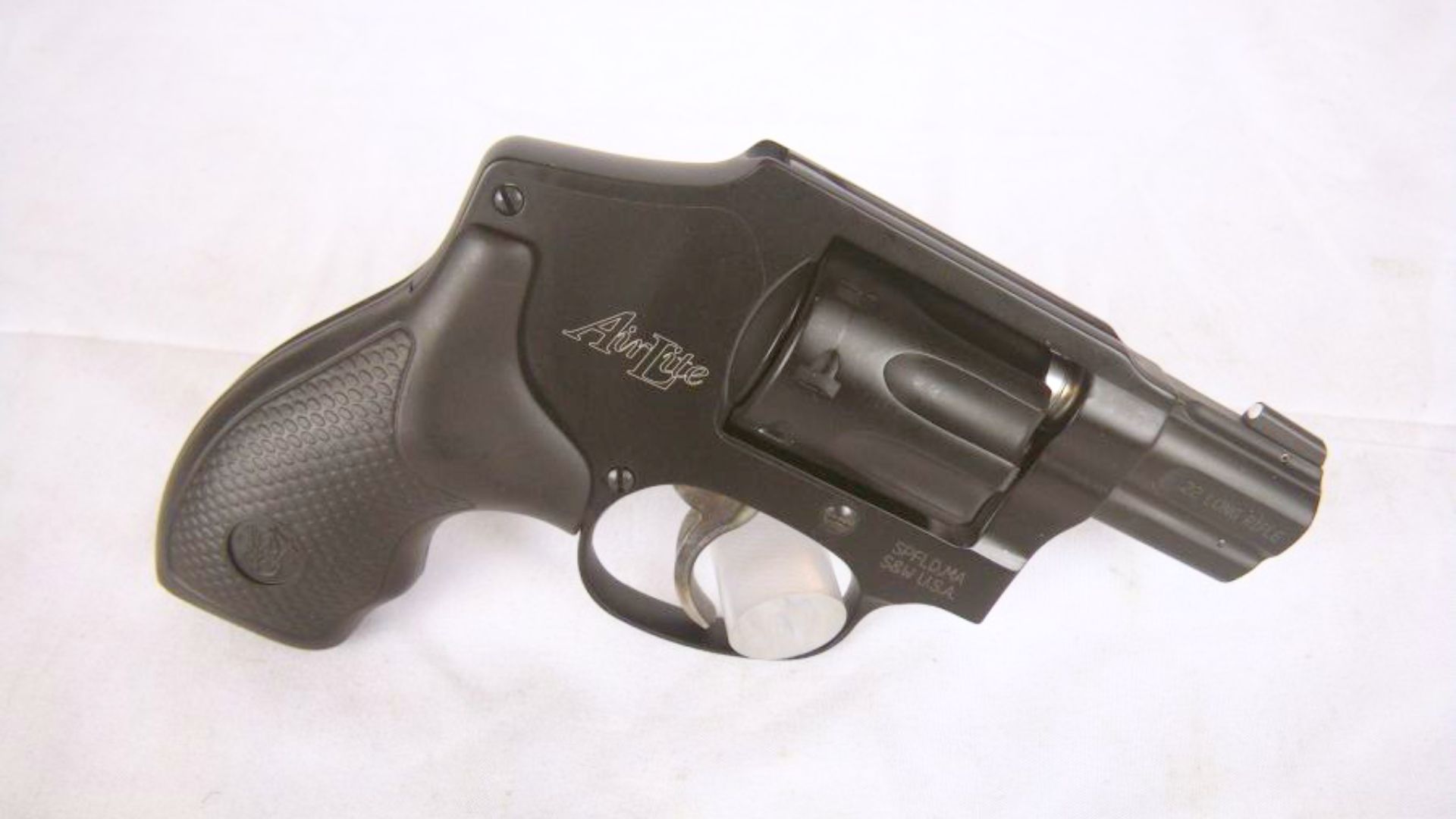
Modern J-frame revolvers didn’t invent concealed carry, but they kept it alive through eras where many pistols weren’t reliable enough to trust. Their compact frames, snag-free designs, and simplicity made them a default option for decades.
Even with today’s micro-compacts dominating the market, J-frames still influence carry philosophy—especially for backup guns, pocket carry, and shooters who value absolute mechanical reliability in difficult conditions.
Springfield XD-S
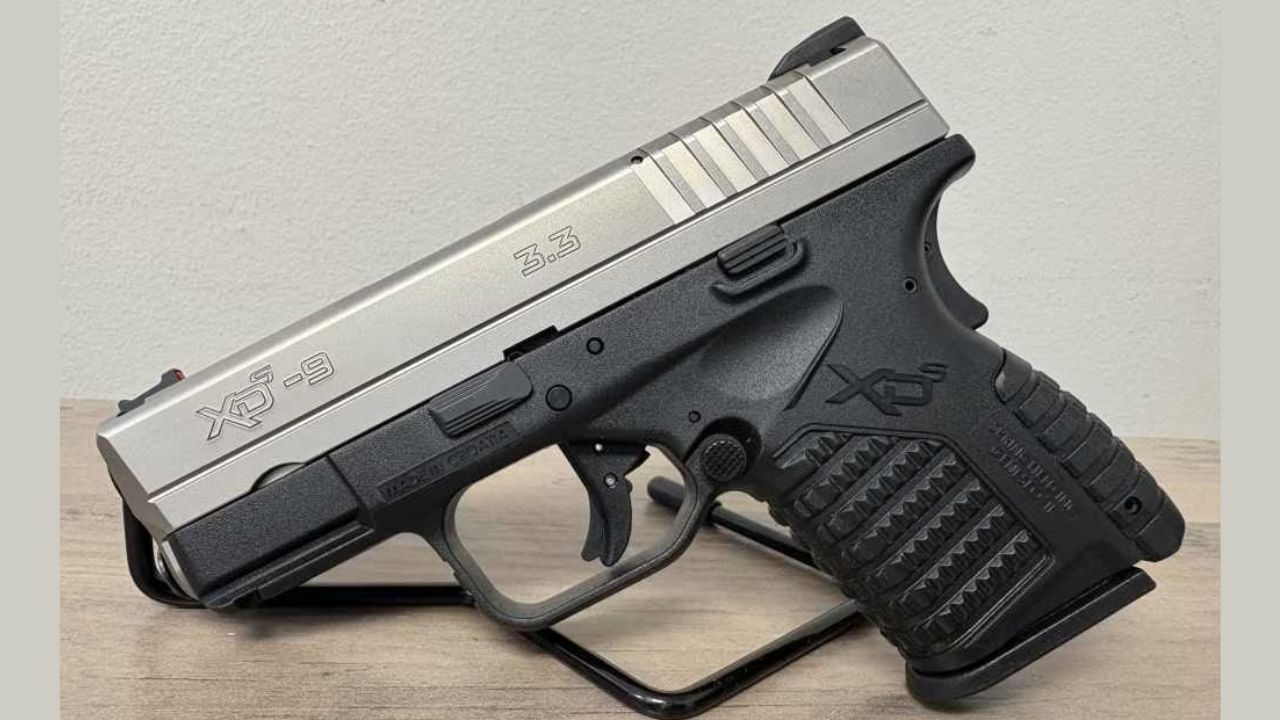
The XD-S helped expand the single-stack 9mm market when it arrived. It gave shooters a slim, affordable, comfortable pistol with good ergonomics and strong reliability. Its early popularity helped push the industry toward thinner, more concealable designs.
The XD-S also introduced many new carriers to fiber optic sights and interchangeable backstraps in a small package. It wasn’t the first of its kind, but it was one of the most widely adopted during its time.
KelTec P11

Long before the current surge of compact pistols, the P11 showed what a small double-stack 9mm could look like. While it wasn’t refined, it offered more capacity than anything close to its size during its era.
It forced larger manufacturers to recognize demand for a small, high-capacity 9mm. The P11’s design helped shape the concealed carry trends that later produced the P365, Hellcat, and other modern micros.
Like The Avid Outdoorsman’s content? Be sure to follow us.
Here’s more from us: