Photo credit: TCRC_LLC/GunBroker
Modern lever-actions might bring stronger steels, threaded barrels, and optics rails, but something often feels off when you shoulder them compared to the originals. Old lever-actions were built for hunters and riders who needed a rifle that carried naturally, swung smoothly, and stayed steady in hand. The balance wasn’t an accident—it was the product of design choices that put handling ahead of bulk or accessories.
If you’ve ever carried a vintage Winchester or Marlin through the woods, you know the difference. They come to the shoulder quicker, point naturally, and feel lighter than their actual weight suggests. Modern reproductions often look the part, but once you mount them, the balance isn’t quite there. Hunters and collectors who keep the old rifles around aren’t doing it just for nostalgia. These rifles still handle in a way that’s tough to replicate, even with today’s machining. Let’s look at the classic lever-actions that continue to prove their balance is unmatched.
Winchester Model 1894
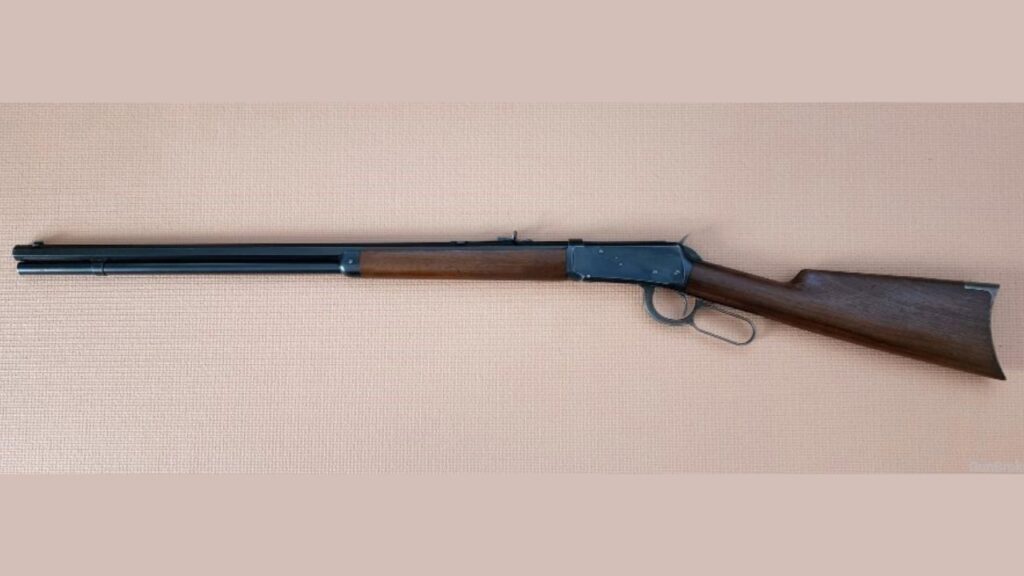
The Winchester 1894 is the lever-action that set the standard for balance. Chambered in .30-30 and other cartridges, it became one of the most carried hunting rifles in North America. When you pick up an original ’94, it feels slimmer and livelier than many modern reproductions. The forend is narrow, the action is smooth, and the weight is distributed perfectly between the hands.
Hunters favored it not just for its power but for how naturally it carried in the woods. The 1894 points almost like a shotgun, making fast shots in thick timber easier than you’d expect. Later reproductions often added bulkier stocks and thicker barrels, losing that effortless swing. If you shoulder an older ’94 next to a modern version, the difference is immediate. That original balance is why so many hunters still reach for their vintage rifles, even though newer models promise better materials and modern features.
Marlin Model 336 (Pre-Remington)
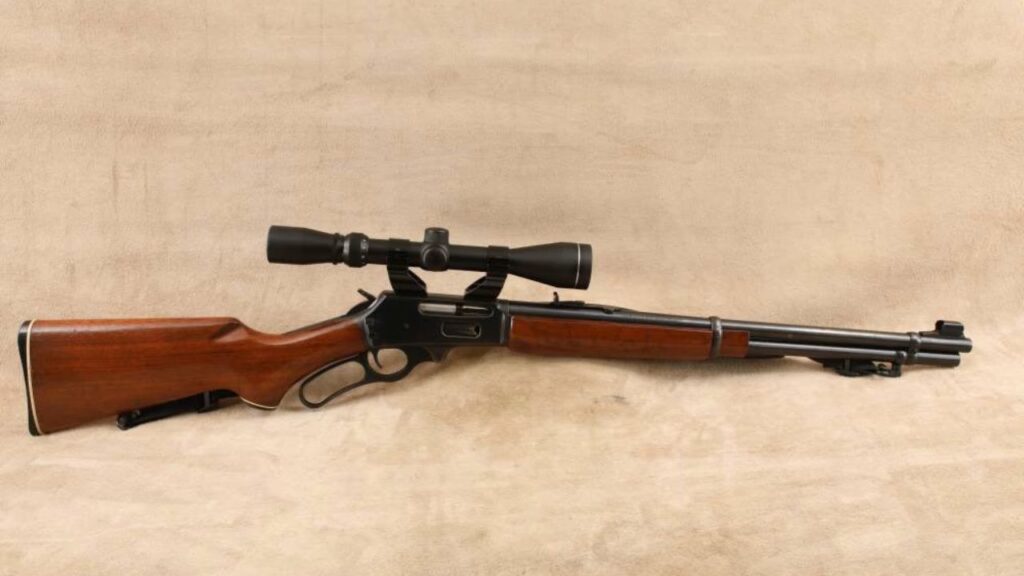
The Marlin 336 has been around since 1948, and early versions are known for balance that modern reissues don’t quite capture. Hunters loved the way the rifle felt in the hand, with its slimmer forearm and smoother lines. The walnut stocks of older 336 rifles were shaped with more care, contributing to a rifle that carried light and pointed naturally.
When Remington took over Marlin production, many shooters noticed the rifles felt heavier and blockier. The older 336 rifles, especially those made before the transition, tend to come up faster and sit better on target. That’s why hunters still hang on to their older Marlins. In deer camps across the country, you’ll still find 336 rifles from the 1960s and ’70s that out-handle modern copies. The difference isn’t nostalgia—it’s the way the older rifles balance when you’re actually using them in the woods.
Winchester Model 1873
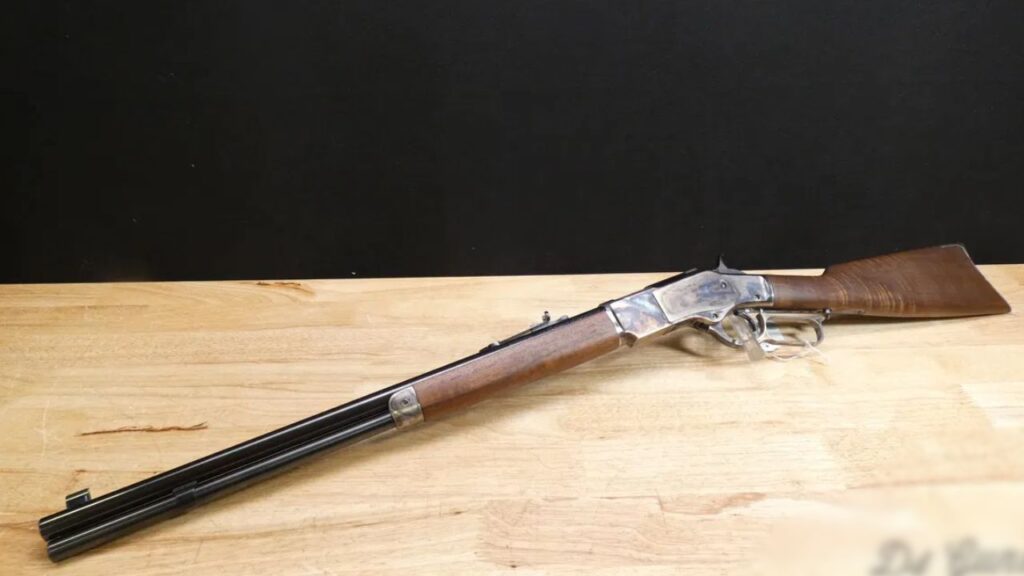
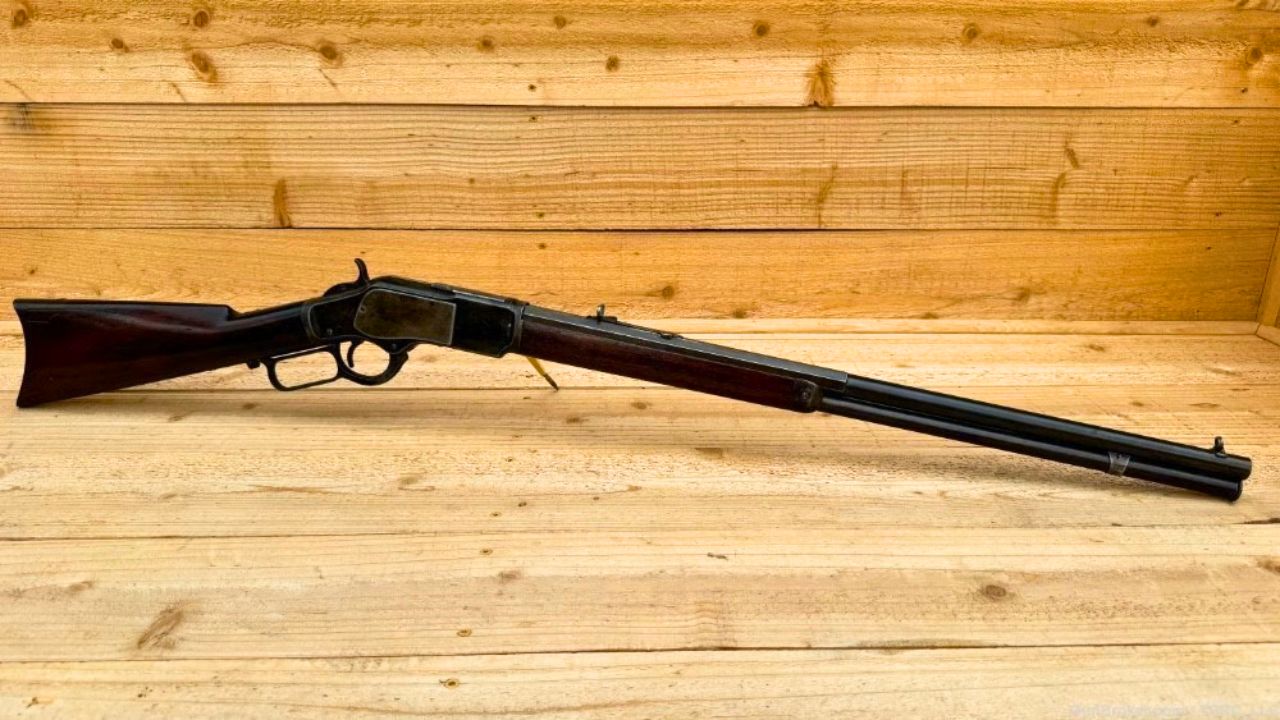
The Winchester 1873 earned its nickname as “the gun that won the West,” and part of its reputation came from how it handled. Chambered in cartridges like .44-40, it was built for speed and control. Original 1873s are slim, with light barrels and stocks designed for quick handling on horseback or on foot. They balance perfectly between the hands, making them feel quicker than modern reproductions.
Contemporary copies often use heavier barrels and thicker stocks, which shifts the balance forward and makes them feel clumsier. The originals, though, seem to float when you bring them to the shoulder. Shooters who’ve tried both often say the difference is obvious. The 1873 may not match modern rifles in terms of pressure limits or optics compatibility, but its natural balance is part of why originals are still so sought after. For fast handling in close quarters, the old 1873 remains unmatched.
Savage Model 99
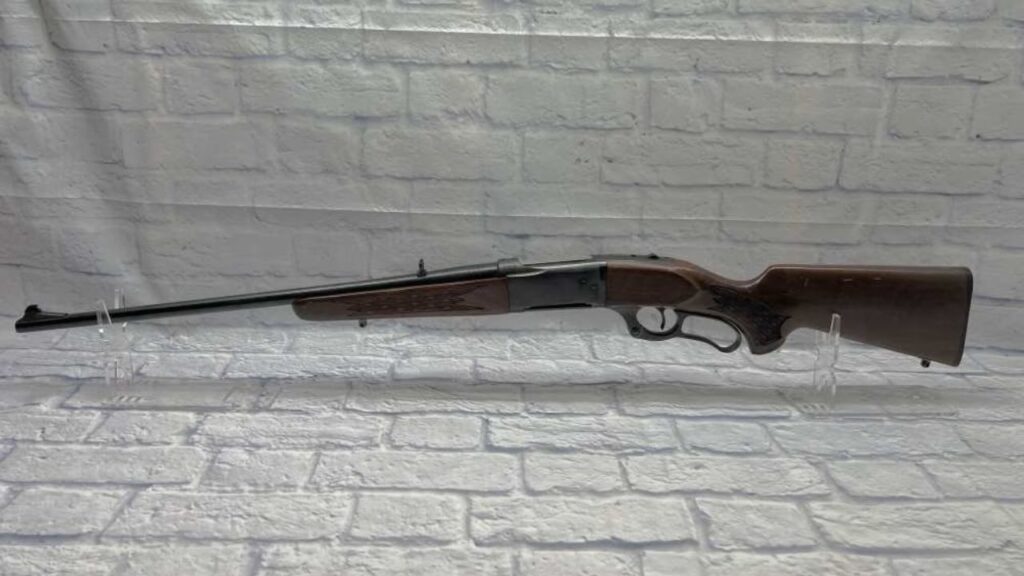
The Savage 99 is unique among lever-actions, and its balance is one reason it earned a loyal following. Designed for modern cartridges like the .300 Savage, it carried like a lightweight carbine but had the reach of a rifle. The slim forend, straight stock, and compact rotary magazine system kept the rifle trim and easy to carry.
Hunters loved how quickly the 99 came to the shoulder. Even though it was chambered for cartridges with more punch than the .30-30, the rifle never felt nose-heavy or awkward. Modern lever-actions chambered in similar cartridges often add bulk to handle the pressure, but the 99 stayed lean. That balance made it one of the most versatile hunting rifles of its era. Today, vintage 99s are still prized for their handling, and many shooters feel that no reproduction or modern equivalent has managed to capture the same feel.
Winchester Model 1892
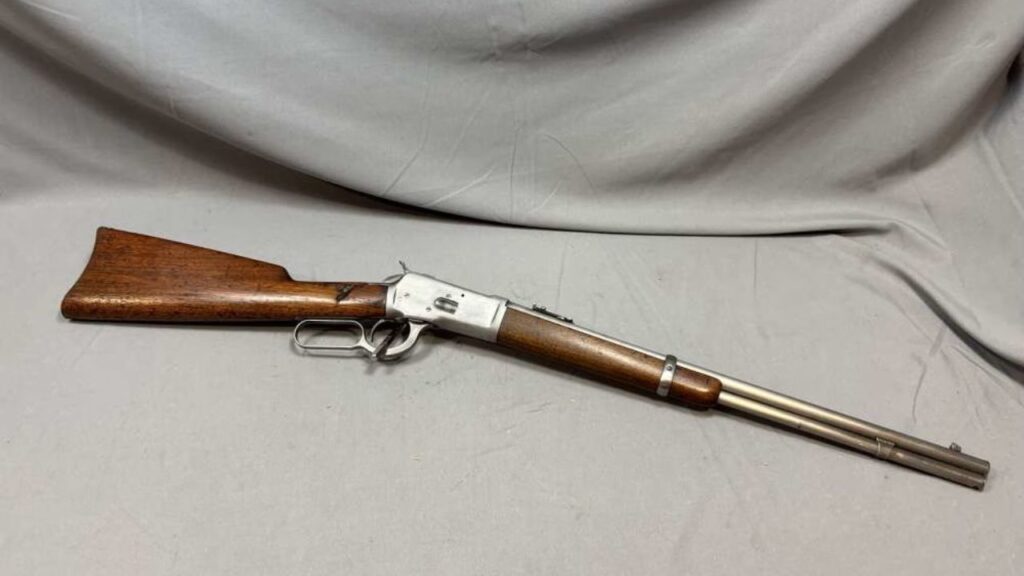
The Winchester 1892 was designed as a stronger successor to the 1873, and it carried forward the same excellent balance. Chambered in pistol cartridges like .44-40 and .38-40, the rifle was light, fast, and perfectly suited to saddle carry. Original 1892s have a sleek profile and balance that makes them quick to mount and steady to aim.
Modern reproductions, while reliable, tend to use thicker barrels and beefier wood that shifts the balance forward. Shooters who handle originals often comment on how naturally they point, even compared to newer rifles built to the same pattern. The 1892 was never meant to be a heavy long-range rifle—it was built for quick shots at close to moderate ranges, and its balance reflects that. Hunters and cowboy action shooters still value original 1892s for the way they handle in real use.
Marlin Model 1895 (Early Production)
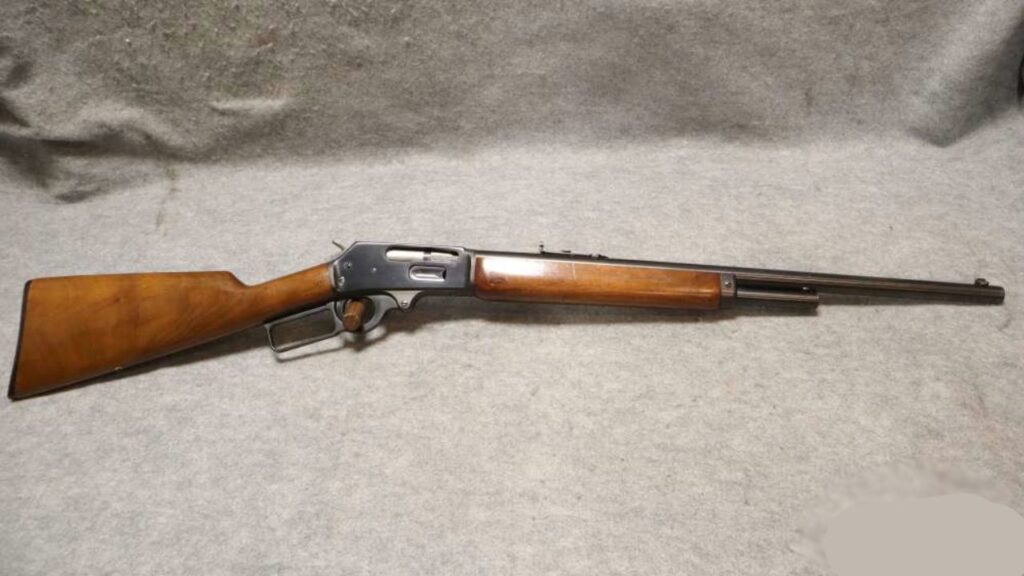
The early Marlin 1895 rifles chambered in .45-70 are surprisingly well balanced for their power. With a slimmer stock design and trimmer barrel profiles, they carry lighter and handle faster than many modern heavy-barreled versions. For hunters carrying a rifle in rough country, that makes a big difference.
Today’s 1895 rifles are often built with extra steel to handle hotter loads, and while that adds durability, it also adds bulk. The early versions, though, feel lively in the hands and don’t weigh you down nearly as much. They’re still more than capable of handling traditional .45-70 loads for deer, elk, or bear, and their balance makes them easier to shoot offhand. That’s why many hunters who own early Marlin 1895s keep them in the field—because they handle better than the heavier modern copies.
Winchester Model 1886
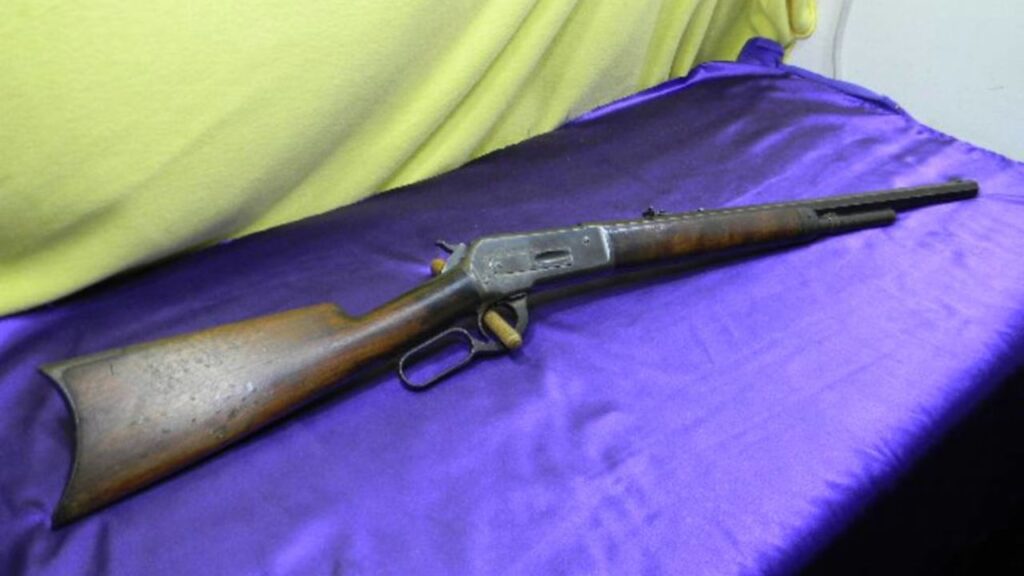
The Winchester 1886 was designed for big cartridges, but it’s remarkable how balanced the original rifles feel compared to modern reproductions. The design by John Browning spread the weight evenly, making a large rifle more manageable than you’d expect. Even in chamberings like .45-70 or .45-90, the 1886 carried well and came to the shoulder smoothly.
Modern reproductions often come with heavier barrels and reinforced stocks, which shifts the feel of the rifle. The originals are trimmer, lighter, and surprisingly quick for such a powerful lever-action. Hunters who still carry old 1886 rifles often note that they handle better than many modern hunting rifles, despite being more than a century old. The 1886 is proof that balance was a key design goal for Browning, and it’s part of why the rifle remains highly respected by shooters who know how it performs in the field.
Marlin Model 39A (Early Production)
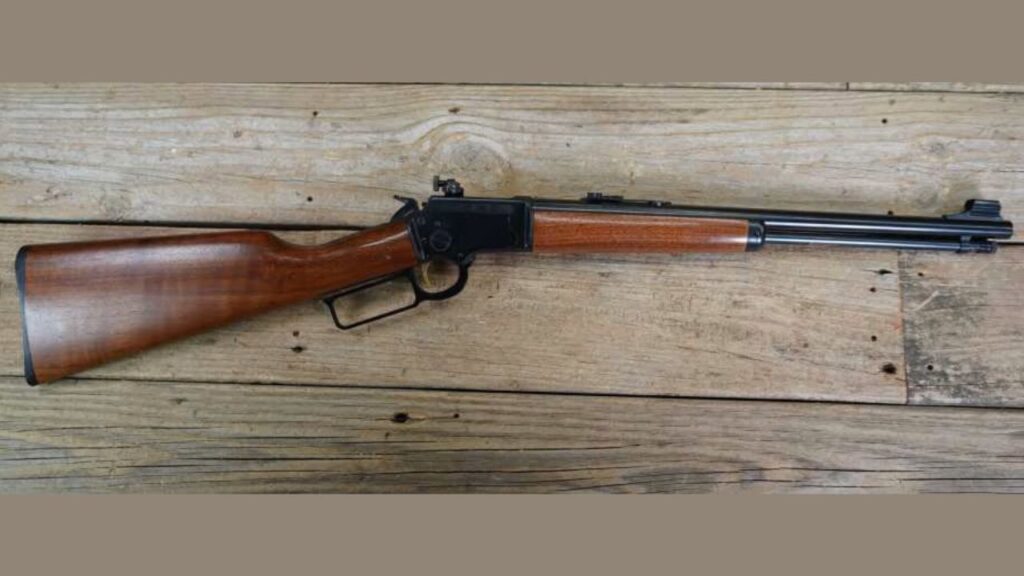
The Marlin 39A, particularly older models, is one of the best-balanced .22 lever-actions ever made. Its slim lines and manageable weight make it an easy rifle to carry all day, whether you’re hunting small game or plinking. The balance between the stock and barrel is nearly perfect, giving it a steady aim without feeling front-heavy.
Modern rimfire lever-actions often feel bulkier, with thicker stocks and heavier barrels. The older 39A rifles, though, feel lively and point naturally. Hunters who grew up with them often keep theirs in service because no modern rimfire lever seems to handle the same way. It’s part of why these rifles remain so popular on the used market. Even with countless rimfire options available today, the balance of an early Marlin 39A keeps it relevant for hunters and shooters who know how a rifle should carry in the woods.
Winchester Model 71
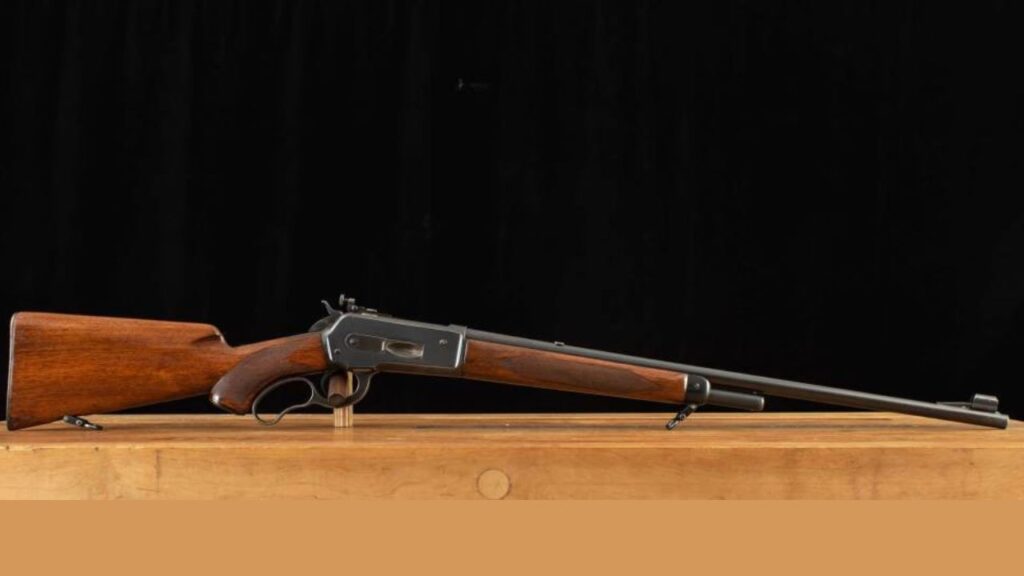
The Winchester Model 71, chambered in .348 Winchester, was a powerhouse of a lever-action, but it also carried well. Despite being chambered for a hard-hitting cartridge, the rifle’s design made it surprisingly well balanced. Hunters who carried it into elk or bear country found it heavy enough to tame recoil, yet lively enough for quick handling in thick timber.
Modern rifles chambered for similar cartridges often feel bulky or unbalanced. The Model 71, though, spreads the weight across the action and stock, making it feel steady but not cumbersome. While the .348 never became a mainstream cartridge, the rifle itself has earned a reputation for its handling. Those who’ve used one often comment that it feels better in hand than many modern lever-actions of similar size. The Model 71 is proof that power and balance can coexist when a rifle is designed with both in mind.
Winchester Model 64
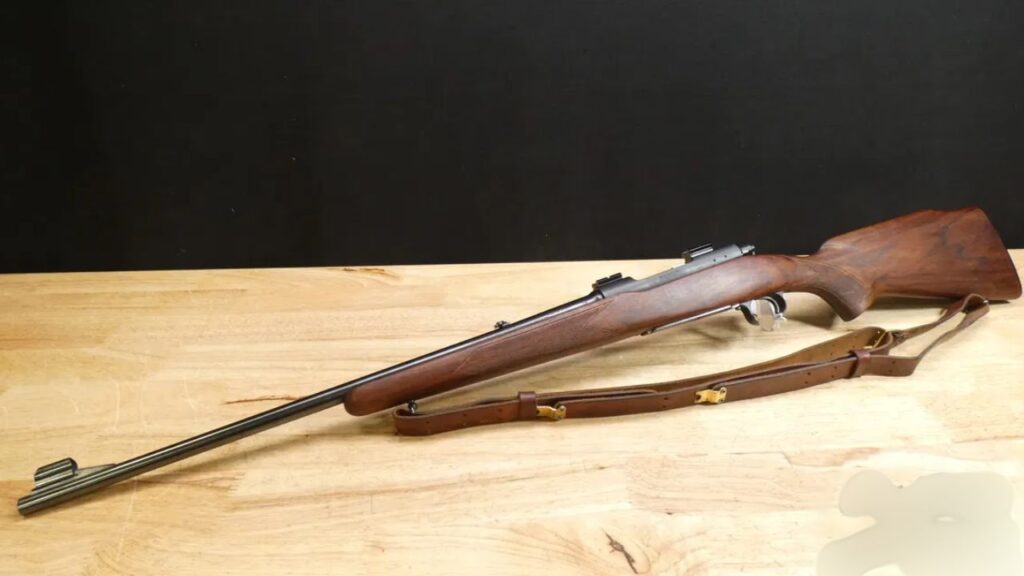
The Winchester Model 64 was essentially a streamlined version of the Model 94, and it may be one of the best-balanced lever-actions Winchester ever built. Designed with a slimmer profile and often equipped with longer barrels, it offered a combination of quick handling and steady aim that hunters appreciated.
Modern reproductions rarely capture the same feel because of thicker wood and different barrel profiles. The original 64 rifles, though, point naturally and carry lighter than their dimensions suggest. Hunters who carried them often describe them as the perfect deer rifle for thick woods, with balance that made offhand shots easier. The Model 64 didn’t stay in production as long as the 94, but among those who’ve used both, the 64 often gets the nod for handling. It remains a favorite for hunters who know what true balance in a lever-action feels like.
Marlin Model 1894 (Pre-Remington)
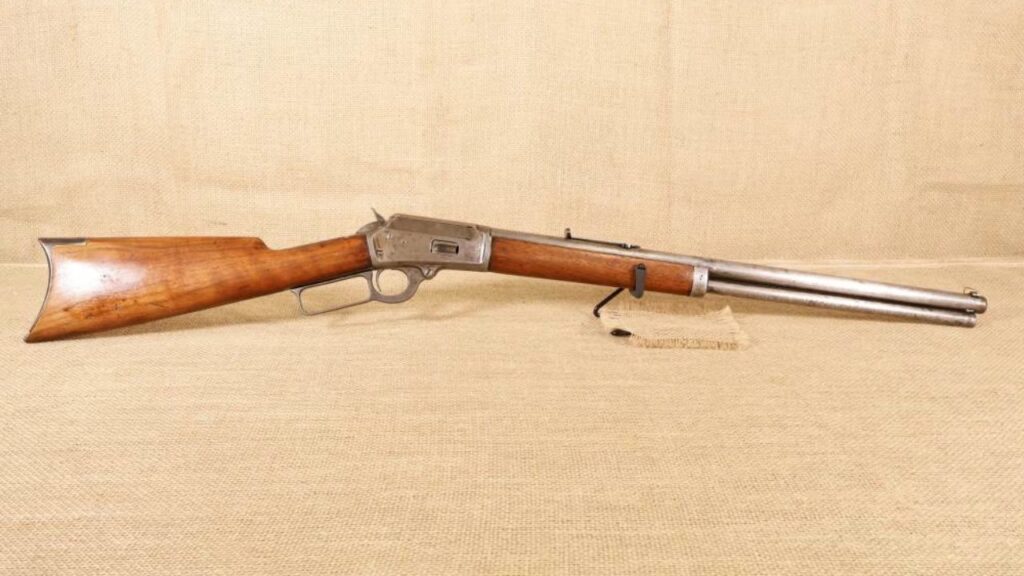
The Marlin 1894 in its earlier production runs was another lever-action known for balance. Chambered in pistol cartridges like .357 Magnum and .44 Magnum, it was lightweight, quick, and ideal for close-range hunting. The older rifles have slimmer forearms and stocks that make them feel more natural to carry compared to many of the heavier modern versions.
Hunters who use the older 1894s often point out how fast they are on target. The short, handy design combined with balanced weight distribution makes them perfect for thick brush or treestand hunting. Modern copies often add bulk to handle stronger loads, but that comes at the cost of handling. The early Marlin 1894 rifles remain some of the best-balanced pistol-caliber carbines ever made, which is why hunters still prize them today. They may not have the flash of new models, but they carry and shoot exactly the way a lever-action should.
*This article was developed with AI-powered tools and has been carefully reviewed by our editors.