Photo credit: Just dance/Shutterstock.com
There’s no shortage of opinions at the gun counter or around the campfire. And when it comes to caliber, everyone seems to have a “must-have” or a “never-use.” Problem is, a lot of that advice is rooted in myth—not real-world experience. Chasing the wrong caliber because of bad info can cost you game, money, and a good hunt. Here are 10 myths that are better off ignored.
Bigger Always Means Better

The idea that bigger calibers hit harder and kill faster sounds good—but it’s not always true. Shot placement, bullet construction, and range matter more than the size stamped on the barrel.
Plenty of hunters have dropped elk with well-placed shots from a .270 or 7mm-08. A missed shot from a .338 doesn’t do you any good. Use what you can shoot well, not what looks impressive.
The .30-06 Is Obsolete

Just because it’s been around for over a hundred years doesn’t mean the .30-06 is outdated. In fact, it’s still one of the most versatile hunting cartridges ever made.
It can handle everything from deer to moose, and ammo is easy to find. Some folks chase newer calibers thinking they’re getting more performance—but they’re usually splitting hairs. The .30-06 still gets the job done.
Magnum Calibers Are Required for Elk

This one gets repeated a lot, especially by guys who’ve never actually hunted elk. Yes, a magnum can help at long range—but it’s not required for a clean kill.
Cartridges like the .308, 7mm-08, and even the old .270 have taken plenty of elk. What matters is bullet placement, good glass, and knowing your limits—not whether your rifle says “magnum” on it.
The .223 Isn’t Ethical for Deer

If you’re using cheap FMJ ammo, sure—it’s a bad idea. But with modern hunting bullets like bonded soft points or copper rounds, the .223 can absolutely take down a whitetail.
That said, shot placement and local laws matter. Some states have minimum caliber rules. But if it’s legal and you can shoot it accurately, don’t write off the .223 just because of old assumptions.
You Need Long-Range Calibers for Western Hunts

Some folks think you need a flat-shooting, barrel-burning round like a 6.5 PRC to hunt mule deer out west. But in reality, most shots happen inside 300 yards.
Calibers like the .308, .270, and 7mm-08 have been filling tags out west for decades. Don’t get caught up thinking you need a sniper rifle. Get good with your rifle and know your drop.
Short-Action Rounds Are Only for Beginners
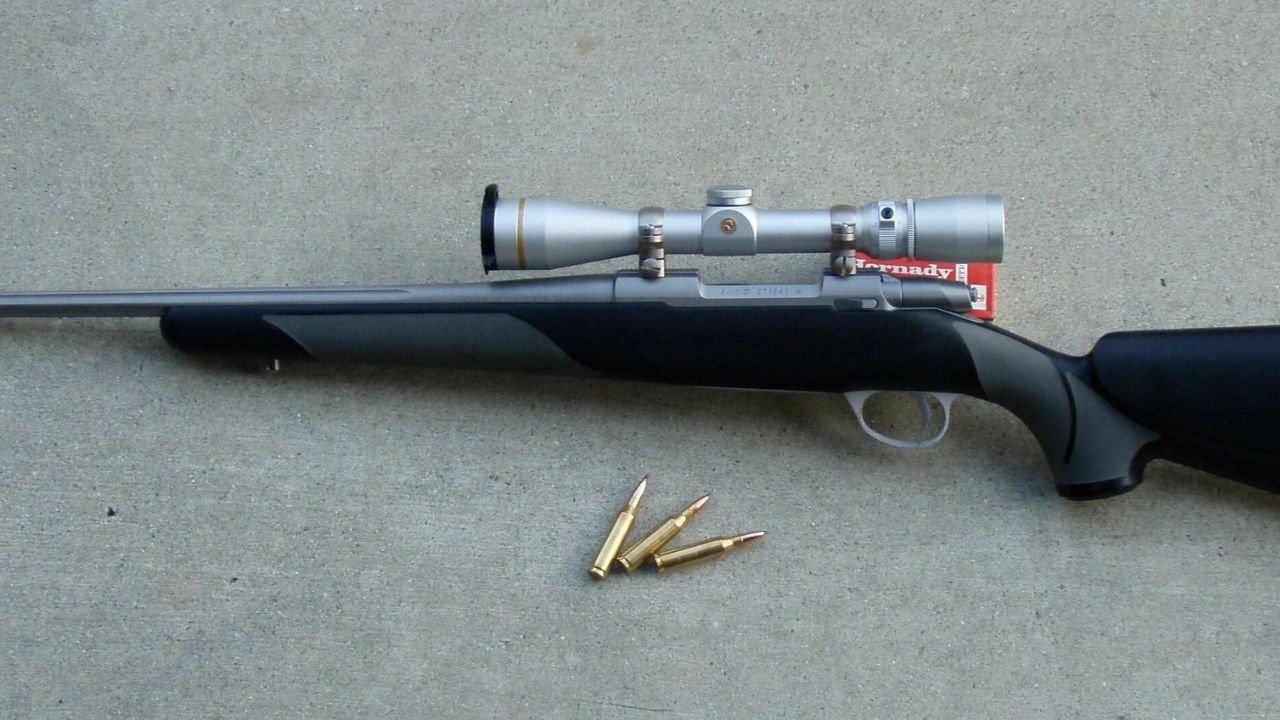
Some hunters dismiss short-action calibers as “starter rounds,” but that’s just plain wrong. Plenty of experienced hunters stick with cartridges like the .243, .308, and 7mm-08 for a reason.
They’re accurate, efficient, and more than capable of taking down big game. Less recoil usually means better shot placement—and that beats a flinch every time.
The .270 Winchester Is Underpowered

Some folks talk down the .270 like it’s barely enough for deer, but anyone who’s actually used it knows better. It’s fast, flat-shooting, and hits hard with the right bullet.
Jack O’Connor made the .270 famous for a reason—it works. Don’t let internet chatter make you doubt a caliber that’s been reliably putting meat in the freezer for nearly a century.
You Need a New Caliber for Every Animal

You don’t need a whole safe full of rifles to cover your hunting needs. Many cartridges, like the .308 or .30-06, can handle everything from whitetails to elk.
The idea that you need a special round for every species is mostly just marketing. Pick a caliber you shoot well and get to know it. Confidence with one rifle beats hopping between unfamiliar setups.
Fast Calibers Are Always Better

Speed is nice, but it doesn’t solve everything. High-velocity rounds can shred light bullets or blow through animals without transferring enough energy—especially at close range.
You don’t need 3,200 feet per second to kill a deer. What you need is the right bullet for the job and a shot where it counts. Don’t chase speed if it comes at the cost of control.
The .243 Is Too Small for Anything But Varmints

The .243 gets written off as a “kid’s gun,” but plenty of seasoned hunters use it every year to fill deer tags. With modern bullets, it’s more capable than folks give it credit for.
It’s not ideal for huge game, but for whitetails, hogs, and antelope, it works just fine—especially if you value accuracy and low recoil. Don’t underestimate what it can do in the right hands.
*This article was developed with AI-powered tools and has been carefully reviewed by our editors.