
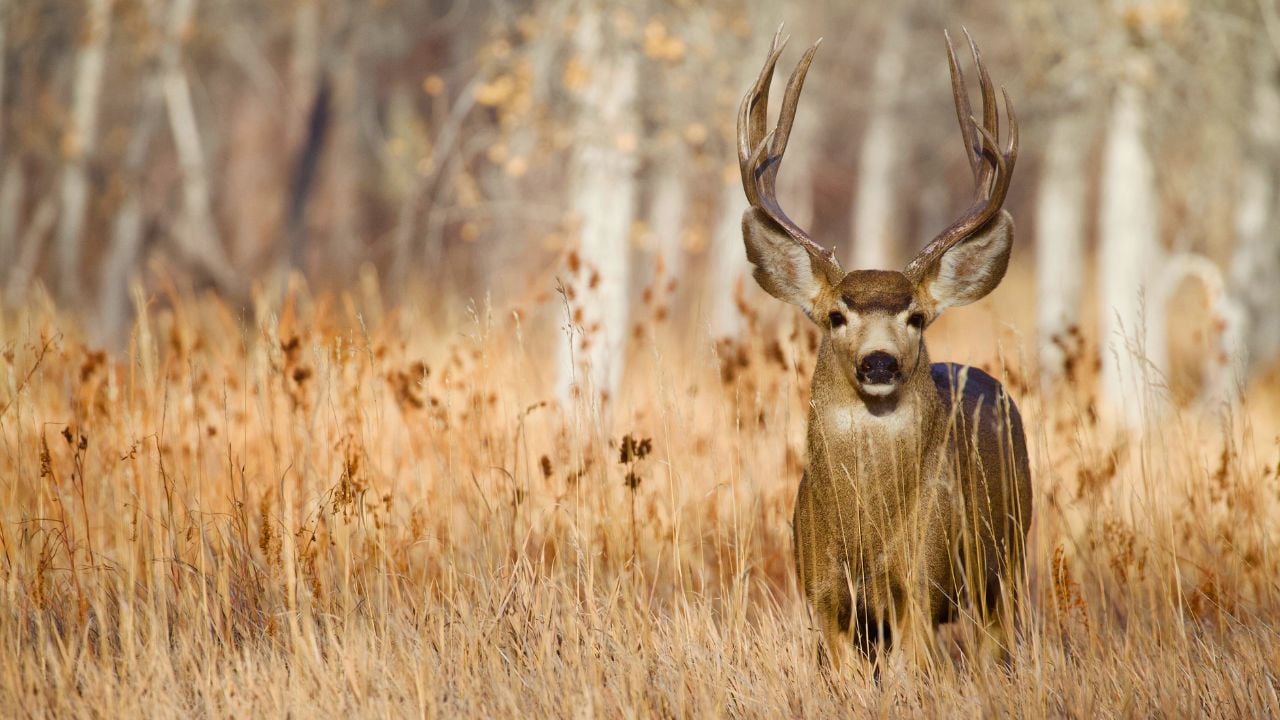
Photo credit: Tom Reichner/Shutterstock.com
Heading out for a deer hunt is all about being prepared. The right gear can turn a tough outing into a seamless experience, while the wrong setup might leave you frustrated. With so many tools and gadgets on the market, it’s easy to overpack, but only a handful of items truly matter in the field. Below, I’ve laid out the 11 must-have essentials I always carry on a hunt. Each serves a crucial role, from meeting basic needs to ensuring safety and efficiency. Here’s what I never leave behind.
A Reliable Gun

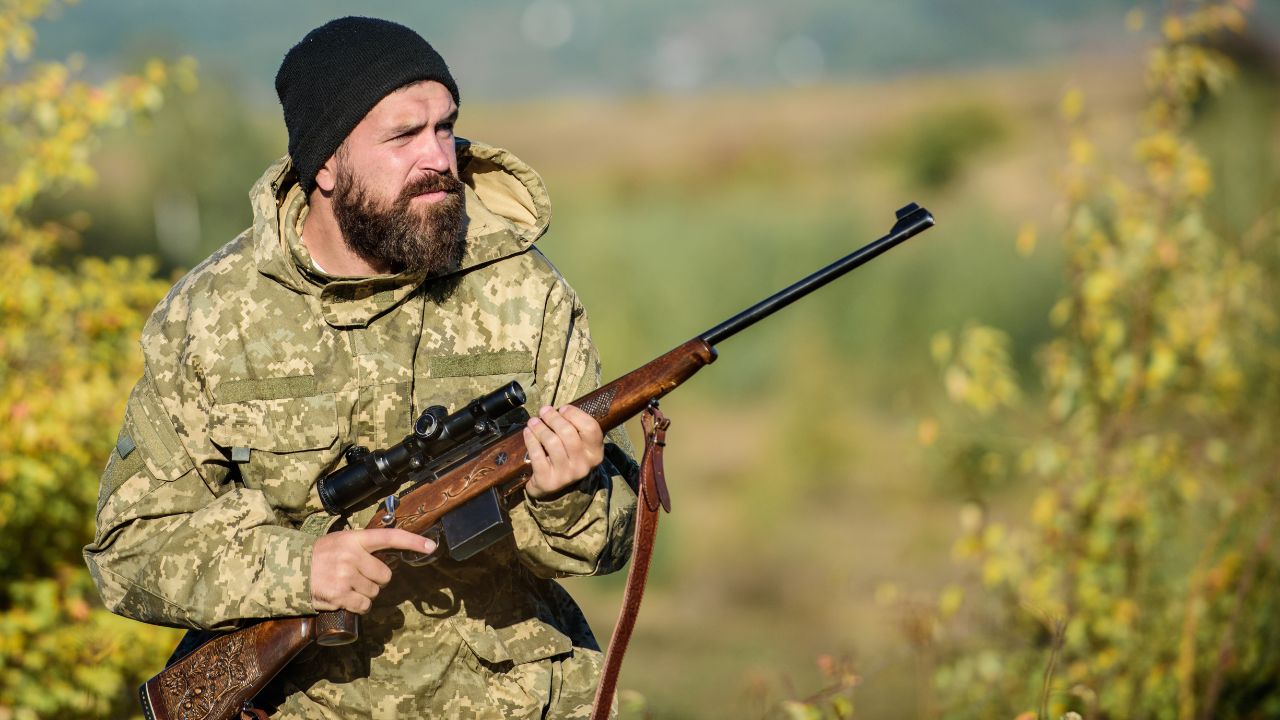
Your gun is the cornerstone of any successful deer hunt. It’s not just about picking any firearm; it’s about using one you know inside and out. Whether it’s a trusty bolt-action rifle or a lever-action classic, the key is reliability and familiarity. Make sure it’s well-maintained, with a clean barrel and properly oiled parts, so it’s ready when you are.
Your choice of caliber matters too. Match it to the terrain and the size of deer in your area. And don’t forget—practice makes perfect. Spending time at the range ensures you’re confident and precise when it really counts.
10 Bullets
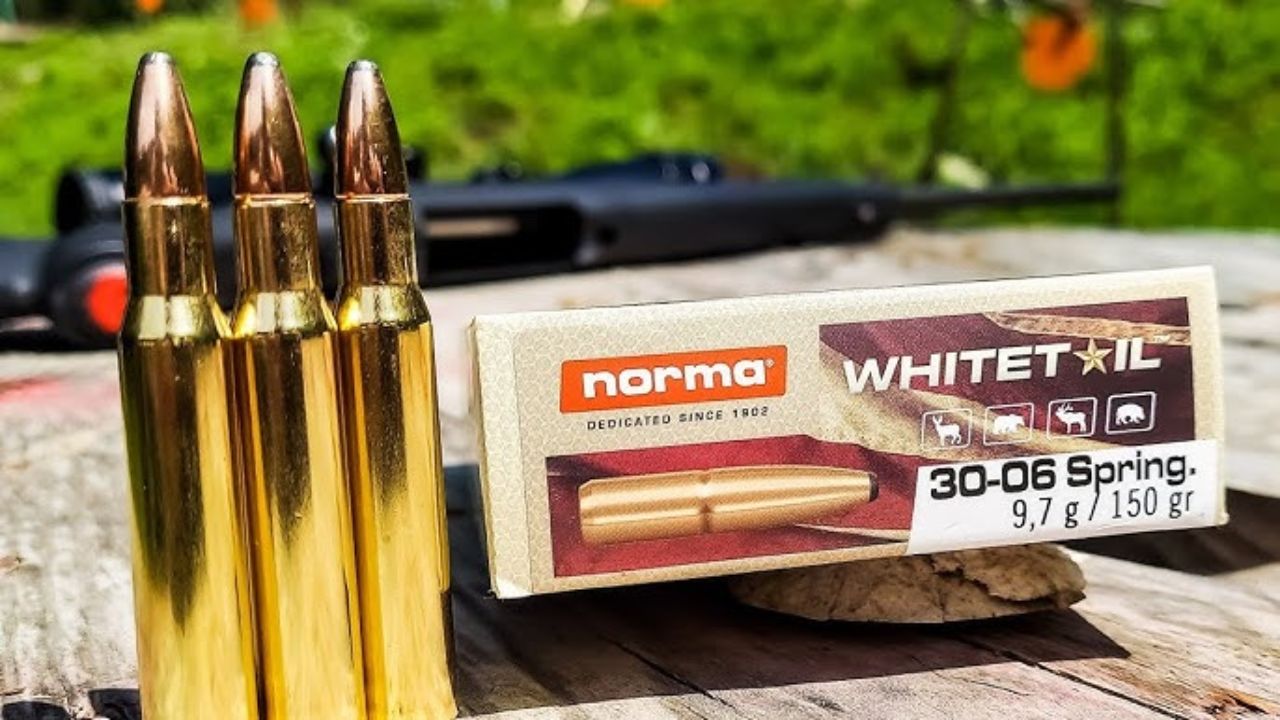
Overloading your pack with extra ammo isn’t just unnecessary; it’s impractical. Ten rounds strike the perfect balance. It’s rare to need more than a couple of shots if your aim is on point. The rest are just there for peace of mind and any unexpected scenarios.
Carrying fewer rounds also keeps your pack lighter and more manageable, which is a blessing when you’re trekking through thick woods or rugged terrain. Focus on quality shots, not quantity, and you’ll find those ten bullets are more than enough.
Hunting License
Your hunting license is more than just paperwork—it’s your green light to be in the field. It shows you’re hunting legally and supports conservation efforts that keep deer populations healthy for future seasons. Keeping it on you isn’t just the law; it’s a sign of respect for the sport and the environment.
Before you head out, double-check that it’s valid and up-to-date. Slip it into a secure pocket or waterproof case so it doesn’t get lost or damaged. Trust me, you don’t want to cut your day short because you forgot this essential.
Sharp Knife

A good knife is a must-have for any hunter, and smaller blades can often outperform their larger counterparts. A sharp, compact knife makes field dressing more precise and less cumbersome, especially when you’re working in tight spaces or handling delicate cuts.
Keep it razor-sharp and easy to access in your pack. Whether it’s a dedicated hunting blade or even a well-crafted paring knife, a small tool like this makes the post-hunt process smoother and less of a hassle. It’s a lightweight addition that punches way above its size.
Bone Saw
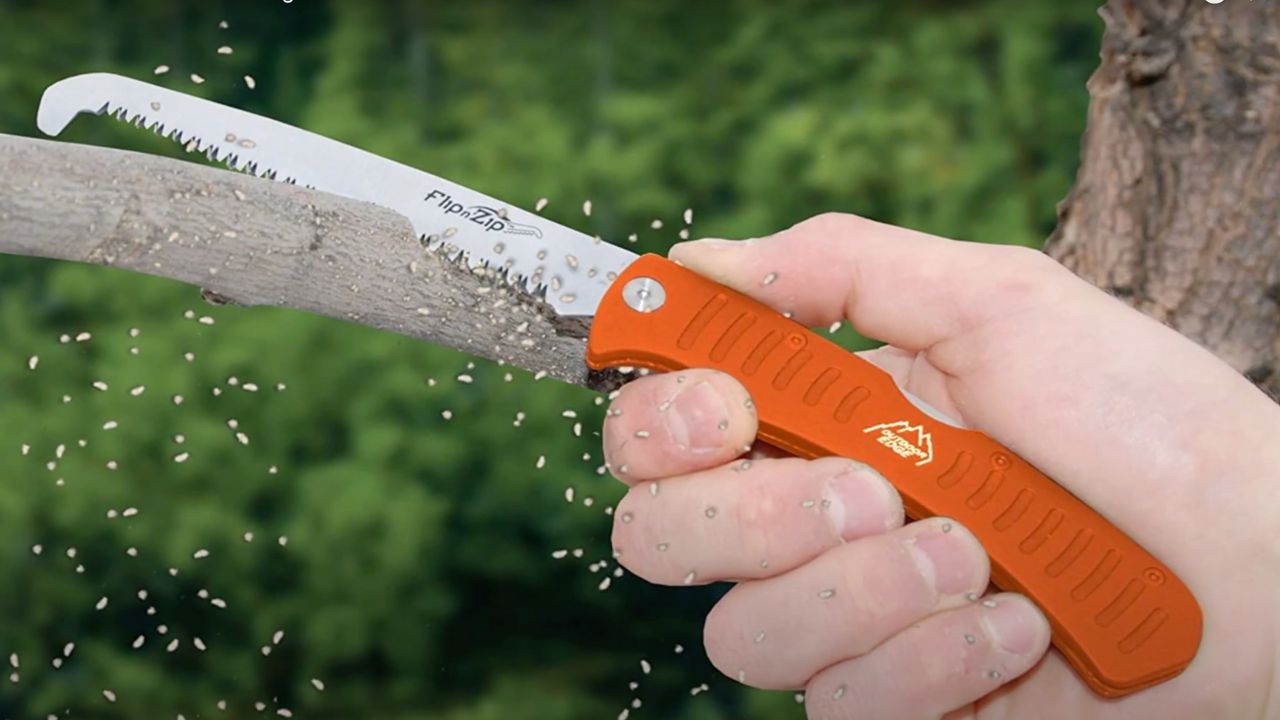
When it’s time to field dress your deer, a bone saw is a lifesaver. Breaking through the pelvic bone or other tough spots can be a challenge, but a compact, multipurpose saw gets the job done without weighing down your pack. You don’t need anything fancy—a small hardware store model works just as well, and often better, than pricier hunting-specific options.
Keep it sharp and ready, and you’ll save yourself a ton of hassle in the field. It’s lightweight, practical, and one of those tools you’ll be glad you packed when the moment comes.
Deer Harness

Getting a deer out of the woods isn’t always a quick task, but a good harness makes it manageable. Whether you’re dragging your harvest across open fields or through thick brush, a well-designed harness distributes the weight and keeps the strain off your body. It’s one of those items you don’t think much about—until you need it.
Even if you’re hunting in an area where you can drive close, there’s no guarantee your deer will drop somewhere convenient. A harness gives you the flexibility to tackle tough terrain and get your deer where it needs to go without breaking your back.
Binoculars

A reliable pair of binoculars is like having an extra set of eyes. They let you scan the area, pick up on movement, and spot deer that might otherwise go unnoticed. Whether you’re glassing across a field or into thick brush, binoculars help you identify your target without unnecessary movement.
Look for a lightweight pair with a good balance of magnification and field of view. Keep them within easy reach, like around your neck or in a side pocket of your pack. They’re a game-changer when it comes to staying one step ahead of your prey.
flashlight or headlamp

When the sun dips low, a headlamp or flashlight becomes essential gear. A headlamp is especially handy because it keeps your hands free, whether you’re field dressing a deer, packing up, or navigating back to your truck in the dark. Make sure it’s bright, durable, and equipped with fresh batteries before every trip.
Even a compact flashlight can be a lifesaver for quick tasks. Hunting often takes you into the woods at odd hours, and good lighting ensures you can work safely and efficiently, no matter the time.
Bear Spray

If you’re hunting in bear country, bear spray isn’t optional—it’s essential. It’s proven to be more effective than firearms at deterring aggressive bears, giving you a safer way to handle unexpected encounters. Unlike a firearm, bear spray creates a wide protective cloud, making it easier to stop a charging predator.
Keep it within reach, like clipped to your belt or pack strap. When you’re focused on deer, it’s easy to forget about what else might be in the woods, but bear spray gives you peace of mind knowing you’re prepared for the unexpected.
Survival Gear
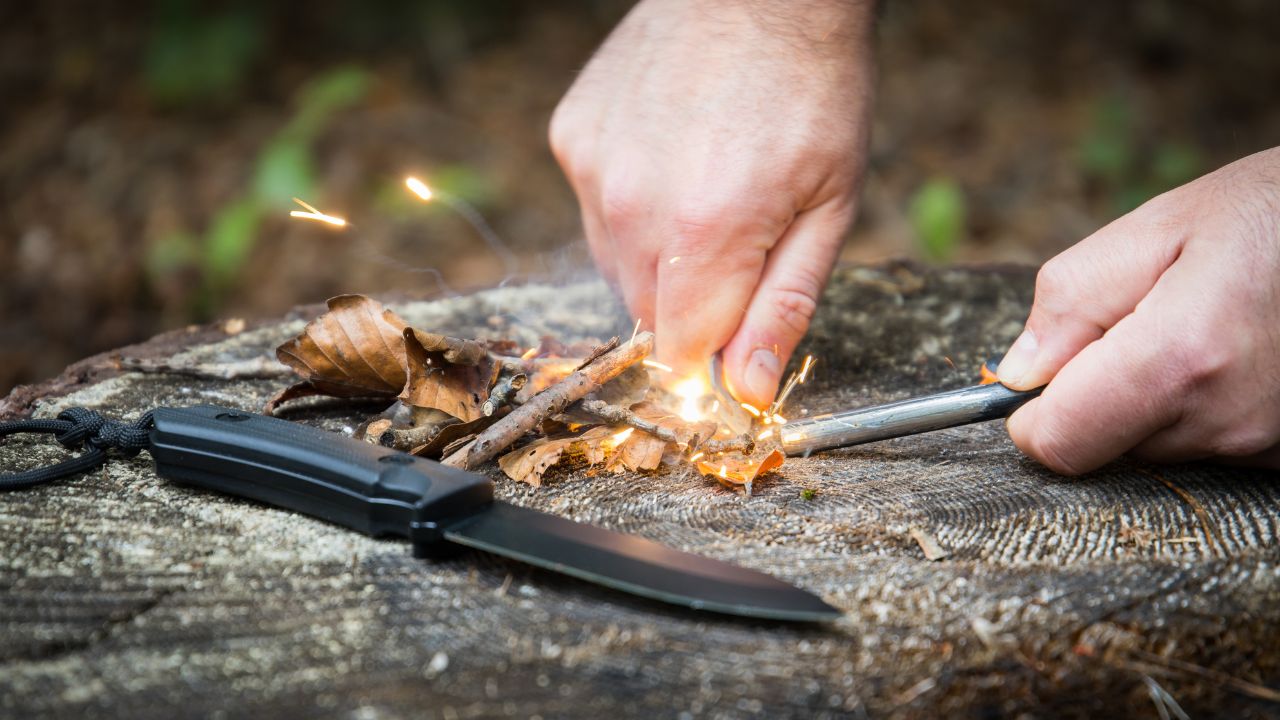
Being prepared is key, especially when hunting remote areas. My survival kit always includes rope, a water bottle, iodine tablets, fire starters, and a lighter. These basics ensure I can purify water, build a fire, or create shelter if something goes sideways. It’s not just about emergencies—it’s about being self-reliant.
A little gear goes a long way. A length of rope can drag a deer or secure a tarp, while fire starters and a lighter ensure you can stay warm if you’re stuck overnight. It’s peace of mind packed into a small corner of your bag.
A GPS Device
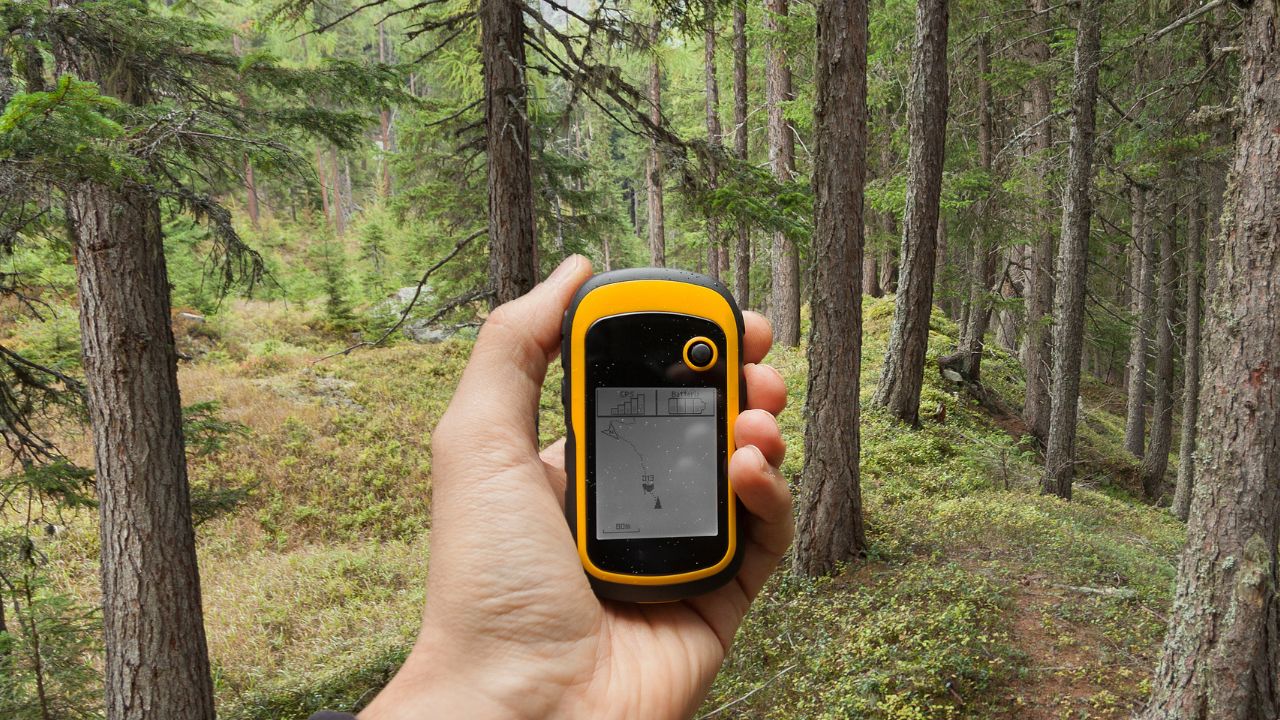
When hunting in unfamiliar terrain, a GPS device is your best friend. It helps you track your location, mark where you saw deer activity, and find your way back to camp or your vehicle. Whether you’re deep in the woods or following a trail, having a GPS can save you time and frustration—especially if you’re chasing a deer that didn’t drop on the spot.
Many devices also let you map out trails and log important landmarks, which can be a game-changer for future hunts. Keep it charged and in an accessible pocket, so you’re ready for whatever the day throws at you.
Like The Avid Outdoorsman’s content? Subscribe to our newsletter so you never miss an article.
Here’s more from us:


