Photo credit: MrKZizzle/YouTube
Some handguns look too good to leave in the safe. You take them out, wipe them down, admire the finish, and remember why you bought them in the first place. But deep down, you know they’re not the guns you’d stake your life on. Whether it’s unreliable feeding, finicky tolerances, or a reputation that doesn’t match reality, these pistols tend to impress more on the bench than in the field. They shine under good lighting but stumble when it matters most. These are the handguns you polish out of habit—but wouldn’t trust past the first mag.
Kimber Ultra Carry II
The Kimber Ultra Carry II is one of the best-looking compact 1911s you’ll find. It feels solid, cycles smoothly, and has that “premium” vibe that hooks a lot of buyers. But that tight fit and short barrel often spell trouble for reliability.
Feed issues, failure to return to battery, and sensitivity to ammo and lubrication aren’t uncommon. Some run perfectly, but others need tuning to stay consistent. You’ll still polish it and admire that satin finish, but you probably won’t take it when you leave the house. It’s a beauty that demands pampering.
Colt Defender

The Colt Defender brings the legendary 1911 name into a compact frame, and it looks every bit the part. The stainless steel, the classic lines—it’s got that old-school charm that turns heads. But that short slide and sharp recoil impulse don’t do it any favors.
Many shooters find it too snappy to shoot well, and reliability varies from gun to gun. The Defender can run flawlessly or choke halfway through a box of hollow points. It’s one of those pistols you can’t help but show off, but it’ll stay in the safe when real confidence matters.
SIG Sauer P238
The P238 is a tiny, beautifully built pistol that feels more like a luxury piece than a tool. The fit and finish are exceptional, and the controls mimic a full-size 1911. But it’s also temperamental, especially when it comes to ammo and maintenance.
Lightweight and pocket-sized, it’s easy to carry—but that same size makes it more prone to limp-wrist malfunctions and tight tolerances that need constant cleaning. It’s an excellent backup for range use, but it’s not the kind of pistol you’ll bet your safety on without hesitation.
Walther PPK/S

The Walther PPK/S has movie-star looks and a cult following for a reason. It feels great in the hand, the trigger is crisp, and the all-steel frame has an unmistakable elegance. Unfortunately, that refinement comes with old-school flaws.
The PPK/S is notorious for slide bite and spotty reliability, especially with defensive ammo. It’s a fun range gun and a collector’s favorite, but it’s not something you’ll want to rely on in a pinch. You’ll keep it polished, maybe even holstered once in a while—but it’s nostalgia, not trust, that keeps it around.
Desert Eagle .50 AE
The Desert Eagle isn’t a pistol—it’s a statement. Every range trip turns into a crowd-pleaser when you pull it out. But while it’s flashy, it’s far from practical. The massive size, heavy recoil, and picky nature make it more of a novelty than a go-to firearm.
You’ll need specific loads to make it cycle consistently, and its sheer weight makes it tiring to shoot. It’s not unreliable so much as impractical. The Desert Eagle is the gun you show off to friends, not the one you grab when something goes bump in the night.
Taurus PT92
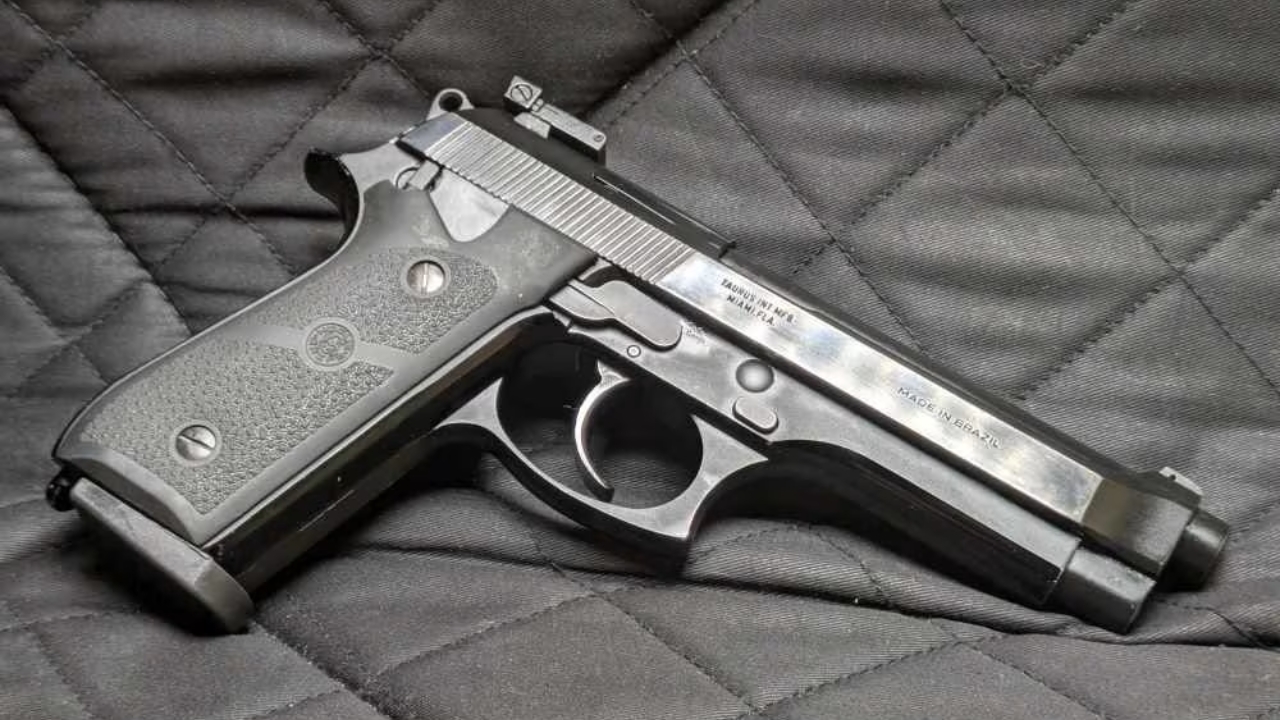
The Taurus PT92 takes inspiration from the Beretta 92, and on the surface, it looks every bit as impressive. It’s big, metal-framed, and well-balanced. But while some shoot great, others have issues that make you second-guess its consistency.
Loose tolerances, inconsistent triggers, and occasional feeding hiccups keep it from earning the same level of trust as its Italian inspiration. You’ll take it to the range and enjoy it for what it is—a fun shooter—but you’ll also notice that it feels a little rougher, a little less refined than the gun it’s trying to be.
Kimber Solo Carry
The Kimber Solo was built to be a premium micro 9mm for concealed carry, and on paper, it had everything—sleek lines, solid feel, and high-end materials. In reality, it became one of Kimber’s biggest disappointments.
The Solo is notoriously picky with ammo, particularly lighter loads. Many shooters found it jammed far too often to take seriously. It’s a pistol you want to love—it feels great and looks even better—but trust fades fast when it stutters on the range. You’ll still keep it cleaned and polished because it’s too pretty not to, but deep down, you know it’s a safe queen.
Colt Double Eagle

Colt’s Double Eagle tried to modernize the 1911 by adding double-action capability, and it sure looks interesting. The frame is solid, the machining is old-school quality, and it carries that Colt name that used to mean something special.
Unfortunately, the Double Eagle’s trigger and ergonomics never lived up to the hype. Heavy pull, awkward reset, and spotty reliability made it a disappointment. Collectors still admire them, but shooters know they’re better admired than carried. It’s one of those guns that looks great under good lighting—and stays there.
Browning Hi-Power (Late Production)
Early Hi-Powers are legendary for their smooth shooting and reliability. But the later production models, especially those made under license, lost that magic touch. Rough machining, poor fitting, and feeding issues became too common.
They’re still beautiful pistols—slim, balanced, and iconic—but the newer ones often needed gunsmithing to perform like the originals. You’ll polish one out of respect for history, not because you’d carry it. The Hi-Power name still draws admiration, but those last few years before production ended tarnished what was once untouchable.
Remington R51

The R51 looked like a clever revival of a classic design. It was lightweight, stylish, and felt great in the hand. But once shooters started running them, the problems piled up—feeding failures, trigger issues, and even safety concerns.
Remington reissued the pistol after redesigns, but the damage was already done. The R51 became a cautionary tale of how fast a promising design can go wrong. It’s a conversation piece now—a gun that looks great on the shelf but never earned back anyone’s faith. You’ll clean it, admire its lines, and then remember why it never leaves the safe.
Like The Avid Outdoorsman’s content? Be sure to follow us.
Here’s more from us:
The worst deer rifles money can buy
Sidearms That Belong in the Safe — Not Your Belt
*This article was developed with AI-powered tools and has been carefully reviewed by our editors.