Photo credit: AI-generated image created using ChatGPT. Illustrative only
A deer hunt can go sideways fast when the light’s fading, brush is thick, and you’re trying to decide in seconds whether you’re looking at the right animal. In Big Bear, one hunter learned the hard way that an honest mistake in the field can still turn into a criminal citation.
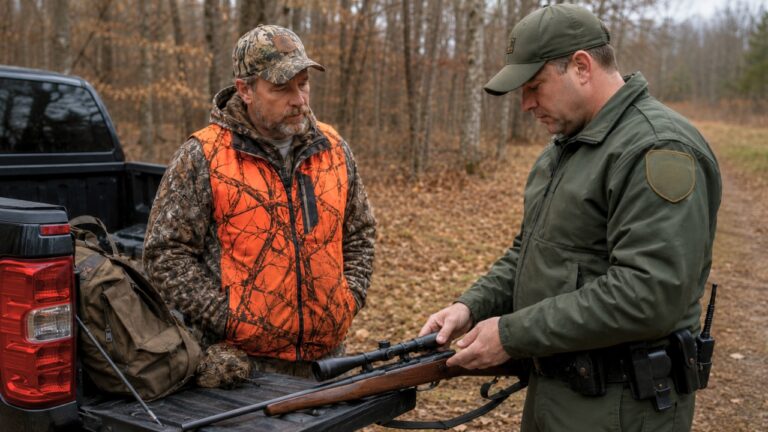
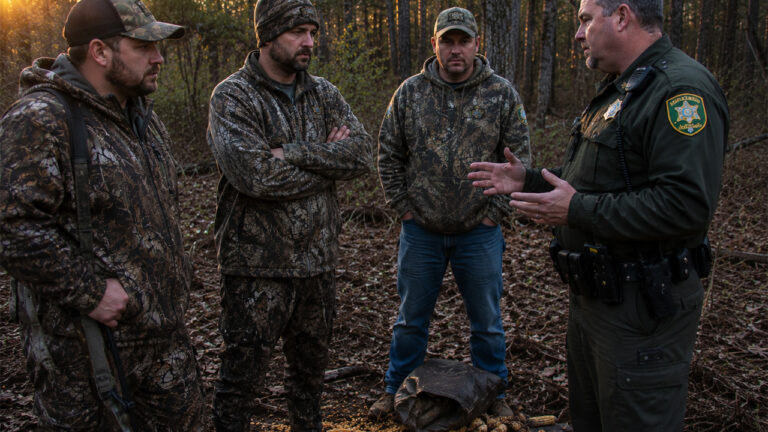
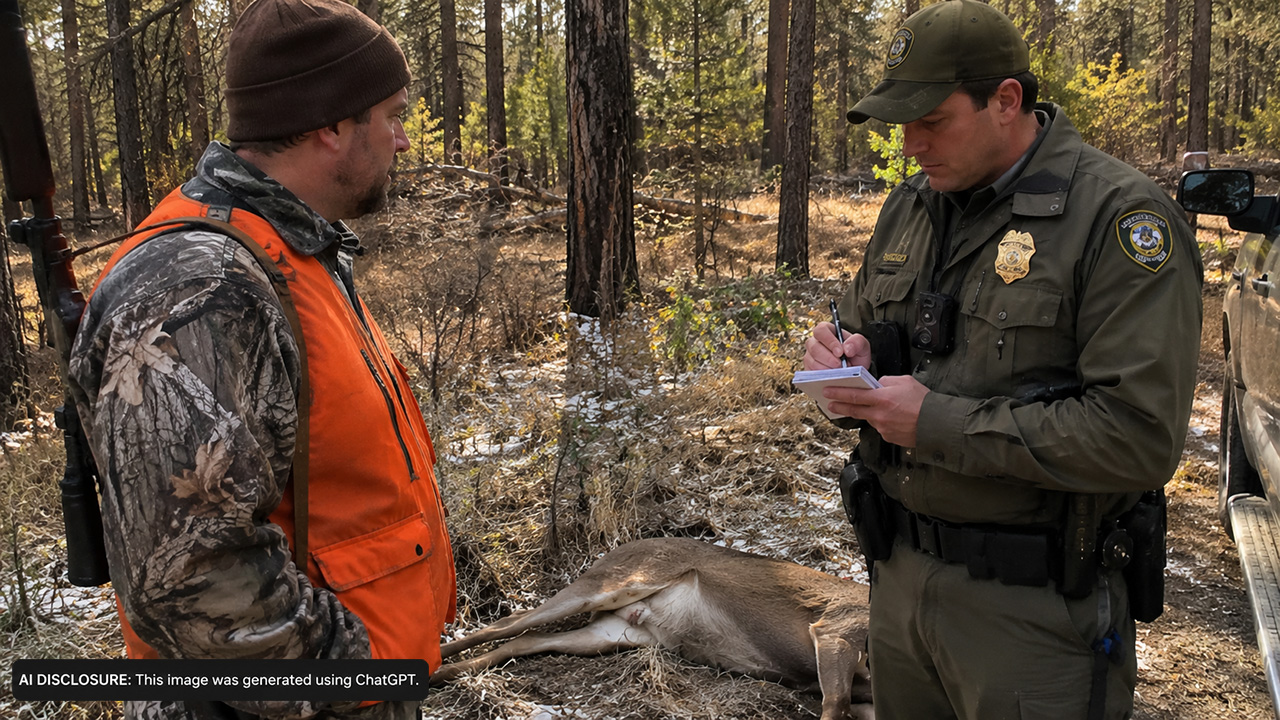
Based on the original post, a California hunter went out during buck season on public land with a rifle buck tag. While hunting for a legal buck, he accidentally shot a doe. He then self-reported the mistake—only to be cited by a sheriff for an unlawful take.
A split-second ID mistake with real consequences
The hunter’s fiancée described it plainly: he was hunting a buck, but shot a doe instead. That’s the kind of sentence nobody wants to say out loud in deer camp, because every hunter knows how it sounds—and because the regulations don’t leave much wiggle room once the wrong animal is down.
In the post, she noted that does in that zone were classified as “conservation,” based on what she had read. However the classification reads on paper, the practical issue is simple: he had a buck tag, and the animal he killed wasn’t a legal buck.
Self-reporting didn’t make the citation disappear
A lot of hunters believe that doing the right thing—calling it in, turning yourself in, reporting the harvest—will automatically soften the landing. Sometimes it helps. Sometimes it doesn’t.
Here, the hunter self-reported and still got cited. According to the fiancée, the sheriff issued a citation for “fsc 2000 a unlawful take of doe.” That’s a gut punch for anyone who thought honesty would mean a warning and a tough lecture.
Why “it was an accident” isn’t a magic phrase
The fiancée was trying to talk her hunter into hiring an attorney, and she raised the exact point more outdoorsmen need to understand: intent doesn’t always erase liability in fish and game cases. You can do something without meaning to—and still be the one holding the tag (or not holding the right tag) when the warden looks at the facts.
This isn’t about demonizing the guy. It’s about recognizing how wildlife laws work in the real world. The state doesn’t need to prove you “wanted” to take the wrong animal the way it might in other crimes. The question often becomes whether the take itself was legal, and whether you followed the season and tag rules to the letter.
That’s also why “I’ll just tell the judge it was an accident and it’ll go away” can be a dangerous mindset. Judges hear “accident” all day long. What they care about is what actually happened, what the statute says, and what enforcement and wildlife management require.
Big Bear deer rules can be unforgiving if you’re not 100% sure
Anybody who has hunted California knows the rulebook isn’t a pamphlet—it’s homework. Zones, tag types, antler restrictions, season dates, and weapon rules can stack up quick. Add public land pressure and tough visibility, and it’s easy to see how hunters get themselves in trouble.
One of the biggest practical lessons here is the boring one: if you can’t confirm what you’re looking at, you don’t press the shot. That’s easy to say from a couch and harder in the timber. But it’s the only thing that protects you from exactly this kind of outcome.
Hunters talk a lot about marksmanship, calibers, and “making the shot.” This story is a reminder that the real skill is animal identification under field conditions—because once you squeeze the trigger, you’ve made a legal decision, not just a shooting decision.
The immediate worry: misdemeanor exposure, court, and whether to get a lawyer
The fiancée’s research led her to believe the charge could carry jail time, and that’s what pushed her into advocate mode. She also asked practical questions most folks don’t think about until they’re staring at a court date: will he be offered a public defender, and what might punishment look like if he’s convicted?
Those are fair questions, but they’re also the point where internet advice can only go so far. What matters is the exact charge, how that county handles fish and game violations, and what the facts look like on the citation and any reports. Even the detail of who cited him—here, she wrote that the sheriff did—can affect how the case moves through the system.
From a boots-on-the-ground perspective, the bigger issue is what a conviction can snowball into for a hunter. Beyond fines, some wildlife convictions can trigger license consequences, extra civil assessments, loss of points, and restrictions that follow you into future seasons. Nobody wants to find out later that “just pay it” turned into lost hunting privileges.
What people tend to focus on in situations like this
Even without a long comment thread included in the source material, you can predict what outdoorsmen and legal-minded folks zero in on when a wrong-deer citation hits: Did he have the right tag? Was it clearly a doe? Was it an antlered deer that looked like a doe in poor light? Did he verify before shooting? Did he immediately report it? And what exact code section is listed?
In other words, folks tend to split into two camps. One camp emphasizes accountability: you’re responsible for target ID, period. The other emphasizes proportionality: a self-reported mistake shouldn’t be treated like intentional poaching. Real life is messy, and hunters aren’t robots.
But both camps usually agree on one thing: don’t walk into court unprepared, especially when a misdemeanor and potential jail time are being discussed. At minimum, it’s worth understanding the process, what you’re pleading to, and what long-term consequences could attach to the hunting license you care about.
If there’s a clean takeaway for hunters, it’s this: California’s deer regs don’t give you much grace when the animal on the ground doesn’t match the tag in your pocket. If you’re in that situation, self-reporting may still be the right move—but it doesn’t guarantee you’ll avoid charges. And if you’ve got a court date on the calendar, treating it like “it’ll just go away” is a gamble most hunters can’t afford.
Like The Avid Outdoorsman’s content? Subscribe to our newsletter so you never miss an article.
Here’s more from us: