Photo credit: AI-generated image created using ChatGPT. Illustrative only.
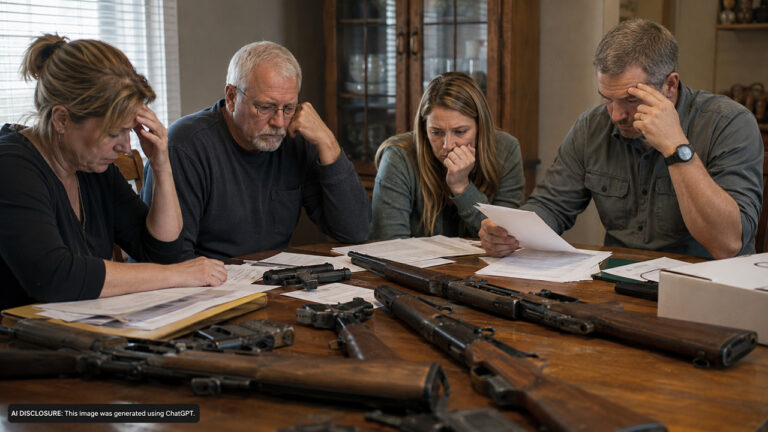
Most hunt camps aren’t just a place to sleep and drink coffee before daylight. They’re a second home built on sweat equity, trust, and a handshake culture that only works when everyone plays straight. When that trust breaks, it isn’t just inconvenient—it can wipe out years of work and a whole season’s worth of plans overnight.
That’s what one Canadian hunter says happened to him after he was abruptly removed from an incorporated and insured hunting camp he’d invested heavily in—both with money and labor—without any clear reason, without being allowed to speak for himself, and, according to him, without a legitimate vote by the membership. The details come from the original post.
A hunt camp that ran like a small corporation
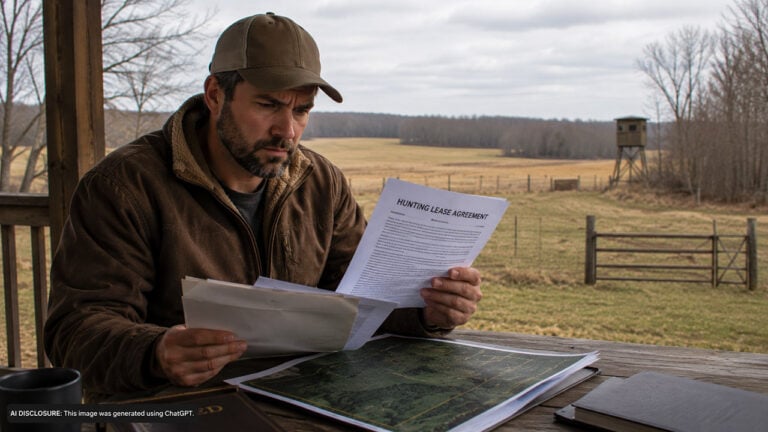
From the hunter’s description, this wasn’t a casual group that pooled gas money and camped on Crown land. The camp was incorporated, insured, and structured with a written constitution that spelled out how membership worked and how discipline was supposed to be handled.
There were nine members total. Each paid a one-time membership fee of $3,000, plus annual dues of $400, for “unlimited use of property.” The property itself was valued around $60,000. A president oversaw quarterly meetings, and each member had one vote on camp decisions.
The constitution required notice and a chance to be heard
In most camps, “rules” are the usual basics: don’t show up drunk with a loaded rifle, don’t shoot toward camp, don’t wreck the place, and don’t leave your mess for the next guy. This camp went further and put removal procedures in writing.
According to the hunter, the constitution said a member could only be removed for violating a constitutional rule. Before removal, that member was supposed to be notified of the alleged violation and brought before the membership to speak to it. After the member gave his explanation, the members would vote. The vote didn’t have to be unanimous, and in a tie the president would cast the deciding vote.
He says he was removed with no notice, no hearing, and a questionable vote
The hunter says none of that procedure happened for him. Instead, he learned through an email that he’d been voted out. No allegation was presented to him ahead of time, and he says he didn’t violate any rule.
What makes it worse is what he says he later learned through two close friends still in the camp: the president was frustrated with him for questioning “suspicious activities” happening within the organization. That point matters because it suggests this wasn’t a normal “you broke camp rules” situation, but a personal or political retaliation within the group.
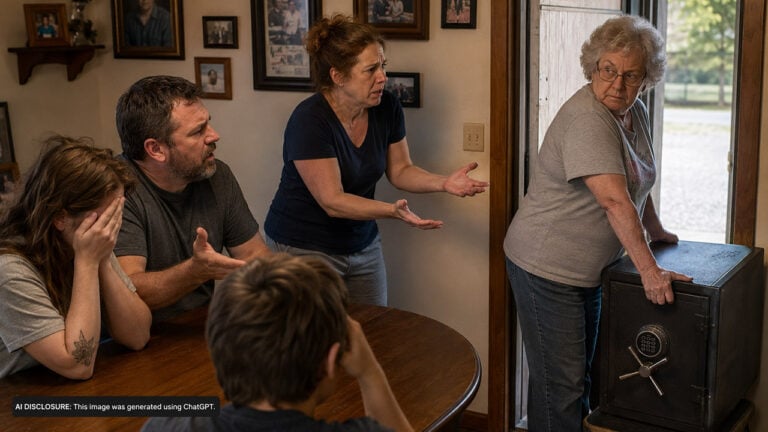
Then there’s the vote itself. He was told the tally was 6–2. But he says he was able to confirm that at least four members were not aware any vote took place and did not cast a vote against him. In a nine-member camp, that’s not a small technicality—it’s the whole ball game.
Money, sweat equity, and a season that can’t be refunded
The financial structure of the camp adds another layer. The constitution reportedly gave the camp one year from the date of the vote to return his initial $3,000 membership fee. So even if the money eventually comes back, he’s still forced out immediately while they hold his buy-in.
But anyone who’s built or maintained a hunt camp knows the membership fee is only part of the real cost. He says this camp was “the most cherished asset” he had, and that he spent many weeks and thousands of dollars improving the place. Time on a remote property isn’t like time spent painting a rental house in town. It’s hauling materials, fixing roads, building blinds, cutting lanes, improving sleeping quarters, and keeping things from falling apart.
And then there’s the part that doesn’t show up on a receipt: the loss of access and opportunity. If you’re shut out of your camp right before prime hunting, that season is gone. You can’t get it back later, even if you eventually get a check.
Lockouts and gate codes change the reality fast
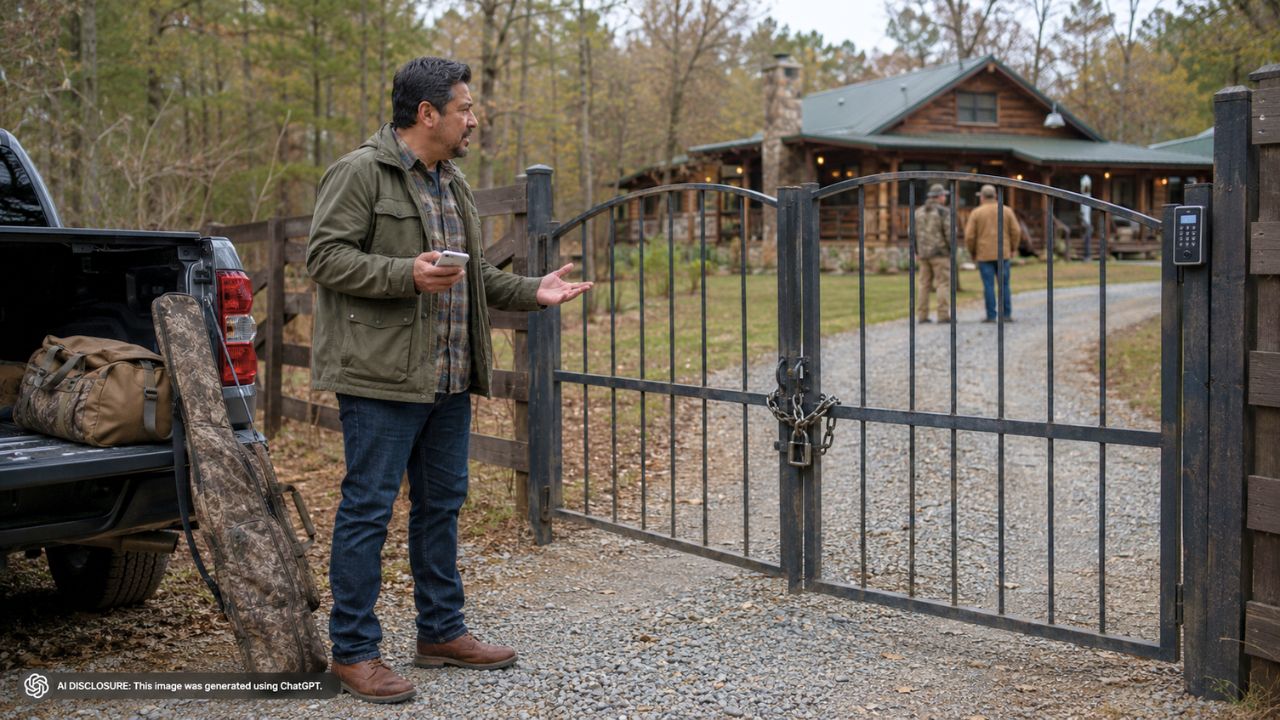
The headline angle that outdoorsmen will recognize immediately is the lockout piece—when a group changes gate codes and cuts off access. Even with an organization and a constitution, practical control of a property often comes down to who has keys, who controls the gate, and who can physically keep you out.
That’s where these situations turn from a “camp disagreement” into something that can get serious. A locked gate doesn’t just keep you from hunting—it keeps you from retrieving gear, checking on equipment you paid for, and accessing improvements you built. It also raises real safety and legal concerns, because a wrong move at the gate can turn a paperwork dispute into a trespass accusation or an ugly confrontation.
If you’ve ever watched a camp fracture, you know how it goes: one side claims “you’re out,” the other side claims “I’m still a member,” and the property becomes the leverage point. The smartest play in that moment is usually to stay calm, keep everything documented, and avoid any situation where somebody can paint you as the aggressor.
He wondered about a “wrongful dismissal” claim and stress damages
After being removed, the hunter asked whether he could sue under something like a “wrongful dismissal” concept and seek compensation for undue stress. That’s an understandable instinct—because it feels like being fired from something you invested in and relied on.
But a hunt camp membership isn’t the same as employment, and the remedy often comes down to what the constitution and corporate structure require, whether those rules were followed, and what provincial laws say about incorporated associations and member rights. Even without getting deep into legal weeds, the practical question is simple: did the camp breach its own governing document by removing him without proper notice, a hearing, and a valid vote?
He also has the membership fee repayment clause hanging out there—one year to return his $3,000. If a group is willing to remove someone without following procedure, you can understand why a person would be nervous about whether they’ll honor the repayment timeline, too.
What hunters can learn from this kind of camp breakup
Every camp has its own culture, but the failure points tend to repeat. If you’re in a leased club, a family place, or a share-in camp with a deed and a gate, a few habits will save you pain later.
First, treat the constitution or bylaws like it matters—because when things go sideways, it’s the only thing separating “we had a disagreement” from “we violated our own rules.” Know the removal procedure, voting requirements, and repayment terms before you ever need them.
Second, keep records of what you’ve put into a place. Improvements, materials, major repairs, even photos of projects—those details help establish what you contributed if the relationship turns into a dispute over reimbursement or access.
Third, don’t let pride drag you into a gate-side showdown. When codes change and access gets cut off, it’s tempting to “just go get your stuff.” That’s also how people end up with criminal allegations or somebody getting hurt. A camp can be replaced; a bad decision at a locked gate can follow you for life.
In the end, this hunter’s story is a reminder that hunt camps are built on trust—but they’re held together by clear rules and fair process. When a group skips the notice, skips the hearing, and the vote looks shaky, it doesn’t just sour friendships. It can turn a cherished place in the woods into a courtroom-grade headache.
Like The Avid Outdoorsman’s content? Be sure to follow us.
Here’s more from us: