Photo credit: sootch00/YouTube
Modern hollow-point ammunition has transformed defensive handguns. A good 9mm load today can expand reliably, penetrate deeply, retain its weight, and perform from compact barrels in ways older ammunition often could not. That improvement has helped make premium defensive ammunition almost automatic for anyone carrying a mainstream service pistol.
Not every caliber benefits equally, though. Some small cartridges simply lack enough velocity for dependable expansion without giving up too much penetration. At the other end of the spectrum, powerful woods cartridges already make enormous holes and are often chosen specifically because deep penetration matters more than expansion. That does not mean hollow points are useless in these calibers. It means the improvement is smaller, less consistent, or less important than it is in cartridges such as 9mm. These 20 are the carry calibers where bullet selection requires more thought than simply buying the newest hollow point.
.22 LR

Modern .22 LR defensive ammunition is considerably more sophisticated than the cheap bulk loads most people associate with rimfire pistols. Manufacturers have experimented with optimized bullet shapes, plated projectiles, and loads designed specifically around the short barrels of tiny defensive handguns. Even so, there is only so much energy available from a .22 LR fired through a two- or three-inch barrel.
That puts hollow-point designers in a difficult position. If the bullet expands significantly, penetration can suffer. If it penetrates deeply enough, it may behave more like a solid anyway. In such a small caliber, getting the bullet sufficiently deep is usually the greater concern. A well-designed solid or flat-nose load can therefore make as much sense as an aggressively expanding hollow point. Better ammunition helps .22 LR, but it cannot completely rewrite what the cartridge is.
.22 WMR

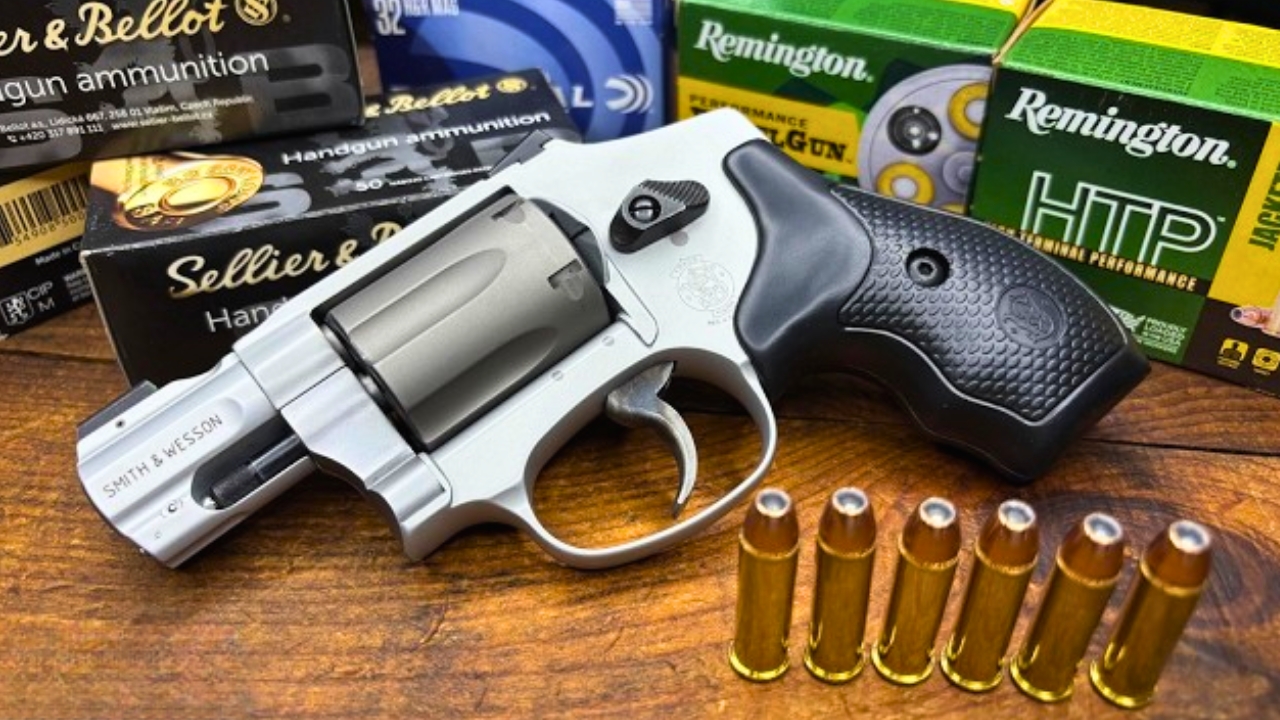
The .22 Magnum has substantially more performance potential than .22 LR, particularly when barrel length allows the cartridge to build useful velocity. That makes it an interesting option in lightweight revolvers intended for people who prioritize very low recoil.
Short-barreled carry guns complicate things. Ammunition originally developed around rifle velocities may not behave the same way when fired through a tiny revolver. A hollow point that expands aggressively can also surrender the penetration advantage you hoped to gain by choosing .22 Magnum over .22 LR in the first place. Loads specifically designed for short barrels certainly improve the situation, but bullet construction still matters enormously. In this caliber, I care at least as much about straight, repeatable penetration as I do about whether the recovered bullet looks impressive after expansion.
.25 ACP
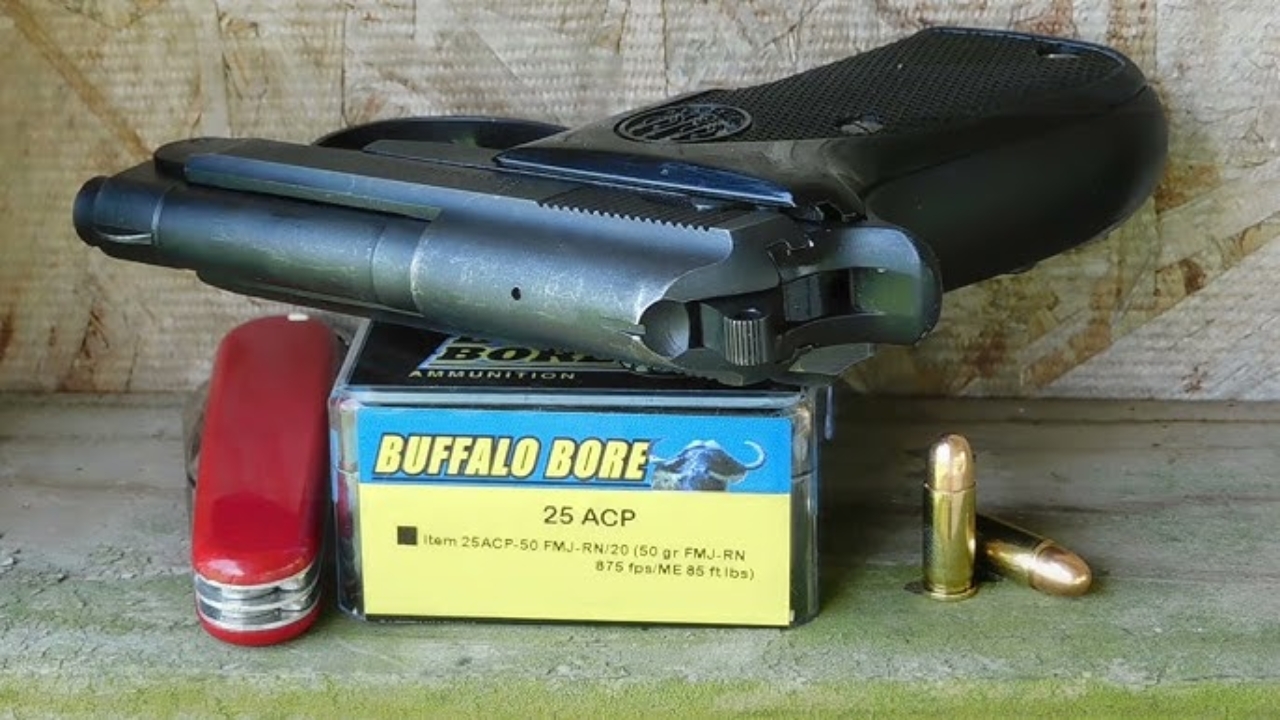
The .25 ACP is already operating with very little energy, especially from the tiny pocket pistols that made the cartridge famous. That means a conventional hollow point has almost no performance to spare. Asking the bullet to open wider while still reaching meaningful depth is asking a lot from such a small cartridge.
That is why modern bullet technology does not magically make the .25 into something dramatically more capable. Hollow points may expand under favorable conditions, but expansion can come at the expense of penetration. A non-expanding projectile at least preserves the limited momentum the cartridge has available. The .25 ACP’s greatest historical advantage was dependable centerfire ignition in extremely small pistols, not terminal performance. Modern ammunition can optimize it around the edges, but no hollow-point cavity can create energy that was never there.
.32 ACP

The .32 ACP may be the clearest example of why hollow-point expansion is not automatically desirable. The cartridge is mild enough to make very small pistols pleasant to control, but that low recoil comes from relatively modest energy. Once a hollow point begins expanding, it creates more resistance and can stop sooner than you want.
That creates a frustrating choice. A load may penetrate adequately because it does not expand, or it may expand and sacrifice the depth that made it useful in the first place. Some carefully designed loads find a better balance, particularly from longer barrels, but the improvement is inconsistent enough that many experienced .32 shooters still place enormous value on penetration. Modern hollow points make the cartridge more interesting. They do not eliminate the fundamental tradeoff between expansion and depth.
.32 S&W Long
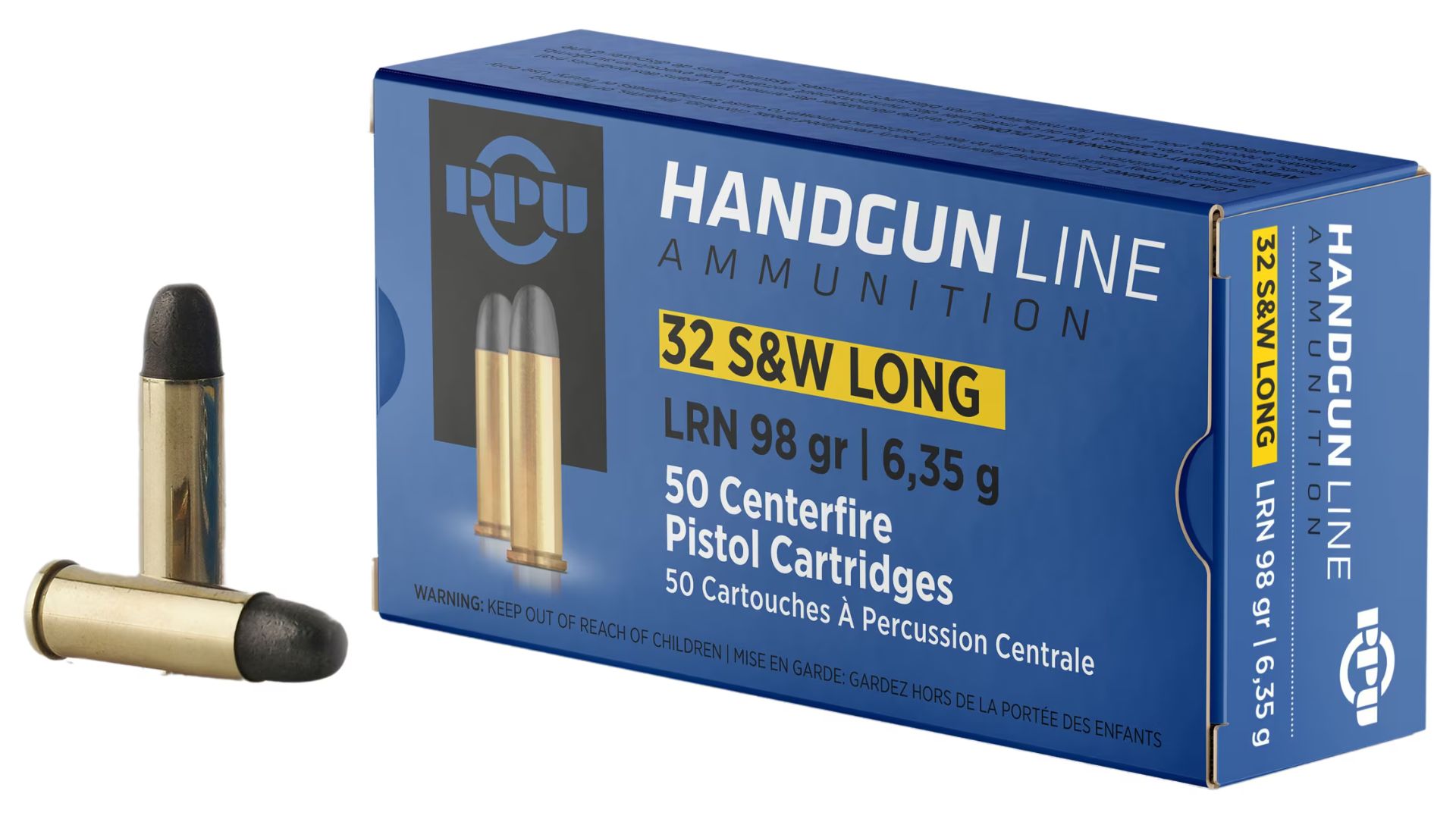
The .32 S&W Long was developed in an era when modern defensive hollow points were not part of the conversation. It operates at modest pressure and velocity and became far better known for accuracy and light recoil than for dramatic terminal performance.
That low velocity also limits what a hollow point can accomplish. Even when a bullet contains a large cavity, there may not be enough speed to force it open consistently after passing through clothing. A wadcutter-style bullet can actually make considerable sense because it cuts a full-diameter path while preserving penetration rather than spending limited energy trying to expand. If someone chooses a .32 Long revolver because recoil sensitivity makes larger cartridges difficult, I would care more about reliable ignition, placement, and sufficient penetration than chasing dramatic expansion.
.32 H&R Magnum

The .32 H&R Magnum gives you considerably more useful performance than .32 S&W Long without producing the blast of a full-power .327 Federal Magnum. It is one of the more pleasant centerfire revolver cartridges to shoot and can make sense in a lightweight carry gun.
Its moderate velocity still means hollow-point performance can be load dependent, particularly from short barrels. Expansion is certainly possible, but it is not always the enormous improvement shooters expect when paying for premium ammunition. A heavier flat-point or wadcutter-style projectile may preserve penetration and cut a useful wound path without depending on the bullet opening correctly. The .32 H&R is already attractive because of controllability. I would rather preserve that combination of accuracy and penetration than select ammunition solely because the box promises maximum expansion.
9x18mm Makarov
The 9mm Makarov occupies an awkward ballistic space between .380 ACP and conventional 9mm Luger. Its slightly larger bullet diameter sounds useful, but its velocity is still limited enough that modern hollow points do not have the same performance envelope available to good 9mm Luger ammunition.
That is especially true from the compact military-style pistols normally chambered for it. Some modern expanding loads can work, but there is less velocity available to ensure consistent opening after clothing while still maintaining adequate penetration. A good solid or modestly expanding projectile may therefore produce more predictable results than an aggressive hollow point. The cartridge remains perfectly shootable and its pistols are interesting, but modern ammunition technology has not elevated 9×18 into the same terminal-performance class as mainstream 9mm.
.38 S&W
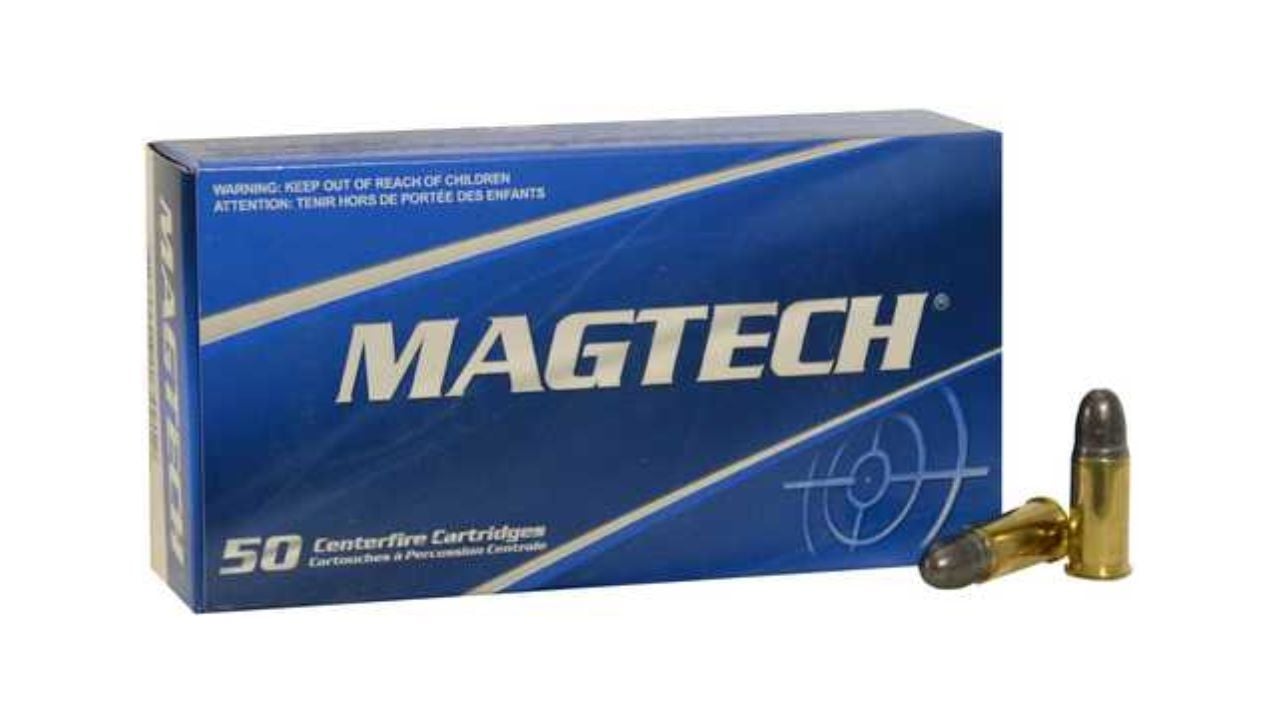
The old .38 S&W is still encountered in revolvers that occasionally get pressed into defensive or bedside service. It launches a relatively large bullet at mild velocity, and its pressure levels reflect the age of the firearms originally designed around it.
That makes aggressive modern hollow-point design difficult. Manufacturers cannot simply increase velocity dramatically because many surviving revolvers are old, and the cartridge does not have much speed to spare once a hollow point begins expanding. A traditional lead round nose is not particularly impressive either, which is why flat-point or wadcutter-style bullets can be appealing where appropriate ammunition exists. The .38 S&W can still work within its limitations, but premium hollow points do not suddenly turn an old break-top or service revolver into a modern defensive powerhouse.
.44 Special
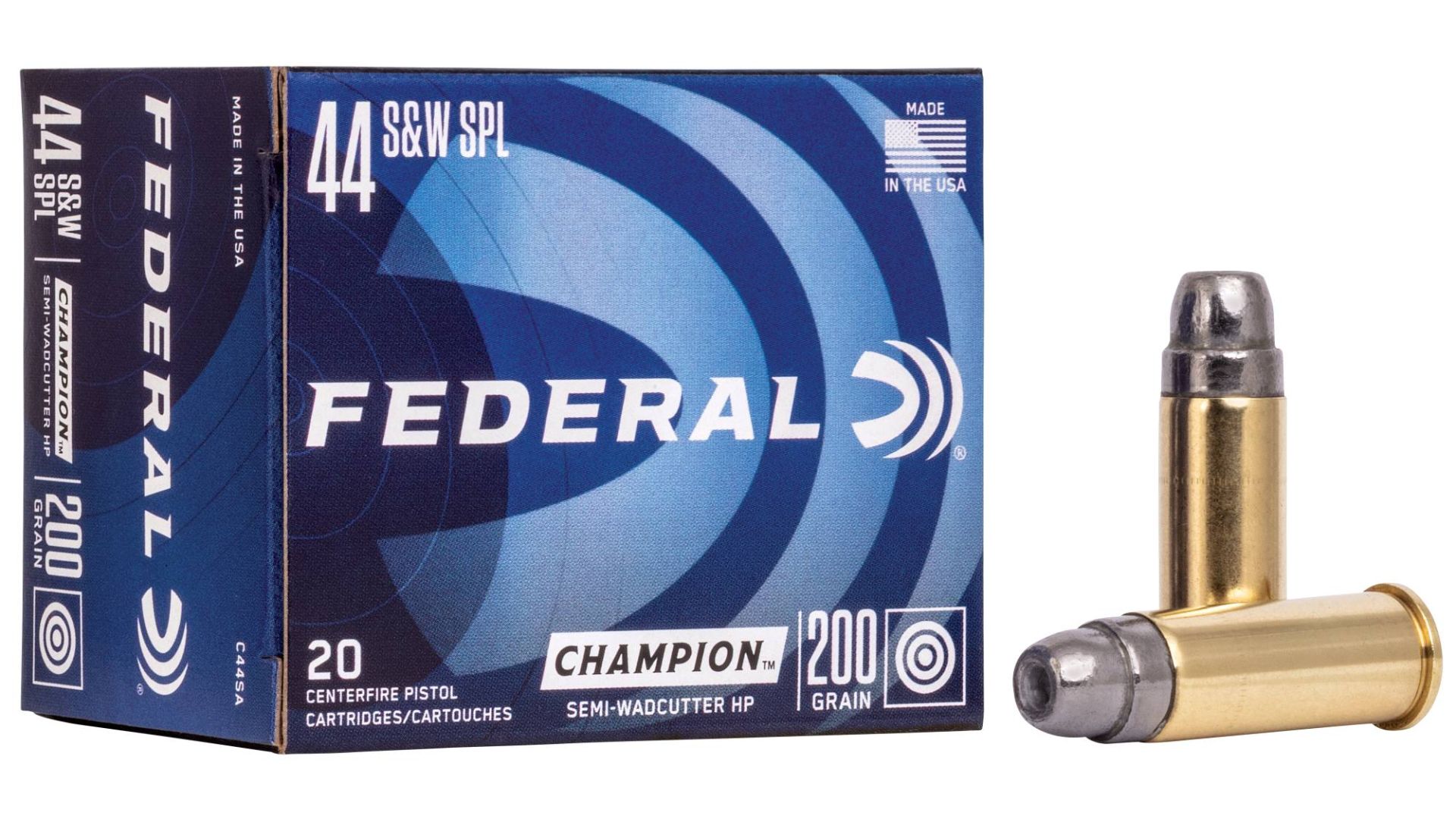
The .44 Special starts with an advantage smaller cartridges do not have: a .429-inch bullet. Even if the projectile never expands at all, it is already considerably larger in diameter than a 9mm or .38-caliber bullet. That changes how important expansion becomes.
A quality hollow point can still improve terminal performance, particularly from a suitable barrel length, but I do not view expansion as mandatory in the same way I would with a smaller service cartridge. A broad flat-point or wadcutter-style .44 bullet can cut a substantial path while maintaining excellent penetration and manageable recoil. That makes the .44 Special especially interesting for revolver shooters who value predictable performance over velocity. Modern hollow points help, but the cartridge’s large bore was already doing much of the work before the bullet ever started changing shape.
.45 Colt

The .45 Colt has the same basic advantage on an even larger scale. A .452-inch bullet begins with considerable frontal diameter, and traditional loads can throw heavy projectiles without relying on high velocity. That is one reason the cartridge worked long before jacketed hollow points existed.
In a defensive context, modern expanding ammunition can still be useful, but the improvement is not as dramatic as it is when taking a much smaller 9mm bullet and expanding it substantially. For woods carry, the argument becomes even weaker because deep penetration from a heavy flat-point projectile may be exactly what the shooter wants. The enormous range of revolvers chambered in .45 Colt also means ammunition must match the strength of the individual gun. Bullet weight, penetration, and controllability matter at least as much as hollow-point technology.
.45 Auto Rim
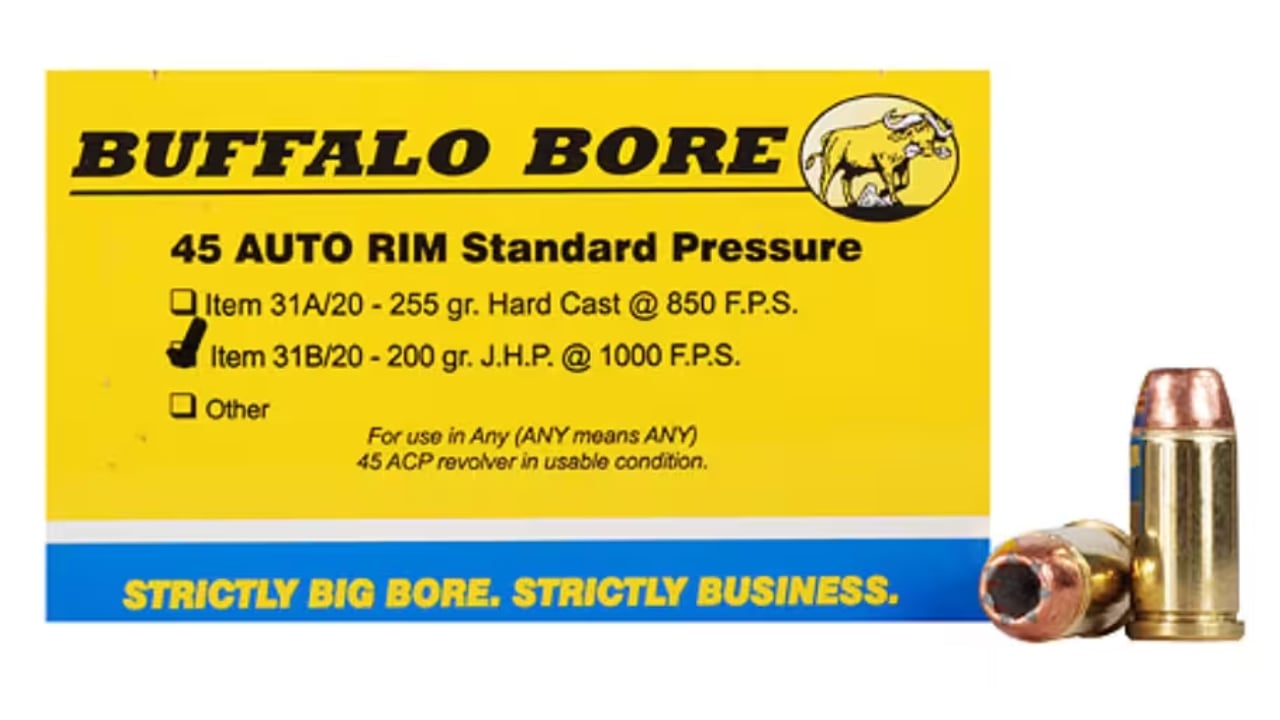
The .45 Auto Rim essentially gives revolver shooters .45 ACP-like performance in a rimmed case that can be extracted normally without moon clips. That means it also inherits one of the basic advantages of .45-caliber ammunition: the bullet begins large.
A modern hollow point can certainly make that large bullet larger, but factory .45 Auto Rim ammunition is limited enough that chasing the newest projectile design is rarely the main reason someone owns the caliber. Heavy lead bullets and flat-point designs can provide excellent straight-line penetration while retaining the mild, controllable character that makes the cartridge enjoyable. Most people carrying an Auto Rim revolver today are already using a specialized setup. I would prioritize ammunition that shoots accurately and predictably in that individual gun rather than assuming a hollow-point cavity automatically represents an upgrade.
10mm Auto

Ten-millimeter is where the meaning of “carry caliber” starts changing. For ordinary defensive carry, good expanding ammunition absolutely has value. For the reason many people now carry 10mm—protection in the woods—the priorities can be completely different.
Against a large animal, deep straight-line penetration through muscle and bone may matter far more than creating a wider but shallower wound path. That is why heavy non-expanding flat-nose and hard-cast loads have such a strong following among 10mm woods carriers. The cartridge already has plenty of diameter and velocity. Spending that energy on rapid expansion can work against the exact characteristic the shooter wanted. Modern hollow points can make 10mm an excellent personal-defense cartridge, but they do not necessarily make it a better wilderness cartridge.
.357 Magnum

The .357 Magnum absolutely can benefit from modern hollow points when carried for personal defense. In that role, good bullet construction helps control expansion and makes better use of the cartridge’s substantial velocity. But the .357 has another major role where expansion becomes less important: woods carry.
A heavy .357 bullet with a broad flat nose can use the cartridge’s velocity to drive deeply instead of expanding rapidly. That can be preferable when penetration through heavy tissue is the priority. The cartridge also begins with considerably more energy than .38 Special, so it does not depend on bullet expansion to establish its basic effectiveness. Hollow points improve one side of the .357’s personality. They do much less for the side that values penetration, which is why ammunition choice should depend heavily on where the revolver is being carried.
.41 Magnum

The .41 Magnum was designed as a serious revolver cartridge long before modern hollow points became as sophisticated as they are today. It sends a relatively large, heavy bullet at substantial velocity and has enough power for hunting and wilderness use without requiring expansion to prove itself.
For personal defense against people, an expanding bullet can reduce the risk of excessive penetration while increasing frontal area. That is a legitimate advantage. But most shooters who still choose .41 Magnum are not doing so because they need another urban carry cartridge. They are carrying it in the field. In that role, a strong flat-point projectile capable of driving deeply may make more sense. The .41 already combines diameter, weight, and velocity effectively, so the benefit from sophisticated hollow-point construction can be surprisingly situational.
.44 Magnum

A .44 Magnum hollow point can expand spectacularly, but the cartridge does not need expansion to become formidable. It starts with a large bullet and enough velocity to drive heavy projectiles deeply. That makes ammunition selection heavily dependent on what the revolver is being carried against.
If the intended threat is human, controlled-expansion ammunition can make sense because full-power hunting loads offer far more penetration than necessary. If the revolver rides in a chest holster in bear country, however, many shooters deliberately move in the opposite direction and choose heavy flat-nose solids designed to stay together. The cartridge’s enormous performance envelope means the “best” bullet can change completely with the job. Modern hollow points improve the .44 in certain applications, but they are far from being a universal upgrade.
.454 Casull
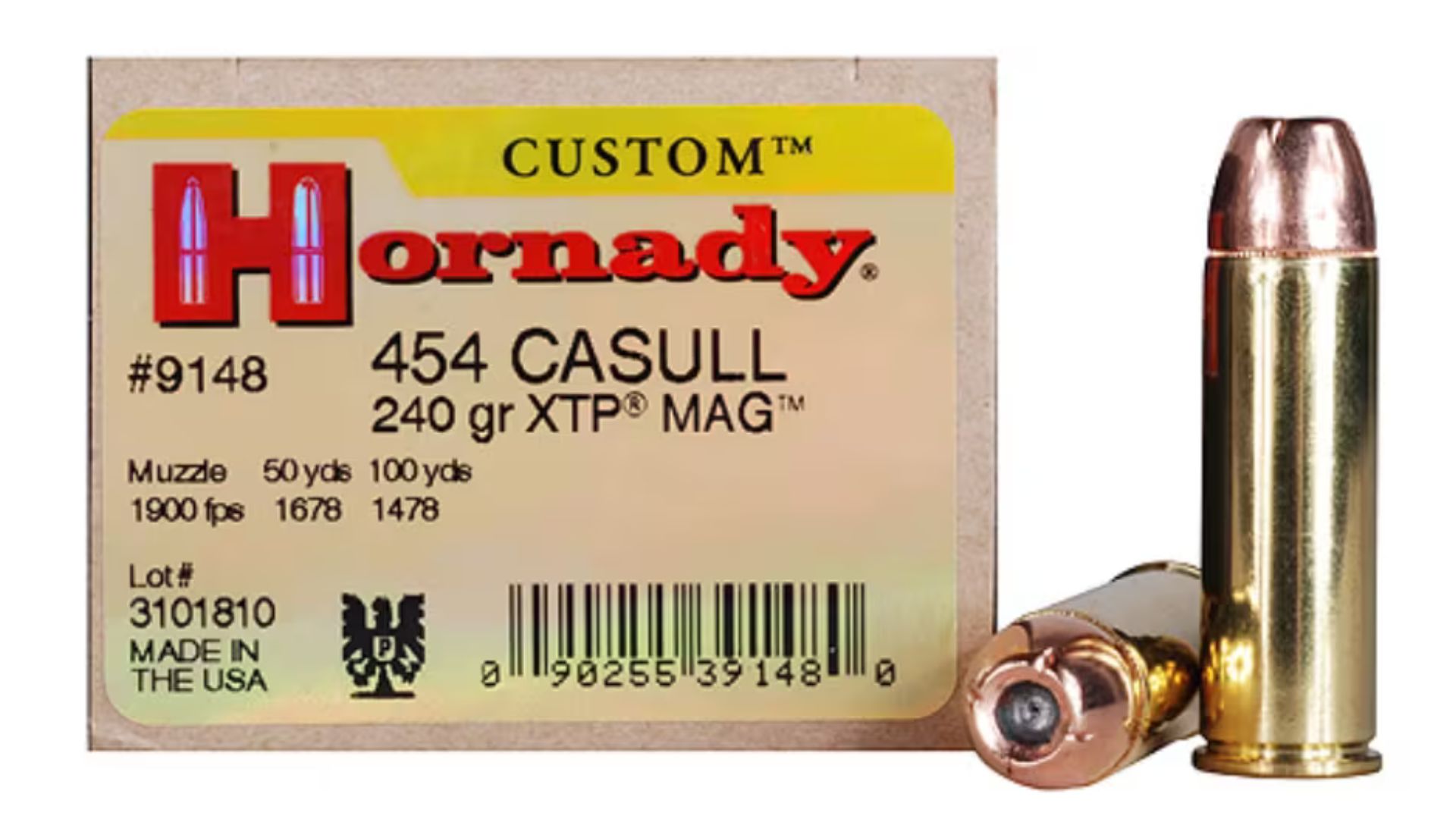
The .454 Casull takes the same logic further. It produces enough velocity and energy that bullet construction becomes less about creating additional damage and more about preventing the projectile from behaving badly under extreme impact conditions.
For hunting or wilderness protection, controlled penetration is usually the central concern. An aggressively expanding hollow point may open violently and surrender depth, while a tough controlled-expansion or non-expanding heavy projectile can continue through dense tissue and bone. The .454 already starts with a large-diameter bullet and drives it very hard. There is simply less need to make the projectile dramatically wider. Modern bullet technology matters greatly in the Casull, but toughness and penetration often matter more than the hollow point itself.
.480 Ruger

The .480 Ruger may be the clearest big-bore example of a cartridge that does not need much help from expansion. It throws bullets approaching half an inch in diameter before they deform at all, and typical projectile weights give the cartridge excellent momentum.
That is precisely why many people appreciate it as a hunting or wilderness round. Instead of chasing enormous velocity, the .480 relies on a large, heavy bullet doing predictable work. A premium expanding hunting bullet can be excellent on appropriate game, but the cartridge does not suddenly become ineffective if the projectile remains at caliber diameter. A heavy flat-point solid can produce tremendous penetration and a substantial wound path without requiring complicated terminal behavior. The .480’s appeal is fundamentally old-school: big bullet, adequate speed, and plenty of penetration.
.460 S&W Magnum
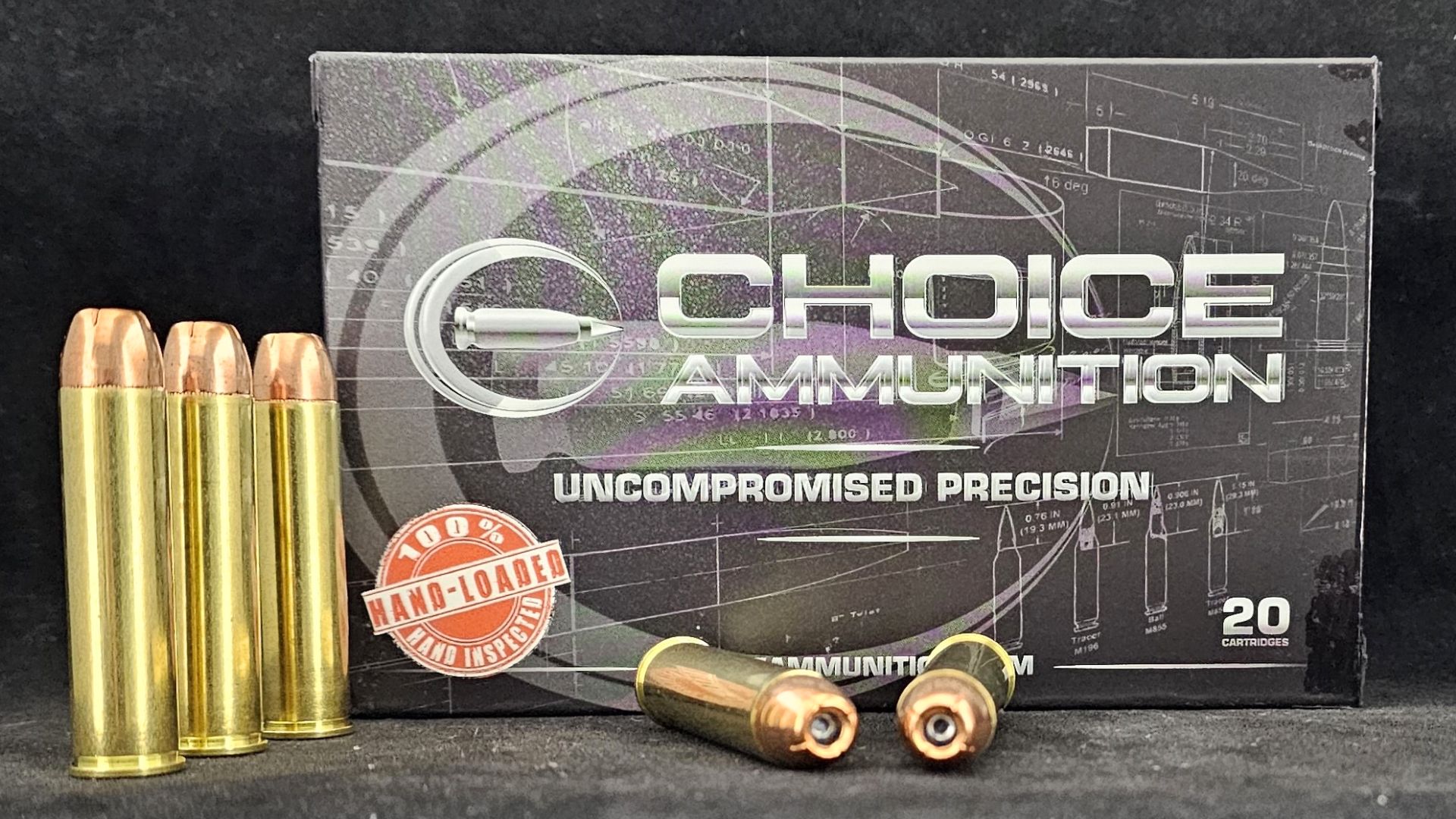
The .460 S&W Magnum has so much velocity available that bullet construction becomes critical, but not necessarily because the shooter wants maximum expansion. In fact, excessive expansion can be exactly what you do not want from such a powerful hunting cartridge.
A conventional hollow point driven at .460 velocities can experience tremendous stress on impact. Hunting projectiles therefore need controlled expansion, strong jackets, bonded construction, or designs intended to retain enough mass for penetration. For wilderness protection, a tough non-expanding projectile may again be preferable. The cartridge already begins with a .45-caliber bullet and carries rifle-like energy from a handgun. Making that bullet dramatically wider is not the main challenge. Keeping it together and driving it where it needs to go is often much more important.
.500 S&W Magnum
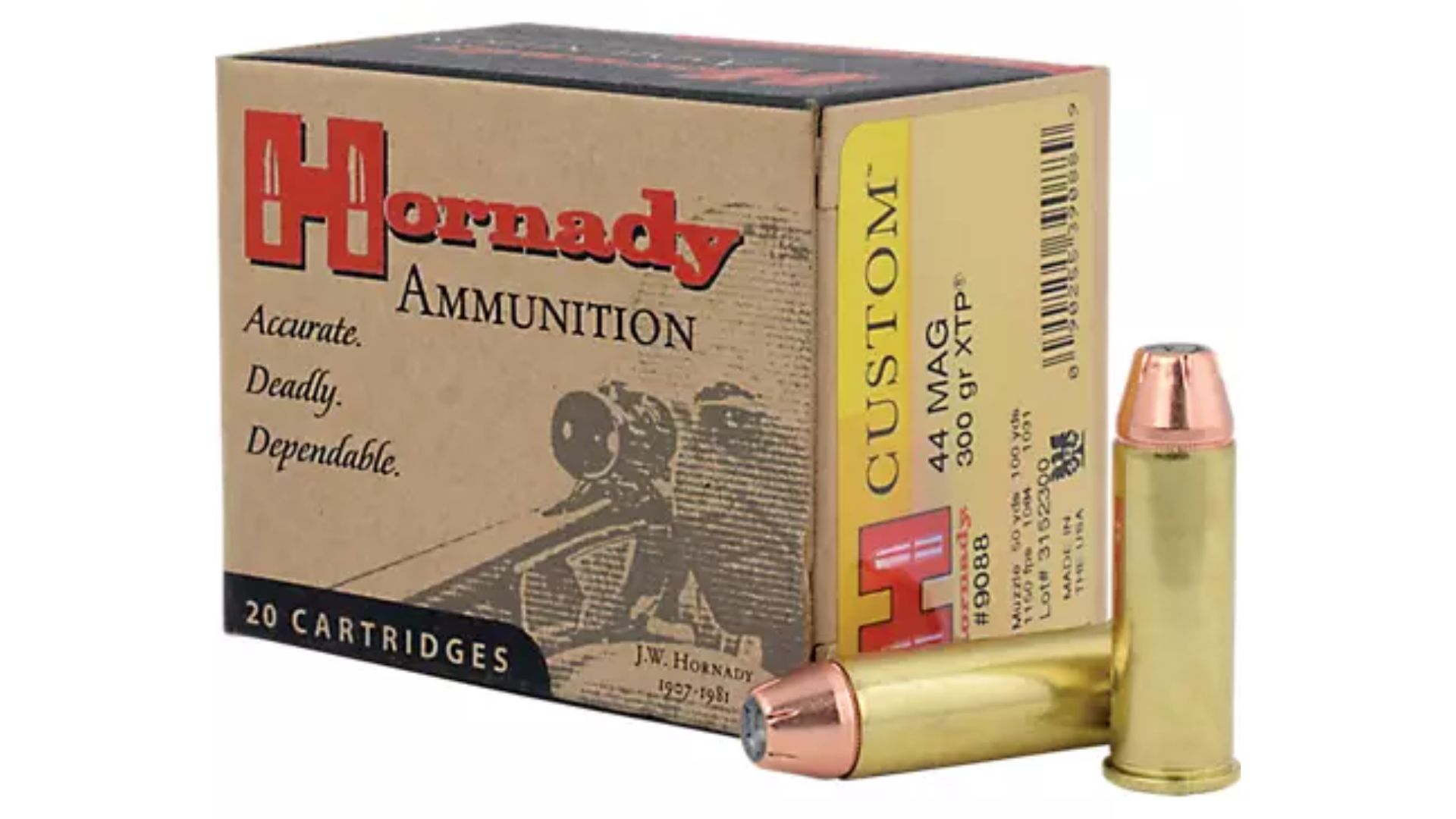
The .500 S&W Magnum begins with a projectile roughly half an inch across and can launch bullets weighing several times as much as common service-pistol ammunition. There is very little need to depend on dramatic hollow-point expansion to make the cartridge formidable.
For hunting, some controlled expansion can be useful because it allows the bullet to transfer energy while still reaching important organs. But the cartridge’s enormous energy means bullet integrity becomes just as important. For large-animal protection, many shooters prioritize heavy solids or hard-cast flat points specifically because they do not want a hollow point opening too quickly. The .500 is already operating at an extreme level. Modern projectile design improves it mainly by controlling what happens to the bullet, not by simply making the hole in the nose larger.
.50 Action Express
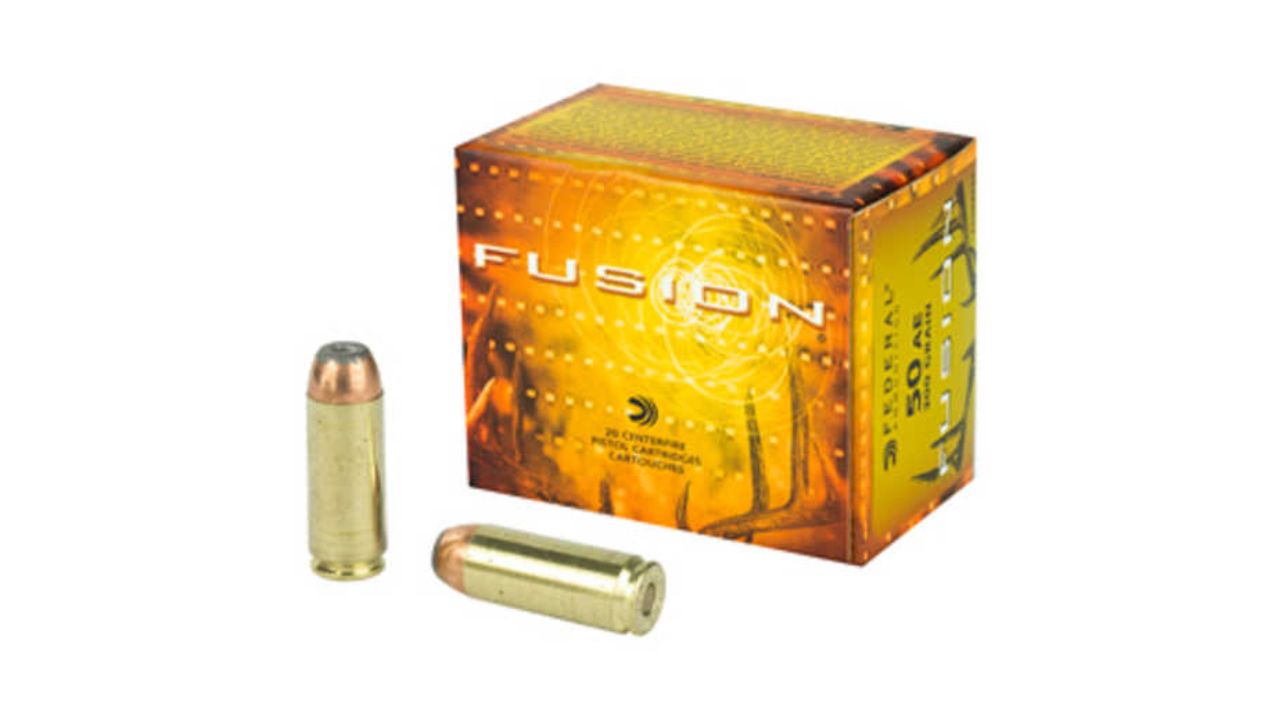
The .50 AE is best known from the Desert Eagle and carries a .50-caliber bullet at enough velocity to produce serious handgun energy. That means even a non-expanding projectile starts with a frontal diameter most defensive hollow points are trying to reach after expansion.
Modern hollow points can certainly make the .50 AE more effective for hunting by balancing expansion and penetration, but the caliber’s fundamental limitations are not solved by better bullets. The pistols are enormous, recoil is substantial, and ammunition capacity remains low. For defensive carry, it is already far beyond what most shooters need. For hunting, bullet strength and penetration become crucial. Hollow points can fine-tune the .50 AE, but they do not transform it because the cartridge starts with more bullet diameter and energy than ordinary defensive handgun rounds could ever hope to achieve through expansion alone.
Like The Avid Outdoorsman’s content? Subscribe to our newsletter so you never miss an article.
Here’s more from us: