Photo credit: sootch00/YouTube
Some rifle cartridges get trapped by their reputations. A round becomes known as a varmint cartridge, a deer cartridge, a military round, or a big-game hammer, and shooters start treating that label like a hard limit. In reality, bullet weight, construction, barrel length, and rifle setup can completely change what a cartridge is good at.
That is where some calibers become far more useful than their reputation suggests. A cartridge known for coyotes may also be a capable deer round with the right bullet. A traditional woods cartridge may stretch farther than people assume. A target favorite may also be excellent for hunting. These 20 calibers all have broader practical ranges than the one-dimensional reputations that usually follow them.
.223 Remington

The .223 Remington is usually treated as a varmint and target cartridge, and that reputation is deserved. It is inexpensive, low recoiling, widely available, and perfect for high-volume shooting. What gets overlooked is how much bullet choice expands its usefulness.
With lightweight varmint bullets, it is excellent for prairie dogs, foxes, and coyotes. Move into heavier controlled-expansion bullets and it becomes far more capable on small deer and hogs where legal and where shot placement is disciplined. It also works extremely well in compact carbines, lightweight bolt guns, and suppressed rifles. The .223 will never replace a true big-game cartridge, but its useful range stretches much farther than “just a varmint round.” Few centerfire cartridges cover training, predators, farm use, and light hunting this efficiently.
.22-250 Remington
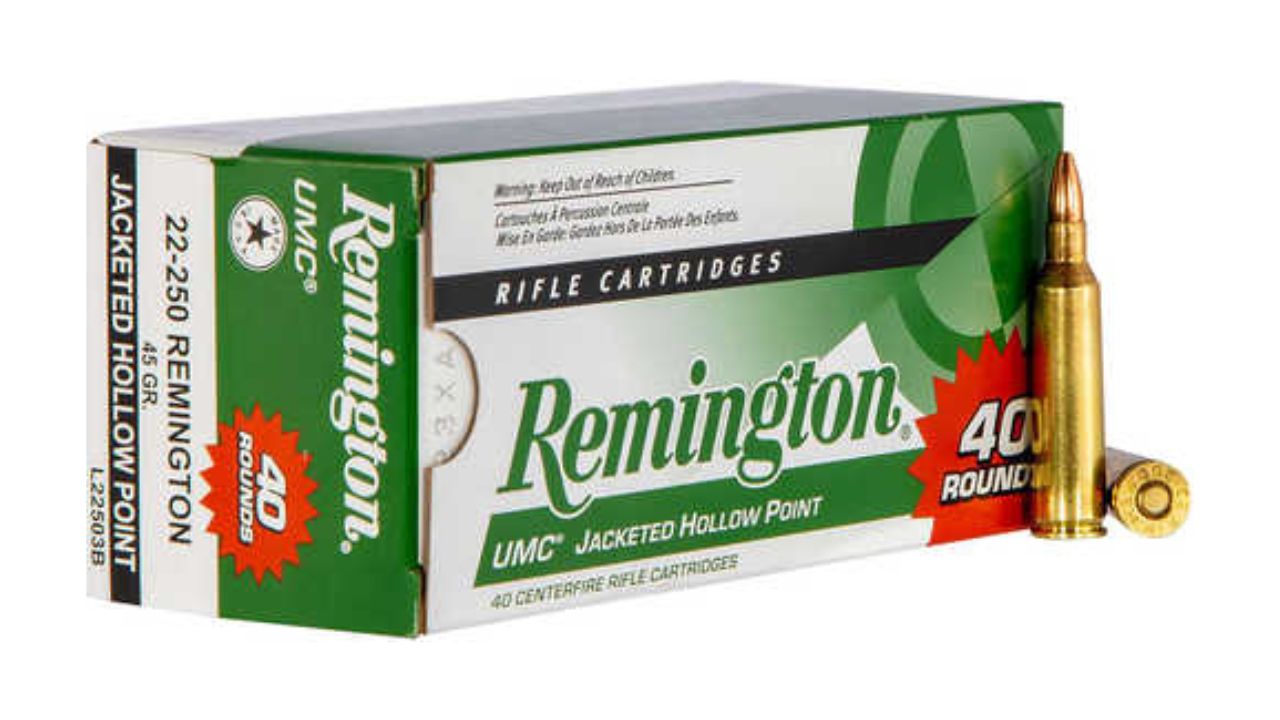
The .22-250 is known almost entirely as a high-velocity varmint cartridge, and that is where it shines brightest. Its flat trajectory and speed make it excellent on coyotes and small targets at distance.
But with heavier hunting bullets and the right twist rate, it can handle more than most people give it credit for. It works well on small-bodied deer where legal, and its combination of low recoil and excellent accuracy makes it useful for younger or recoil-sensitive shooters who can place shots well. It also doubles as a very capable range cartridge. The real limitation is not power as much as bullet selection and barrel twist. In a modern fast-twist rifle, the .22-250 becomes much more versatile than the old 55-grain varmint stereotype suggests.
.243 Winchester

The .243 Winchester is usually labeled a youth deer rifle or dual-purpose deer-and-varmint cartridge. That description is accurate but undersells just how broad its usable range really is.
With light bullets, it is devastating on varmints and predators. With heavier controlled-expansion hunting bullets, it handles deer and antelope cleanly. In a good rifle, it is also flat shooting enough for open-country hunting and pleasant enough to spend a long day practicing with. The low recoil makes it especially useful for shooters who want one rifle that is easy to shoot well. It is not a cartridge I would push onto large elk, but for most common North American game below that level, the .243 covers far more ground than its “starter rifle” reputation suggests.
6mm Creedmoor

The 6mm Creedmoor is often discussed almost exclusively as a competition and long-range target cartridge. That makes sense because it launches high-BC 6mm bullets efficiently and has become popular in precision shooting.
What gets less attention is how capable it is as a hunting round. With proper hunting bullets, it is excellent for deer, antelope, and predators, and it does so with relatively mild recoil. It also gives the shooter a flatter trajectory and stronger wind performance than many traditional deer cartridges with less punishment. Barrel life is not its strongest feature, but for a hunter who also likes steel at distance, the 6mm Creedmoor can serve both roles very well. It is more than a match cartridge with a hunting side hustle.
.257 Roberts

The .257 Roberts has a reputation as an old-fashioned deer cartridge, but it is one of those rounds that quietly handles a lot more than people remember. It sits in a very useful middle ground between smaller varmint cartridges and the more powerful quarter-bores.
With lighter bullets, it works beautifully on predators and varmints. With heavier 100- to 120-grain hunting bullets, it is excellent for deer and antelope while remaining extremely pleasant to shoot. The cartridge does not need magnum velocity to work, and that makes it easier on barrels and shooters. Modern ammunition availability is limited compared with newer rounds, but the ballistics remain sound. If the .257 Roberts had been introduced today with better marketing and factory support, people would probably call it an ideal low-recoil crossover hunting cartridge.
.25-06 Remington

The .25-06 is usually thought of as a fast deer and antelope cartridge, but it can handle a surprisingly wide range of game and shooting styles.
With lighter bullets, it becomes a flat-shooting varmint round capable of reaching well beyond typical .223 distances. With heavier controlled-expansion bullets, it is excellent on deer-sized game and has enough energy for larger animals with careful shot selection. It also works well in open country because its trajectory stays flat without the recoil of larger magnums. The .25-06 does prefer a longer barrel, but if you do not mind that, it offers a rare combination of speed, low recoil, and broad bullet selection. It is much more than a pronghorn specialist.
6.5 Grendel

The 6.5 Grendel is usually discussed as a cartridge that gives the AR-15 better downrange performance than 5.56. That is true, but the cartridge makes just as much sense in bolt rifles.
It has enough retained energy for deer and hogs, while recoil stays mild enough for young or smaller-framed shooters. High-BC bullets also make it surprisingly capable at distance despite the modest case capacity. In a compact bolt gun, it becomes an excellent woods and stand-hunting cartridge. In an AR, it works for hunting, target shooting, and general field use without requiring the size and weight of an AR-10. The Grendel’s reputation is tied too tightly to the AR platform. As a cartridge, it is much broader than that.
6.5 Creedmoor
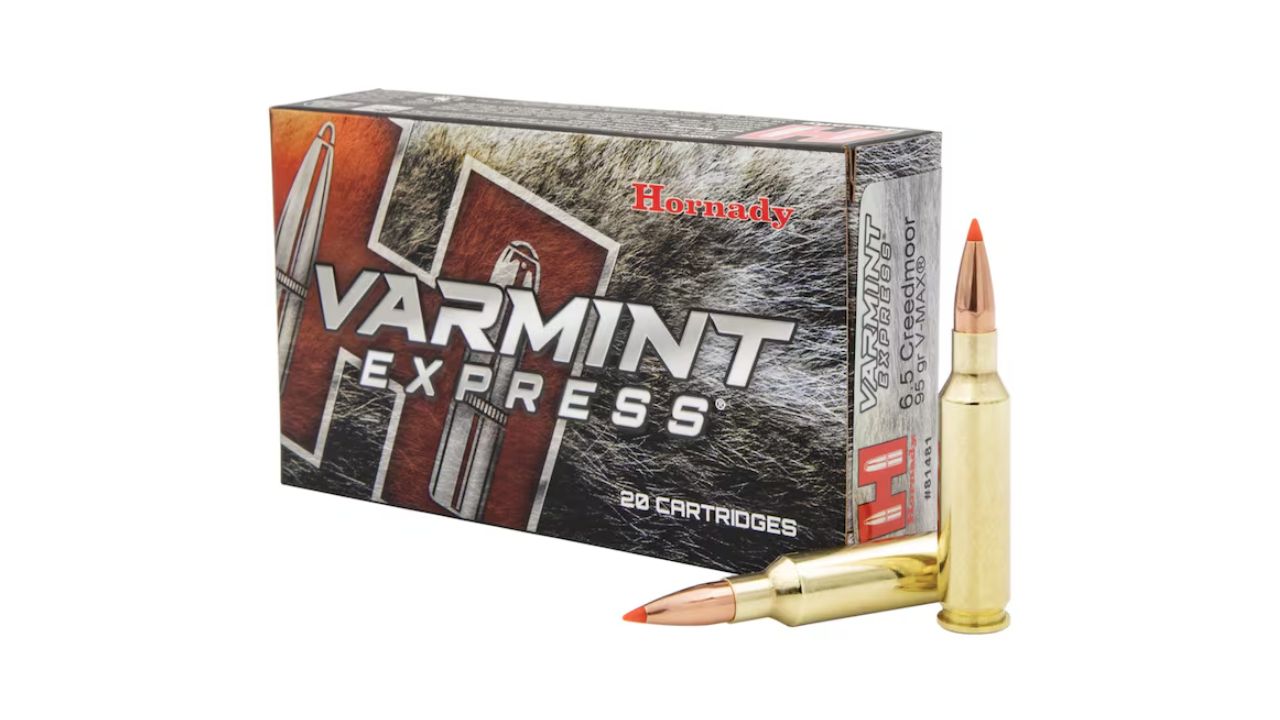
The 6.5 Creedmoor is famous for long-range shooting, and that popularity has actually hidden some of its simpler strengths. It is not just a target cartridge that happens to kill deer.
Its moderate recoil, efficient bullets, and strong factory ammunition support make it one of the easiest cartridges to shoot well across a wide variety of rifles. It is excellent for deer and antelope, useful for hogs, capable on elk with proper bullets and sensible distances, and still one of the best target cartridges for shooters who do not want magnum recoil. The real versatility comes from how little compromise it asks from the shooter. It is not the best at every job, but it does enough jobs well that owning one rifle in 6.5 Creedmoor can cover an enormous amount of hunting and range use.
7mm-08 Remington

The 7mm-08 is often pigeonholed as a mild-recoiling deer cartridge, especially for younger hunters. That is one of its strengths, but it sells the cartridge short.
With lighter bullets, it works very well for deer and antelope. With heavier controlled-expansion bullets, it has enough penetration and retained energy for elk and black bear at practical ranges. The short action keeps rifles compact, and recoil stays noticeably lower than .30-06 or magnum cartridges. It also benefits from the excellent aerodynamic performance of modern 7mm bullets. For someone who wants a rifle that can handle most North American hunting without unnecessary recoil, the 7mm-08 may be one of the most balanced choices available.
.270 Winchester

The .270 Winchester is usually remembered as a deer and western hunting cartridge, but its useful range extends further than that reputation suggests.
Light bullets can make it surprisingly effective for coyotes and open-country varmint work, while 130- to 150-grain hunting bullets cover deer, antelope, and elk extremely well. Modern controlled-expansion bullets also make the cartridge more capable on larger game than older ammunition allowed. It shoots flat, carries energy well, and remains manageable enough for most hunters to practice with regularly. The .270 is not just a classic deer round. With the right load, it can handle a huge percentage of North American hunting without forcing you into magnum recoil.
.280 Remington
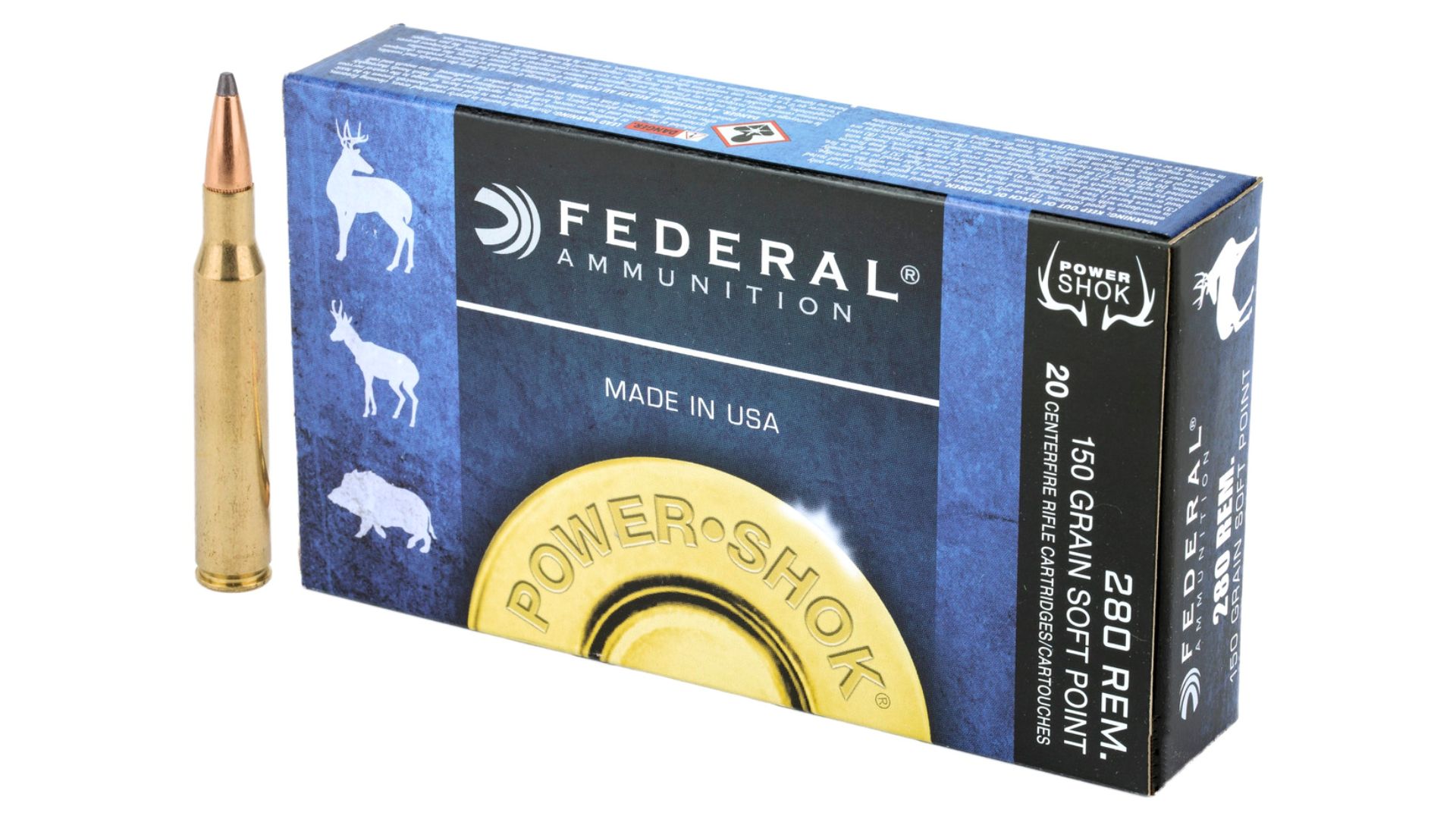
The .280 Remington has always lived in the shadow of the .270 Winchester and 7mm Remington Magnum, which is unfortunate because it sits in an extremely useful middle ground.
It can push high-BC 7mm bullets fast enough for open-country hunting while avoiding some of the recoil and blast of the magnum. Lighter bullets work well for deer and antelope, while heavier premium projectiles make it entirely capable of elk and larger game. It is also a very good handloader’s cartridge because the 7mm bullet selection is enormous. The .280 never developed the same commercial momentum as its neighbors, but from a practical standpoint it may be one of the most versatile traditional hunting rounds ever produced.
.308 Winchester
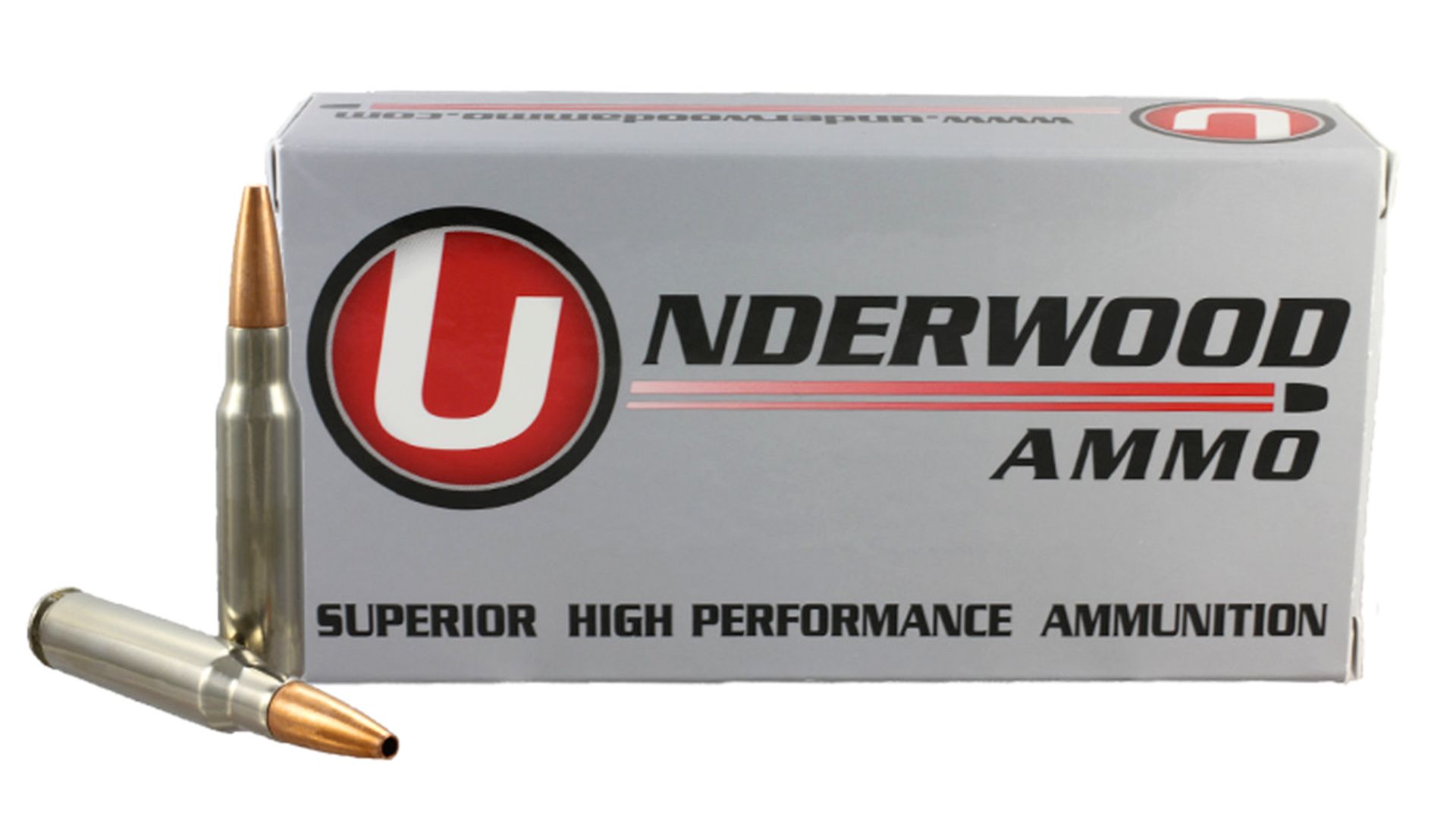
The .308 Winchester is usually treated as a deer cartridge, military round, or precision-rifle staple depending on who you ask. The reality is that it does all three jobs well and several more.
With light bullets, it can handle predators and varmints. Standard 150- to 165-grain loads are excellent for deer and hogs. Heavier bullets make it useful for elk, black bear, and moose at sensible ranges. It also works in compact bolt rifles, semiautomatic platforms, suppressed setups, and precision guns. The trajectory is not as flat as newer cartridges, but that matters less than people think at normal hunting distances. The .308 remains popular because it is one of the rare cartridges that genuinely does almost everything reasonably well.
.30-06 Springfield

The .30-06 is often dismissed as an old deer cartridge that has been replaced by newer rounds, but few cartridges offer a broader useful bullet range.
You can load light bullets for predators, 150- to 165-grain bullets for deer, 180-grain bullets for elk and moose, and even heavier projectiles for specialized use. The cartridge has enough case capacity to take advantage of that range without becoming brutally overpowered. It also benefits from one of the largest factory ammunition selections in existence. The .30-06 may not be fashionable, but versatility is exactly what made it dominant for so long. A hunter with one good .30-06 can realistically cover nearly every common big-game animal in North America.
.300 Blackout
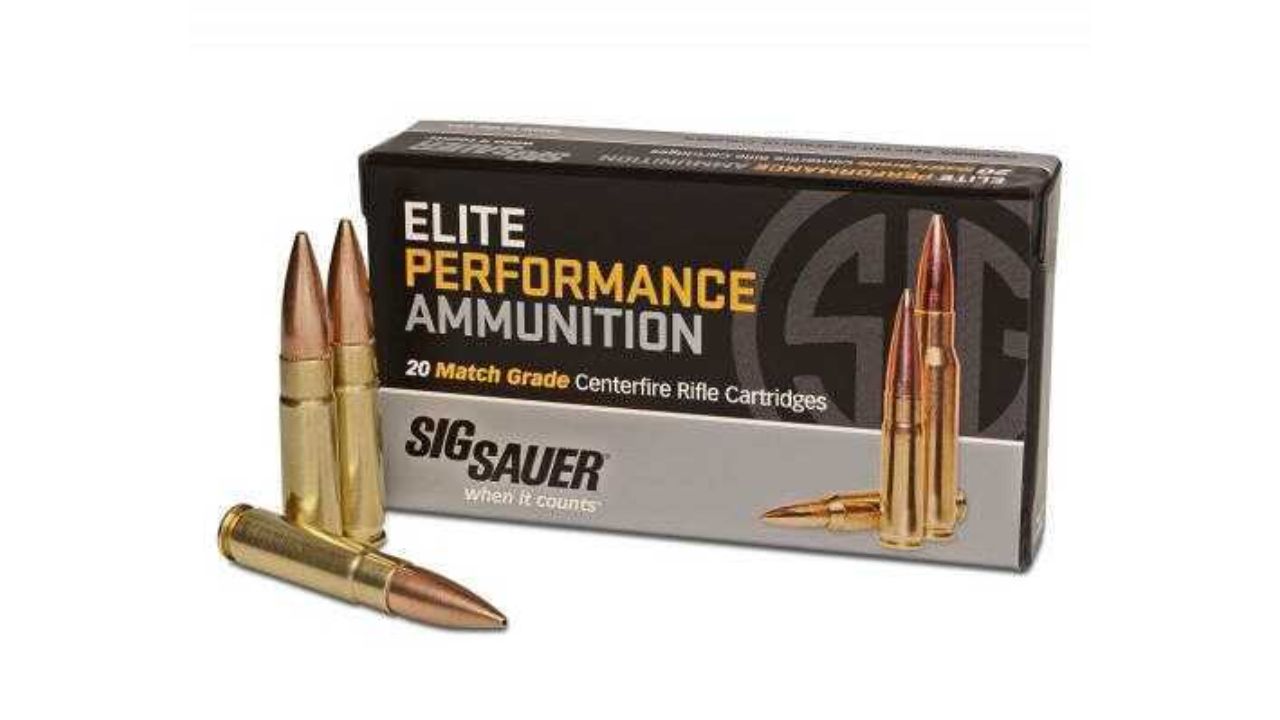
The .300 Blackout gets trapped by its suppressed-carbine reputation. That is certainly where it is most distinctive, but the cartridge can do more than launch heavy subsonic bullets quietly.
Supersonic loads with lighter hunting bullets make it a useful short-range deer and hog cartridge, particularly from compact rifles. Subsonic ammunition gives it a completely different personality for suppressed range use and specialized hunting where legal. The same rifle can therefore move between quiet shooting, close-range hunting, and defensive use simply by changing ammunition. The trajectory is too limited for long-range hunting, but versatility does not require doing everything. Within 150 to 200 yards, few cartridges give you such radically different capabilities from the same platform.
.30-30 Winchester
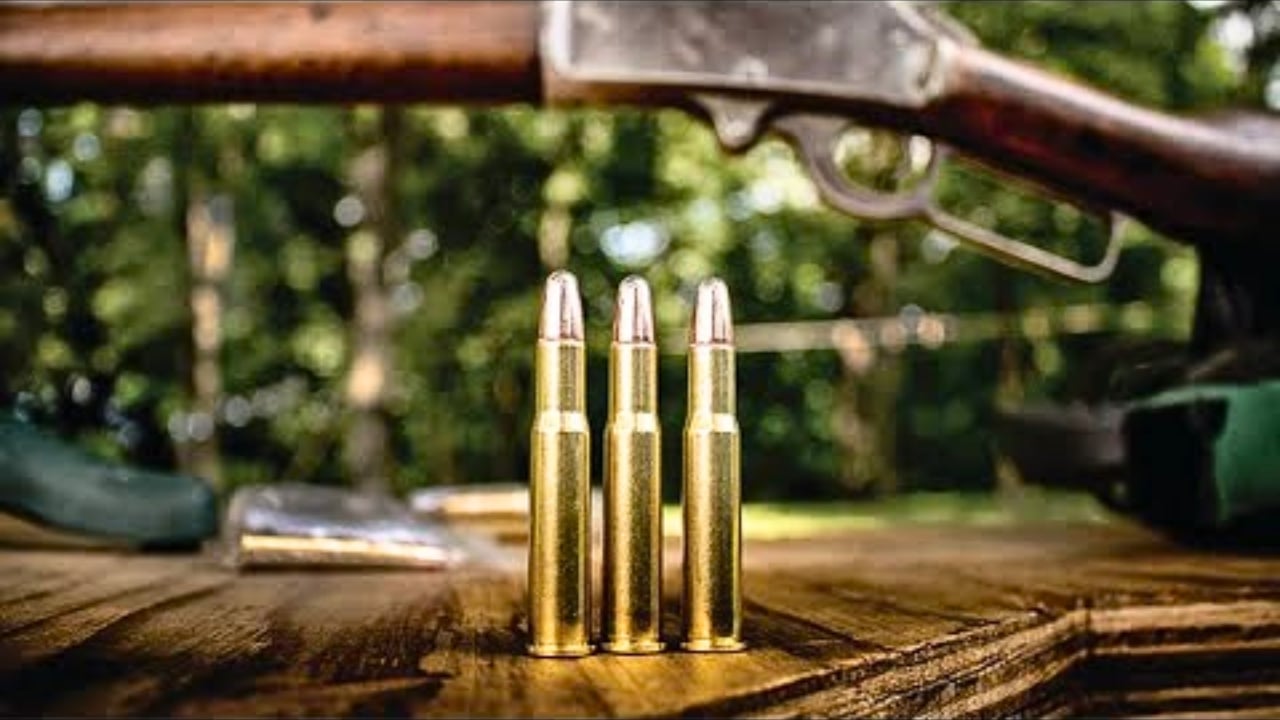
The .30-30 has one of the strongest single-purpose reputations in the rifle world. People think of it as a short-range woods cartridge for lever guns and often stop there.
Modern ammunition and better optics show that the cartridge has more reach than the old stereotype suggests. Pointed flex-tip bullets and improved projectiles can extend practical range, while traditional flat-nose loads remain excellent in thick timber. The cartridge also recoils mildly, works well from short rifles, and performs beautifully on deer and hogs. It is never going to become a long-range magnum, but it does not need to. The .30-30 is far more capable outside 75-yard brush hunting than many shooters assume.
.35 Remington
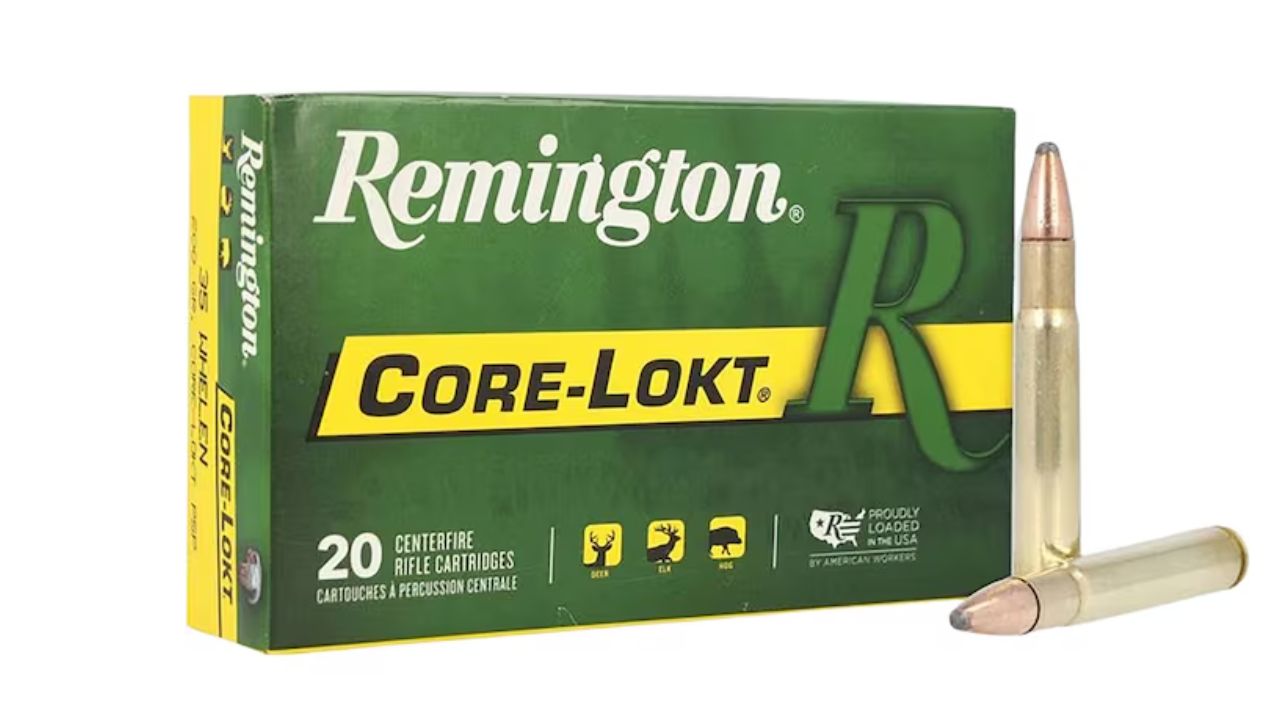
The .35 Remington is usually associated with thick woods, lever rifles, and eastern deer hunting. That reputation is deserved, but the cartridge has more breadth than the “brush gun” label implies.
Its heavier bullets give it excellent performance on deer, black bear, and hogs, while recoil remains manageable in a reasonably weighted rifle. It also carries enough energy farther than many hunters assume, especially with modern ammunition. The cartridge is not flat shooting, but that is not the same as being ineffective. Inside realistic hunting distances, the .35 Remington offers a very useful combination of bullet weight, moderate recoil, and terminal performance. It is a better general-purpose woods cartridge than its old-fashioned reputation suggests.
.350 Legend

The .350 Legend is often viewed purely as a straight-wall-regulation cartridge, but it has become more useful than that label implies. It offers mild recoil, works well in compact bolt rifles and AR-style platforms, and performs effectively on deer and hogs at moderate ranges.
The biggest advantage is shootability. Recoil is low enough for younger hunters, and the cartridge does not require a heavy rifle to remain comfortable. It also works well from shorter barrels, which makes it a good fit for blinds, suppressors, and dense woods. It will never be a long-range cartridge, but it does not need to be. For hunters who stay inside roughly 200 yards, the .350 Legend can cover far more than just legal compliance.
.358 Winchester

The .358 Winchester is usually remembered as a niche woods cartridge, but it is much more versatile than that reputation suggests. It essentially takes the .308 Winchester case and opens it to .35 caliber, creating a compact cartridge capable of launching heavy bullets at useful velocities.
That makes it excellent for deer, hogs, black bear, and elk at normal hunting ranges. Recoil is substantial but still manageable, and the cartridge works in short-action rifles that remain easy to carry. It is not flat shooting, yet modern rangefinders and optics reduce the importance of that limitation. The real obstacle is ammunition availability, not performance. If factory support were stronger, the .358 Winchester would probably have a much larger following among hunters who want a serious woods rifle without moving to a magnum.
.45-70 Government

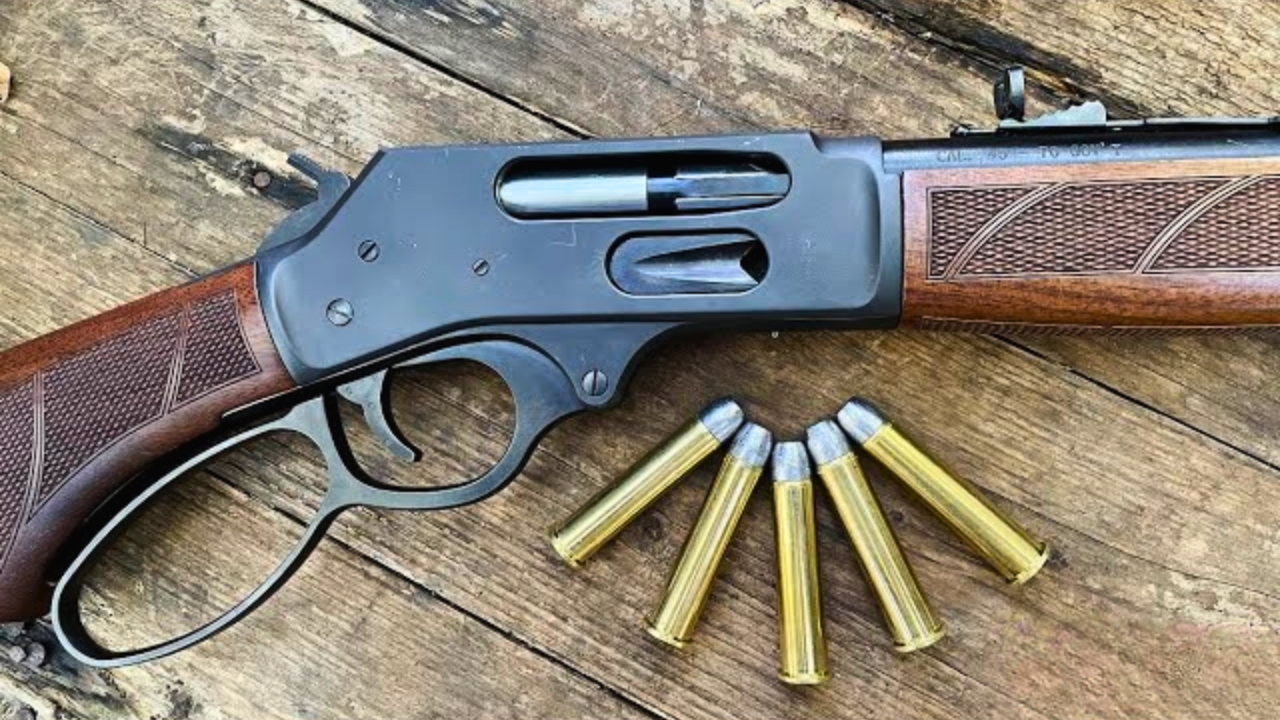
The .45-70 has a reputation as a short-range hammer, and that description is only partly true. Traditional loads are indeed mild by modern standards and work beautifully in older-style rifles.
In strong modern actions, however, the cartridge covers a much broader performance range. You can use soft-shooting loads for deer and casual practice, heavier hunting ammunition for hogs and black bear, and powerful modern loads for very large game. Modern optics and improved bullets can also stretch the cartridge farther than old iron-sight stereotypes suggest. It will never be a flat-shooting long-range round, but the difference between mild trapdoor-safe ammunition and heavy modern loads gives the .45-70 an unusually wide personality.
.375 H&H Magnum

The .375 H&H is usually treated as a dangerous-game cartridge, which is understandable. It has the power, bullet weight, and long history to handle some of the largest animals on earth.
What gets overlooked is how manageable and versatile it can be compared with the truly enormous safari cartridges. Lighter bullets can be used for plains game and even North American hunting, while traditional 270- to 300-grain bullets handle elk, moose, bears, and dangerous game with authority. The recoil is significant but not absurd in a properly weighted rifle, and the trajectory is better than many shooters expect. It is far more than a specialist elephant or buffalo cartridge. For someone who travels internationally and wants one rifle capable of handling nearly anything, the .375 H&H remains extraordinarily versatile.
Like The Avid Outdoorsman’s content? Subscribe to our newsletter so you never miss an article.
Here’s more from us: