
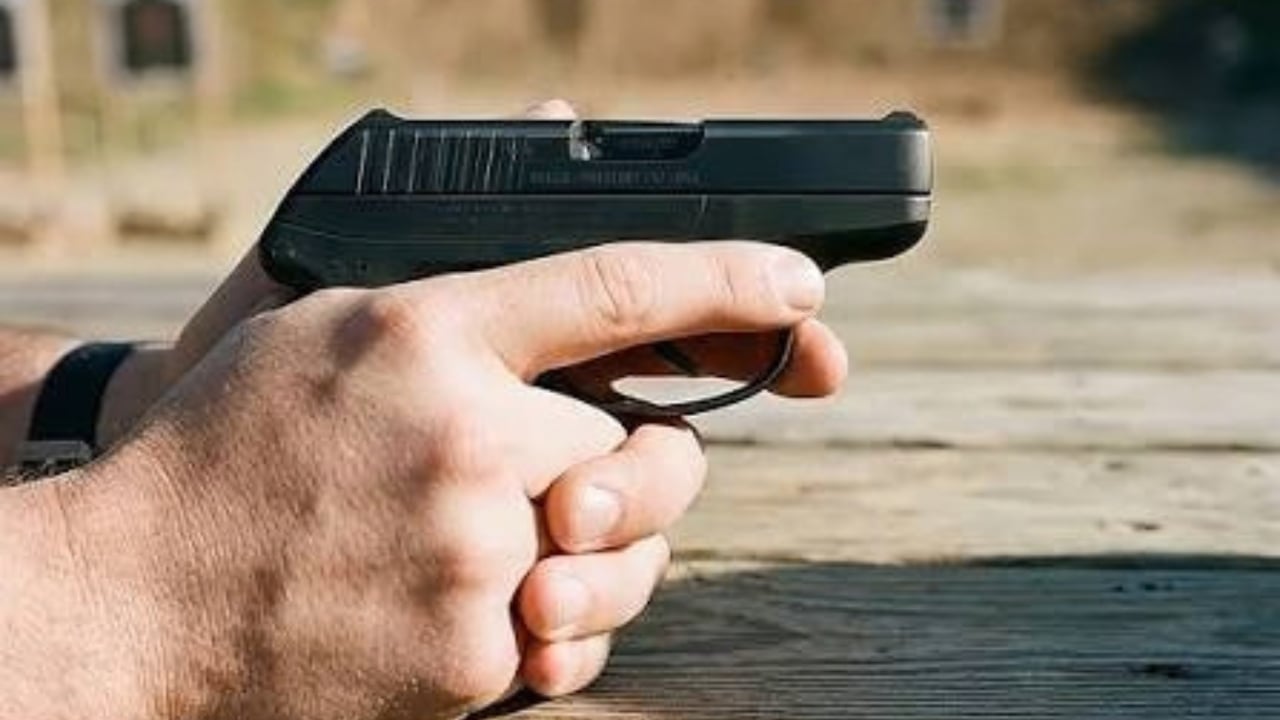
Photo credit: Academy Sports
Some carry pistols become popular because they are genuinely excellent. Others become default recommendations because everybody already knows the name, every gun counter stocks them, and thousands of owners repeat the same advice without asking whether the gun is actually the best fit for the person in front of them.
That distinction matters. A popular carry gun can still be reliable and useful while having real weaknesses in trigger quality, recoil, ergonomics, capacity, sights, or value. The problem starts when popularity turns into automatic praise. These are the carry guns I think people recommend too quickly because the reputation arrived before the comparison did.
Glock 43

The Glock 43 became one of the defining slim 9mm carry pistols because it arrived from a company people already trusted and offered a very straightforward package. It is thin, light, easy to conceal, and backed by enormous holster and parts support. That was enough to make it a default recommendation for years. The problem is that the market moved much faster than the pistol did. Capacity is modest, the grip is short, and the gun can feel noticeably snappier than larger compact pistols while giving you less ammunition than newer designs in roughly the same carry category.
That does not make the 43 bad. It makes it harder to recommend automatically. If someone already owns one and shoots it well, fine. For a new buyer starting from zero, there are too many newer options to pretend the Glock name ends the discussion.
SIG Sauer P938

The P938 has a lot of appeal because it gives shooters a tiny metal-frame 9mm with a single-action trigger and familiar 1911-style controls. It feels more substantial than most polymer pocket pistols, and the trigger can make precise shooting easier than the size suggests. That combination helped it build a devoted following, especially among people who wanted something small without switching to a striker-fired system.
The tradeoff is that it is still a very small 9mm with limited grip area and modest capacity compared with newer micro-compacts. Recoil can be sharp, and the manual safety requires a level of training consistency some buyers underestimate. It is a specialized pistol that often gets recommended as though it were universally easy to live with.
Kimber Micro 9

The Micro 9 benefits heavily from appearance. It looks like a beautifully shrunken 1911, feels solid in the hand, and gives buyers the impression that they are getting something more refined than a basic polymer carry gun. That aesthetic appeal matters, but it can distract from the fact that very small metal 9mms are still demanding to shoot. The short grip gives limited leverage, the recoil is noticeable, and owners need to be comfortable with a manual safety and single-action carry.
A good example can work perfectly well, but I would never recommend one solely because someone likes 1911s. The shooting experience is very different from a full-size Government Model. Popularity and styling do not erase physics.
Ruger LCP II

The LCP II became hugely popular because it is easy to carry almost anywhere. It disappears into a pocket, weighs very little, and offers a more usable trigger than the original LCP. Those strengths are real, but they also create the reason I think the pistol gets recommended too casually. Tiny .380s are difficult to shoot well, have very little grip area, and can be unpleasant enough that owners avoid practicing with them.
For deep concealment, the LCP II makes sense. As a first or only carry gun, I would think harder. If the pistol is so small that the owner hates shooting fifty rounds through it, the convenience of carrying it has come at a real cost.
Walther PPK/S

The PPK/S has one of the strongest reputations in the entire compact-pistol world because of its history, styling, and cultural recognition. It is beautiful, slim, and undeniably iconic. None of that changes the fact that blowback .380 pistols can recoil more sharply than their weight suggests, the slide can bite some hands, and the gun is heavy for the capacity it offers.
This is a pistol I would own because I wanted a PPK/S, not because I believed it was the smartest modern concealed-carry choice. That is the distinction people sometimes fail to make. A legendary pistol can still be outperformed by newer carry guns that are easier to shoot and hold more ammunition.
Colt Mustang

The Mustang earned its reputation as a tiny, well-made .380 with a familiar single-action manual of arms. It is slim, easy to carry, and much more pleasant to look at than most modern pocket pistols. That made it a favorite among shooters who wanted something small but still traditional.
The problem is that the category has changed dramatically. Modern small 9mms and improved .380s offer better capacity and easier optics support while staying remarkably compact. The Mustang still has charm, but charm is not the same as performance. I would recommend it to someone who specifically wants the platform, not as the automatic answer for pocket carry.
Beretta 3032 Tomcat
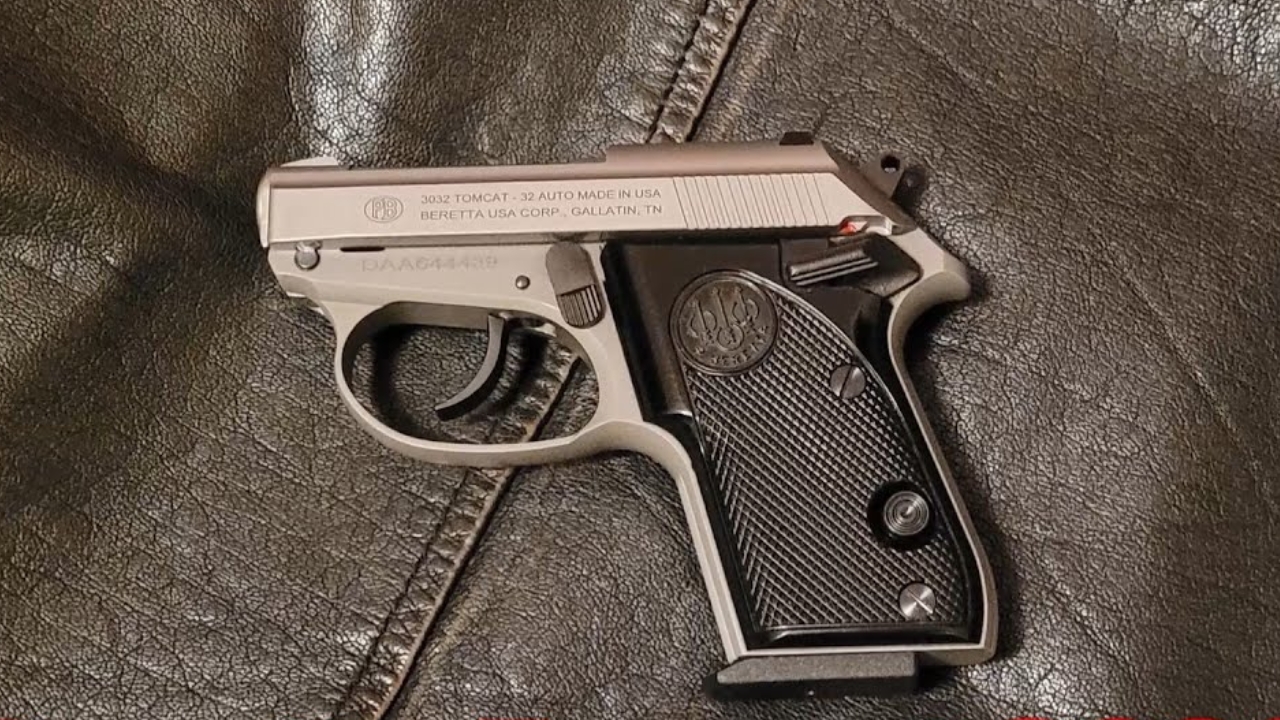
The Tomcat has always had an appealing idea behind it. The tip-up barrel makes loading and unloading easy for shooters who have difficulty racking a slide, and the compact metal-frame design gives it a lot of personality. That accessibility is useful and genuinely different from most current carry pistols.
Where it gets oversold is when people ignore the rest of the package. It is relatively heavy for its size, chambered in .32 ACP, and has a thick profile compared with many modern alternatives. The DA/SA trigger also takes practice. For someone who specifically benefits from the tip-up barrel, it makes sense. For everyone else, popularity and uniqueness do not automatically make it the best carry option.
Taurus 856 2-Inch

The 856 gets recommended constantly because it is inexpensive, holds six rounds, and gives buyers a traditional revolver at a lower price than many competitors. Those are legitimate strengths, especially for someone who wants a straightforward .38 Special without spending premium money.
The problem is the same one that applies to almost every lightweight short-barreled revolver: they are harder to shoot well than people think. The short sight radius, long double-action trigger, and limited grip make accurate rapid shooting much more demanding than with a compact semiautomatic. The 856 can be a useful carry gun, but I would never recommend it on the assumption that a revolver is automatically easier for a beginner.
Smith & Wesson Model 637
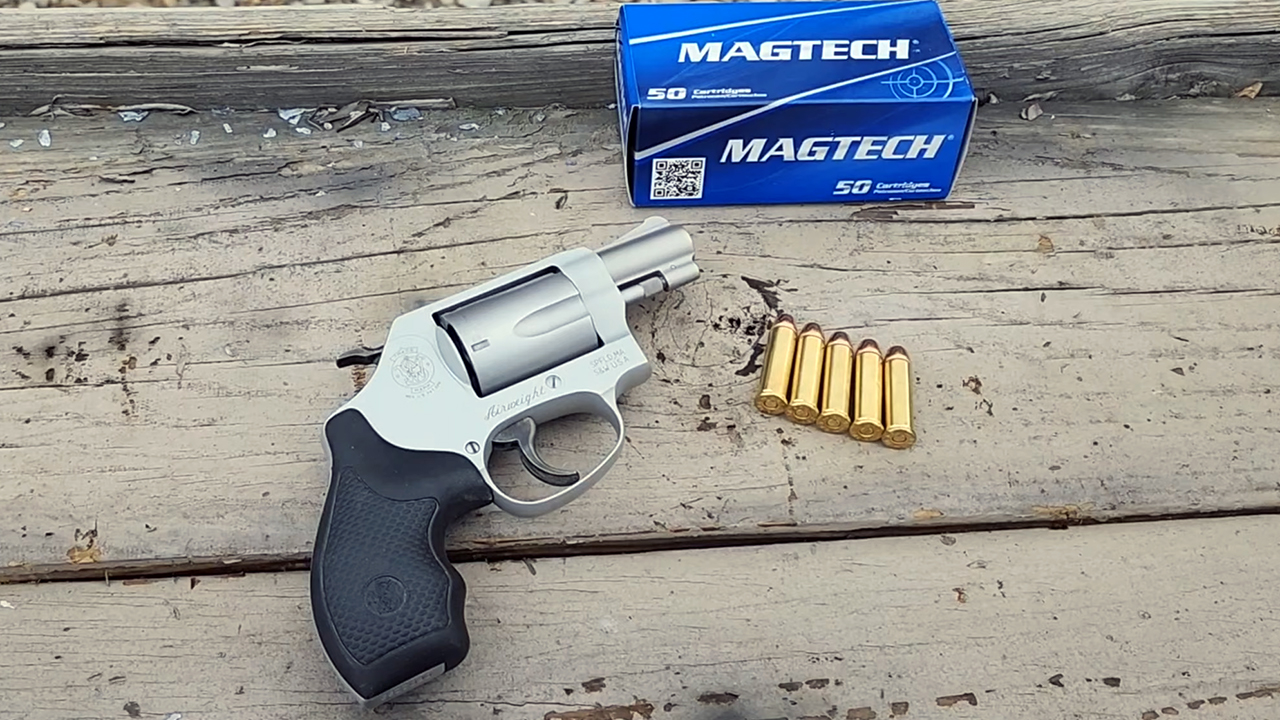
The Model 637 has been a default concealed-carry recommendation for decades because it is light, compact, and built around one of the most familiar revolver platforms ever made. The exposed hammer gives shooters the option of single-action fire, and the aluminum frame makes the gun easy to forget on the belt.
That convenience comes with a shooting penalty. Lightweight J-frames move around under recoil, the small grips offer limited control, and the sights are basic. They are excellent for experienced shooters who understand the limitations. They are much less ideal when recommended casually to someone who assumes a small revolver will be easier than a larger pistol.
Glock 42
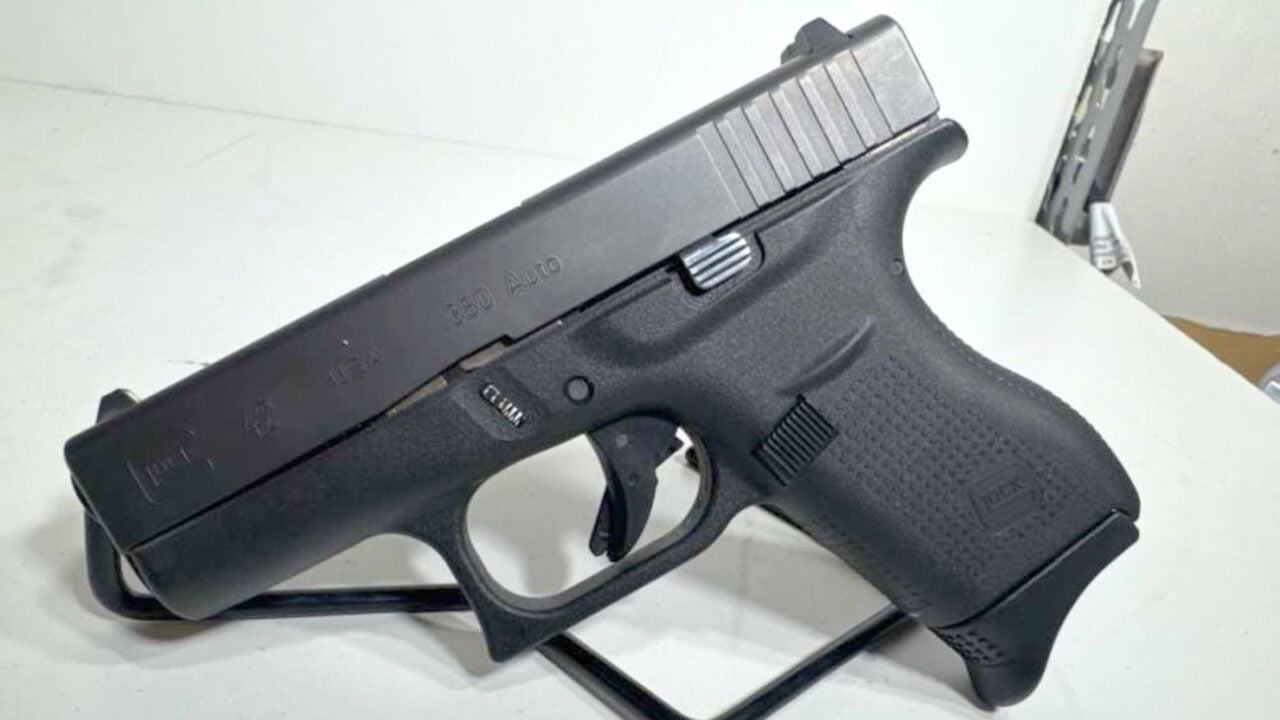
The Glock 42 is soft shooting compared with many pocket .380s, and its controls are familiar to anybody who already uses Glock pistols. That helped it become an easy recommendation for recoil-sensitive shooters and people looking for deep concealment.
The problem is size versus capability. The 42 is not dramatically smaller than some newer 9mm and higher-capacity .380 options, yet it gives you modest capacity and a relatively large footprint for the cartridge. It remains pleasant to shoot, which is valuable, but the market now offers enough alternatives that I would compare carefully before choosing it simply because the Glock name feels safe.
Kahr PM9
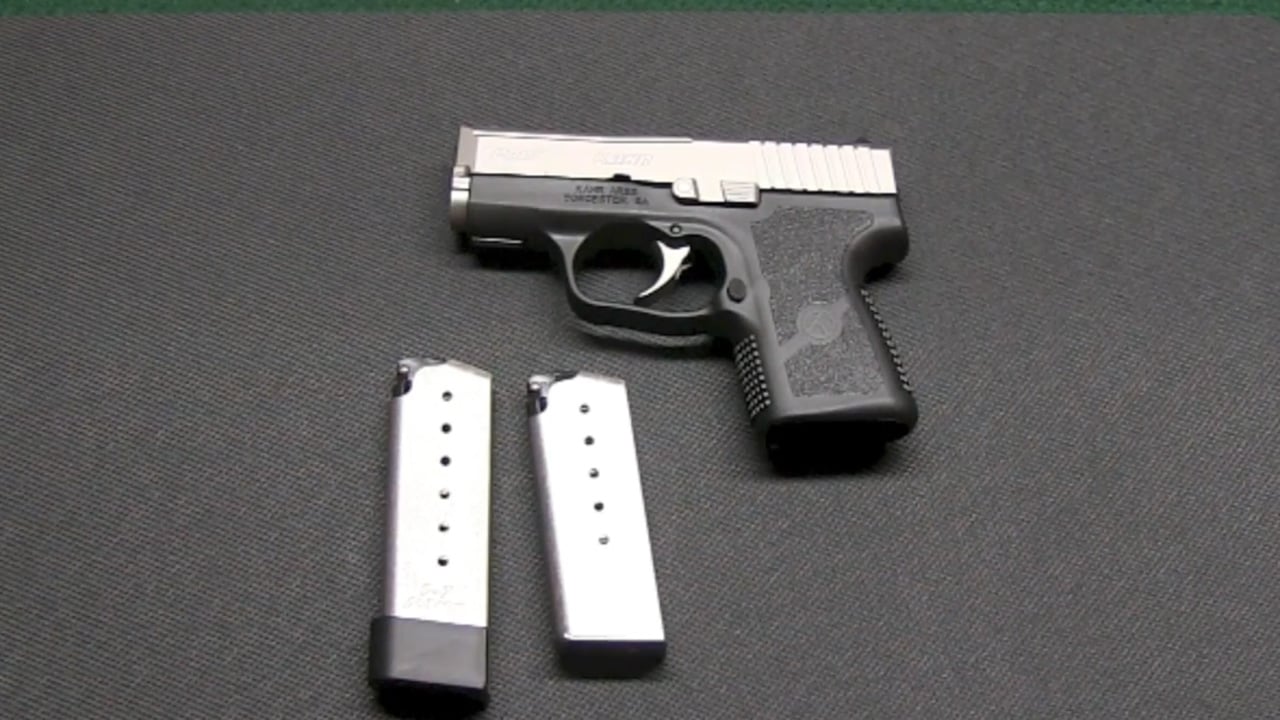
The PM9 was once one of the most impressive small 9mm carry pistols available. It packed real 9mm performance into a genuinely compact frame and used a long, smooth trigger that many experienced shooters appreciated. For years, that made it an obvious recommendation when someone wanted maximum concealability without dropping to .380.
The category has moved on. Newer micro-compacts offer significantly more capacity with similar overall dimensions, and some provide better sights and easier optics mounting. The PM9 still conceals beautifully, but its capacity and trigger system now make it more of a preference-driven choice than the obvious answer it once was.
Springfield XD-S Mod.2
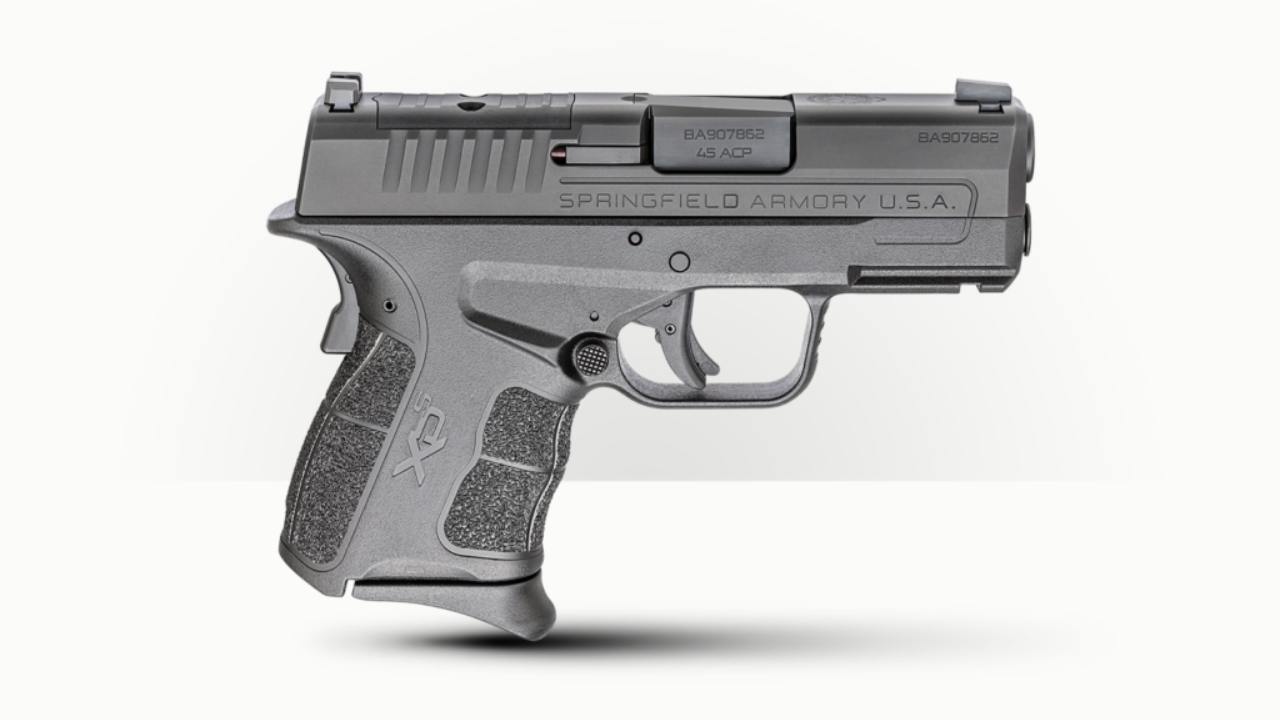
The XD-S built a strong following because it was slim, chambered in serious defensive cartridges, and backed by Springfield’s established XD reputation. The grip safety also appealed to buyers who liked having an additional passive safety system without relying on a manual thumb safety.
The issue is that the pistol now feels bulky relative to its capacity. The carry market has become extremely efficient, and newer designs squeeze more ammunition into similarly sized frames while often offering better optics support. The XD-S can still work perfectly well, but I would not recommend it based on reputation alone when the category has evolved so much.
Bersa Thunder .380
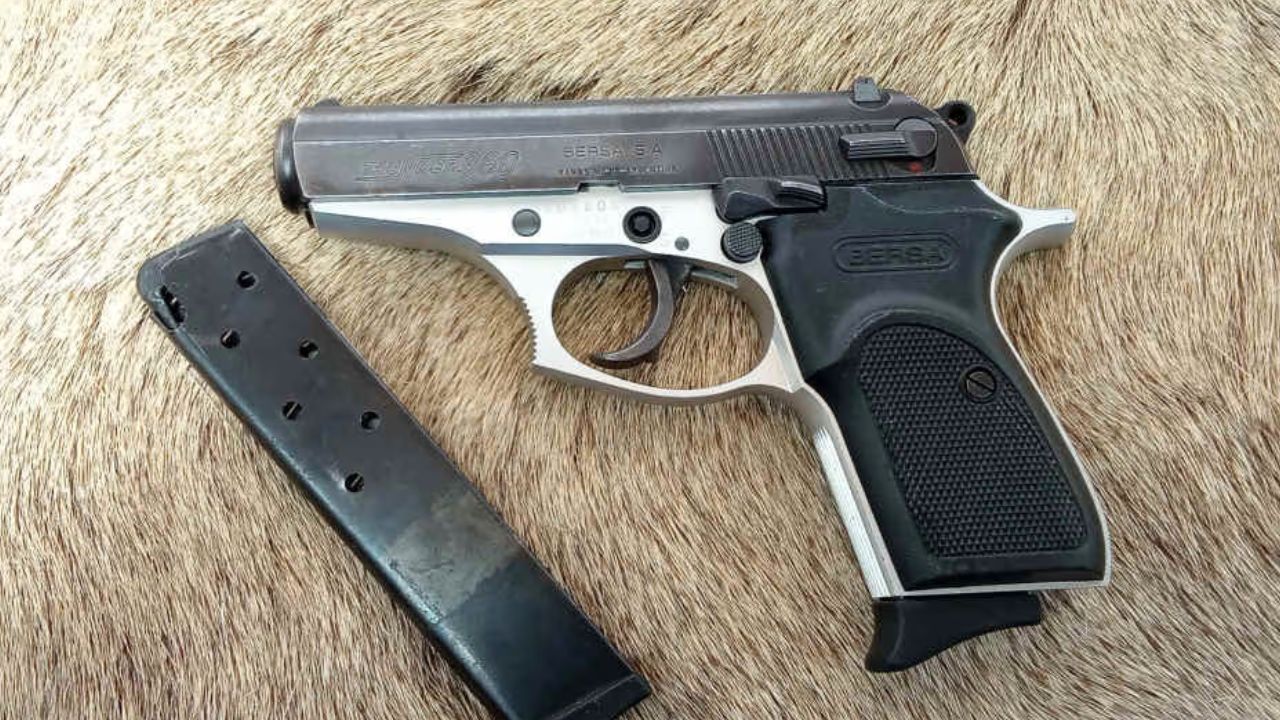
The Thunder .380 remains popular because it is affordable, metal framed, and visually familiar to people who like traditional compact pistols. The DA/SA trigger gives it a classic manual of arms, and the extra weight helps keep recoil manageable compared with tiny polymer .380s.
That same weight and size are the problem. Once a .380 becomes large enough to approach compact 9mm dimensions, it needs to offer something exceptional to justify the trade. The Bersa is pleasant and inexpensive, but it is not automatically a better carry choice than smaller, lighter, more capable alternatives. I like it more as a budget shooter than as a default recommendation.
North American Arms Black Widow
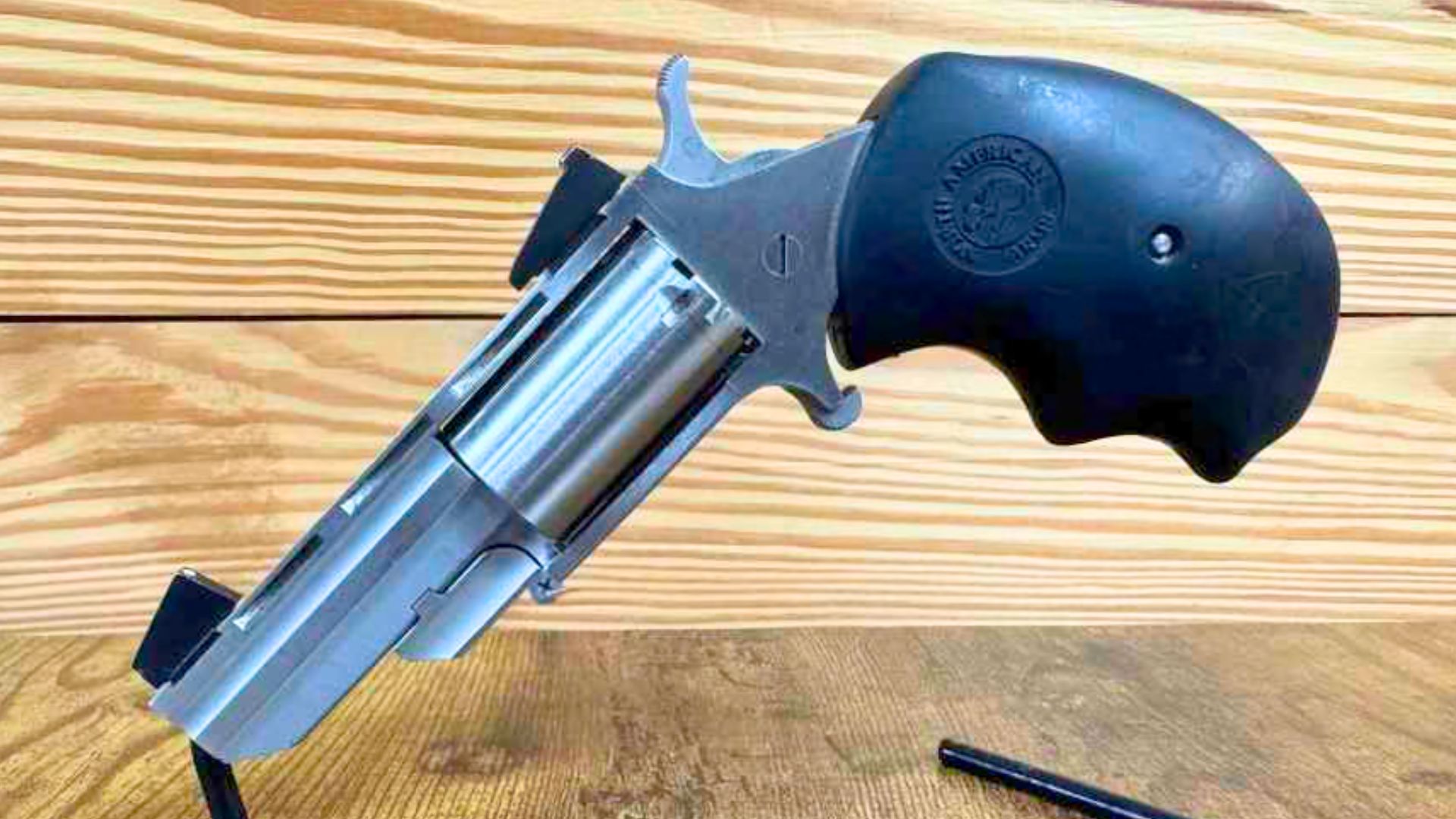
The Black Widow is small, beautifully made, and surprisingly accurate for what it is. The larger sights and grip make it far more usable than the tiniest mini-revolvers, and the whole package can be carried almost anywhere.
That does not change the fact that it is still a single-action mini-revolver with very limited capacity and slow reloading. It makes sense as a deeply concealed backup or specialized pocket gun. It makes far less sense when someone recommends it as though extreme concealability automatically outweighs every other consideration. Tiny size is useful, but it should not be confused with broad capability.
Charter Arms Undercover
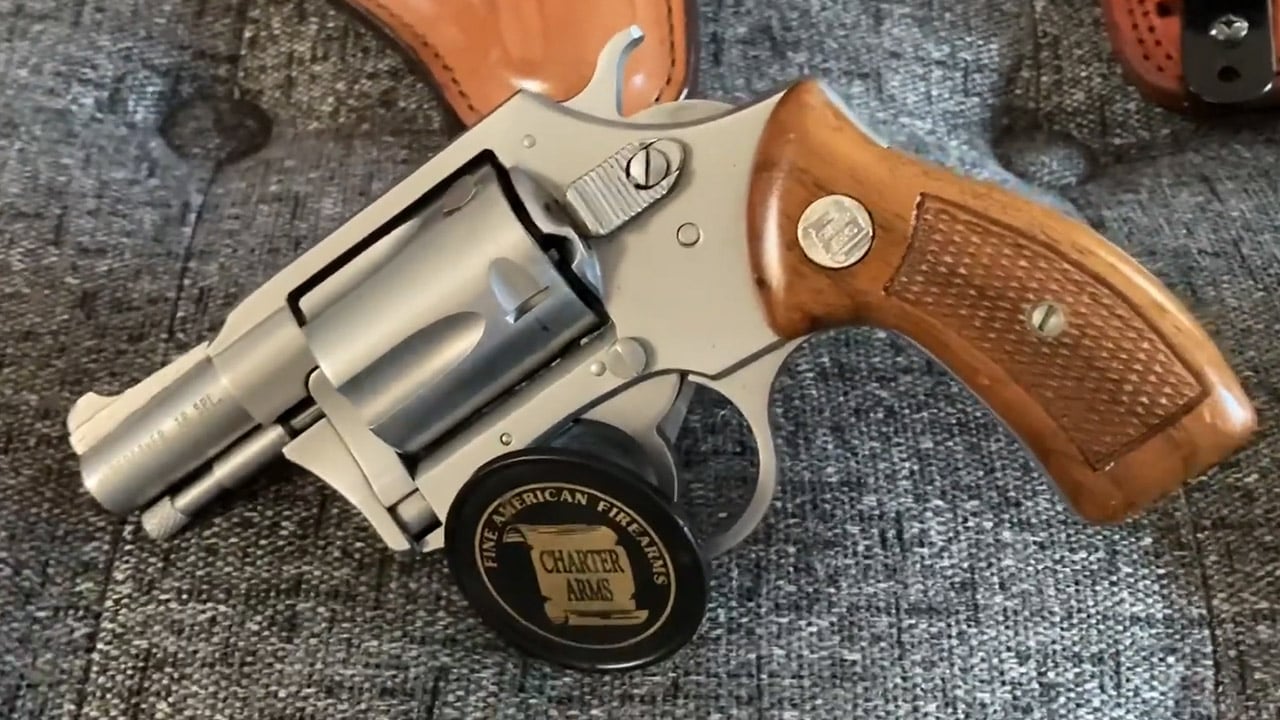
The Undercover has been around forever because it offers a lightweight .38 Special revolver at a price that keeps it accessible. The gun is compact, uncomplicated, and easy to carry, which explains why it continues to appear in recommendations for people who want a basic defensive revolver.
What those recommendations sometimes skip is shootability. Like other lightweight snubs, the Undercover can be difficult for inexperienced shooters to control and shoot accurately under pressure. The trigger is not always as refined as more expensive competitors either. It can be useful, but I would never treat its simplicity of operation as proof that it is easy to shoot well.
Bond Arms Backup

The Backup is compact, extremely sturdy, and built around an old derringer concept with modern materials. That gives it a unique appeal for people who want a small gun chambered in serious cartridges. The construction feels almost indestructible, which is part of why owners defend them so strongly.
The limitations are obvious once you stop romanticizing the format. You get two shots, heavy construction for the capacity, and a trigger system that takes familiarity. Reloading is also much slower than with almost any conventional carry pistol. It has a niche, but popularity among people who like derringers does not make it a better all-around carry gun.
KelTec P3AT
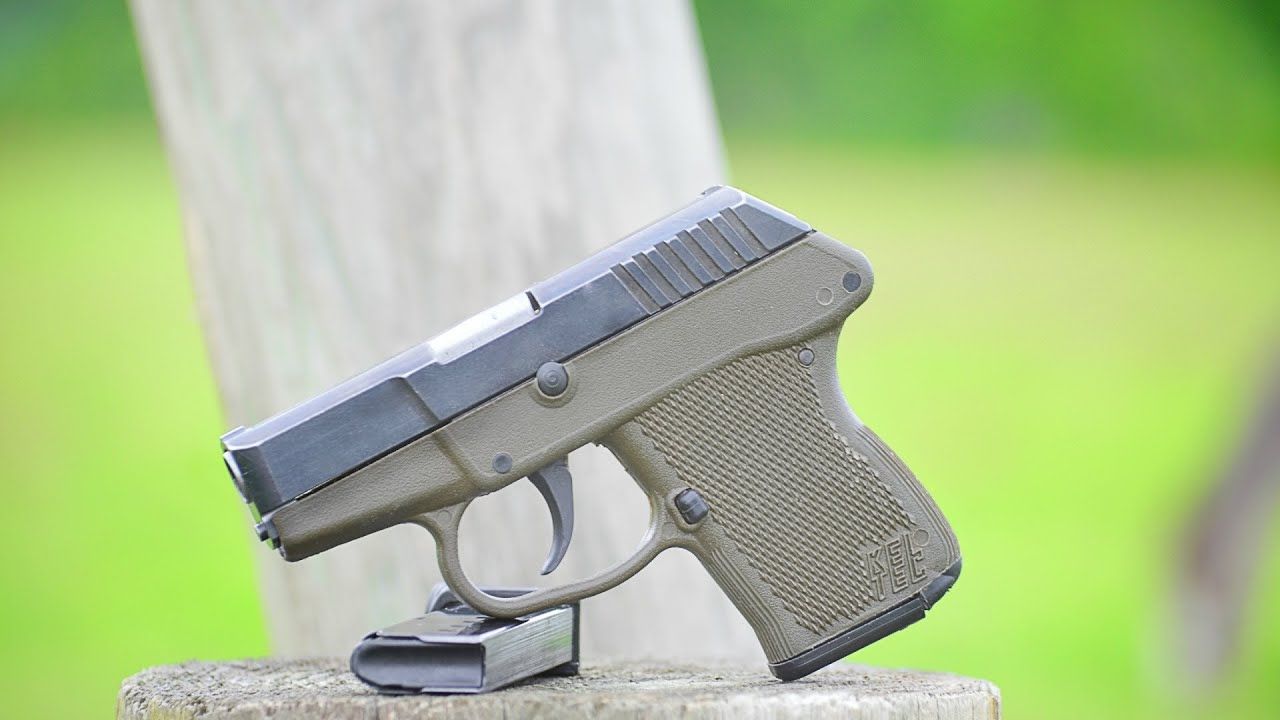
The P3AT deserves historical credit because it helped prove how small and light a practical .380 could become. It influenced an entire generation of pocket pistols and made deep concealment much easier for ordinary buyers.
The problem is that later guns took the same idea and refined it. The P3AT has minimal sights, a small grip, and a shooting experience that is far more demanding than its weight suggests. It can still serve as a backup or pocket gun, but recommending one today because it was once revolutionary ignores how much the category improved after it arrived.
Seecamp LWS 32
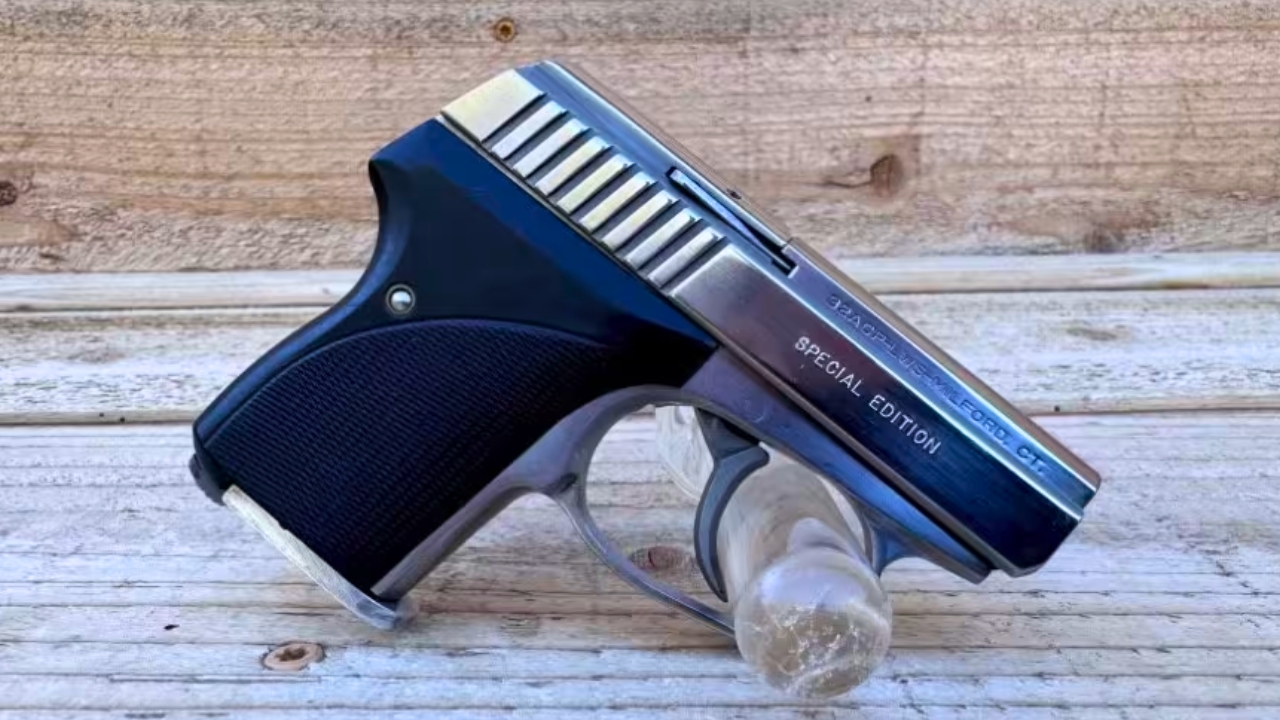
The Seecamp is beautifully made and almost impossibly small for a metal-frame pistol. It was designed around true pocket carry at a time when very few semiautomatics could disappear as completely as it did. The smooth exterior and tiny dimensions still make it impressive.
The limitation is that the design is highly specialized. Sights are effectively absent on traditional examples, capacity is modest, and the pistol demands close-range expectations. It remains fascinating and exceptionally well made, but I would recommend it only to someone who specifically understands what it is for. Reputation alone should not turn a niche pocket gun into a universal carry answer.
Beretta 21A Bobcat
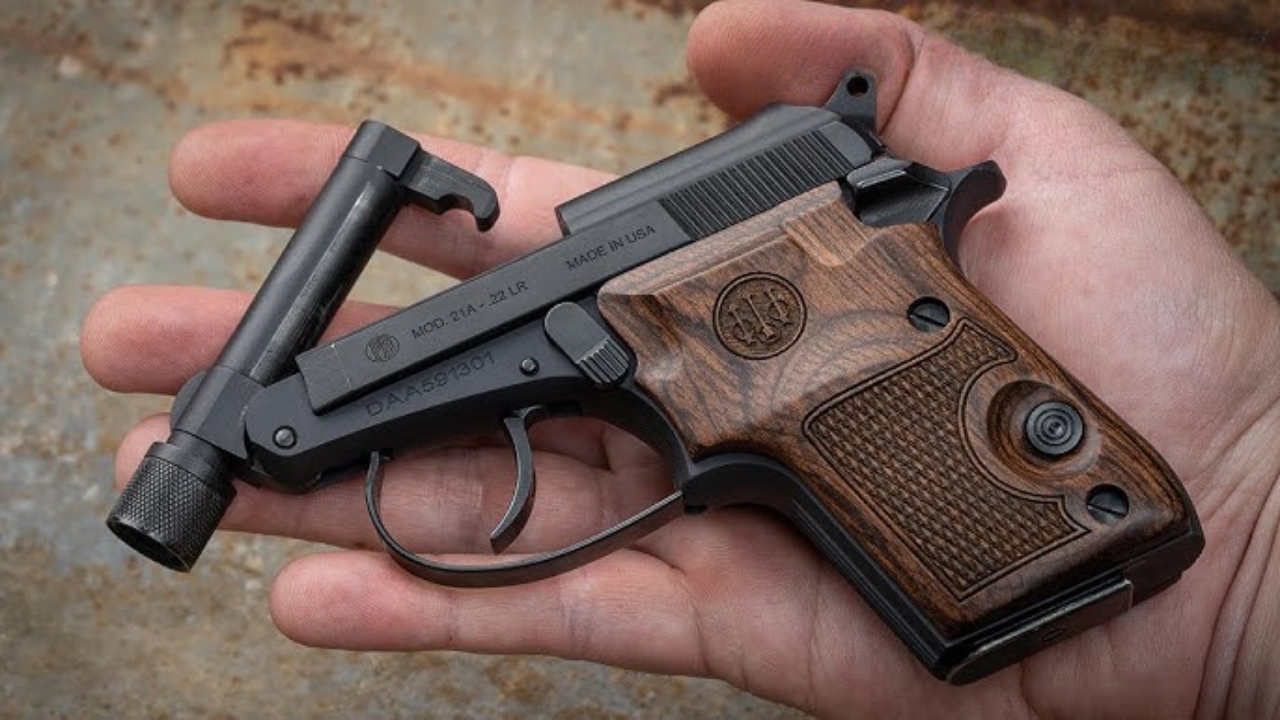
The Bobcat is another pistol that gets recommended because the tip-up barrel is genuinely useful for certain shooters. It is compact, easy to load without retracting the slide, and has plenty of old-school Beretta charm.
For ordinary carry, though, the tradeoffs are significant. The .22 LR chambering is less ideal for defensive reliability than centerfire alternatives, the pistol is relatively chunky for its power, and the DA/SA trigger requires practice. I would absolutely recommend it for someone who needs the unique loading system or wants a tiny rimfire. I would not recommend it simply because it is familiar and cute.
Smith & Wesson Model 442
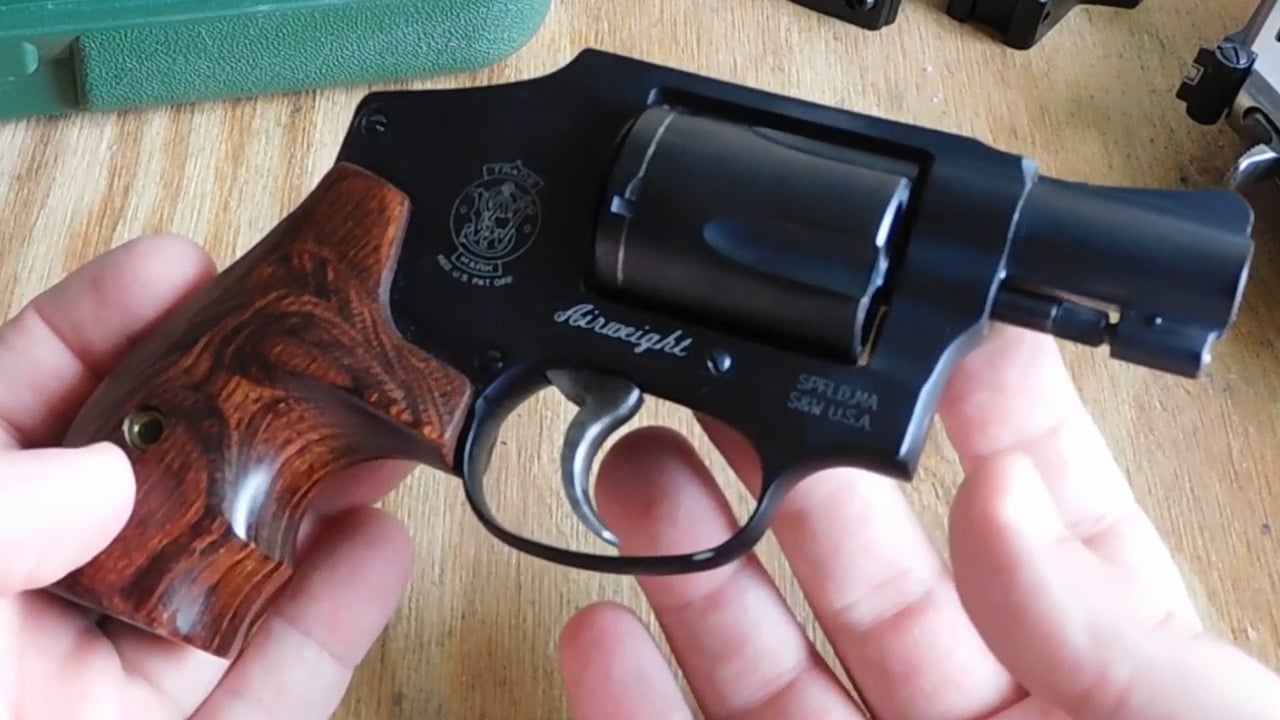
The 442 may be the ultimate example of a carry gun that gets recommended because everybody already knows it. It is lightweight, snag resistant, reliable, and compact enough to carry almost anywhere. Those qualities are real, and experienced revolver shooters can do excellent work with one.
The mistake is assuming that makes it easy. The enclosed hammer eliminates single-action fire, the short sight radius gives you little room for error, and the long double-action trigger demands more skill than many new shooters expect. A 442 is an excellent specialized carry revolver. It is not automatically the best answer for everyone simply because it has been the standard answer for decades.
Like The Avid Outdoorsman’s content? Be sure to follow us.
Here’s more from us:


