
Photo credit: It's Good in the Woods/YouTube
The farther you live from town, the more your priorities change. A firearm that looks impressive on a showroom wall matters a lot less than one that is easy to maintain, chambered in common ammunition, useful for more than one job, and dependable enough that you do not have to wonder what happens if something goes wrong miles from the nearest gunsmith or sporting-goods store.
That is why rural and remote living tends to favor guns that are practical before they are fashionable. You want rifles and shotguns that can handle hunting, predators, pests, livestock problems, and rough weather without demanding constant attention. You also want handguns that are easy to carry during chores and common enough that magazines, holsters, and ammunition are not a scavenger hunt. These 20 firearms make more sense the farther you get from pavement, big-box stores, and immediate help.
Marlin 1894 .357 Magnum
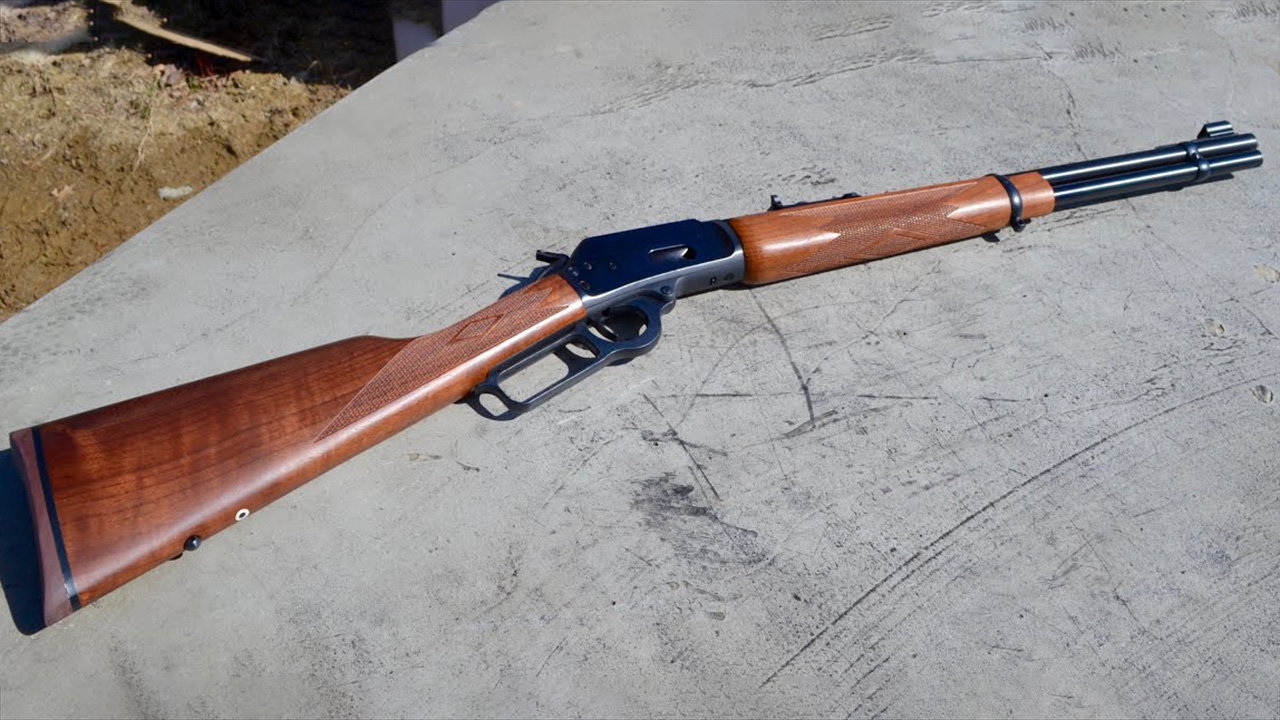
A .357 Magnum lever rifle becomes more attractive every mile you get from town because it is so easy to keep useful. The rifle is compact, mild recoiling, and capable of running both .357 Magnum and .38 Special in many loads, which gives you flexibility for everything from inexpensive practice to small game and closer-range hunting. The cartridge also gets a noticeable performance boost from a rifle-length barrel, making the gun far more capable than people who only think of .357 as a handgun round may expect. On a rural property, that combination of low recoil, manageable noise, and practical power is hard to beat.
It also pairs naturally with a .357 revolver, which can cut down on the number of ammunition types you need to keep around. That kind of commonality starts to matter a lot more when the nearest store is not five minutes away.
Ruger American Ranch .300 Blackout
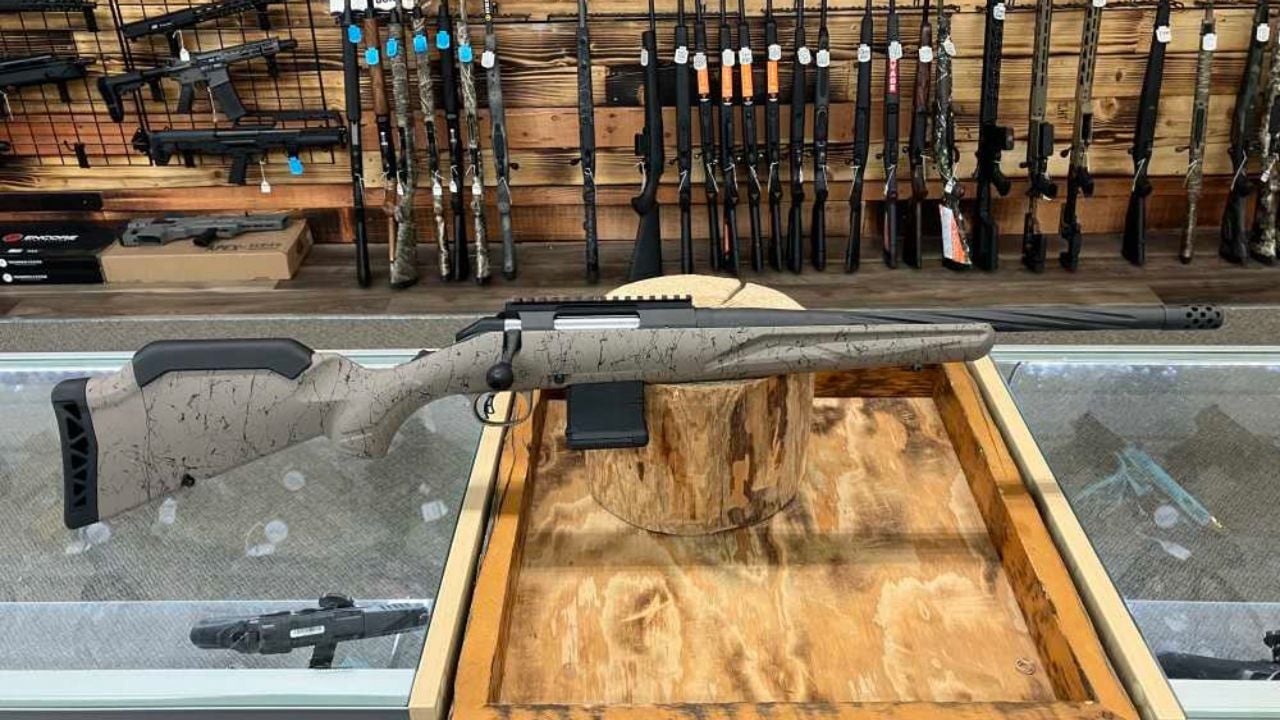
The Ruger American Ranch in .300 Blackout is one of those rifles that makes more sense in real rural use than it does on a spec sheet. The short barrel keeps it handy in trucks, blinds, barns, and thick cover, while the bolt action stays mechanically straightforward and easy to maintain. The cartridge is well suited to close and moderate distances, which is where a lot of property and hunting work actually happens. You are not carrying unnecessary barrel length or trying to turn every shot into a long-range problem.
The rifle also has the advantage of being light enough to carry often instead of leaving it in the safe because it is cumbersome. A gun that gets carried is usually more useful than a theoretically superior one that never leaves the house.
Winchester Model 70 Featherweight .30-06

A traditional bolt rifle in .30-06 is still one of the safest choices for someone living a long way from town because the cartridge is common, versatile, and capable of handling a huge range of North American game. The Featherweight keeps the rifle easier to carry than heavier full-size hunting guns, while the Model 70 action gives you a proven design that does not depend on unusual magazines or proprietary systems. You can take it after deer, larger game, and a wide range of hunting opportunities without constantly wondering whether you brought enough rifle.
That broad capability is exactly what makes it useful in remote country. When you cannot justify owning a specialized rifle for every job, a dependable .30-06 starts looking smarter and smarter.
Tikka T3x Lite .308 Winchester

The T3x Lite is almost tailor-made for the kind of hunter who cares more about dependable field performance than collecting features. The rifle is light, the bolt is exceptionally smooth, and the trigger is excellent without requiring aftermarket work. In .308 Winchester, it becomes even more practical because the ammunition is widely available and the cartridge is powerful enough for deer, hogs, and much larger game depending on load and local laws. It is one of those combinations that can quietly handle most of the hunting a rural owner will ever do.
The biggest advantage is confidence. When a rifle is accurate, easy to carry, and chambered in something common, you stop spending time solving problems that never needed to exist in the first place.
Ruger Gunsite Scout .308
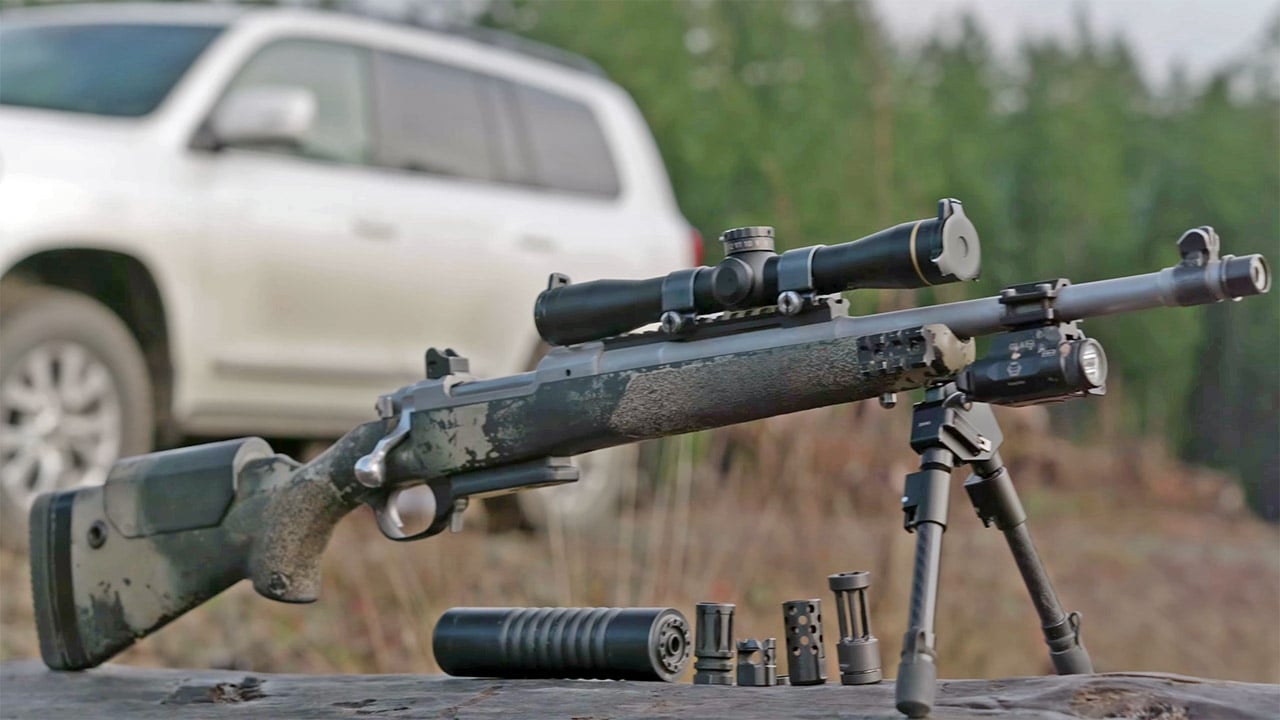
The Gunsite Scout is heavier and more specialized than a basic hunting rifle, but the design starts to make more sense once one gun needs to cover several roles. The short barrel keeps the rifle manageable, the detachable magazines allow quick reloading, and iron sights give you a usable backup if an optic gets damaged. The .308 chambering also gives you a broad range of hunting and field capability without relying on an obscure cartridge.
This is not the lightest rifle I would choose for long mountain hunts, but around a remote property it offers a very useful mix of durability, compact handling, and versatility. When replacing an optic or magazine requires a long drive, having a rifle that keeps working with basic sights matters more.
Mossberg 500 Combo
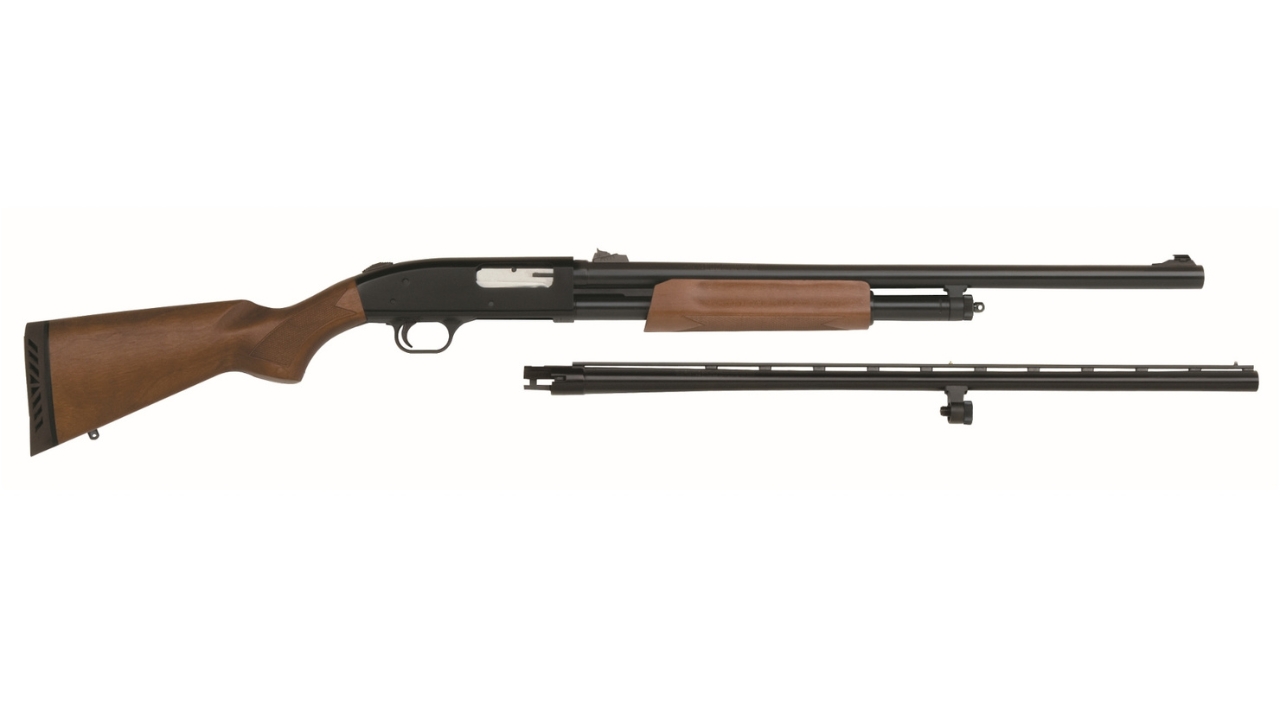
A Mossberg 500 with both field and shorter barrels is one of the easiest firearms to justify in rural living because one receiver can cover so many jobs. A longer barrel works for birds, rabbits, and general hunting, while a shorter setup makes the gun more manageable around buildings and property. The pump action is straightforward, the tang safety is easy to use, and replacement parts are common enough that the platform is unlikely to become an orphan.
The real strength is ammunition variety. Birdshot, buckshot, and slugs let one shotgun handle dramatically different tasks. If I had to reduce an entire safe to a small number of guns, a 12-gauge pump like this would survive the cut almost every time.
Benelli Nova 12 Gauge
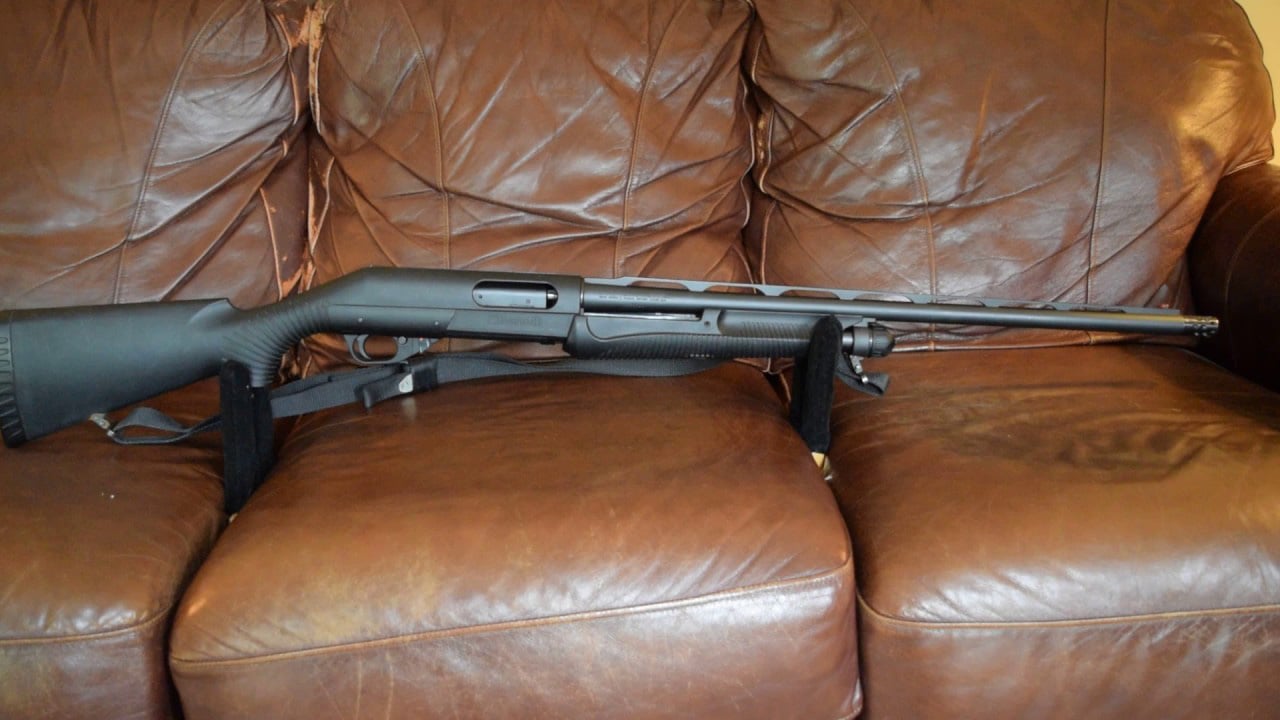
The Nova is exactly the kind of shotgun I would want if the gun was going to live a hard life instead of a pretty one. Its polymer-covered construction shrugs off rain, mud, scratches, and rough storage better than a traditional walnut-stocked gun, and the pump action is stout enough that you do not feel like you are carrying something delicate. It can handle a broad range of 12-gauge ammunition and does not require much special knowledge to keep running.
That matters more when you are far from repair services. A gun that can ride behind a seat, spend a day in wet weather, and still be expected to function is more valuable than one that needs to be treated like furniture.
Beretta A300 Ultima
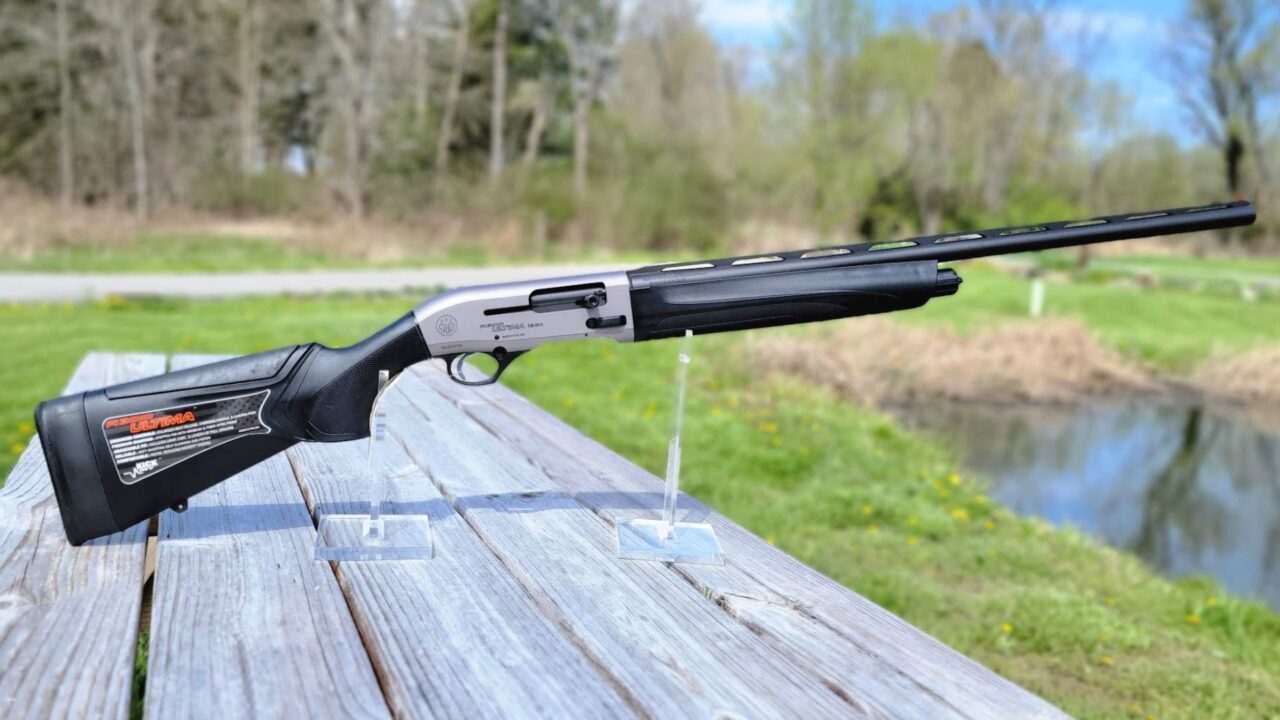
I would still want a good semiautomatic shotgun on a remote property, especially if birds and small game were a regular part of the year. The A300 Ultima gives you a gas-operated system that is soft shooting, dependable, and easy enough to maintain without becoming overly complicated. It carries well, points naturally, and can handle a lot of field use without demanding premium-shotgun money.
This is the sort of gun that makes sense if you actually shoot a lot. A pump may be more mechanically basic, but the softer recoil and faster follow-up shots of a good semiautomatic can make long hunting days and high-volume shooting noticeably easier.
Ruger 10/22 Stainless
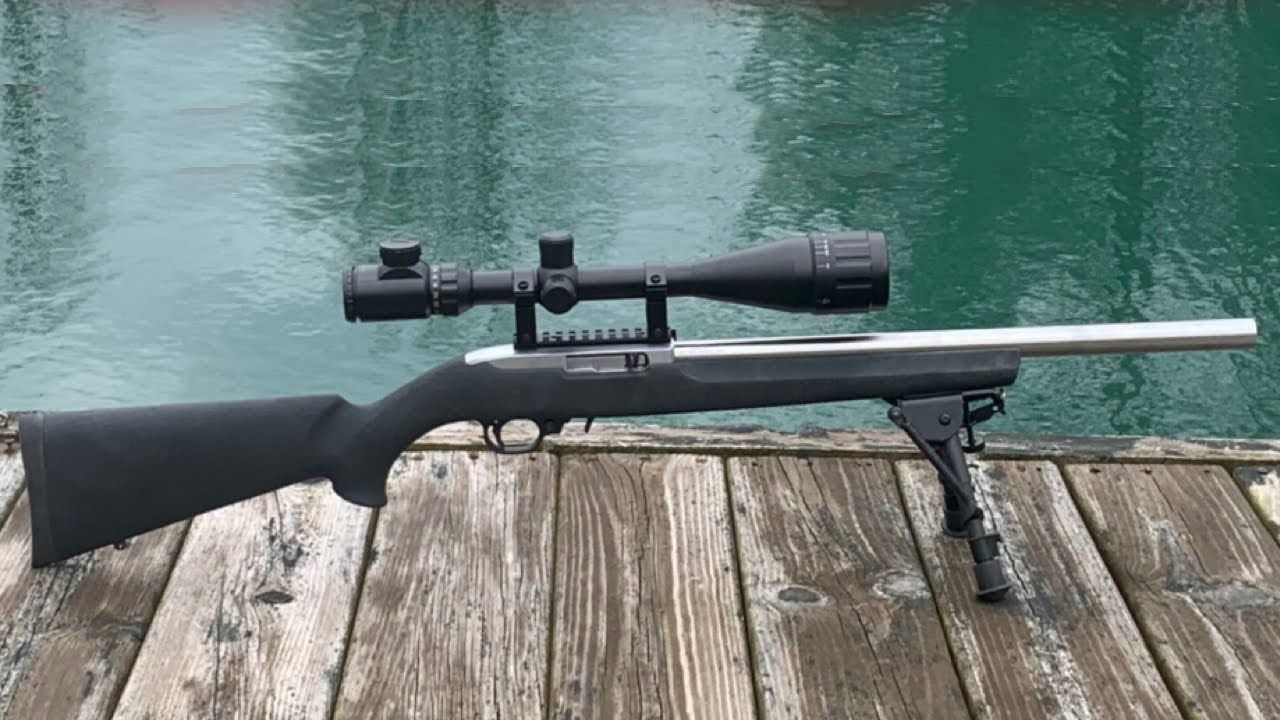
A stainless 10/22 would probably see more daily use than almost anything else in a remote household. It is light, easy to carry, inexpensive to shoot, and useful for small game, pests, training, and general plinking. The stainless construction also makes sense in a gun that may spend time around rain, humidity, dusty barns, and rough storage. You do not have to treat it delicately to keep it useful.
The other reason it makes so much sense is support. Magazines, parts, stocks, barrels, and basic accessories are everywhere. The farther you live from town, the more you appreciate a gun that can be kept running without needing rare components.
CZ 457 American .22 LR

A bolt-action .22 deserves a place alongside a semiautomatic because it fills a different role. The CZ 457 American is accurate enough for serious small-game hunting, quiet in operation, and built around a straightforward action that can last for generations with basic care. The trigger is also good enough that the rifle becomes a genuine precision training tool instead of just something cheap to shoot.
If ammunition conservation matters, a good bolt .22 encourages deliberate shooting rather than burning through magazines. That may sound minor until you are a long drive from the nearest place carrying ammunition. A rifle that makes every shot count earns its keep quickly.
Savage 93R17 .17 HMR
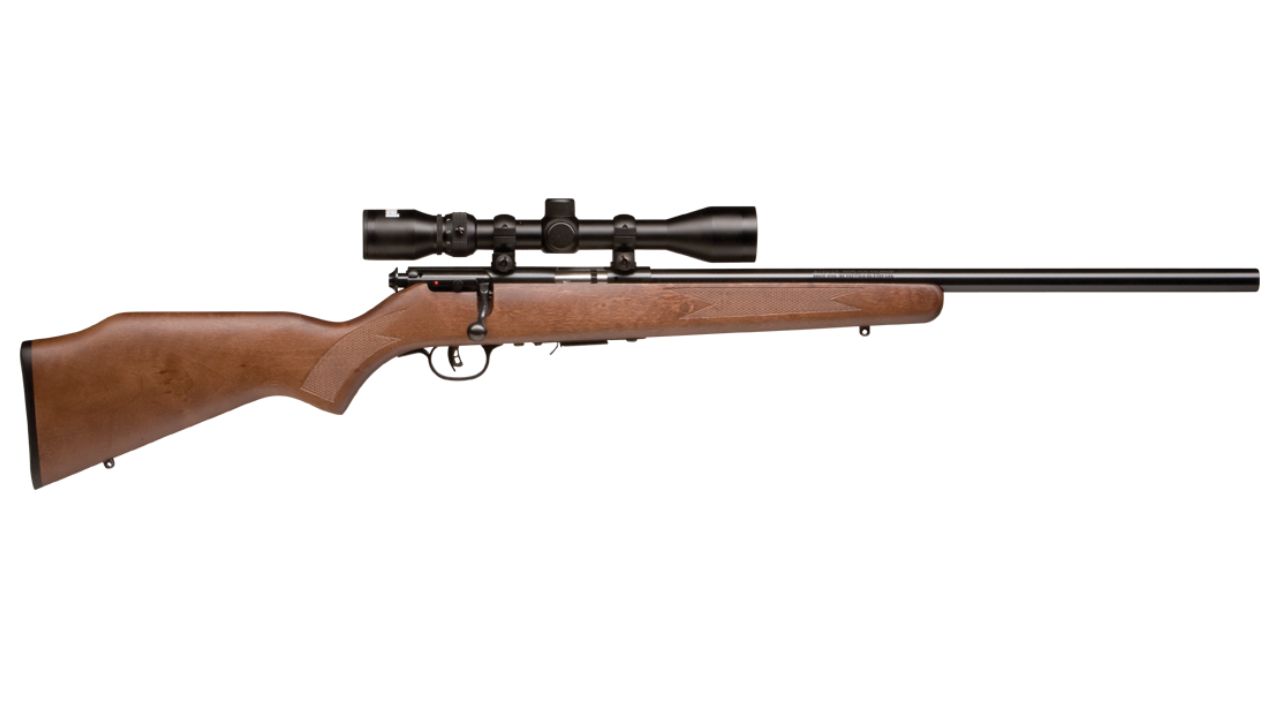
The .17 HMR becomes very useful on open rural property where small pests and varmints show up beyond easy .22 LR range. The cartridge shoots flatter, carries more velocity, and makes precise hits on small targets much easier at moderate distances. The Savage 93R17 has earned a reputation for accuracy without demanding premium-rifle money, which makes it well suited to a job that may involve regular use rather than occasional hunting.
It is more specialized than a .22 LR, so I would not choose it first. Once the basics are covered, though, a .17 HMR rifle can save you from using more centerfire ammunition than necessary on jobs that do not need it.
Henry Big Boy Steel .44 Magnum

A .44 Magnum lever rifle makes a lot of sense when you need more power than a .357 but still want something compact and easy to carry. The Big Boy Steel gives you a durable, traditional platform that works well in woods, around property, and for close-range hunting. The rifle can also use .44 Special in appropriate loads, which gives you a softer option for practice or less demanding jobs.
The biggest advantage is how much capability fits into such a handy package. You get a serious close-range cartridge without carrying a full-length bolt rifle everywhere, and the lever action is straightforward enough that there is very little to complicate ownership.
Ruger Hawkeye Guide Gun
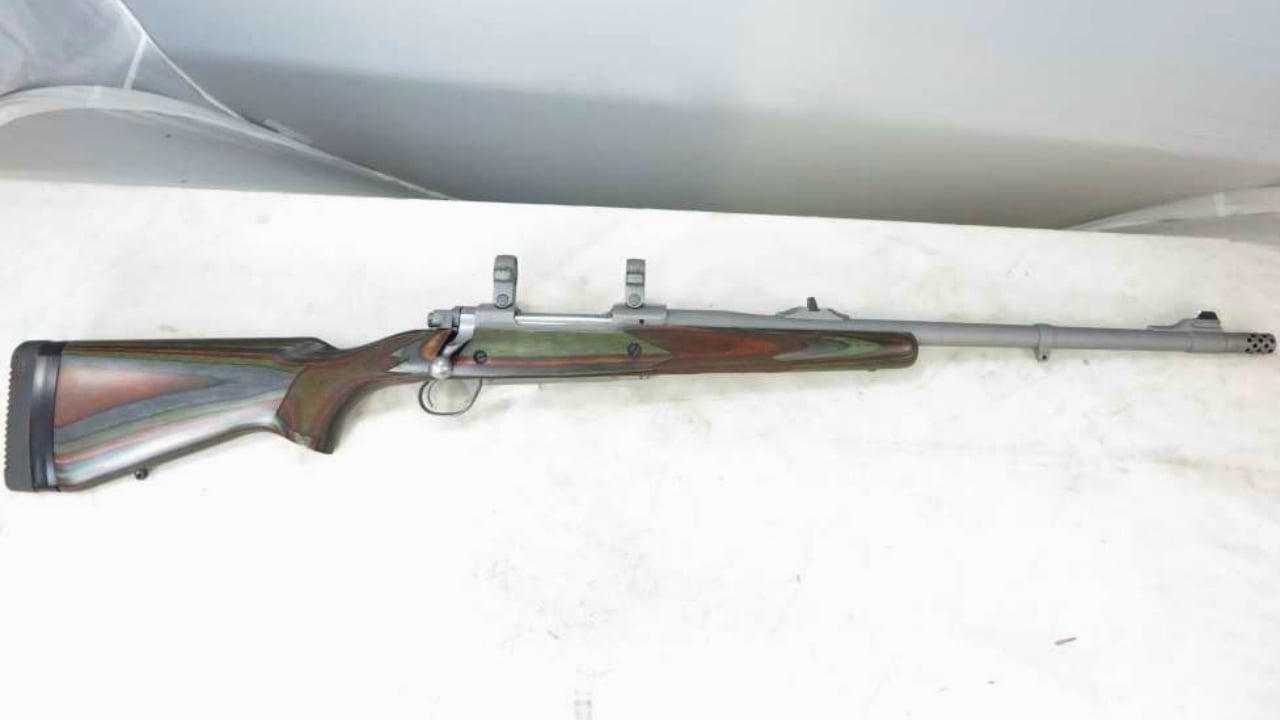
If I lived far enough from town that large animals were part of daily reality, I would want one rifle built specifically around serious power and hard use. The Hawkeye Guide Gun fits that role because it is compact, rugged, weather resistant, and based on a controlled-round-feed action that inspires confidence in ugly conditions. The stock and sights are built around field use rather than appearance, and the rifle feels like something intended to be carried when circumstances are less than ideal.
It is far more rifle than most people need in ordinary whitetail country. In the right environment, though, that excess capability becomes exactly the reason to own it.
Glock 20 Gen5
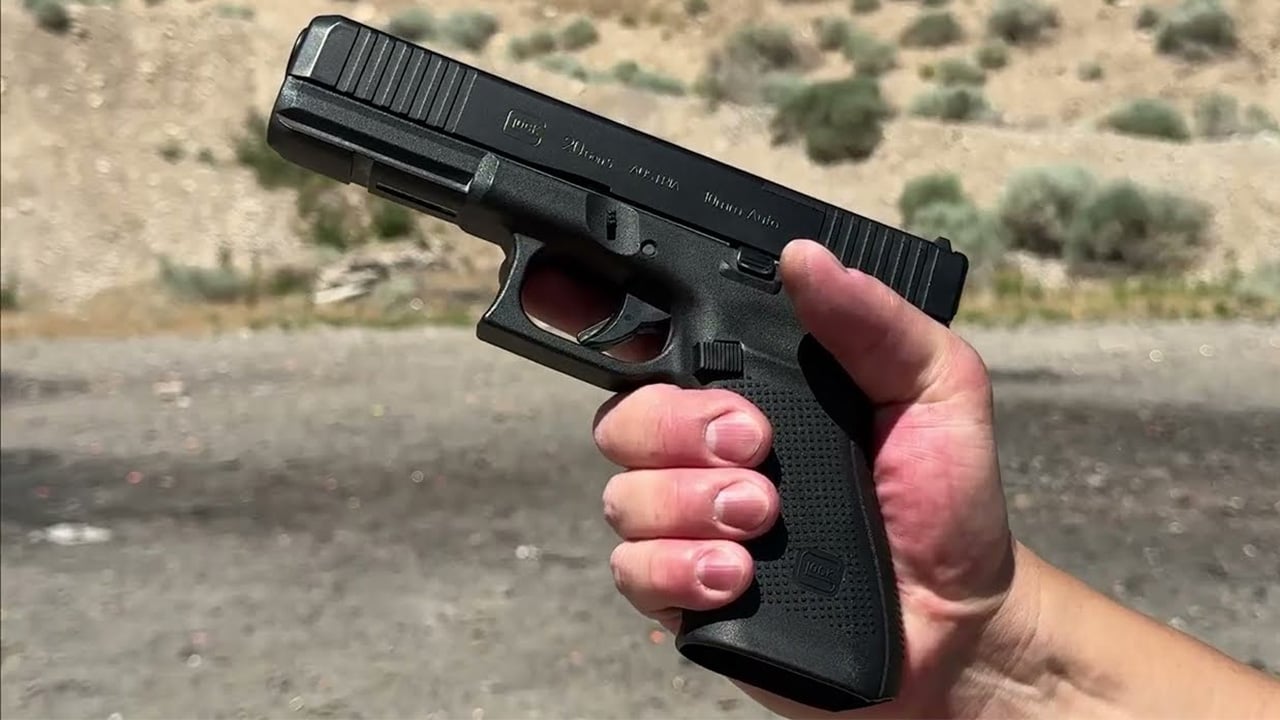
The Glock 20 makes more sense in remote country than it does in ordinary urban carry because 10mm gives you a meaningful increase in field capability without forcing you into a large revolver. The full-size frame helps manage recoil, the pistol carries a useful amount of ammunition, and the basic Glock system is easy to maintain. Parts, holsters, magazines, and replacement sights are also common enough that support is not likely to become a problem.
It is not a pistol for everyone because the grip is large and full-power 10mm has real recoil. If you shoot it well, though, it is one of the better all-around woods semiautomatics for someone who wants power and capacity in the same gun.
Ruger GP100 4-Inch .357 Magnum
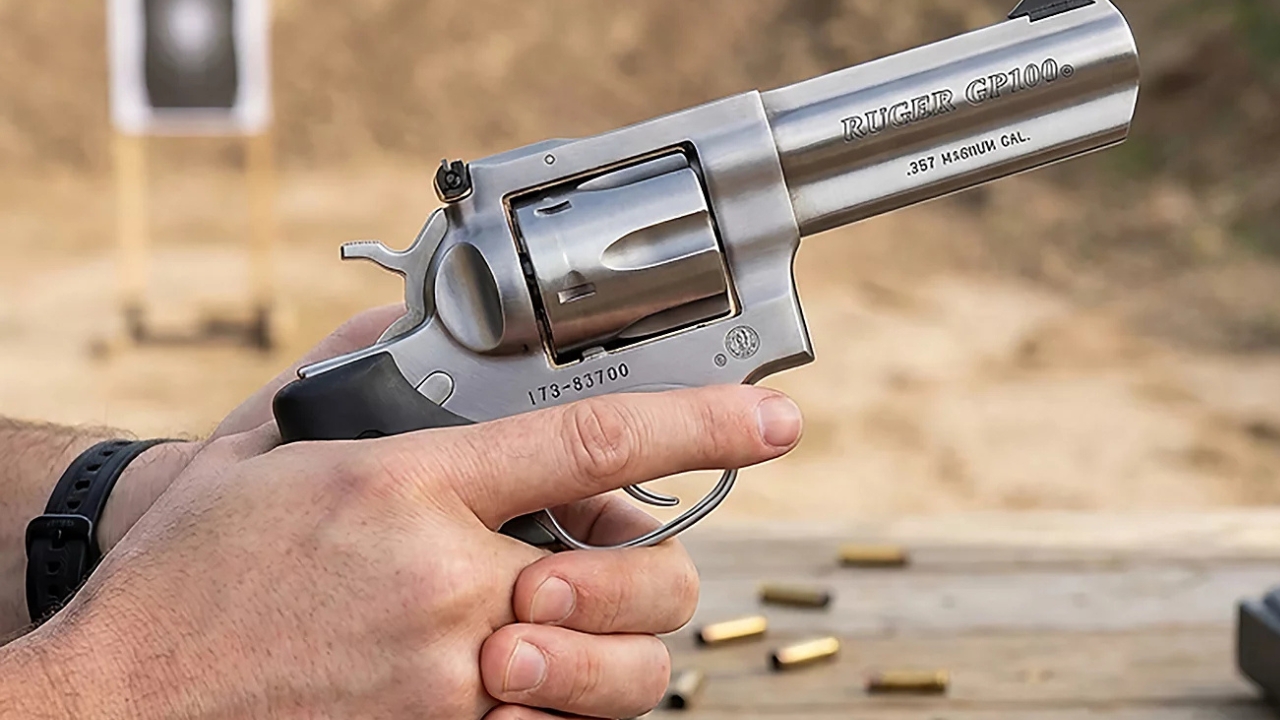
The GP100 is one of those revolvers that feels increasingly appropriate the farther you get from city life. The 4-inch barrel is long enough to make good use of .357 Magnum without becoming cumbersome, while the heavy frame makes the gun much easier to shoot than an ultralight carry revolver. It can also fire .38 Special, giving you a huge range of ammunition options for practice and lighter use.
That versatility is what makes it valuable. One revolver can cover daily property carry, woods use, range practice, and plenty of other roles without depending on magazines or specialized parts. It is not glamorous, but remote living rewards guns that are boringly dependable.
Smith & Wesson Model 63
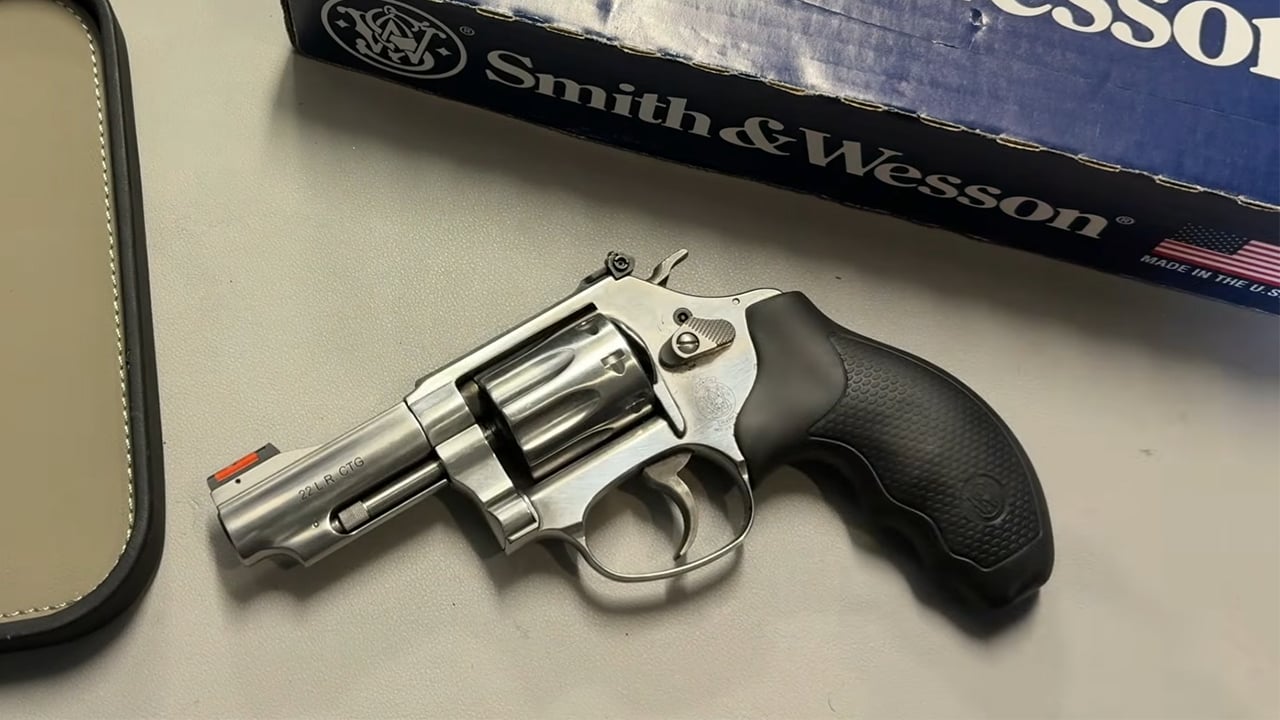
A small stainless .22 revolver may not seem essential until you start thinking about how often it could actually be carried. The Model 63 is light enough to stay on your belt while doing chores, checking fences, or walking woods, and .22 LR makes it useful for small pests and casual shooting without carrying a larger centerfire handgun everywhere. Stainless construction also fits the role because sweat, rain, and daily handling are not things you want to worry about constantly.
This is one of those guns that does not replace anything larger. It simply becomes the gun that is with you because it is easy enough to carry every day.
Ruger Blackhawk Convertible .357/9mm
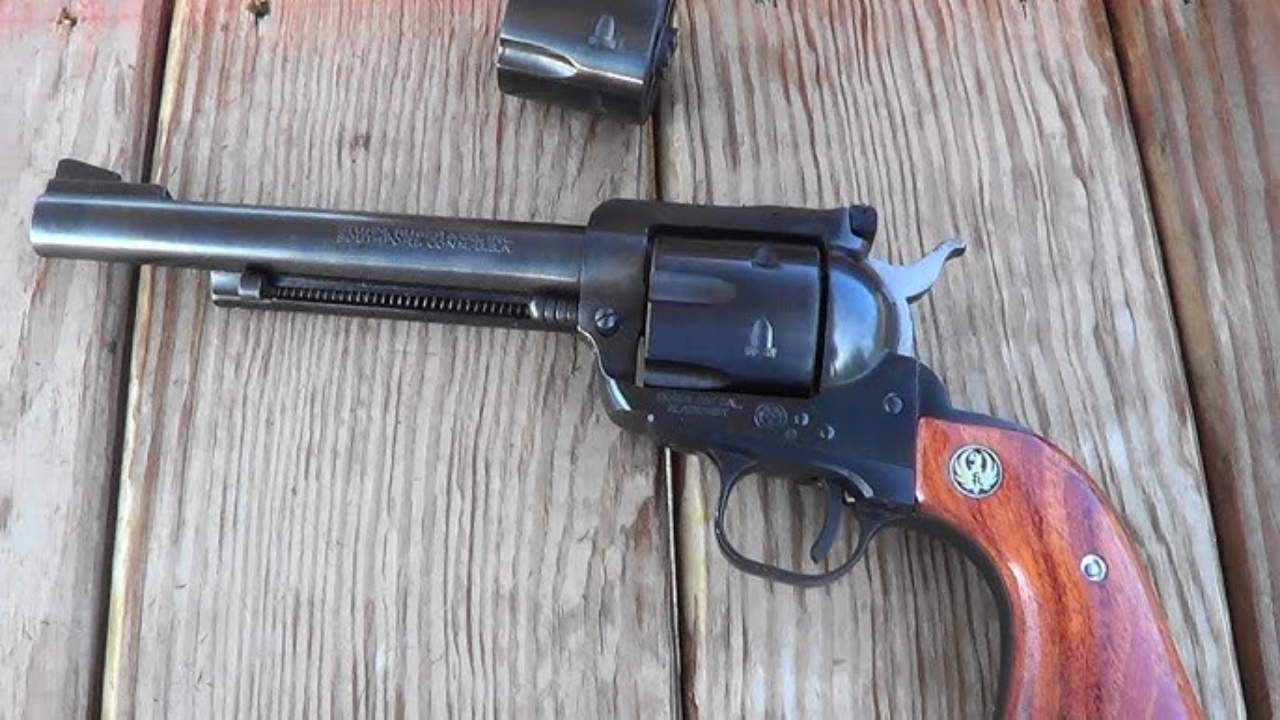
The convertible Blackhawk is almost tailor-made for someone who values ammunition flexibility. With the appropriate cylinders, you can use .357 Magnum, .38 Special, and 9mm in one strong single-action revolver. That gives you access to some of the most common handgun ammunition in the country without having to own three separate guns. When supply and availability matter, that versatility is difficult to ignore.
The single-action design is slow compared with a modern semiautomatic, but that matters much less for field use. The gun is strong, accurate, and mechanically straightforward. The farther you are from easy resupply, the more that cartridge flexibility starts looking brilliant.
Glock 19 Gen5
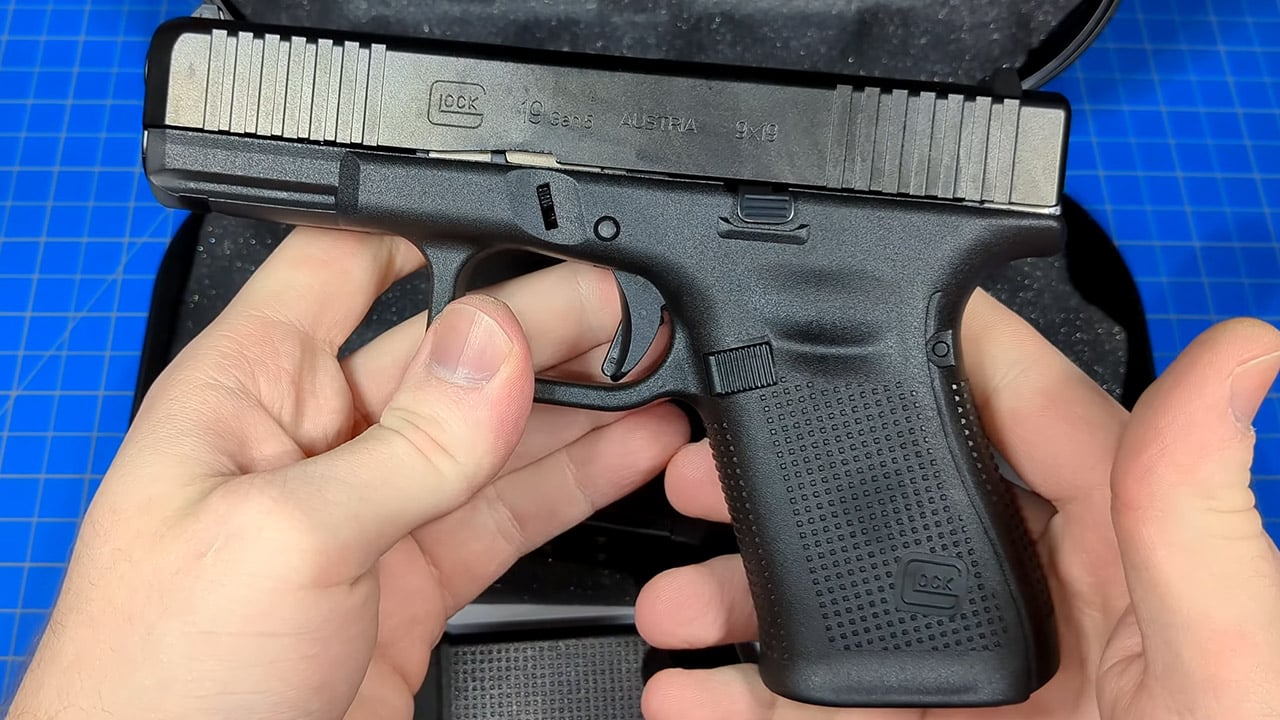
Even in a rural setup full of specialized field guns, I would still want one ordinary 9mm pistol because common ammunition and common parts have enormous value. The Glock 19 is large enough to shoot well, small enough to carry all day, and supported by an aftermarket so huge that magazines, holsters, sights, and internal parts are rarely difficult to find. There are newer pistols with better factory triggers or more elaborate features, but very few are easier to support long term.
That is why it makes more sense as distance from town increases. You do not need something exotic. You need something you can feed, maintain, and carry without turning ownership into another problem.
Browning BLR .308 Winchester
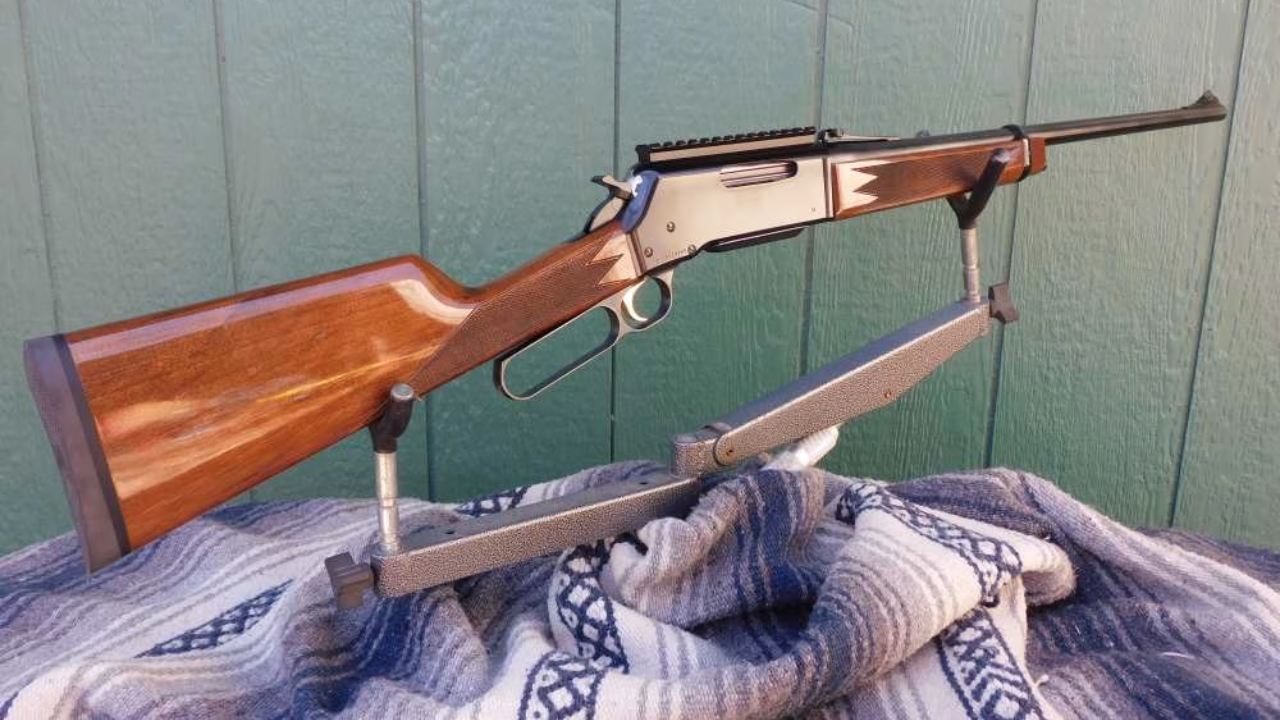
The BLR is one of the best choices for someone who wants lever-action handling without giving up the capabilities of a modern rifle cartridge. The detachable box magazine lets it use pointed bullets, and .308 Winchester gives you enough power for a very wide range of hunting. The rifle remains compact and quick in the woods, yet it can reach much farther than traditional pistol-caliber or .30-30 lever guns.
That makes it especially useful when you want one rifle to cover both thick timber and more open ground. Remote living rewards guns that can handle several jobs without forcing you to keep a dozen specialized platforms ready.
Marlin 336 .30-30

The 336 still makes sense because a huge amount of rural hunting happens at distances where .30-30 works perfectly well. The rifle is compact, easy to carry, quick to shoulder, and mechanically straightforward. It also has decades of familiarity behind it, which means there is no mystery surrounding how the platform works or what it is capable of doing.
For deer, hogs, and general woods hunting at realistic distances, the 336 remains hard to improve upon. The farther you live from a range and the less interested you are in chasing long-distance shooting trends, the more sensible a proven lever rifle starts to look.
H&R Handi-Rifle
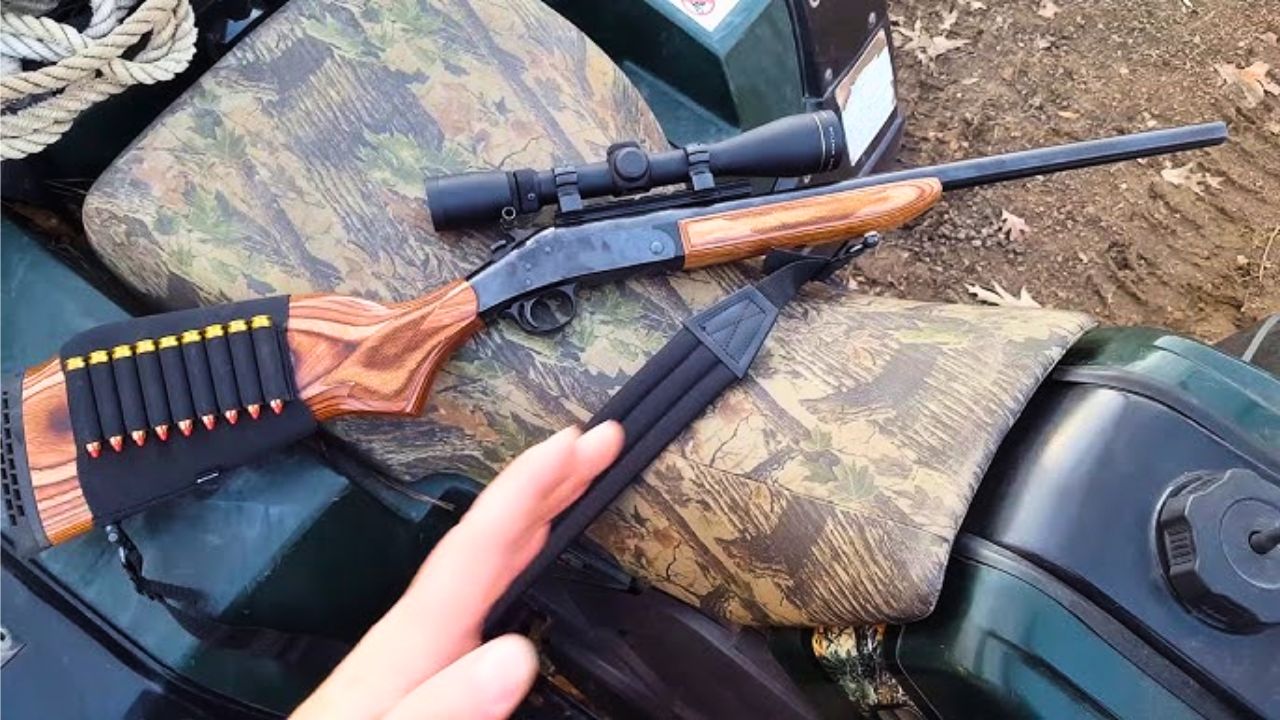
The Handi-Rifle concept makes enormous sense in remote living because there is very little to go wrong. The break action is about as mechanically straightforward as a centerfire rifle can get, there is no detachable magazine to lose, and the guns were offered in enough chamberings to cover everything from varmints to deer. They are also compact and easy to store, making them useful as dedicated property or backup rifles.
The entire appeal depends on keeping expectations realistic. It is not a fast-firing rifle and never tried to be. What it gives you is a dependable single-shot that can sit for years, come out when needed, and do one job without drama.
Winchester SXP Defender
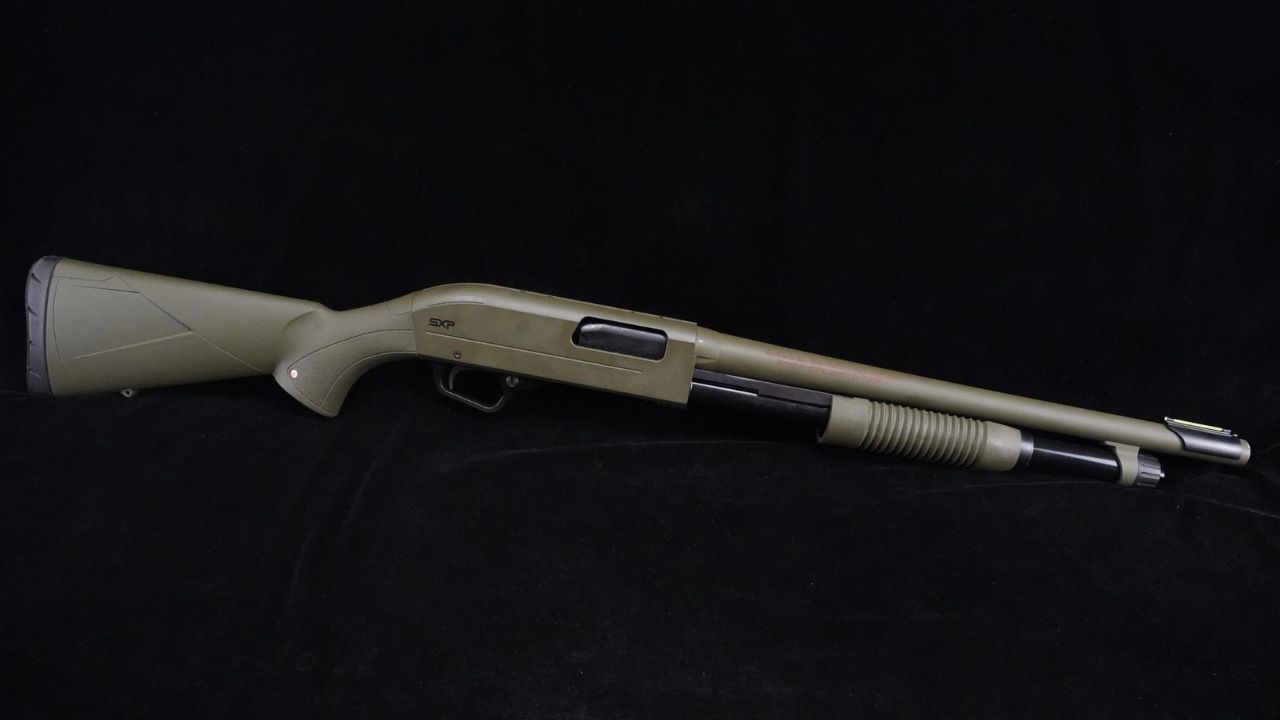
The SXP Defender is a good example of why a basic modern pump shotgun still belongs on rural property. It is compact, uncomplicated, and built around a manual action that does not care much about ammunition pressure as long as the shell itself functions properly. The shorter configuration makes it easier to maneuver around buildings, vehicles, and equipment than a long field gun, while the 12-gauge chambering keeps ammunition common.
I would not make it the only shotgun on the property, but I would have no problem keeping one as the rugged gun that gets used when I do not want to worry about scratching something nicer. The farther you live from town, the more useful that kind of backup becomes.
Like The Avid Outdoorsman’s content? Be sure to follow us.
Here’s more from us:


