Photo credit: NRApubs/YouTube
Some rifles seem like a great idea right up until you drag them into the woods. Maybe it’s the weight you didn’t notice at the range, or the way the action starts hanging up once things get cold and gritty. Sometimes it’s the recoil that wears on you. Sometimes it’s the accuracy that disappears after a dozen shots. Either way, you learn fast which rifles were built for the rack and which were made for real field work.
You don’t really know a rifle until you’ve hunted with it. Specs and reviews can only tell you so much. The only way to find out how a gun carries, shoulders, cycles, and shoots when it counts is to take it on a real hunt—and that’s when a lot of the hype starts to fall apart.
Ruger American Predator in .308

The Ruger American line has its place, but the Predator model in .308 isn’t as forgiving in the field as folks expect. The short barrel and lightweight design make it feel handy until you touch off a round and get rocked harder than you wanted.
The recoil pulse surprises a lot of new hunters, especially if they’ve only shot it from a bench. Add in a spongy stock and the awkward balance, and you’ve got a rifle that feels better in theory than it does on a cold hillside with a tag on the line. Plenty of them get sold after one rough outing.
Mossberg Patriot .300 Win Mag
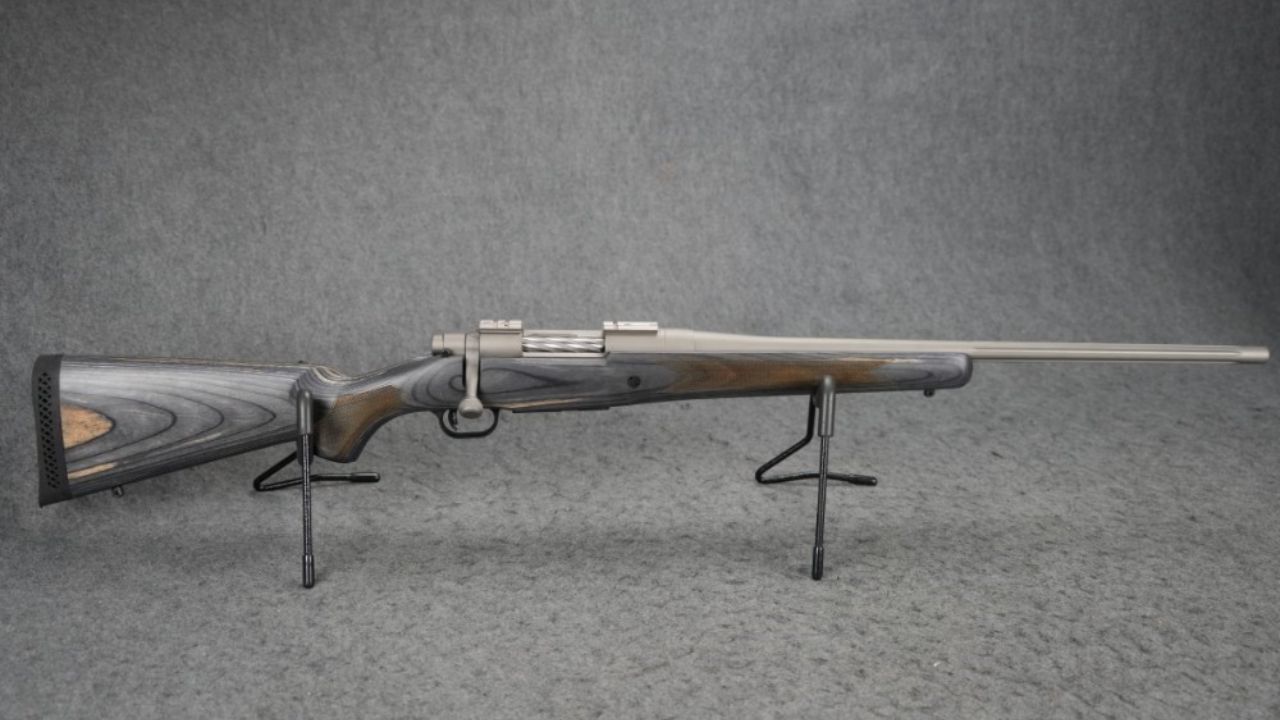
On paper, the Mossberg Patriot offers a lot: fluted barrel, adjustable trigger, and a big-game cartridge. But once you drag it into elk country, the charm fades. The stock flexes more than it should, and the recoil with heavier loads beats up the shooter faster than the target.
You feel every ounce of recoil, and that starts to show in your groups after a few rounds. It’s not a rifle built for high-volume shooting or long glassing sessions. After one hunt, most folks are either swapping the stock or ditching it for something that doesn’t feel so punishing.
Savage Axis II XP
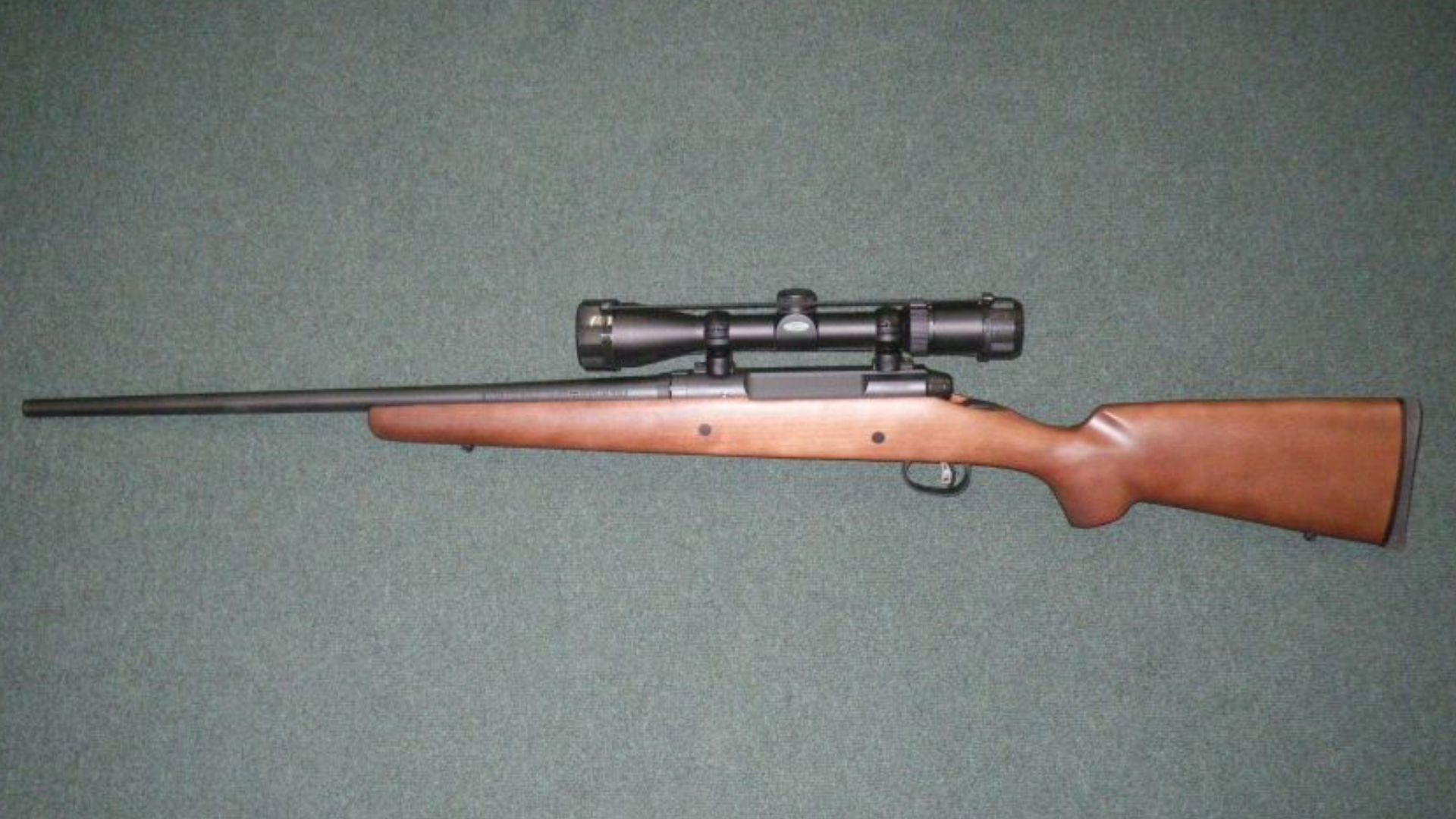
The Axis II XP combo looks like a good deal when it’s boxed up with a scope. But when you’re in the woods trying to work the bolt quietly or keep that scope on zero, the cracks start to show. The factory glass doesn’t always hold up, and the feel of the rifle isn’t confidence-inspiring.
For first-timers, it may get the job done, but experienced hunters often outgrow it fast. One hunt is usually enough to realize that it’s worth spending a little more for something you won’t be second-guessing at last light.
Winchester XPR

The Winchester XPR is another budget-friendly bolt gun that feels decent until you’re stuck trying to run the bolt quickly in cold weather. It’s a stiff action with sharp edges that don’t feel great on gloved hands. The polymer stock doesn’t inspire much faith either when it starts to creak.
Accuracy is serviceable, but you’ll notice little annoyances add up fast in the field. By the time the hunt’s over, many realize they’d rather save up for a used Model 70 than take the XPR out again.
Thompson Center Compass

The Compass seemed like a sleeper value when it hit the shelves—threaded barrel, decent trigger, and chambered in a variety of calibers. But once it gets into real field conditions, the limitations show up. The safety is awkward, and the bolt doesn’t glide the way you want it to when a buck is staring you down.
It’ll group well enough for the price, but reliability under pressure is another story. Most folks who give it a go for one hunt start looking for something with a more confidence-inspiring feel.
Remington Model Seven in .243

The Model Seven has its fans, but the .243 version often falls flat in hunting scenarios that demand more punch. It carries well, sure—but when your shot placement isn’t perfect, you’re reminded quickly that the cartridge and platform both have limits.
Many hunters find themselves frustrated with marginal blood trails or questionable expansion. One disappointing recovery is usually enough to make folks step up to a bigger round or a different platform entirely.
CVA Cascade .350 Legend

The Cascade in .350 Legend looks like the perfect short-range deer thumper, especially for states with straight-wall cartridge laws. But out in the field, the real-world accuracy and energy can feel underwhelming, particularly past 125 yards.
It’s not that it doesn’t work—it’s that it doesn’t impress. You end up feeling boxed in by the range limits and ammo quirks. For many, one hunt is all it takes to relegate it to backup status or trade it in altogether.
Browning AB3

The AB3 is meant to be Browning’s budget-friendly bolt gun, but it gives up too much of what makes their rifles shine. The bolt feels loose, the stock feels hollow, and the trigger is nothing to brag about. Even die-hard Browning fans often walk away disappointed.
It’ll shoot minute-of-deer, but the handling and user experience leave a lot to be desired. You’ll likely find yourself wishing you’d gone with a used X-Bolt or something with a little more character and refinement after a single hunt.
Howa 1500 Hogue in .270

The Howa 1500 is a mechanically solid action, but the Hogue overmolded stock doesn’t suit everyone. In cold or wet conditions, that grippy rubber can hang up on your clothes, and the whole rifle can feel sluggish to mount.
It’s a solid shooter on paper, but in the field it feels clunkier than it should. The recoil impulse in .270 isn’t awful, but it doesn’t disappear into the stock either. One hunt often reveals the mismatch between expectation and experience.
Tikka T3x Lite in 7mm Rem Mag

The T3x Lite has a good reputation, but pairing it with 7mm Rem Mag is a rough combo. That ultralight frame turns recoil into a shoulder-pounding event, especially from field positions. It doesn’t help that follow-up shots feel rushed due to the jumpy muzzle rise.
Many hunters try to love it because of Tikka’s reputation, but one hard hunt with it often sends folks looking for a heavier platform or a tamer caliber. It’s proof that sometimes “lite” is too light for magnum loads in the field.
Bergara B-14 Ridge in 6.5 PRC

The B-14 Ridge is a handsome rifle, and the 6.5 PRC sounds good on paper—flat shooting, hard hitting. But in the field, the weight adds up fast, especially when you’ve been hiking all day. The added recoil from the PRC compared to standard 6.5s also surprises some folks.
After one hunt, many realize they’d rather haul a rifle that’s easier to carry or shoot something with less bark. It’s not a bad rig, but it doesn’t always match what hunters expect once boots hit the ground.
Like The Avid Outdoorsman’s content? Be sure to follow us.
Here’s more from us:
The worst deer rifles money can buy
Sidearms That Belong in the Safe — Not Your Belt
*This article was developed with AI-powered tools and has been carefully reviewed by our editors.