Photo credit: The Old Fat Dad Goober/YouTube
A hard-kicking cartridge should buy you something in the field—cleaner kills, better penetration, more margin on bad angles, or at least a flatter trajectory that actually matters where you hunt. The problem is that recoil doesn’t always translate to better results on game. Sometimes it translates to flinching. Sometimes it translates to poor bullet performance at the speed you’re pushing. Sometimes it translates to the same dead deer you’d get with a calmer cartridge, only now you’re bruised and your confidence is shaky.
A lot of “underwhelming” stories come down to mismatched expectations and mismatched bullets. Fast magnums can make some bullets act too violent up close. Heavy hitters can punch through without much visible reaction if you don’t hit the central plumbing. And overbore speedsters can punish you without giving you much practical gain. These are the rounds that can kick hard and still leave you thinking, “That’s it?”
.300 Weatherby Magnum

The .300 Weatherby Magnum has real horsepower, and it certainly kicks like it does. Where it can feel underwhelming is on average-sized deer when you’re shooting inside 150 yards. The impact can be dramatic, but not always in the way you want—more meat loss, more bloodshot tissue, and a deer that still runs like it got hit with any other .30-caliber.
A big part of that is bullet choice. Push a softer bullet too fast up close and you can get rapid expansion that looks impressive but doesn’t always translate to better penetration or quicker collapse. Meanwhile, the recoil can make you shoot worse than you would with a .308 or .30-06. The deer still dies, but you’re the one paying for it in bruises and lost venison.
.300 Remington Ultra Magnum

The .300 RUM is a lot of cartridge, and it’s easy to assume it will turn every animal into a lightning bolt. In real life, it often feels like more recoil than benefit unless you’re truly using the extra velocity at distance. On typical elk and deer ranges, it can feel like you’re hauling a sledgehammer to drive a finish nail.
It can also magnify bullet performance issues. At close range, high impact speeds can make some hunting bullets open too fast and shed energy in ways that don’t impress you on heavier bone. The animal still dies, but the “wow” factor isn’t guaranteed. Add recoil that makes practice less fun, and you can end up with a rifle that’s powerful on paper and oddly unsatisfying in the field.
7mm Remington Magnum

The 7mm Rem Mag is a classic, but it’s also a round people often over-credit as a death ray. It kicks enough that some hunters don’t practice much with it, then expect it to make up for imperfect shot placement. On deer and even elk, you’ll sometimes see animals cover surprising distance after a hit that looked perfect through the scope.
That’s not because the cartridge is weak. It’s because bullets matter, angles matter, and reactions vary. With high-velocity 7mm loads, some bullets can be explosive up close and less impressive on penetration than you expected. If you choose a tougher bullet, it can pass through so cleanly that the animal doesn’t react dramatically. Either way, recoil plus expectation can leave you feeling underwhelmed even when the performance was completely normal.
7mm Remington Ultra Magnum

The 7mm RUM is one of those cartridges that makes you believe you’re buying cheat codes. It’s fast, it’s flat, and it kicks hard enough to remind you every shot. The underwhelming part is how little difference you often see on game compared to a 7mm Rem Mag, especially at normal hunting distances.
You can also run into a weird emotional mismatch: the rifle feels like a cannon, but the animal still runs 40 yards. That’s hunting. High speed doesn’t guarantee instant collapse. Bullet construction is huge here, because impact velocities can be extreme at close range, and not every hunting bullet loves that. If you don’t truly need the extra reach, the 7mm RUM can feel like you’re paying a recoil tax for bragging rights.
.338 Winchester Magnum

The .338 Win Mag has a reputation for flattening big animals, and it absolutely hits hard. But on deer-sized game, it can feel oddly unsatisfying. You take a hard-recoiling shot, the deer reacts like it got hit by anything else, and you’re left wondering why you didn’t bring a milder rifle and shoot better.
A lot of .338 underwhelm comes from using it where it’s not needed. You get more recoil, more blast, and often more meat damage, without a clear field advantage on smaller animals. On elk and moose it makes more sense, but even then, it doesn’t replace shot placement. If you’re flinching or rushing because you don’t enjoy shooting it, the cartridge can feel like it’s working against you instead of for you.
.340 Weatherby Magnum

The .340 Weatherby Magnum is a serious thumper, and it’s built for big country and big animals. Where it can leave you cold is when you use it in tight woods or typical elk ranges and expect it to deliver instant drama. Sometimes it does. Sometimes it just punches a clean hole and the animal still runs, because that’s what animals do when they’re running on adrenaline.
It also kicks hard enough that many hunters don’t shoot it as well as they think. If your practice is limited, your “big magnum” becomes a confidence problem. Bullet choice matters a ton because Weatherby velocities can be high, and a bullet that opens too fast can waste penetration. You end up with a lot of recoil and a result that doesn’t feel better than a calmer .30-caliber done correctly.
.375 H&H Magnum

The .375 H&H is legendary, and it’s a fantastic cartridge in the role it was built for. But if you’re using it on North American big game, it can feel like more recoil than reward. You’ll kill elk and moose just fine, then realize your shoulder paid a bigger price than the animal did.
The underwhelming part is that the .375 often produces clean, deep penetration without a huge visual reaction. That’s not failure, but it can surprise you if you expected instant collapse. On deer, it can also mean unnecessary meat damage depending on bullet and range. The .375 makes sense when you need a big bore and deep penetration on dangerous or heavy game. If you don’t need that, it can feel like you brought a cannon for normal hunting.
.375 Ruger
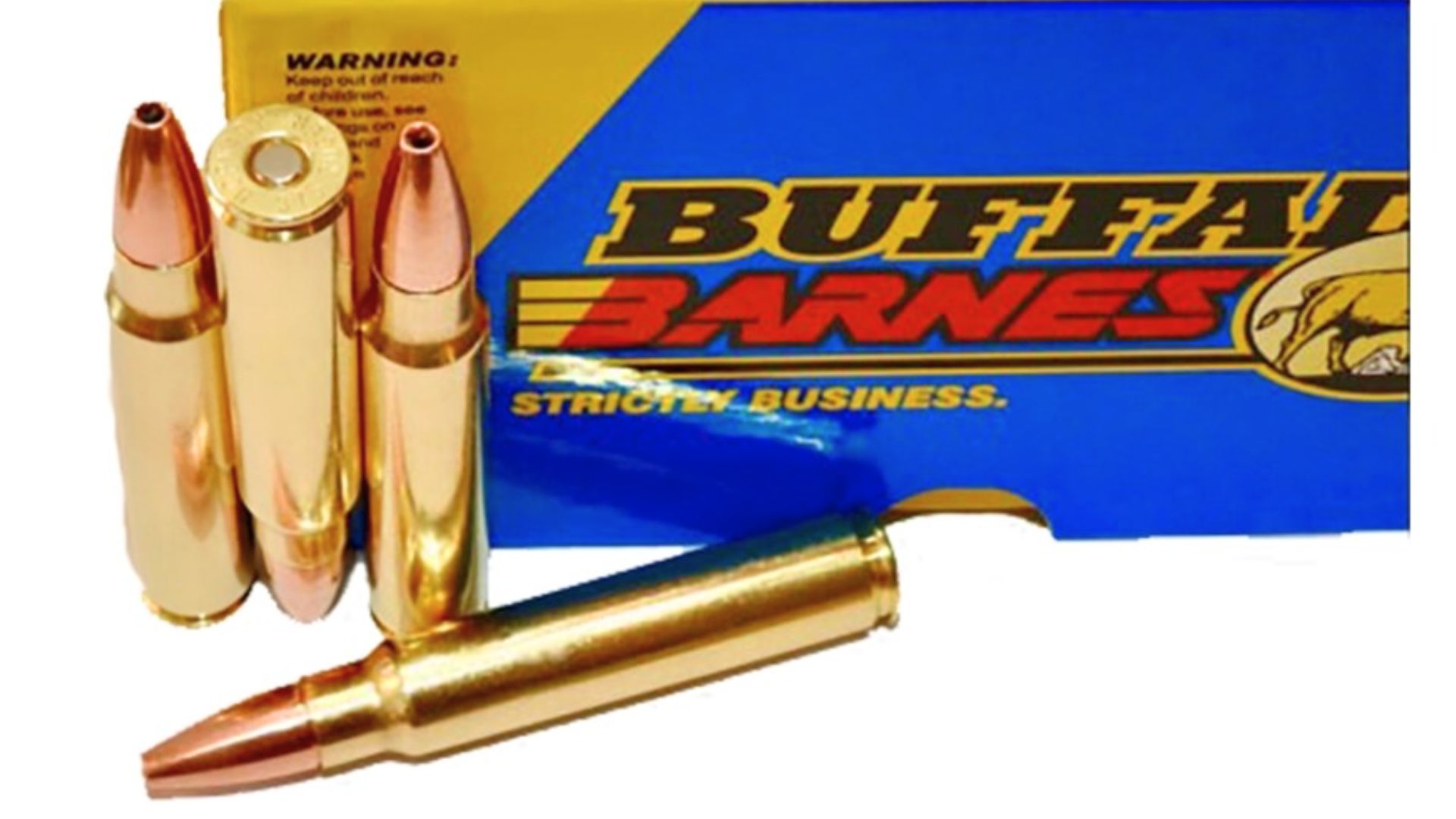
The .375 Ruger gives you .375 H&H-level performance in a shorter package, and it still kicks like a big bore should. In the field, it can feel underwhelming for the same reason: on non-dangerous game, you’re paying a recoil tax without gaining much you can actually use.
Like other big bores, the .375 Ruger can punch through so efficiently that animals don’t always react dramatically. If you’re expecting fireworks, you may not get them. And if you’re using softer bullets up close, you can create meat loss that feels pointless. The cartridge is excellent for its intended role, but “intended role” matters. If your hunts are deer and typical elk distances, a lot of hunters end up realizing they’d rather shoot a milder rifle better than haul and fire a heavy hitter they don’t truly need.
.458 Winchester Magnum

The .458 Win Mag has a reputation that sounds like a guarantee. It’s big, it’s loud, and it’s a hard kicker in most rifles. Where it can feel underwhelming is in the way big bores sometimes behave: they can deliver massive penetration and still produce a surprisingly ordinary reaction if you don’t hit the central nervous system or major plumbing.
On top of that, many loads are built around dangerous game requirements, not “drop it right now” theatrics. The cartridge does its job, but it may not match the cinematic expectation people carry into the field. It also isn’t forgiving to shoot well unless you practice, and practice is expensive and punishing. If the recoil keeps you from training, you can end up less effective than you would be with a milder cartridge you shoot confidently.
.45-70 Government (hot modern loads)

Loaded mild, the .45-70 is a comfortable, effective short-range hunting round. Loaded hot in modern rifles, it can kick hard and still leave you underwhelmed if you expect it to behave like a flat-shooting magnum. Past 150–200 yards, trajectory becomes your problem fast, and energy doesn’t matter if you miss high or low.
Even up close, “big slow” can be deceiving. A heavy bullet can pass through with less visible drama than you expected, especially with tougher bullets. That doesn’t mean it didn’t work. It means you’re judging by reaction instead of anatomy. Hot loads also make some lever guns unpleasant enough that practice becomes rare, and your ability to place that big bullet where it counts starts slipping. The .45-70 shines in its lane. Outside that lane, it can feel like effort without payoff.
.50 Beowulf

The .50 Beowulf sounds like it should be a sledgehammer on anything with hair. It also kicks sharply in many AR setups, especially with light rifles and aggressive muzzle behavior. The underwhelming part is that it’s still a relatively short-range, specialty cartridge, and results can vary a lot with bullet selection and impact velocity.
On game, you can get dramatic hits, or you can get big holes and a surprising amount of tracking if placement isn’t ideal. It’s not a magic wand, and it doesn’t erase the need to hit vital structures. Ammo cost and availability also limit practice for many owners, which makes recoil management and shot placement harder under real hunting stress. If you treat it like a niche close-range tool, it can do good work. If you treat it like guaranteed instant collapse, it can disappoint you.
.300 PRC

The .300 PRC is built for modern long-range performance, and it can be excellent at what it does. The “underwhelmed” stories usually come from using it like a regular deer cartridge at regular deer distances. You get magnum recoil and blast, then watch an animal react like it would to any well-placed .30-caliber hit.
You also see mismatched bullets. Some hunters run very tough, high-BC bullets that are great for retaining performance at distance, then use them up close and don’t get the terminal behavior they expected. Or they run softer bullets and get more meat loss than they wanted. The PRC is not a bad cartridge. It’s a cartridge that makes more sense when you’re actually stretching it. If you’re not, it can feel like you’re paying for capability you never cash in.
.28 Nosler

The .28 Nosler is fast, flat, and absolutely capable, but it kicks enough that many hunters don’t shoot it as well as they do calmer rifles. That’s the first way it becomes underwhelming: you lose practical accuracy because you’re bracing for recoil. A slightly off shot with a fast magnum is still a slightly off shot.
The second issue is impact speed at close range. Some bullets can open violently when they hit too fast, which can mean shallow disruption, blown-up shoulders, or meat loss that doesn’t feel worth it. Other tougher bullets can zip through with less drama than you expected. Either way, the animal doesn’t always collapse on command. If you truly need the flat trajectory and you practice enough to stay steady, it’s a great tool. If you don’t, it can feel like a loud, expensive way to get normal results.
.300 Winchester Magnum

The .300 Win Mag has probably taken more elk than most cartridges people call “better” today. It’s effective, proven, and available. So why does it end up underwhelming? Because it kicks enough that many hunters shoot it less, rush shots, and flinch—then blame the cartridge when the animal doesn’t drop instantly.
It can also be a bullet-choice trap. Run a softer bullet at high speed up close and you can create a lot of mess without better penetration. Run a tougher bullet and you can get a clean pass-through and a delayed reaction that feels anticlimactic. That’s normal hunting, not failure. The .300 Win Mag is a great cartridge, but it’s not a shortcut. If you don’t shoot it well and choose bullets wisely for your typical ranges, it can feel like work without reward.
8mm Remington Magnum

The 8mm Rem Mag sounds like a monster, and it kicks like one in many rifles. The headache is that it never built the same broad ammo ecosystem as the more common magnums, so many hunters don’t get to experiment with a wide variety of modern bullet designs. Less choice can mean less optimization, which shows up on game.
When performance feels underwhelming, it’s often a mix of recoil and load limitations. You’re dealing with a hard-kicking cartridge that many people don’t practice with much, then expecting it to deliver miracles. And because it’s not as mainstream, you may not have the perfect load for your typical distances sitting on a shelf. The cartridge can work very well, but it often lives in that awkward space where you’re paying a big recoil bill without getting the convenience and tuned options that make big cartridges shine.
.338 Lapua Magnum

The .338 Lapua is famous, and it’s famous for a reason. It carries energy, it bucks wind, and it’s built for distance. But on game at normal hunting ranges, it can feel like a whole lot of recoil and expense for a result that looks strangely ordinary. Animals don’t always react theatrically to big bullets unless you hit the right structures.
It also encourages a certain mindset: people buy it, shoot it rarely because it’s expensive and punishing, then take it hunting with limited real reps. That’s how a cartridge becomes underwhelming—because the shooter isn’t fully dialed. The Lapua’s strengths show up when you’re truly shooting far and you’ve done the work. If your reality is 100–300 yards, you’re carrying a heavy rifle and absorbing big recoil for performance you could get more efficiently with something you’ll practice with more.
Like The Avid Outdoorsman’s content? Subscribe to our newsletter so you never miss an article.
Here’s more from us: