Photo credit: WHO_TEE_WHO/YouTube
You’d think a rifle that shoots tight at 50 yards should hold together at 200. But that’s not always the case. Some rifles fall apart past 100 yards—not because the shooter messed up, but because the gun can’t hold it together at range. Barrel harmonics, sloppy bedding, inconsistent twist rates, or bad crown work can all add up. And some budget rifles, while decent on paper, just don’t stretch well past the hundred-yard mark. That’s where fliers show up, groups open up, and you start second-guessing your zero. Here are rifles that look fine at the bench—until you back up.
Remington 783

The 783 can hold minute-of-deer at close range, but once you stretch it past 100 yards, the groups often widen. It’s not that the gun’s unusable—it’s that the consistency isn’t there. Some barrels shoot better than others, and the stock doesn’t always help. Pressure points in the forend can mess with harmonics as the barrel heats. Add a marginal crown or low-end optics, and that tight 1-inch group can grow to 3 or more past 150 yards. If you’re hunting inside 75 yards, it’ll work. But for dialing shots or tagging steel, you’ll be fighting it.
Mossberg Patriot
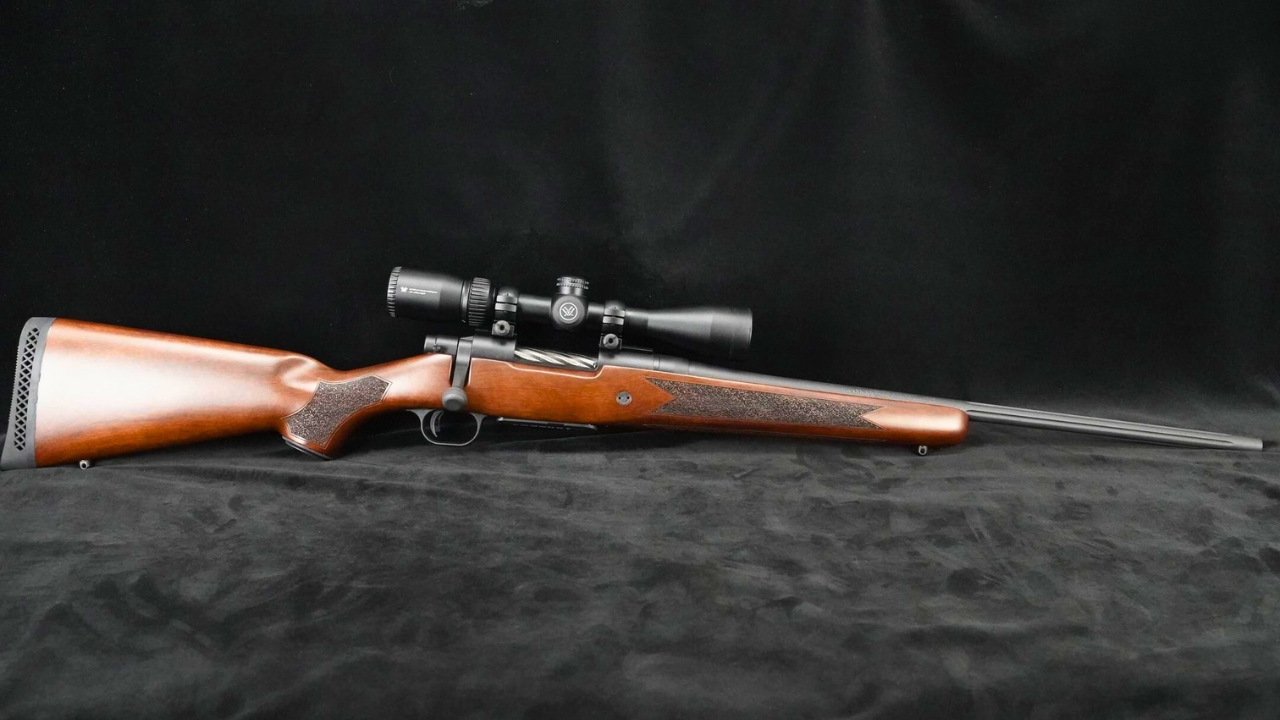
This rifle is surprisingly accurate for its price tag—until you step back. Many owners report tight groups at 50 or 75 yards that stretch and scatter beyond 100. Barrel flex plays a role, and so does ammo sensitivity. Try different loads and the gun might behave. But if you’re chasing consistency past the hundred-yard mark, expect frustration. The synthetic stock flexes under pressure, which shifts point of impact depending on how you hold it. Combine that with a light barrel and inconsistent factory ammo, and you’ve got a setup that won’t give you repeatable hits past your zero.
Savage Axis

The Axis can print a decent group at the hundred-yard line, but ask it to repeat that performance, and it might not. Its thin barrel, paired with budget-level bedding, means that small shifts in hold or heat can throw rounds off target. You’ll often get a couple of solid hits, followed by one or two that wander high or left. Many shooters don’t notice it until they step out to 150 or 200 yards. The groups don’t fall apart dramatically—but they open just enough to ruin any plans for precision. It’s a fair gun for its price, but it’s not built for reach.
Ruger American Ranch

Plenty of folks love the American Ranch for its compact frame and AR mag compatibility, but it doesn’t always behave past 100 yards. The accuracy isn’t terrible—it’s just not repeatable when you start stretching things out. The short barrel can be jumpy, especially with hot loads or light bullets. Barrel whip and inconsistent crown work can make longer shots unpredictable. Cold-bore shots are usually fine, but after a few rounds, the point of impact shifts a bit. If you’re zeroing for close-range work, it’s fine. But if you expect it to stack shots at 200, it’ll probably disappoint.
CVA Cascade

On paper, the Cascade checks a lot of boxes—threaded barrel, decent trigger, and solid ergonomics. But some models don’t hold together past 100 yards. Heat can loosen things up, and the bedding isn’t always consistent. You’ll see groups that start tight and then open up shot by shot. At 50 yards, the rifle might look great. At 200, the fliers start to show. It’s not every gun, but it’s enough that shooters talk about it. The stock isn’t bad, but it doesn’t always play nice with the action under stress. If you want to push distance, this one might need tuning.
Thompson/Center Compass

The Compass is another rifle that seems like a great deal—until you step past 100 yards. Some barrels shoot well, but others throw fliers with no real pattern. The stock is flexible and prone to pressure shifts, which means you’ll often get a couple of solid hits, then one that wanders. It’s frustrating for anyone trying to verify dope or shoot longer range groups. Add in the factory trigger, which isn’t the cleanest, and you’ve got a rifle that can’t always keep it together when it counts. For short-range hunting, it’ll work. But for consistent accuracy at distance, it’s a toss-up.
Remington Model 770

The 770 has earned a reputation for being inconsistent, and it’s well-deserved. While you might get a 2-inch group at 100 yards, that’s usually where the reliability ends. Push it farther, and groups spread fast. The action feels rough, the trigger isn’t confidence-inspiring, and the barrel quality is hit-or-miss. Many shooters complain about wandering zeros and point-of-impact shifts with no obvious cause. The synthetic stock doesn’t help—it flexes under pressure and adds another variable to an already shaky platform. If you’re trying to shoot tight at 200 yards with a 770, you’re in for a headache.
Howa Mini Action

The Howa Mini has a strong following for lightweight builds, especially in 6.5 Grendel and .223. But while it handles well and feeds smoothly, not every one shoots consistently at distance. Accuracy issues tend to show up after the hundred-yard mark. Sometimes it’s barrel harmonics. Sometimes it’s inconsistent twist with light bullets. And sometimes it’s the stock not bedding tightly against the action. At 50 or 75 yards, it’s usually dialed. Past that, the occasional flyer or vertical stringing starts to show. You can tame it with careful handloads, but with factory ammo, results can be hit or miss.
Winchester XPR Compact

The XPR Compact has a short barrel and lightweight build that makes it easy to carry—but it’s not a long-range tack driver. Many shooters get decent groups at close range, only to see them spread fast at distance. It’s usually the barrel heating up or the synthetic stock shifting under sling tension. Some models also have touchy triggers that don’t help with follow-up consistency. If you’re shooting at game inside 100 yards, it works. But if you want to shoot paper or steel at 200+ with reliable groups, there are better options in the same price range.
Rossi R95

Lever guns aren’t usually precision rifles, and the R95 is no exception. While it might hold a decent group at 50 or 75 yards with iron sights, past 100 yards, accuracy tends to drift. The barrel isn’t floated, the stock can swell or shrink with humidity, and the sight radius limits precision unless you scope it. Even scoped, it’s tough to keep a tight group at range. The action’s not the issue—it feeds fine. But the way the barrel and stock interact under heat and recoil makes repeatable accuracy harder the farther you go. It’s a 100-yard rifle, not much more.
Zastava M70 Bolt Action

Zastava’s bolt guns look good on the rack and feel solid, but their accuracy can be a mixed bag past 100 yards. Some barrels shoot well, others not so much. Crown inconsistencies and inconsistent rifling twist rates have been known to throw accuracy off. At short range, they’re manageable. But as you stretch distance, group size tends to grow beyond what you’d expect from a modern rifle. Bedding isn’t always consistent, and some stocks don’t handle recoil very well. If you’re using it for brush hunting or short shots, it’ll work. Beyond that, you may find yourself chasing your zero.
Marlin X7

The Marlin X7 earned praise for its affordability, but accuracy past 100 yards can vary wildly. Some rifles shoot decently with factory ammo, while others toss unpredictable fliers. The barrel isn’t free-floated in every model, and the synthetic stock flexes more than it should. That can cause pressure points to shift, especially off a bipod or rest. Trigger pull is decent, but the overall consistency from shot to shot isn’t. At 50 or 75 yards, you might feel dialed in. Push to 150 or more, and you’ll see the groups start to open without a clear pattern or cause.
Century Arms C308

This G3-style rifle might look like a DMR, but it doesn’t shoot like one. With surplus parts and varying barrel quality, consistency isn’t its strong suit. The fluted chamber makes brass extraction reliable, but it also affects case shape and uniformity. That matters more than you’d think once you start backing up. Most owners report 3–4 MOA groups at 100 yards and worse beyond that. Throw in a rough trigger and heavy recoil impulse, and you’ll struggle to string consistent shots. It’s a fun rifle to shoot, sure—but if you’re expecting precision past 100 yards, you’ll be frustrated fast.
IWI Zion-15

The IWI Zion is built tough and looks like a solid AR, but some users report erratic groups when stretching beyond the hundred-yard line. The barrel isn’t floated, and if you’re using factory .223 ammo, it can be touchy. Groups at 50 yards often cluster nicely, but once you hit 150 or 200, the POI starts drifting. Part of that is barrel harmonics. Part of it is inconsistent ammo, especially if you’re using bulk stuff. And part of it is the trigger—it’s not terrible, but it’s not crisp enough for serious precision work. It’s reliable, just not a precision tool.
PSA PA-10

The PSA PA-10 is a .308 AR that looks great on paper. But past 100 yards, groups tend to open unless you’ve invested in serious tuning. The factory trigger isn’t known for consistency, and barrel whip can cause vertical stringing when hot. Recoil also affects shot follow-through more than some expect. Combine that with gas system quirks, and you’ll find the accuracy suffers unless you handload or use premium match ammo. Even then, some barrels just won’t tighten up. It’s a decent large-frame AR for the money, but don’t expect it to group like a $2,000 precision rig.
Henry Long Ranger

The Henry Long Ranger tries to bring lever-action feel to modern accuracy—but it doesn’t always hold up past 100. The action is solid, and it’s a well-made rifle, but repeatable long-range precision isn’t its strong point. The barrel heats up fast, and group spread becomes noticeable after the second or third shot. The mounting system for optics is also finicky, which can lead to shifting zero. If you’re shooting paper at 200 yards, you might end up chasing groups instead of stacking them. It’s a fine hunting rifle for short- to mid-range, but precision at distance isn’t guaranteed.
Norinco M305

The M305 is a Chinese clone of the M14, and while it functions reliably, accuracy isn’t its strength. Most shooters see 3–5 MOA at 100 yards with surplus or even decent ammo. That spread gets worse at 150 or 200, especially off a rest. Part of the problem is the two-piece stock design and inconsistent lock-up between the receiver and chassis. Another issue is the trigger, which isn’t as refined as other semi-autos. If you’re looking for something to hit steel up close or make noise at the range, it works. If you want groups that hold, it’ll let you down.
Winchester Wildcat 22

The Wildcat is great for plinking, but don’t expect it to hold a tight pattern past 100 yards. Even with match-grade .22 LR, you’re battling wind drift and barrel variation. The lightweight polymer stock doesn’t dampen vibration well, and the barrel isn’t tensioned enough to hold POI under varying conditions. The groups at 50 yards are usually respectable, but they open up unpredictably when you stretch to 100 or beyond. This isn’t a knock against its purpose—it’s a fun little gun. But if you’re looking to tag tiny targets at range, you’ll want something with a heavier barrel and better optics.
Chiappa Little Badger

The Little Badger is an ultra-light folding .22 rifle that’s built for packability, not precision. While it’s fun at short distances, it struggles to stay consistent past 100 yards. The single-shot design doesn’t help with follow-up consistency, and the barrel is thin enough to shift POI with heat or even light wind. There’s no bedding to speak of, and the trigger has a bit of creep. It’s an ideal tool for survival drills or plinking at soda cans, but if you’re trying to shoot groups at 100 yards and beyond, you’re going to have a hard time holding anything tight.
PTR 91 GI
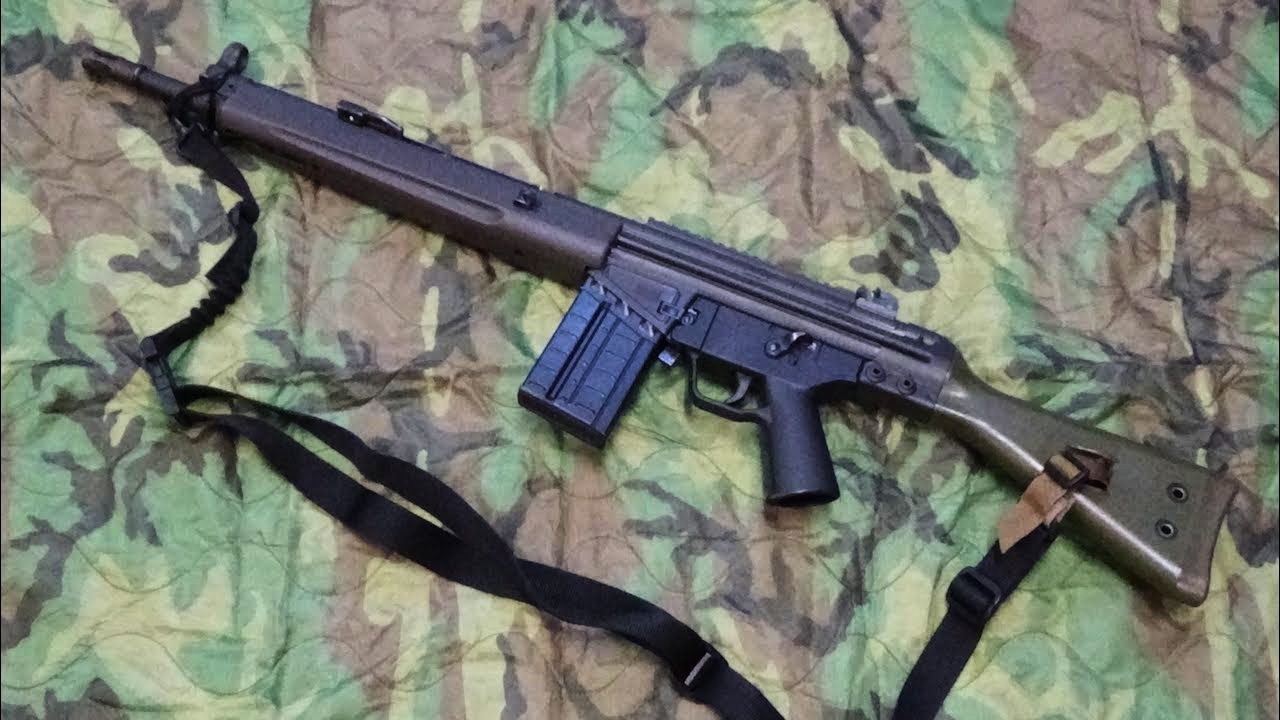
The PTR 91 is built tough and handles recoil well, but accuracy beyond 100 yards isn’t always repeatable. It shares design cues with the G3, including the fluted chamber and roller-delayed blowback system. But those same features introduce inconsistencies in extraction, bolt lockup, and barrel harmonics. You can get decent 2–3 MOA groups at 100 with match ammo, but anything beyond that tends to wander. The stock trigger also makes it tough to get a clean break under pressure. Great for close-range battle rifle applications, but a poor pick for someone chasing consistent hits on distant steel.
Remington Model Seven

The Model Seven is compact and lightweight, great for carrying—less so for stacking shots at distance. Its shorter barrel can be jumpy with certain loads, and the lighter build means more felt recoil and less stability under pressure. It shoots well inside 100 yards, but many owners report vertical stringing or wandering groups when trying to stretch things out. The stock isn’t always the best fit for scope height either, which adds inconsistencies in cheek weld and eye relief. It’s a good woods gun. But if your target’s past the football field mark, you’ll probably wish you had something steadier.
Like The Avid Outdoorsman’s content? Be sure to follow us.
Here’s more from us:
The worst deer rifles money can buy
Sidearms That Belong in the Safe — Not Your Belt
*This article was developed with AI-powered tools and has been carefully reviewed by our editors.