Photo credit: Savage Arms
Some firearms build a name on sales and marketing but stumble badly when you need them most. Maybe it’s weak internals, questionable feeding, or accuracy that falls apart under pressure. A gun that fails at the wrong time isn’t just frustrating—it can ruin a hunt, cost a competition, or leave you without protection. These are the popular models that shooters and hunters have trusted, only to find out that they don’t always deliver when the pressure is on.
Remington 742 Woodsmaster

The 742 sold well as a semi-auto deer rifle, but its reputation soured fast once hunters put them through real use. The action rails wear prematurely, leading to reliability issues and feeding problems. Many shooters learned the hard way that accuracy often declined as the rifle aged.
You could have a rifle that groups decently at first, then starts scattering shots after a few seasons. Add in frequent jamming complaints, and it’s easy to see why plenty of hunters who owned a 742 eventually left it behind for something sturdier.
Taurus PT140 Millennium Pro
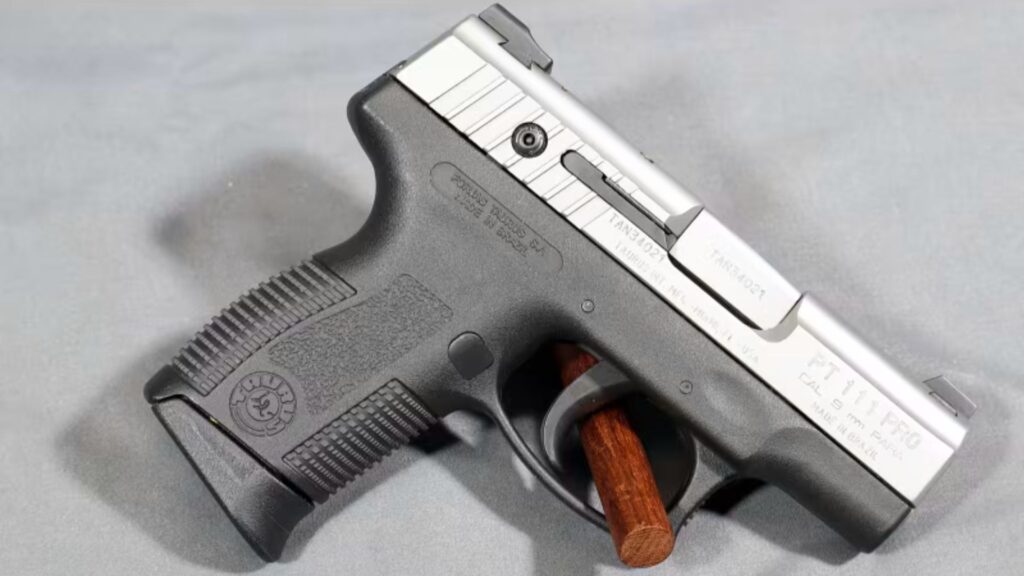
The Millennium Pro looked like a strong contender in the concealed carry market, but the reality wasn’t so smooth. Early models had a reputation for trigger issues and feeding problems, especially with defensive loads. Many shooters also complained about the inconsistent accuracy.
If you depended on it for serious use, these flaws showed quickly. Even though it was affordable and compact, many who carried one eventually ditched it in favor of something more reliable after dealing with misfires or repeated malfunctions.
Remington 770

Marketed as a budget hunting rifle, the Remington 770 quickly proved why cutting corners doesn’t work. Loose stock-to-receiver fit and weak factory scope mounts made it notorious for losing zero. Even light knocks could throw your groups off.
Plenty of hunters grabbed one for deer season only to find themselves frustrated at the range. It may have been affordable, but the tradeoff was poor consistency in the field. It’s a rifle that let a lot of folks down when conditions got rough.
Kel-Tec PF-9
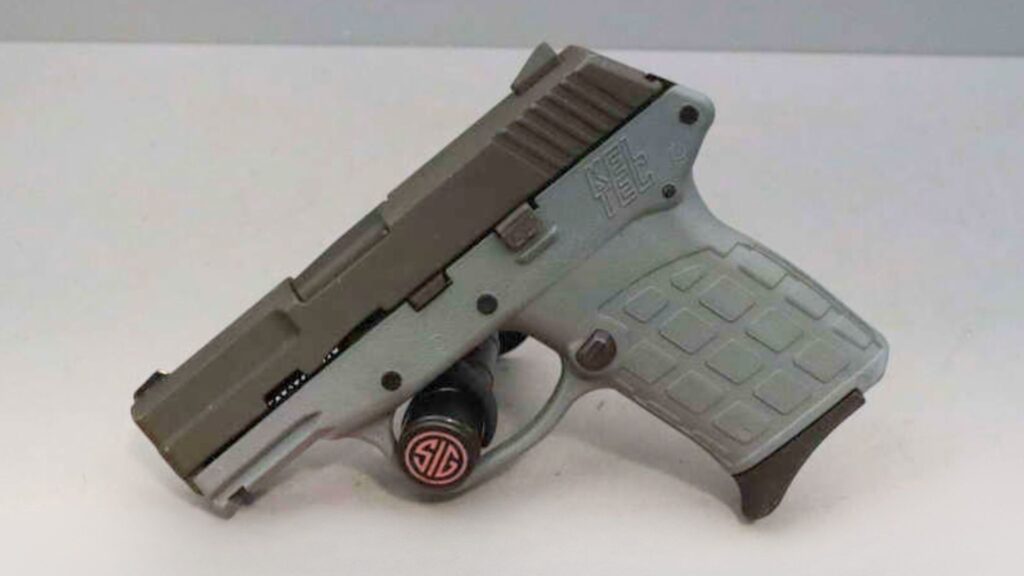
The Kel-Tec PF-9 was popular thanks to its slim size and affordability, but reliability was always hit or miss. Many shooters ran into constant feeding and ejection problems, especially with hollow points. The heavy recoil for its size also made it tough to shoot accurately.
While it was easy to conceal, it wasn’t always dependable when you needed it most. Shooters who tried to run it as a primary carry gun often found themselves swapping it out for something that didn’t require constant troubleshooting.
Winchester Model 100

The Model 100 semi-auto was a big seller in its day, but it came with problems that grew serious over time. A factory recall was even issued because of firing pin defects that could cause dangerous failures.
Accuracy wasn’t always dependable either, with point of impact shifts showing up after heavy use. Many hunters held on to them out of nostalgia, but as a working rifle, the Model 100 became known as one that didn’t hold up under real-world conditions.
SIG Sauer Mosquito

The Mosquito was supposed to be a fun .22 LR training pistol, but it often ended up frustrating shooters. The gun was picky with ammo, frequently jamming unless you used premium loads. That defeated the purpose of an affordable plinker.
Its heavy trigger pull and inconsistent cycling left a sour taste for many owners. On paper it looked like a great way to train with a rimfire version of a SIG, but in practice, it let too many shooters down with constant malfunctions.
Mossberg ATR
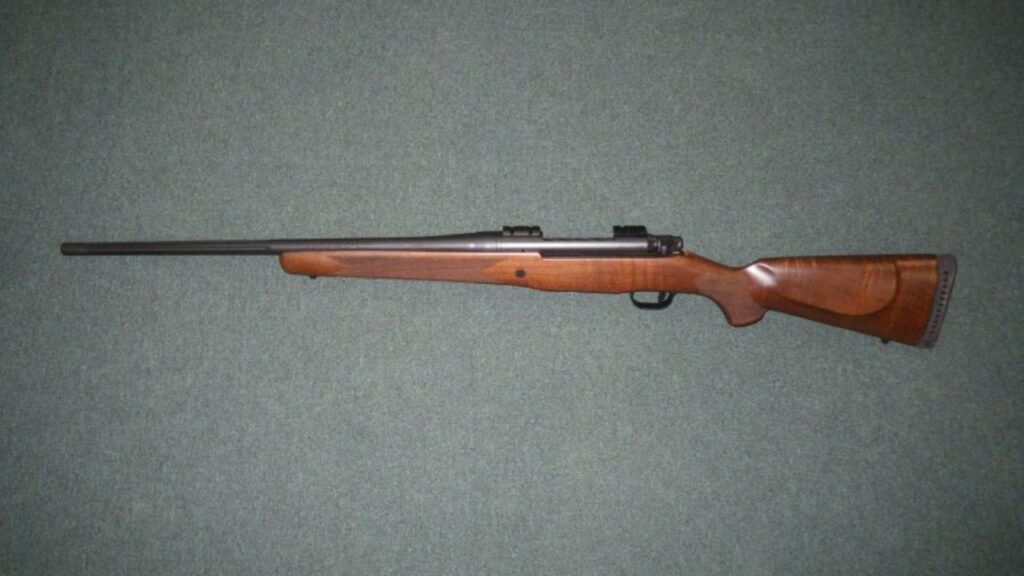
The ATR sold well because of its low price, but the lightweight design didn’t inspire confidence in rough hunting conditions. The stock lacked rigidity, and many hunters reported issues with scope mounts loosening over time.
Cold and wet weather made these flaws stand out even more. It might have looked like a deal at first, but plenty of buyers realized after a season or two that they’d be better off spending a little more for a rifle that could actually hold zero.
Beretta Tomcat 3032

The Tomcat was attractive as a compact .32 ACP with its tip-up barrel design, but durability was a problem. Frames were known to crack, especially in early production models. The wide grip for such a small caliber also made it less comfortable than you’d expect.
Many shooters who wanted it for pocket carry eventually lost confidence after dealing with repeated reliability issues. For a gun meant for defense, the Tomcat too often became more of a novelty than something dependable.
Remington R51 (first release)
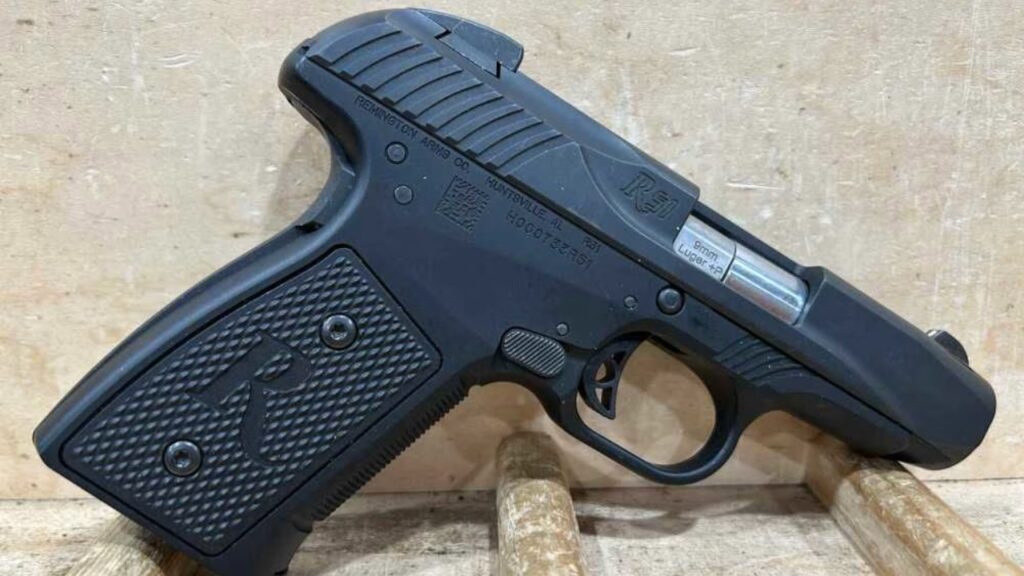
When Remington brought back the R51, anticipation was high—but so was disappointment. The first release was plagued with feeding issues, poor machining, and dangerous malfunctions. Reports of out-of-battery firing scared off a lot of shooters quickly.
Even though Remington eventually tried to fix the design with later runs, the early damage was done. Many shooters who trusted it at launch were left feeling burned, and the R51 became an example of how hype doesn’t equal performance.
Jimenez Arms JA Nine
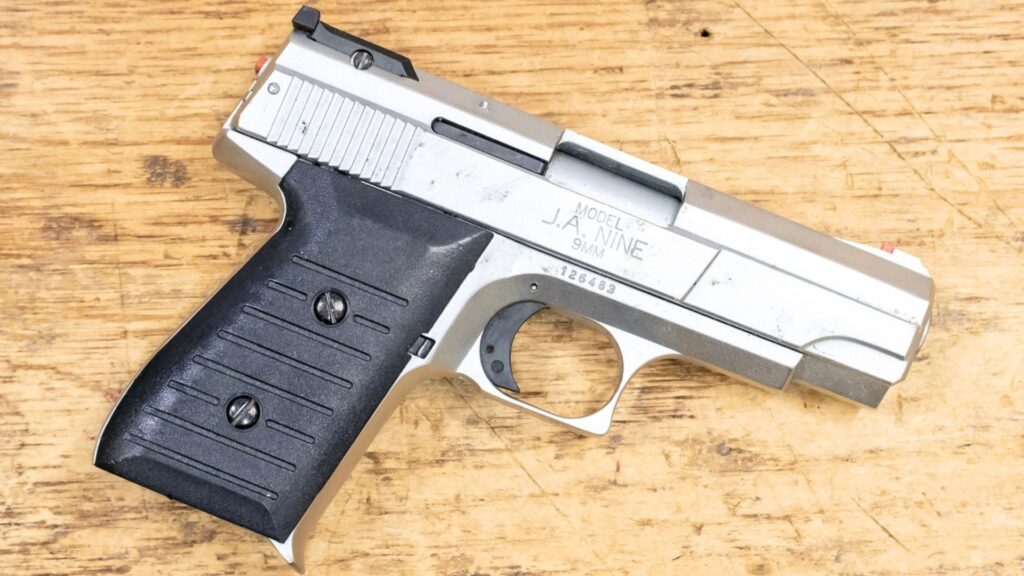
The JA Nine was one of the budget pistols that always seemed to sell in pawn shops and entry-level gun stores. But its reputation for poor reliability and cheap construction followed it everywhere. Failures to feed, breakages, and rough triggers were the norm.
Even for a range toy, too many shooters reported that it wasn’t worth the trouble. While it moved units because of the low price, the JA Nine is one of those pistols that proved you often get exactly what you pay for.
*This article was developed with AI-powered tools and has been carefully reviewed by our editors.