Photo credit: WHO_TEE_WHO/YouTube
Some cartridges have loud reputations. You hear the name and think it must hammer game flat. And while they might sound impressive on paper or at the range, a lot of them end up disappointing once you put them to work in the field. Either they hit too light, punch too fast and shallow, or fail to deliver consistent performance on real animals. It’s not always about foot-pounds or velocity—it’s about what actually works when the shot matters. If you’ve spent time trailing a wounded deer or watching one run off after a hit, you know what I mean. These are the cartridges that bark loud but don’t always bite.
.17 HMR

The .17 HMR zips along fast and flat, and it punches holes in paper with precision. But when it comes to taking game beyond varmints, it starts falling short. It’s too light to anchor anything larger than a rabbit without perfect shot placement.
A lot of folks think the high velocity makes up for the tiny bullet, but it doesn’t. On coyotes and hogs, it often fails to penetrate deep enough. You’ll hear stories about it working—but those are usually exceptions, not the rule. It’s a great round for target fun or pests, but it’s not a reliable game-getter beyond the smallest critters.
.204 Ruger

The .204 Ruger screams downrange at high speeds, and it looks impressive on ballistics charts. But that small, lightweight bullet sheds energy fast and doesn’t hit with much authority. It’s great for prairie dogs and maybe foxes, but it’s too unpredictable on bigger targets.
Some hunters have tried it on coyotes, but results are mixed. If you don’t hit the vitals just right, you risk wounding. It makes a lot of noise and delivers a flashy impact, but not much follow-through. It’s built for speed, not power. Don’t let the crack of the shot fool you—it’s not a hammer.
.22-250 Remington

The .22-250 is famous for its blistering speed, and for popping varmints at long range, it’s a favorite. But on anything heavier than a coyote, it’s not a great choice. That tiny bullet often fragments too fast and lacks the mass for deep penetration.
Plenty of deer have been shot with it—some successfully—but the margin for error is small. It’s not that it can’t work. It’s that it fails more often when the shot isn’t perfect. If you’re hunting for meat, it’s better to go with something that carries more weight and hits with more authority.
.25-06 Remington

The .25-06 looks good on paper. It’s fast, flat, and carries decent energy. But once you start using it on game, especially at longer ranges, the results can be inconsistent. It tends to zip through without transferring much shock, especially with harder bullets.
It’ll kill deer, no question. But it doesn’t leave much of a blood trail, and if your shot isn’t right behind the shoulder, you might be tracking longer than you want. It’s not a bad round—it’s just not as effective in the field as its numbers suggest. You end up doing more chasing than dragging.
.223 Remington

The .223 has filled a lot of tags over the years, but that doesn’t mean it’s ideal. With the right bullet and a well-placed shot, sure—it works. But the margin is tight. Lightweight bullets lack penetration, and even the heavier .223 loads don’t leave a big wound channel.
It’s great for varmints and target shooting, and it’s manageable for new shooters. But for medium game, it’s always right on the edge. A little wind, a little bone, a little angle—and suddenly that hit doesn’t go as planned. It sounds capable, but it falls short when things aren’t perfect.
5.7x28mm

The 5.7x28mm gets a lot of attention for its cool factor—flat trajectory, low recoil, and armor-piercing military heritage. But for hunting, it’s not up to the task. The bullets are light, the energy is low, and expansion is minimal.
Some folks try to use it on small game or varmints, but even then, the results are spotty. It’s more of a range toy or defensive option for niche use. It cracks off like it means business, but when it comes to real tissue damage and reliable kills, it often comes up short. Looks fierce. Acts mild.
.243 Winchester (With Light Varmint Loads)

The .243 can be a fantastic deer cartridge—but only if it’s loaded with the right bullet. A lot of hunters grab the lighter varmint rounds and wonder why they end up chasing wounded deer. Those bullets are meant to fragment, not penetrate.
You’ll hear the name and think it’s good to go, but not all .243 loads are created equal. It’s a classic case of a cartridge sounding more capable than it really is—until you dig into the details. If you’re not using a proper game bullet, you’re better off picking something with more mass.
.30 Carbine
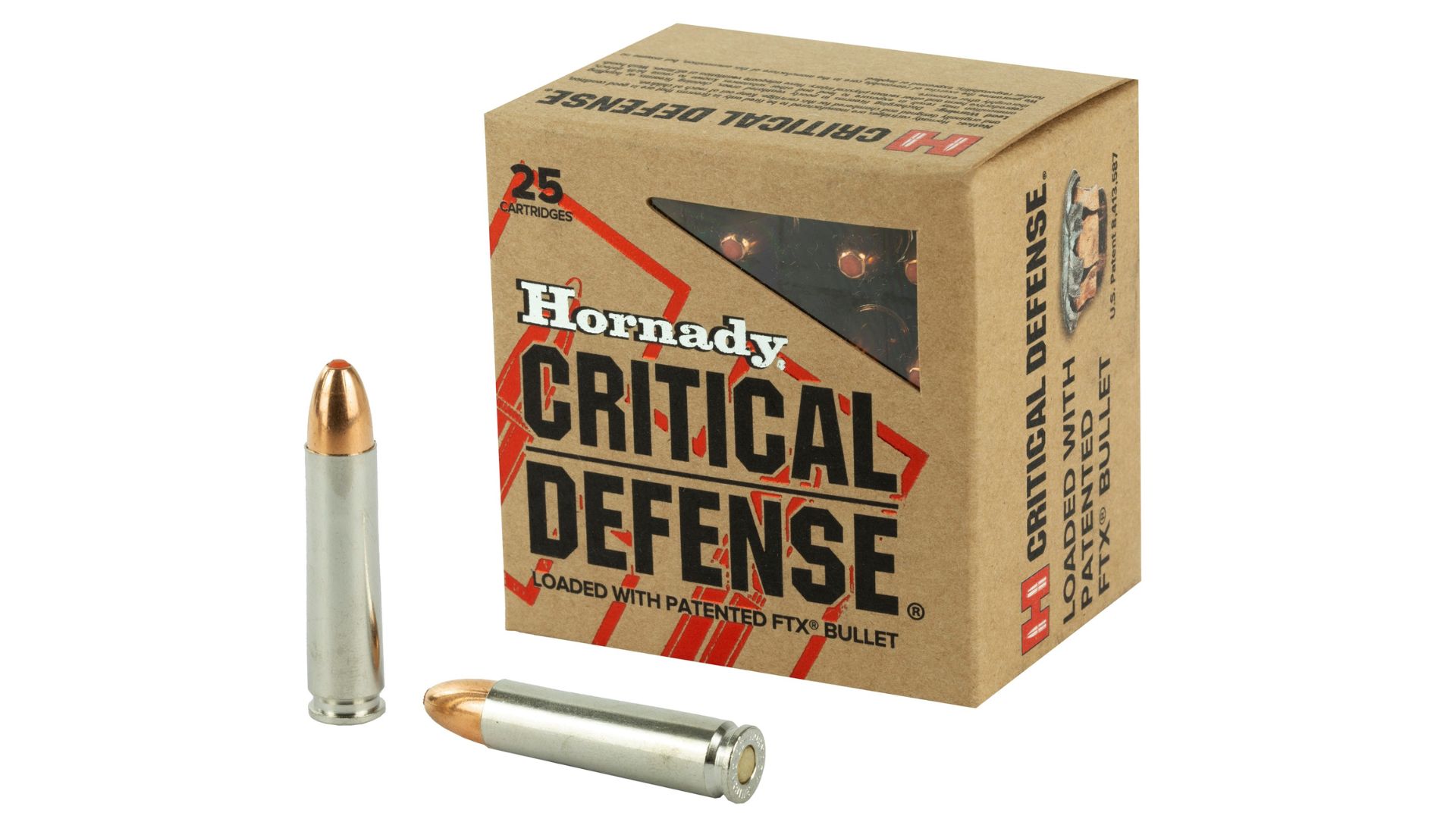
The .30 Carbine has military roots and plenty of history behind it, but that doesn’t make it a good hunting cartridge. It lacks velocity and energy, and it was never designed to take down game. Plenty of folks try it on hogs or deer, and they end up with poor penetration and shallow wounds.
The bullet doesn’t expand much, and even with soft points, it’s not reliable past 75 yards. It sounds snappy on the range and looks “enough” on paper—but real-world performance tells a different story. It’s more bark than bite when game animals are involved.
.357 SIG

The .357 SIG has a loud, fast personality. In handguns, it screams with energy and recoil, and sounds like it should hit like a truck. But the bullet is small and fast, and it doesn’t expand well on game. It was designed for penetration on soft targets—not broad wound channels.
Some folks try it for hogs or deer in a pinch, but it’s not consistent. You need perfect placement and minimal bone interference. It might sound like a magnum, but its bite is more like a 9mm with a temper. Not what you want for anything that might run.
7.62x39mm

The 7.62×39 has a punchy sound and a military mystique. It knocks over steel plates all day, but on game, it’s inconsistent. Most hunting ammo is either too hard or too soft—either failing to expand or coming apart too quickly.
On deer-sized game, it can work at close range, but it lacks precision and reliable terminal performance. It sounds like it should hit hard—and sometimes it does—but it just as often leaves you tracking. It was made for volume, not precision. Don’t expect it to act like a real hunting cartridge.
.45 Colt (Standard Pressure)

The .45 Colt has a big name and a long history. It sounds powerful, especially in big-frame revolvers or lever guns. But standard-pressure loads are mild, and they’re often loaded with cowboy-action shooters in mind. That means low velocity and soft recoil.
Unless you’re running hot +P loads, it performs more like a glorified .38 Special than a serious hunting round. You can get it done on hogs or deer, but shot placement is everything. It sounds old-school tough—but if you’re not careful, it’ll let you down in the field.
Like The Avid Outdoorsman’s content? Be sure to follow us.
Here’s more from us:
The worst deer rifles money can buy
Sidearms That Belong in the Safe — Not Your Belt
*This article was developed with AI-powered tools and has been carefully reviewed by our editors.