

Photo credit: Dmitri T/Shutterstock.com
A lot of hunting rounds look like heroes at 100 yards. They hit hard, group well, and drop deer fast when everything is close and calm. The trouble starts when you stretch the distance and the math stops being forgiving. Past 300, drop stacks up fast, wind starts steering your bullet, and energy can fall off harder than most people expect. Some cartridges also lose stability or precision with the bullets people typically load in them, especially if you’re shooting flat-base soft points built for woods ranges.
None of this means the rounds below are “bad.” Most of them are perfect in the ranges they were built for. The problem is when you try to force them into a long-range job they weren’t designed to do, or you treat a 100-yard zero like it’s a license to shoot across canyons. If you want to shoot past 300, you need a cartridge that carries velocity, bucks wind, and stays predictable. If you don’t, these are the kinds of rounds that feel great up close and get ugly fast downrange.
.30-30 Winchester

At 100 yards, .30-30 does exactly what you want. It hits with authority, kills clean, and the recoil is easy enough that you can shoot it well without getting beat up. In a lever gun that you carry a lot and shoot a little, it’s one of the best woods rounds ever built.
Past 300, the typical .30-30 load is fighting physics. Most bullets are blunt and not very aerodynamic, so velocity bleeds off quickly and wind pushes them around. Drop becomes steep, and your margin for error shrinks fast. You can absolutely ring steel at 300 with the right setup, but “hunting clean” gets tougher because the trajectory and wind drift punish small mistakes. It’s not a long-range cartridge. It’s a close-range killer that’s honest about what it is.
.35 Remington
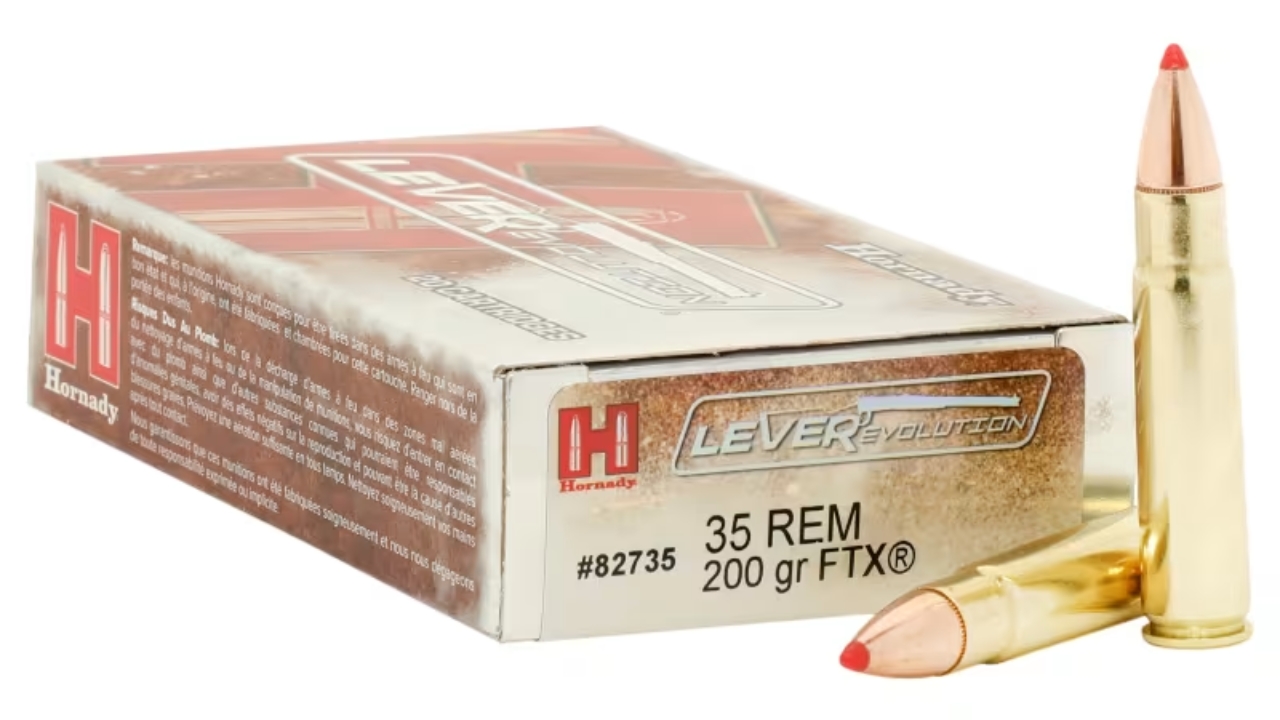
The .35 Rem shines inside 150 because it hits hard and drives a big bullet through deer like it means it. It’s forgiving on shot angles, makes good blood trails, and doesn’t demand magnum recoil to do the job. In the thick stuff, it’s hard to argue against it.
Past 300, it starts losing the traits that make it attractive. Typical .35 Rem bullets aren’t built to slice through wind, and the cartridge doesn’t carry speed the way modern long-range rounds do. Drop gets dramatic, wind drift grows, and energy falls off enough that you’re relying on perfect placement with a cartridge that’s becoming harder to place precisely at distance. The round didn’t fail—you moved it out of its comfort zone. At woods ranges it’s excellent. Past 300 it becomes a high-effort, low-margin choice.
.44 Magnum (rifle)

Out of a carbine, .44 Mag at 100 yards can be surprisingly effective. It hits harder than most people expect, recoil is manageable, and it’s a great match for thick cover and short sight lines. For hogs and deer inside 100–125, it can work extremely well with the right load.
Past 300, it falls off a cliff. The bullets are heavy and slow, and even the better hunting loads don’t have the velocity to keep trajectory flat or wind drift reasonable. Drop becomes extreme, and your holdover turns into guesswork unless you’ve got a dialed system and a lot of practice. Energy also drops to the point where you’re no longer getting the performance you were counting on. This is a classic “range-limited” hunting round. At 100 it’s confident and decisive. Past 300 it becomes a novelty shot, not a responsible plan.
.45-70 Government
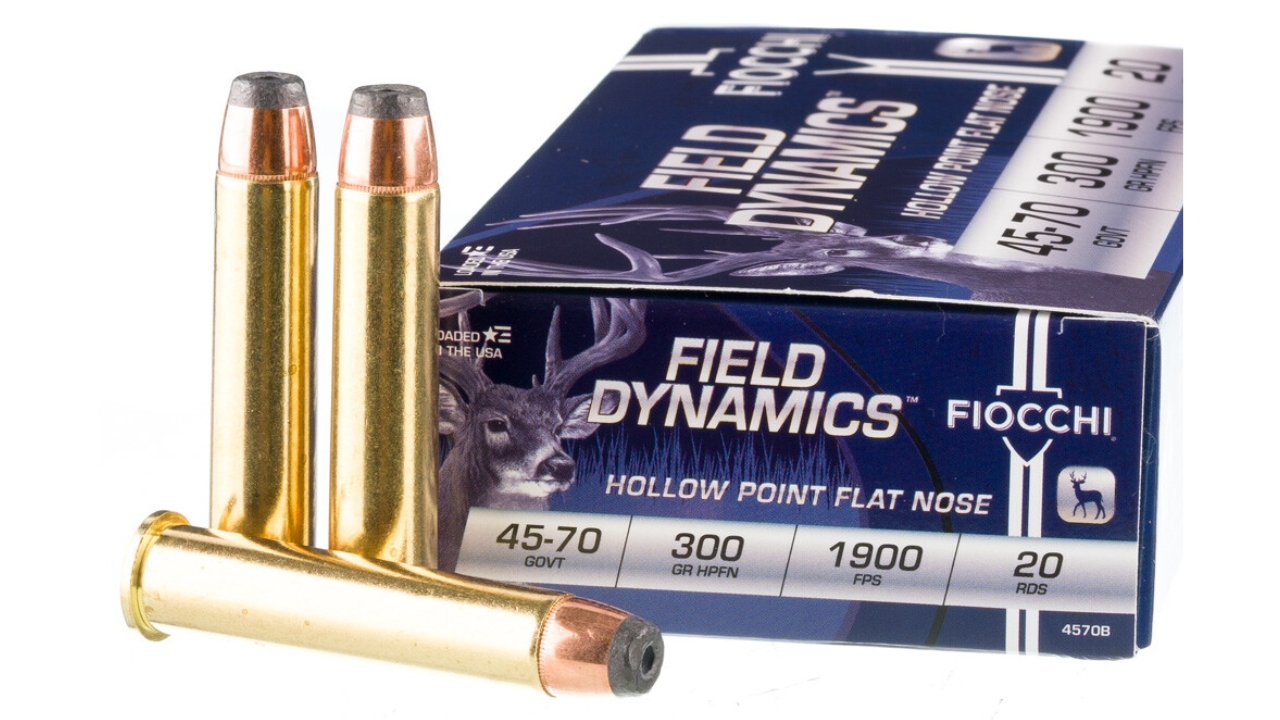
At 100 yards, .45-70 is a hammer. Whether you’re shooting mild loads or modern hunting loads in a strong lever gun, it hits hard and kills well in real woods hunting. It’s also easy to shoot accurately at close range because you’re not dealing with much wind math.
Past 300, the arc gets serious. Even with modern bullets, most .45-70 loads are moving too slow to keep drop and drift in check at distance. Wind becomes a real problem because the bullet is spending a long time in the air, and tiny errors in range estimation become huge misses. You can build a setup that works farther, but you’re working against the cartridge’s natural limitations. For hunting, it’s at its best where quick shots happen and the target is inside practical range. Stretch it past 300 and it turns into a high-risk game.
.350 Legend
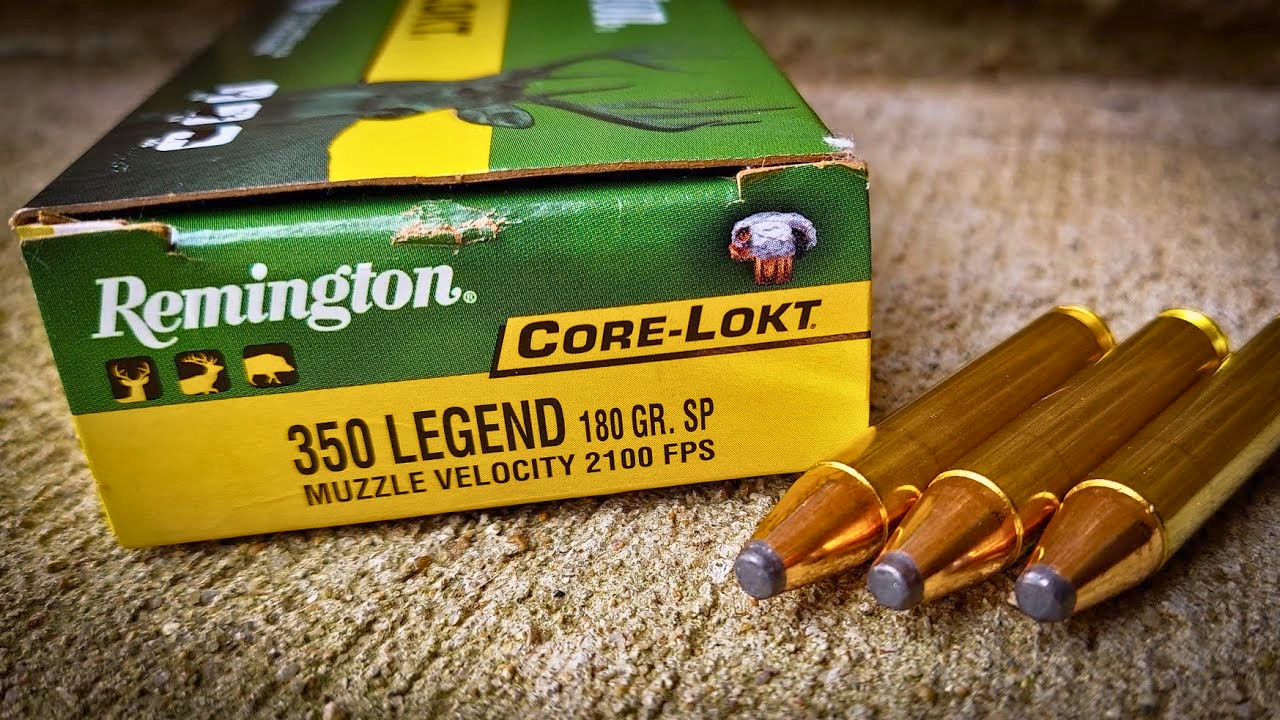
The .350 Legend is built for deer at reasonable distances, especially in straight-wall states. At 100 yards it’s easy to manage, shoots flat enough, and kills clean when you use proper bullets. It’s also one of the more comfortable options for new hunters who need low recoil and good performance.
Past 300, it stops being friendly. The cartridge doesn’t carry velocity well compared to bottleneck rifle rounds, and many common loads use bullets that aren’t designed for long-range flight. Drop starts stacking up fast, wind drift grows, and the remaining energy doesn’t leave you much room for error on deer-sized game. This isn’t a “stretch it” round. It’s a “hunt smart” round. If you keep shots inside the distances it was intended for, it works well. Past 300 you’re forcing it into a job better handled by a different cartridge.
.450 Bushmaster

At 100 yards, .450 Bushmaster hits like you’d expect. It’s a straight-wall round made for deer and hogs in close cover, and it performs well when the shot is quick and the target is inside normal woods range. The recoil is real, but the terminal performance is hard to ignore.
Past 300, it becomes a tough sell. The bullets are big, the velocities are moderate, and the trajectory gets steep. Range estimation errors become brutal because drop is dramatic, and wind can move the bullet more than people think. Energy also falls off enough that you’re no longer getting the “big hammer” effect you bought it for. If you want a cartridge that stays predictable past 300, this isn’t it. The Bushmaster is at its best when you hunt like it was designed: close, decisive, and inside realistic distances.
.30-40 Krag

At 100 yards, the .30-40 Krag can be a sweet old hunting round. With proper ammo, it shoots accurately enough, recoils gently, and kills deer clean. It’s one of those cartridges that feels easy to shoot well, especially in classic rifles that point naturally.
Past 300, it starts to show its age. Velocities are modest, and bullet options often lean toward traditional designs rather than sleek long-range projectiles. That means more drop, more time in the air, and more wind drift. Even if you have a good scope and you know your drops, the cartridge doesn’t give you the flatter trajectory or wind forgiveness that modern rounds deliver. The Krag round isn’t a failure. It’s a classic that works best in classic ranges. If you keep it inside a couple hundred yards, it’s dependable. Past 300, it asks for perfect conditions.
.45 Colt (rifle)

In a rifle, .45 Colt can be a real performer at 100 yards with the right load. It’s comfortable to shoot, can be surprisingly accurate, and it hits harder than most people assume. For close-range hunting where legal, it can make sense as a low-stress option.
Past 300, it’s simply out of its depth. Velocities are low, bullets are not aerodynamic, and the trajectory becomes extreme. Wind drift grows fast, and the bullet spends so long in the air that consistency becomes difficult even for practiced shooters. At that point you’re no longer using it as a hunting cartridge. You’re using it as a challenge round. For game, the limits are obvious: range and energy. The round does well when you hunt like you should with it—close, controlled, and honest about distance. Past 300 it’s not a practical hunting plan.
12-gauge rifled slugs

A rifled slug at 100 yards can drop deer fast and make a shotgun feel like a serious hunting tool. With the right gun and the right load, you can get solid accuracy and reliable terminal performance. In thick country and slug-only zones, it’s a proven solution.
Past 300, it’s the wrong tool. Slugs are big and slow compared to rifle bullets, and they lose velocity quickly. Drop is steep, wind drift is heavy, and accuracy becomes much harder to maintain. Even with the best optics and careful dope, you’re dealing with a projectile that’s simply not designed for long-range flight. The slug shines inside its window, where the shot is realistic and the terminal effect is immediate. Push it past 300 and you’re stretching beyond what the platform and projectile were made to do.
.357 Magnum (rifle)

Out of a carbine, .357 Mag is a great close-range round. At 100 yards it’s easy to shoot, accurate enough for deer-sized targets with proper loads, and it offers mild recoil with solid performance in thick cover. It’s also a round many shooters practice with because it’s approachable.
Past 300, it drops hard and drifts easily. Even with higher-velocity loads, you’re still dealing with a handgun cartridge pushed from a rifle, not a true rifle round. The bullet shape and velocity don’t support predictable long-range trajectory, and wind becomes a real issue. Energy also falls off quickly enough that you’re not getting the terminal performance you need for ethical shots. The .357 carbine is great when used like a woods tool. Past 300, it becomes a paper-punching stunt. It’s not built for that job.
.38-55 Winchester
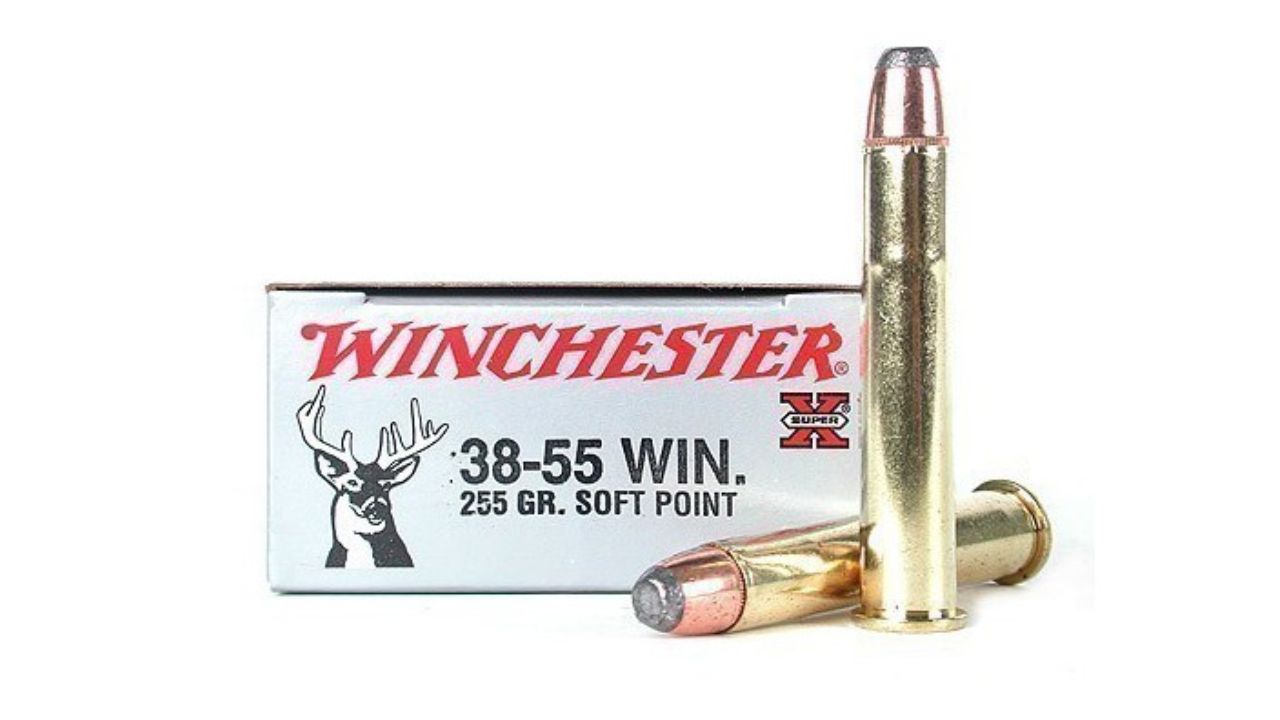
At 100 yards, .38-55 is one of those old-school rounds that can surprise you. It shoots comfortably, can be accurate in the right rifle, and it kills deer well inside its intended ranges. For classic lever-gun hunting in timber, it’s a solid performer.
Past 300, the limitations are obvious. Traditional bullet shapes don’t hold velocity well, and the cartridge doesn’t start with a lot of speed to spare. Drop becomes steep and wind drift becomes serious. Even if you know your holds, the cartridge isn’t giving you much forgiveness. The more time the bullet spends in the air, the more every mistake grows. The .38-55 is a great example of a cartridge that works best when you hunt with discipline and keep shots realistic. At 100 it feels confident. Past 300 you’re asking it to be something it isn’t.
7.62×39
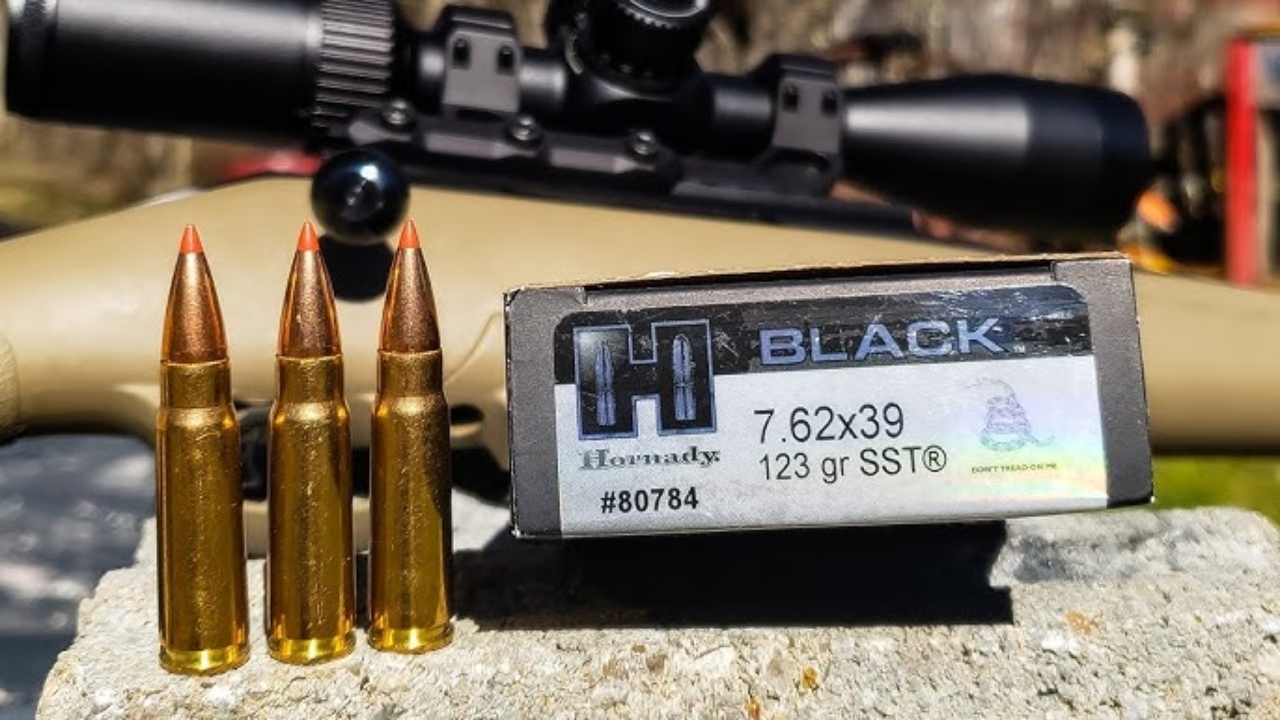
At 100 yards, 7.62×39 can be a perfectly workable hunting round with the right bullets. It’s mild, it’s quick to handle in compact rifles, and it hits deer-sized game well inside typical woods ranges. Plenty of hunters have filled freezers with it.
Past 300, the cartridge runs out of steam. Many common loads use bullets with mediocre aerodynamics, and the velocity isn’t high enough to keep trajectory and drift under control. Drop stacks quickly, wind pushes the bullet, and the remaining energy isn’t what you want for consistent terminal performance on deer. Can you hit targets at 300 with practice? Sure. Does it stay forgiving and effective past that? Not really. It’s a short-to-medium range round that works when you keep it in its lane, especially with proper hunting ammo.
.300 Blackout

At 100 yards, .300 Blackout can perform very well, especially with supersonic hunting loads built for deer and hogs. It’s easy to run, recoil is mild, and from a short, handy rifle it makes sense in thick cover. Inside its window, it can be a practical, effective tool.
Past 300, the Blackout shows its limits. Supersonic loads start slower than traditional rifle rounds, and that means drop and drift build faster as distance increases. If you’re shooting subsonic, the long-range limitations become even more obvious because the trajectory is steep and wind becomes a major factor. The Blackout was designed around short barrels and close-to-mid distances, not long-range hunting. At 100 it can look great. Past 300 it becomes a cartridge where you’re fighting math, wind, and energy all at once.
.35 Whelen (with common flat-base hunting bullets)
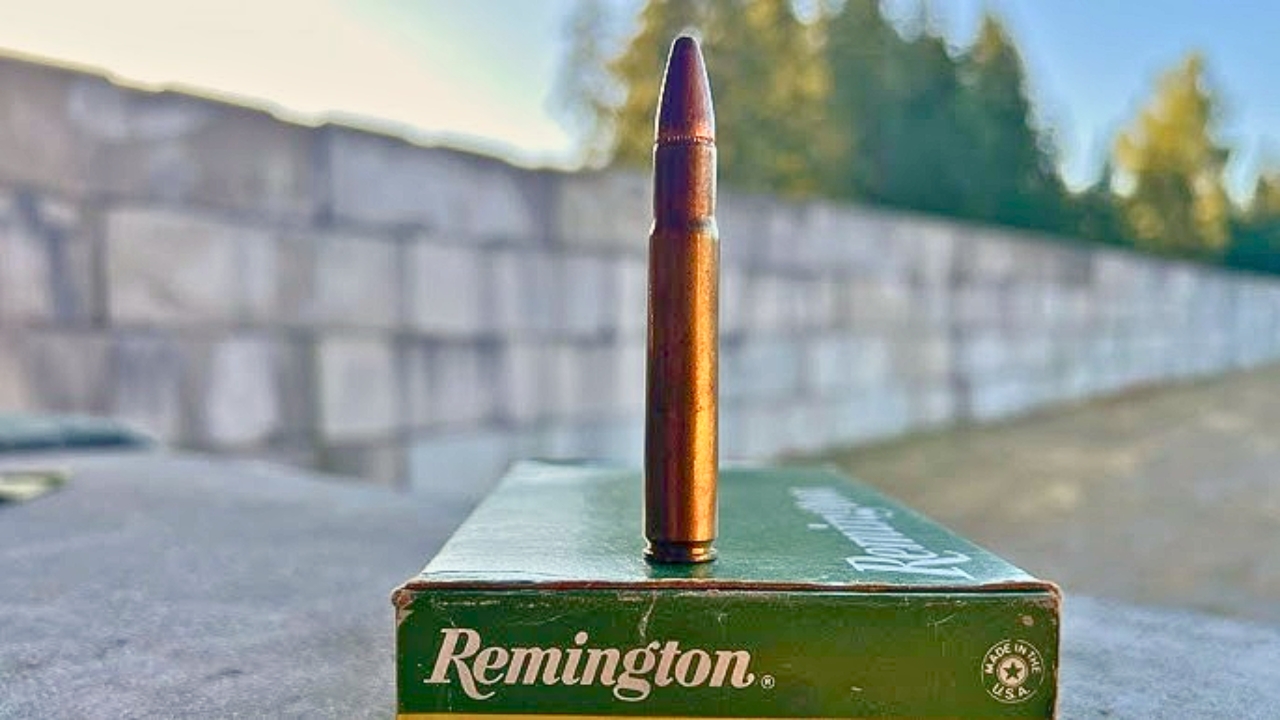
At 100 yards, .35 Whelen is a serious hunting cartridge. It hits hard, penetrates well, and it’s a great choice for big-bodied deer and elk at normal distances. In thick cover or mixed terrain, it gives you confidence because it handles tough angles and heavy bone better than many smaller rounds.
Past 300, the problem is often the way people load it. Many common Whelen loads use traditional hunting bullets that aren’t designed for long-range flight, and the cartridge’s velocity isn’t built to keep them flat out past 300. Drop increases, wind drift becomes more noticeable, and the bullet can lose speed enough that performance becomes less predictable. The Whelen can be stretched with the right modern bullets, but most hunters aren’t doing that. In the real world, it’s a cartridge that shines inside its practical hunting window. At 100 it’s a hammer. Past 300 it takes more work than most want.
.308 Winchester (with heavy, blunt hunting loads)

At 100 yards, .308 is easy to make look good. It’s accurate, common, and it kills deer clean with the right bullet. With heavy hunting loads, you get deep penetration and reliable performance up close, and the recoil stays manageable in most rifles. It’s a practical cartridge for a lot of hunters.
Past 300, heavy, blunt hunting bullets can start costing you. They shed velocity faster than sleeker bullets, and wind drift becomes more noticeable. Drop also stacks up faster than many hunters account for when they’re using a basic zero and holding “a little high.” The cartridge itself can perform well past 300 with the right bullets and dope, but plenty of real hunting setups are not optimized for that. If your .308 is sighted for 100 and you’re shooting traditional soft points, the round can feel great up close and get less forgiving at distance. It’s not the cartridge failing. It’s the setup and assumptions catching up.
Like The Avid Outdoorsman’s content? Subscribe to our newsletter so you never miss an article.
Here’s more from us:


