
Red dot sights have been around for decades, but they’ve come a long way from the bulky optics that first hit the market. Today, they’re compact, reliable, and built for everything from home defense pistols to long-range hunting rifles. Military and law enforcement agencies have been using them for years, and now more everyday shooters are making the switch.
Like any gear decision, adding a red dot to a firearm isn’t something to take lightly. It changes the way you aim, the way your gun handles, and, depending on the setup, how you carry it. I’ve had to weigh the pros and cons myself, figuring out which guns benefit from a red dot and which ones are better off left alone. Some setups just make sense, while others feel unnecessary or even a little awkward. If you’re on the fence, it’s worth understanding what a red dot can offer—and what you might have to give up to use one.
Pro: Single Focal Plane Makes Targeting Easier

Your eyes can only focus on one thing at a time. With iron sights, you’re trained to focus on the front sight while the rear sight and target blur slightly. But under pressure—whether in a defensive situation or a high-stakes competition—most people naturally focus on the target instead.
A red dot eliminates the problem of shifting focus. With only one focal plane to worry about, you keep your eyes locked on the target, and if your grip and alignment are right, the dot lands exactly where you need it. There’s no back-and-forth between sights and target—just point and shoot.
Pro: Easy to Use
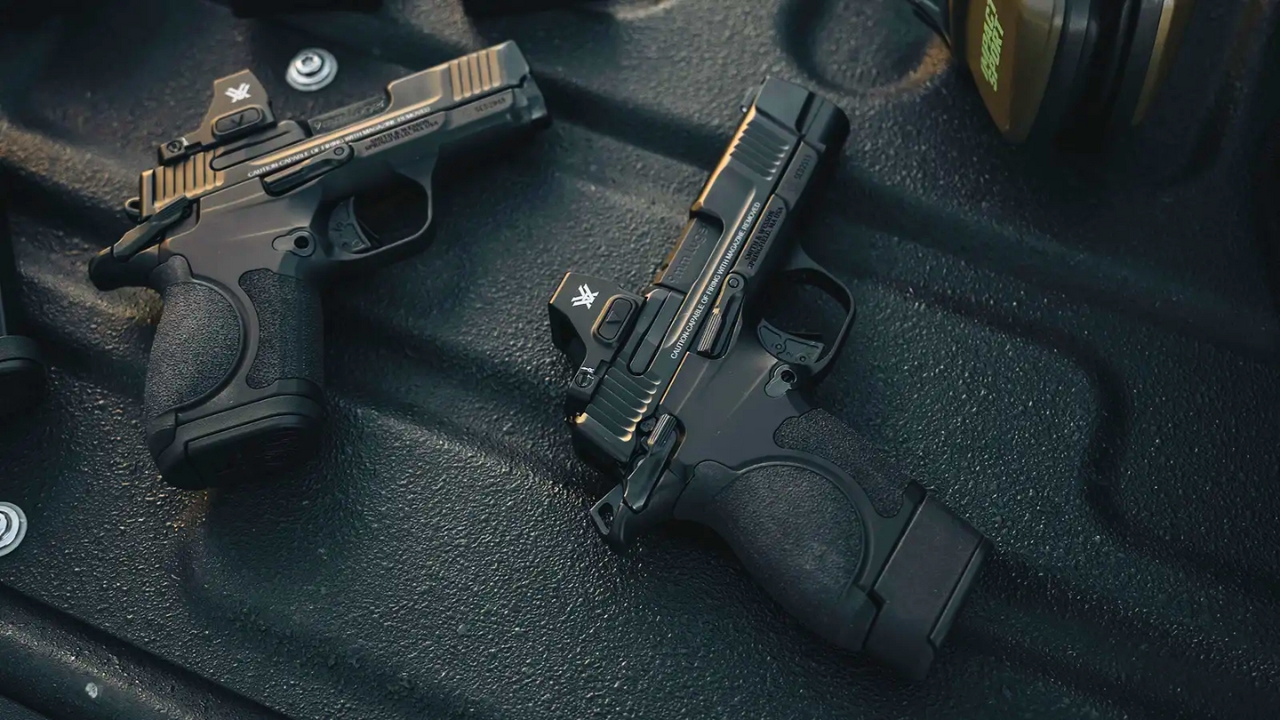
A red dot sight takes the guesswork out of aiming. Instead of lining up front and rear sights, you just put the dot on target and pull the trigger. That alone makes it easier to use, especially for anyone who struggles with iron sights or needs faster target acquisition.
The bright dot also helps with visibility. As eyesight changes with age, picking up a standard front sight gets harder. A red dot keeps the aiming point crisp and clear, giving any shooter an edge in speed and accuracy.
Pro: Faster Shooting

Speed is everything when it comes to making a shot under pressure. A red dot can cut down reaction time between drawing and firing. With iron sights, you have to align everything just right. A red dot simplifies that—if the dot is on target, you’re ready to shoot.
This doesn’t just help new shooters. Even experienced marksmen can shave time off their draw and follow-up shots. With enough practice, transitioning between targets and landing accurate hits faster becomes second nature. Whether in competition, a defensive situation, or the field, that speed can make a difference.
Pro: Wider, Unobstructed Field of View

Iron sights block a good chunk of your target. The front and rear sights, plus the firearm itself, can obscure the lower half of what you’re aiming at. That’s not a big deal on the range, but in a fast-moving scenario, it limits how much you can see.
A red dot opens things up. Even though most handgun MRDS windows are relatively small, they give you a much clearer view of your target and the area around it. A good red dot lets you track movement, keep an eye on threats, and maintain awareness of your surroundings without losing your aim. Many shooters say they barely even notice the sight housing—their eyes just pick up the dot floating on the target.
Pro: Increased Accuracy

A red dot naturally improves accuracy by allowing your eye to focus on a single point instead of bouncing between multiple planes. With irons, there’s always a chance of misalignment, but a red dot takes that out of the equation.
This really shows when speed is a factor. Instead of fumbling with sight alignment, you get a clear, reliable aiming point instantly. It’s also a game-changer in low-light conditions or when shooting from awkward positions.
Pro: Low-Light Advantage

Iron sights rely on contrast to be effective, and in dim lighting, they can be tough to pick up. A red dot eliminates that issue by providing a bright aiming point that stands out no matter the conditions.
Some models offer adjustable brightness settings, letting you dial in the dot to match ambient light. Cheap optics might struggle in extreme conditions, so if low-light shooting is important to you, invest in one with solid battery life and reliable brightness control.
Pro: Better Target Focus

A red dot lets you shoot with both eyes open, which improves target focus and situational awareness. Instead of shifting back and forth between your sights and what’s happening downrange, you stay locked in and ready to react.
This is a huge advantage in defensive scenarios and dynamic shooting environments. Whether tracking a moving target or scanning for threats, a red dot keeps you engaged without wasting time adjusting your focus.
Pro: Works on More Than Just Rifles

A red dot isn’t limited to just one type of firearm. While they’re common on rifles, plenty of handguns, shotguns, and even crossbows are built to run them now. Whether you’re looking for faster target acquisition on a pistol or better accuracy on a turkey gun, a red dot can make a noticeable difference.
Another advantage is that a quality red dot can move between firearms with the right mount. If you upgrade your rifle or pick up a new handgun, you don’t necessarily have to buy another sight—just make sure the mounting system is compatible before making the swap.
Pro: More Forgiving for Aging Eyes

For shooters with aging vision, iron sights can become a challenge. A crisp sight picture depends on seeing the front sight clearly, which gets harder as eyesight declines. Squinting, adjusting focus, or struggling to align sights can slow down reaction time and impact accuracy.
A red dot helps level the playing field. Even if the dot isn’t razor-sharp for someone with vision issues, it’s still easier to track and align than traditional sights. Many shooters who had trouble keeping a tight group with irons find themselves back on target with a red dot, making it a great option for older shooters or anyone dealing with vision changes.
Con: Battery Dependence
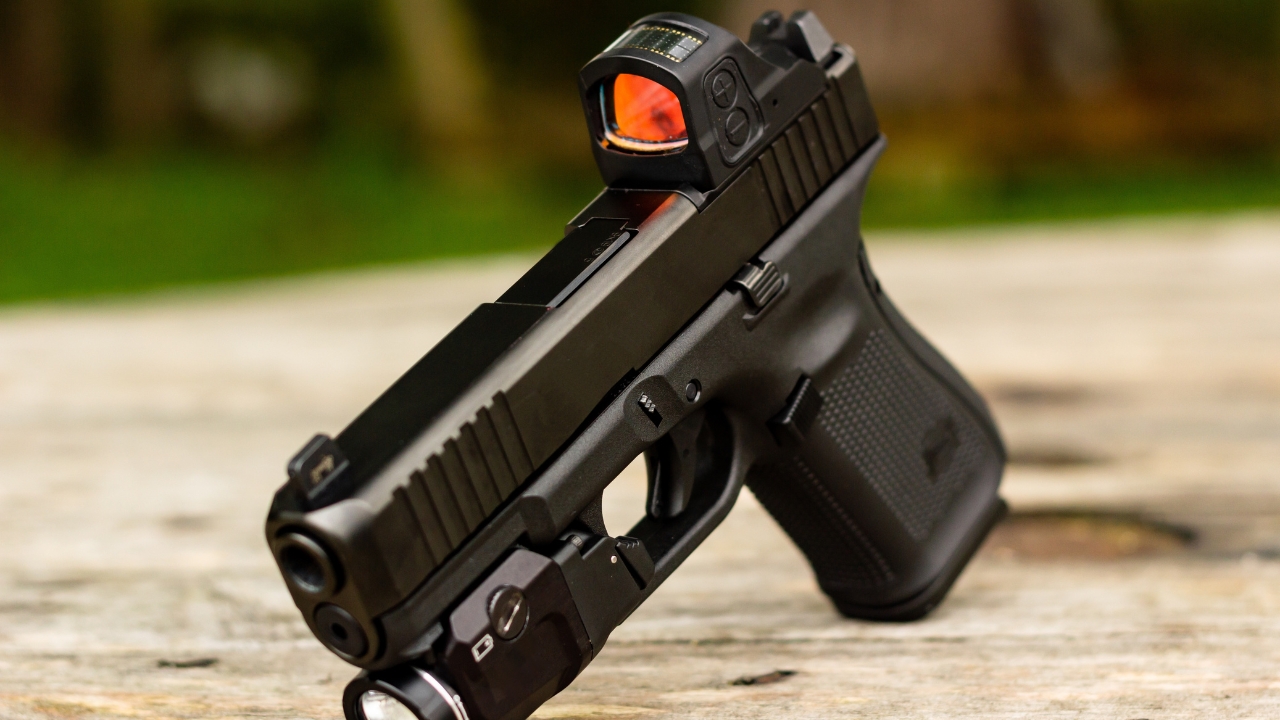
A red dot is only as good as the battery keeping it running. When the power dies, that bright aiming point is gone, leaving you scrambling if you don’t have backup iron sights. Most quality red dots have impressive battery life—some lasting years—but batteries still fail, and usually at the worst time.
Running a co-witness setup with iron sights is smart insurance. That way, if your red dot goes out mid-hunt or during a critical moment, you’re not stuck with a useless gun. Regular battery checks and swapping them out before they die is a habit worth keeping.
Con: CHeap Dots Aren’t Very Durable or Weather-Resistant

A good red dot can take a beating, but it’s still an electronic device. Water, dirt, extreme temperatures, and recoil can all wear it down over time. High-end models are built to withstand serious abuse—shockproof, waterproof, fog-resistant—but not every red dot holds up under rough conditions.
If your optic is going on a home-defense rifle, a backcountry hunting rig, or anything that might get knocked around, it’s worth investing in durability. A cheap red dot might save money upfront, but if it fails in the field, it’s not much of a deal anymore.
Con: Added Weight and Bulk
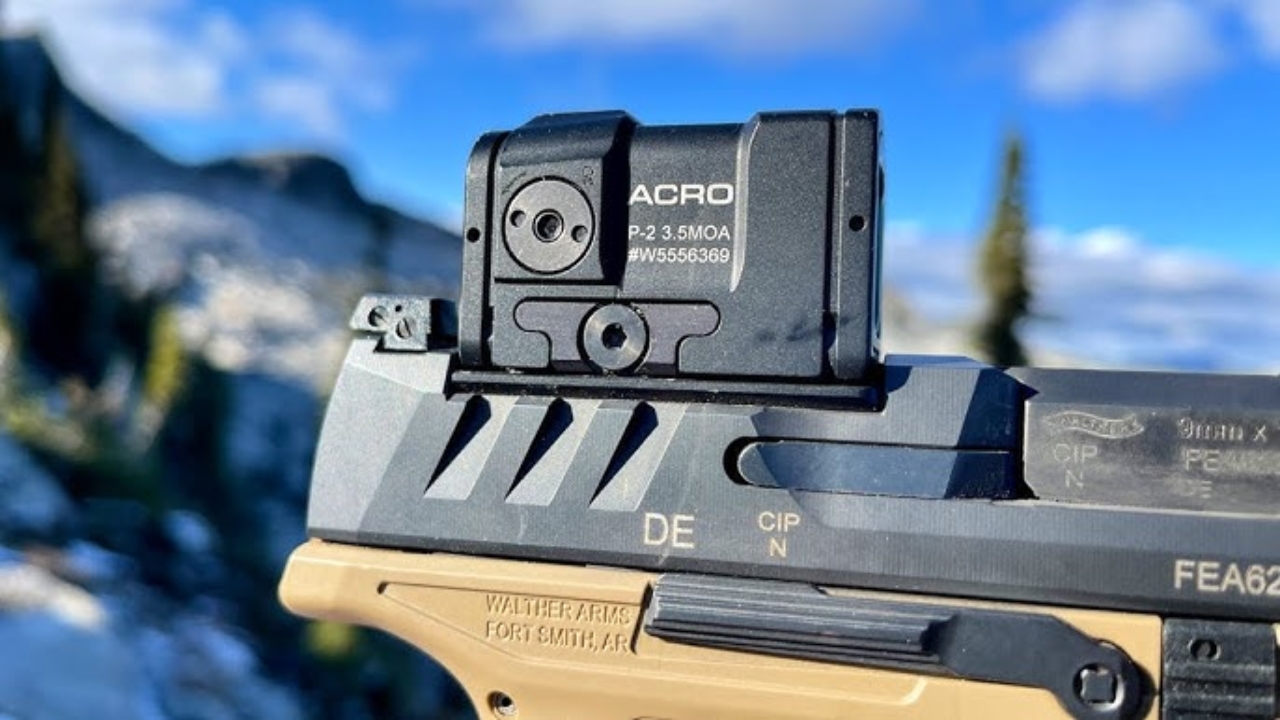
A red dot adds weight and size to your firearm. On a rifle, it’s usually a non-issue, but on a handgun, it changes the way the gun carries and balances. Some pistols are optic-ready, but others need milling or adapter plates to fit a red dot, which adds cost and complexity.
For anyone carrying all day—whether on a hunt or for self-defense—every ounce matters. The added bulk can also make concealed carry trickier. A red dot can be worth it, but it’s not always the best fit for every setup.
Con: Parallax and Learning Curve

Most good red dots are close to parallax-free at typical shooting distances, meaning the dot stays on target no matter your eye position. But with cheaper models, a slight shift in head position can throw your aim off. If you’re used to iron sights, transitioning to a red dot isn’t always seamless.
Finding the dot quickly takes practice, especially when drawing from a holster. It’s not uncommon for new users to bring the gun up and lose sight of the dot, wasting valuable time trying to locate it. Training fixes this, but it’s not something to overlook.
Con: Good Red Dots Aren’t Cheap

A red dot isn’t cheap. A quality sight from a reputable brand starts around $200 and climbs past $600. If you’re using it for hunting, competition, or self-defense, that investment makes sense. A cheap red dot that won’t hold zero or craps out when you need it is worse than useless.
For casual plinking, iron sights still do the job. If you’re going to make the switch, spend the money on something reliable. A good red dot can be a game-changer, but a bad one is just throwing cash downrange.
*This article was created with the assistance of AI.


