Photo credit: Elina Volkova/Pexels.com
A leash makes people feel like they are in control. Most of the time, that is fair. A leash gives you distance control, stops wandering, and keeps a dog or other animal from making one dumb decision too far away to fix. But it also creates a false sense of security. Plenty of animals seem perfectly manageable right up until instinct overrides obedience, pain kicks in, panic takes over, or raw strength reminds you who is really moving whom. That is when a leash stops feeling like control and starts feeling like a thin piece of material connecting you to a bad idea.
This is not just about big aggressive animals either. Some of the most dangerous leash situations come from animals people trust too much because they are familiar, affectionate, or “fine 99 percent of the time.” Then a trigger shows up. Another dog. A child running. A prey animal. A loud sound. A medical problem. A territorial snap. One second of explosion can be enough to drag someone down, wrap legs, tear hands up, or turn a routine walk into an ER trip. Here are 15 animals that feel safe on a leash until they very much do not.
Big guardian-breed dogs
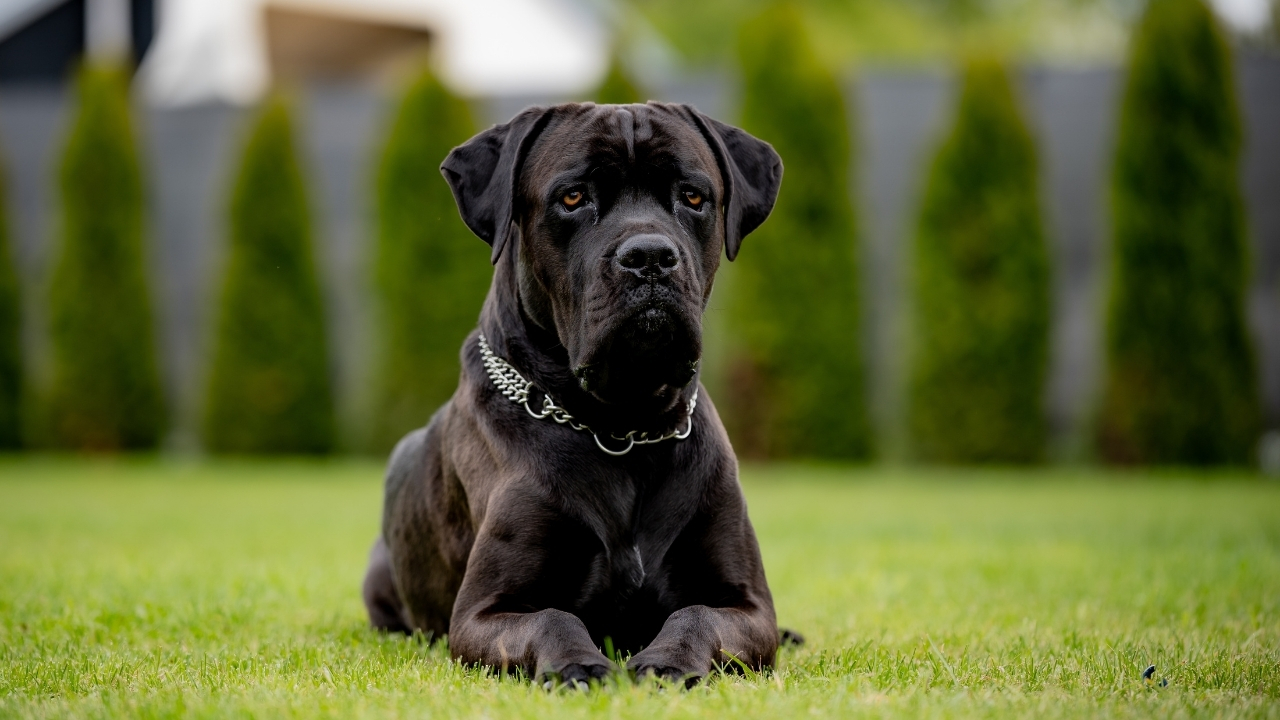
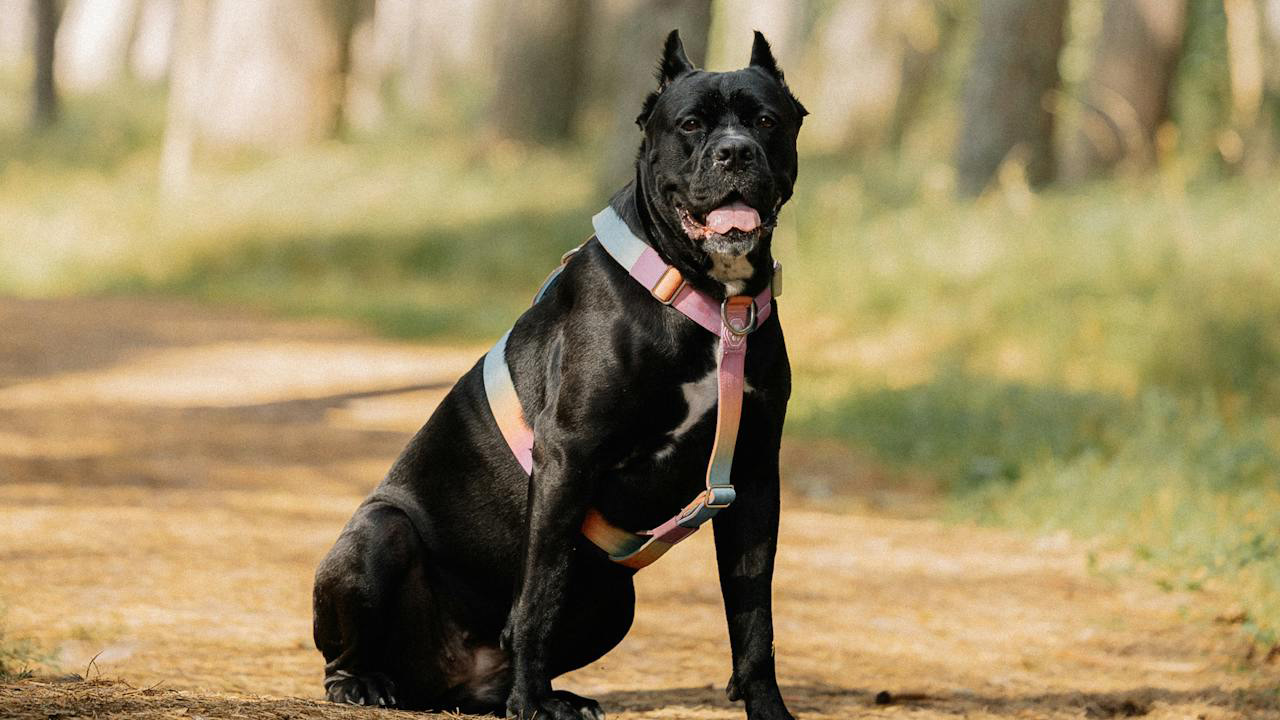
A big guardian breed like a Cane Corso, Rottweiler, Anatolian, German Shepherd, or similar powerful dog can feel rock-solid on a leash right up until it decides something needs handling. That is the whole point of a guardian dog in the first place. It is alert, strong, and ready to react. The problem is that plenty of owners enjoy the “protector” image without fully appreciating what happens when that instinct fires at the wrong time. A stranger stepping too close, another dog staring too hard, or a weird environmental trigger can turn calm leash walking into a full-body event fast.
Once a big dog commits, the leash does not magically cancel out the force involved. It transfers it straight into your shoulder, wrist, lower back, and balance. If the owner is distracted, undersized, or simply overconfident, that dog can drag them, spin them, or pull them into a dangerous tangle in seconds. These dogs are not bad animals, but they are a perfect example of something that looks “under control” until strength and instinct hit at the same exact moment.
Pit bull-type dogs with high drive

A lot of pit bull-type dogs walk beautifully on a leash right up until arousal spikes. That can mean another dog, a squirrel, a screaming child, a fight starting nearby, or a sudden redirect when frustration boils over. The issue is not that every one of these dogs is unstable. It is that many are powerful, physically committed once they lock onto something, and owned by people who mistake everyday sweetness for proof that high-drive reactions are off the table. They are not.
A leash helps only if the handler has the awareness, grip, body position, and training to manage that burst before it fully develops. Once the dog is airborne at the end of the line, twisting, slamming, and pulling with real force, things get sketchy fast. Owners end up rope-burned, knocked over, or caught trying to separate a conflict they never thought would happen. These dogs can be wonderful pets, but “he’s always sweet on the leash” is not the same thing as “nothing can go wrong.”
Huskies and northern breeds
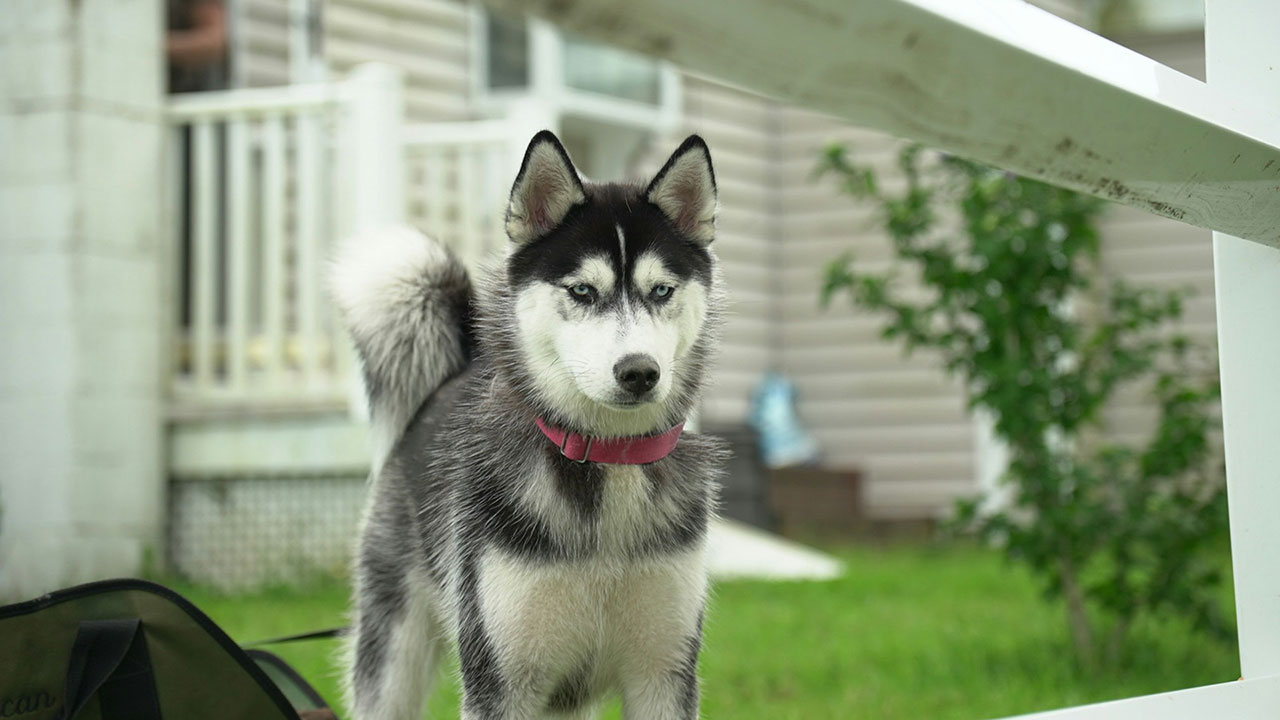
Huskies, Malamutes, and other northern breeds look like dream walking dogs when they are in a cooperative mood. They are athletic, smart, and often happy to move. The problem is that they are also independent, prey-driven, and perfectly willing to make their own decisions once something catches their eye. A squirrel, rabbit, cat, or even just a sudden burst of excitement can turn a calm leash walk into a towing demonstration. A lot of folks do not realize how much raw pulling power these dogs have until they are halfway across a sidewalk trying not to eat pavement.
What makes them especially deceptive is that they often do not read as threatening. They look cheerful, fluffy, and social. Then the brain switches tracks and the body follows hard. If the leash setup is weak, the collar is loose, or the handler is not ready for that jolt, they can slip free or drag somebody into traffic, brush, ice, or a bad fall. They are not mean dogs. They are just dogs with a whole lot of motion and not much patience for bad leash handling.
Herding dogs

Border Collies, Australian Shepherds, Heelers, and other herding breeds can feel like the easiest animals in the world on a leash because they are smart and tuned in. Then one trigger taps into the part of them that wants to control movement, and suddenly you are not on a walk anymore. You are attached to a dog trying to gather joggers, bikes, children, skateboards, or another dog moving too fast. They are quick enough that the correction window is tiny, and once they surge, the leash becomes a direct line to your balance.
These dogs also get into trouble because people assume intelligence means predictability. It does not. A highly intelligent dog can also be highly reactive, highly intense, and very fast to build patterns. If the dog starts rehearsing leash explosions, circling, lunging, or nipping behavior, it can escalate fast. A herding dog may never look as physically intimidating as a mastiff, but it can still yank somebody off stride and into a dangerous mess before they realize how much drive is packed into that body.
Sighthounds
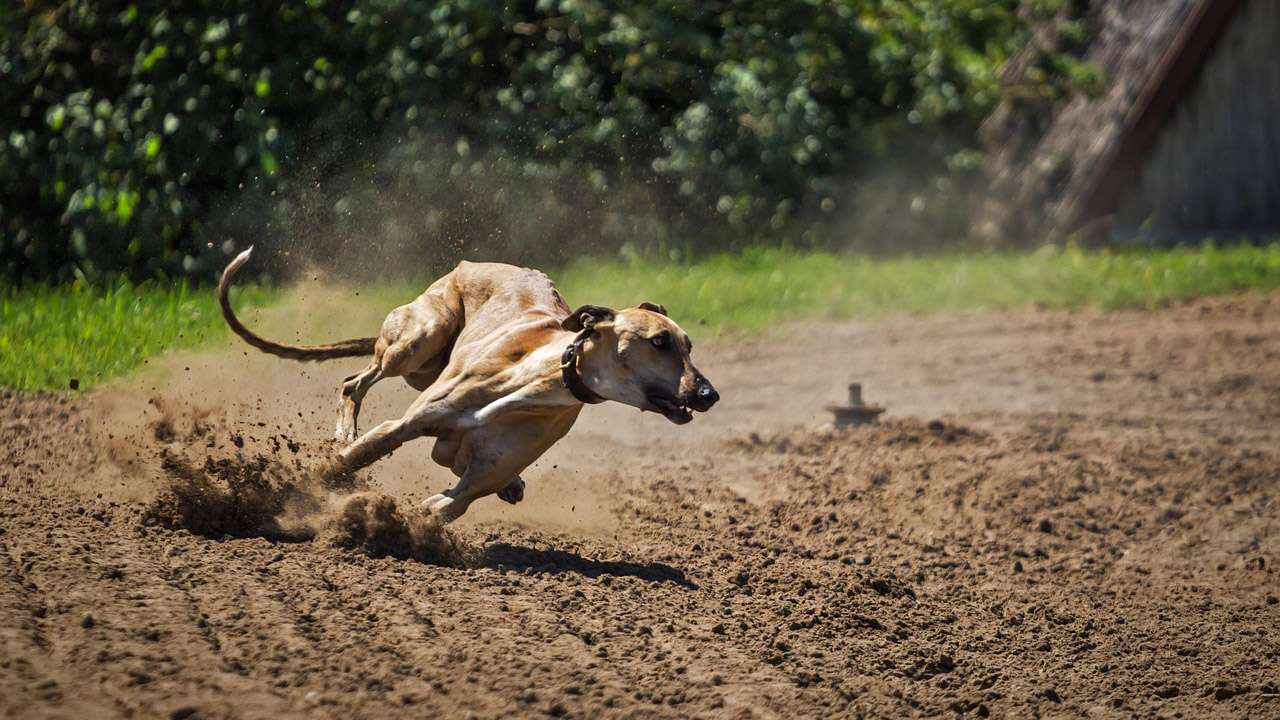
Greyhounds, Whippets, Salukis, and other sighthounds are one of the best examples of “safe until instinct shows up.” They can seem almost lazy on leash right up until they see movement that flips the switch. Then all of a sudden you are connected to a missile with skin on it. These dogs are built to go from still to gone in a heartbeat, and a weak grip or bad leash angle is all it takes for the handler to lose the whole situation.
The danger is not just that they can pull hard. It is that they can do it so suddenly. There may be no growl, no tense lead-up, no obvious warning. Just a flash of a rabbit, squirrel, cat, or deer and the dog is fully committed. That can rip the leash out of someone’s hand, wrench a shoulder, or send both dog and owner into traffic or rough ground. They often seem so soft and mannerly that people forget what they were actually bred to do.
Small dogs with big reactivity
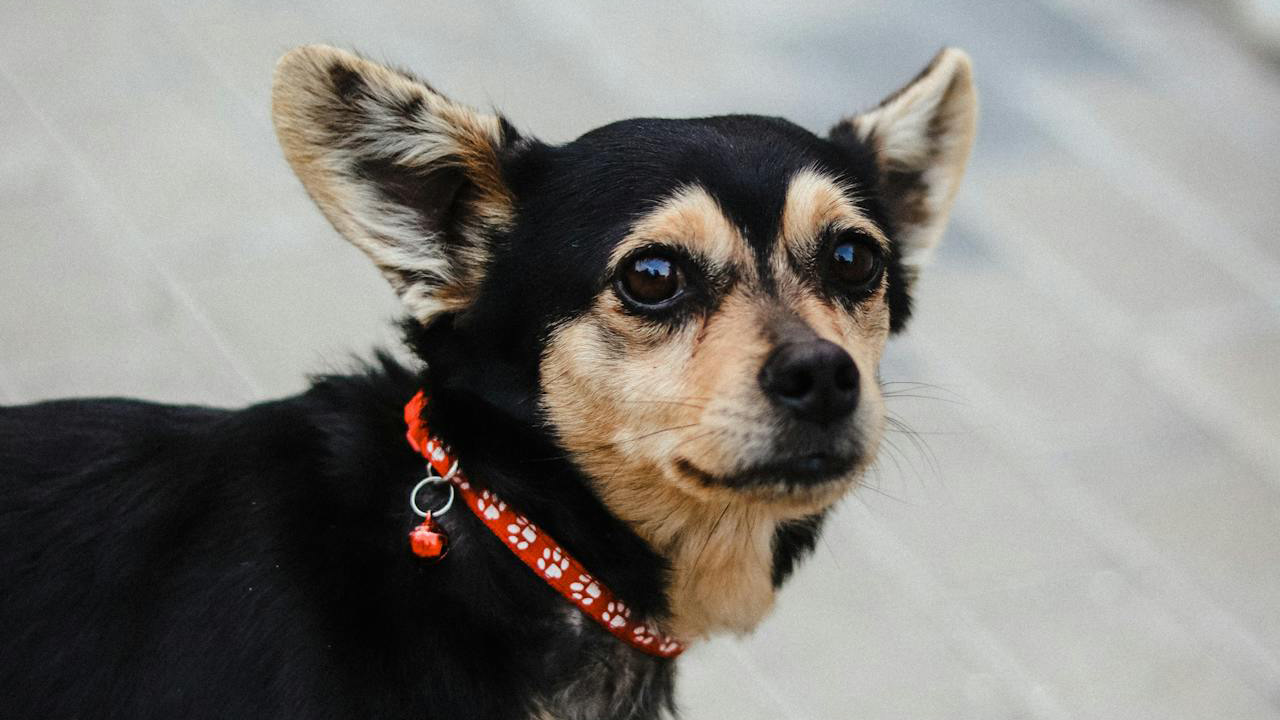
Small dogs fool people because they do not seem capable of doing much damage on a leash. Then one wraps a lead around an ankle, lunges underfoot, triggers a bigger dog, or bites somebody reaching down into the chaos. A reactive terrier, Dachshund, Chihuahua, or little mixed breed can absolutely turn a normal outing into an ugly scene, especially when the owner treats bad leash behavior like something cute or harmless because the dog is small enough to scoop up later.
The problem is that “later” is often too late. The leash tangles, another dog reacts, the owner stumbles, and suddenly the whole encounter is moving faster than expected. Small dogs also get away with patterns that would be corrected immediately in large dogs, so by the time it becomes a real safety problem, it has been rehearsed a hundred times. They may not drag you like a sled dog, but they can still make you fall, get you bitten, or create a chain reaction with a much bigger animal.
Pet goats
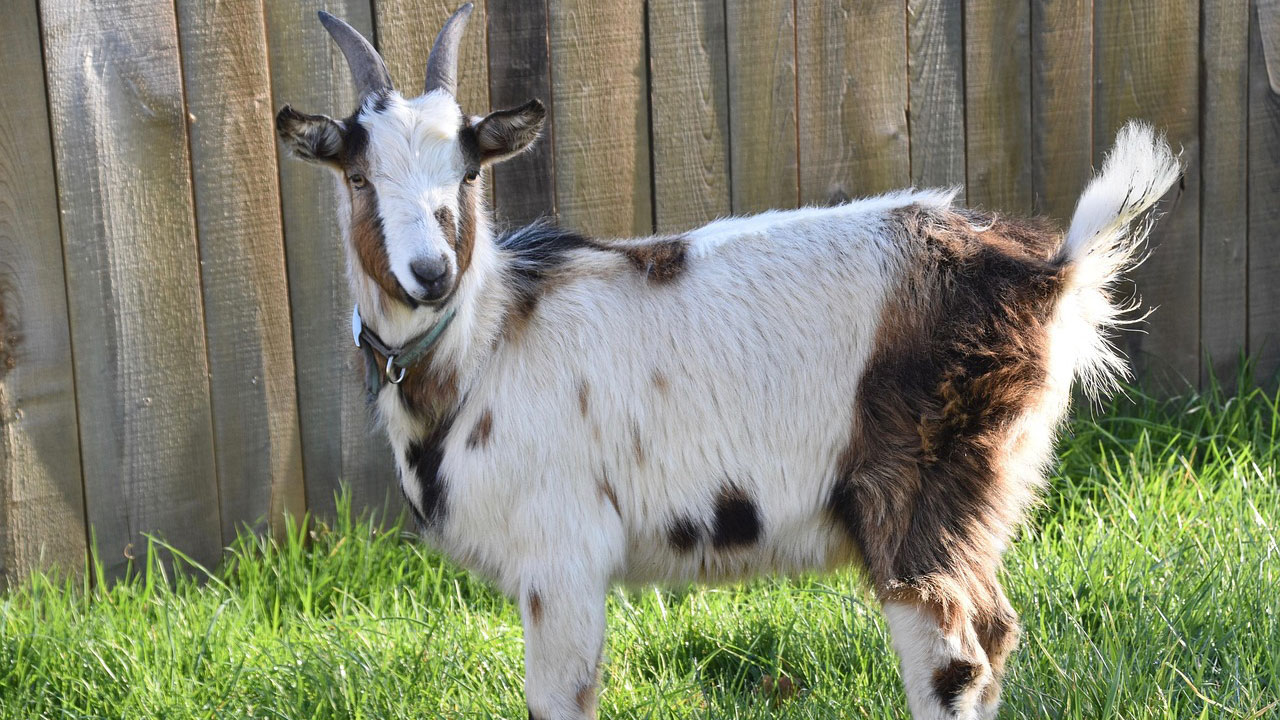
Goats seem easy enough on a lead until they decide they are done cooperating. A friendly goat walking beside you at a petting zoo, fair, homestead, or brush-clearing setup can turn stubborn, panicked, or playful in a hurry. The trouble is that even a medium-sized goat has enough strength to jerk hard, twist, plant its feet, or bolt sideways at the worst possible moment. Horned goats add another level of bad decisions when they start tossing their heads while the person at the other end is too close.
People underestimate goats because they think in terms of barnyard familiarity instead of leverage. A goat does not need to outweigh you to make you lose footing. It just needs timing and resistance. Kids get dragged, adults get rope burns, and people trying to “help” by grabbing near the head often end up in the wrong place when panic kicks in. A leashed goat can feel totally manageable until it remembers it has opinions and a body built for chaos.
Rams and sheep with attitude
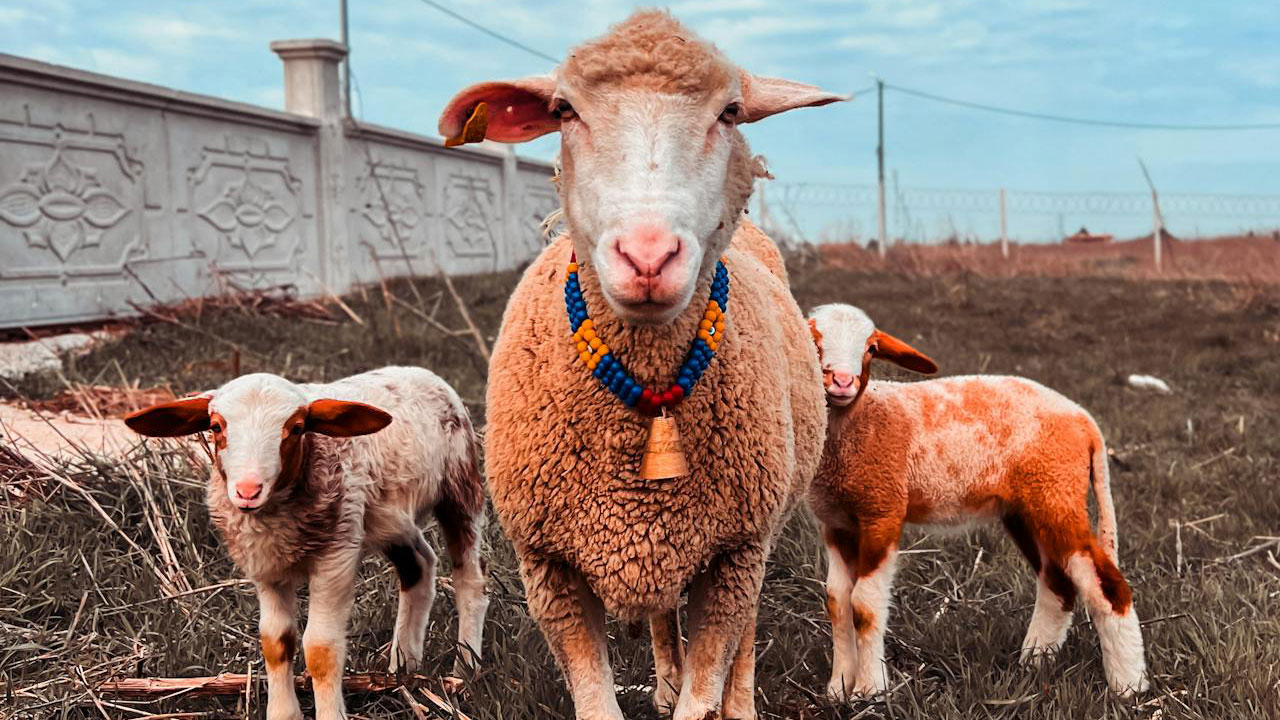
Most people are not nervous around sheep on a lead, which is exactly why a ram can catch them sleeping. A mature ram, or even an aggressive sheep with enough confidence, can feel calm one second and come hard the next. If the leash or lead is short, the handler may think that means control. In reality, it sometimes just means the impact arrives with less warning. Head tossing, sudden lunges, and explosive pushback can put a person on the ground faster than expected.
This is especially true during breeding season, around other animals, or when a ram gets territorial. People treat them like fluffy livestock until one plants its front feet, drops the head, and drives. Once that happens, the line in your hand is not control so much as direct evidence that you misjudged the mood. They may not have fangs or claws, but they can absolutely make a leash feel like false security.
Mini horses and ponies
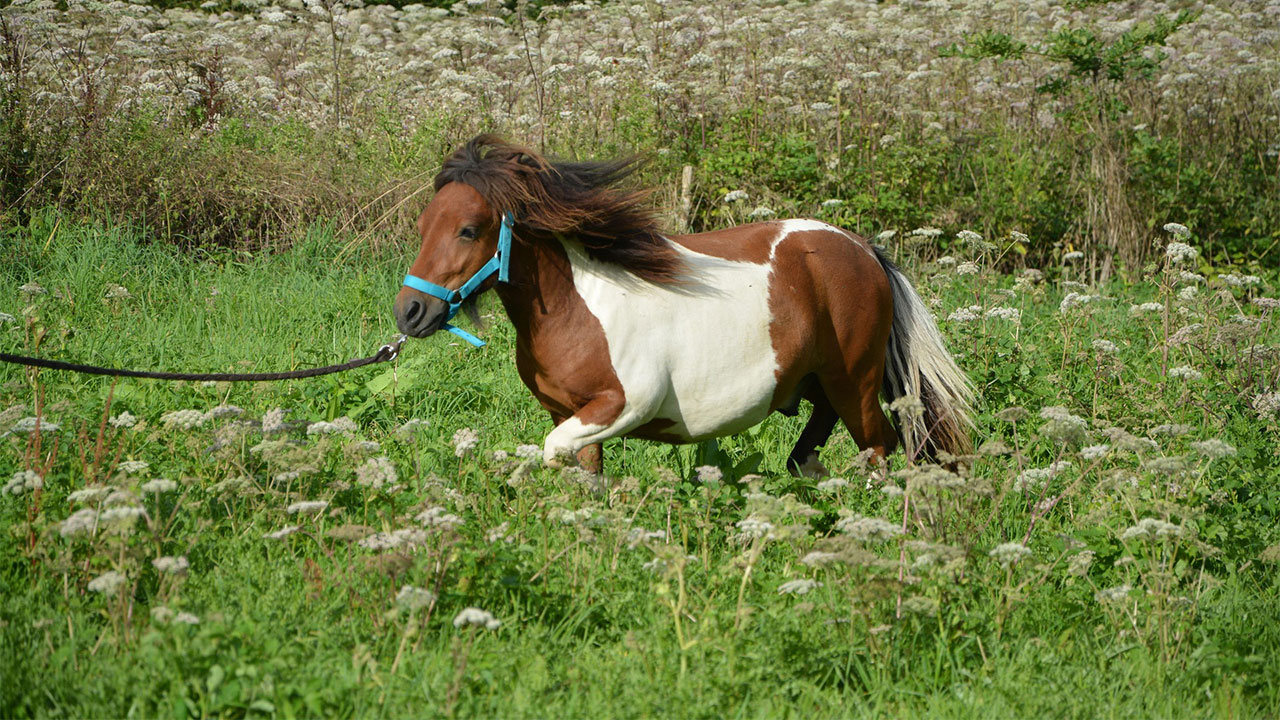
Mini horses and ponies get sold as cute, manageable, and family-friendly, and a lot of them are. But they are still equines, which means prey-animal instincts, quick bursts of movement, and enough strength to turn a lead rope into a problem. A pony that seems dead calm can spook at a sound, sideways hop, bolt, or spin into you before you have a chance to reposition. Kids and casual handlers are especially vulnerable because they assume the small size means small consequences.
That is not how leverage works. Even a mini horse has enough mass to drag a child, crush a foot, or yank somebody off balance when fear takes over. Add poor halter fit, bad ground manners, or too much trust in a “usually gentle” animal, and the whole thing can go south in one ugly burst. People hear hoofbeats and think of danger from a full-sized horse. Plenty of near misses come from the smaller version nobody was taking seriously enough.
Full-sized horses
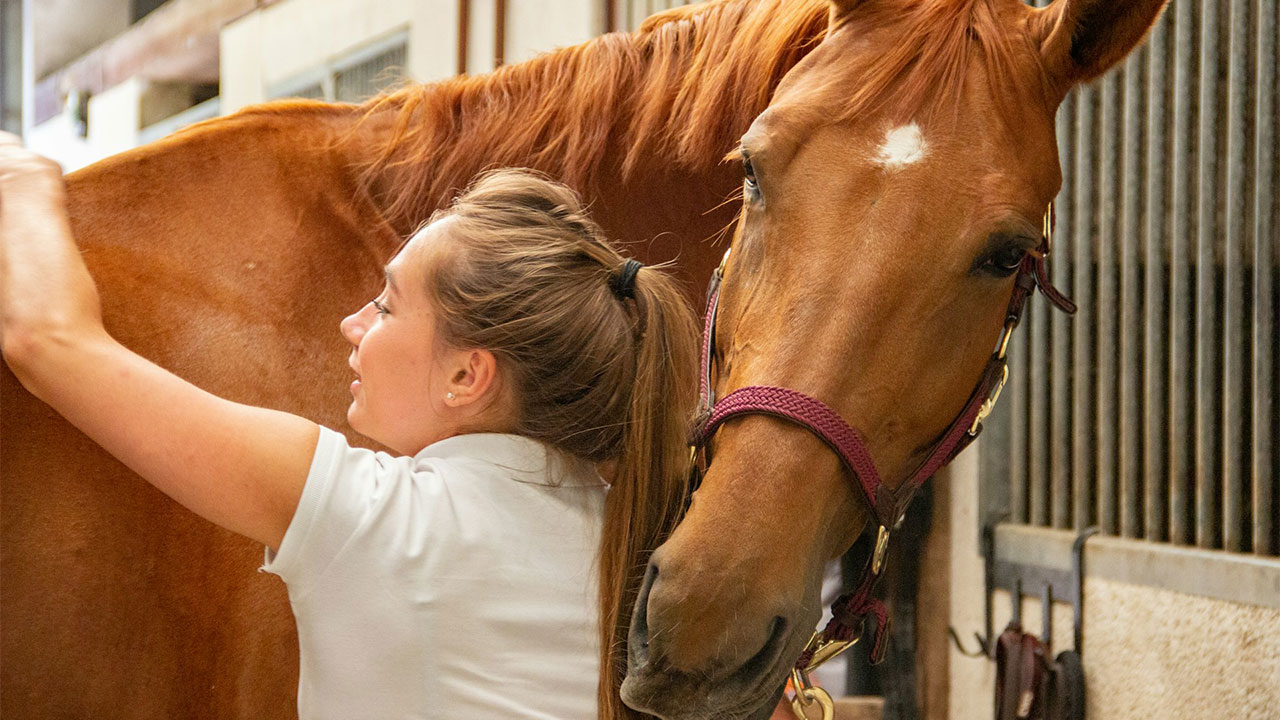
Horses are one of the clearest examples of an animal that feels safe on a lead until instinct wins. A well-trained horse can still spook, rear, bolt, shoulder into you, or rip a lead line straight through your hands when something triggers the prey brain. It does not have to be a dramatic event either. A tarp shifting, a dog barking, another horse moving off, a snake crossing, or pain from an unseen issue can be enough. Once the horse decides movement is survival, your opinion on the matter stops carrying much weight.
That is why experienced horse people respect lead handling so much. The animal can love you, trust you, and still flatten your foot, bust your hand, or drag you through the mud if panic hits. A lead rope is guidance, not a guarantee. People who get too casual around “bombproof” horses are usually the ones who learn this the hard way. No leash or lead changes the fact that you are connected to a prey animal that weighs several times what you do.
Llamas and alpacas
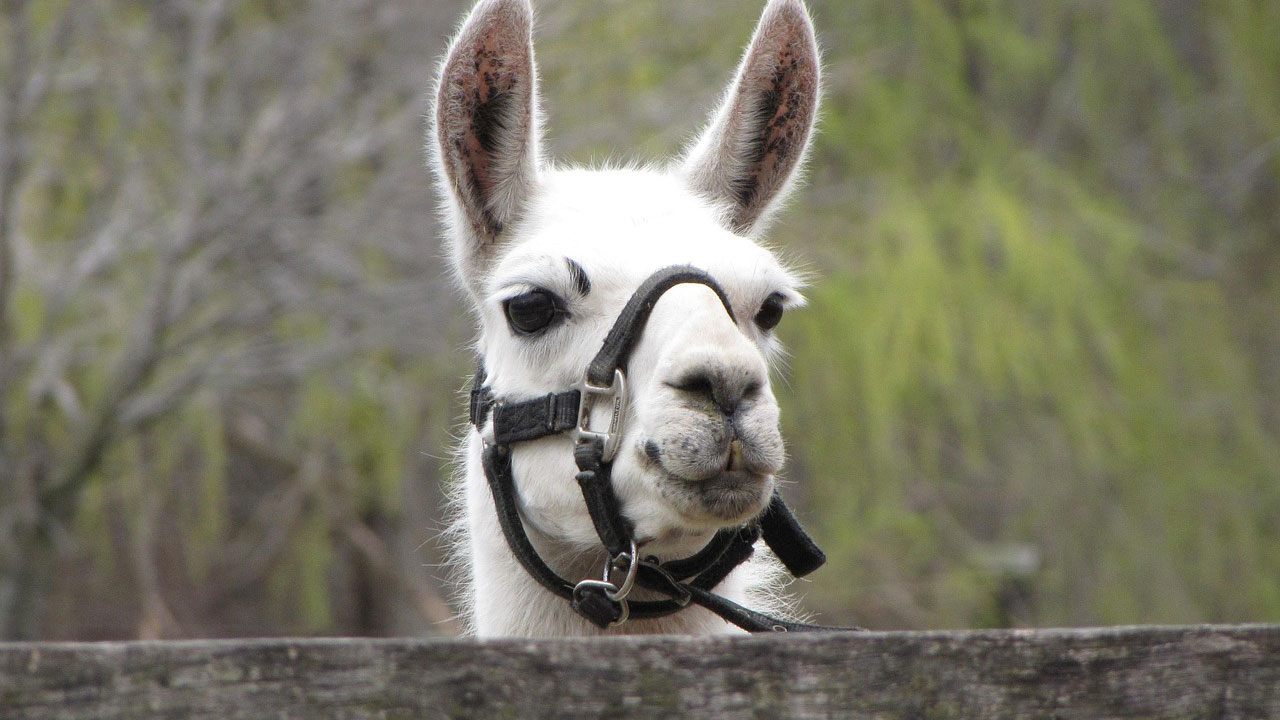
Llamas and alpacas look goofy enough that people forget they can be difficult, territorial, and surprisingly physical when they are stressed. A halter and lead can make them look easy to handle at events, small farms, or petting situations, but once they start resisting, spinning, kicking, or trying to get away, the whole thing changes fast. They do not move quite like goats or horses, which can make their reactions harder for inexperienced people to anticipate.
Spitting is the least of the problem. A panicked or angry llama can run through you, strike, or drag a handler off line in a hurry. These animals are also sensitive enough that bad handling creates more panic, which feeds the cycle fast. People often crowd them because they assume the lead means the animal is settled. Sometimes it is. Sometimes it is one weird sound away from reminding everyone that a leash does not erase prey instincts.
Pet pigs
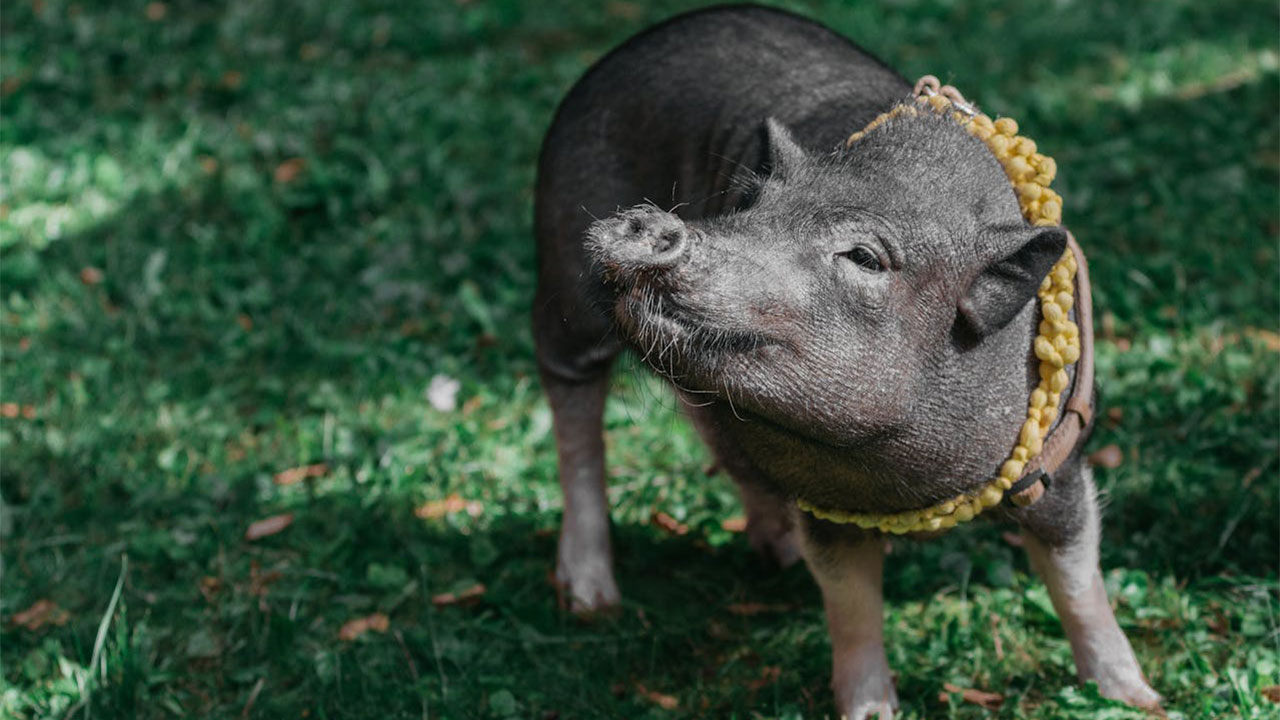
Pet pigs, especially the larger ones, can feel manageable on a harness until they decide they have had enough. Then the handler finds out how much force, stubbornness, and low-center-of-gravity leverage that animal is carrying. A pig does not need to run far to create a mess. It can lunge, brace, scream, spin, or drive into your legs with enough determination to make the whole setup fall apart in seconds. And if the harness is not fitted correctly, there is always the chance it slips free at the worst possible time.
They are also emotionally intense animals. Frustration, fear, overstimulation, and resource guarding can show up quickly, especially in unfamiliar places. Because people often think of pet pigs as quirky house companions, they forget how much physical animal is still in there. A leash helps until it becomes the thing both of you are fighting over. After that, it starts feeling a lot less like control and a lot more like negotiation with a battering ram.
Exotic pet reptiles
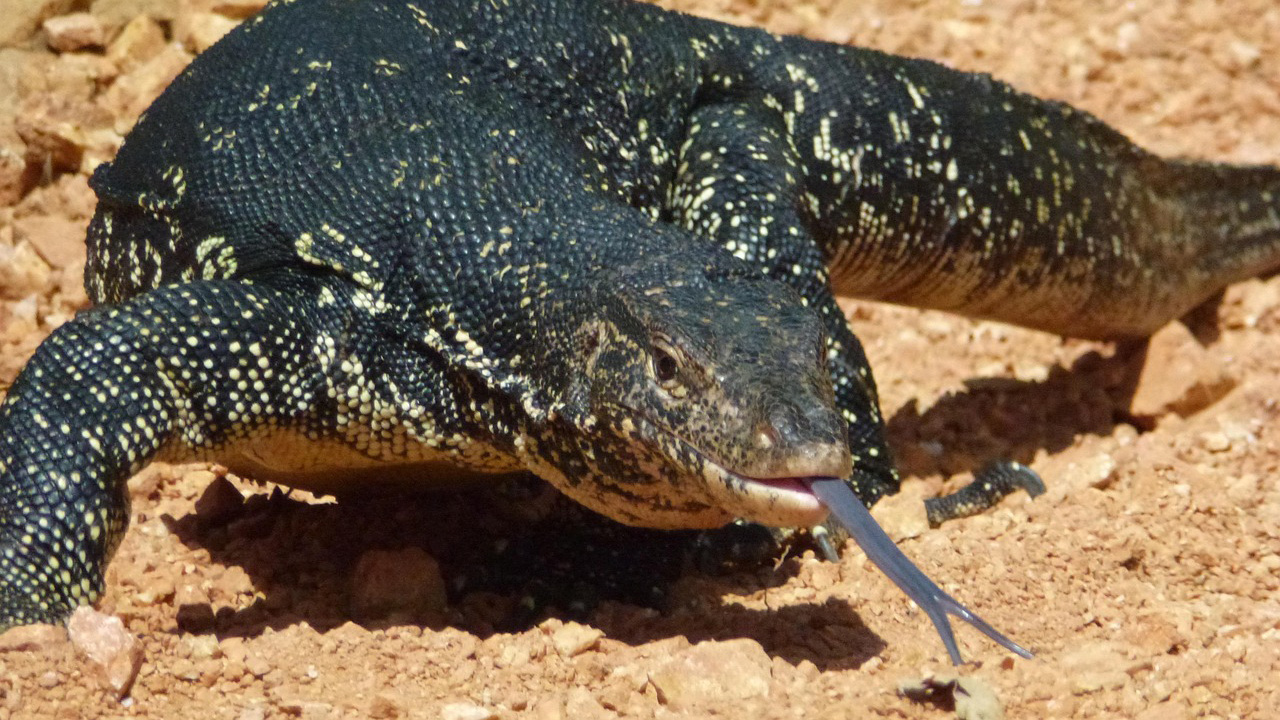
A big monitor lizard, large iguana, or other exotic reptile on a harness or leash can look almost calm enough to seem manageable. Then it gets stressed, spooked, overheated, overstimulated, or flat-out annoyed. Reptiles do not give mammal-style warning in the same way people expect, and that mismatch causes problems. A lizard that seemed relaxed a minute ago may suddenly whip, claw, bite, or run in a way that turns the leash into more of a hazard than a help.
Part of the issue is false confidence from novelty. People see somebody “walking” an exotic pet online and assume the animal is basically a scaled dog. It is not. A reptile on a leash is still a reptile, with all the unpredictability, body language differences, and handling limits that come with that. The gear may prevent total escape, but it does not mean the situation is under control in any meaningful way once the animal decides it is done cooperating.
Monkeys and small primates

Monkeys on leashes look almost comical until you remember that a primate can go from playful to aggressive in a blink. Even smaller monkeys have fast hands, sharp teeth, high intelligence, and a strong tendency to react badly to frustration, possessiveness, fear, or overstimulation. A leash does not remove any of that. In some ways it makes it worse, because now the animal is physically restrained while still fully capable of deciding it hates what is happening.
That is why primates are such a bad fit for casual handling in the first place. People see clothing, diapers, little harnesses, and social media clips and forget they are dealing with an animal that can bite deeply, scratch hard, and redirect on the nearest human when tension rises. “But it’s on a leash” does not mean much once the animal’s mood turns. At that point, the leash simply keeps the problem within arm’s reach.
Domestic cats in harnesses
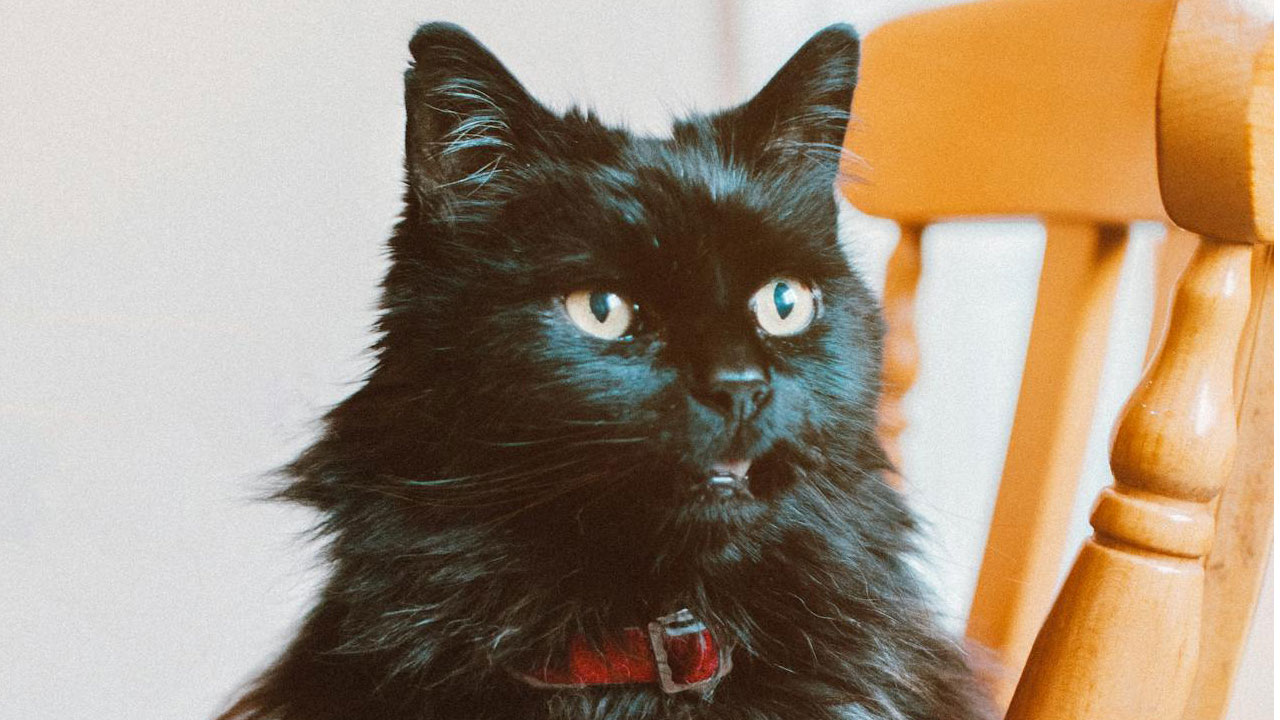
Harness-trained cats can do great on walks, but they are another classic example of “fine until suddenly not.” A cat may be curious and calm right up until a dog appears, a loud engine fires up, a child grabs wrong, or the cat decides it feels trapped instead of adventurous. Then the flailing, twisting, clawing, and escape attempts begin. People who are used to dogs assume they can just guide the animal through that moment. Cats usually have other plans.
The danger is less about the cat overpowering you and more about the chaos. A panicked cat can climb you like a tree, shred hands and arms, slip a harness, or launch into the road in one violent burst. Because the whole thing happens quickly and close to the handler’s body, it is easy to get badly scratched or bitten before anybody reestablishes control. A harness can give a cat freedom. It can also give the owner more confidence than the situation really deserves.
Like The Avid Outdoorsman’s content? Subscribe to our newsletter so you never miss an article.
Here’s more from us: