
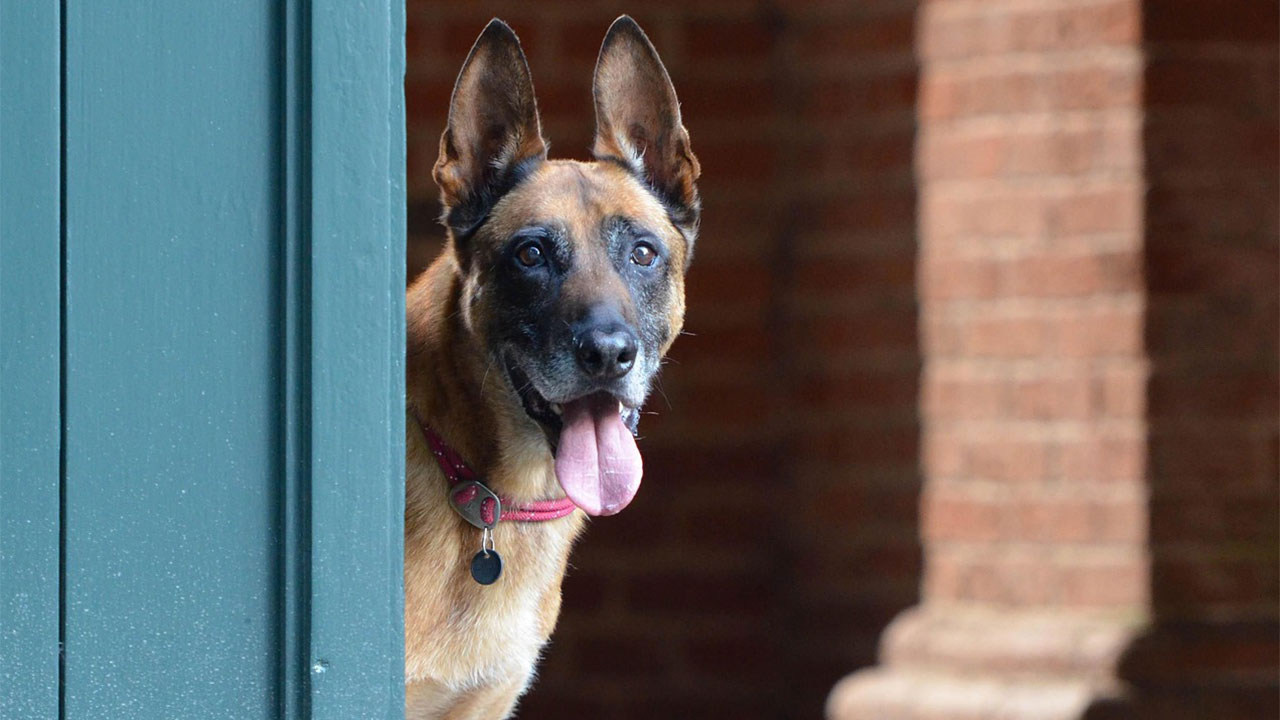
Photo credit: Pixabay/Pixabay.com
Not every loyal dog shows loyalty the same way. Some love the whole household equally and spread the attention around. Others clearly pick their person and stick close, watch everything, and act like they were assigned a full-time job. AKC notes that some dogs become “Velcro dogs” that want to stay attached to their humans, and it also notes that dogs can naturally prefer one person based on temperament, bonding, and daily interaction.
That matters because a one-person dog can be amazing in the right setup and a bad mismatch in the wrong one. Deep loyalty often comes with protectiveness, clinginess, suspicion of strangers, or a strong need for structure. So this is not a list of the “best” dogs overall. It is a list of breeds that often make their loyalty obvious and, in a lot of cases, let you know pretty clearly who their favorite human is.
Belgian Malinois
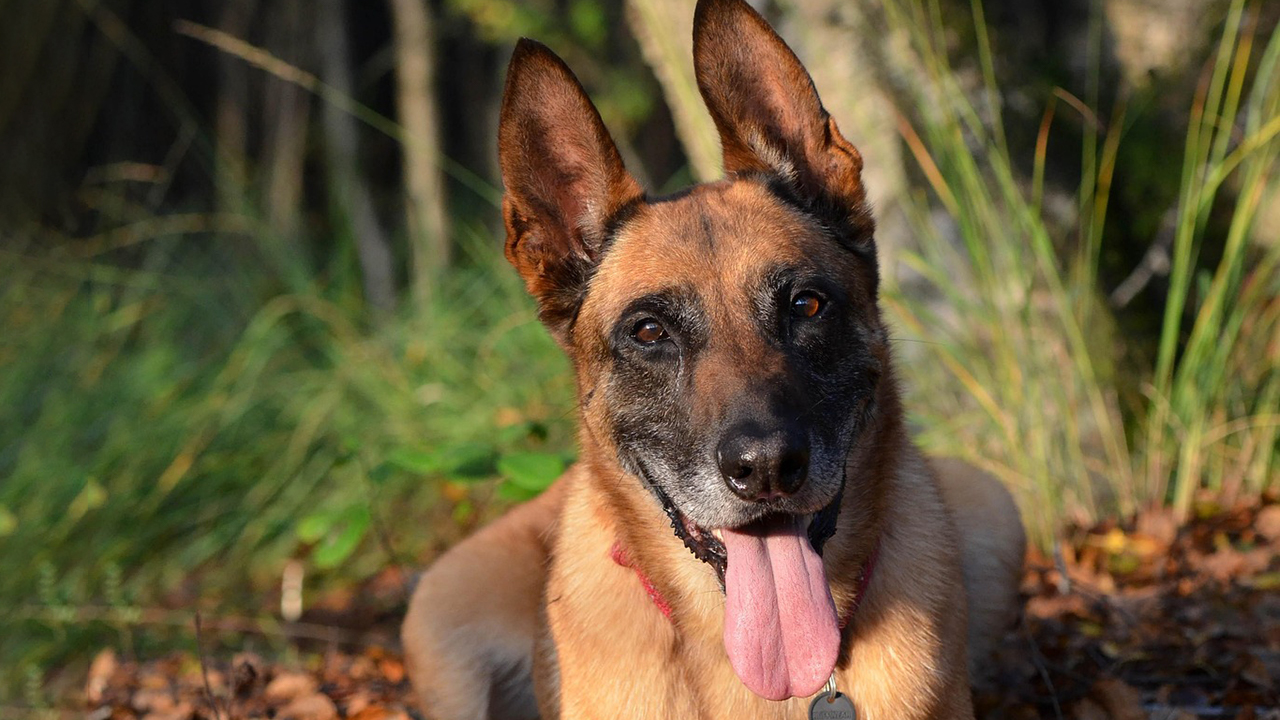
The Belgian Malinois is one of the clearest examples of a dog that does not do half-hearted bonding. AKC says the breed “forges an unbreakable bond with his human partner,” which is about as strong a description as you can ask for. That helps explain why the Malinois is so respected in working roles where close handler focus matters. It is not just loyal in a broad family sense. It often locks in hard on the person doing life and work with it every day.
That same intensity is exactly why this breed can be too much dog for the wrong owner. A Malinois that bonds hard usually wants constant engagement, structure, and purpose. If it gets that, the loyalty can be unbelievable. If it does not, that intensity can turn into frustration and behavior problems fast. This is a right-hand-dog kind of breed, and it tends to make that obvious every single day.
Akita

AKC describes the Akita as famous for dignity, courage, and loyalty, and also notes that in Japan the breed is venerated as a family protector. That background fits the breed’s reputation well. Akitas often bond very deeply with their own people while staying reserved or guarded with outsiders. They do not usually feel like dogs trying to charm every room they enter. They tend to act like they already know exactly who matters to them.
That is a big reason people who love Akitas really love them. The bond often feels serious, steady, and deliberate rather than playful and social with everybody. But that also means this is not the breed for someone who wants a dog that instantly warms up to every guest, neighbor, or stranger at the park. Akitas often make loyalty obvious by being selective, and that selectiveness is part of the whole package.
German Shepherd

AKC describes the German Shepherd as loyal, confident, courageous, and steady, and those traits are a big part of why the breed ends up so closely tied to its person. A good German Shepherd usually pays attention in a way that feels different from a more easygoing pet breed. It watches, tracks, and reads what is happening around the handler, which is a big reason so many people feel like the dog is constantly tuned in to them.
That does not always mean a German Shepherd ignores the rest of the family. A lot of them are excellent family dogs. But as a breed, they have a strong tendency to form especially close working-style bonds with one person, especially the one giving direction and structure. That is part of what makes them so dependable and also why they can become anxious, overprotective, or difficult if they are badly bred, poorly socialized, or left without enough to do.
Doberman Pinscher
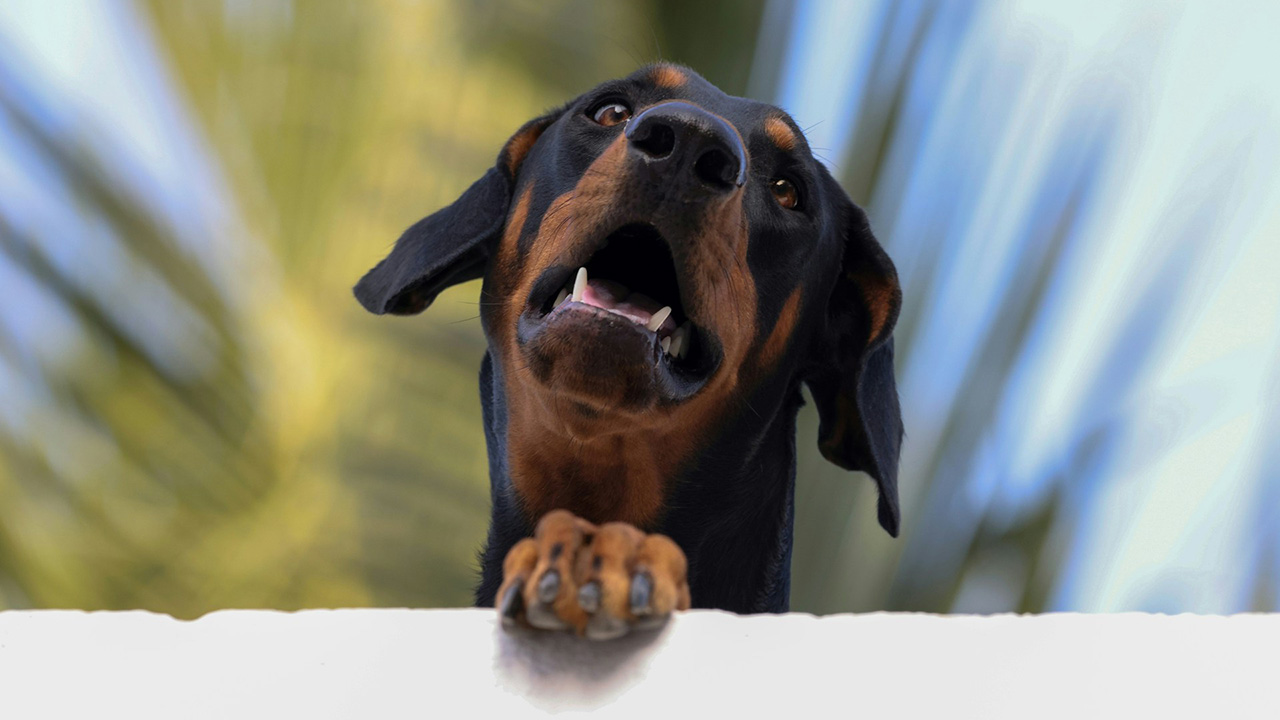
The Doberman is another breed where loyalty tends to look intense instead of casual. AKC describes the breed as fearless and vigilant, and AKC’s training guidance says today’s Doberman is courageous, loyal, and vigilant while also being an excellent companion. That is a strong combination for one-person attachment because the breed is wired to pay attention, stay close, and take its relationship with its human seriously.
A Doberman often makes its loyalty obvious through awareness. It notices who belongs, who does not, and where its person is at all times. That can be a great trait in the right home, but it also means a Doberman is not usually at its best with vague boundaries or lazy ownership. When this breed bonds, the bond is rarely subtle. It shows up in closeness, alertness, and a strong instinct to stay engaged with its chosen people.
Chihuahua
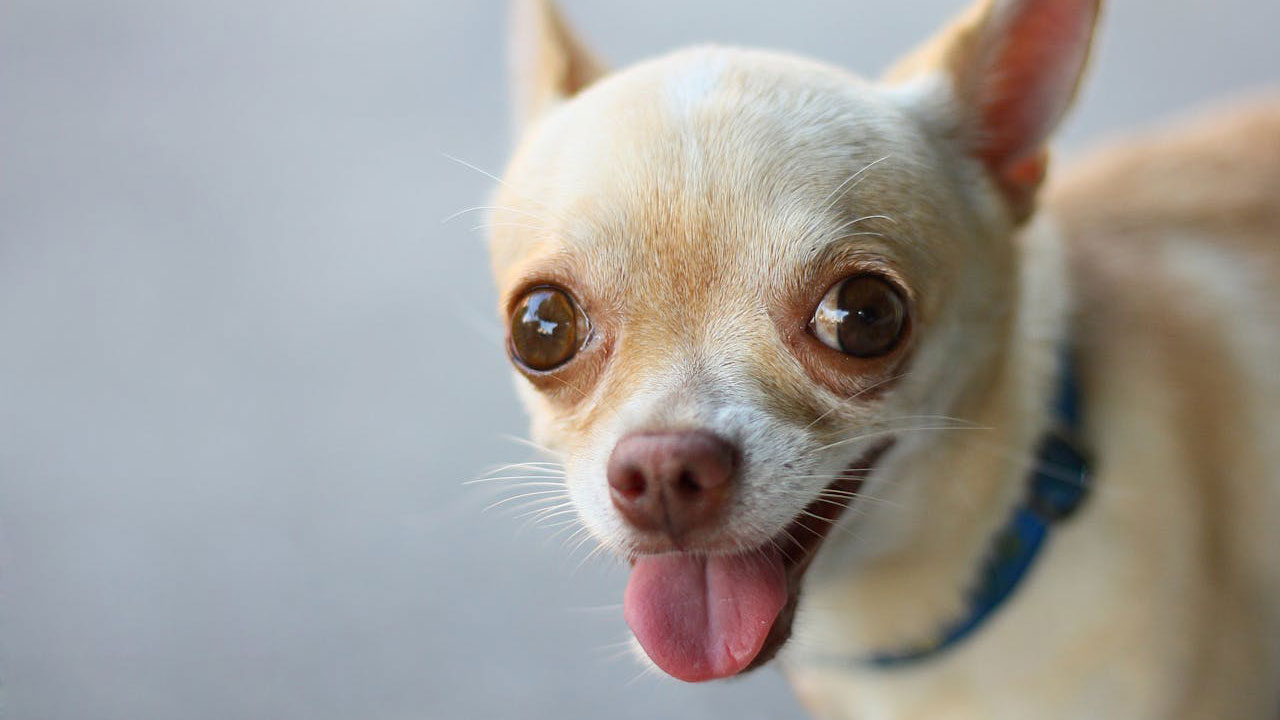
A lot of people forget Chihuahuas when talking about one-person dogs, but they absolutely belong here. AKC says Chihuahuas possess loyalty, charm, and a big-dog attitude, and the breed has a long reputation for strongly attaching to one favorite person. They may be tiny, but their loyalty is not small, and neither is their opinion about who they trust most.
That is part of why Chihuahua owners tend to be so devoted to them. These dogs often act like they have picked their person and would prefer everybody else respect that arrangement. They can be affectionate, funny, and deeply attached, but they are not always socially generous with strangers or even with everyone in the house. A Chihuahua that bonds hard can make that preference plain in a hurry.
Shiba Inu

The Shiba Inu has an independent streak, but that does not mean it lacks loyalty. AKC’s breed standard says the Shiba can be reserved toward strangers but is loyal and affectionate to those who earn its respect. That wording fits this list really well because Shibas are not usually indiscriminately affectionate dogs. Their bond often feels earned, selective, and pretty obvious once it is there.
What makes a Shiba different from some other breeds here is that the loyalty may not look clingy. It often looks more self-possessed than that. AKC also notes that Shibas can be aloof and wary of strangers, which reinforces the idea that they tend to choose their circle carefully. When a Shiba clearly prefers one person, the attachment may not be overly dramatic, but the preference is usually there.
Dachshund

Dachshunds are often funny, bold little characters, but they are also very people-oriented. AKC says they thrive on human interaction and would not fare well as outdoor dogs, which tells you a lot right away. A breed that needs that much human closeness can easily end up forming especially deep loyalty to the person it spends the most time with.
What makes the Dachshund such a classic one-person dog is the combination of attachment and attitude. They are small enough to stay close constantly and opinionated enough to make preferences obvious. A lot of Dachshunds adore their whole family, but it is also very common for them to choose one person as the center of their universe. Once that happens, everybody in the house usually knows it.
Australian Cattle Dog
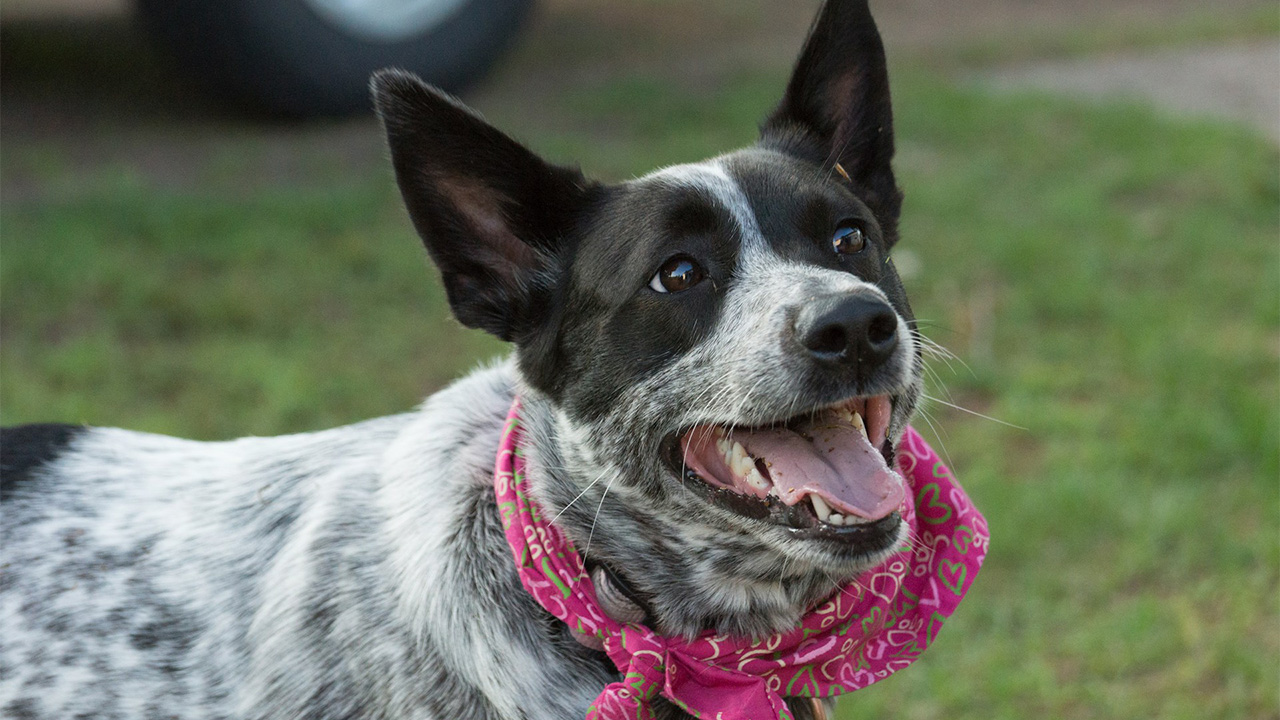
The Australian Cattle Dog is a working breed, and working breeds often form strong bonds with the person they see as their partner. AKC’s breed-standard material notes that a suspicious or warning look around strangers is characteristic, which lines up with the breed’s reputation for being alert, serious, and not overly impressed by everybody they meet.
That sort of temperament often goes hand in hand with one-person loyalty. Australian Cattle Dogs are not generally built to drift through life making friends with the entire neighborhood. They like purpose, consistency, and a strong relationship with the person handling them. When they attach, they tend to be very tuned in and very obvious about where their loyalty sits. It is one of the reasons people who click with the breed become fierce fans of it.
Basenji
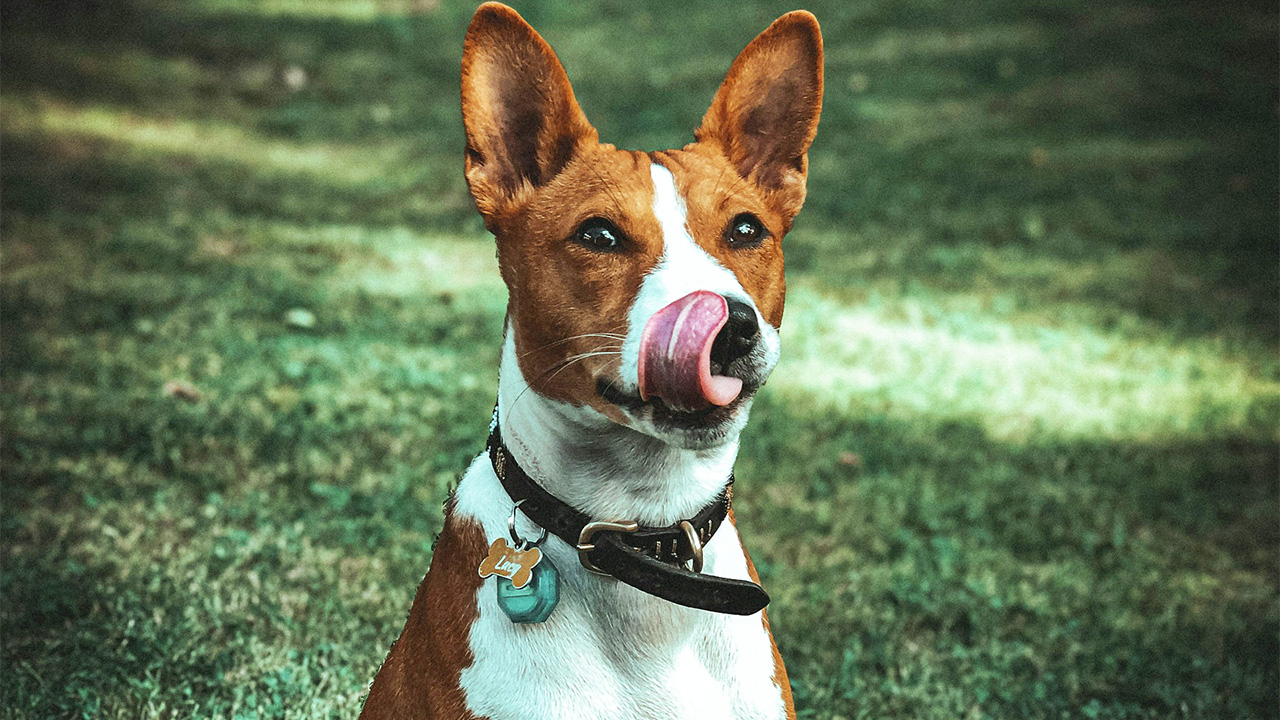
Basenjis are not usually clingy in the way some other loyal breeds are, but they still fit this list because they are often reserved with strangers and selective in affection. AKC’s breed page shows the Basenji as reserved rather than open with strangers, and selective dogs often end up showing very clear preference for their chosen people.
That does not mean every Basenji becomes a shadow dog. It means their loyalty can feel more exclusive than generous. They are known for being intelligent, independent, and not always eager to hand out affection freely. So when a Basenji decides somebody is its person, that bond can feel especially meaningful because it is not given away casually. The breed’s reserve is part of what makes that attachment stand out.
Rottweiler
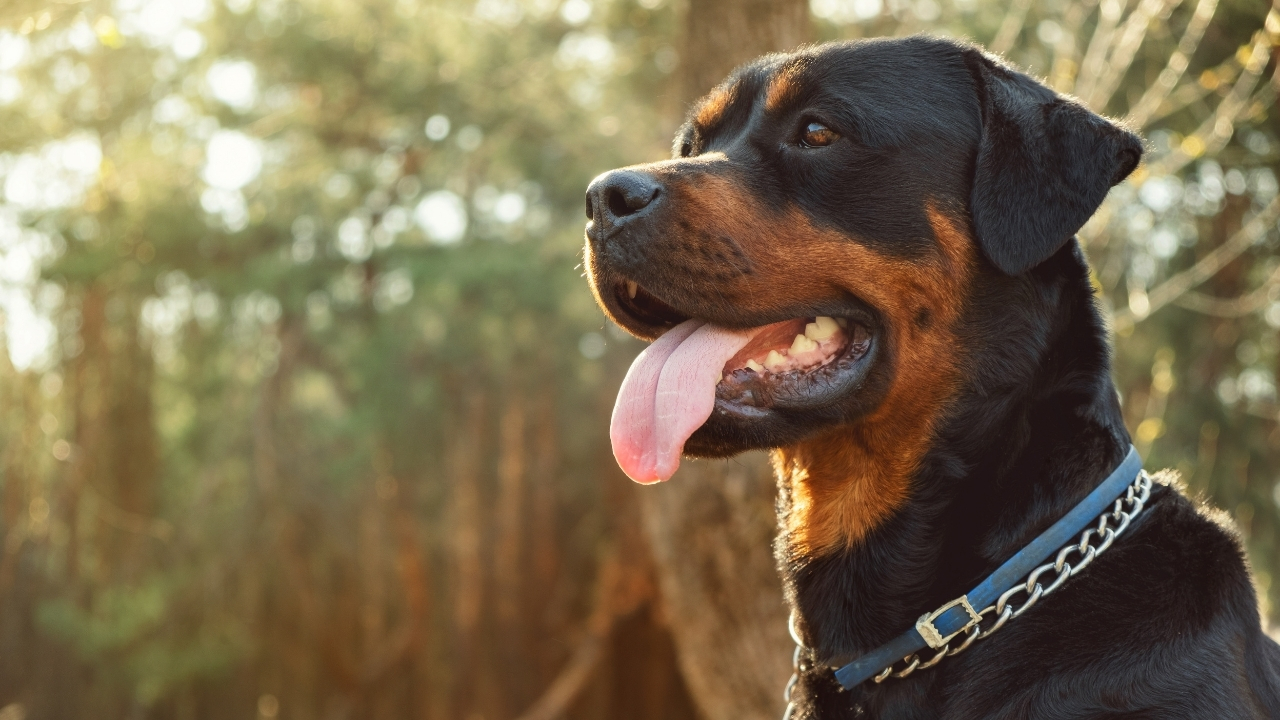
Rottweilers are usually thought of as family protectors first, but they also commonly form especially strong ties with one central person in the household. AKC’s guard-dog guidance describes guardian breeds as loyal, fearless, strong, and watchful, and that description fits the Rottweiler type very well. These are dogs that tend to pay close attention to their people and their environment rather than bouncing through life socially with everybody.
A Rottweiler’s loyalty often looks calm and deliberate instead of frantic. It may not act needy, but it usually knows exactly where its person is and what is going on around them. That serious style is a big reason the breed can feel so dependable in the right home. It also means the bond can become a lot if the dog lacks structure, training, or socialization. With a good owner, though, Rottweilers make their loyalty plain.
Miniature Pinscher
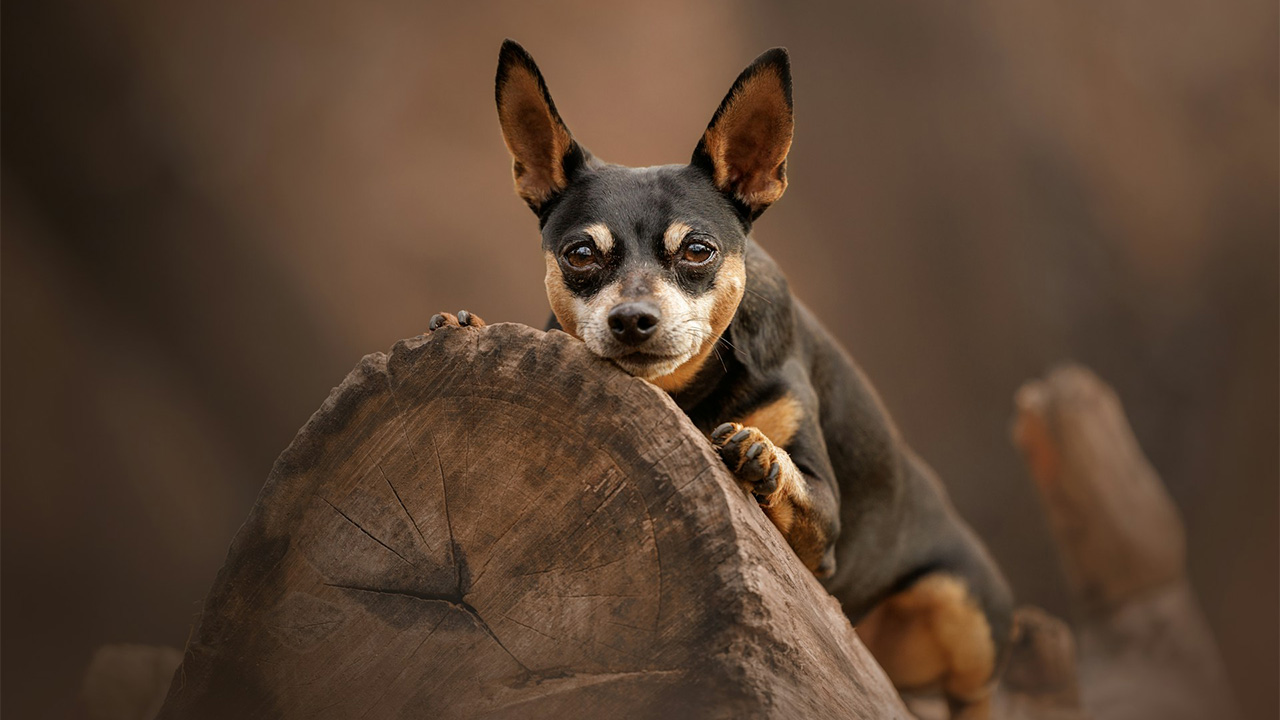
Miniature Pinschers do not always get included in loyalty conversations, but they should. AKC notes that Min Pins are known for loyalty and love for their families and can be highly affectionate with people they know well. That combination of loyalty plus confidence is exactly why they often end up acting much bigger than they are.
They also tend to have a strong sense of personal importance, which sounds funny until you live with one. A Min Pin that bonds to one person will often keep tabs on that person constantly and behave like a full-time supervisor in a tiny body. They are not always soft, mellow lap dogs. They are often proud, lively, and very sure about who their people are. That makes their loyalty hard to miss.
Belgian Tervuren
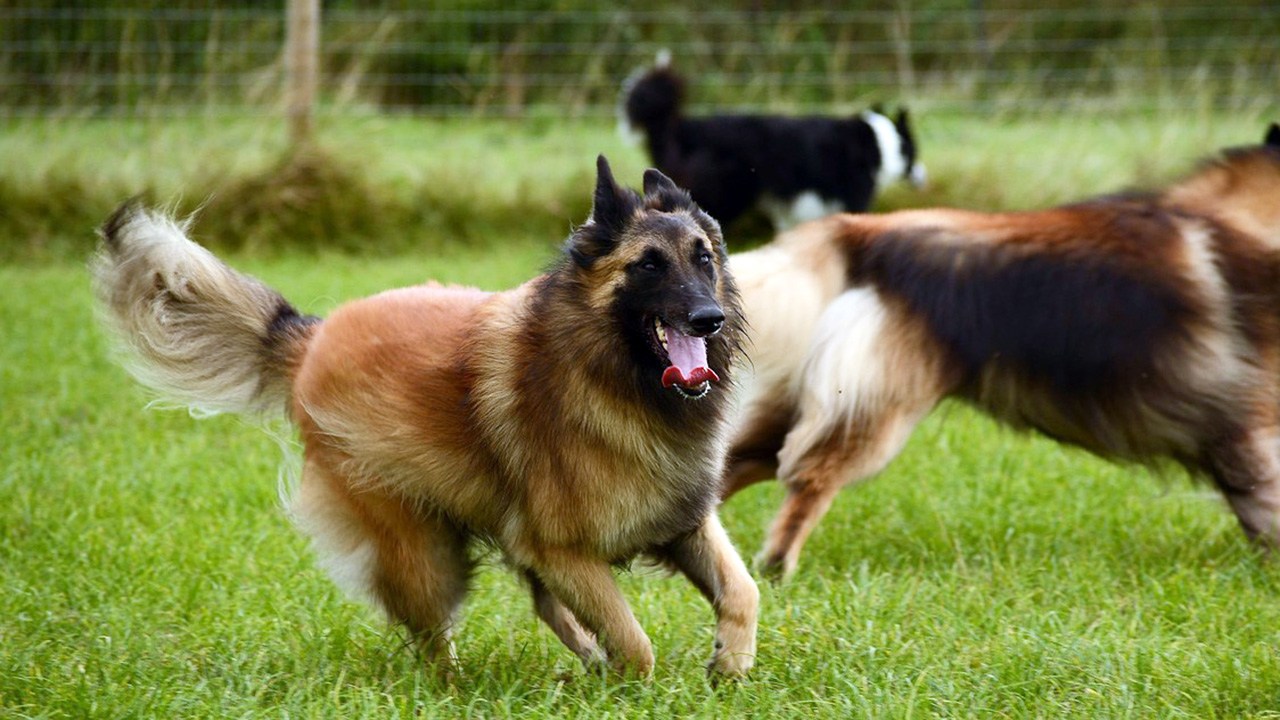
The Belgian Tervuren often flies under the radar compared with the Malinois, but it shares that same general herding-breed tendency to form close, intense bonds. AKC’s breed page describes the Tervuren as bright, alert, and devoted. “Devoted” is doing a lot of work there, because this is not usually a breed known for casual, low-investment companionship. These dogs tend to care deeply about their person and their job.
That devotion can be fantastic in an active, structured home. It can also become too much if the dog is left underworked or emotionally adrift. Tervurens often want involvement, not just presence. They like having a real relationship with their handler, and when that relationship clicks, the dog usually makes it obvious through attentiveness, closeness, and a strong desire to stay engaged.
Great Pyrenees

The Great Pyrenees is usually more of a steady guardian than a clingy shadow, but the loyalty runs deep. AKC’s working-dog guidance describes these breeds as watchful and alert, and that really fits the Pyr’s guardian background. This is a dog that often forms a strong sense of responsibility toward its people and property, even if it does not always show affection in an over-the-top way.
What makes the Pyr fit this list is the seriousness of the bond rather than overt neediness. A Great Pyrenees may not act like a Chihuahua or Malinois, but it often makes loyalty obvious by quietly tracking the people it believes it is responsible for. That can look calm from the outside, but it is still a very real, very deep attachment. In guardian breeds, loyalty often shows up as watchfulness more than cuddling.
Rhodesian Ridgeback

AKC has described the Rhodesian Ridgeback as reserved with strangers and very affectionate toward family, with deep loyalty to its owner. That is a strong fit for this list because reserved breeds often make favoritism much more visible. They are not trying to win everybody over, so when they care about someone, the contrast shows.
Ridgebacks also tend to carry themselves with a certain self-possession that makes their loyalty feel more intentional. They are not typically frantic about affection, but many of them are deeply tied to their person and very aware of where that person is. That combination of reserve and attachment is a big reason the breed earns such strong loyalty back from owners who understand it.
Pekingese
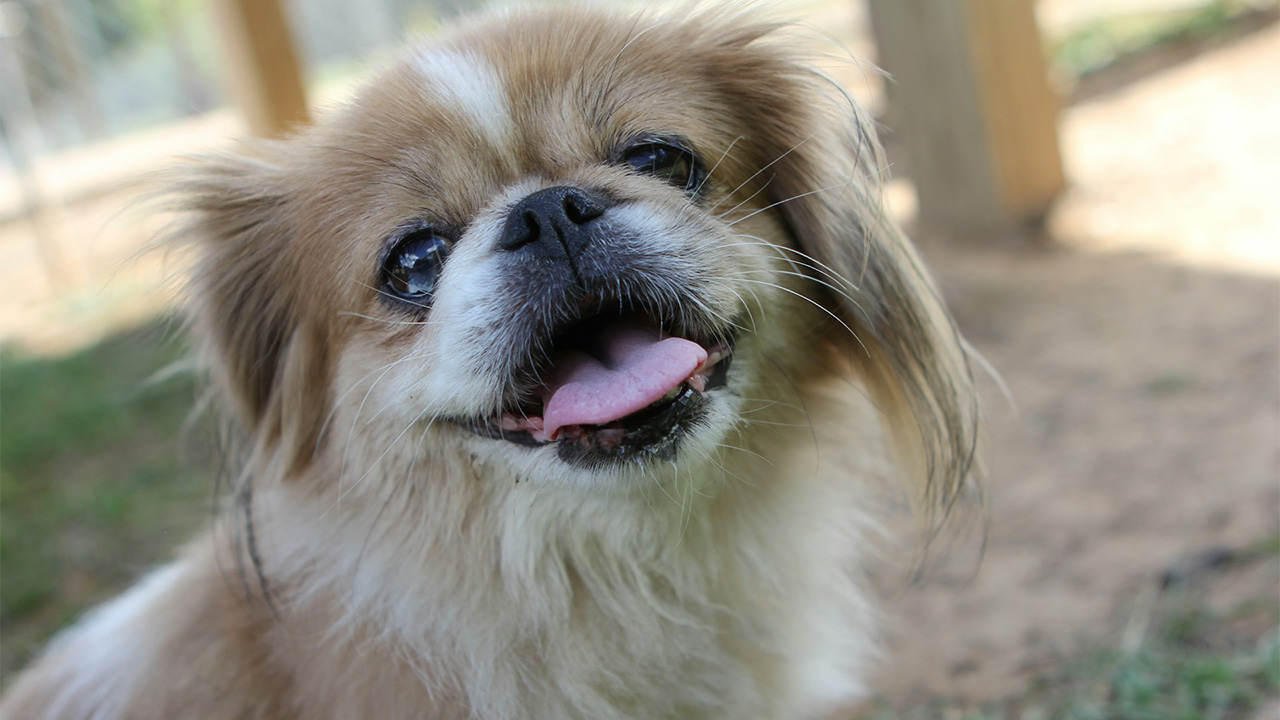
AKC’s calm-breed guidance says that for those who earn the respect of the loyal Pekingese, the breed can be calm, affectionate, and kind. That “earn the respect” part is the piece that matters here. Pekingese are not usually democratic little dogs. They can be selective, opinionated, and very clear about who gets full access to their softer side.
That is why they so often develop a favorite person relationship. A Pekingese may tolerate several people and absolutely adore one. And because the breed tends to be self-contained and somewhat regal in temperament, the preference stands out more when it happens. This is not a breed that generally pours itself all over everybody. When it bonds deeply, it makes that bond feel special and very specific.
Like The Avid Outdoorsman’s content? Subscribe to our newsletter so you never miss an article.
Here’s more from us:


