Photo credit: TFB TV/YouTube
Every major gunmaker has had a few hits that defined their reputation—and a few misses that left loyal fans scratching their heads. Sometimes it’s a bad design choice, sometimes it’s cost-cutting, and sometimes it’s trying to fix what wasn’t broken. When trusted names release rifles or pistols that fall short of their own standards, shooters notice fast. These are the guns that carried famous names but stumbled in execution. They remind you that no brand is immune to a flop and that legacy alone doesn’t guarantee performance once the shooting starts.
Remington Model 710

The Remington name carried weight for decades, but the 710 showed how far a brand could drift. Designed as a budget-friendly hunting rifle, it looked the part with a synthetic stock and pre-mounted scope, but performance told a different story. The bolt felt rough, accuracy was inconsistent, and the plastic receiver insert became infamous for failures.
It was supposed to be a modern, affordable option for new hunters. Instead, it damaged Remington’s image and became a cautionary tale. Many 710s ended up sitting in closets after a few frustrating seasons. For a company known for reliable workhorses like the Model 700, this one fell embarrassingly short.
Colt All-American 2000
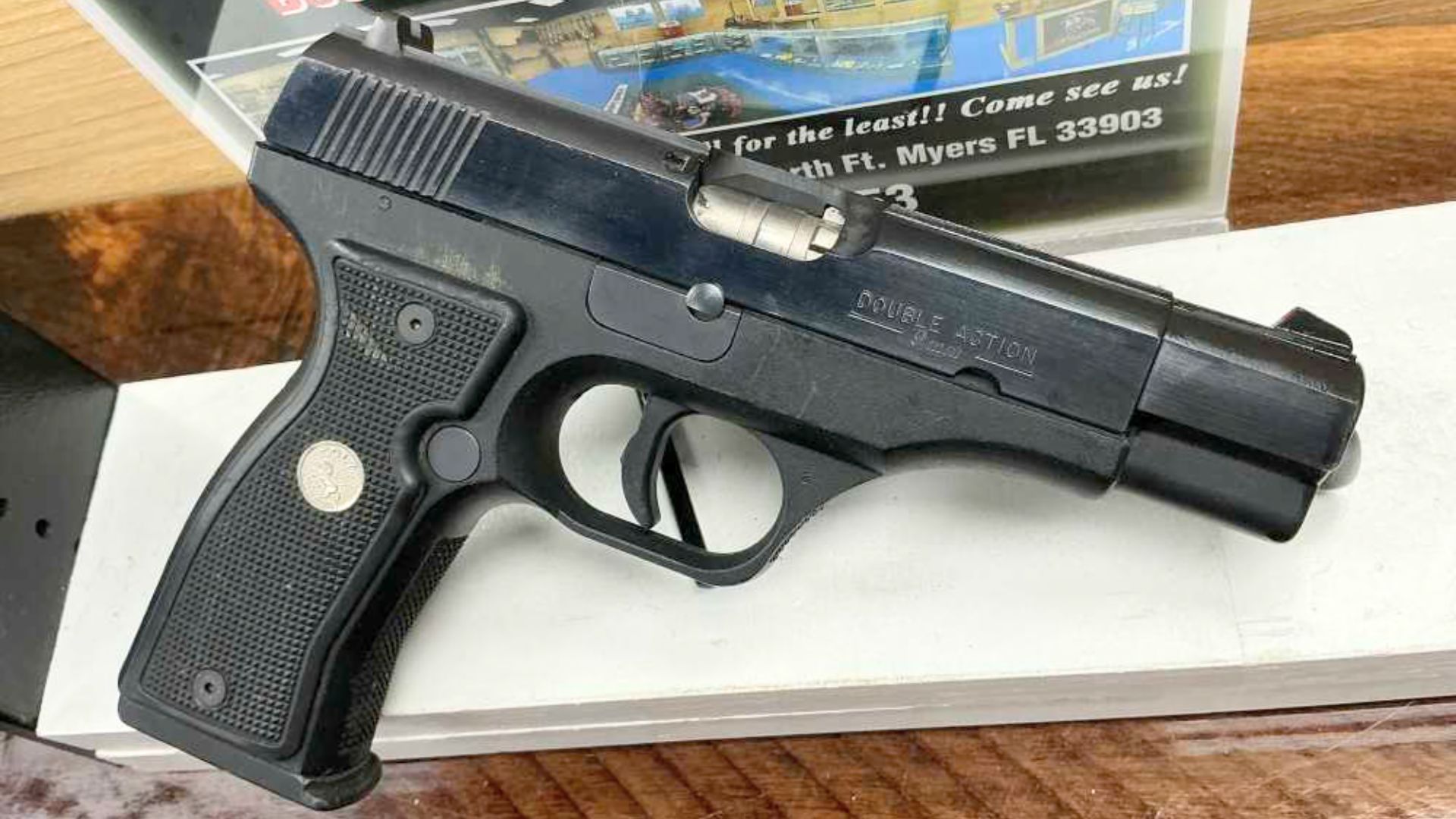
Colt tried to step into the polymer pistol market with the All-American 2000, but the results were anything but patriotic. It had a futuristic look and promised modern ergonomics, yet the trigger was heavy, the reliability spotty, and accuracy inconsistent. The rotary-barrel action was clever on paper but never smooth in practice.
Colt’s attempt to compete with Glock and SIG backfired. The pistol earned a reputation for malfunctions and awkward handling. Fans expected Colt quality and got something that felt rushed and unfinished. It remains one of the most disappointing handguns ever to wear the Colt name.
Winchester 1400
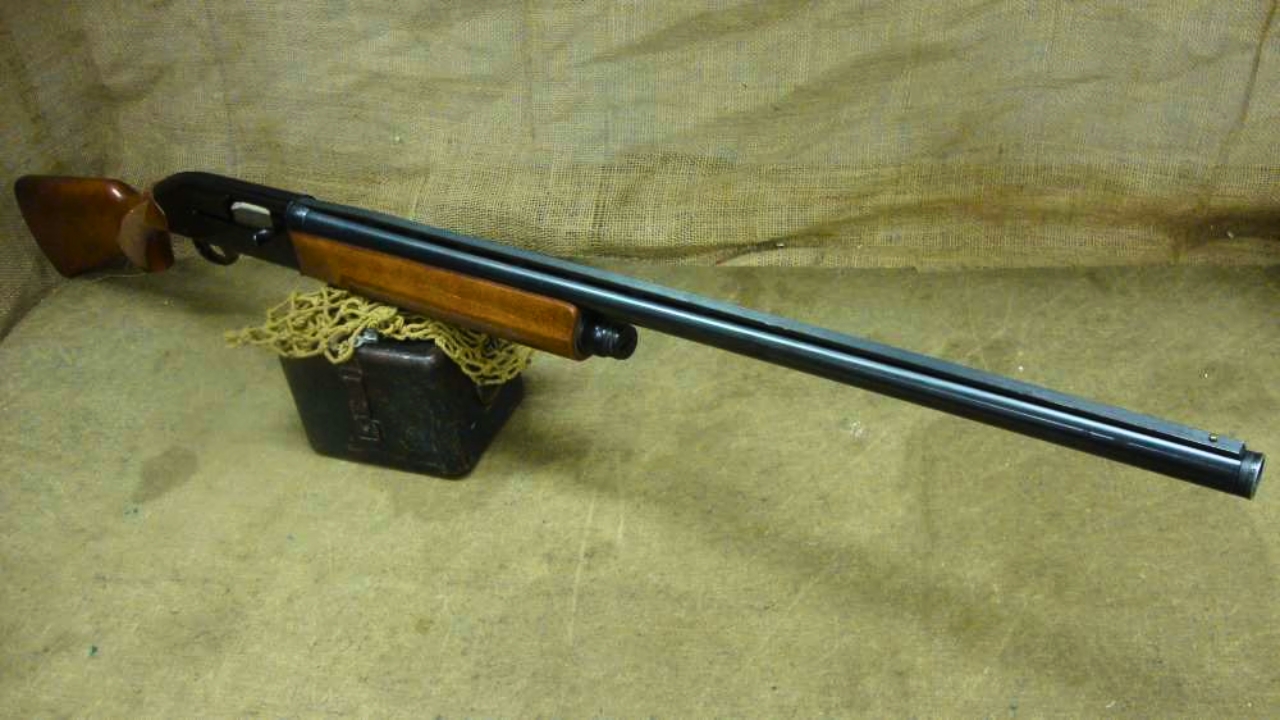
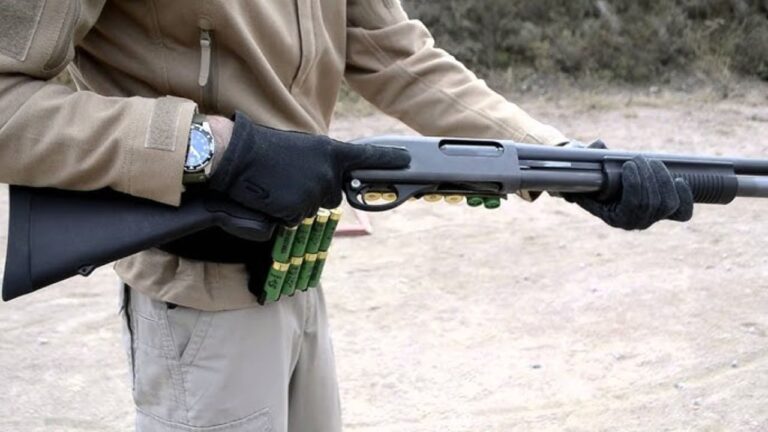
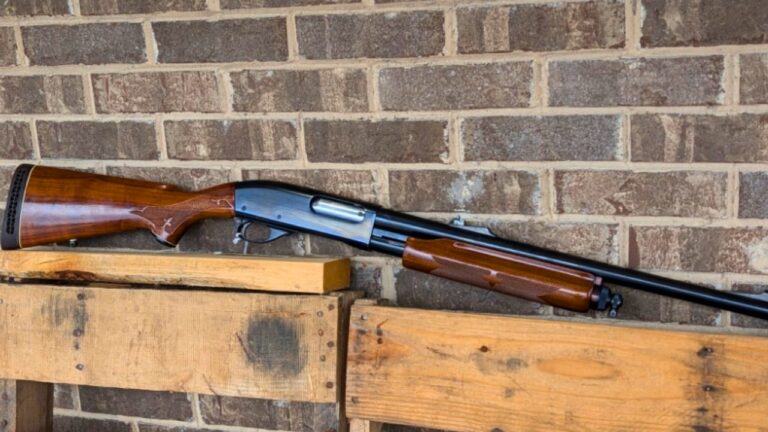
The Winchester 1400 looked like a dependable semi-auto shotgun from a legendary brand, but looks were deceiving. It suffered from cycling issues, particularly when dirty, and the alloy receiver wore out quickly with use. Shooters who expected Model 12 reliability were met with frustration.
It functioned fine when clean, but field guns don’t stay clean for long. The 1400 became a lesson in how shortcuts can tarnish a reputation. Winchester learned from it, but the 1400 still sits in history as a misstep from a company that usually got it right.
Ruger SR-556
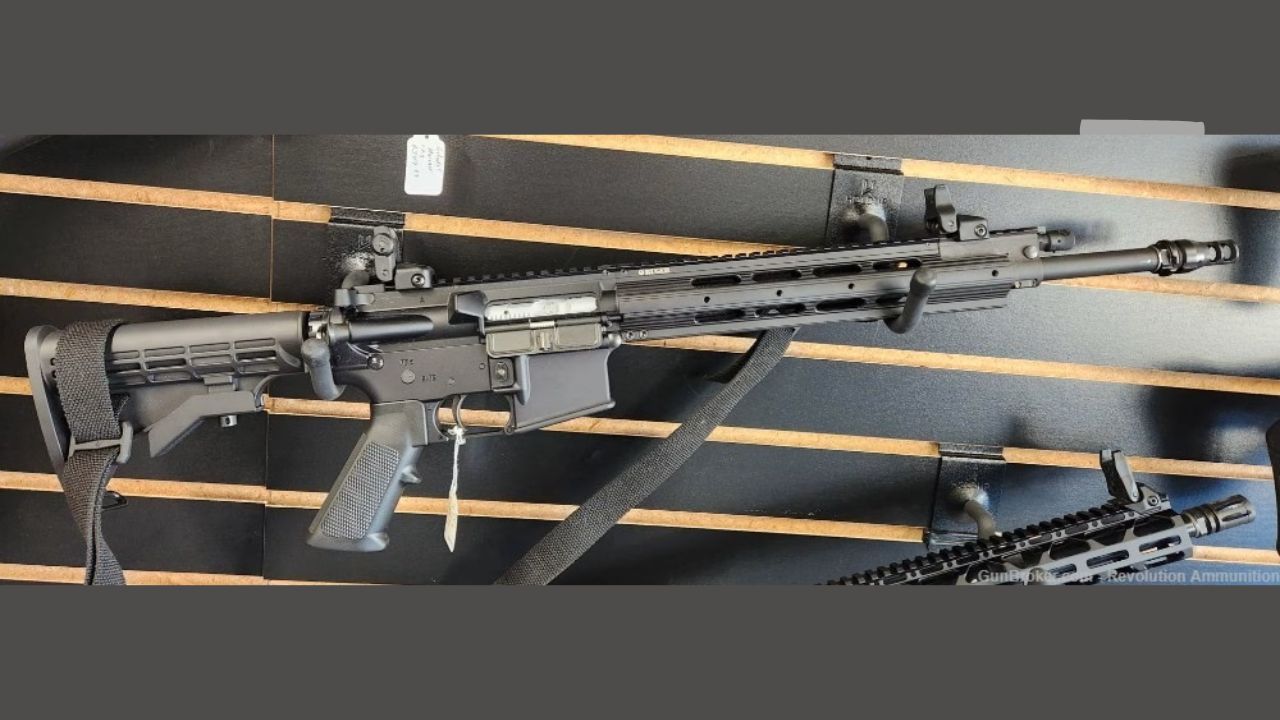
When Ruger entered the AR market, everyone expected a reliable, no-nonsense rifle. Instead, the SR-556 arrived overweight, overpriced, and overcomplicated. The piston system added cost and bulk without offering a clear advantage over simpler direct-impingement designs.
Accuracy was fine, but the handling felt clunky, and maintenance was a chore. Ruger fans who expected rugged simplicity found themselves wishing for less “engineering.” It’s proof that even a brand known for practicality can miss when it overthinks what shooters really want.
Browning BPR Pump Rifle
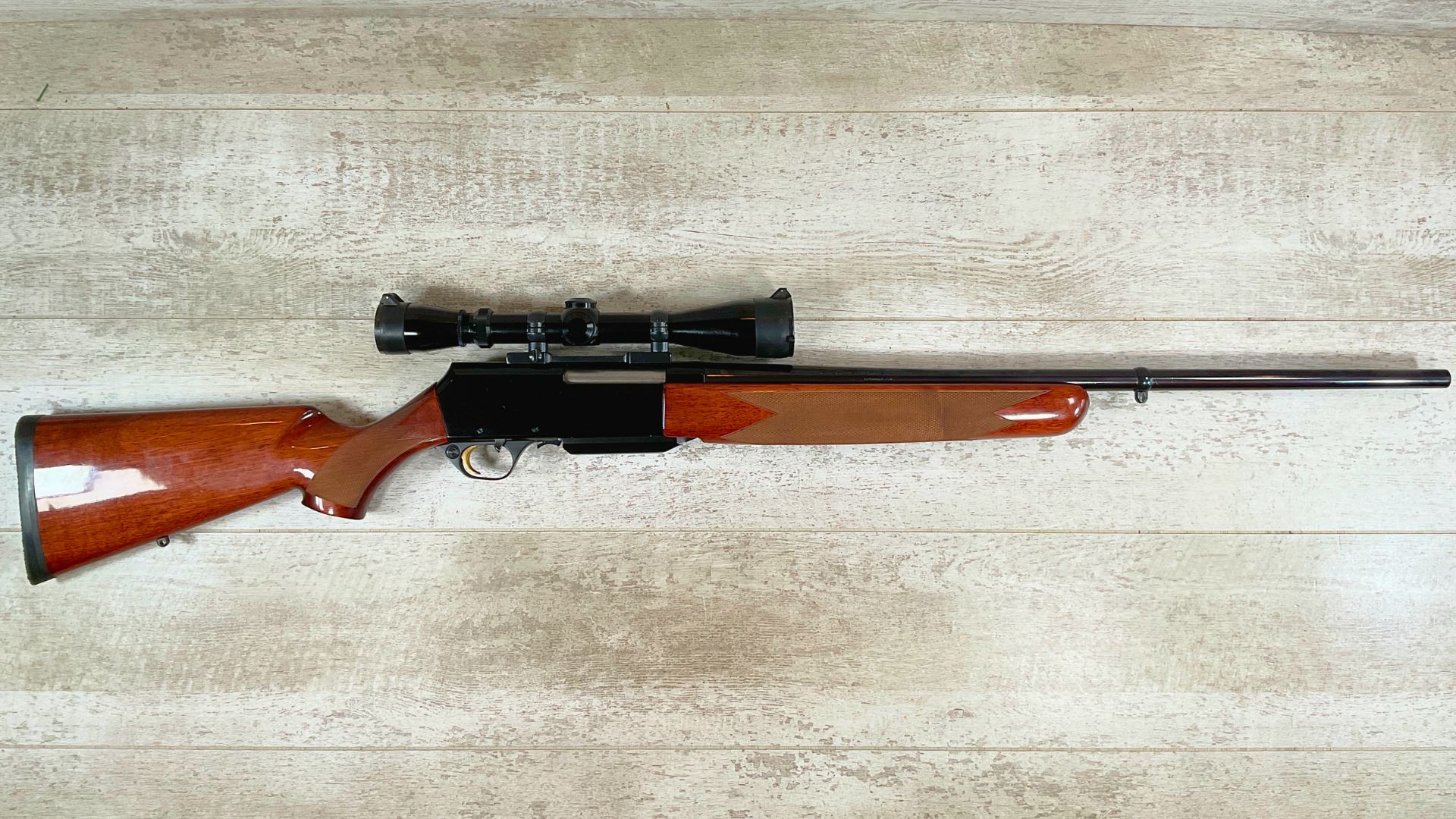
The Browning BPR should’ve been a hit—a pump-action centerfire rifle from one of the most respected names in firearms. But it quickly gained a reputation for feeding problems and fragile internals. The design felt more delicate than durable, especially for something meant for the woods.
Many owners complained of jams and wear after minimal use. It looked sleek, and the Browning name promised quality, but it couldn’t handle the punishment that pump-action shooters expected. It’s a rare case where Browning tried to innovate and wound up disappointing their core audience.
Smith & Wesson Sigma
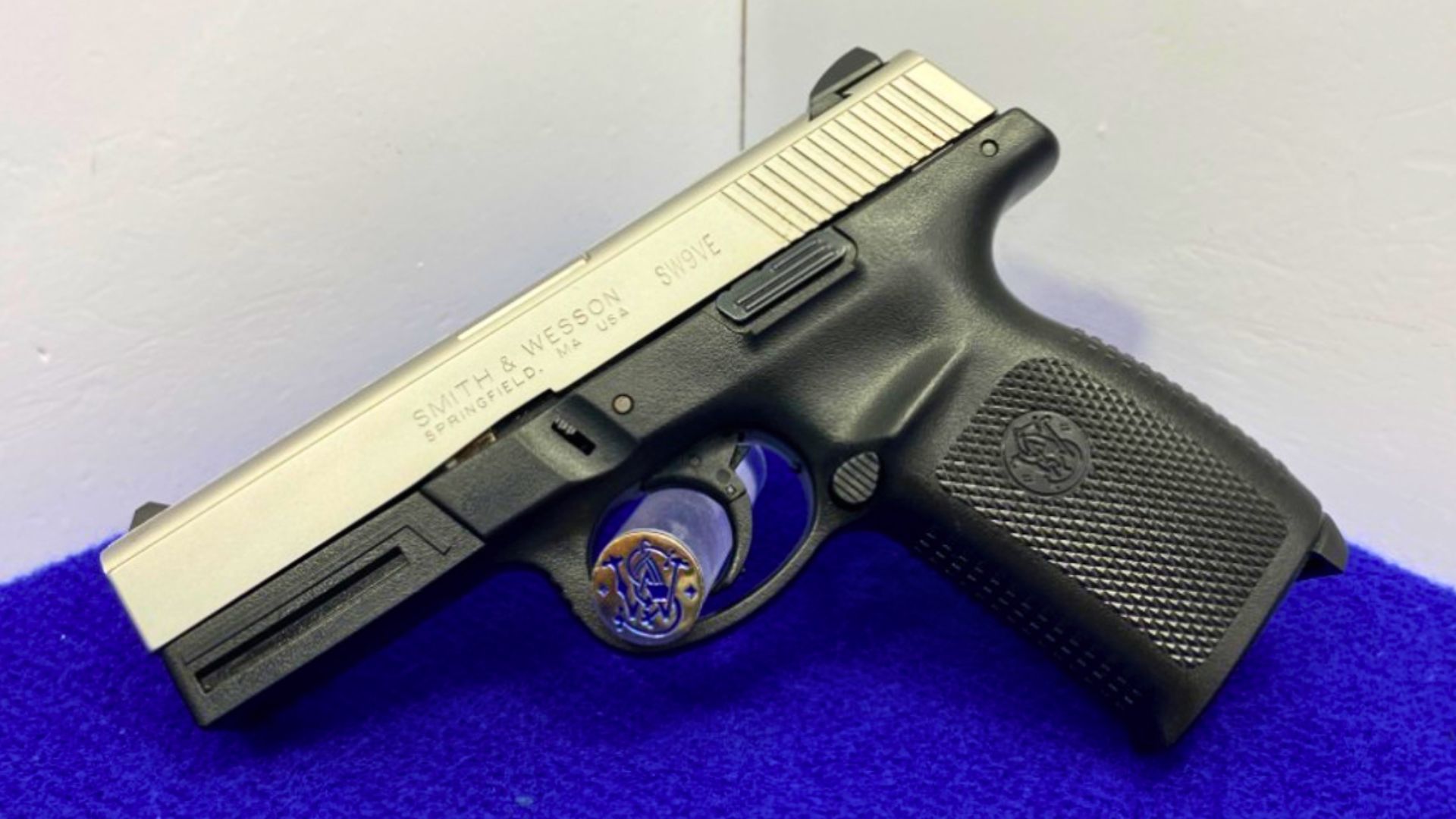
Smith & Wesson’s first attempt at a polymer-framed striker-fired pistol was the Sigma, and it showed. It was meant to compete with the Glock 17, but the heavy trigger pull and rough mechanics made it a chore to shoot accurately. Reliability was hit or miss, and early lawsuits with Glock over similarities didn’t help its reputation.
While later improved into the SD line, the Sigma left a sour taste among loyal S&W fans. It looked modern but felt half-baked. For a company with such a strong revolver legacy, this was a stumble that took years to recover from.
Remington R51 (2014 Reissue)

When Remington revived the classic R51 pistol, the hype was huge. The original had a great reputation, and the reissue looked stylish and modern. Unfortunately, it became one of the worst product launches in Remington’s history. Early models had constant failures to feed, jammed slides, and even out-of-battery discharges.
Remington recalled and reworked the design, but by then, the damage was done. The R51 became a punchline instead of a comeback story. It’s a prime example of a company trying to cash in on nostalgia without delivering the performance to back it up.
Winchester Super Shadow
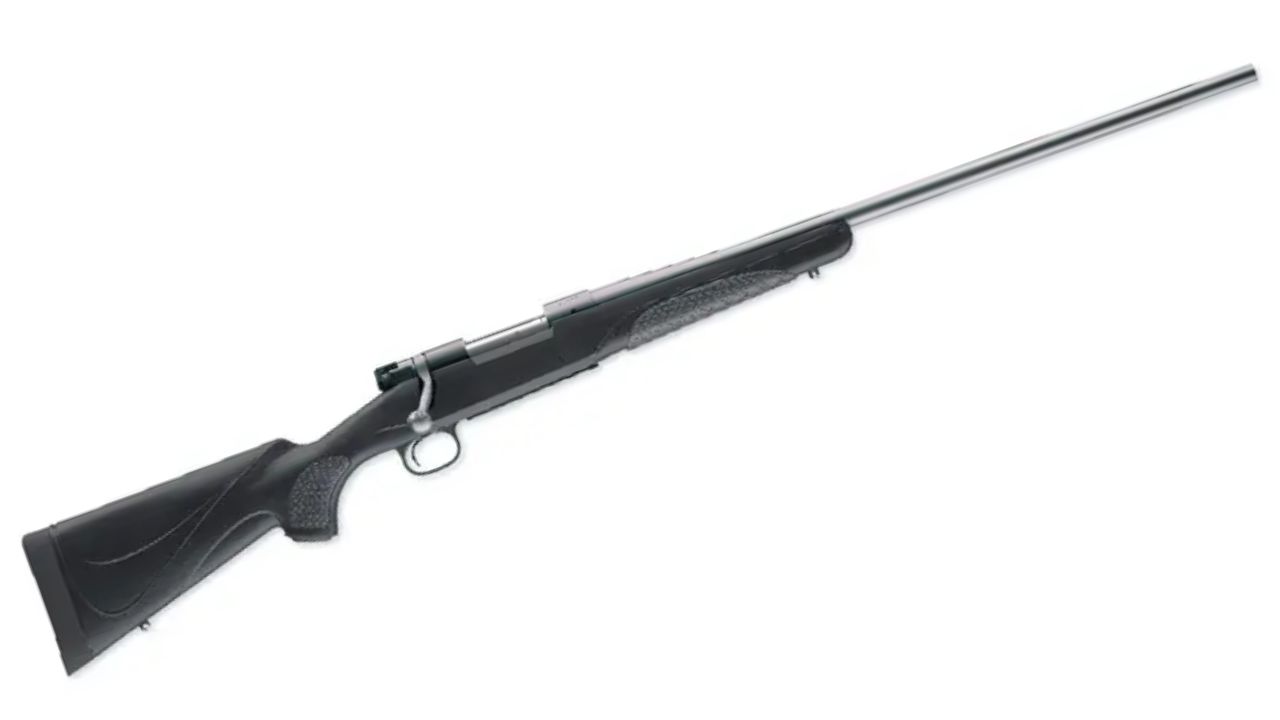
The Super Shadow looked like a modern hunting rifle with its composite stock and short action, but the feel was hollow and cheap compared to the brand’s usual craftsmanship. Accuracy wasn’t consistent, and the bolt operation lacked the smoothness Winchester owners expected.
It was meant to compete in the budget market but ended up alienating loyal customers. The rifle had potential, but it lacked the refinement that made Winchester famous. It served as a reminder that even legacy names can’t afford to sacrifice feel and function for price.
Remington RP9
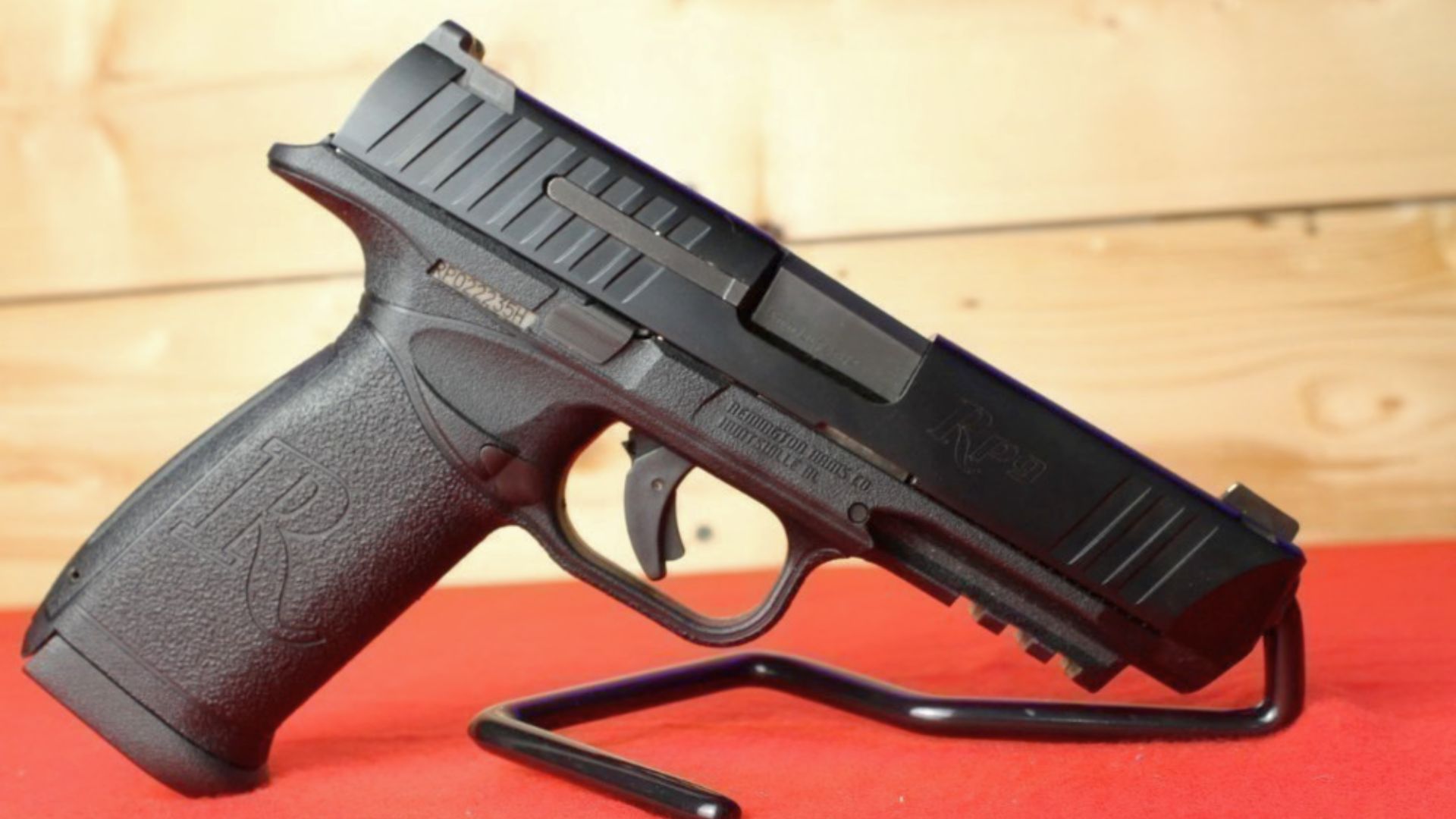
The RP9 was Remington’s entry into the striker-fired 9mm market—a full-size pistol designed to compete with the Glock 17 and SIG P320. But it missed the mark entirely. The grip felt awkward, the trigger was mushy, and early reports of feeding problems spread quickly.
It wasn’t an outright failure in concept, but in execution. The gun didn’t feel refined, and the market already had better options. For a brand once trusted by professionals and hunters alike, the RP9 was another misstep that deepened doubts about Remington’s direction.
Savage 1907 Pistol
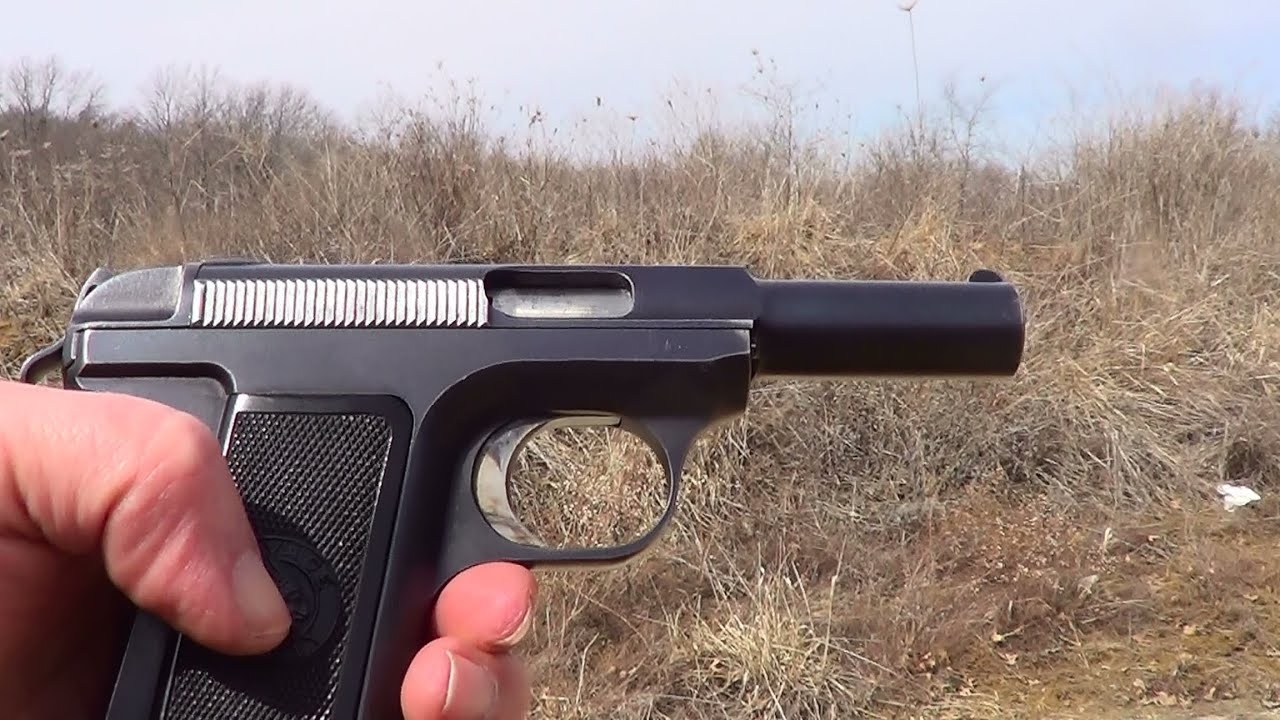
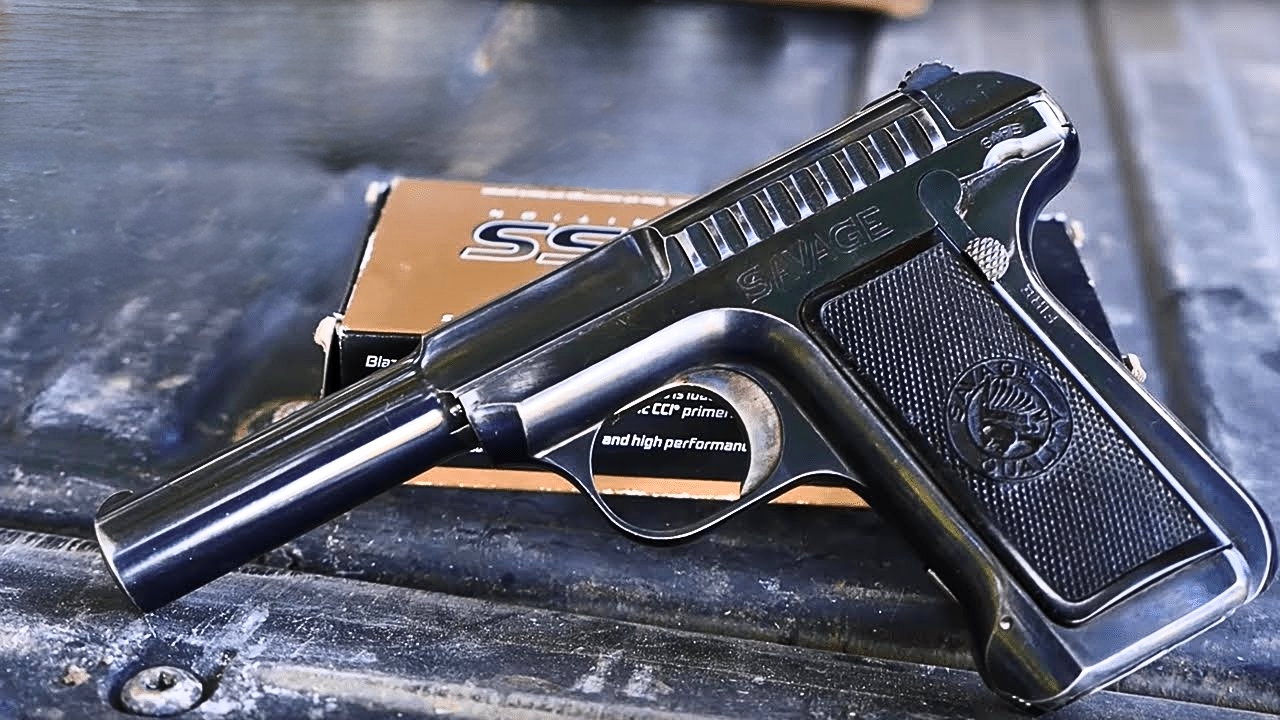
Savage is known today for affordable accuracy, but the early 1907 semi-auto pistol carried a reputation that didn’t age well. The slogan “10 shots quick” was catchy, but reliability and safety weren’t up to the hype. The hammerless design was unique, yet finicky.
While it had a strong following at the time, mechanical issues and poor ergonomics made it fade fast. It’s remembered more for its design experiment than its success in the field. For a brand that built its modern name on dependable rifles, the 1907 stands out as an odd detour.
Marlin Model 995
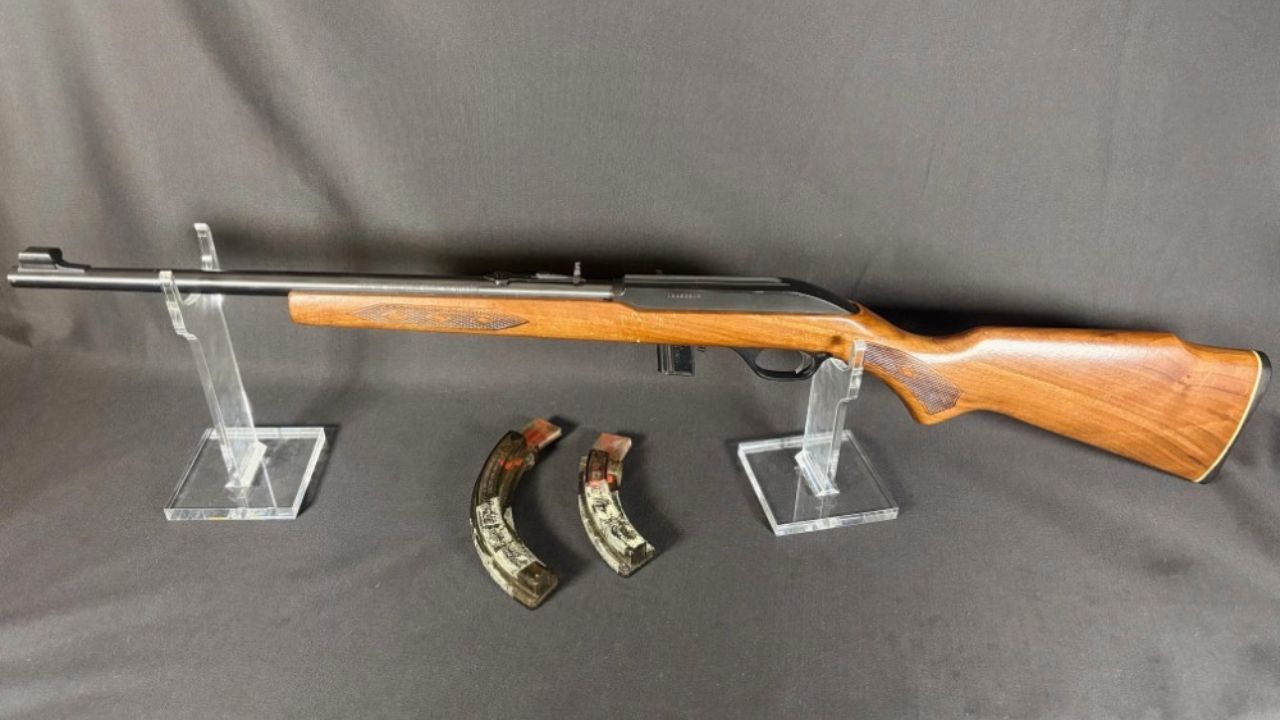
Before Marlin’s later decline under Remington, the Model 995 semi-auto .22 looked like a promising little plinker. Unfortunately, feeding problems and cheap-feeling construction kept it from earning much praise. It never reached the reliability of Marlin’s classic bolt guns or lever actions.
Jams and inconsistent accuracy frustrated owners. While it was affordable and handy, it didn’t feel like the Marlin most shooters trusted. In hindsight, it’s an early sign of how cost-cutting and rushed production can chip away at even the strongest legacies.
Weatherby Vanguard S2 Synthetic

The Vanguard S2 Synthetic had the Weatherby name and sleek looks, but it didn’t perform like its pricier siblings. Accuracy was passable, not exceptional, and the heavy trigger made precise shooting harder than it should’ve been.
It’s not a bad rifle, but it lacked the character and refinement that made Weatherby famous. The cheaper stock and weight balance gave it a “generic” feel. It’s a case where a strong name couldn’t mask a rifle that felt like it was trying too hard to hit a lower price point.
Colt Double Eagle
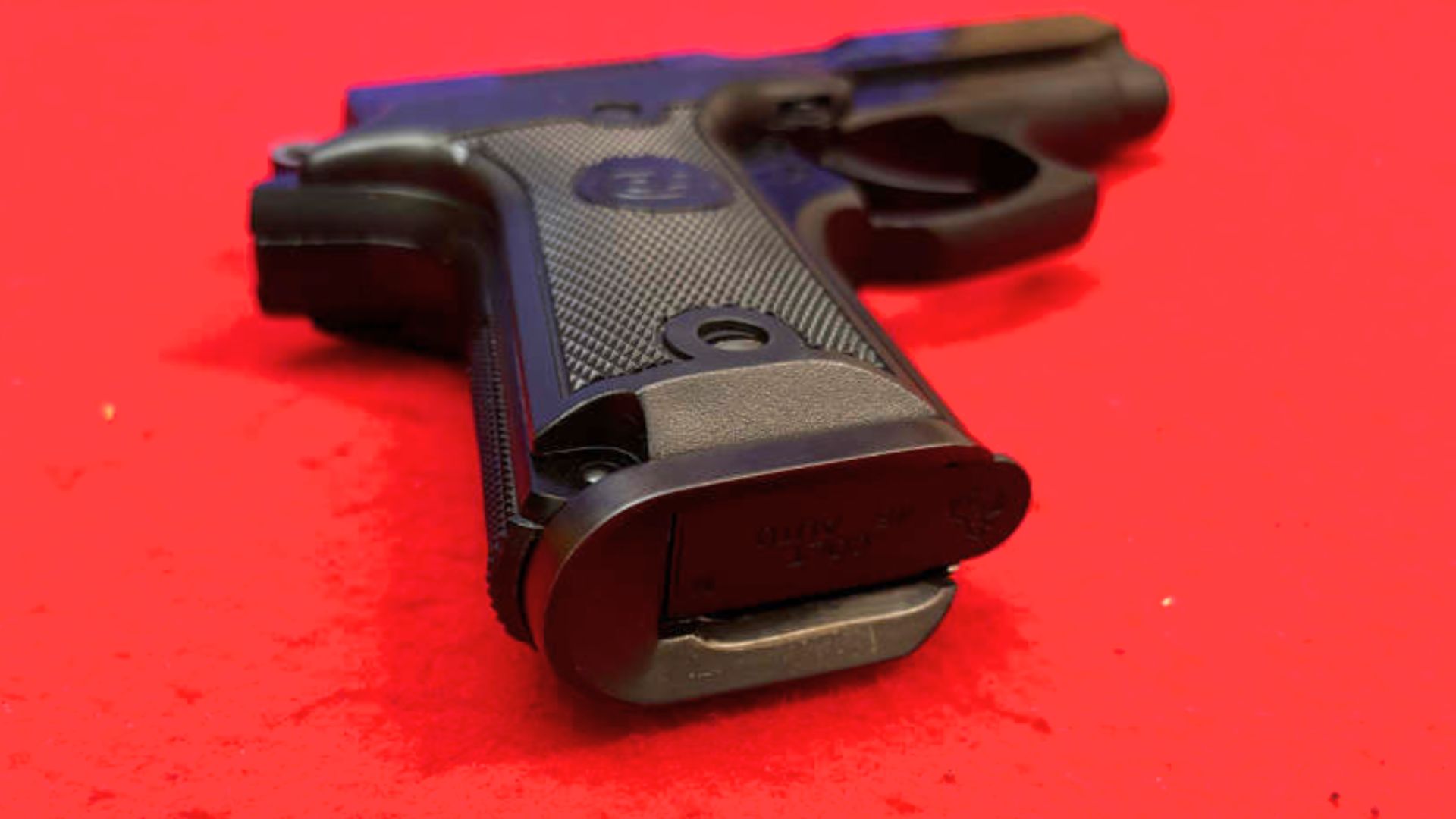
Colt tried to modernize the 1911 with the Double Eagle, adding double-action capability and a new frame design. But the result was bulky, awkward, and prone to mechanical issues. The trigger pull was heavy, and the ergonomics didn’t live up to the Colt standard.
Collectors might appreciate it today for its rarity, but it was a disappointment when released. Instead of improving the 1911, it muddied the design. It’s a rare moment when Colt’s efforts to evolve a legend ended up reminding everyone why the original didn’t need fixing.
Winchester 100
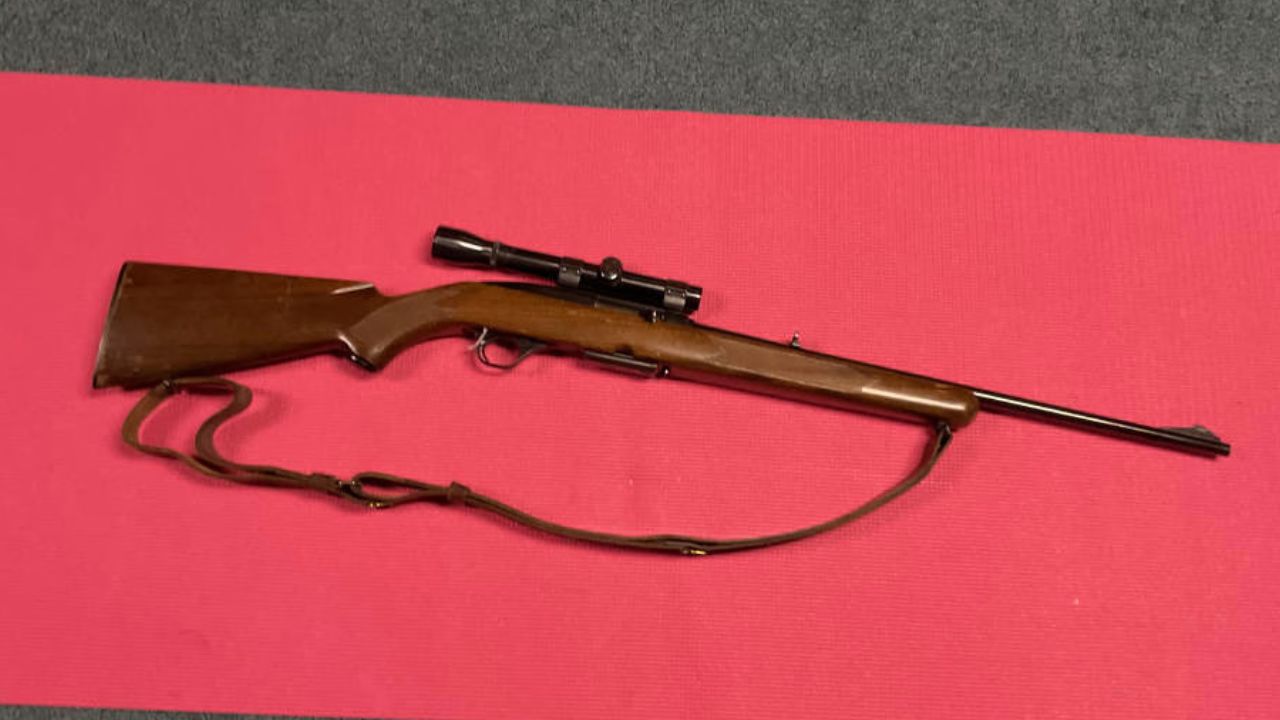
The Winchester 100 semi-auto rifle was elegant and well-balanced, but it became notorious for a fatal flaw—a firing pin recall that caused potential slam-fires. Many rifles were pulled from service, and even after the fix, shooters lost confidence.
It was a beautiful rifle that handled like a dream, but reliability and safety issues overshadowed the good. Winchester built its reputation on dependable hunting arms, and this one—despite its looks—became an uncomfortable reminder that one bad part can undo years of trust.
Remington 597
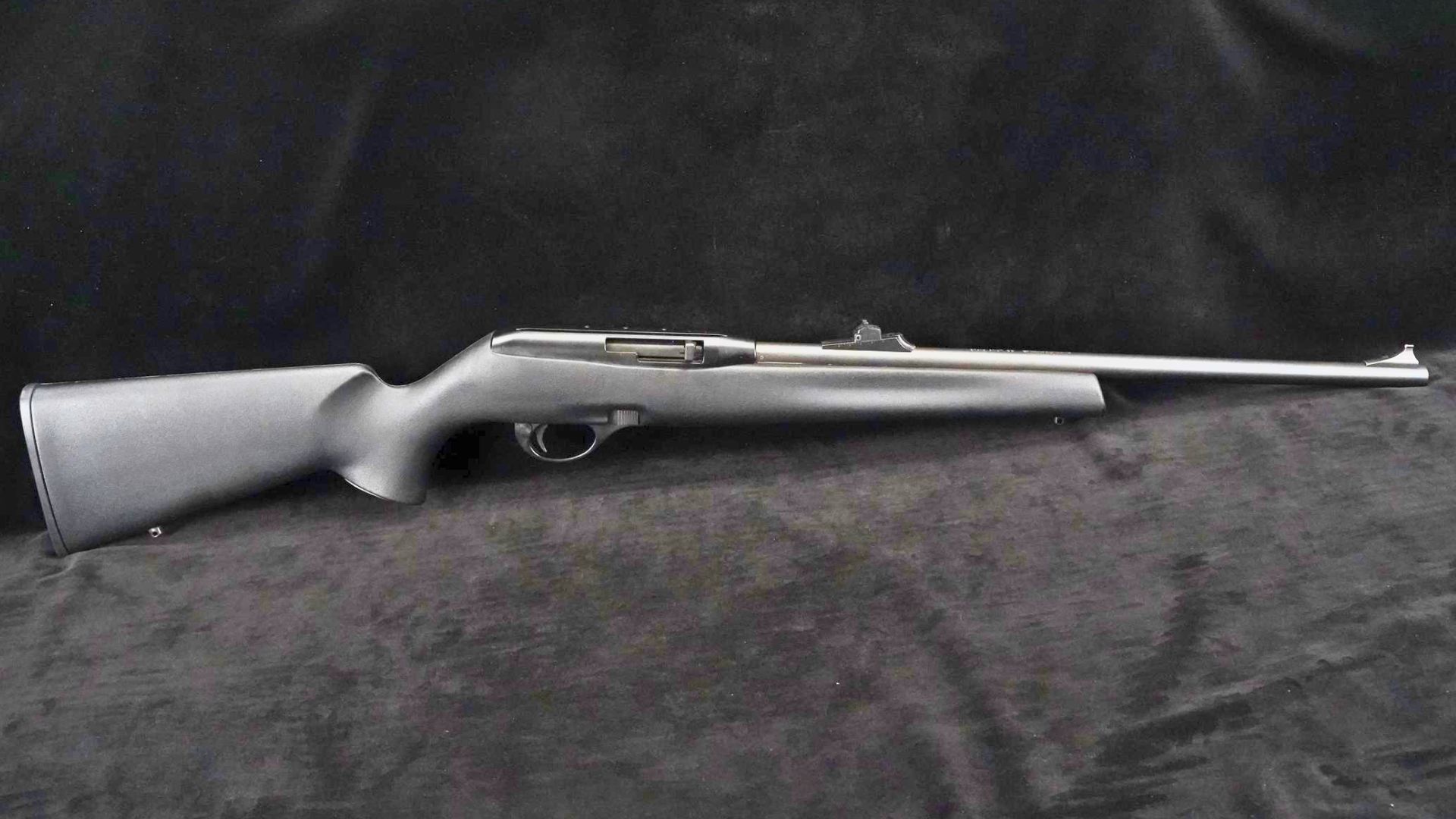
The Remington 597 looked ready to replace the iconic 10/22, but it never came close. It had promise—detachable mags, a solid feel, and sleek lines—but it suffered from constant feeding and extraction issues. Magazines were the weak point, often causing jams even with premium ammo.
The 597’s accuracy potential was there, but reliability ruined it. For a company once known for quality rimfires, this one was a disappointment. Many shooters ended up trading theirs away for the same rifle they tried to beat—the Ruger 10/22. It’s a classic case of a legacy brand missing its own mark.
Like The Avid Outdoorsman’s content? Be sure to follow us.
Here’s more from us:
The worst deer rifles money can buy
Sidearms That Belong in the Safe — Not Your Belt
*This article was developed with AI-powered tools and has been carefully reviewed by our editors.