Photo credit: The Practical Rifleman/YouTube
Elk are not deer with bigger antlers. They are heavy, tough animals that can soak up a poor hit and disappear into the worst country around. That is why cartridge choice matters more on elk than it does on a whitetail standing 80 yards from a box blind.
A lot of cartridges get talked up because they are flat, mild, fast, trendy, or easy to shoot. Some can work on elk with the right bullet and careful shot placement. But “can work” is not the same as “good elk cartridge.” These are the rounds that often bring more hype than real stopping power when the animal is big, the angle is ugly, and the recovery matters.
.223 Remington

The .223 Remington has no business being treated like an elk cartridge. It is a great varmint, predator, and target round, and it can be useful on deer in states where it is legal with the right bullet. Elk are a completely different problem.
The hype comes from people who think precision fixes everything. Yes, a perfect shot with the right bullet can kill far above a cartridge’s weight class. But elk hunting is not built around perfect shots. The .223 simply does not bring enough bullet weight, frontal diameter, or penetration margin for a responsible elk setup.
.22-250 Remington

The .22-250 Remington is fast, flat, and deadly on coyotes. That is exactly where it belongs. Some hunters get tempted by its accuracy and speed and start talking about using it on bigger game, but elk are far beyond what this cartridge should be asked to handle.
The problem is not whether a .22-250 can put a hole in an elk. Of course it can. The problem is whether it can drive a proper big-game bullet deep enough through heavy muscle, rib, shoulder, or a less-than-perfect angle. For elk, it is all speed and not enough authority.
.220 Swift

The .220 Swift has a legendary speed reputation, and that reputation still tricks some people into giving it more credit than it deserves. It is a classic varmint cartridge with plenty of reach and a dramatic impact on small animals. That does not make it an elk round.
A tiny bullet going very fast can look impressive on paper, but elk demand penetration and forgiveness. The Swift is not built for that job. It is a cartridge that rewards careful varmint shooting, not one that should be trusted when a bull steps out at last light and gives you one hard angle.
.243 Winchester
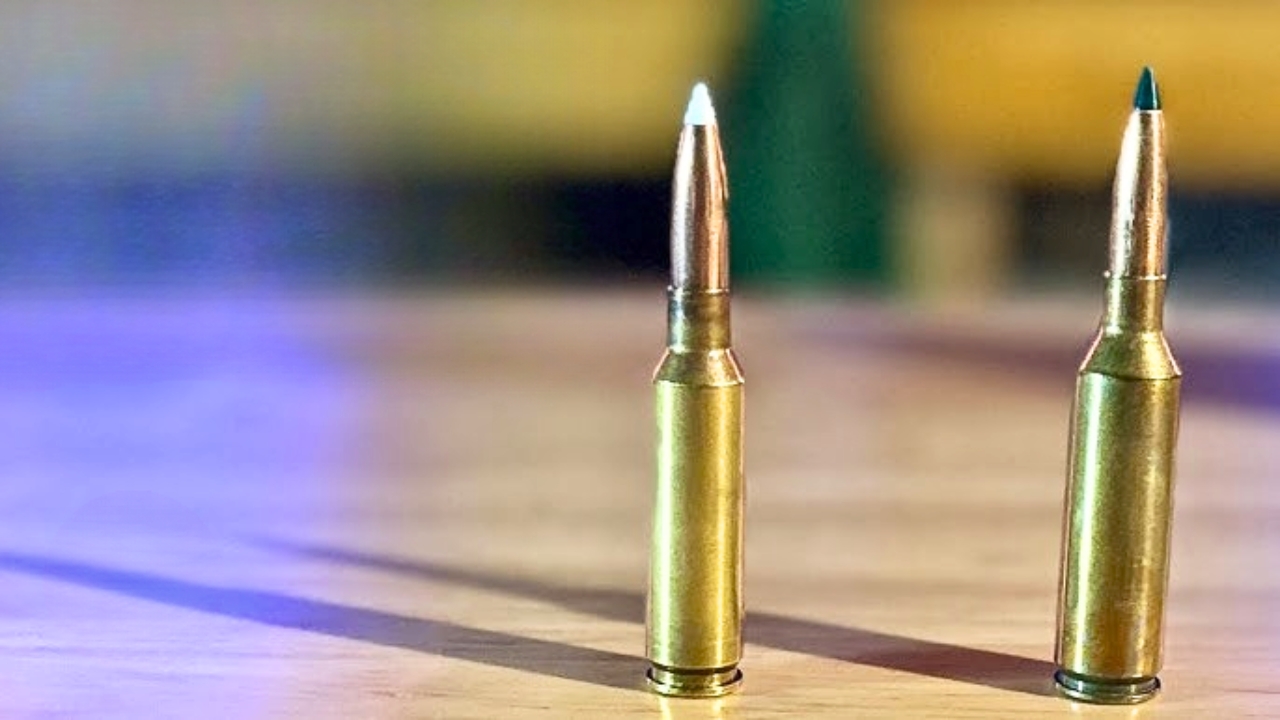
The .243 Winchester has killed elk, and somebody will always bring that up. That does not make it a good recommendation. It is a fine deer and antelope cartridge with proper bullets, especially for recoil-sensitive shooters. On elk, it moves into a much narrower lane.
The hype comes from people confusing low recoil and accuracy with enough bullet. The .243 can work if the shot is close, broadside, and placed perfectly with a tough bullet. That is a lot of conditions. For a bull elk, most hunters should want more margin than a 6mm deer rifle gives them.
6mm Creedmoor

The 6mm Creedmoor is accurate, efficient, and easy to shoot. It has done a lot to win over target shooters and some hunters because it handles sleek bullets well without much recoil. That does not make it a serious elk cartridge for average hunters.
The danger is target-rifle confidence. Ringing steel at distance is not the same as driving a bullet through an elk’s chest. A 6mm bullet needs careful placement and the right construction, and even then it gives less forgiveness than larger elk rounds. It is a good deer and antelope option, but elk expose its limits quickly.
.240 Weatherby Magnum
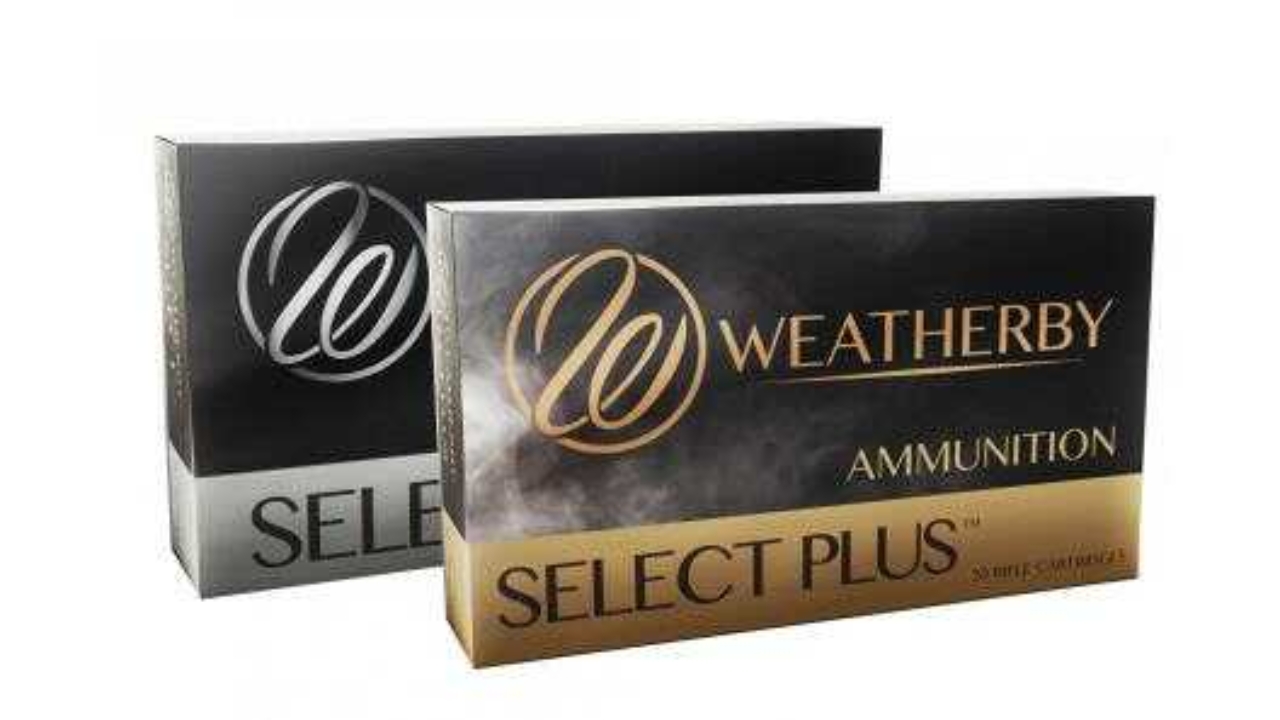
The .240 Weatherby Magnum sounds more impressive than the .243 because it has the Weatherby name and more speed. That speed helps trajectory, but it does not turn a small-bore cartridge into a reliable elk hammer. It is still throwing light 6mm bullets at an animal that deserves more.
For deer and antelope, the .240 Weatherby can be excellent. On elk, it asks too much from bullet construction and shot placement. Speed can make hunters feel confident, but elk are not impressed by muzzle velocity if the bullet does not reach the vitals from a tough angle.
.257 Roberts

The .257 Roberts is a classy cartridge, and it is easy to like. It is mild, accurate, and deadly on deer when used properly. That history makes some hunters want to stretch it into bigger jobs than it should handle.
Elk are where the Roberts starts to look thin. Even with good bullets, it does not bring the weight or impact most hunters should want for large bulls. It is not a bad cartridge. It is just a poor elk recommendation when so many better options exist in common rifles.
.25-06 Remington

The .25-06 Remington gets hyped because it is fast, flat, and excellent on deer and antelope. It feels more serious than smaller quarter-bores, and in open country it can make medium game look easy. That does not mean it is enough elk cartridge for most people.
With premium bullets and careful shot selection, it can take elk. The problem is that it gives little room for mistakes on heavy animals. Craig Boddington has argued that .25-caliber cartridges limited to roughly 120-grain bullets are too light for bull elk, while modern 6.5s are only adequate with caution. That is exactly the issue with the .25-06: it can work, but it is not the confident choice its fans sometimes claim.
.257 Weatherby Magnum

The .257 Weatherby Magnum is one of the most tempting cartridges on this list because it is genuinely impressive. It is fast, flat, and deadly on deer-sized game. It makes hunters feel like they have a laser beam in their hands.
But elk are not just a trajectory problem. The .257 Weatherby still uses relatively light bullets for an animal as large as a bull elk. It can work on perfect broadside shots, but it does not bring the same confidence as a good 7mm, .30-caliber, or .338 elk round. For elk, its speed can create more confidence than the bullet weight deserves.
.264 Winchester Magnum
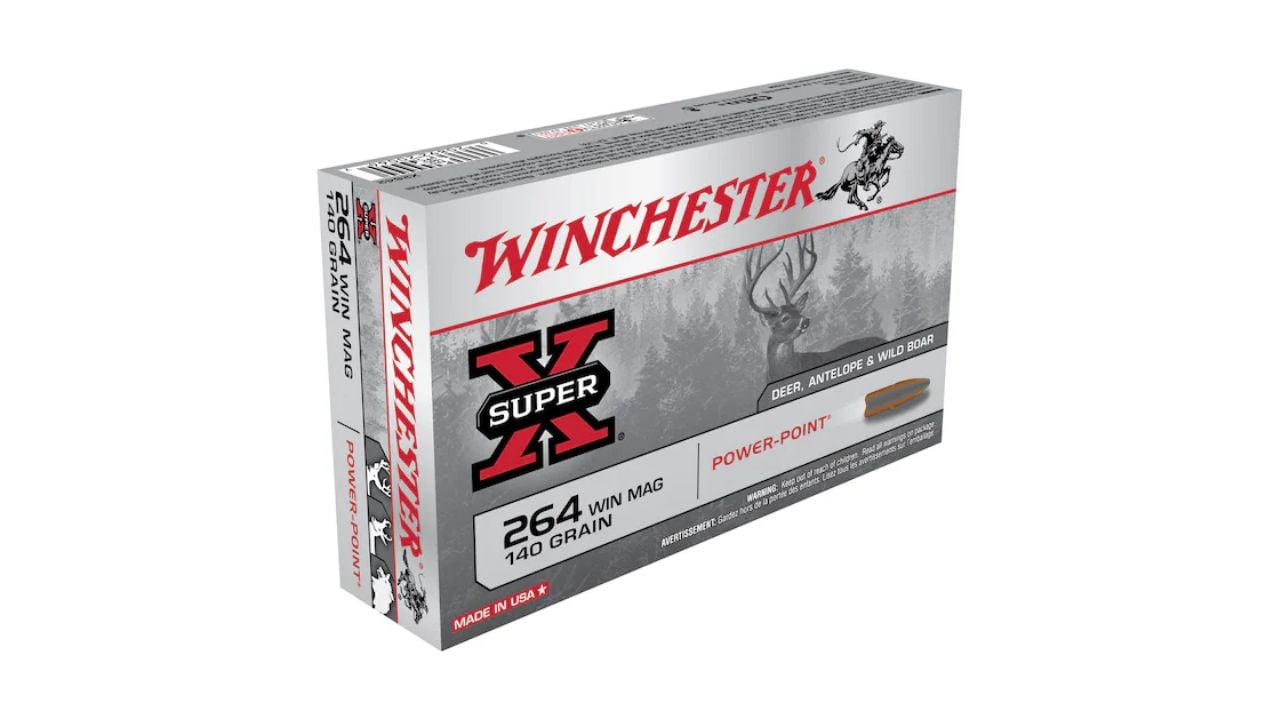
The .264 Winchester Magnum has always had a cool factor. It is fast, old-school, and has enough history to make cartridge nerds defend it hard. It shoots flat and can be excellent on open-country deer and antelope.
For elk, the hype gets ahead of reality. It still lives in the 6.5mm world, and bullet weight matters when animals get big. Petersen’s Hunting has described modern 6.5s as adequate for elk but limited by lighter bullet weights, with caution needed on distance. The .264 Win. Mag. has more speed than a Creedmoor, but it does not magically become a .300 magnum.
6.5 Creedmoor

The 6.5 Creedmoor is probably the most argued-about elk cartridge of the last decade. It is accurate, mild, efficient, and easy to shoot well. Those are all real strengths. MeatEater has defended it as a capable deer and elk cartridge, while also emphasizing that good elk cartridges should offer long-range power, accuracy, availability, and enough bullet for the job.
The problem is not the cartridge. The problem is the hype. Some hunters talk about the 6.5 Creedmoor like it erases the need for bullet weight, range limits, and shot discipline. It does not. On elk, it can work with premium bullets and careful shots. But if the angle is bad or the distance stretches, it offers less margin than proven elk rounds like .30-06, 7mm Rem. Mag., .300 Win. Mag., or .338 Win. Mag.
6.5 PRC

The 6.5 PRC is stronger than the Creedmoor and deserves more respect in open country. It pushes sleek 6.5 bullets faster and carries energy better. That makes it a serious deer, antelope, sheep, and mountain-game cartridge.
Still, some hunters talk about it like it solves every elk problem. It does not. It is still limited by 6.5mm bullet diameter and typical bullet weights compared with bigger elk cartridges. For careful hunters, it can work well. For average elk hunters who may face quartering shots, wind, and distance, it is not the same as carrying a strong 7mm or .30-caliber rifle.
6.5-300 Weatherby Magnum

The 6.5-300 Weatherby Magnum is speed hype in cartridge form. It is extremely fast, very flat-shooting, and dramatic on paper. That makes it attractive to hunters who want to believe velocity solves everything.
But elk hunting is not just about flat trajectory. Extreme speed can be hard on bullets, hard on barrels, and hard on the shooter’s wallet. It still fires 6.5mm bullets, and those bullets need to hold together and penetrate. A cartridge this fast may be impressive, but impressive is not the same as forgiving on elk.
.300 Blackout

The .300 Blackout gets attention because it works in compact ARs and suppresses well. That is useful for hogs, close-range deer, and certain property-control setups. It is not an elk cartridge, no matter how much people like the platform.
Supersonic .300 Blackout loads are limited in range and energy. Subsonic loads are even less appropriate for elk. This is one of those cartridges that sounds more powerful than it really is because it fires a .30-caliber bullet. On elk, it brings far too little speed, reach, and margin.
7.62x39mm

The 7.62x39mm can work on deer and hogs at close range with proper hunting ammo. In a good rifle, inside its limits, it is not useless. But elk are not the place to test the upper edge of an intermediate cartridge.
The hype usually comes from people comparing it loosely to old woods cartridges. That misses the point. Elk need more penetration and more downrange authority than the 7.62x39mm normally offers. It is a short-range deer and hog round at best, not a cartridge a guide wants to see in elk camp.
.30-30 Winchester
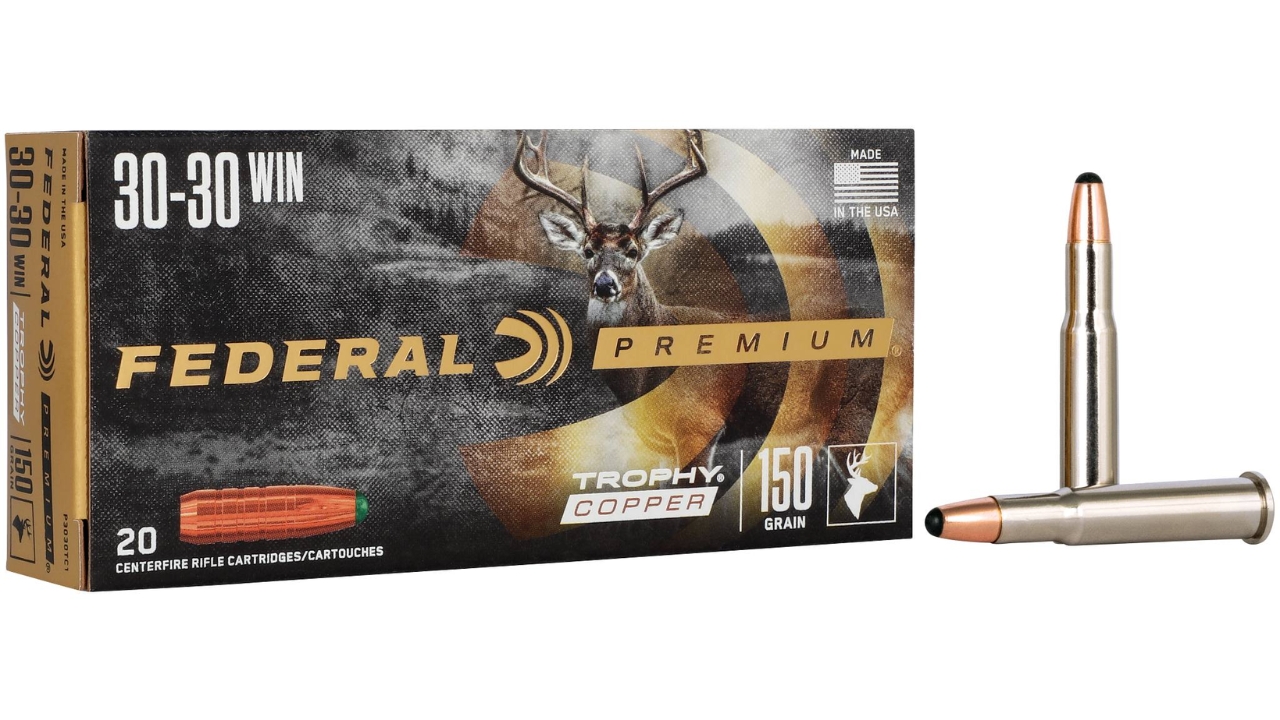
The .30-30 Winchester is a legendary deer cartridge, and it deserves that reputation. Inside timber distances, in a handy lever gun, it has filled more freezers than most modern rounds ever will. But nostalgia is not stopping power.
For elk, the .30-30 is too limited for most hunters. At close range with perfect placement and the right bullet, it can work. But elk hunting often involves steep angles, thick timber, cross-canyon shots, and bulls that do not stand around long. The .30-30 is a great deer round, not a modern elk solution.
.32 Winchester Special
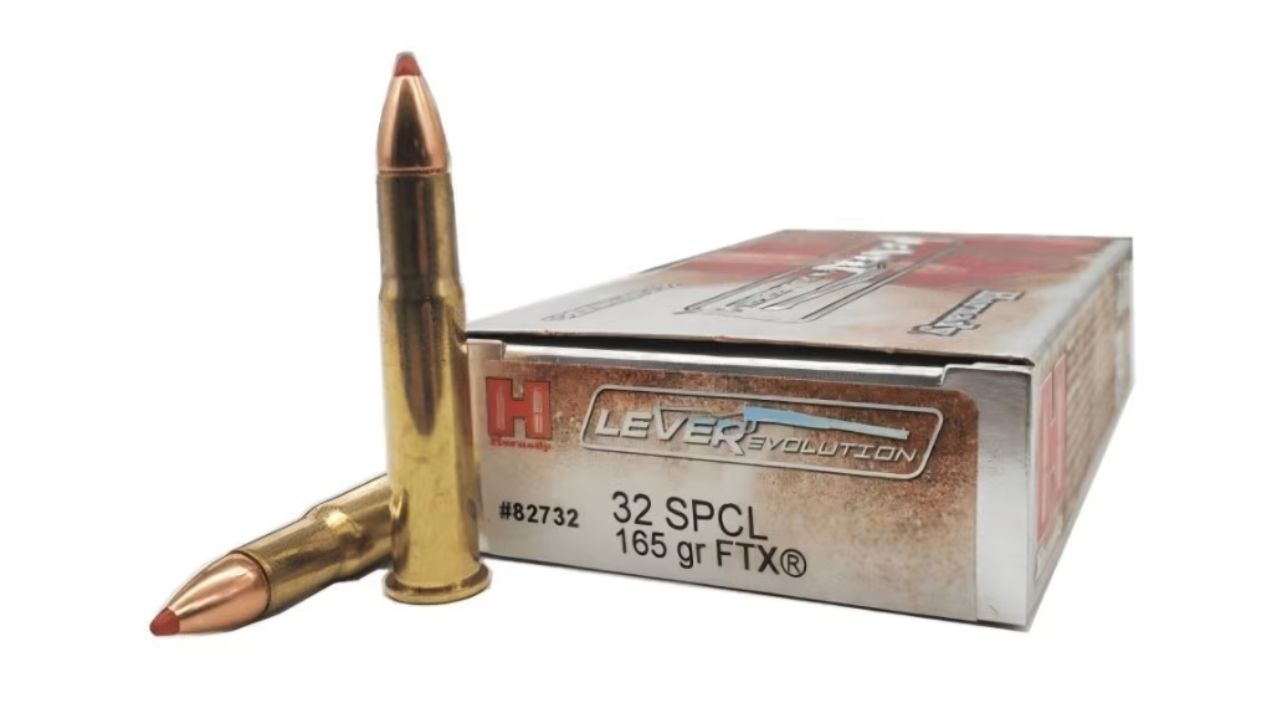
The .32 Winchester Special has old lever-gun charm and a loyal following among hunters who still use classic rifles. On whitetails in the woods, it can still do its job. That does not mean it belongs in serious elk conversation.
The cartridge has limited range, limited ammo support, and no real advantage over more common elk rounds. If someone already owns one and hunts close timber with discipline, that is one thing. But as an elk cartridge, it is mostly nostalgia wearing a cartridge belt.
.35 Remington

The .35 Remington is a fine woods cartridge for deer and black bear. In close timber, it hits harder than its paper numbers suggest and has a loyal fan base for a reason. But elk are where the cartridge starts running out of flexibility.
The .35 Remington can work up close with the right bullet, but it is not a broad elk recommendation. Range is limited, ammo can be hard to find, and many rifles chambered for it are older lever guns or semi-autos that may not be set up for precise longer shots. It has thump, but not enough all-around elk confidence.
.350 Legend
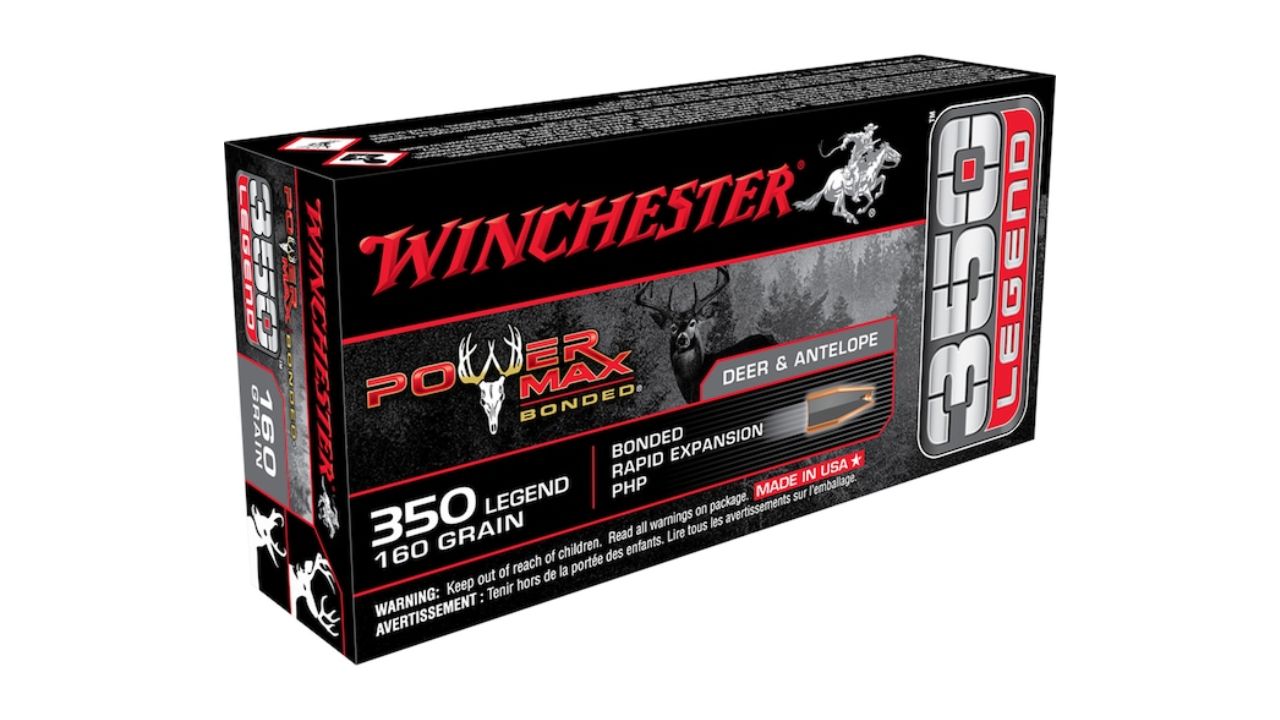
The .350 Legend made a lot of sense for straight-wall deer states. It gives hunters a mild, affordable, low-recoil option that works well on whitetails inside reasonable distances. That success has made some people overrate it.
Elk are not what the .350 Legend was built around. It does not have the reach, bullet weight, or impact authority most hunters should want for a large bull. Inside its deer-hunting lane, it is useful. In elk country, it is underpowered hype from people trying to make a legal niche cartridge do too much.
.450 Bushmaster

The .450 Bushmaster sounds like it should be a hammer on everything because it fires a big bullet and hits hard at close range. In straight-wall deer states and hog country, it has a real purpose. For elk, it is a very narrow tool.
The problem is trajectory and shootability. It drops quickly, kicks more than some hunters expect, and does not offer the flexible range of standard elk cartridges. Up close, it can hit hard. But if the shot is across a canyon or even a longer meadow, the .450 Bushmaster becomes more limiting than reassuring.
.45-70 Government with the wrong load

The .45-70 Government is not all hype. With the right modern load in the right rifle, it can absolutely handle elk at close range. The problem is that many hunters treat all .45-70 loads like they are the same, and they are not.
Soft cowboy loads, traditional loads, heavy modern loads, and hard-cast loads behave very differently. Use the wrong one, and the cartridge can disappoint badly. The .45-70 has plenty of close-range authority, but it is not a simple all-purpose elk round. It demands honest range limits and smart load selection.
Like The Avid Outdoorsman’s content? Subscribe to our newsletter so you never miss an article.
Here’s more from us: