Photo credit: WHO_TEE_WHO/YouTube
Some rifle calibers get all the attention because they are new, fast, trendy, or tied to whatever rifle companies are pushing that year. Others just keep working in the background. They do not always win internet arguments, and they do not always get glossy launch campaigns, but they fill tags, kill cleanly, and make hunters wonder why they ever chased something flashier.
These are the calibers that never seem to get enough credit. Some are older rounds people overlook. Some are mild cartridges that hit harder than expected. Some live in the shadow of more popular choices. But when they are matched to the right game and used inside their limits, they keep delivering.
.257 Roberts

The .257 Roberts has always been better than its popularity suggests. It is mild, accurate, and deadly on deer and antelope with the right bullets. It does not kick hard, it does not burn barrels like a speed freak, and it does not make practice miserable. That alone makes it more useful than a lot of louder cartridges.
The Roberts gets ignored because the .243 Winchester and .25-06 Remington took so much of its space. That does not mean they made it obsolete. A good .257 Roberts bolt gun is one of the sweetest deer rifles a hunter can carry. It kills cleanly without acting like it has something to prove.
7mm-08 Remington
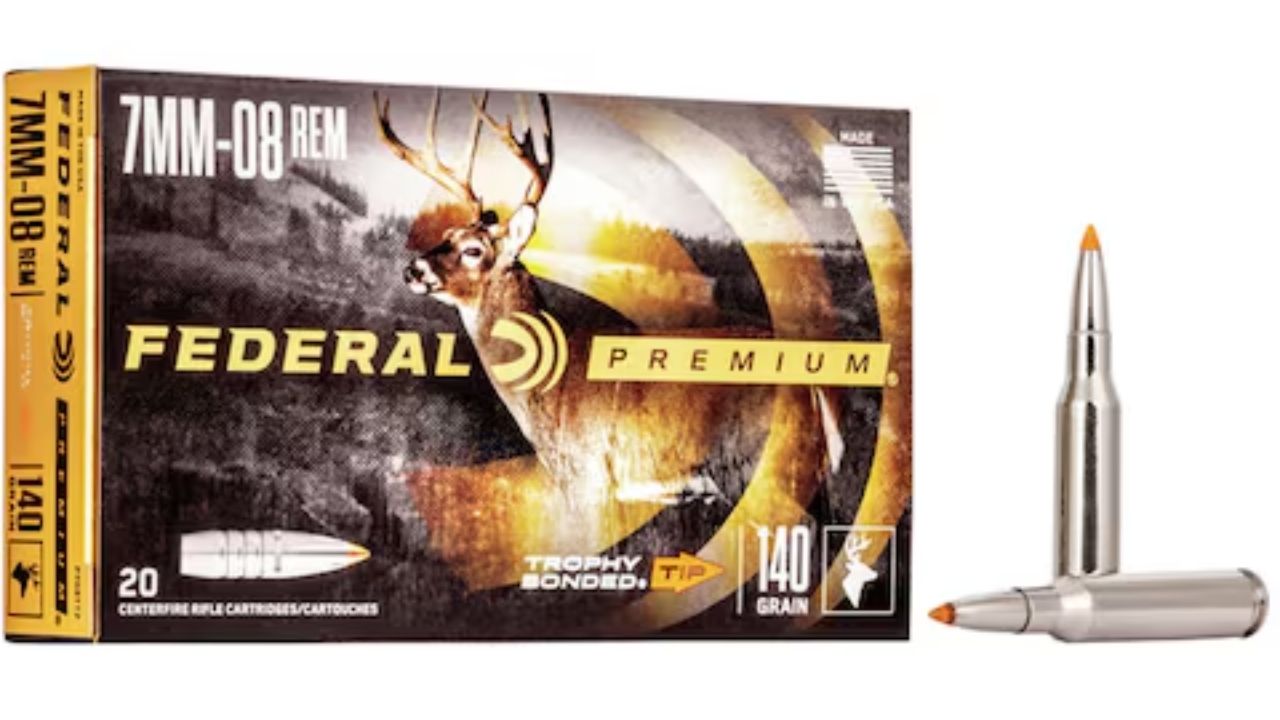
The 7mm-08 Remington should get more respect than it does. It gives hunters a useful 7mm bullet in a short-action rifle with recoil most people can actually handle. For deer, hogs, black bear, antelope, and elk with the right bullet, it punches far above its calm personality.
It lives in the shadow of .308 Winchester and 6.5 Creedmoor, but plenty of hunters who use it know better. The 7mm-08 shoots flat enough, hits hard enough, and does not beat people up. That is exactly why it keeps delivering season after season without needing much praise.
.308 Winchester

The .308 Winchester gets talked about constantly, but it still somehow gets taken for granted. It is not the newest, fastest, or flattest cartridge in the rack. It is just one of the most practical hunting rounds ever made. Ammo is everywhere, rifles are everywhere, and good bullets make it useful on a wide range of game.
The .308 delivers because it keeps things simple. It fits short actions, works in compact rifles, and has enough power for whitetails, hogs, black bear, mule deer, and plenty of elk hunting at reasonable distances. Hunters who stop chasing numbers often end up right back here.
.280 Remington

The .280 Remington has spent most of its life being overlooked, and that is a shame. It sits between the .270 Winchester and .30-06 Springfield, using 7mm bullets with excellent all-around hunting potential. It can handle deer, elk, sheep, antelope, and black bear without needing magnum recoil.
The problem was never performance. The problem was attention. The .270 had Jack O’Connor, the .30-06 had history, and the .280 got stuck trying to explain itself. Hunters who actually use it know the truth. It is one of the best balanced big-game cartridges America never fully appreciated.
.30-06 Springfield
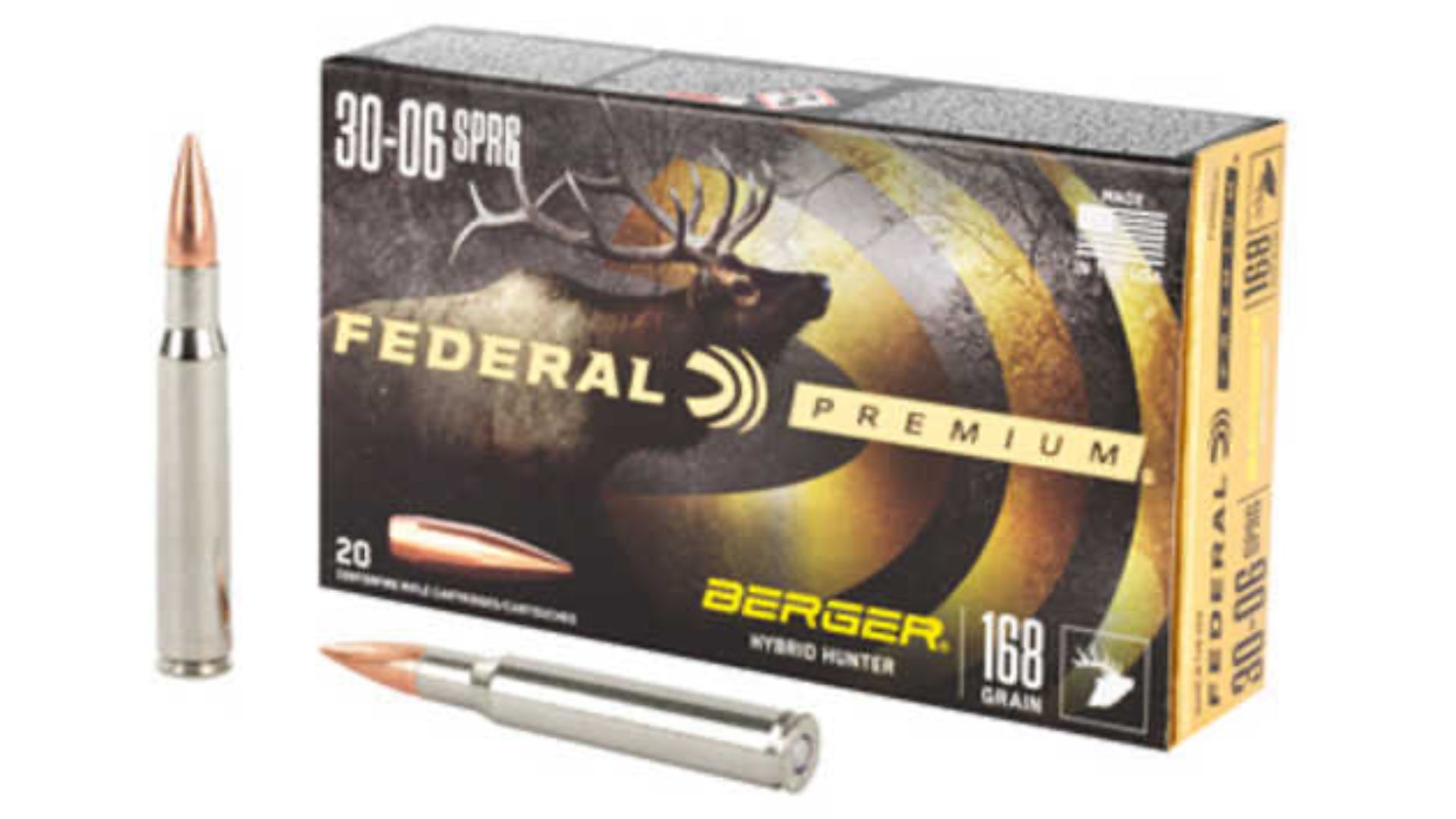
The .30-06 Springfield gets respect, but sometimes it gets treated like an old man’s answer. That is a mistake. It still delivers because it can be loaded with light bullets for deer, heavier bullets for elk, and serious bullets for moose and bear. It has range, power, flexibility, and unmatched ammunition support.
The .30-06 is not flashy anymore because everyone already knows it works. That familiarity makes people underrate it. A good .30-06 in a reliable bolt gun is still one of the smartest hunting setups a person can own. It may not be trendy, but it rarely leaves hunters wishing for more.
.270 Winchester
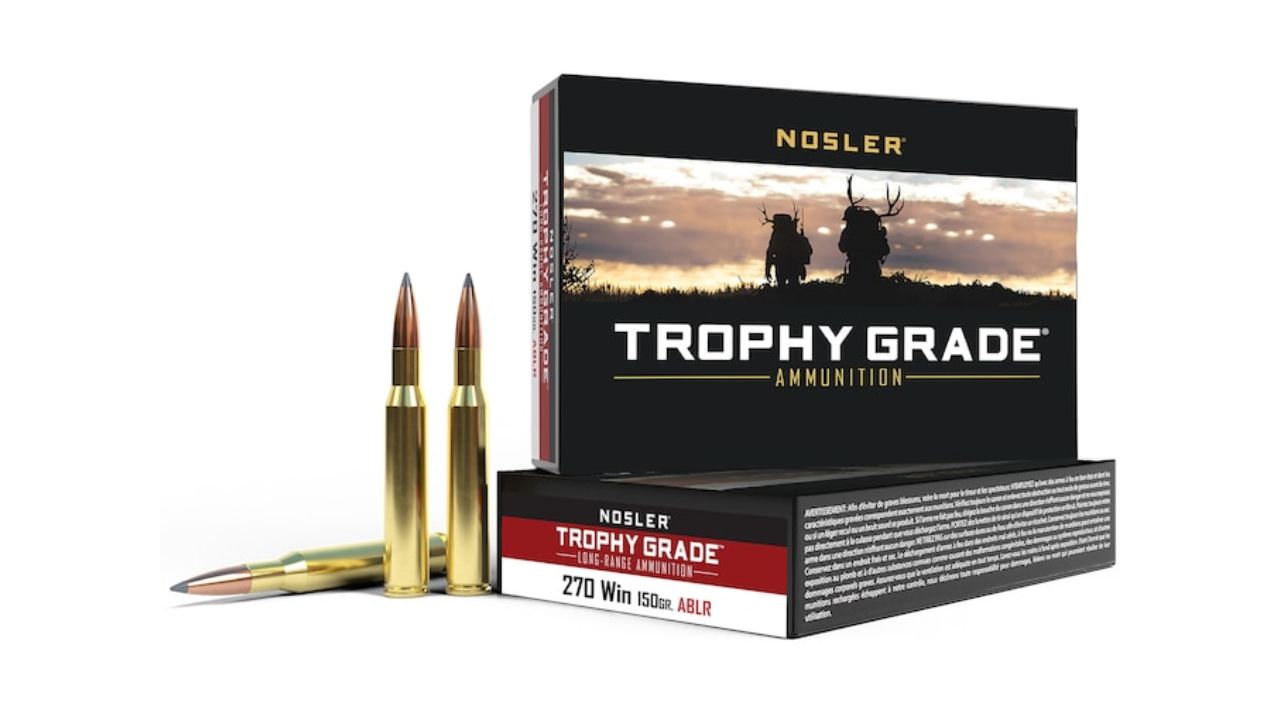
The .270 Winchester gets plenty of historical respect, but modern hunters sometimes act like it has been replaced by newer 6.5s and 7mms. That is not really fair. The .270 still shoots flat, recoils reasonably, and kills deer-sized game with authority. With the right bullets, it can also handle elk better than some people admit.
It keeps delivering because it fits real hunting so well. Most shots are not taken at extreme distance, and most hunters shoot better with a rifle that does not punish them. The .270 gives plenty of reach without magnum recoil. That formula still works.
.25-06 Remington

The .25-06 Remington is one of the best open-country deer and antelope rounds that never gets enough credit. It is fast, flat, accurate, and easy to shoot compared with harder-kicking cartridges. For whitetails, mule deer, pronghorn, coyotes, and similar game, it can be outstanding.
It gets overlooked because hunters either go smaller with .243 or larger with .270 and .30-caliber rifles. But the .25-06 lives in a very useful middle ground. With proper bullets, it hits much harder than its recoil suggests. That is the kind of cartridge that quietly builds lifelong fans.
.260 Remington

The .260 Remington deserved more attention before the 6.5 Creedmoor took over the room. It uses the same bullet diameter and offers excellent performance on deer, antelope, sheep, and similar game. It is mild, accurate, and efficient in short-action rifles.
The Creedmoor won the popularity fight, but that does not mean the .260 stopped working. Hunters who own one still have a very capable 6.5mm cartridge. It may not have the same ammo shelf presence, but in the field, a good .260 Remington does the job cleanly and without drama.
6.5×55 Swedish

The 6.5×55 Swedish is one of those cartridges that old-school hunters respect more than the average modern buyer does. It has mild recoil, good penetration with proper bullets, and a long history on game much larger than whitetails. It is not loud about its performance, but it has always been effective.
It gets ignored because it feels foreign, old, and less convenient than newer 6.5s. That is too bad. In a modern rifle loaded to appropriate pressures, the 6.5×55 is accurate, pleasant, and very capable on deer, antelope, black bear, and even elk-sized game with careful shot placement. It has been delivering long before the 6.5 craze made the bullet diameter fashionable.
.300 Savage
The .300 Savage is easy to forget because the .308 Winchester replaced its role for most hunters. But inside normal hunting distances, the .300 Savage is still a fine deer and black bear cartridge. In rifles like the Savage 99, it built a reputation by being handy, efficient, and effective.
It does not get much credit now because factory rifles and ammo are not common like they once were. But hunters who use older rifles chambered for it know it still works. The .300 Savage does not need magnum speed or modern branding. It just needs a good bullet and a hunter who understands its range.
.32 Winchester Special

The .32 Winchester Special lives forever in the shadow of the .30-30 Winchester. That is why it rarely gets proper credit. It was built for the same general lever-action woods role, throwing a slightly larger bullet and working well inside traditional deer ranges.
It is not a long-range cartridge, and nobody should pretend it is. But in thick timber, with a good lever gun and sensible shots, the .32 Special still does exactly what it was supposed to do. It delivers on whitetails and black bear without needing to be fashionable.
.35 Remington
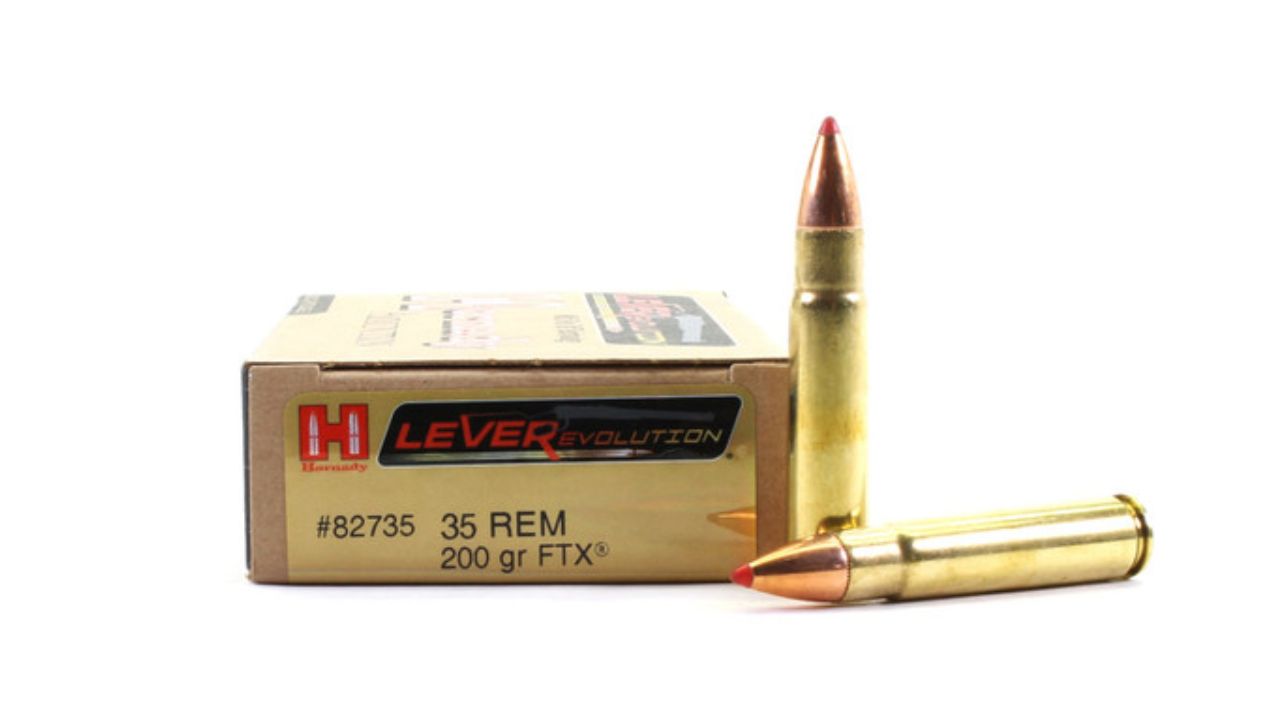
The .35 Remington is one of the best woods cartridges that modern hunters keep underestimating. It does not look exciting on paper, especially compared with fast bottleneck rounds. But paper ballistics do not tell the whole story. In close cover, it hits with authority and works beautifully on deer, hogs, and black bear.
Its problem is limited ammo support, not field performance. In a Marlin 336 or Remington Model 8, the .35 Remington has a real presence in the woods. It is not made for long shots. It is made for close ones that need a heavy bullet and quick handling. In that role, it still delivers.
.358 Winchester

The .358 Winchester never got the attention it deserved. It takes the .308 Winchester case and necks it up to .35 caliber, giving short-action rifles a hard-hitting woods cartridge with real authority. For black bear, hogs, elk in timber, moose at sensible distances, and big-bodied deer, it makes a lot of sense.
It failed in popularity because hunters kept chasing speed. That does not make it weak. The .358 hits hard, fits handy rifles, and carries enough bullet weight to inspire confidence in thick cover. It is exactly the kind of cartridge experienced hunters appreciate after they stop caring about flat-shooting bragging rights.
.338 Federal

The .338 Federal is another cartridge that should have been more popular. It gives hunters .338-caliber bullet weight from a short-action case without magnum recoil. For elk, black bear, hogs, and timber hunting, that is a useful combination.
It gets ignored because it does not win long-range arguments. That is fine. Not every hunt happens across a canyon. The .338 Federal delivers inside practical ranges with more authority than its mild size suggests. For hunters who want a compact rifle that hits harder than a .308, it is one of the most underappreciated choices around.
.338 Winchester Magnum

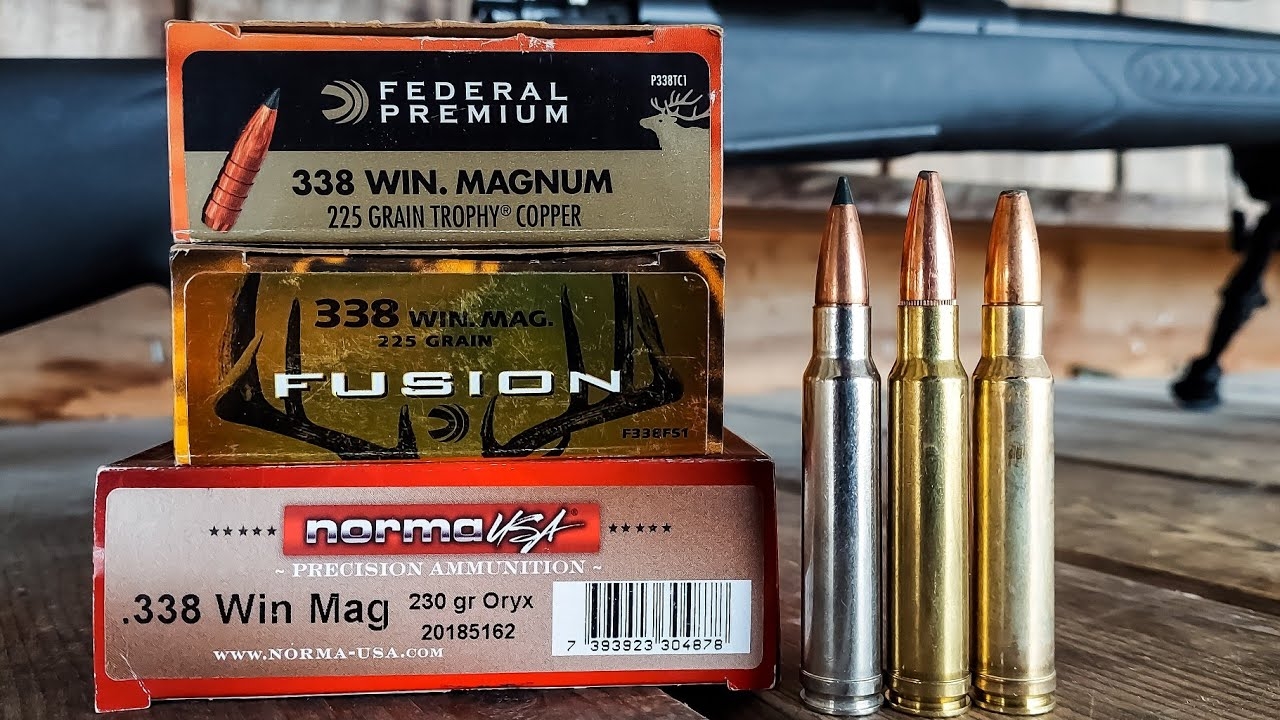
The .338 Winchester Magnum does get respect from serious big-game hunters, but it still gets skipped by plenty of people who jump straight from .30-caliber magnums to newer long-range cartridges. That is a mistake if elk, moose, or big bears are on the menu.
The .338 Win. Mag. delivers because it throws heavy bullets with authority without going into the truly punishing dangerous-game class. It is not for recoil-shy shooters, but it has a long record for a reason. For big animals in rough country, it remains one of the best cartridges that does not need a marketing comeback.
.375 Winchester

The .375 Winchester is easy to overlook because it never became a mainstream lever-action favorite like .30-30 or .45-70. But in the right rifle, it is a serious close-range hunting round. It gives lever-gun hunters more punch than smaller woods cartridges while staying in a handy platform.
It delivers on deer, hogs, black bear, and similar game at timber distances. The limitation is range and availability, not impact. For hunters who know they are working inside close cover, the .375 Winchester has more practical value than its popularity suggests.
.444 Marlin

The .444 Marlin gets overshadowed by the .45-70, but it has always been more capable than many hunters admit. It throws a heavy bullet from a lever gun and hits hard inside normal woods distances. For deer, hogs, bear, and elk in timber, it can be very effective.
The .45-70 usually steals the spotlight because it has more history and broader support. But the .444 Marlin is not some weak alternative. It is a real big-bore lever cartridge that delivers when kept inside its lane. Hunters who use it well rarely feel undergunned in thick country.
.300 H&H Magnum
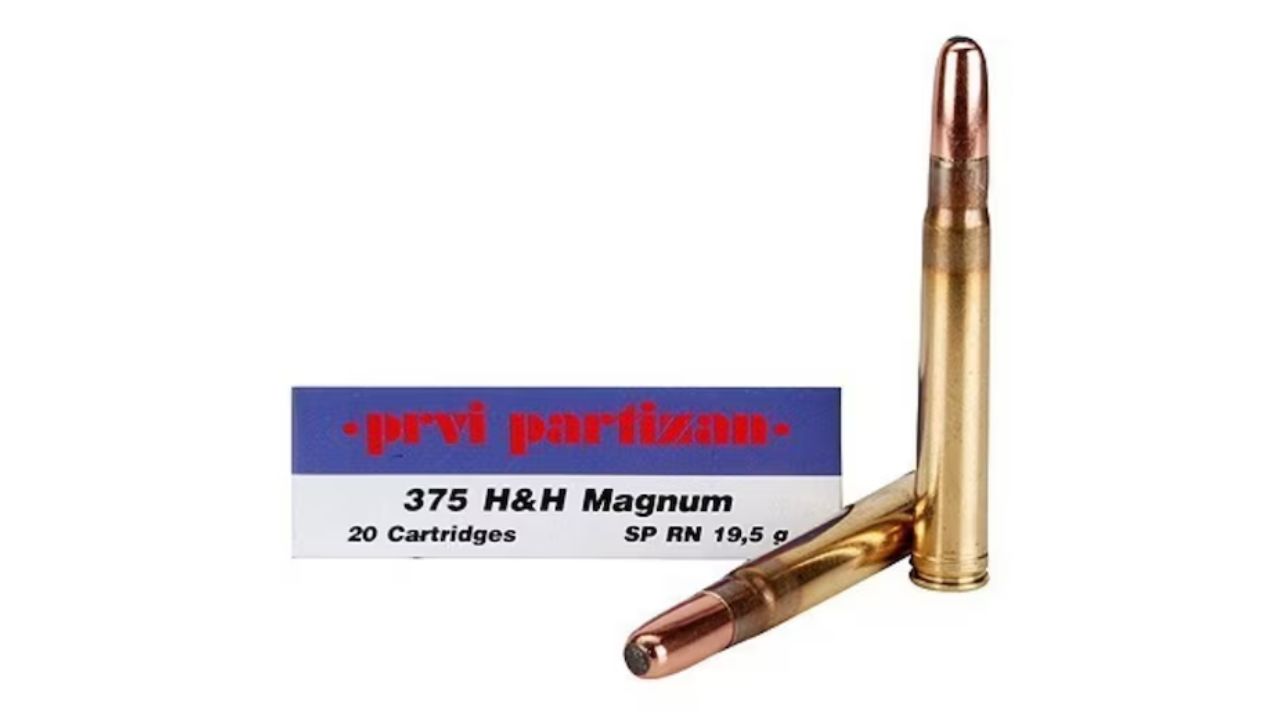
The .300 H&H Magnum is old, long, and not nearly as common as the .300 Winchester Magnum. That is why it gets overlooked. But it is also smooth-feeding, classy, and very capable on big game. It was doing serious .30-caliber magnum work before modern hunters had a dozen newer options to argue about.
It still delivers because the performance is there. Deer, elk, moose, sheep, and African plains game have all fallen to it for decades. The .300 H&H may not be convenient in short actions or modern compact rifles, but in a proper rifle it remains a wonderful hunting cartridge.
6.8 Western

The 6.8 Western has not gotten the attention its design deserves. It was built around heavier, high-BC .277-caliber bullets, giving hunters something more modern than the traditional .270 Winchester. For elk, mule deer, sheep, and open-country game, it brings serious potential.
It got hurt by timing, competition, and limited rifle and ammo support. That does not mean the cartridge is weak. The 6.8 Western hits harder than many people expect and gives .270 fans a modern twist with better heavy-bullet capability. If it had more support, more hunters would probably realize how well it delivers.
.350 Legend

The .350 Legend gets dismissed by hunters outside straight-wall states, but that misses the point. It was built to solve a specific problem, and it does that well. For whitetails in states with straight-wall restrictions, it gives hunters a mild, affordable rifle option that is easier to shoot than old slug guns.
It is not a long-range elk cartridge, and it should not be treated like one. But inside normal deer distances, it delivers better than its critics admit. Low recoil, decent ammo availability, and practical accuracy matter. The .350 Legend works because it fits the job it was designed for.
7×57 Mauser

The 7×57 Mauser is one of the great old cartridges that modern hunters barely talk about anymore. It has mild recoil, good sectional density with proper bullets, and a long record on game all over the world. It was never flashy, but it was always effective.
It gets overlooked because it is old and factory loads are often mild. But in a good rifle with good ammunition, the 7×57 is a wonderful deer, antelope, black bear, and even elk cartridge inside reasonable distances. Hunters who understand it tend to respect it deeply. It delivers quietly, which is probably why it never gets enough credit.
Like The Avid Outdoorsman’s content? Subscribe to our newsletter so you never miss an article.
Here’s more from us: