Photo credit: AI-generated image created using ChatGPT. Illustrative only
Most rural folks will bend over backwards to keep the peace with a neighbor. You fix your own fence, you run stray stock back where it belongs, and you chalk it up to “that’s country living.” But after a year and a half of playing cleanup crew for someone else’s cattle, one Texas homesteader decided enough was enough.
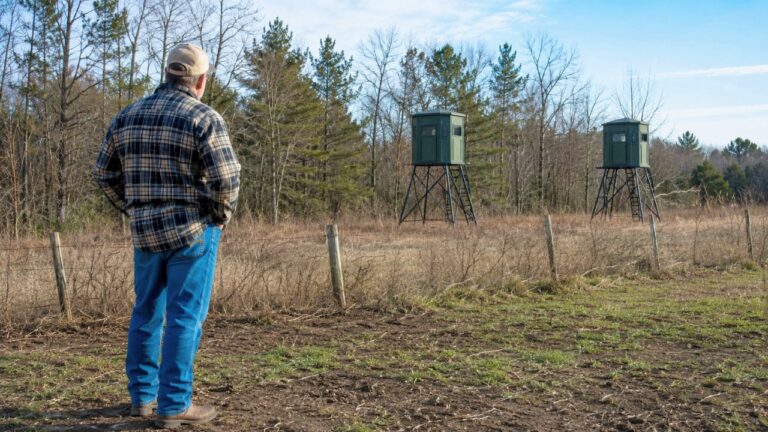
In the original post, the landowner laid out an ongoing problem: a neighbor who “has been allowing his cattle to just go where they may,” with fencing on only two sides of his property. The other two sides—shared lines with the homesteader—were left open, and the neighbor “refuses to build one.”
Eighteen months of loose cattle turns from annoyance to liability
A cow or two slipping through a weak spot is one thing. What this landowner described was a pattern that ran 18-plus months, with cattle wandering not just onto his land, but across it.
That’s where the situation stops being a minor nuisance and starts becoming a real-world problem with teeth. The cattle didn’t just graze the edge and drift back. They made it “all the way across” his place, into another neighbor’s yard, and then “nearly [got] on the highway.” If you’ve ever come around a bend at night and seen livestock in the road, you already know why that detail matters.
The neighbor’s attitude took the “friendly fix” off the table
Plenty of landowners will work something out when the issue is honest neglect—sharing labor, splitting materials, setting a weekend to string wire and hang gates. This wasn’t that.
The homesteader said he offered to help build the fence and even offered to pay for materials. The response he got back wasn’t a maybe-later or a financial hardship story. It was open refusal, along with cursing at the landowner’s wife and a blunt “I don’t give a [care].” At that point, it’s no longer a misunderstanding. It’s a neighbor deciding that your place is part of his grazing plan.
Doing the right thing gets old when it becomes your job
One of the most relatable parts of this story is how long the landowner tried to handle it the hard way—the responsible way. He said that “every time” he’d text or call, and “usually go run the cows back on his side.”
That’s sweat equity and time that never gets repaid. It’s also risk. Moving cattle isn’t complicated if you’ve done it, but it’s not nothing either—especially if you’re doing it solo, without the right panels, without help, and without knowing whether a bull is in the mix. And when you’re pushing someone else’s animals off your land over and over, you’re also gambling that one bad interaction won’t turn into a confrontation.
Trail cam photos made the decision simple: document it and call
The turning point came the way a lot of country problems do these days: a remote camera caught what the landowner already suspected. He said they got “remote pics at one of our feed stations” showing the neighbor’s cows on their side again.
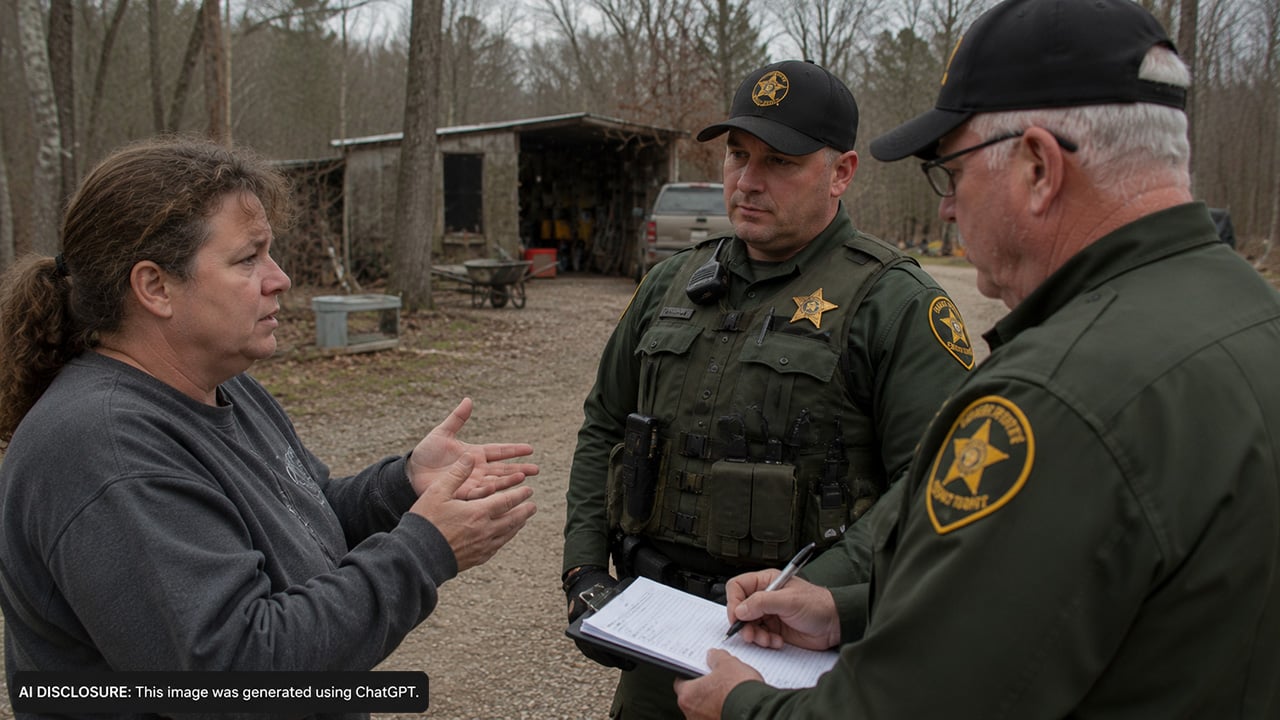
Instead of running them back—again—he called the sheriff’s department and met deputies out there. That’s an important detail for folks reading this who deal with trespass livestock or repeat property issues: when you can show a pattern and back it up with time-stamped photos, you’re not just complaining. You’re documenting.
The deputies “did see the cows on our side,” got video, and they knew exactly who the neighbor was. The deputy also told him the neighbor was a “known issue.” That’s both reassuring and frustrating at the same time. Reassuring because you’re not crazy and you’re not alone; frustrating because it suggests this isn’t the first rodeo for local law enforcement.
The unexpected problem: once deputies show up, the neighbor knows it’s serious
A lot of folks hesitate to make the call because they don’t want to be “that guy.” The landowner said it straight: he hated having to involve the law, but felt they’d been “more than patient and polite” while the neighbor “bully[ied] and t[ook].” That’s a common rural dilemma—especially when you’re sharing a line and you still have to live there after the dust settles.
Here’s the part that catches many homesteaders off guard: the minute deputies are involved, the conflict often changes shape. Before, it’s a practical problem—cows out again. After, it can become a personal problem—hurt pride, anger, and a neighbor who now knows you’re willing to escalate.
The post didn’t describe retaliation or a blow-up after the visit, but the “new problem” is baked into the reality of it: enforcement doesn’t build fences, and it doesn’t magically create a cooperative neighbor. It can, however, make the situation tense enough that you have to start thinking about your own routines—kids outside, dogs in the yard, gates left open, and how you handle the next face-to-face conversation.
Closed range in Texas changes the responsibility—on paper and on the ground
The landowner added one key detail that matters for anyone trying to understand the legal side: this is a “closed range county in Texas,” meaning it’s the livestock owner’s responsibility to keep animals contained.
That matters because folks often assume “open range” rules apply everywhere in Texas. They don’t. In closed range areas, the expectation is simple: if you own the cattle, you contain the cattle. But even when the law is clear, the day-to-day reality can still be messy. Deputies can document and warn, but you’re still the one dealing with hoof prints in your pasture, torn-up feed stations, and the risk of animals wandering toward traffic.
For landowners in similar situations, the practical move is what this homesteader started doing: keep records of dates, photos, and communications. If you’re forced to call again, the history matters. It also helps keep things calm and factual if the neighbor tries to turn it into a shouting match about “whose cows” and “where they were.”
In the end, the landowner wasn’t asking for drama—he was asking for a basic standard of responsibility that most stock owners already live by. When your neighbor won’t string fence on his own boundary and treats your property like an overflow lot, patience stops being a virtue and starts being permission. The deputies’ visit may not fix everything overnight, but it draws a line that should’ve been there in the first place—right on the property boundary, where it belongs.
Like The Avid Outdoorsman’s content? Be sure to follow us.
Here’s more from us: