Photo credit: The Avid Outdoorsman
A homeowner said a loud party next door turned into something far more serious when gunfire hit their house.
According to the Reddit post, the family’s home was shot during a neighbor’s party. That alone would be enough to leave anyone shaken. But the situation allegedly did not stop with one round or one moment of panic.
The poster said more bullets came through hours later, leaving the family wondering what they could do and how to protect themselves after gunfire entered their home.
They explained the situation in a Reddit thread and asked for advice after their house was shot: https://www.reddit.com/r/legaladvice/comments/1ecz32e/home_was_shot_and_i_need_advice/
The first shots were already frightening
A bullet striking a home is not a normal neighbor dispute.
This was not a complaint about music, cars parked in the wrong spot, or people yelling over a fence. The poster said actual gunfire hit the house.
That changes everything.
When bullets enter or strike a home, every person inside has to think about where they were standing, where their children or pets were, and whether the next round could come through a bedroom, kitchen, or living room.
Even if nobody is hurt, the feeling of safety can disappear immediately.
Then it allegedly happened again
The most disturbing part of the post was that the danger apparently continued.
The poster said more bullets came through hours later. That detail made the situation feel less like a single reckless moment and more like an ongoing threat.
A family can try to explain away one loud bang as chaos from a party, even if it should still be reported. But when more gunfire follows later, staying in the home starts to feel much harder.
At that point, the question is not only who fired. It is whether the family can safely remain inside while the problem is still active.
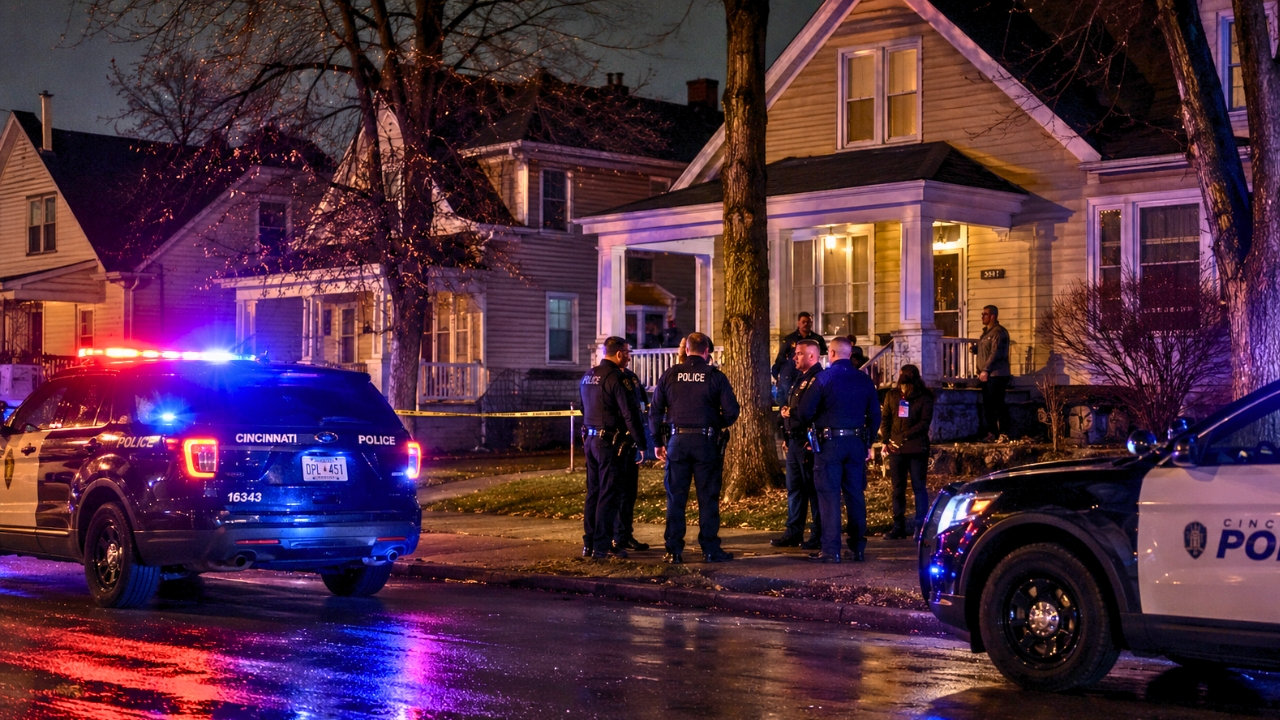
Commenters said to call police immediately
The clearest advice was to involve police every time gunfire hit the home.
A bullet through a house is not something to wait on. If shots are still being fired, that is an emergency. If the shots already happened, the family still needs an official report, evidence collection, and a record of what occurred.
Commenters generally treated this as far beyond something to handle by talking to the neighbor.
Nobody should be expected to walk next door and ask people at a party to please stop shooting into the house. Once firearms are involved, the safe move is to call authorities and stay away from the source of the danger.
Evidence needed to be preserved
Commenters also focused on documentation.
The family needed photos of bullet holes, damaged walls, broken glass, struck furniture, shell fragments, and anything else showing the path of the rounds. If bullets or fragments were found, they should not be casually handled or thrown away.
That kind of evidence can matter to police, insurance, and possibly a future court case.
It also helps show that this was not just someone saying they heard gunfire nearby. The family could point to physical damage and say, “This came into our house.”
That distinction matters.
The party setting made the whole thing more chaotic
A party next door adds another problem: identifying who actually fired.
If a lot of people were present, the homeowner may not know whether the shooter lived there, was a guest, or was someone passing through. That makes the police response even more important.
The neighbor who hosted the party may deny knowing who fired. Guests may leave before officers arrive. People may hide guns, change stories, or claim the shots came from somewhere else.
That is why time matters. The sooner police respond, the better chance they have of finding witnesses, shell casings, security footage, or people still on scene.
Waiting until the next day can make everything harder.
Security cameras could help after the fact
If the homeowner had cameras, commenters would likely tell them to save the footage immediately.
Doorbell cameras, driveway cameras, and neighboring security systems may capture people arriving, leaving, arguing, firing into the air, or moving near the house. Even audio can matter if it captures the timing of shots.
If the family did not have cameras, this was the kind of incident that makes people install them fast.
Cameras will not stop a bullet, but they can help prove what happened next time. They can also show whether shots are coming from the same property, a vehicle, or a group of people nearby.
The family needed to think about where to sleep
A practical concern in these cases is whether the family should stay in the home that night.
If more bullets had come through hours after the first incident, the threat may not have been over. Commenters in similar situations often tell people to move to a safer part of the house, leave if they can do so safely, or wait for police guidance.
Nobody wants to abandon their own home because of someone else’s reckless behavior. But if rounds are entering the structure, pride does not matter.
The safest room may be one without exterior walls facing the source of the gunfire. In some cases, the safest move may be to stay with family, a friend, or at a hotel until police and the property owner can address the danger.
Insurance could become part of the cleanup
Once the immediate danger passes, the homeowner has to deal with damage.
Gunfire can damage siding, drywall, windows, appliances, furniture, wiring, plumbing, and more. Some of that damage may not be visible right away.
That means insurance may need to be involved. A police report will likely be important for any claim. Photos before repairs are also important.
The homeowner should not patch everything immediately without documenting it. Repairs matter, but proof matters too.
If the bullets came from a neighbor’s party, there may also be questions about liability and whether the homeowner’s insurance tries to recover from someone else later.
The host’s responsibility was a major question
Even if the neighbor did not personally fire the shots, the party connection raised obvious questions.
Who invited the people? Who allowed guns at the party? Did the homeowner next door complain before things escalated? Did the party host know people were firing? Did they try to stop it?
Those questions may matter if the family tries to recover damages or if police investigate.
The person who pulled the trigger is the most direct problem. But a property owner or tenant hosting a chaotic event may still become part of the story, especially if they knew dangerous behavior was happening and did nothing.
The thread showed why “celebratory” gunfire is not harmless
Sometimes people fire guns into the air or around parties as if it is just noise.
It is not.
Bullets come down. Bullets pass through walls. Bullets enter homes where people are sleeping, cooking, watching TV, or putting kids to bed.
The family in this Reddit thread was dealing with the reality of that. A party next door became a serious safety issue because someone’s gunfire did not stay outside.
That is why commenters pushed the poster toward police reports, evidence, cameras, insurance documentation, and staying physically safe before worrying about anything else.
Because once bullets come through a house, the argument is no longer about bad neighbors. It is about whether the people inside can survive someone else’s reckless night.
Check out more from The Avid Outdoorsman here.