Photo credit: AvidOutdoorsman
It started like a normal weekend for bird dog folks: trucks lined up on a two-track, handlers swapping leads and whistles, and a judge’s clipboard tucked under an arm. The kind of event where everybody is focused on steadiness, range, and manners. Then one pointer slipped a lead, got out of sight, and the whole thing went from a controlled test to a real-world wreck.
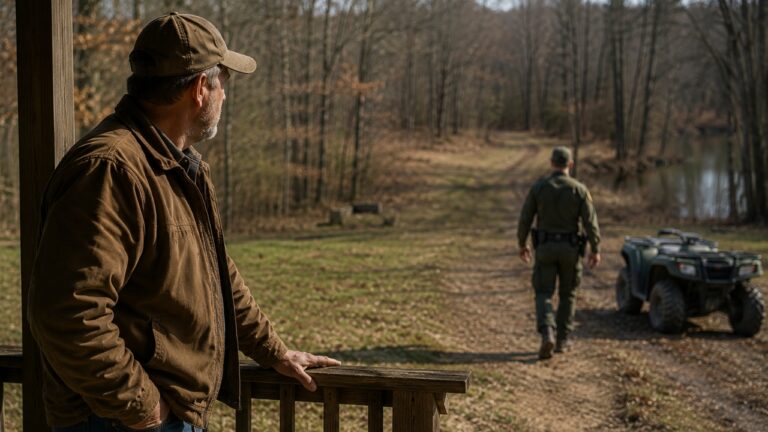
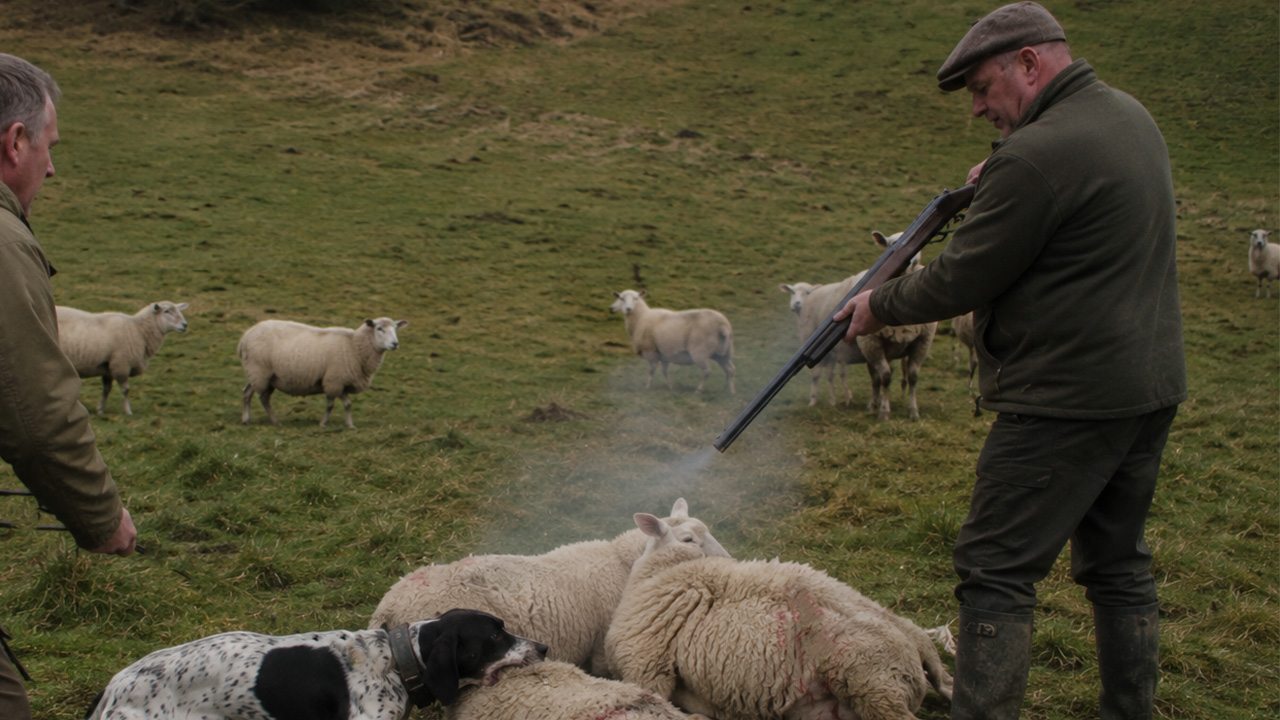
By the time anyone realized the dog wasn’t just “running big,” it had crossed a fence line and was in a sheep pasture. Three sheep ended up dead. And before the field trial crew could get the dog back, the farmer put it down. Now the dog’s owner is suing, arguing the pointer’s value was significant, and the landowner didn’t have to shoot.
A field trial is controlled—until it isn’t
Most field trials are built around the idea that dogs will be dogs, but they’ll be dogs within boundaries. There are bird fields, planted birds or wild birds, and a whole culture of safety rules around handling, guns, and spacing. Still, you’re dealing with high-drive animals bred to go hard and stay hunting.
On this day, the pointer reportedly broke away during the transition between braces. It doesn’t take much—one snapped snap, a dropped lead, a handler turning to talk—then a dog is gone. And a pointer running full tilt can cover a shocking amount of ground in a few minutes, especially if there’s a draw, a hedgerow, or a creek bottom that funnels it away from people.
When a bird dog turns into a livestock problem
Plenty of folks hear “hunting dog” and picture a polite animal that lives to please. But prey drive is prey drive, and it can show up sideways. A dog that’s never harmed a thing can still get wound up by movement, noise, and the chaos of a flock bunching up and bolting.
Once a dog commits to chasing sheep, it turns from a nuisance into an emergency. Sheep aren’t deer. They don’t have speed, they don’t have fight, and they pile up. Even if a dog doesn’t “mean to kill,” the bite-and-hold behavior and repeated hits can put animals down fast. In rural country, farmers have seen this before, and they don’t treat it like a misunderstanding.
From the landowner’s side, there’s also the bigger concern: a dog that’s already killed can keep going, and the longer it’s in the pasture, the worse the damage gets. When you’ve got livestock, you don’t have the luxury of hoping it’ll work itself out.
The shot that changed everything
The farmer’s decision to shoot the dog is the moment this went from a bad incident to a full-blown legal fight. In that split-second, the farmer wasn’t weighing pedigrees, training bills, or ribbons. He was looking at dead animals and a predator still in the act.
Rural norms matter here, whether people like it or not. Landowners are expected to protect livestock, and in many places, the law gives them room to do it when an animal is actively harassing or killing. That doesn’t mean “shoot first” is always the smartest choice, but it explains why a farmer might see no other option—especially if the dog is out of reach, handlers aren’t on scene yet, and the pasture is big enough that a chase on foot is just theater.
There’s also a safety layer that doesn’t get talked about enough. A dog in a pasture can push sheep toward roads, fences, or farm equipment. Add in the stress of the moment, and you can end up with wrecks that go beyond the livestock.
The hunter’s lawsuit and the question of “value”
The owner’s lawsuit reportedly centers on the pointer’s worth. Anyone who’s spent time around serious bird dogs knows how expensive they can be. A well-bred, well-trained pointer with trial placements isn’t just a pet. It can represent years of work, travel, pro training, vet bills, and a reputation.
But that’s where the hard truth shows up: a high-dollar dog is still a dog. And if it’s the dog doing the damage, the numbers on paper don’t erase the farmer’s losses. Three sheep might not sound like much to folks who don’t buy feed, pay vet calls, or manage breeding, but livestock margins are real, and a dead animal isn’t just a dead animal. It’s future lambs, time, and stability.
In a case like this, the argument usually turns on whether the farmer’s response was “reasonable” under the circumstances. Could the farmer have run the dog off? Could he have waited for handlers? Was the dog actively killing at the moment of the shot? That’s the kind of detail that ends up in court, and it’s also why the cleanest answer is preventing the problem in the first place.
What outdoorsmen argued about: rights, responsibility, and fences
When a story like this hits the rounds at the feed store or online, folks split into two camps fast. One side says a farmer has every right to protect livestock from a dog in the act, no matter whose dog it is. The other side says a valuable hunting dog deserved a chance to be caught, and shooting was over the top.
The more grounded voices usually land in the same place: ownership comes with responsibility. If you run dogs—bird dogs, hounds, anything—you owe it to your neighbors to keep them contained and under control. “He’s friendly” doesn’t mean anything when the animal is across a fence doing damage.
People also tend to focus on boundaries and communication. Field trials often run near working farms. That doesn’t make it wrong, but it does mean everyone needs to know where the property lines are, what livestock is present, and what the contingency plan is when a dog goes missing. A simple conversation before the event can prevent the kind of decision a farmer might make in anger and urgency.
The practical lessons for handlers and landowners
If you handle dogs, this is a reminder that gear and habits matter. Check your leads and snaps. Don’t set a dog down “just for a second” without control. If you’re staging dogs out of truck boxes, keep the chaos to a minimum. And if you’re running near livestock, treat that fence line like it’s a highway—because for your dog, it might as well be.
For organizers, the lesson is about risk planning. Having designated wranglers, clear maps, and quick contact with adjacent landowners isn’t just paperwork. It’s the difference between “we got him back” and “someone’s paying for this for years.” In farm country, a lost dog isn’t automatically an innocent dog.
For landowners, the best move is still documentation and de-escalation when possible—photos, video, and calling the event contact if you know who it is. But if livestock are being killed in front of you, nobody should be shocked that farmers act decisively. The law may sort out dollars later, but the damage happens in real time.
In the end, this mess wasn’t caused by a judge’s scorecard or a ribbon. It was caused by a dog getting loose in the wrong place at the wrong time, and two sides reacting the way their worlds taught them to react. If you run dogs, tighten up your control. If you raise livestock, know your rights and your options. Either way, the cleanest outcome is never letting it get to that pasture gate in the first place.
Like The Avid Outdoorsman’s content? Be sure to follow us.
Here’s more from us: