Photo credit: misterguns/GunBroker
Gun buyers love to think they can spot value immediately, but that is not always how it works. Some firearms look too plain, too cheap, too odd, or too behind the times to get much respect at first. They get judged by the logo on the slide, the stock material, the caliber, or whatever trend is hot that year.
Then those same guns start proving people wrong. They shoot better than expected, last longer than predicted, or fill a role buyers did not understand until prices climbed and clean examples got scarce. These are the guns buyers underestimated badly.
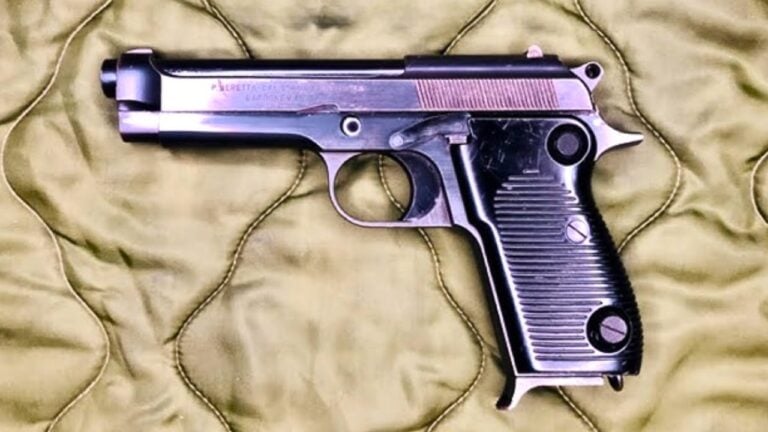
Smith & Wesson Model 59

The Smith & Wesson Model 59 was easy for some buyers to underestimate because it looked like an old double-action 9mm from a different handgun era. Once polymer pistols took over, a chunky alloy-frame pistol with traditional controls seemed dated.
That was too shallow. The Model 59 was important, useful, and far more capable than many modern shooters give it credit for. It brought double-stack 9mm capacity into a serious American service pistol and helped set the stage for later Smith autos. It may not feel as refined as newer designs, but it still has history, shootability, and old-duty-gun charm.
Remington Model 788 Carbine

The Remington Model 788 Carbine never looked like much. It was a budget rifle with a rear-locking bolt, plain stock, and none of the prestige of the Model 700. Buyers who judged by looks often dismissed it fast.
That was a bad read. The 788 built a reputation for accuracy that embarrassed more expensive rifles, and the carbine versions added a handy woods-rifle feel. In chamberings like .308, .243, or 7mm-08, it could be a serious hunting tool. People underestimated it because it looked cheap. The targets often told a different story.
Ruger Standard Auto
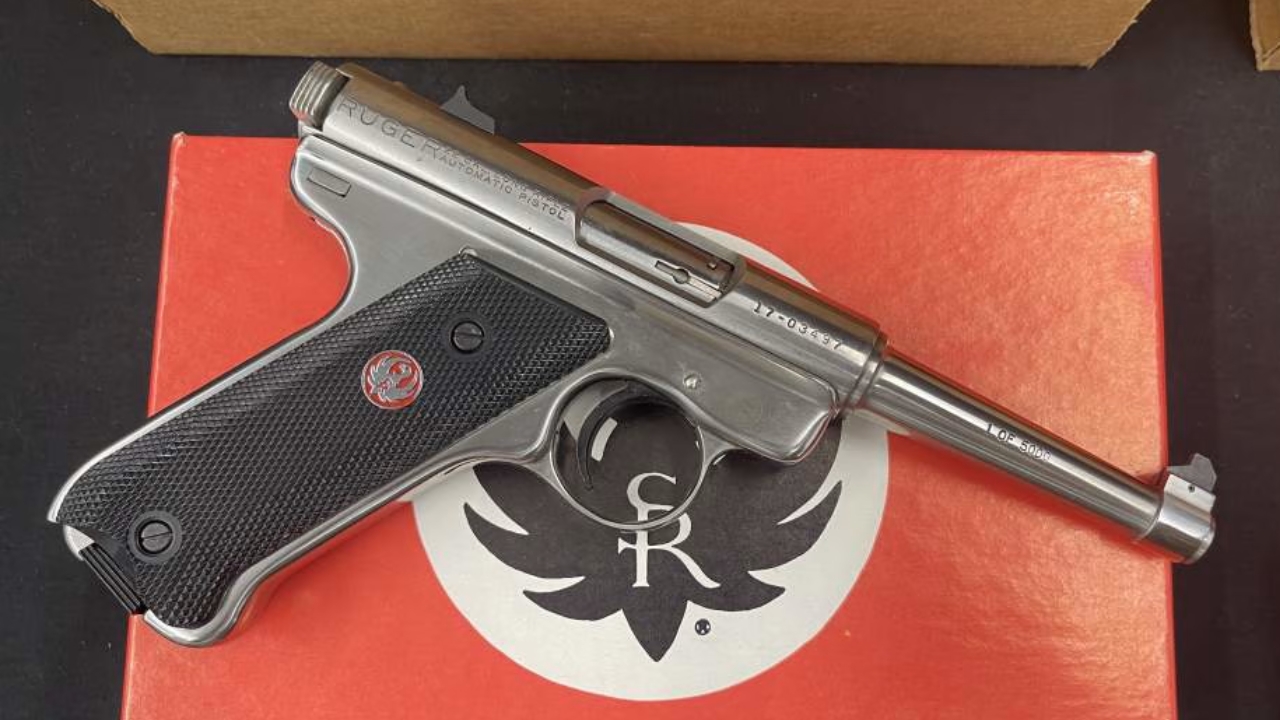
The Ruger Standard Auto was once just an affordable .22 pistol, and that made people underestimate it. It did not look fancy, and early buyers could not have known how important the design would become.
The little Ruger proved itself by being accurate, durable, and endlessly useful. It helped build the company’s reputation and gave generations of shooters a practical rimfire handgun. People who treated it like a basic plinker missed the bigger picture. A good Standard Auto still feels like one of the smartest .22 pistols ever made.
Marlin Glenfield Model 30A
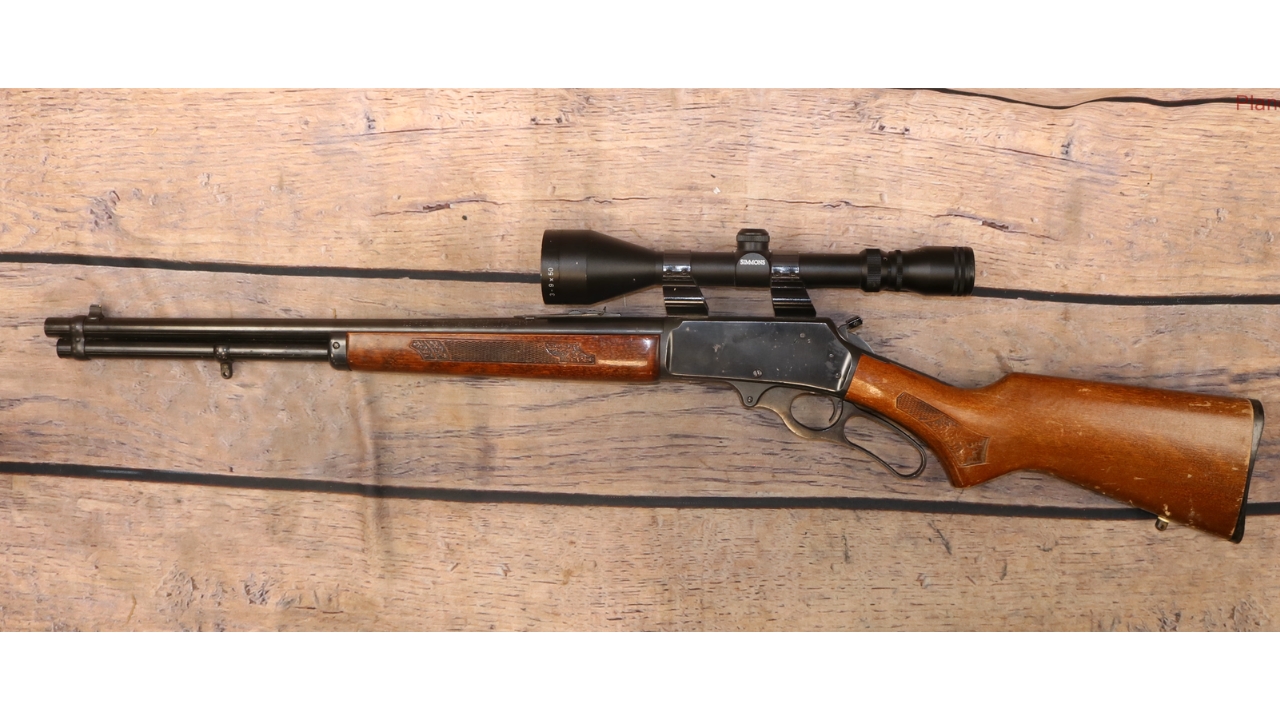
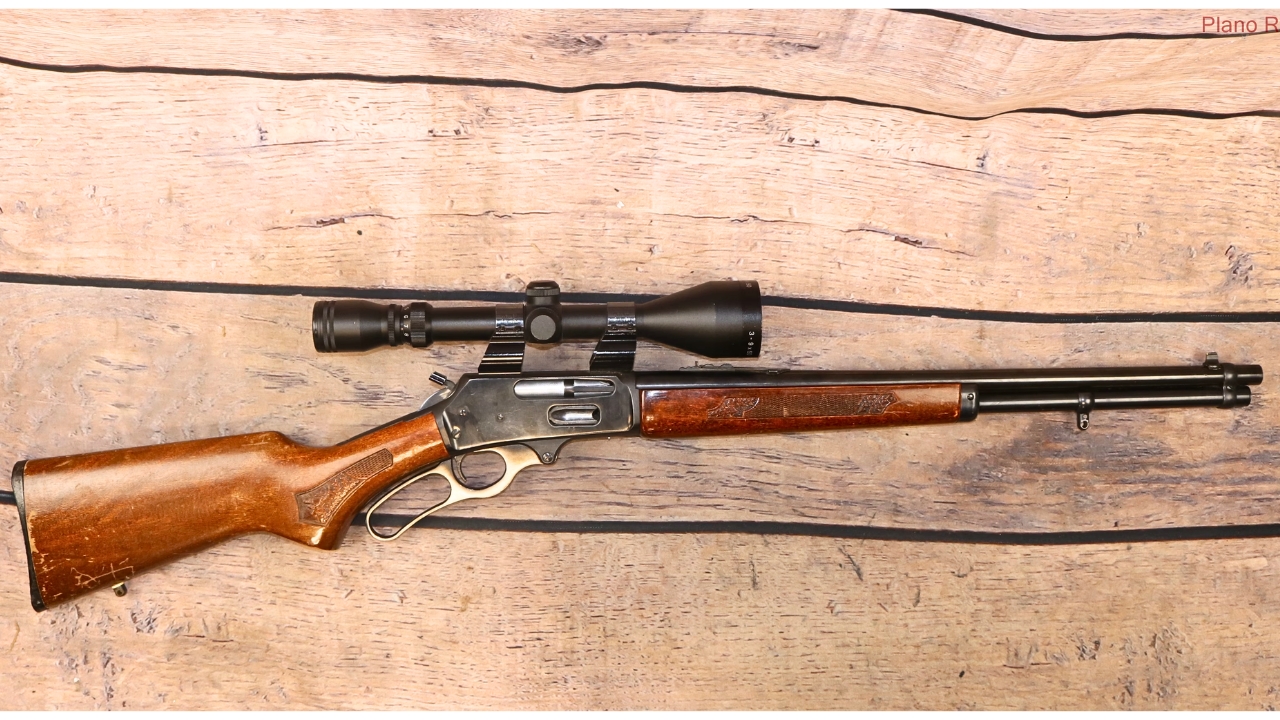
The Glenfield Model 30A was often underestimated because it wore the department-store Glenfield name instead of the full Marlin identity people chased later. Some buyers treated it like a lesser .30-30 lever gun.
That was unfair. Underneath the plainer finish and birch stock, it was still a Marlin lever-action deer rifle that did real work. It carried well, handled woods hunting, and used the same basic formula that made the 336 family so trusted. Buyers who ignored Glenfields because they lacked fancy trim missed some very useful rifles.
Beretta 92 Compact L

The Beretta 92 Compact L lived in the shadow of the full-size 92 series. Buyers who wanted a Beretta usually bought the big one, while carry-minded shooters often chose smaller, lighter pistols.
That left the Compact L underestimated for years. It keeps the smooth Beretta shooting feel in a handier package, with enough size to remain controllable. It is not tiny, but that is part of why it shoots well. Shooters who ignored it because it sat between categories missed one of the more practical 92 variants.
Winchester Model 190
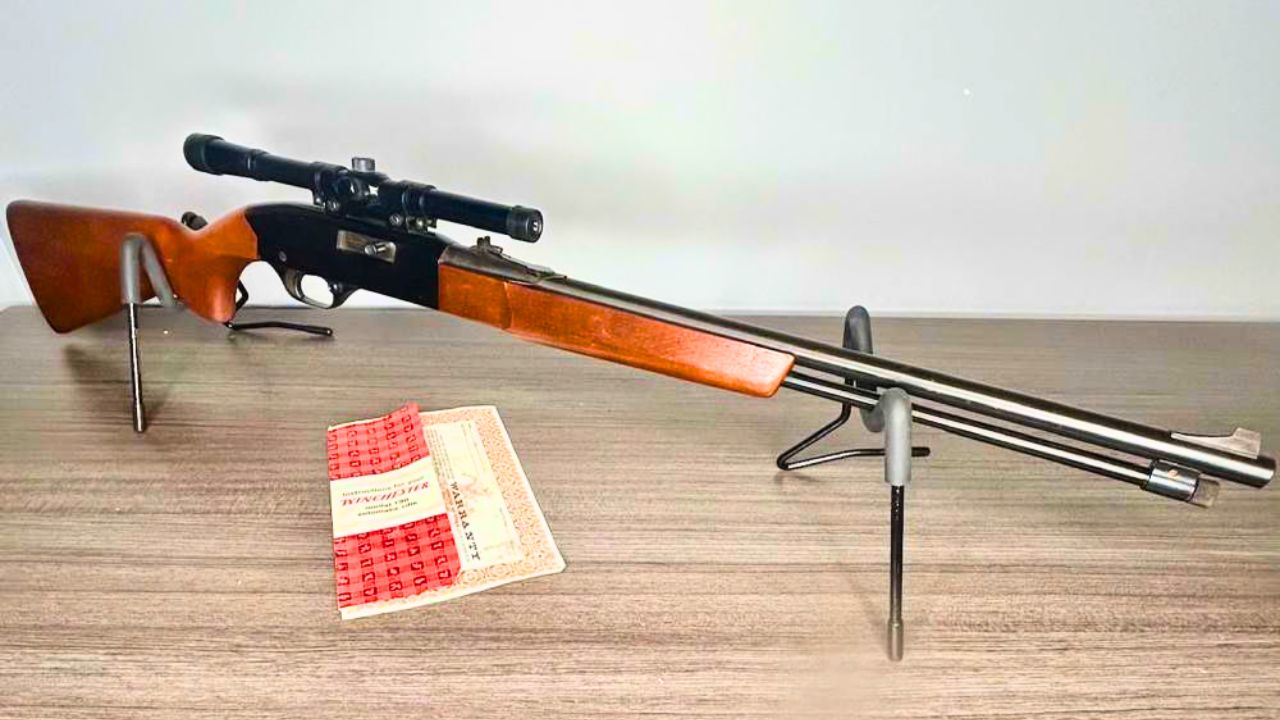
The Winchester Model 190 was never treated like a premium rimfire. It was an affordable semi-auto .22 that spent years being used hard, tossed in closets, and carried around farms.
That normalness made buyers underestimate it. A good Model 190 was light, handy, and fun enough to keep around forever. It did not need target-rifle accuracy or fancy walnut to matter. It was the kind of rifle that got shot constantly because it was easy to bring along. Sometimes the most underestimated guns are the ones people actually use the most.
Colt Trooper
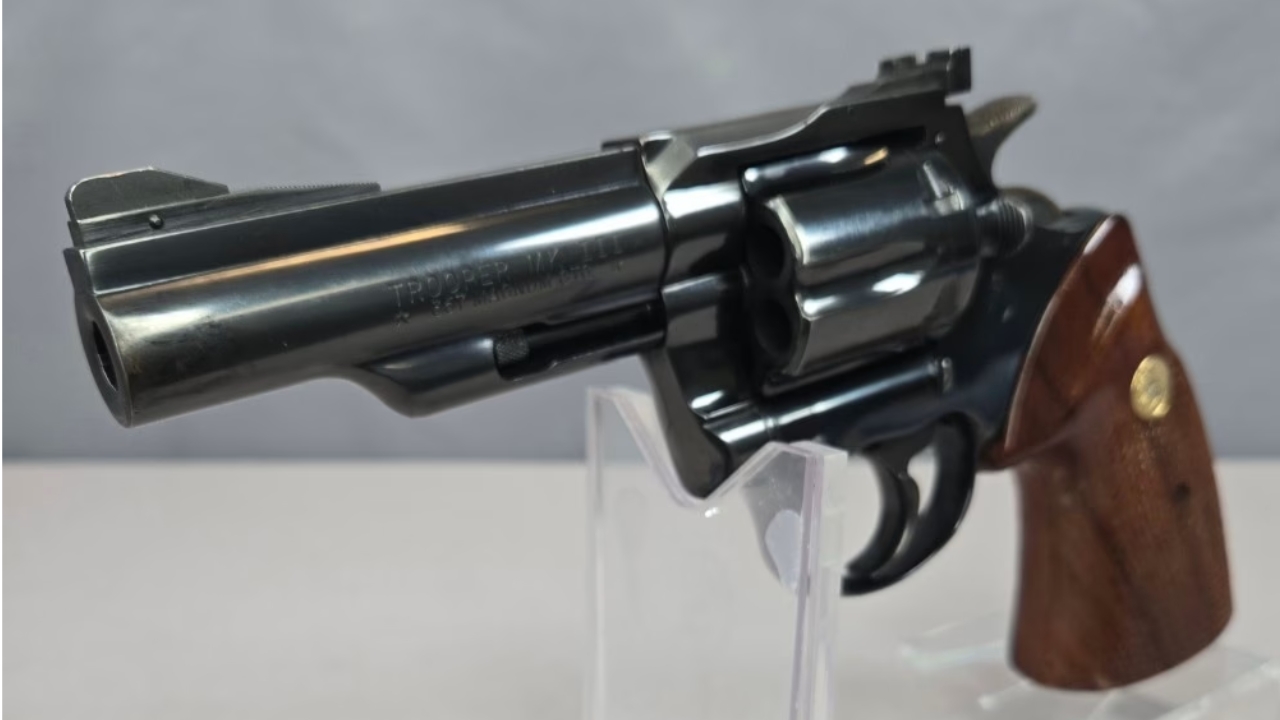
The Colt Trooper was underestimated because it was not the Python. That sounds simple, but it shaped how buyers looked at the revolver for years. If a Colt wheelgun lacked the famous vent rib and royal reputation, some people treated it as second tier.
That thinking looks foolish now. The Trooper is a strong, handsome, accurate revolver with real Colt character. It may not have the same collector glow as a Python, but it was never a poor substitute. Buyers who underestimated it because they wanted the flashier snake gun often missed a better value and a very capable shooter.
Savage Model 10ML-II
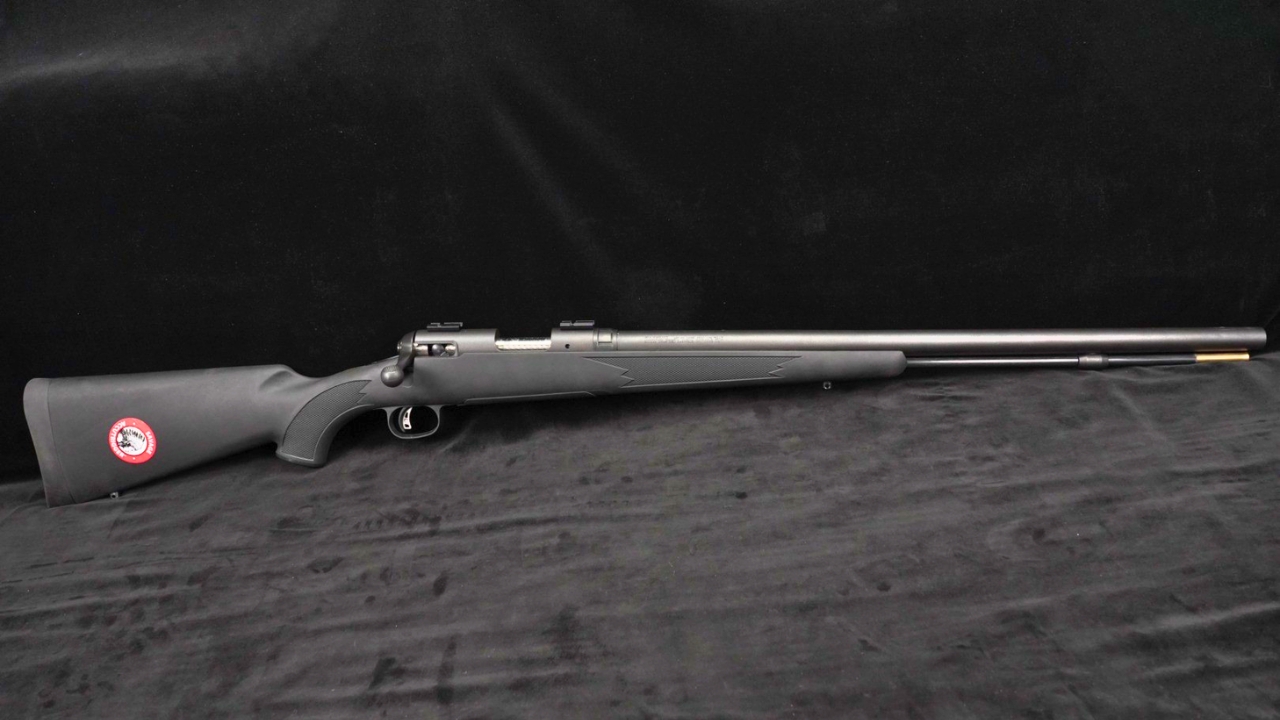
The Savage 10ML-II was badly underestimated because it sounded strange from the beginning. A bolt-action muzzleloader designed for smokeless powder loads was not something every traditional hunter knew how to process.
But the rifle earned a serious following among people who understood it. It could be accurate, powerful, and less messy than conventional black-powder substitutes when used correctly with approved loads. It was not for careless experimentation, but it was a smart, specialized hunting tool. Buyers who dismissed it as weird missed one of the more interesting modern muzzleloaders.
Browning Gold 20 Gauge
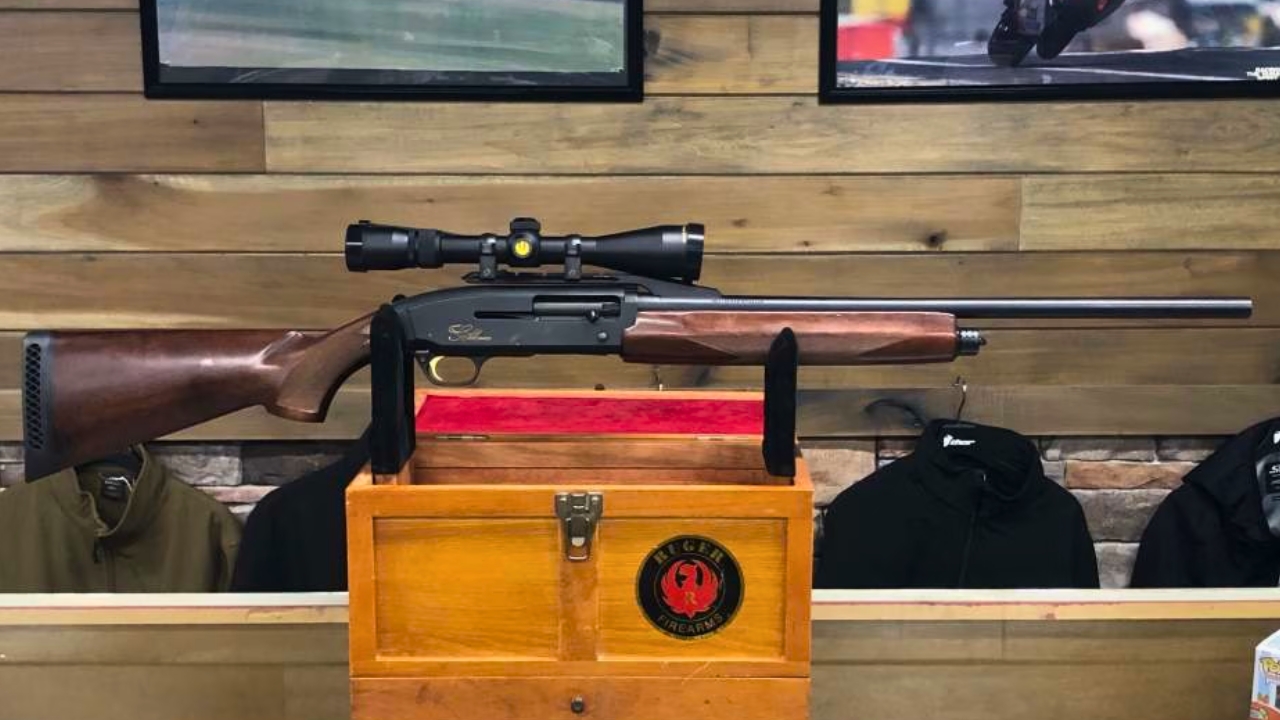
The Browning Gold 20 Gauge did not always get the attention it deserved because many hunters focused on 12-gauge semi-autos or higher-end field guns. A soft-shooting 20 gauge can sound like a lighter-duty choice to people who only think in payload.
That underestimates how useful it is. The Gold 20 carries well, recoils gently, and works beautifully for upland birds, doves, rabbits, and clays. It is the kind of shotgun that makes people shoot better because it does not beat them up. Buyers who overlooked it in favor of bigger gauges often missed a sweeter field gun.
CZ 40B
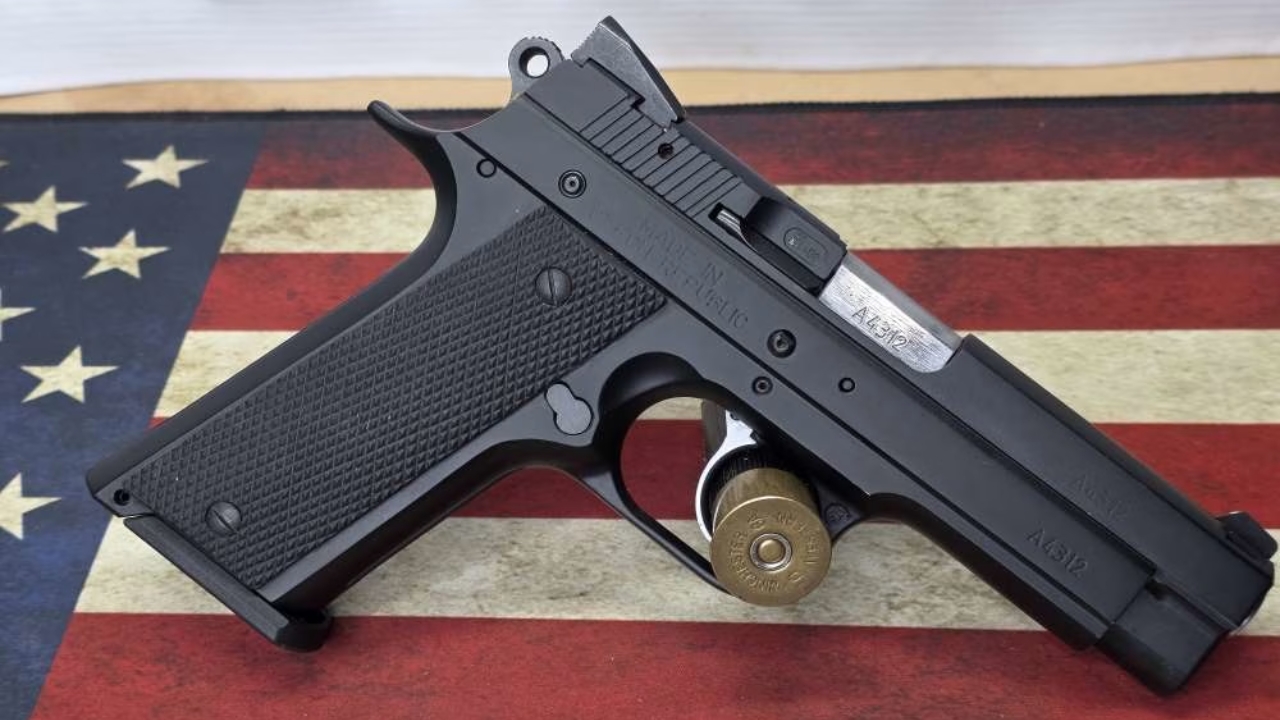
The CZ 40B was easy to underestimate because it was unusual, short-lived, and chambered in .40 S&W after that cartridge’s popularity began cooling. It also did not look exactly like the CZ pistols most people recognized.
That made it a sleeper. The 40B had a comfortable grip, solid accuracy, and a unique Colt/CZ development story that gives it more interest now. It was not a major market hit, but it was better than its quiet reputation. Buyers who dismissed it as an odd .40 missed a pistol with genuine collector and shooter appeal.
Mossberg 464 SPX

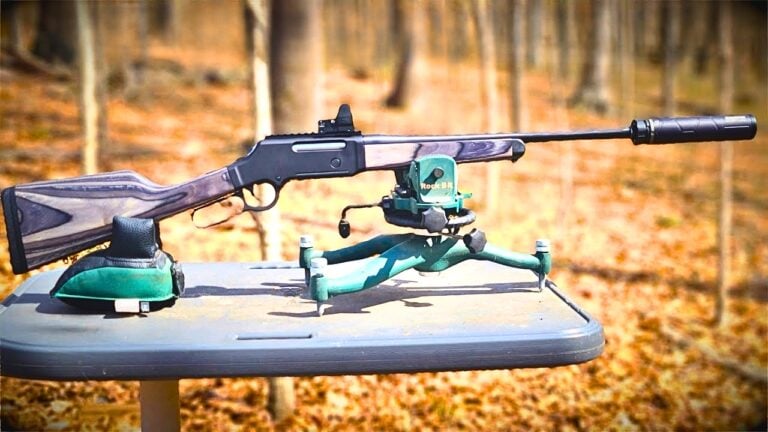
The Mossberg 464 SPX was mocked hard because it looked like someone tried to make a lever gun tactical before buyers were ready for that idea. The adjustable stock and rail-heavy look turned off traditional lever-action fans immediately.
But the market changed in a funny way. Modernized lever guns are everywhere now, and the 464 SPX looks less ridiculous in hindsight. It was not perfect, and it was never going to replace classic Marlins or Winchesters, but buyers underestimated how early it was to the trend. Sometimes a gun looks silly because it showed up before the crowd caught up.
SIG Sauer P239 SAS
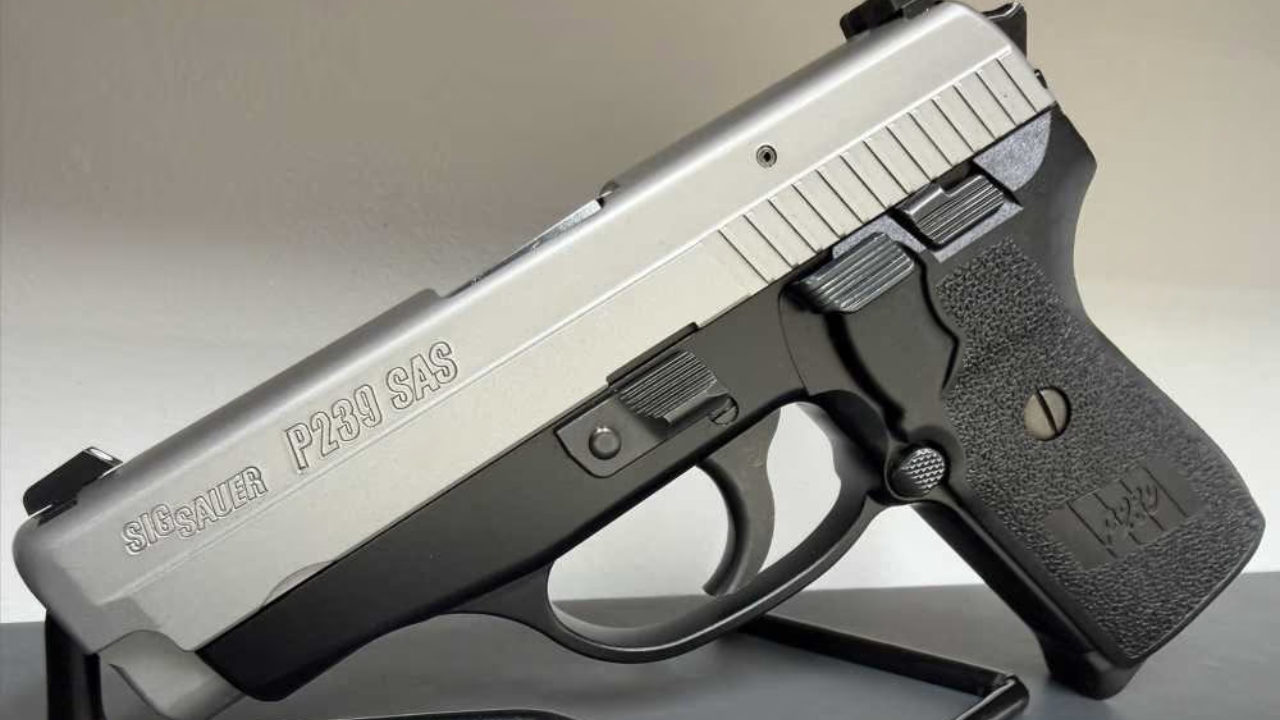
The SIG P239 SAS was underestimated because it was a single-stack pistol in a world that kept moving toward lighter, higher-capacity carry guns. Even when new, it looked conservative.
That misses why people liked it. The SAS treatment made it smoother for carry, while the P239’s metal-frame feel gave it excellent control for its size. It was accurate, flat enough to conceal, and built with classic SIG confidence. Buyers who dismissed it because of capacity often later realized shootability and trust still matter.
Remington Model 552 Speedmaster
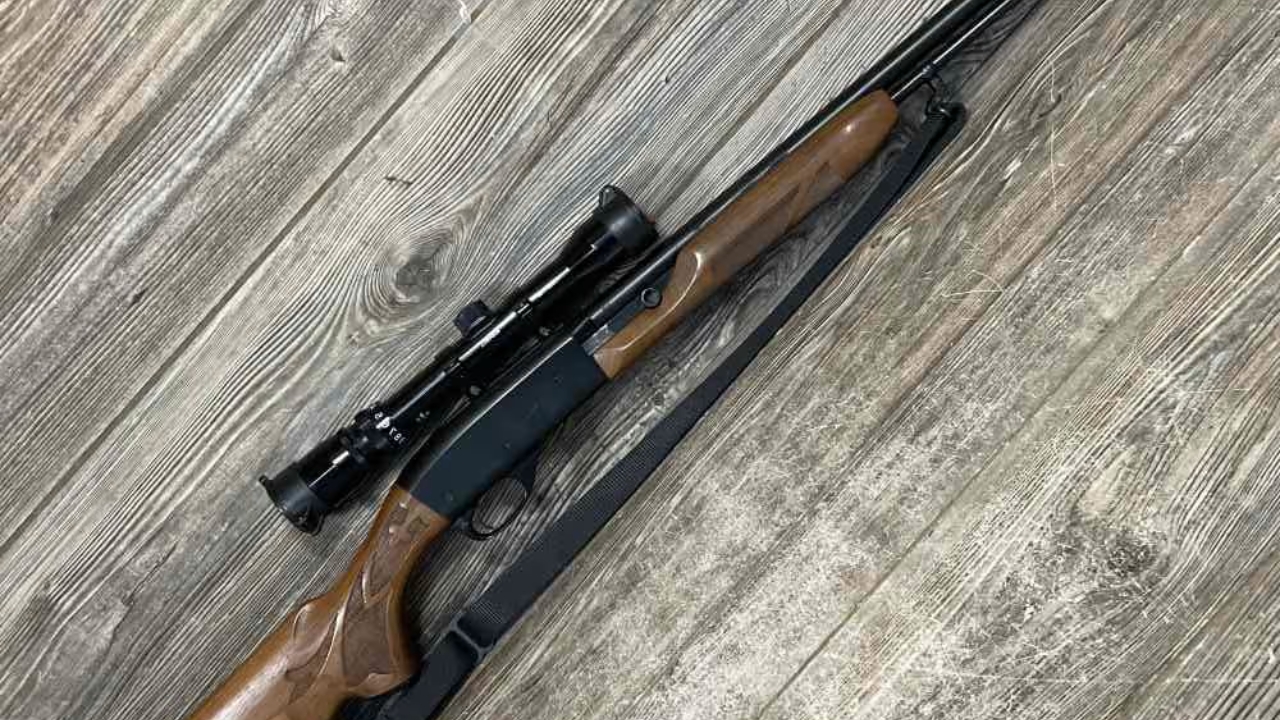
The Remington 552 Speedmaster was underestimated because it looked like a regular old tube-fed .22. Rimfires like this were common enough that buyers rarely treated them as anything special.
That was a mistake. The 552 could run .22 Short, Long, and Long Rifle, giving it a flexibility many semi-auto rimfires lack. It was smooth, reliable when maintained, and built with a level of quality that makes newer bargain rimfires feel thin. Buyers who shrugged at them years ago often wish they had grabbed clean examples.
Ruger 96/22
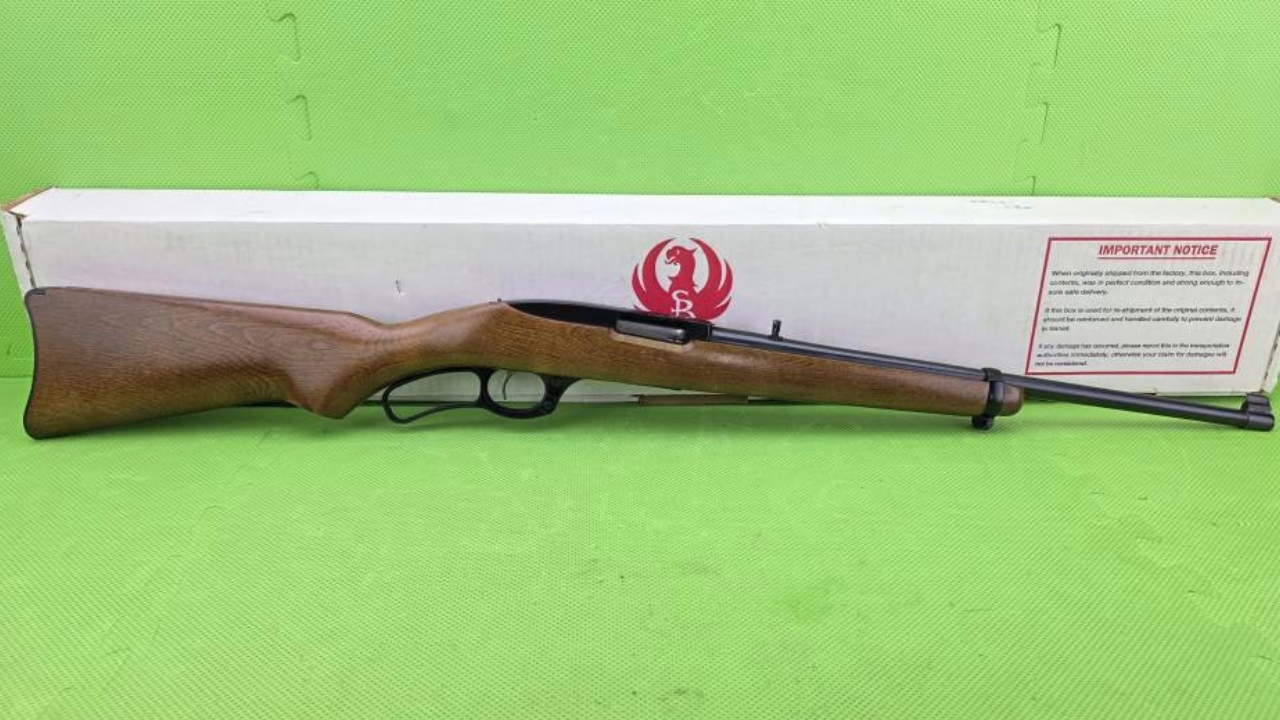
The Ruger 96/22 was underestimated because it looked like a strange lever-action version of the 10/22. It did not fit the traditional lever-gun crowd, and it did not have the same popularity as Ruger’s semi-auto rimfire.
That is exactly why it became interesting later. The rotary magazine, short lever throw, and handy size made it a fun and practical .22 rifle. It was different without being useless, and Ruger did not keep it around forever. Buyers who dismissed it because it was odd missed one of Ruger’s more clever rimfire experiments.
Weatherby SA-08

The Weatherby SA-08 was underestimated because Weatherby shotguns did not always get the same attention as the company’s rifles. Buyers looking for semi-autos often went straight to Beretta, Browning, Benelli, or Winchester.
The SA-08 deserved more respect than that. It was light, affordable, and pleasant to shoot, with gauge options that made it useful for upland hunting, doves, and casual clays. It was not a luxury shotgun, but it gave owners real field value. Buyers who ignored it because of the name on the receiver missed a very sensible semi-auto.
Like The Avid Outdoorsman’s content? Subscribe to our newsletter so you never miss an article.
Here’s more from us: