Photo credit: Reloader Joe/YouTube
Some firearms sit in plain sight for years before people finally admit they were good. They don’t always have the right name, the right look, or the right timing. Sometimes they’re too affordable to be taken seriously. Sometimes they’re overshadowed by a more famous model. Sometimes they just don’t photograph well enough to become internet favorites.
Then the market catches up. Shooters start comparing what they actually do instead of how they look on the rack. Hunters notice the rifle shoots better than expected. Carriers realize the pistol fits a role better than newer options. Collectors start chasing the model everyone ignored. These are the firearms people slept on too long.
Smith & Wesson Model 915
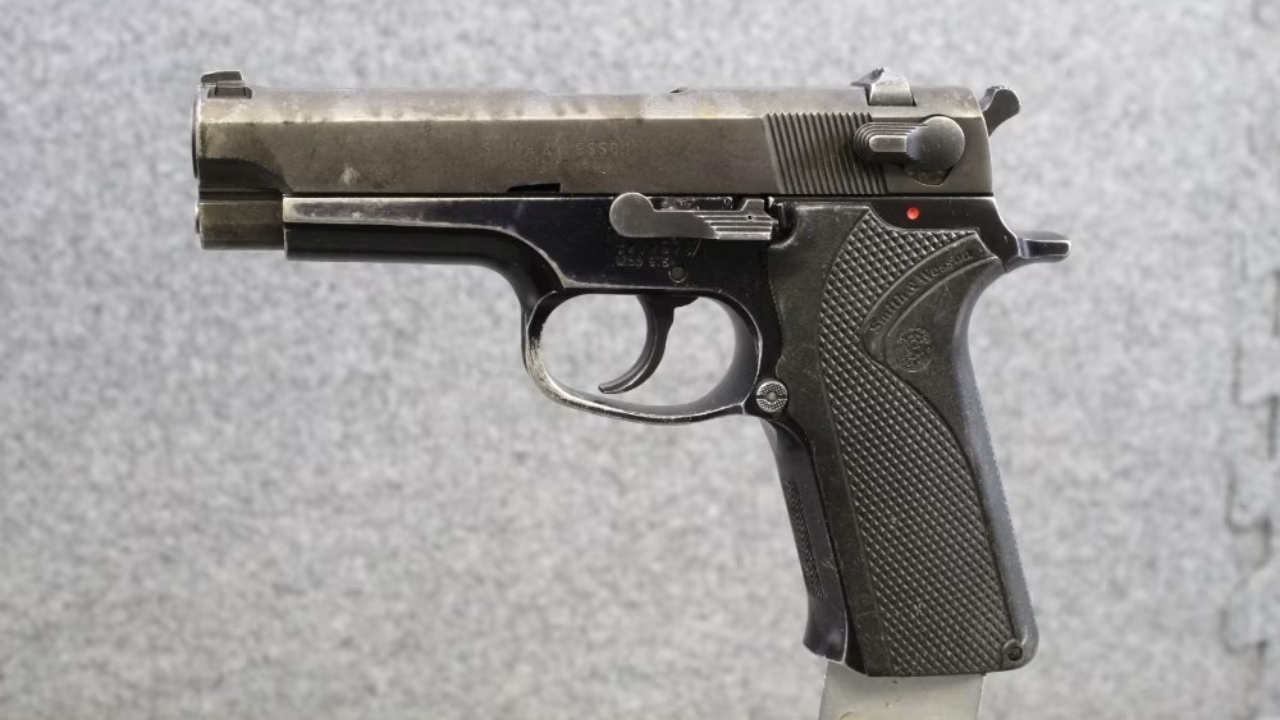
The Smith & Wesson Model 915 lived in the shadow of the nicer third-generation Smith autos. It was plainer, less polished, and easier to dismiss than pistols like the 5906 or 6906. For a long time, shooters treated it like the budget version instead of a serious working 9mm.
That was shortsighted. The 915 still gave owners a reliable double-stack 9mm with a real service-pistol feel. It wasn’t fancy, but it shot well, carried enough rounds, and had the kind of durability people now appreciate in older Smith autos. Once the third-gen market started heating up, even the plain models started looking smarter. People slept on the 915 because it wasn’t glamorous, not because it couldn’t run.
Remington Model Seven

The Remington Model Seven never had the same reputation as the Model 700, and that helped keep it quieter than it should have been. It was shorter, handier, and better suited to thick woods than a full-size hunting rifle, but many hunters still treated it like a smaller side note in Remington’s lineup.
That compact handling was the whole point. The Model Seven carried easily in brush, worked well from blinds and stands, and came in chamberings that made real sense for deer hunting. It didn’t need to be a long-range rifle to be useful. Once hunters started appreciating shorter, lighter bolt guns again, the Model Seven looked a lot smarter. A lot of people ignored it until clean examples became harder to find.
Beretta Cougar

The Beretta Cougar was easy to overlook because it wasn’t the 92, and that hurt it from the start. The rounded slide and rotating barrel system made it look unusual, and some shooters didn’t know what to make of it. It came from Beretta, but it didn’t feel like the Beretta everyone expected.
People who shot them knew better. The Cougar handled recoil well, felt solid in the hand, and had a smoother personality than many pistols of its era. In 9mm, .40, and .45, it gave owners something different without feeling like a gimmick. It never became the mainstream Beretta people talked about first, but it deserved more credit. Shooters slept on it because the 92 took up all the oxygen.
Winchester Model 70 Classic Stainless
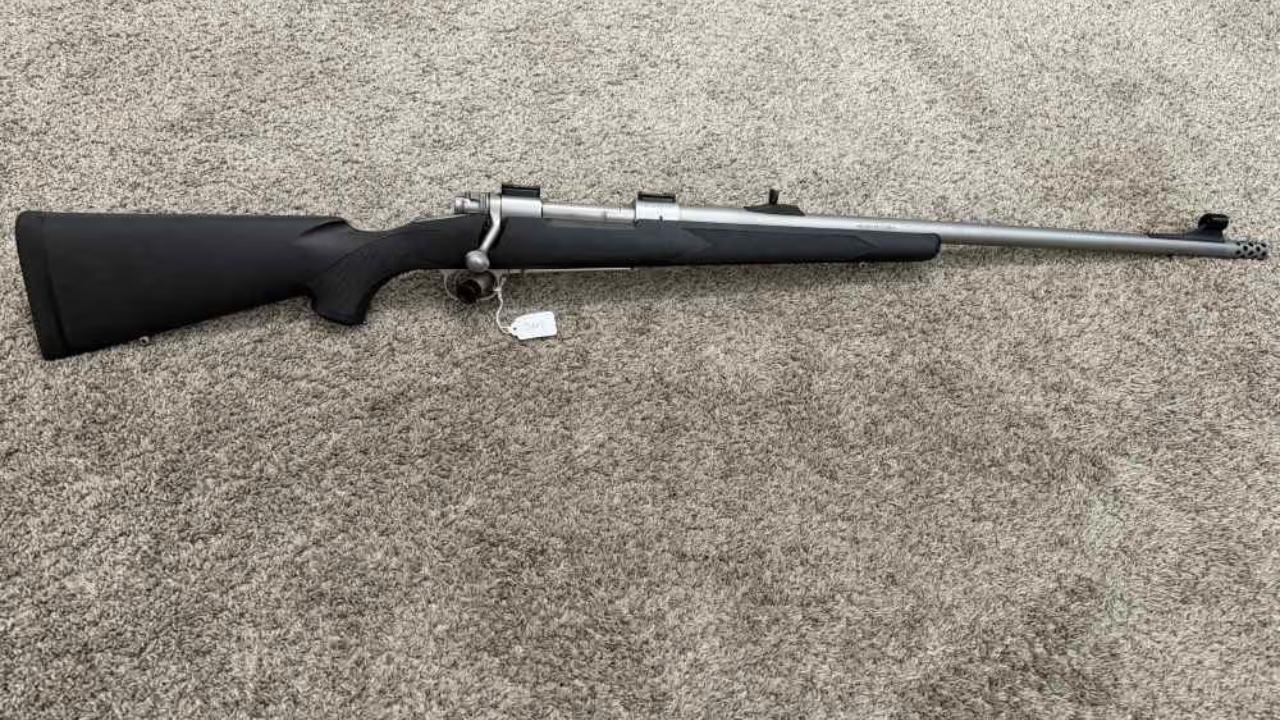
The Winchester Model 70 Classic Stainless was one of those rifles that made quiet sense before everyone started chasing stainless controlled-feed hunting rifles. It had the features hunters claim to want now: controlled-round feed, weather resistance, traditional handling, and real field credibility.
For years, though, it was just another Model 70 variant to a lot of buyers. People who grabbed them early ended up with rifles that aged extremely well. They were practical in bad weather, classy enough to keep, and dependable enough for real hunting. Now that older controlled-feed Model 70s get more attention, the stainless Classics don’t look ordinary anymore. Hunters slept on them because they were useful before useful became trendy.
Ruger SR9c
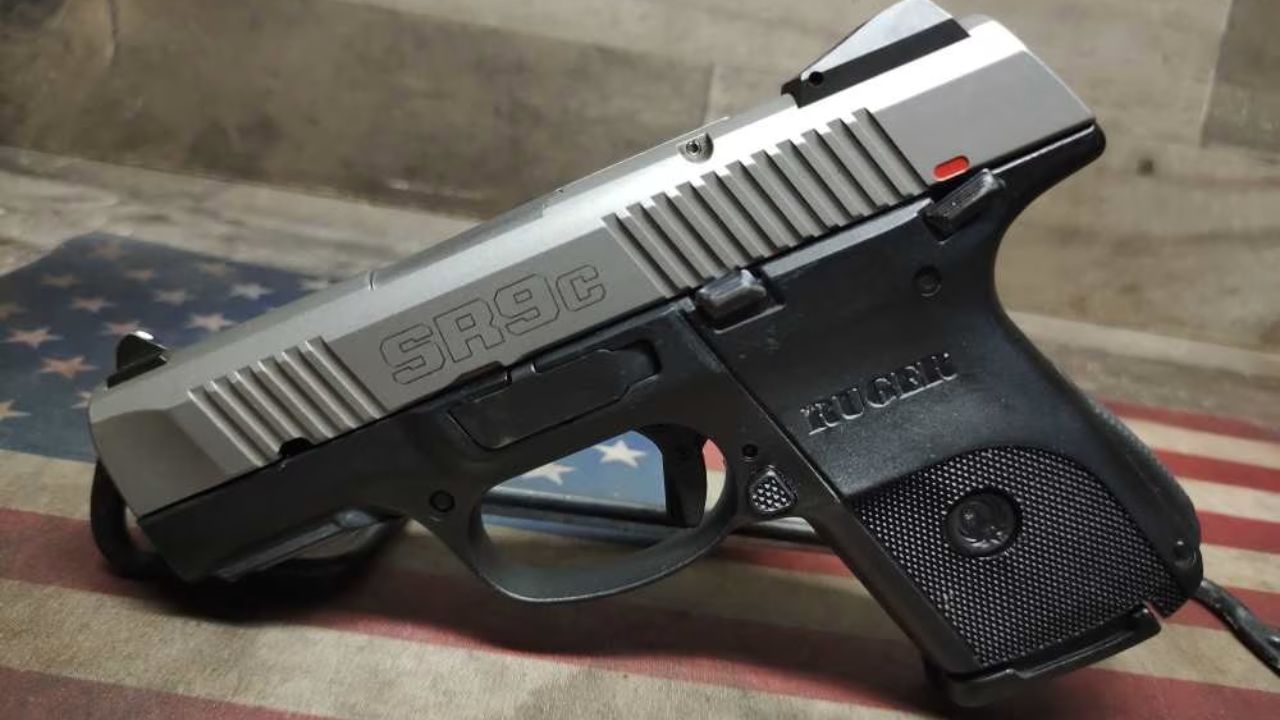
The Ruger SR9c got buried once the compact striker-fired market exploded. It was a slim, practical 9mm with decent capacity and a good carry size, but it never had the same pull as the Glock 19, M&P Compact, or later micro-compact pistols. A lot of shooters just walked past it.
That was a mistake for people who wanted a straightforward carry pistol. The SR9c was thin for its class, easy to shoot, and more comfortable than many expected. It came from Ruger, which meant owners could generally trust the company to stand behind it. It wasn’t cool, and it didn’t become a cult gun, but it worked. People slept on it because it arrived before Ruger’s handguns started getting more attention again.
Browning BLR

The Browning BLR always had fans, but it never became as universally praised as it should have been. Lever-action traditionalists sometimes preferred older tube-fed designs, while bolt-action hunters didn’t always see why they needed a lever gun. That left the BLR sitting in a strange middle ground.
That middle ground is exactly what made it useful. The BLR gave hunters lever-action speed with a box magazine that could handle pointed bullets and modern cartridges. It was fast, handy, and capable beyond what many people expect from a lever gun. For deer, elk, black bear, and thick-cover hunting, it made serious sense. People slept on it because it didn’t fit the old lever-action image, even though that was its advantage.
Springfield Armory XD Mod.2 Service
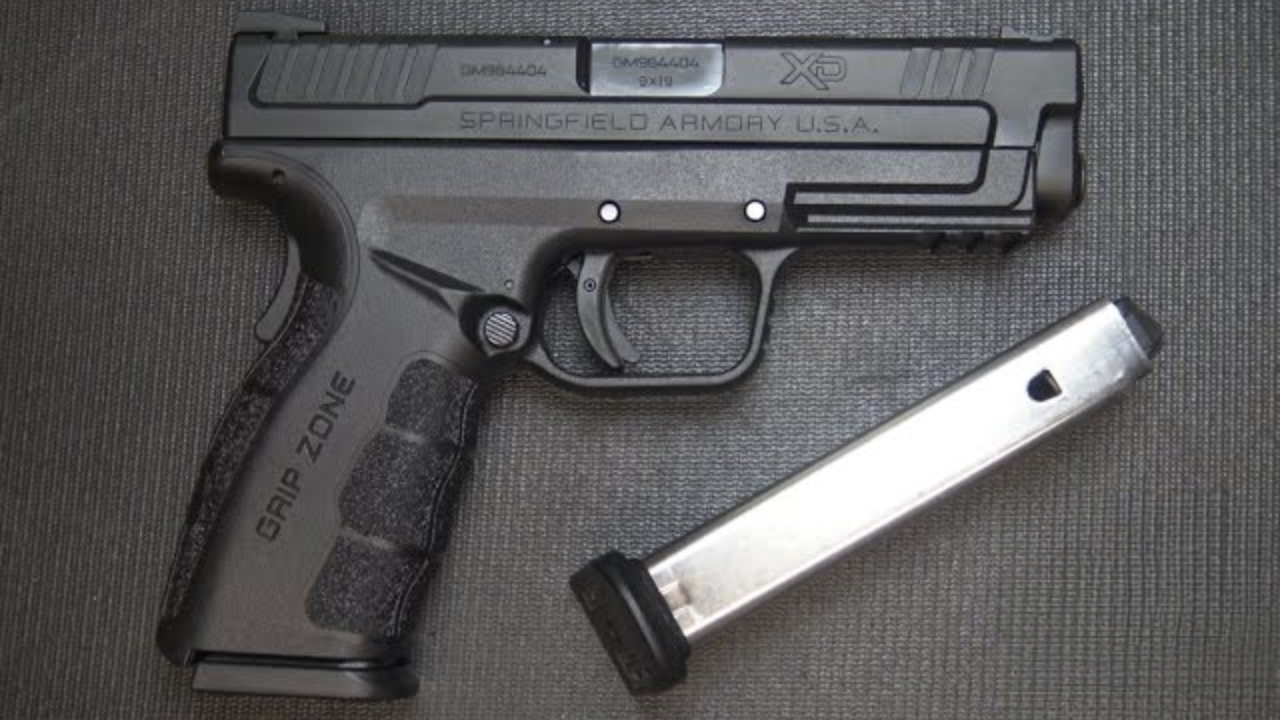
The XD Mod.2 Service got overlooked because the XD line became easy to mock in some circles. Grip safeties, tall slides, and aggressive marketing gave critics plenty to talk about. By the time the Mod.2 guns arrived, a lot of shooters had already decided they were not interested.
That didn’t mean the pistol was useless. The XD Mod.2 Service was comfortable, reliable for many owners, and easy enough to shoot well. It had a grip shape that worked for people who didn’t love Glock angles, and it offered a practical service-size pistol at a fair price. It wasn’t the trendiest handgun, but it did normal handgun things well. Shooters slept on it because they were too busy repeating XD jokes.
Weatherby Vanguard S2

The Weatherby Vanguard S2 suffered from being the affordable Weatherby. People love the Weatherby name when it’s attached to Mark V rifles and big magnum mystique, but the Vanguard got treated like the practical little brother. Some hunters saw the lower price and assumed it was less serious.
The S2 proved otherwise. It offered strong accuracy potential, a good trigger, useful chamberings, and the kind of sturdy build hunters could trust. It wasn’t lightweight or flashy, but it was dependable. For a lot of deer and elk hunters, that matters more than having the fanciest rifle in camp. People slept on the Vanguard S2 because it didn’t feel exotic, even though it often performed exactly like a hunting rifle should.
Colt Trooper Mk III
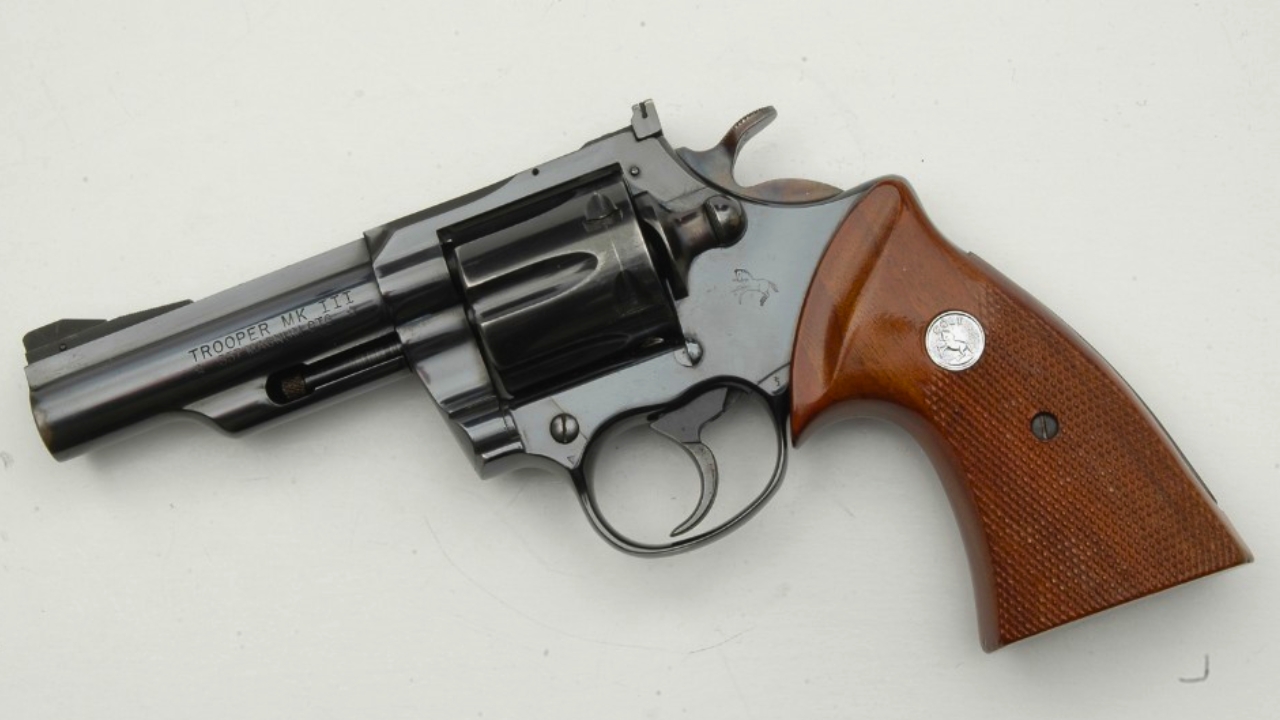
The Colt Trooper Mk III spent years being overshadowed by more famous Colt revolvers. Everybody wanted to talk about Pythons, Diamondbacks, and older Detective Specials, while the Trooper Mk III sat in the background as a practical .357. That kept it underrated longer than it deserved.
The Trooper Mk III was strong, handsome, and very capable. It gave shooters Colt quality without the same collector panic that surrounded the Python. For owners who wanted a real working revolver, it made a lot of sense. Now that almost every older Colt revolver has gotten harder to buy casually, the Trooper looks like the one smart buyers should have noticed earlier. People slept on it because it wasn’t the famous one.
Marlin 783
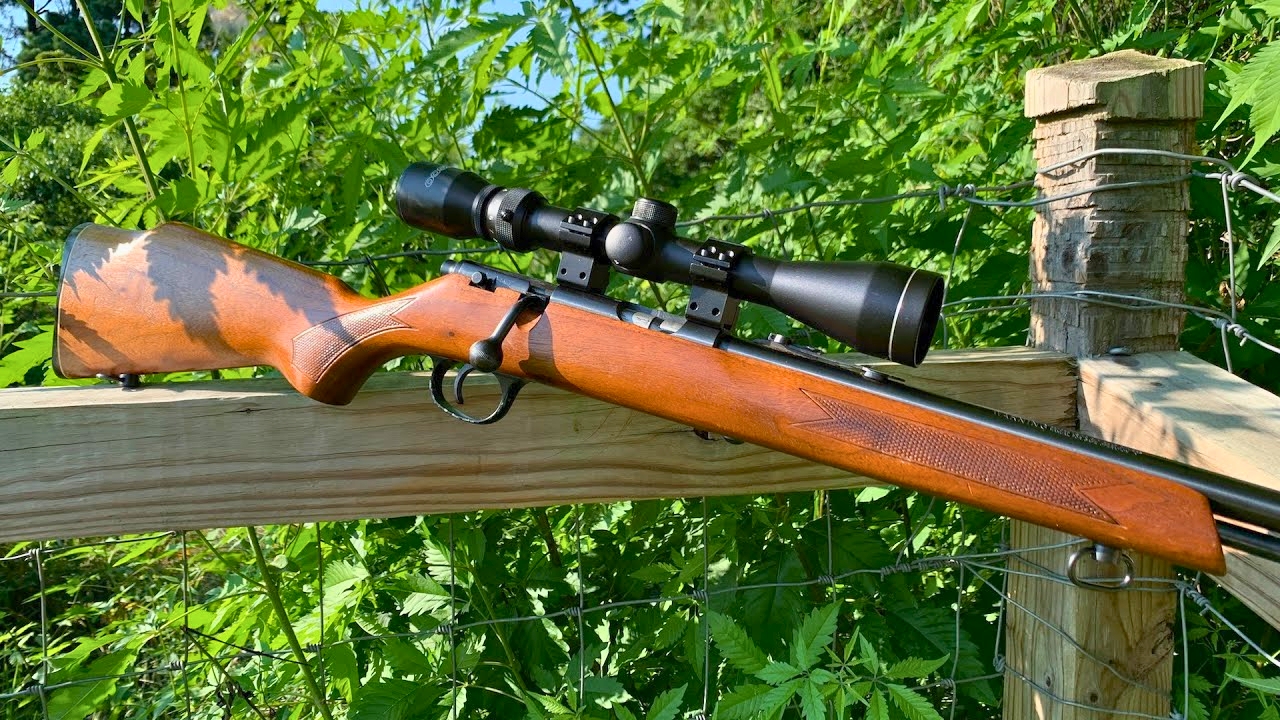
The Marlin 783 rimfire rifle never had the flash of a lever-action Marlin or the aftermarket world of the Ruger 10/22. It was a bolt-action .22 Magnum that many shooters treated as a simple small-game rifle and nothing more. That kept it quiet for years.
But a good .22 Magnum bolt gun is far more useful than people admit. The 783 gave owners enough reach for varmints, pests, and small game while staying mild and handy. It was practical in a way that didn’t need much explanation once you used it. Today, older Marlin rimfires get more respect because people realize how well they were built for normal outdoor use. The 783 deserved that attention sooner.
FN FNS-9

The FN FNS-9 got lost in one of the most crowded handgun categories ever. It was a full-size striker-fired 9mm from a respected company, but it arrived when Glock, Smith & Wesson, Walther, and others were already fighting for the same buyers. It never had the loud personality needed to break through.
That doesn’t mean it was weak. The FNS-9 was reliable, accurate, and built with FN’s usual seriousness. It had usable controls, decent ergonomics, and a duty-gun feel that made sense for hard use. The later 509 got more attention, but the FNS was already doing plenty right. People slept on it because it looked too normal in a market full of normal striker-fired pistols.
Savage Model 11

The Savage Model 11 spent years being the rifle hunters bought when they wanted accuracy without paying for polish. It was not beautiful, and it didn’t have the classic lines of older hunting rifles. To a lot of people, it was just a practical bolt gun with a reputation for shooting well.
That reputation should have been enough. The Model 11 gave hunters a dependable action, good chambering choices, and the AccuTrigger that helped make Savage rifles easier to shoot well out of the box. It was the kind of rifle that quietly filled tags while other rifles got more attention at camp. People slept on it because it was plain, but plain rifles that shoot are usually the ones worth keeping.
Ruger Redhawk

The Ruger Redhawk never needed sympathy, but it still spent too much time in the shadow of the Smith & Wesson Model 29 and the Super Redhawk. It didn’t have the Dirty Harry romance, and it didn’t have the same exaggerated hunting-revolver look as Ruger’s bigger scoped setups. That made some shooters overlook it.
The Redhawk was the practical powerhouse. It was strong, cleanly built, and able to handle heavy use without feeling delicate. For woods carry, hunting, and serious .44 Magnum shooting, it made a lot of sense. The grip shape and trigger may not please everyone, but the revolver earned its place. People slept on it because it wasn’t the famous movie gun or the giant hunting rig. It was just the useful one.
CZ 550
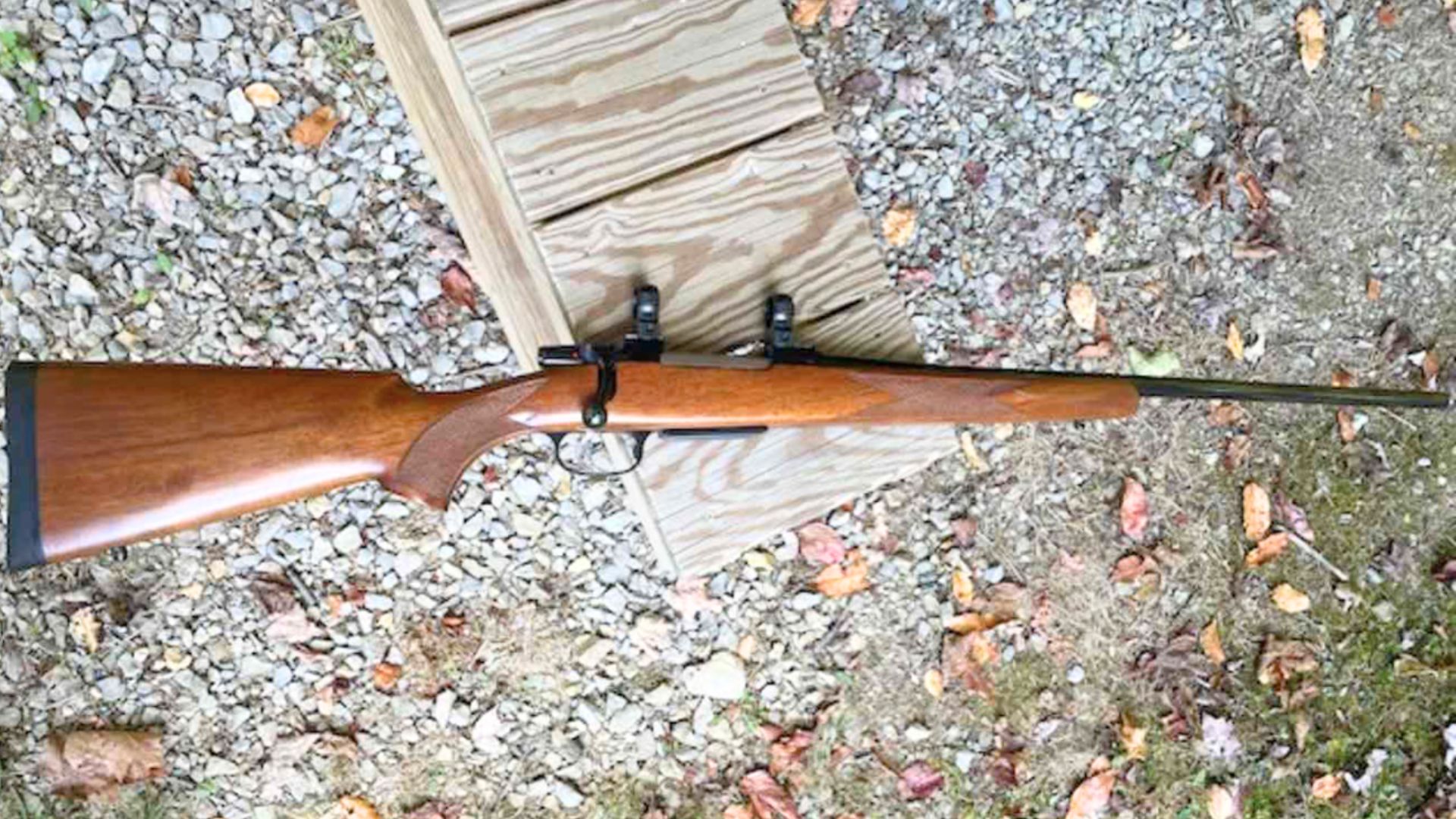
The CZ 550 had the kind of features rifle people say they love, but it still stayed underappreciated by many American hunters for years. Controlled-round feed, strong Mauser-style action, set trigger, and solid chambering options should have made it a bigger deal than it was.
Part of the problem was that it felt a little different from the rifles many hunters were used to. It could be heavier, the styling was more European, and the brand didn’t carry the same deer-camp familiarity as Remington, Winchester, or Ruger. But the 550 was a serious rifle with real field credibility. Once CZ moved on, people started realizing what they had missed. Shooters slept on it because it wasn’t the familiar American choice.
Smith & Wesson Model 22A
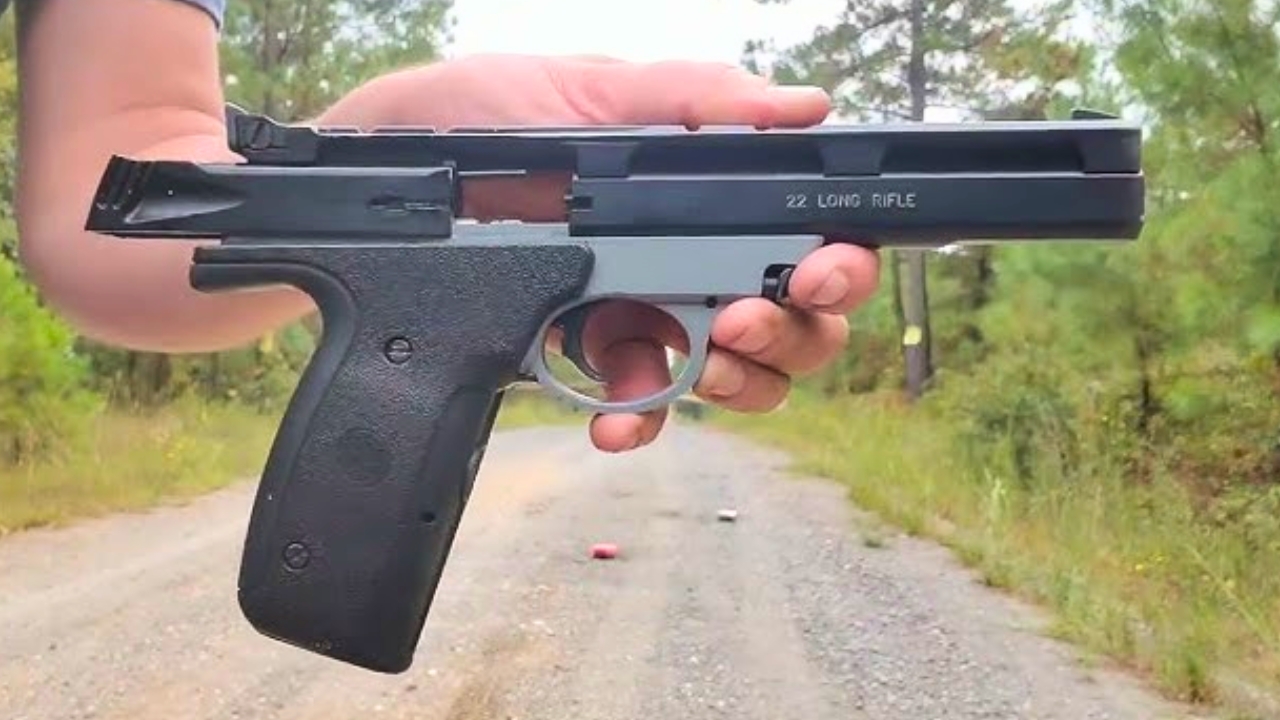
The Smith & Wesson 22A was never the rimfire pistol people bragged about. It looked a little odd, had a budget-friendly feel, and lived in a world where the Ruger Mark series and Browning Buck Mark got most of the attention. Many shooters saw it as a starter pistol and moved on.
That undersold what it did well. The 22A was affordable, accurate enough for casual target work, easy to mount optics on, and fun for new shooters. It was not refined, but it gave owners a useful .22 pistol without a big investment. For range days, teaching, and cheap practice, it made sense. People slept on it because it wasn’t pretty, even though it did its job better than many admitted.
Like The Avid Outdoorsman’s content? Subscribe to our newsletter so you never miss an article.
Here’s more from us: