Photo credit: WHO_TEE_WHO/YouTube
A lot of firearms get bought only after the first-choice gun falls through, costs too much, feels too precious to use hard, or simply stops making sense once real use begins. That is how the so-called backup plan enters the picture. It is the gun people settle for, compromise on, or pick up with lower expectations because the flashier option got all the attention first.
Then something funny happens. The backup plan starts running better, carrying easier, costing less to feed, or fitting real life more naturally than the gun people were originally chasing. After enough range trips, hunting seasons, or long days in the truck, that second-choice firearm stops looking like a fallback and starts looking like the smarter decision from the beginning.
Browning BPS
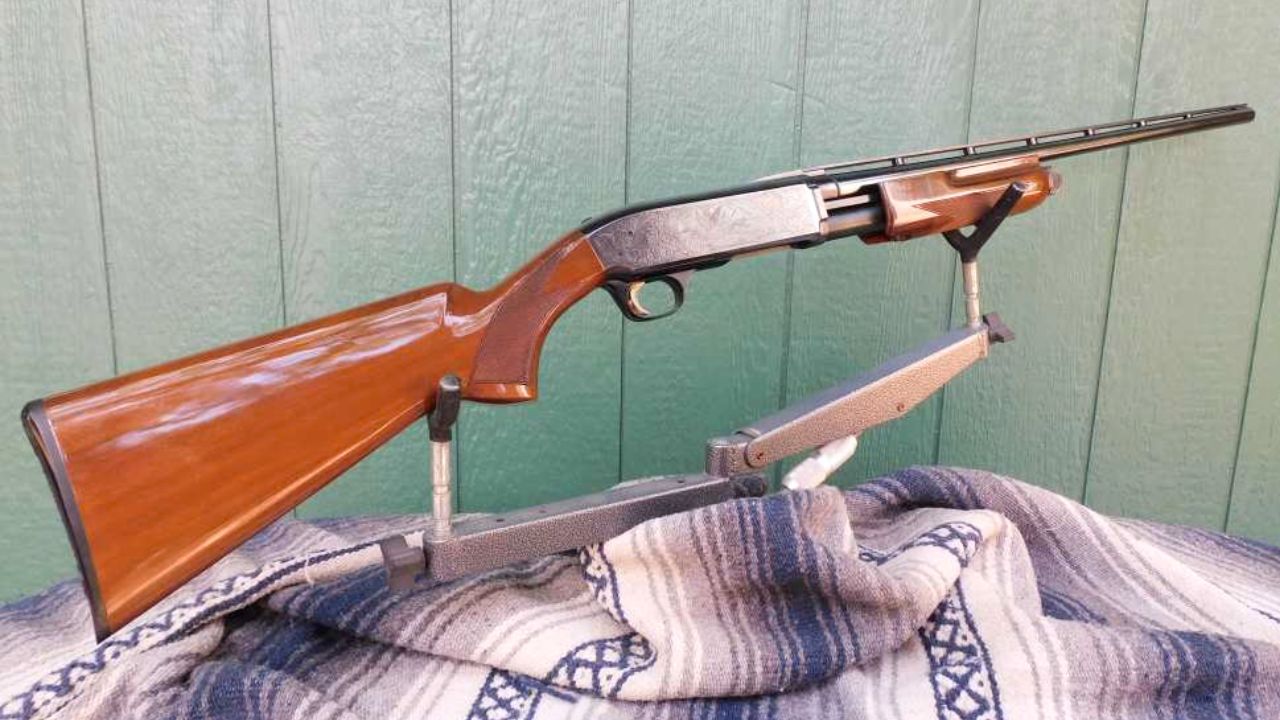
The Browning BPS spent years sitting behind louder pump-gun names in the minds of a lot of buyers. If somebody walked into a shop wanting a field pump or a hard-use shotgun, the conversation usually drifted toward more familiar picks first. The BPS often ended up being the gun people handled only after the first choice was not in stock, cost more than expected, or just did not feel as solid in the hand as memory suggested.
Then owners lived with the BPS for a while and started realizing it had a lot going for it. The bottom-eject design kept things neat, the steel receiver gave it real substance, and the overall feel often came across as smoother and more confidence-inspiring than the shotguns people thought they wanted first. It looked like a backup plan at the counter and a smarter long-term choice after enough time afield.
Ruger P95

The Ruger P95 was the kind of pistol people bought when the sexier option was out of budget, out of stock, or too easy to mistrust once the internet chatter cooled off. It never had much glamour. Buyers often landed on it after deciding they could not justify the gun they originally came in wanting. That made it feel like a compromise right out of the gate, a practical fallback instead of something anyone would brag about.
Then the P95 did what so many smarter-than-expected guns do. It kept working. It kept eating ammo. It kept shrugging off neglect and indifference in a way that made more fashionable pistols seem fragile, picky, or overpriced. Plenty of owners ended up respecting it more than the first-choice guns they had talked themselves out of. It was not exciting, but it made a strong case for being the gun that actually understood the assignment.
Winchester 1200

The Winchester 1200 was often the shotgun people ended up with after the more famous pump they really wanted was either too expensive or unavailable in the right configuration. That gave it an odd place in the market for years. Buyers respected it well enough, but many still treated it like the alternative option rather than the main event. It was the shotgun that showed up after plan A stalled out.
Once people actually used one hard, that attitude had a way of changing. The 1200 was quick, lighter on its feet than some of the pumps buyers had chased first, and often more enjoyable to carry and run than expected. That is what turned it from fallback to favorite for a lot of owners. It may not have started as the dream shotgun, but it proved to be one of the more practical choices once the romance wore off other options.
Smith & Wesson 457
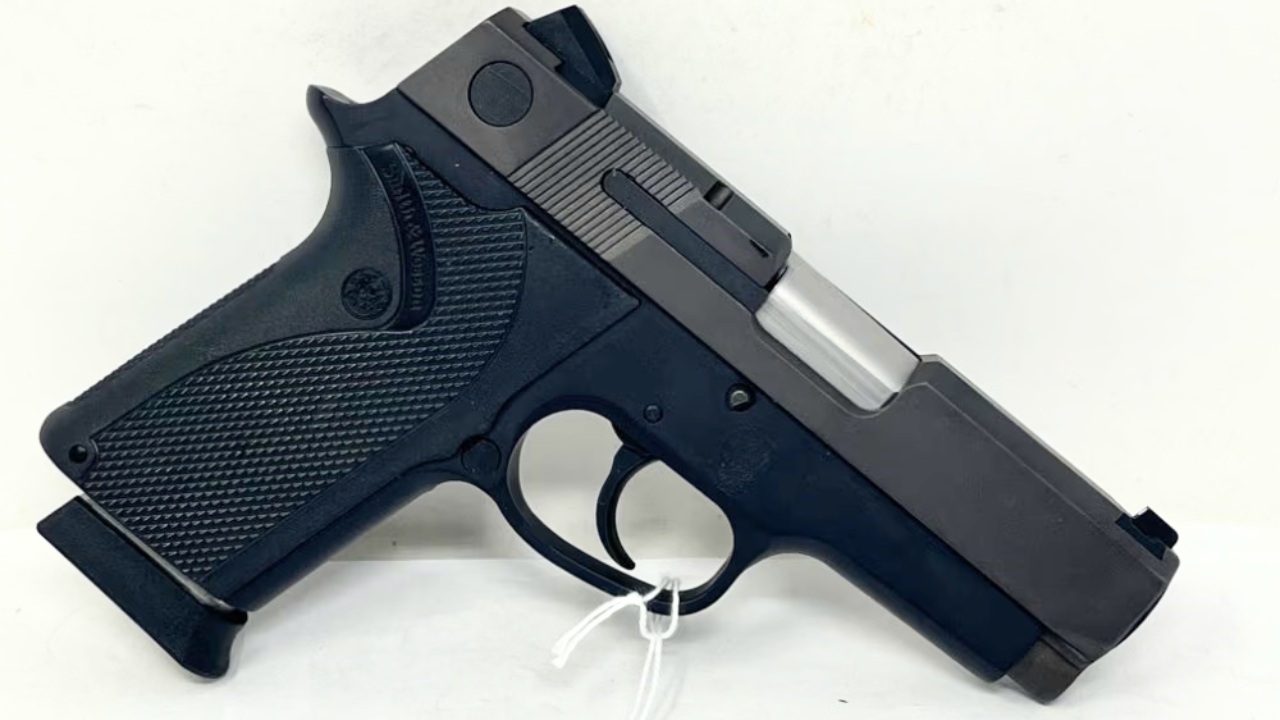
The Smith & Wesson 457 rarely got first billing in anybody’s dream-pistol conversation. It was usually the gun people bought after realizing the sleeker, more celebrated .45 they wanted either cost too much or demanded more patience than they had. That made the 457 feel like a placeholder to some buyers, a decent-enough working pistol until something more desirable came along.
Then owners started noticing how much value lived in the plain little Smith. It was compact, dependable, easy to understand, and refreshingly free of pretense. In real carry or range use, that counts for a lot. The 457 did not need to win beauty contests to become the smarter pick. It just needed to keep doing its job while the guns people thought they wanted first kept asking for more money, more excuses, or more forgiveness.
Savage 111 Trophy Hunter
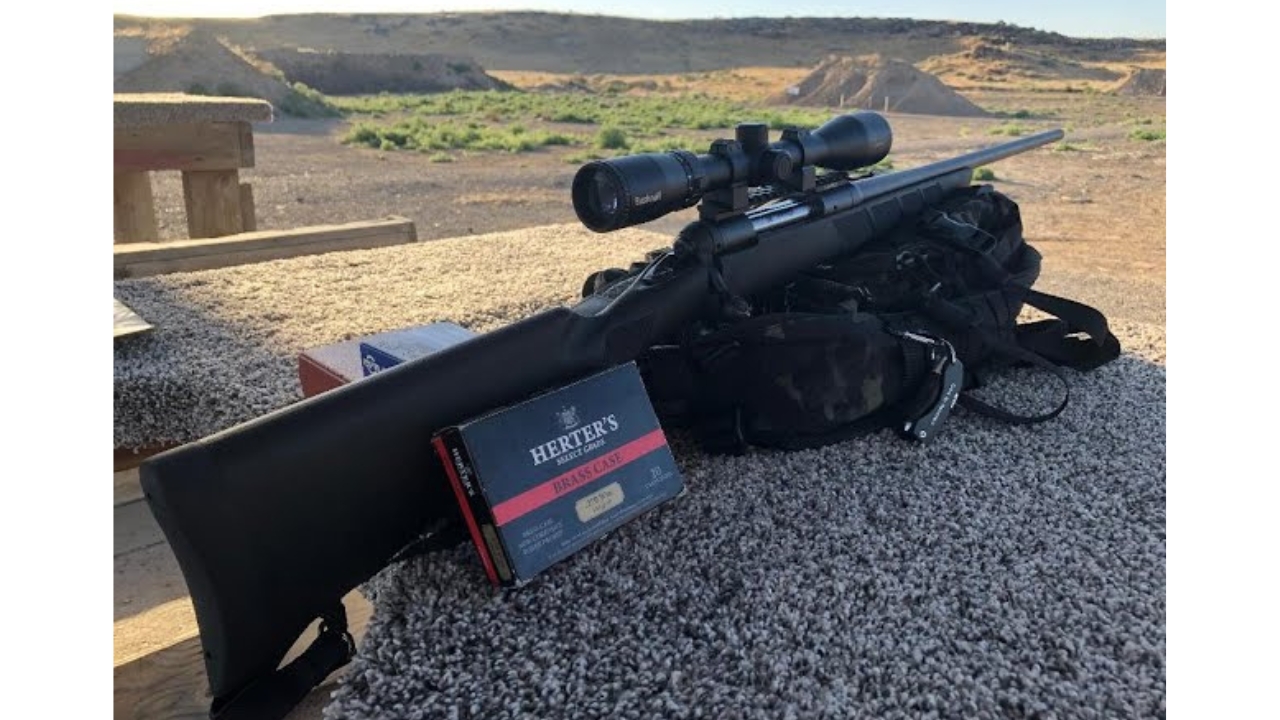
The Savage 111 Trophy Hunter was exactly the kind of rifle buyers ended up with after passing on something prettier, trendier, or carrying a fancier name. Package rifles almost always live in that lane. They feel like practical concessions, not emotional purchases. A lot of hunters bought one because they wanted to get into the field without spending the kind of money their first-choice rifle would have required.
Then the Trophy Hunter started doing what sensible rifles do when nobody expects much from them. It shot well enough to matter, carried without drama, and took hunting abuse without making the owner feel like he was babying an investment piece. After a few seasons, a lot of buyers realized they had not settled for a lesser rifle. They had simply skipped a more expensive lesson and landed on something that made more sense from the beginning.
Ruger Security-Six
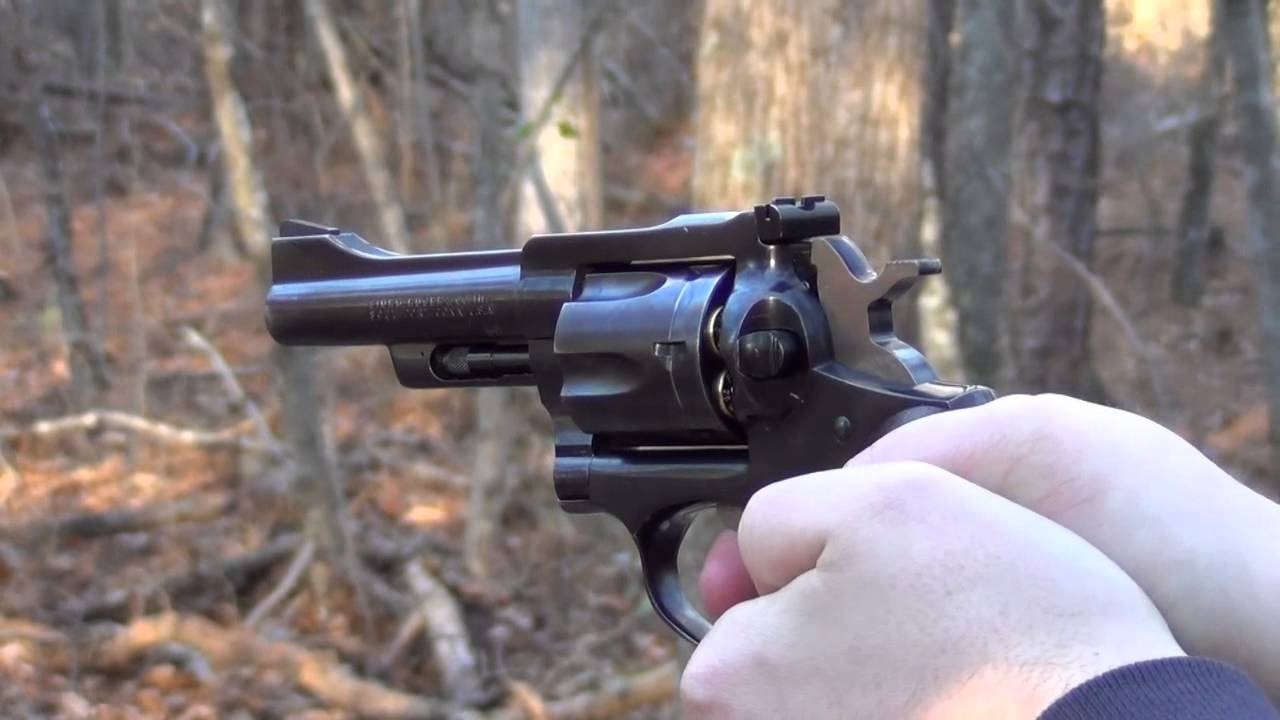
The Ruger Security-Six was often the revolver buyers ended up with after the more famous Smith or Colt they really wanted felt too expensive, too collectible, or too risky to shoot hard. That gave the Ruger an underdog role for years. It was respected, but often as the sturdy alternative rather than the gun people felt proudest to chase first. It was a practical answer in a market where romance often stole the spotlight.
That practical answer aged very well. The Security-Six proved rugged, honest, and easier to live with than many of the revolvers buyers had fantasized about owning. A lot of people eventually realized they got the better end of the deal by accident. Instead of stretching for prestige, they bought a revolver they could actually use, carry, and trust without the constant thought that every scratch or heavy range session might be hurting something more precious.
Mossberg 835 Ulti-Mag

The Mossberg 835 Ulti-Mag was the shotgun a lot of hunters bought when the first-choice turkey or waterfowl gun either felt too expensive or too polished to drag through the kind of ugly conditions real seasons bring. It often looked like the budget-minded detour, the shotgun that got picked because it was there, affordable, and ready to get filthy. That did not exactly make it feel glamorous in the store.
In the field, though, a lot of buyers came around fast. The 835 was built for hard use, offered serious capability, and handled rough weather and rough treatment with far less complaint than some pricier guns. That is how backup-plan guns build reputations. The 835 may not have been the first shotgun many owners dreamed about, but it often became the one they trusted more once real mud, cold mornings, and heavy loads entered the picture.
CZ P-01
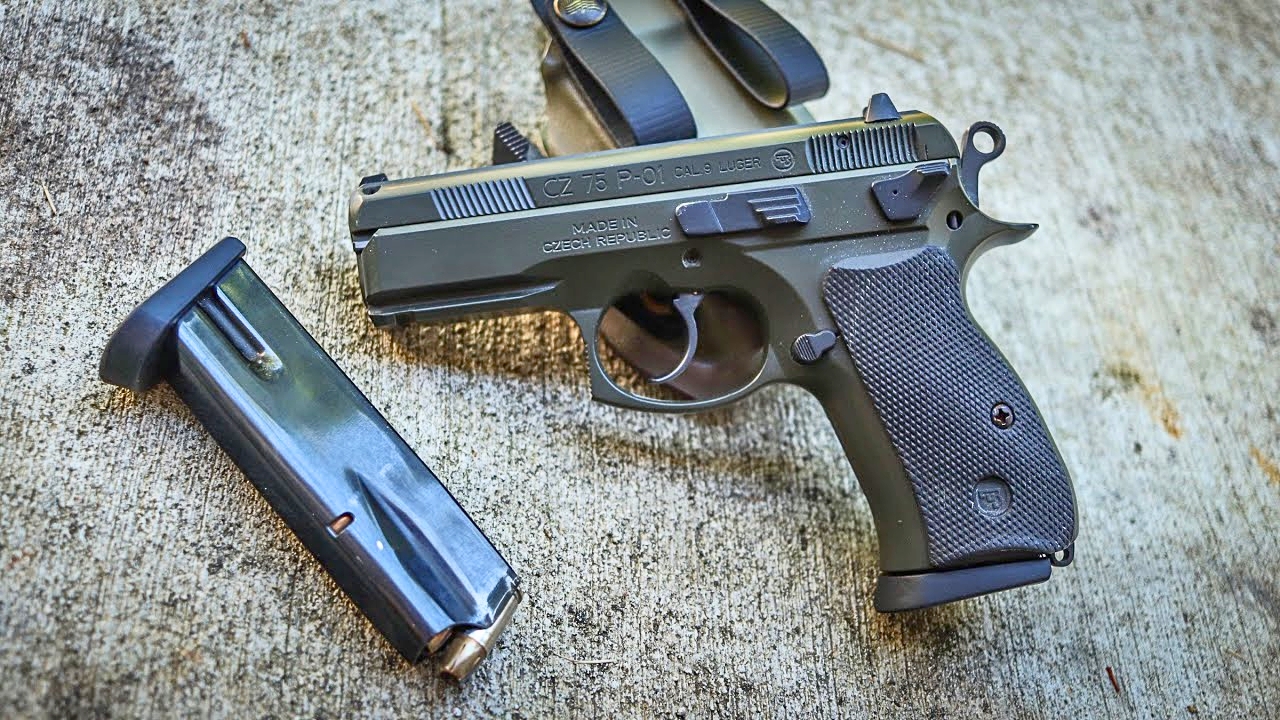
The CZ P-01 has often been the pistol buyers landed on after deciding the first-choice compact they wanted either cost too much, felt too light to shoot well, or came with more hype than confidence. It rarely had the same mainstream pull as the obvious names, which made it feel like the alternate route rather than the headliner. Plenty of people bought one with curiosity and modest expectations rather than certainty.
Then they shot it. The balance, the control, and the way it blended practical carry size with real shootability made a lot of first-choice pistols seem a little flimsy or overmarketed by comparison. That is where the P-01 tends to win. It starts as the gun people compromise on and ends as the one they recommend after hard use. It looked like the second pick on paper and the more intelligent one once range time had a say.
Ithaca Model 37 Featherlight
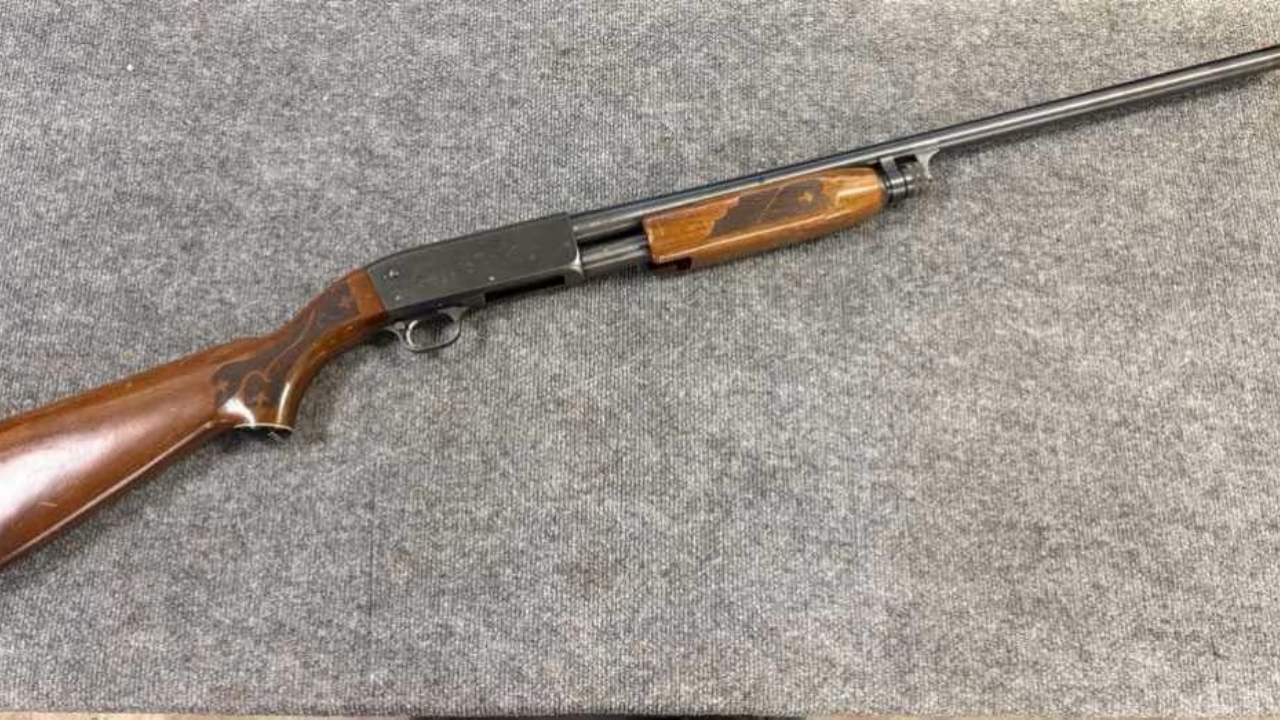
The Ithaca Model 37 Featherlight was often the shotgun buyers ended up with when the more talked-about pump they wanted first was unavailable, too common to feel interesting, or simply did not shoulder as well when the moment came to actually choose one. That made the Ithaca feel like an alternate path rather than the obvious destination. People respected it, but they did not always rush toward it.
Then the Featherlight reminded owners what handling actually feels like. It came up quickly, carried beautifully, and had enough identity to keep from blending into the crowd of ordinary pumps. That matters more after real use than many buyers admit at the counter. A lot of owners eventually realized they had stumbled into the more satisfying shotgun by mistake. What looked like plan B became the gun they would rather still have than the more predictable choice they originally had in mind.
Beretta PX4 Storm Compact

The Beretta PX4 Storm Compact was the kind of pistol buyers often landed on after the more fashionable carry gun they wanted first felt too snappy, too thin, or too trendy to inspire real confidence. The PX4 usually entered the picture as the sensible alternative, not the exciting one. It was not the gun people bragged about wanting before they handled it. It was the one they considered after the first round of more hyped options started losing their shine.
That is exactly why it aged so well for a lot of owners. The PX4 Compact shot softly, carried its size honestly, and made a lot of supposedly smarter carry guns feel like marketing exercises. Once real use replaced showroom impressions, the Beretta often looked like the adult decision. It may not have had the same swagger as some of the pistols buyers chased first, but it had a way of making them seem less clever over time.
Weatherby Vanguard Synthetic

The Weatherby Vanguard Synthetic has spent years being the rifle buyers picked when the first-choice bolt gun either cost more than they could justify or felt too polished to treat like a real working rifle. That put the Vanguard in the role of practical substitute. It was the one you bought because it made sense, not because it gave you the same emotional pull as the walnut-stocked rifle you had been picturing.
Then hunting season happened. The Vanguard shot well, handled field use without drama, and usually made itself useful in exactly the ways that matter most once the novelty wears off. That tends to change a buyer’s thinking fast. The rifle that looked like the consolation prize often ended up being the one they trusted more because it asked less, delivered more, and never tried to be anything other than a competent tool.
Smith & Wesson Model 64

The Smith & Wesson Model 64 often entered collections as the revolver people bought because the blued Model 10 they really wanted was not quite right, the Python they admired was too expensive, or the more collectible options felt too precious to shoot freely. That made the stainless K-frame seem a little utilitarian at first, like the less romantic answer to a more interesting question.
Then owners spent enough time with one to see the upside. The Model 64 was durable, balanced, and incredibly easy to live with. It gave up very little in feel while gaining the kind of weather resistance and plain practicality many prettier revolvers could not match. That is why so many people who bought one as the fallback wound up keeping it longer and trusting it more. It did not start with the most emotional appeal, but it often finished with the strongest case.
Remington 7600

The Remington 7600 was often the rifle buyers chose after the bolt gun they thought they wanted first started looking less practical for the woods they actually hunted. In a lot of camps, the 7600 was treated like the alternate option, the rifle for hunters who needed quick follow-ups or simply hunted country where a pump made more sense. That practical image kept it from feeling glamorous to buyers who initially had something more conventional in mind.
Then the woods reminded them what matters. The 7600 carried quickly, pointed naturally, and handled close, messy hunting conditions with more grace than many of the rifles buyers chased first. That is where it flipped from second choice to smarter choice. Once real use exposed the gap between field needs and gun-counter fantasies, the old pump often turned out to be the rifle that actually fit the hunt.
Taurus 66

The Taurus 66 was often the revolver people bought when the Smith they really wanted was out of reach and the idea of waiting around for a better time felt less appealing than just getting a usable .357 into the safe. That meant it started life in a lot of owners’ minds as the affordable substitute, the gun they bought while telling themselves they would upgrade later when the budget looked better.
Sometimes that upgrade never came, and not always because it had to. The Taurus 66 gave a lot of owners enough reliability, shootability, and straightforward usefulness to make the original plan feel less urgent. That is what makes guns like this interesting. They are not supposed to win the long game. They are supposed to fill the gap. But every now and then the so-called backup plan turns out to be good enough, honest enough, and practical enough that the smarter choice was the one buyers almost overlooked.
Like The Avid Outdoorsman’s content? Subscribe to our newsletter so you never miss an article.
Here’s more from us: