Photo credit: Militarist/Shutterstock.com
We may earn revenue from products featured on this page through affiliate links.
For years, revolvers were treated like the “old guy option” in concealed carry. If you carried one, people assumed you were stubborn, nostalgic, or stuck in the past. Then micro 9s took over, red dots started showing up on everything, and the whole carry world got obsessed with capacity and gear. That should’ve been the final nail in the wheelgun coffin. Instead, revolvers quietly started creeping back into pockets, ankle rigs, and deep concealment setups—often carried by people who also own modern pistols. The comeback isn’t about pretending revolvers beat micro 9s on paper. It’s about the places and situations where paper doesn’t matter as much as real-world carry behavior.
A lot of concealed carriers are realizing something that doesn’t get said out loud enough: the best carry gun is the one you actually keep on you when life is normal, messy, and busy. Not the one you carry on your “good days.” Not the one you carry when you’re dressed around it. The one you carry when you’re running errands, chasing kids, in gym shorts, or grabbing the mail. Revolvers are showing up again because they fit into those gaps better than many people expected, and because some shooters are burned out on the constant complexity that modern carry setups can turn into.
Deep concealment is where revolvers still shine
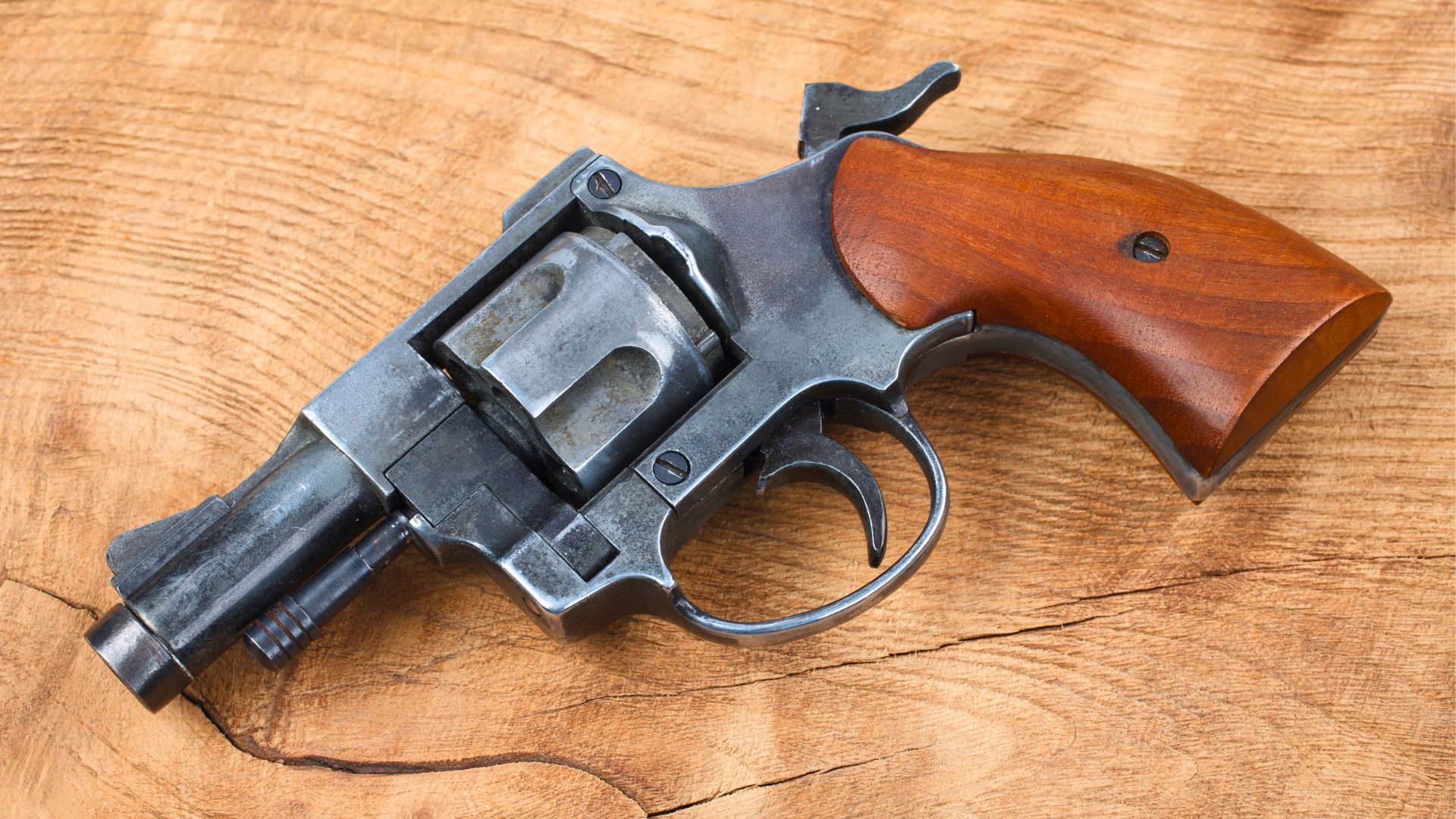
The biggest driver of the revolver comeback is deep concealment. A small revolver disappears in places where a semi-auto sometimes prints, pokes, or shifts. The rounder shape, lack of sharp slide edges, and ability to ride comfortably in certain pockets makes a snub appealing for people who prioritize “always carry” over “best on paper.” When you’re not wearing a belt, not wearing structured clothing, or you need a gun that can vanish without drama, a revolver can be a practical answer.
This is especially true for people who are sick of constantly adjusting their carry gun throughout the day. Micro 9s can be comfortable, but they’re still flat objects with corners that can dig or print depending on the body and the clothing. A snub can feel more forgiving in the real world. It’s not that it’s objectively better. It’s that it’s often easier to live with quietly.
People got tired of carry setups turning into a whole system
Modern carry can get complicated fast: optics cuts, dot brightness, spare mags, belt rigidity, holster claw tuning, wedge positioning, and constant micro-adjustments. None of that is wrong. A dialed setup can be excellent. But a lot of everyday carriers don’t actually want a hobby. They want a tool. Revolvers appeal to that mindset because the platform doesn’t invite endless modification. You can carry it simply, shoot it, and move on with your life.
That simplicity is especially appealing to people who already did the modern carry rabbit hole and came out the other side. They tried the parts, tried the trendy gear, and realized their real goal was consistency, not optimization. Revolvers offer a “less to mess up” approach. You load it, close it, and it stays the same. For some people, that’s a relief.
Pocket carry is making a quiet comeback too
Pocket carry never really went away, but it’s being re-embraced by people who value convenience and discretion. Many micro 9s are marketed as pocketable, but pocket carry with a semi-auto can be finicky depending on pocket shape, lint buildup, and consistency of presentation. Small revolvers tend to ride in pockets more naturally, especially with a good pocket holster that keeps the gun oriented correctly.
There’s also a practical carry-life reality here: pocket carry is what happens when belt carry isn’t an option. People don’t always have time to gear up. They’re not always dressed for it. A revolver makes it easier to keep a gun on you in those transitional moments without turning it into a production. That’s a major reason you’re seeing more wheelguns again—because they fill the “I still want something on me” niche better than many semi-autos.
Some people trust the contact-distance behavior more
Another factor is contact-distance confidence. In a worst-case entangled situation, a semi-auto can be pushed out of battery. A revolver doesn’t have that specific issue. For people who think realistically about close-range problems—parking-lot distances, grappling range, awkward angles—that matters. It’s not the only factor, and it doesn’t guarantee success, but it’s a real advantage that some carriers value more than capacity.
This is also where revolvers work well as backup guns. A lot of experienced carriers still like a small revolver as a second gun because it’s simple, it can be drawn from pockets or awkward positions, and it’s less dependent on slide clearance. The revolver comeback isn’t only about primary carry. It’s also about the backup role becoming important again for people who carry regularly.
The micro 9 reality check is hitting a lot of owners
Micro 9s sell well because they’re compact and impressive on paper. The reality is that many micro 9 owners don’t shoot them much. They’re snappy, less fun, and harder to run well at speed. People buy them for concealment, then avoid training because it’s unpleasant. Over time, some of those owners start questioning whether they’re really confident with that gun under pressure. That’s when a revolver starts looking appealing again—not because it’s easier, but because it’s honest. You either can run that double-action trigger and manage recoil, or you can’t. There’s less illusion.
Ironically, some shooters find they shoot a snub better than they expected once they put the work in. The long trigger encourages a more deliberate press. The simplicity encourages more repetition. And because the revolver isn’t pretending to be a tiny race gun, shooters approach it with different expectations. That mindset shift can produce better real-world proficiency than the “carry it, barely shoot it” pattern that micro 9s often fall into.
Accessories are making revolver carry more practical again
The revolver itself didn’t change, but carry accessories improved. Better pocket holsters, better grips, better speed strips, and better carry belts all make it easier to run a wheelgun as an actual defensive tool instead of a novelty. People who carry revolvers seriously often carry reload options too, and those reload options are more discreet than people assume.
Something like Bianchi Speed Strips from Bass Pro Shops is a good example of a simple accessory that makes revolver carry more realistic without adding bulk. It’s not flashy, but it gives you a way to top off or reload without carrying a big speedloader on your belt. That kind of practical support gear is part of why revolvers are getting another look.
The comeback is really about behavior, not ballistics
At the end of the day, revolvers are coming back because people are re-evaluating how they actually carry. Not how they plan to carry. Not what they “should” carry. How they really carry when the world is normal and their life is full. Revolvers fit into that reality in a way that surprises people who only think in spec sheets. They’re simple, concealable, and consistent. They make it easier for some people to stay armed in situations where a larger or more demanding setup gets left at home.
That doesn’t mean revolvers are the best answer for everyone. Capacity matters. Reload speed matters. Shootability matters. The point is that carry is a lifestyle problem first and a gear problem second. Revolvers solve lifestyle friction well, and that’s why they’re showing up again. The “comeback” isn’t a trend built on hype. It’s a quiet correction toward what people actually do, not what they like to argue about.
Like The Avid Outdoorsman’s content? Subscribe to our newsletter so you never miss an article.
Here’s more from us: