Photo credit: All Outdoors/YouTube
If you carry a revolver long enough, you learn quickly that the “best” one is rarely the most powerful, the lightest, or the cheapest by itself. The real sweet spot is where those things start balancing out. You want a gun that rides easily, does not punish you in practice, and still makes enough sense financially that you can actually buy it, shoot it, and keep it in the rotation. That usually means avoiding the extremes.
The revolvers that age well in real carry use tend to be the ones that keep recoil manageable, keep size honest, and stay grounded in proven designs. Some are light enough for pocket or ankle work. Some are a little larger and reward you with better control. But the common thread is the same: they give you usable power, enough comfort to carry daily, and a price bracket that does not feel out of step with what you are getting. Those are the wheelguns worth a hard look.
Smith & Wesson Model 642

The Smith & Wesson Model 642 remains one of the easiest revolvers to understand if you want straightforward concealed carry. It is a J-frame .38 Special with an enclosed hammer, which keeps the profile smooth and helps it ride cleanly in a pocket or holster without snagging. That alone makes it appealing for people who want a carry gun that stays simple and dependable.
Where it earns its place is balance. It is light enough to carry often, but still chambered in a cartridge that has a long track record in defensive revolvers. You do give up some range comfort because lightweight J-frames are never lazy to shoot, but the 642 stays manageable with sensible loads and realistic practice. It also sits in a part of the revolver market that is easier to reach than many premium options, which matters when you want a revolver you will actually carry instead of admire.
Smith & Wesson Model 638

The Model 638 works well for the shooter who likes the basic 642 formula but wants the option of a thumb-cockable shrouded hammer. Like other J-frames, it stays small, easy to conceal, and grounded in .38 Special, which keeps it in a practical lane for everyday carry. The shrouded setup gives you a little more flexibility without fully sacrificing the snag-resistant shape that makes these compact revolvers so useful.
That makes the 638 a nice middle-ground revolver. It is still trim enough for genuine daily carry, but it offers a little more versatility than a fully enclosed-hammer gun. Recoil is still brisk in a lightweight frame, but it remains controllable when you train with the loads you actually intend to carry. In terms of price and long-term usefulness, it hits a sensible point for people who want an old-school carry revolver that still adapts well to modern concealed-carry needs.
Smith & Wesson Model 640

The Model 640 gives you the same general J-frame concealability, but in a heavier stainless package that changes the shooting experience in a meaningful way. Smith & Wesson lists it in .357 Magnum, and that extra weight makes it easier to control than the lighter alloy options when you are shooting stout loads. You still have a compact revolver, but it feels more planted in the hand than the airweight guns.
That extra weight is exactly why some carriers prefer it. It is not as effortless in a pocket as a 642, but it is more comfortable to practice with, especially if you stay with .38 Special or moderate defensive loads. It gives you a stronger “shootability first” feel without becoming too large for discreet carry. The 640 often makes sense for the person who wants a small revolver but is willing to accept a few extra ounces in exchange for better control and more flexibility.
Smith & Wesson Bodyguard 38

The Bodyguard 38 stays relevant because it aims directly at the person who wants a compact carry revolver without paying for extra bulk or old-school nostalgia alone. Smith & Wesson offers it in .38 Special, and the design keeps the frame small and easy to conceal while staying dedicated to defensive carry. It is a purpose-built snubnose, not a range toy pretending to be one.
What makes it fit this article is the way it splits the difference. It is light enough for daily carry, but still chambered in a cartridge most revolver shooters understand well. Recoil is present, as it always is in small .38s, but it is still workable if your expectations are realistic and your practice is consistent. It also tends to stay in a more approachable part of the market than some premium carry revolvers, which makes it a realistic option for someone trying to balance cost and daily usefulness.
Smith & Wesson 686 Plus 2.5″
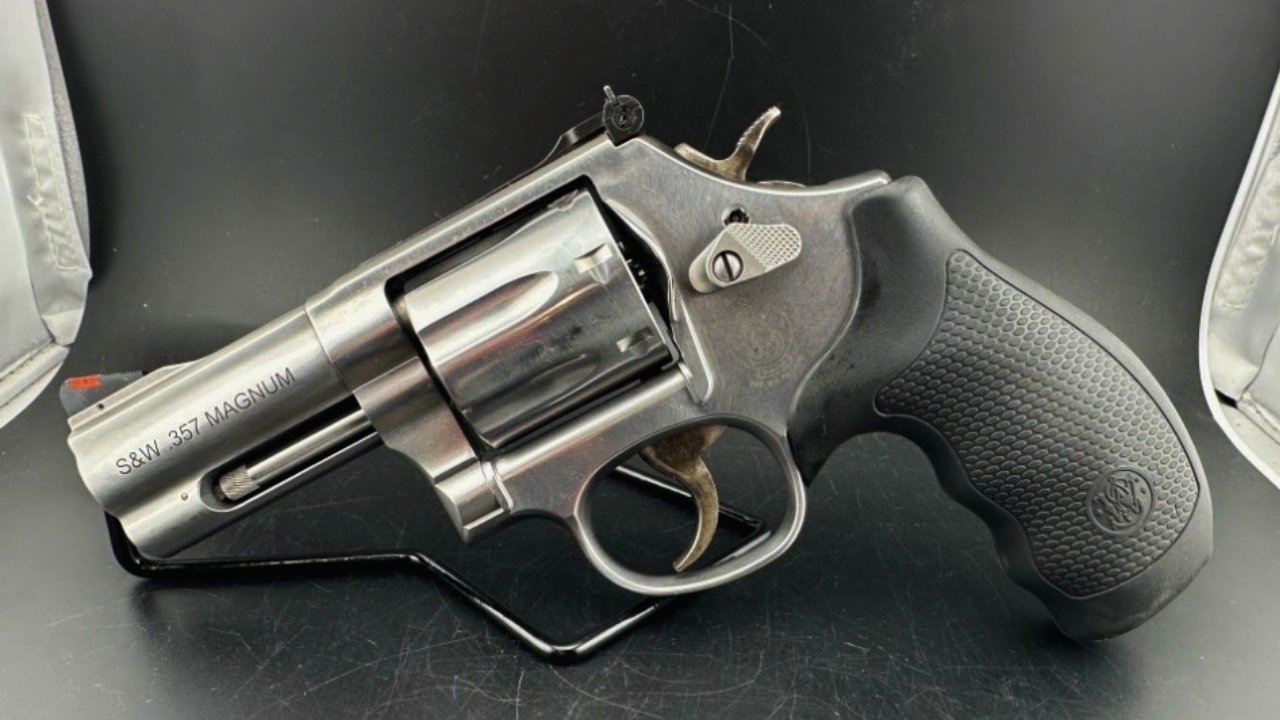
The 686 Plus in the 2.5-inch format is a strong example of a carry revolver that leans harder toward control than extreme concealment. Smith & Wesson lists the 686 Plus as a .357 Magnum L-frame, and that frame size matters because it gives you more weight, a fuller grip, and a steadier recoil impulse than the smaller J-frames. The 2.5-inch version keeps it compact enough to conceal with the right setup.
This is the kind of revolver that makes sense if you actually plan to shoot your carry gun often. It is heavier on the belt, no question, but that weight buys you easier follow-up shots and a much friendlier practice experience with magnum or .38 +P loads. It is not the cheapest route into concealed carry, but it gives you a lot of revolver for the money. If control matters as much as carry comfort, the short 686 Plus is hard to dismiss.
Ruger LCR .38 Special
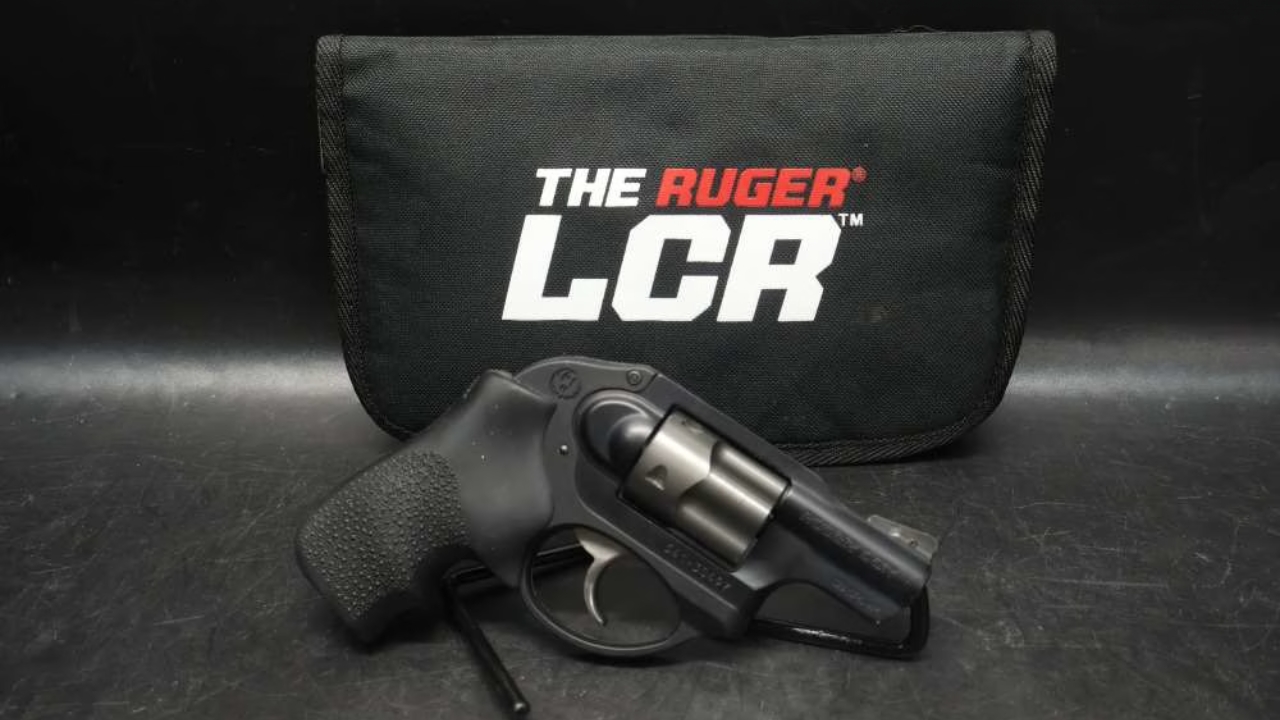
The Ruger LCR in .38 Special keeps showing up in carry conversations because it gets the basics right. Ruger describes the LCR as a lightweight small-frame revolver with a notably smooth trigger and manageable recoil, and that tracks with why so many people keep circling back to it. It is compact, modern in its feel, and built specifically for defensive carry rather than range nostalgia.
The LCR’s big advantage is that it feels easier to shoot well than many tiny revolvers in its size class. A smooth double-action pull matters a lot in a lightweight snubnose, and Ruger clearly built around that. It is still a light .38, so nobody should expect a soft range gun, but it usually feels more cooperative than many pocket revolvers. Add in its generally sensible place in the market, and it lands right where many carriers want to be: light, controllable enough, and financially realistic.
Ruger LCR .327 Federal Magnum

The .327 Federal Magnum version of the LCR makes sense for the shooter who wants a little more performance and capacity without jumping to the harsher feel of a lightweight .357. Ruger lists the LCR in .327 Federal Magnum using a stainless steel frame on the more powerful models, which gives it a sturdier feel than the lighter .38 versions while preserving the same compact carry concept.
That matters because .327 gives you an interesting balance. You get a stronger cartridge than standard .38 Special, but in many cases the recoil can feel more manageable than hard .357 loads in a tiny revolver, especially with practice. The gun stays easy to conceal and keeps the LCR’s strong trigger reputation. It is not the first option everybody thinks of, which is exactly why it stays overlooked. For the right shooter, it offers a very practical mix of carry ease, usable control, and performance.
Ruger SP101 2.25″

The Ruger SP101 with the 2.25-inch barrel is one of the better examples of a small revolver that leans toward control instead of pure lightness. Ruger lists this model in .357 Magnum with a five-round capacity, and the all-steel construction is a big part of why it stays so useful. Compared with ultralight snubs, it carries more weight, but that weight gives you a steadier, less punishing shooting experience.
That tradeoff is why the SP101 keeps loyal fans. It is compact enough for concealed carry, but it feels more substantial in the hand than a pocketweight revolver. With .38 Special, it becomes especially manageable. With .357, it is still lively, but it remains more disciplined than lighter guns in the same chambering. It also tends to represent strong long-term value because these guns are built to take use. If you want a carry revolver that does not feel disposable, the short SP101 earns its keep.
Ruger SP101 3″
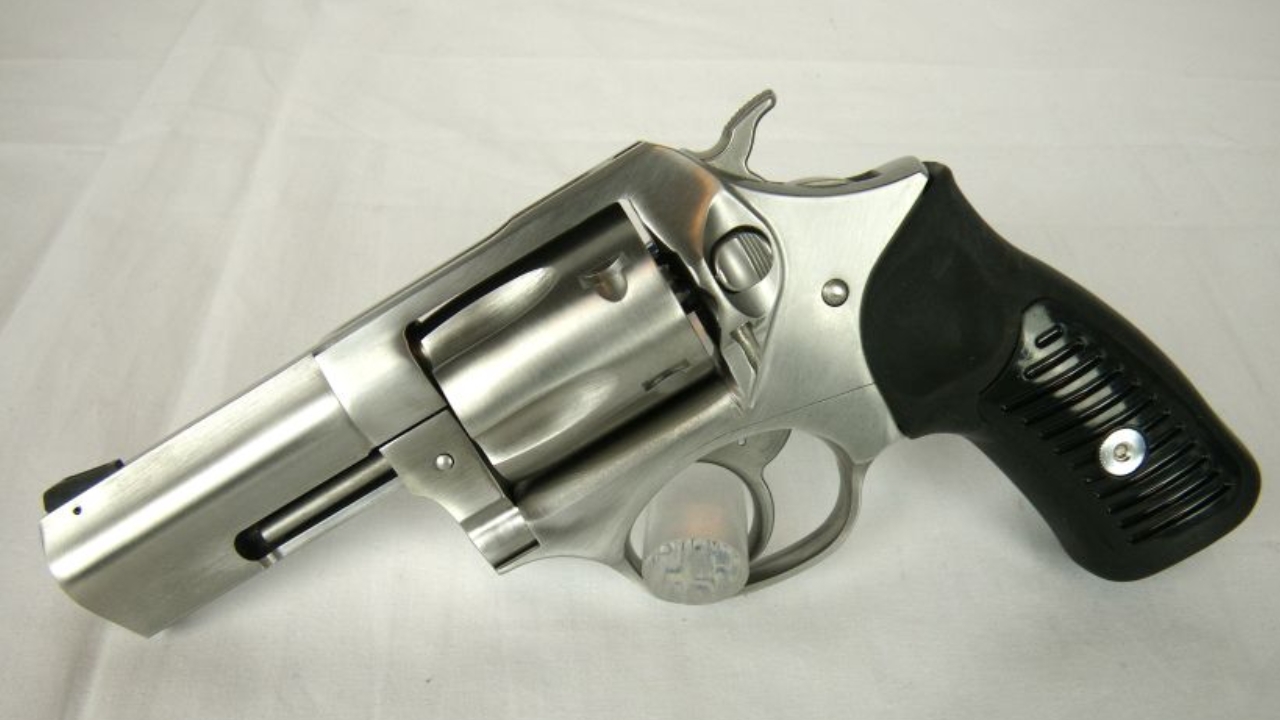
The 3-inch SP101 often lands in the sweet spot for shooters who want the same durable Ruger platform but a little more shootability than the shortest version. Ruger offers a 3-inch .357 Magnum model with the same five-round capacity, and that slight increase in barrel length changes the gun more than you might think. You get a little more sight radius, a little more weight out front, and a little calmer behavior under recoil.
That makes it one of the better working compromises in the small-frame revolver world. It is still compact enough to conceal under real clothing, but it stops feeling like a pure emergency tool and starts feeling more like a revolver you can genuinely train with. The 3-inch SP101 carries better than a service revolver and shoots better than many snubs. It is not the cheapest revolver on the rack, but the value is easy to understand once you spend actual time shooting it.
Ruger GP100 3″
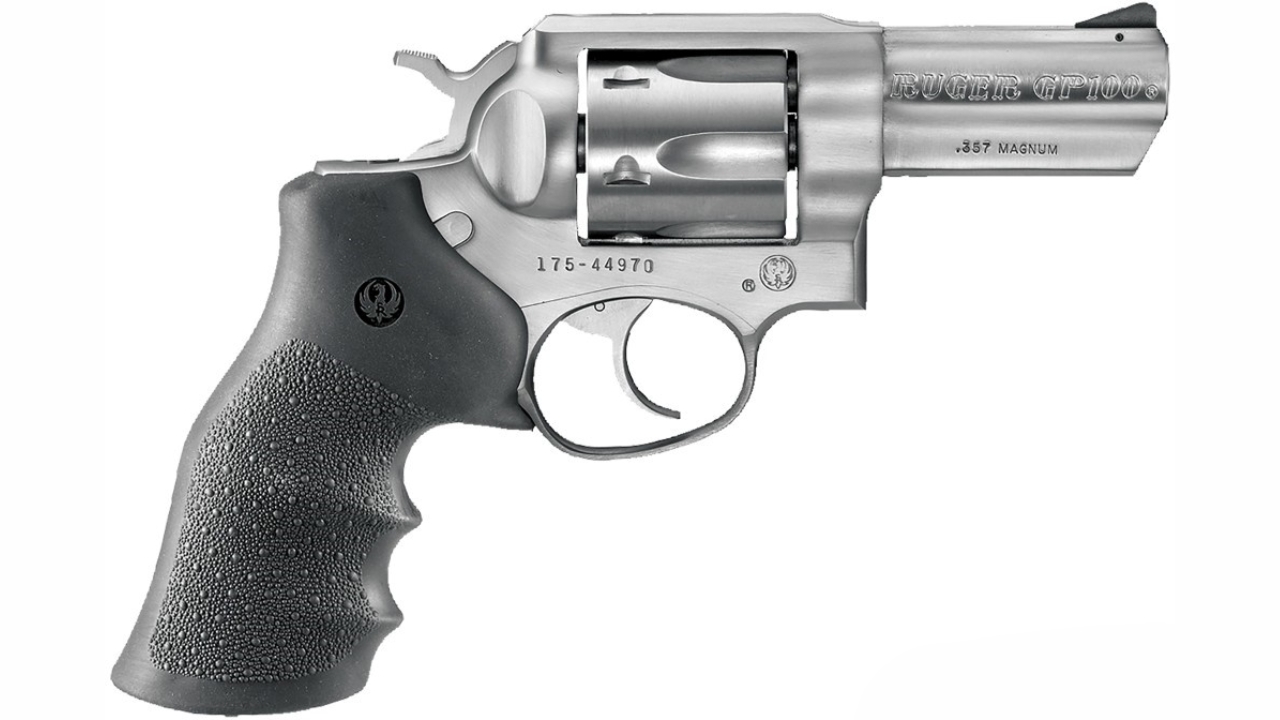
The 3-inch GP100 is where carry revolvers start feeling more like serious fighting handguns than compact backups. Ruger’s GP100 line is built around a triple-locking cylinder and a strong, durable design, and the shorter carry versions bring that reputation into a format that can still be concealed. You get a larger frame than the SP101, which means more weight and more control, especially with .357 Magnum loads.
That added size changes the equation in a good way if you can dress around it. The 3-inch GP100 is far more pleasant to practice with than smaller magnum revolvers, and that matters because a carry gun you do not train with is not really a finished choice. It is heavier and bulkier, yes, but it also gives you a calmer recoil pulse and a more confident grip. For many shooters, that extra comfort in actual shooting is worth the larger carry footprint.
Colt Cobra

The Colt Cobra fits this conversation because it stays focused on the practical side of carry. Colt lists it as a six-shot .38 Special +P with a 2-inch barrel and stainless frame, which makes it a very direct answer for the person who wants a modern snubnose without stepping into magnum recoil or oversized carry bulk. Six rounds in this class is also a meaningful detail.
What makes the Cobra appealing is how sensible it feels. It is compact enough for daily concealed carry, but it avoids the harsher edge that ultra-light magnum revolvers often bring. With .38 +P, you get solid defensive performance in a revolver that remains easier to control than the hotter small-frame .357s. It is not the bargain-basement option, but it sits in a place where the combination of capacity, comfort, and practical shootability starts making a lot of sense for real concealed-carry use.
Colt King Cobra Carry

The King Cobra Carry is a strong fit for the shooter who wants a little more authority and shootability than a lightweight snub can usually offer. Colt lists it in .357 Magnum, with features like Hogue grips and a fiber-optic front sight, and that tells you it is built as more than a minimalist hideout gun. It is meant to be carried, but also meant to be shot with some confidence.
That is where it earns its place here. It is not the smallest revolver in the category, and it is not the least expensive, but it gives you a sturdier, more confidence-inspiring platform for magnum-capable carry. With .38 +P, it becomes even easier to manage. The extra size and grip quality help a lot when recoil starts adding up. For someone who wants a carry revolver that feels more substantial than a featherweight snub, the King Cobra Carry lands in a very useful middle ground.
Colt Viper 4.25″

The Colt Viper in 4.25 inches sits slightly outside the classic snubnose lane, but it still belongs here because not everybody defines “carry” the same way. Colt shows the Viper as a .38 Special revolver with a blued carbon steel finish and 4.25-inch barrel, which puts it closer to a belt-carry defensive revolver than a pocket gun. That longer barrel and fuller grip change the handling in a major way.
If you carry on the belt and care about shootability first, the Viper starts making real sense. You get a calmer recoil impulse, a better sight picture, and a revolver that feels easier to run well than the shortest carry guns. The tradeoff is obvious: it demands more room and a better holster setup. But for the shooter who wants a revolver that still carries comfortably while staying much easier to control, the Viper offers a very usable blend of old-school feel and practical handling.
Kimber K6s Stainless

The Kimber K6s Stainless earns its place because it brings a compact carry footprint together with a six-shot .357 Magnum cylinder in a very tight package. Kimber describes it as the lightest production six-shot .357 Magnum revolver, and that strong mix of size and capacity is exactly why it gets so much attention from concealed-carry revolver shooters. It is compact, but it does not give up as much as many traditional five-shot guns do.
That said, the reason it works is not raw specs alone. The K6s tends to feel well-shaped in the hand, and that helps keep recoil more manageable than people expect in a small .357-capable revolver. It is still a compact magnum, so nobody should expect it to feel soft with hot loads. But with .38 +P or disciplined .357 use, it hits a very useful balance. It is also priced in that upper-middle zone where you can feel the quality without wandering into true collector-level money.
Kimber K6s DCR

The K6s DCR takes the same basic K6s carry idea and pushes it a little farther toward defensive practicality. Kimber says the DCR is built on the same six-shot .357 Magnum platform, with superior ergonomics, which is exactly the sort of thing that matters in a revolver this size. Small carry guns live or die by how well they sit in the hand once the trigger starts moving.
That is why the DCR makes sense for this list. It stays compact enough for serious concealed carry, but it offers a slightly more refined “carry-first” package than a plain compact revolver. In real use, that can mean a better grip, better control, and a gun you are more likely to practice with. It is not a budget revolver, but it offers enough refinement in a practical size that the price begins to feel easier to justify if you truly want a carry-oriented wheelgun.
Kimber K6s DASA 4″ Target GFO

The 4-inch K6s DASA Target GFO stretches the K6s concept into a more shootable belt-carry revolver. Kimber lists this model with an extended combat grip, target adjustable rear sight, and green fiber-optic front sight, which tells you right away that it leans toward control and accuracy more than deep concealment. It is still a K6s, but it feels more like a practical field-and-defense revolver than a pure hideout piece.
For the shooter who wants a revolver that can still be carried but is much easier to shoot well, this is where the sweet spot shifts. You give up pocket convenience, but you gain better sights, more barrel, and a grip that makes recoil easier to manage. That means more confidence in practice and a more useful all-around carry revolver if belt carry is your normal method. It costs more than basic snubs, but the improved control and shootability make the trade much easier to defend.
Like The Avid Outdoorsman’s content? Subscribe to our newsletter so you never miss an article.
Here’s more from us: