Photo credit: GunBroker
The newest gun on the shelf always has a way of making the older one look boring. Better packaging, better marketing, cleaner photos, and a few extra features can make buyers feel like they are missing out if they do not upgrade right now. Sometimes that works out. Other times, the old gun they traded away was the better tool all along.
A lot of regret starts when buyers chase features before they understand whether those features actually help. A new grip module, odd caliber, updated stock, fancy finish, or trendy action does not matter much if the gun is picky, overpriced, uncomfortable, or just not as useful as expected. These are firearms that punished buyers for chasing the newest thing.
SIG Sauer P320 AXG Legion

The P320 AXG Legion had the kind of feature list that makes buyers stop at the counter. Metal grip module, compensated slide, Legion branding, optic-ready setup, and a heavier feel all made it seem like a serious upgrade over a basic striker-fired pistol.
For some owners, the regret came after the first rush faded. It is a nice pistol, but it is also expensive, heavy for carry, and not automatically better than simpler handguns they already shot well. If you bought it expecting a magic accuracy boost, it may have felt more like an expensive reminder that fundamentals still matter.
Remington V3 Tac-13
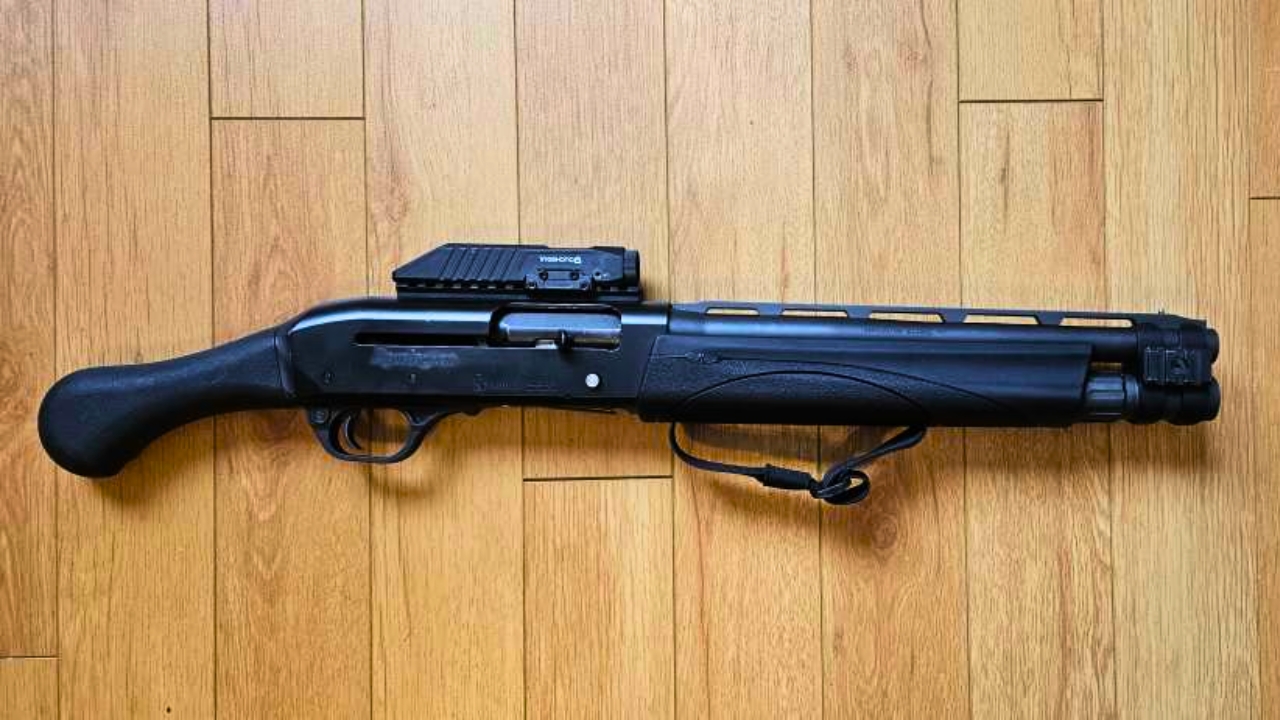
The Remington V3 Tac-13 looked like exactly the kind of firearm people buy because it is different. It was short, semi-auto, aggressive-looking, and easy to imagine as a compact defensive option before you actually spent much time running it.
Then reality set in for a lot of buyers. Short shotguns and shotgun-style firearms are loud, sharp, awkward to aim well, and not nearly as easy to use under stress as they look online. The Tac-13 was interesting, but many owners found a full-size shotgun far more practical.
Mossberg MC2sc
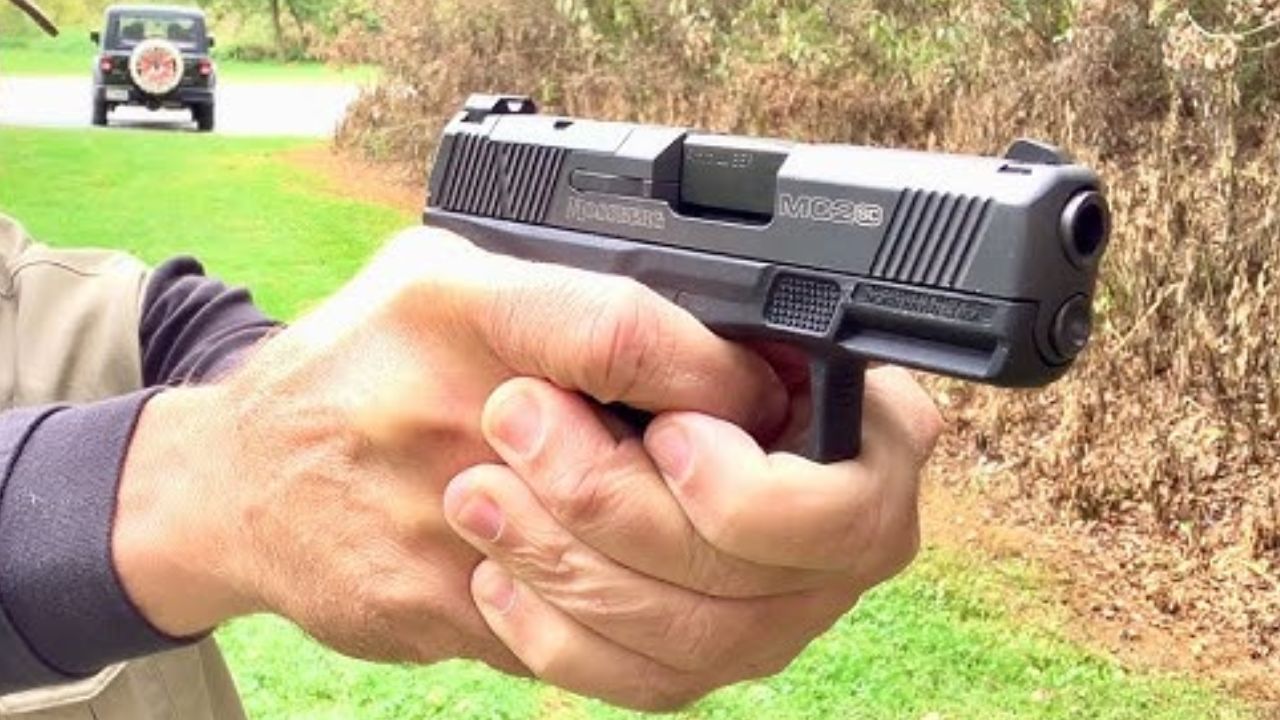
The Mossberg MC2sc entered the micro-compact carry race with solid features and a respected shotgun name behind it. On paper, it seemed like one more strong option in a crowded category.
The problem was not that it was useless. It was that buyers already had proven choices everywhere. Some owners realized they had chased a newer pistol from a brand less established in the carry-gun world, only to end up comparing it against guns with better holster support, more aftermarket parts, and stronger long-term confidence.
Savage Renegauge
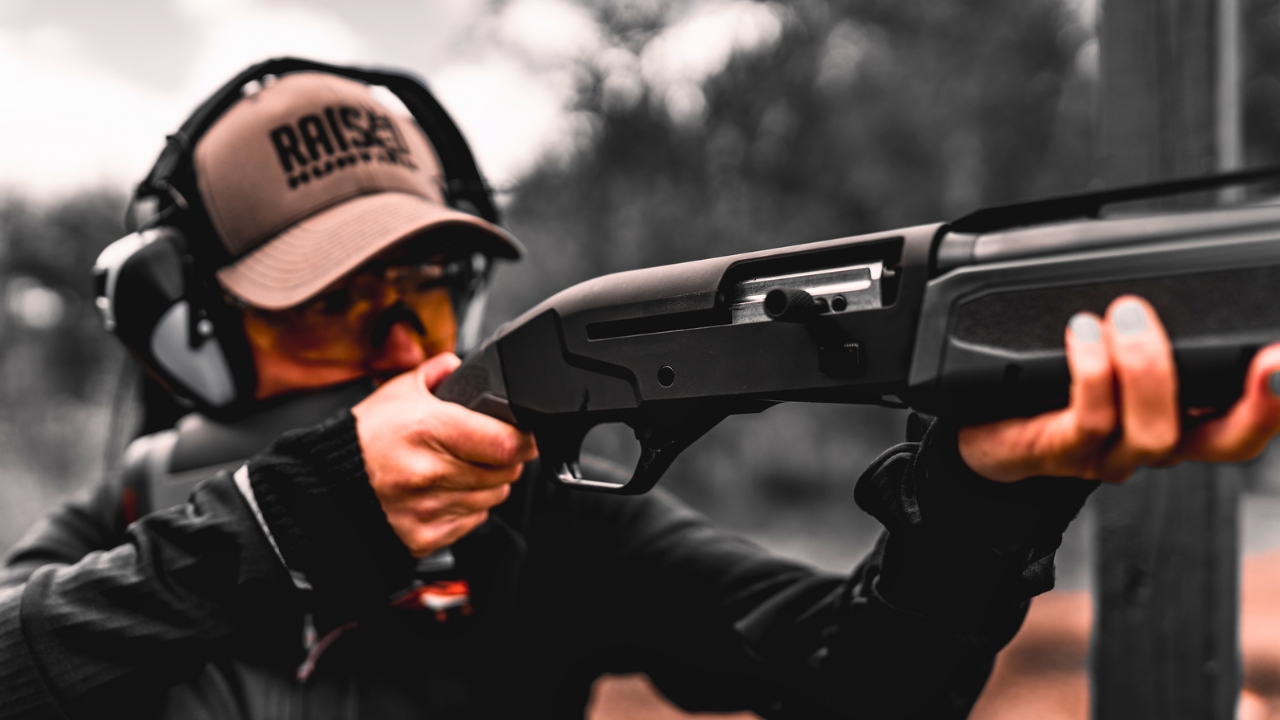
The Savage Renegauge got attention because Savage had not been a major semi-auto shotgun name in the same way Beretta, Benelli, Browning, or Winchester had been. The self-regulating gas system sounded modern and clever.
For some buyers, it ended up feeling like a lot of money for a shotgun they still had to explain. It is not a bad design, but the price put it near heavy competition. Hunters who chased the newest gas gun sometimes wondered why they did not just buy a more established semi-auto with a longer field record.
Colt King Cobra Carry

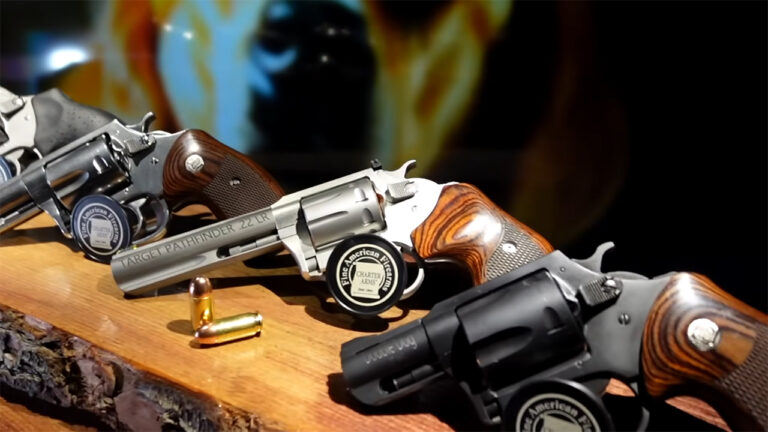
The Colt King Cobra Carry pulled buyers in because it brought Colt’s revolver name into a modern concealed-carry package. That snake-gun branding carries serious weight, and plenty of revolver fans wanted to believe it was the perfect modern snub.
Some owners found the tradeoff harder to love. It was expensive, the short sight radius demanded work, and small magnum revolvers are not exactly pleasant with hotter loads. Buyers who chased the Colt name sometimes realized a less glamorous revolver could fill the same role for less money.
Rock Island Armory STK100
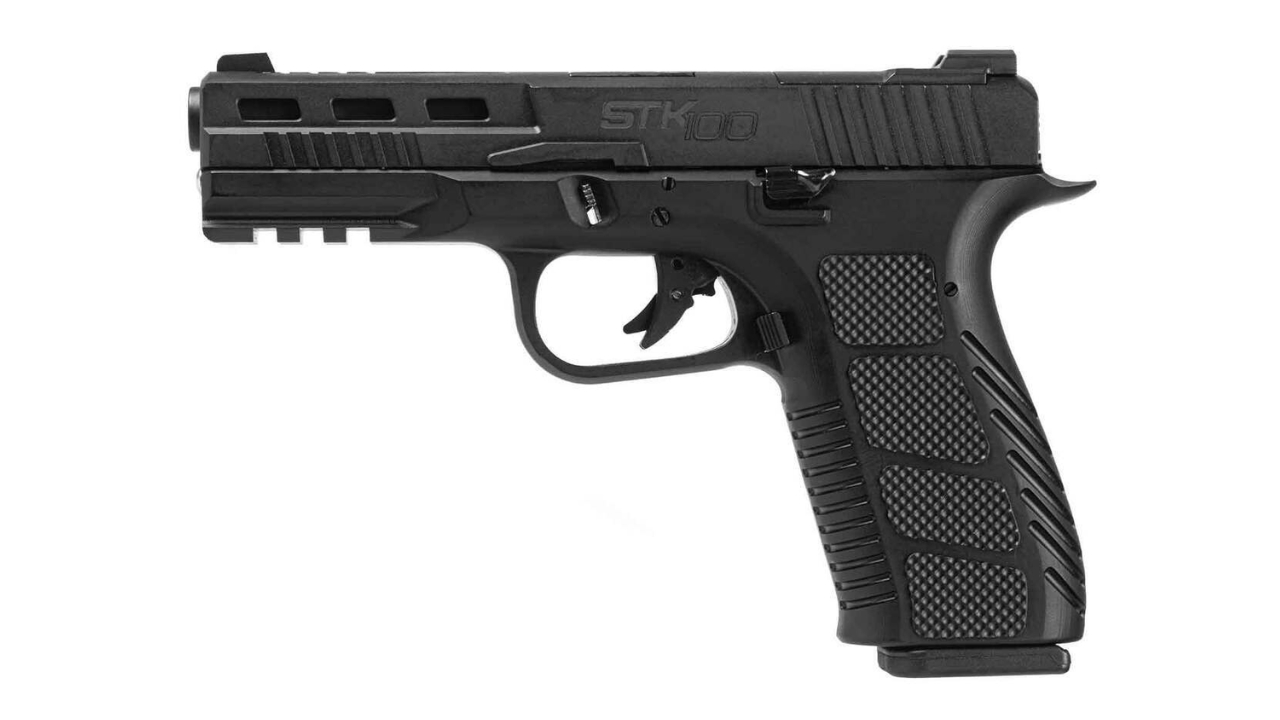
The STK100 looked interesting because it offered an aluminum-frame, Glock-pattern pistol at a price that sounded tempting. For buyers tired of the same polymer striker-fired options, it seemed like a fresh idea.
The downside was that fresh does not always mean refined. Some owners found themselves dealing with a pistol that felt less polished than the familiar guns it tried to improve on. When a design leans on compatibility with a proven platform, buyers naturally compare it to that platform. The STK100 did not always win that comparison.
Benelli 828U
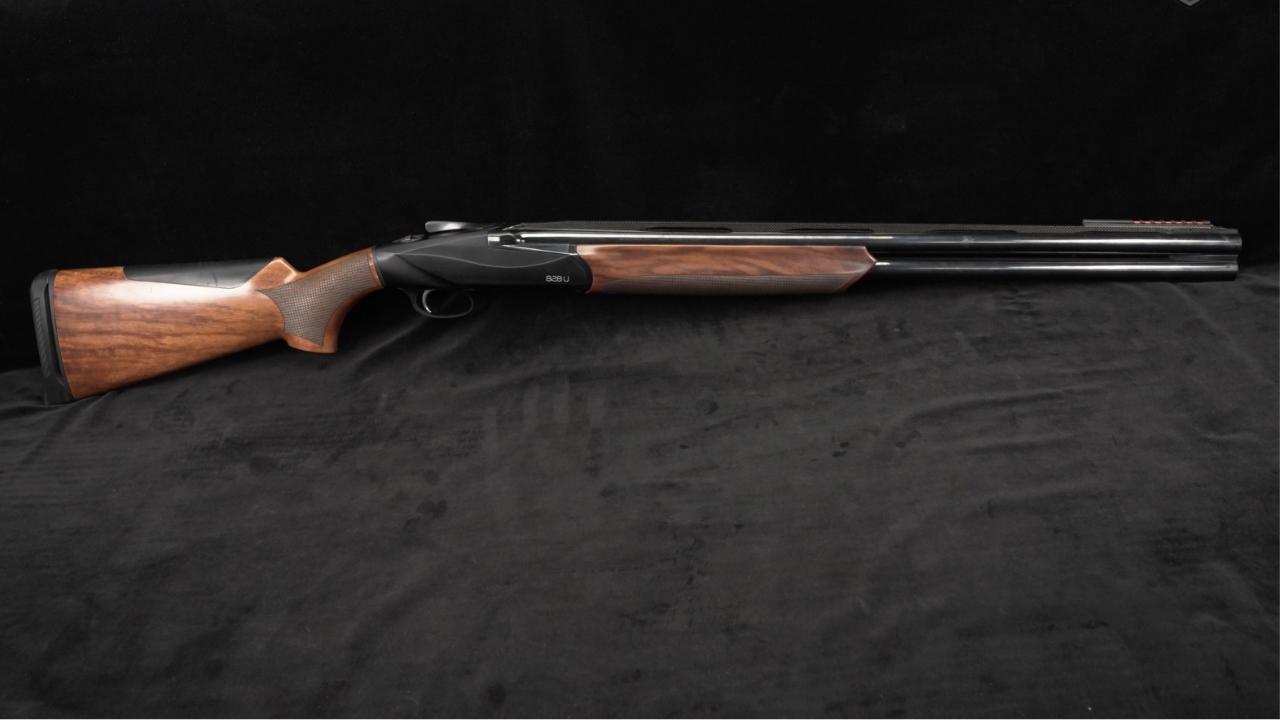
The Benelli 828U looked like a modern answer to the over-under shotgun. It had a different locking system, light weight, clean styling, and the kind of brand name that made upland hunters curious.
Some buyers learned that over-unders are not always better when they get lighter and more complicated. The 828U can feel lively, but it also brings sharper recoil than heavier traditional doubles. For shooters who chased a futuristic field gun, the old lesson came back fast: a little weight and simplicity can make a shotgun easier to live with.
Springfield Armory XD-M Elite Compact OSP
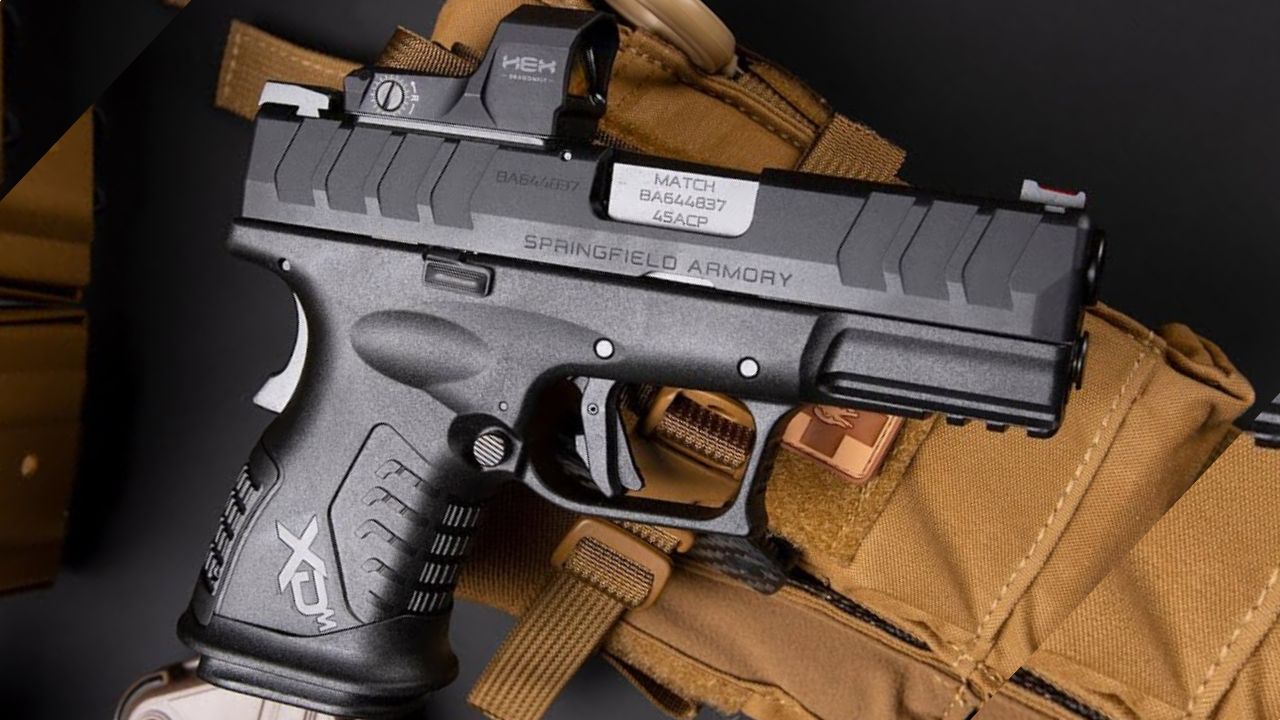
The XD-M Elite Compact OSP checked a lot of modern boxes. Optics-ready slide, improved trigger, good capacity, and aggressive styling made it look like a practical carry upgrade.
But the market had already moved fast. Many buyers found themselves comparing it to slimmer, lighter, more popular carry pistols with better holster support and stronger aftermarket momentum. It was capable, but not always easy to justify. Chasing the updated version sometimes left owners wishing they had picked the simpler pistol everyone already supported.
Ruger Precision Rimfire

The Ruger Precision Rimfire looked like a smart buy for shooters who wanted a trainer that mimicked larger precision rifles. The chassis-style stock, adjustable features, and tactical look made it feel like a lot of gun for the money.
Some buyers eventually realized they wanted a more refined rimfire, not just a rimfire that looked like their centerfire rifle. The platform is fun, but it can feel bulky for casual use and not as polished as higher-end precision .22s. The newest-looking option was not always the most satisfying one.
Stoeger STR-9

The Stoeger STR-9 arrived as another affordable striker-fired pistol in a market already packed with them. Buyers looking for value saw a familiar layout, usable ergonomics, and a price that made it easy to consider.
Regret showed up when owners realized cheap and smart are not always the same thing. The pistol can work fine, but it does not offer the same aftermarket, reputation, or resale confidence as more proven choices. For a little more money, many buyers could have ended up with a pistol they trusted more.
Winchester Wildcat
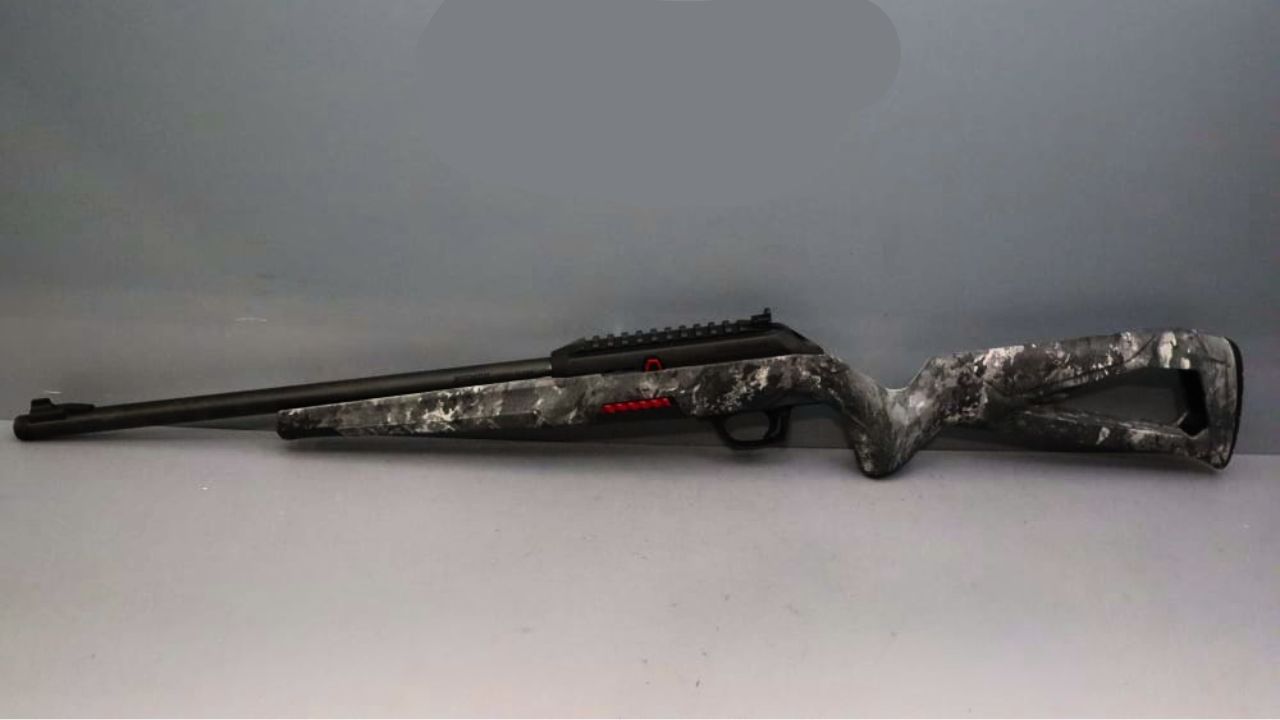
The Winchester Wildcat attracted rimfire buyers with its light weight, simple takedown, and modern controls. It looked like a smart newer alternative to old .22 rifles that had been around forever.
Some owners liked it, but others found themselves missing the feel of more established rimfires. A lightweight polymer .22 can be handy, but it does not always feel as satisfying or durable as buyers expect. When the excitement wore off, plenty of shooters still reached for older rimfire rifles that felt more solid and familiar.
IWI Masada

The IWI Masada came in with strong credentials from a company known for serious defensive firearms. It had a low price, optics-ready design, and the kind of international pedigree that made buyers curious.
The issue was timing. It entered a category where good striker-fired pistols were everywhere. Some buyers chased it because it was different, then realized it did not clearly beat the pistols they already knew. It was reliable for many, but being good was not enough when great options were already common.
Henry Long Ranger

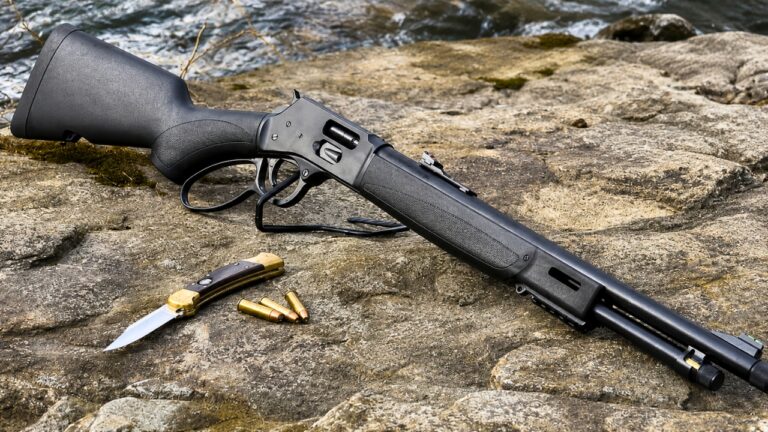
The Henry Long Ranger appealed to buyers who wanted lever-action handling with modern rifle cartridges. It sounded like the best of two worlds, especially when classic lever guns were getting more attention again.
Some hunters found the reality less exciting than the concept. It is useful, but it does not feel like an old lever gun, and it does not always replace a good bolt gun either. Buyers chasing the modern lever idea sometimes ended up with a rifle that lived in the awkward space between tradition and practicality.
Walther CCP M2

The Walther CCP M2 promised softer recoil through its gas-delayed system and easier handling for concealed carry. That sounded appealing, especially for shooters who wanted a comfortable small pistol.
The problem was that simple blowback and locked-breech carry pistols had already become very good. Some buyers discovered the CCP’s takedown, heat, trigger feel, or overall size made it less appealing than expected. Chasing the unusual system did not always result in a better carry gun. Sometimes it just added things to think about.
Browning Maxus II
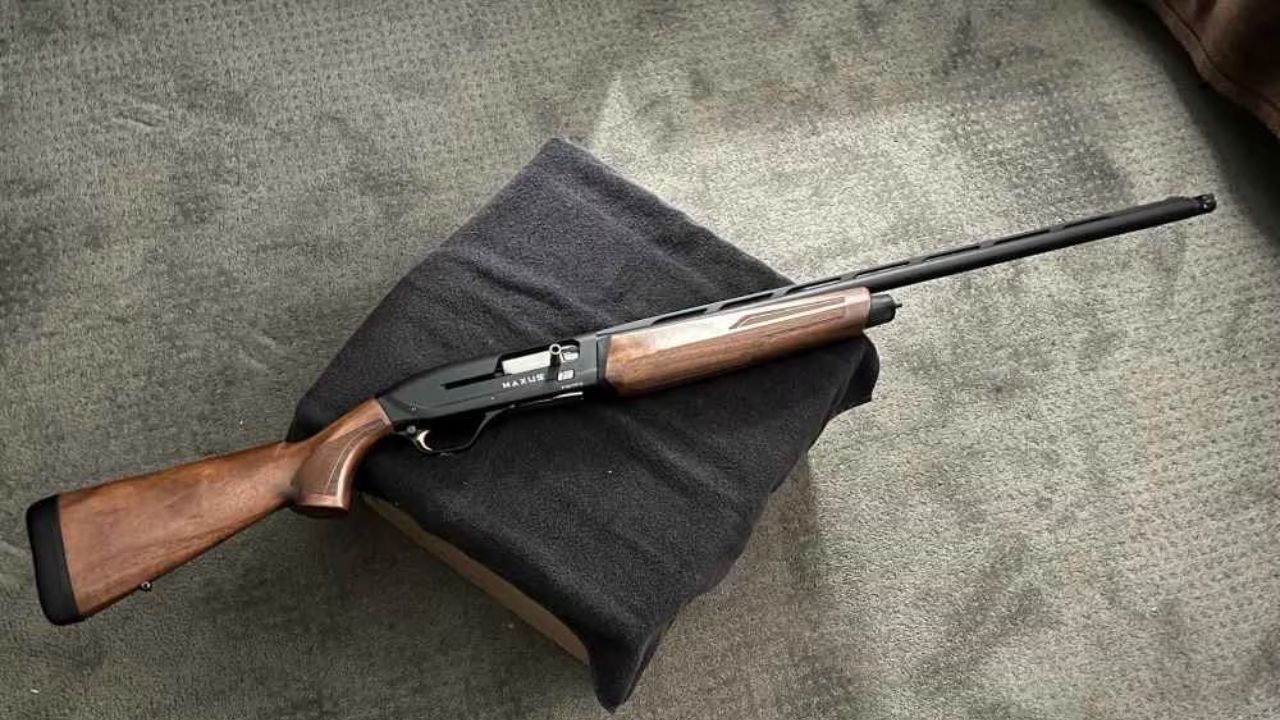
The Browning Maxus II came with real improvements and a strong name, so it was easy for waterfowl and upland hunters to see it as the next shotgun they needed. Better controls, updated styling, and Browning’s reputation made the decision tempting.
For some buyers, though, the upgrade did not feel dramatic enough. A good older shotgun still killed birds just fine, and competing semi-autos offered fierce value. The Maxus II is capable, but it punished buyers who expected a new model to make their old shotgun feel obsolete. It usually did not.
Like The Avid Outdoorsman’s content? Subscribe to our newsletter so you never miss an article.
Here’s more from us: