Photo credit: The Avid Outdoorsman
A family that leased part of their farm to hunters for the first time said the arrangement turned into a mess after one of the lease hunters allegedly shot a massive buck on the portion of land the family had kept for themselves.
The story was shared in a post on r/Hunting titled “The wrongs of hunting”. The poster said his dad had shot a 14-point whitetail buck they had watched on trail cameras since July. It was the kind of deer hunters talk about all season, and according to the post, it was his dad’s first buck at 56 years old.
After the shot, the family tracked the deer for nearly half a mile. They eventually found a bed where the buck had laid down, but the blood trail went cold after the wound clotted. That alone would have been painful enough. Losing a deer like that is hard under any circumstances, especially when it is an animal a hunter has followed for months on camera.
But the property setup made it worse.
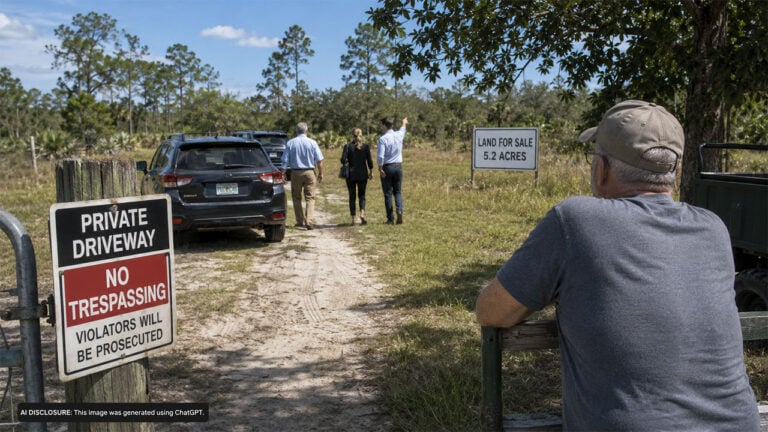
The poster said the family had 400 acres of farm ground. That year, they leased out 300 acres to out-of-state hunters who were friends of friends. The family kept the remaining 100 acres for themselves to hunt. While tracking the buck, the lease hunters told them they were not allowed to enter the leased portion of the property to keep looking, even though the family still owned the land.
The poster found that frustrating, but the real conflict came later.
A few days after the original shot, the poster said his dad, the son of the lease holder, and one of his dad’s friends were searching again on the family’s 100 acres. Then a shot rang out. According to the poster, the lease holder’s son had shot the same buck on the family’s side of the farm without permission.
The deer scored 208, according to the post.
The Lease Became the First Problem
The family’s decision to lease out 300 of their 400 acres seemed to be rooted in money. In the comments, the poster said leasing the ground helped make payments on the farm loan that year. That detail matters because it shows why a family might let outsiders hunt land they otherwise would have kept private.
But leases can get tricky fast if the terms are not clear.
The family still owned the 300 acres, but the lease hunters treated it like the family could not enter it while looking for a wounded deer. The poster said that was annoying and against what he considered hunter code, though he tried to understand it.
Commenters were not nearly as forgiving. Many said any future lease should clearly say that the landowners can recover wounded game anywhere on their own property. Others said the family should never lease to that group again.
That was one of the clearest lessons in the thread. A hunting lease needs more than a handshake and a general agreement. It should spell out who can access the land, when the owner can enter, whether wounded deer can be tracked across the leased portion, whether guests are allowed, and what happens if a deer crosses between leased and non-leased ground.
Without those details, everyone can walk away thinking they have the stronger claim.
In this case, the family owned the land, the lease hunters had paid to hunt part of it, and the biggest deer of the season ended up in the middle of a fight nobody seemed to have planned for.
The Second Shot Changed Everything
The post’s most heated detail was not that the lease hunter helped find the deer. It was that he allegedly shot it on the family’s 100-acre section.
The poster said that land was not part of the lease. It was the portion the family kept for themselves. In his view, the lease holder’s son had no permission to shoot anything there. He may have been helping look for the buck, but that did not mean he had permission to harvest a deer on that ground.
An update from the poster made the situation feel even more bitter. He said his dad believed the buck was already dead when the other man found it and that the shot was fired to make it appear as if he had finished the deer off. The poster said his dad skinned the deer afterward and believed the second shot had only hit meat, not organs.
That detail was disputed heavily in the comments. Some people were skeptical of the timeline and questioned whether the buck could have lived for four days after the first shot if the wound was as serious as described. Others said that if the lease hunter did finish off a wounded animal, the ethical thing would still have been to hand the deer over to the person who first shot it and had been tracking it.
The argument came down to permission and ethics. Even if the second hunter believed he was ending the animal’s suffering, he was allegedly doing it on land where he did not have permission to hunt. And even if he made the final shot, many commenters believed the deer belonged to the father who had first hit it and spent days looking for it.
The Family Let Him Keep the Deer, and Commenters Couldn’t Believe It
One of the biggest points of frustration in the comments was that the family apparently let the other man keep the buck.
The poster said his father was passive, a devout Christian, and a pastor. According to the poster, his dad did not think it was worth losing sleep over if the other men felt they should keep it. He seemed to choose peace in the moment, even though his sons strongly disagreed.
That detail added a human layer to the dispute. This was not simply a fight over antlers. It was a family watching their father lose the buck of his dreams and then choose not to push back as hard as they wanted him to.
Commenters were blunt. Many asked why they let the other man keep the deer at all. Some said the family should have called the game warden immediately. Others said the deer should have been recovered and returned if the other hunter did not have permission to shoot on the family’s 100 acres.
The poster repeatedly said the issue was not only that the deer was finished off. It was that the other man insisted he deserved it. To the family, that revealed something about his character and about whether that lease arrangement should ever continue.
That was where the thread became less about the legal question and more about trust. If someone helping track a deer on your land shoots it and claims it, do you ever want that person hunting your farm again?
Most commenters said no.
Commenters Debated Whether the First Shot Still Counted
The thread did not fully agree on every ethical point.
Some hunters argued that the father’s first shot made it his deer, especially if the animal was mortally wounded and the family had been actively tracking it. In that view, anyone helping with the recovery should have either let the father finish the animal or immediately yielded the deer to him.
Others were more skeptical. Several commenters questioned the idea that the deer was hit above the heart and lungs, survived for days, and was still in a condition to be claimed. They argued that if the deer lived that long, the first shot may not have been as good as the family believed.
A few commenters said if the second hunter found a live deer and legally killed it, the situation could be more complicated. But that argument ran into the property issue again. The poster insisted the buck was on the 100 acres that were not leased to the other hunter.
That kept pulling the conversation back to one basic fact: even if the wounded-deer ethics were debatable, the second hunter allegedly did not have permission to shoot on that part of the farm.
Some users said that alone was enough to call the warden.
The Lease May Have Been the Real Mistake
One commenter told the poster there were two big takeaways: do not lease ground if the family is still planning to hunt nearby, and accept that the original shot may not have been as clean as they hoped.
That was a hard comment, but there was truth in the first part. Leasing out 300 acres while keeping 100 acres for family hunting created a situation where deer, hunters, blood trails, and emotions could cross invisible boundaries.
A giant buck does not know which acres are leased. A wounded deer does not stop at a property management decision. If the lease terms do not clearly explain recovery, access, and boundaries, the first serious tracking job can expose every weakness in the agreement.
The poster said his brothers had begged their dad not to lease the land, but the lease helped cover farm payments. That is the kind of real-world pressure many rural families understand. Land is expensive. Farm payments do not stop because a family wants exclusive hunting rights. Leasing can make financial sense.
But this thread showed the cost of leasing to the wrong people, especially when the agreement is not detailed enough and the relationship is built on friends-of-friends trust instead of clear expectations.
By the end, many commenters thought the family should never lease to that group again.
What Commenters Said
Commenters were overwhelmingly upset on behalf of the father, though they debated some of the hunting details.
Many said the family needed to involve a game warden because the lease holder’s son allegedly shot the buck on the 100 acres that were not part of the lease. In their view, the permission issue was not ambiguous. He may have been helping track the deer, but he did not have the right to harvest one on that part of the farm.
Others focused on the lease itself. They said any future lease should clearly state that landowners can enter the leased acreage to retrieve wounded game and that lease hunters have no rights on the land the family keeps for itself. Several said the group should never be allowed back.
Some commenters questioned the timeline and shot placement, saying a deer that lived for days may not have been hit the way the family first believed. But even those who questioned the first shot often agreed the other hunter should have yielded the buck or at least handled the situation with more respect.
A lot of users could not get past the fact that the father let the other man keep the deer. The poster explained that his dad wanted to keep peace and saw it as a turn-the-other-cheek moment, but many commenters thought the other group had already ruined the relationship by claiming the buck.
For the family, the season ended with a dream deer, a bitter lesson, and a lease arrangement that exposed every weak spot in the agreement. The buck was the headline. But the bigger warning was about trust: if you lease land to the wrong people without clear rules, the worst conflict may show up only after the deer everyone wants is already on the ground.