Photo credit: AlabamaArsenal/YouTube
Some firearms can digest nearly anything that fits in the chamber. Others have a much narrower operating window. A weak powder charge, soft brass case, unusual bullet profile, inconsistent rim thickness, or slightly incorrect cartridge length can turn an otherwise functional gun into a malfunction-clearing exercise.
That does not always mean the firearm is poorly made. Competition guns, older military designs, magnum semiautomatics, and extremely compact pistols sometimes require ammunition that closely matches what their operating systems were built around. Feed these 20 firearms the wrong load, and small ammunition problems quickly become repeated failures to feed, extract, eject, or cycle.
M1 Garand
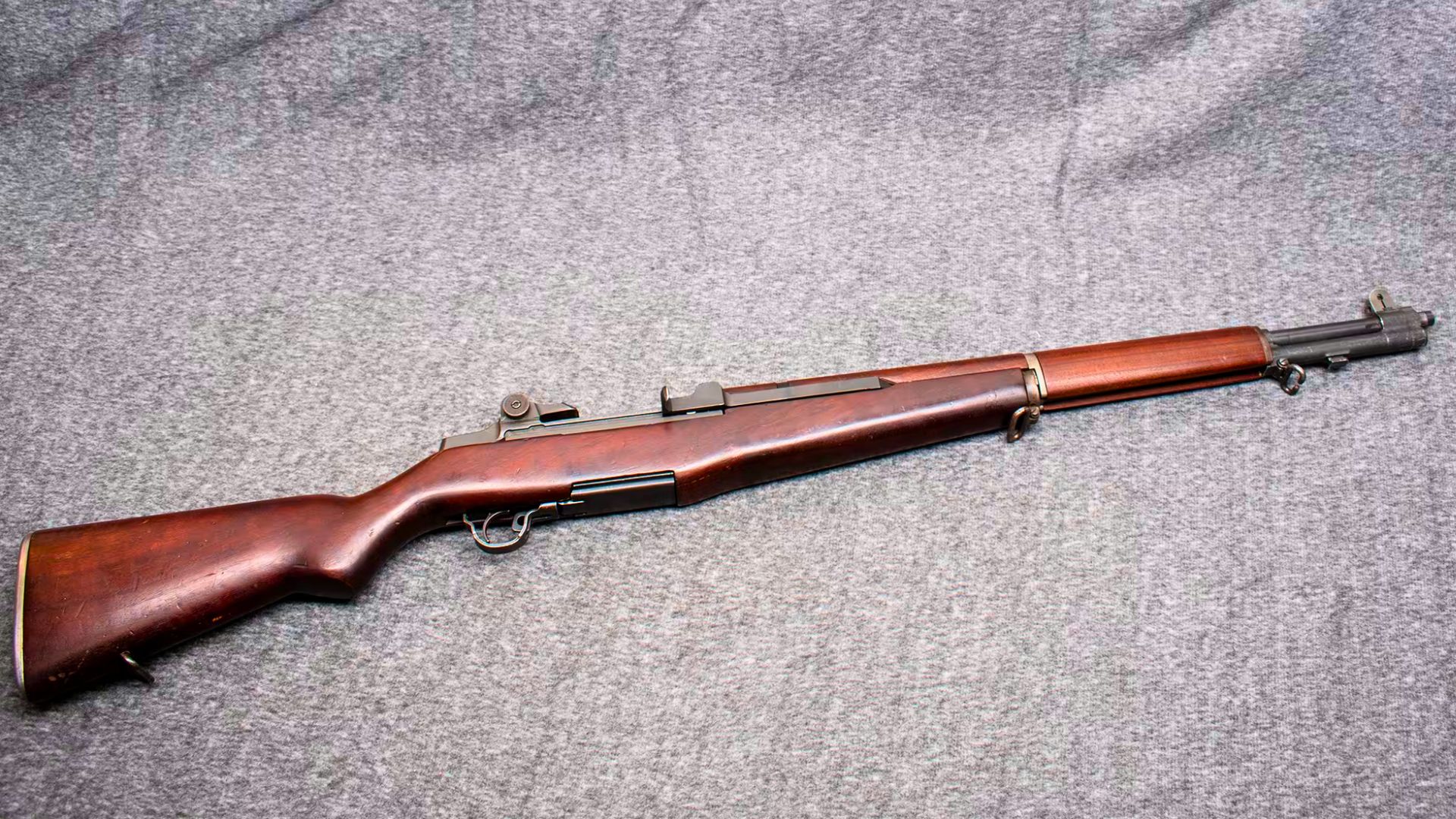
The M1 Garand was designed around ammunition that produced a specific pressure curve for its long operating rod. Modern .30-06 ammunition may fit the chamber perfectly while producing pressures at the gas port that are poorly suited to the rifle.
Loads using heavy bullets or slow-burning powders can drive the operating system harder than intended. Weak ammunition can create short-stroking instead. Owners who want reliable function generally stick with ammunition marked as suitable for the M1 Garand or use an adjustable gas plug with carefully selected loads. The rifle is extremely dependable with appropriate ammunition, but it is not a gun that should be fed every random box of .30-06 found on a store shelf.
Desert Eagle L5 .357 Magnum

The Desert Eagle L5 is lighter and more compact than the traditional Mark XIX, but it still relies on a gas-operated system that needs sufficient ammunition pressure. Light .357 Magnum loads may function perfectly in a revolver while failing to cycle the Desert Eagle.
Bullet construction matters as well. Exposed lead bullets and heavily lubricated projectiles can contaminate the gas system. Ammunition with inconsistent pressure can produce failures to eject or leave the slide short of returning to battery. The L5 can be accurate and surprisingly manageable with the correct ammunition, but bargain loads and mild practice rounds often expose how little operating margin the design has.
AutoMag II

The AMT AutoMag II chambered in .22 Magnum has always been highly dependent on ammunition selection. The pistol uses a delayed-blowback system and needs cartridges that produce enough pressure to cycle its stainless-steel slide consistently.
Not every .22 WMR load generates the same pressure or uses the same case construction. Weak ammunition may leave fired cases partially extracted, while dirty loads can quickly add friction to an already demanding system. Some individual pistols function with only a small selection of ammunition. Once an owner finds the correct load, the AutoMag II can run reasonably well. Trying several different bulk or low-powered loads during the same range session often produces a completely different experience.
Grendel P30

The Grendel P30 placed 30 rounds of .22 Magnum inside a lightweight pistol years before the KelTec PMR-30 appeared. Its capacity was impressive, but the long magazine and rimmed cartridges created several opportunities for ammunition-related failures.
Variations in cartridge length, rim thickness, and bullet shape could affect how rounds stacked and fed. Underpowered ammunition might fail to cycle the slide completely, while dirty-burning loads could make extraction increasingly difficult. Correct magazine loading was also critical because poorly positioned rims could bind against one another. The P30 could be entertaining with ammunition it liked, but one questionable box could make the pistol seem completely unreliable.
Magnum Research Mountain Eagle
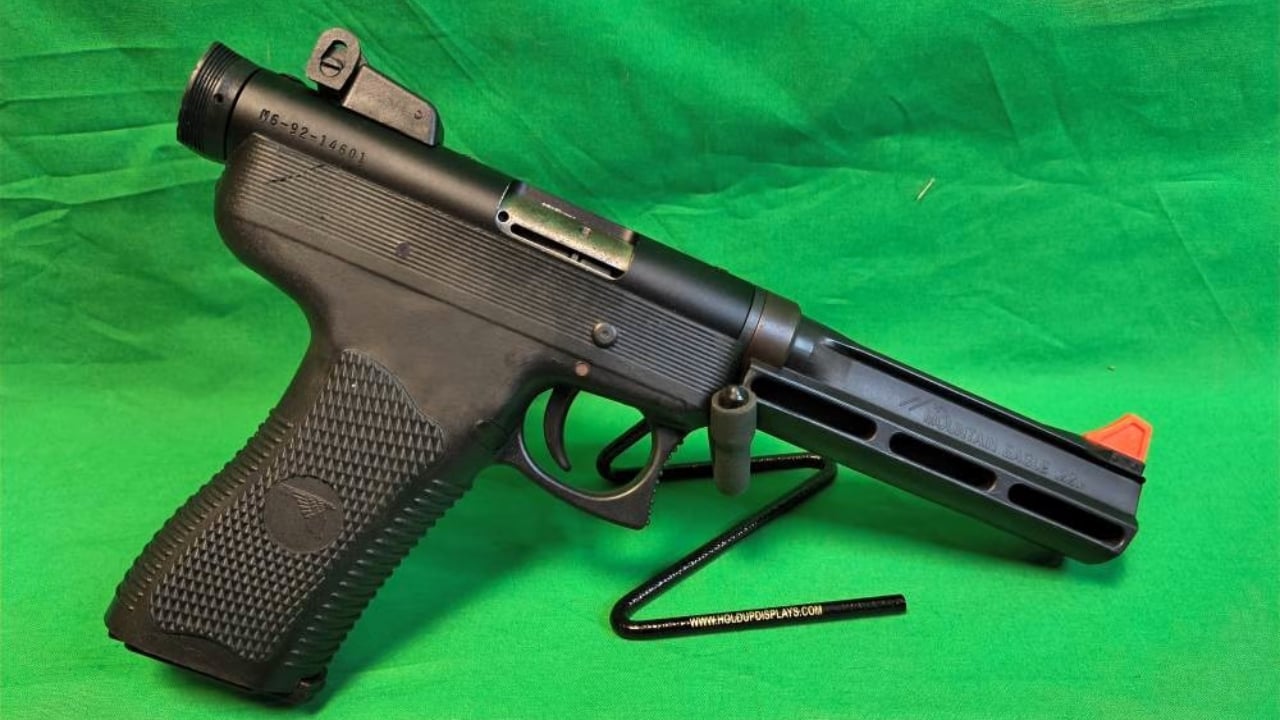
The Mountain Eagle was an ultralight .22 LR pistol with a polymer frame and a large magazine capacity for its era. Its light reciprocating parts meant that ammunition had to provide enough energy to cycle the action without creating excessive drag.
Standard-velocity ammunition could be inconsistent, especially once the pistol became dirty. Bullet wax, weak priming, and variations between inexpensive rimfire loads often caused failures to feed or eject. High-velocity ammunition generally gave the slide more energy, but even then, cartridge quality mattered. The Mountain Eagle’s unusual construction made it interesting, though it never developed the reputation of a Ruger or Browning for functioning with almost any rimfire load.
SIG Sauer P322

The SIG P322 offers excellent capacity, a threaded barrel, and controls that resemble a modern centerfire pistol. Like many high-capacity .22 LR handguns, however, it depends heavily on ammunition quality and careful magazine loading.
Soft lead bullets can become damaged while being inserted, and incorrectly staggered rims may create feeding problems. Weak bulk ammunition can fail to drive the slide far enough rearward, particularly when the gun is new or dirty. The P322 can run through long strings with quality high-velocity loads, but mixing inconsistent ammunition with a poorly loaded magazine can produce repeated failures that appear to be gun problems.
Smith & Wesson M&P15-22

The M&P15-22 is one of the most popular rimfire training rifles because it closely copies the controls of an AR-15. Its light bolt and blowback action still depend on .22 LR ammunition producing enough consistent energy to cycle.
Bulk ammunition with uneven priming or weak powder charges can create failures to fire, extract, or eject. Wax and residue also accumulate rapidly during high-volume sessions, making marginal ammunition even less dependable. Some rifles strongly prefer a particular brand or bullet weight. With good magazines and quality high-velocity ammunition, the M&P15-22 usually runs well. A carton of cheap, inconsistent cartridges can make it feel far less proven.
Walther Colt 1911 A1 .22
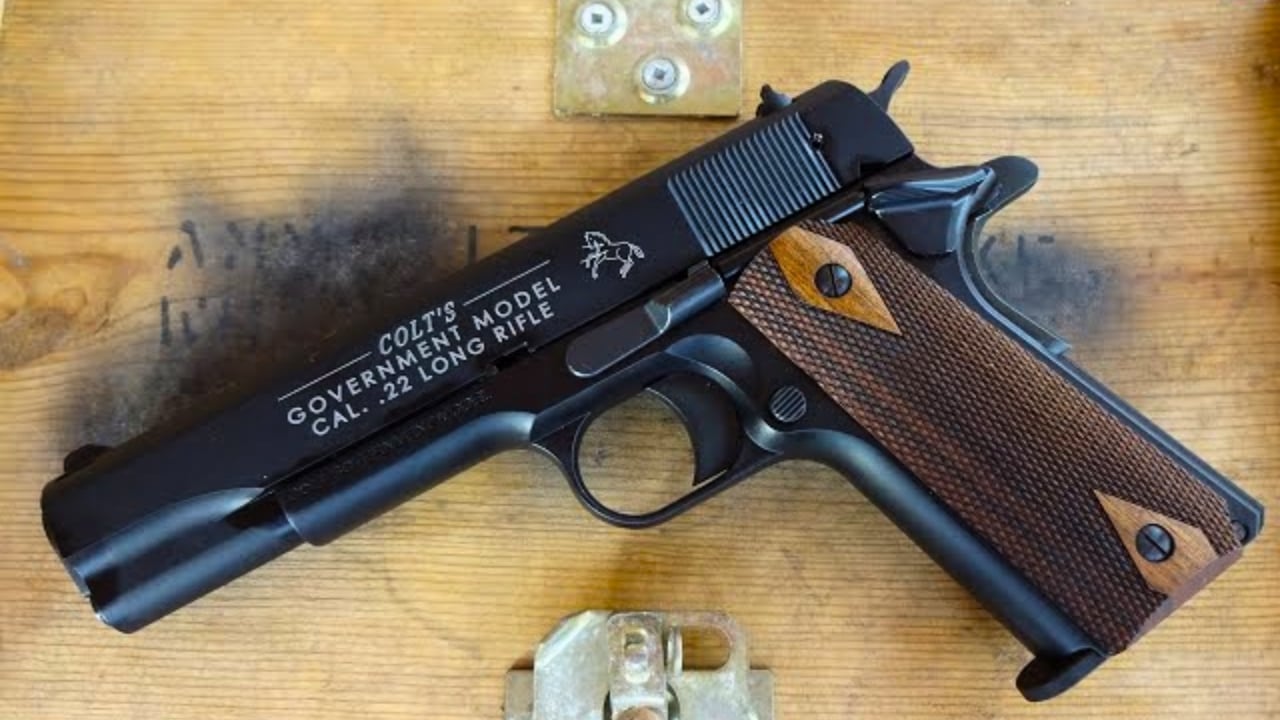
The Walther-made Colt 1911 A1 .22 gives shooters familiar 1911 controls in a rimfire package. Its lightweight internal slide assembly requires ammunition that can cycle the action while also overcoming the hammer and recoil spring.
Low-powered rounds may produce stovepipes or leave the next cartridge in the magazine. Ammunition with heavy wax coatings can foul the chamber and feed ramp quickly. Suppressor use adds even more residue to the action. The pistol often performs best with high-velocity ammunition and clean magazines. Feed it inconsistent bulk packs, and a gun that looks like a serious military pistol can start malfunctioning every few rounds.
Browning 1911-22

The Browning 1911-22 is lighter and smaller than a full-size centerfire 1911. Its scaled-down dimensions make it comfortable to handle, but they also give the action less momentum for overcoming questionable ammunition.
Weak .22 LR loads may fail to move the slide far enough to eject the empty case or cock the hammer completely. Flat-nosed bullets and heavily lubricated projectiles can create additional resistance during feeding. The pistol is often reliable with quality high-velocity ammunition, but it does not always tolerate a bucket of mixed rimfire cartridges as well as a heavier target pistol. Ammunition that feels acceptable in a bolt-action rifle may cause repeated cycling problems here.
Beretta U22 Neos

The Beretta U22 Neos has an unusual appearance, but its basic blowback operating system is straightforward. Trouble usually begins when inconsistent ammunition combines with chamber fouling or weak slide movement.
Some examples run best with high-velocity loads that provide enough energy to cycle the bolt assembly cleanly. Low-powered target ammunition may create short-strokes, while waxy bullets can leave residue near the chamber entrance. A dirty extractor can then turn an occasional weak round into repeated failures to eject. The Neos can be a dependable plinker, but owners often need to identify which ammunition keeps the action moving with authority.
Remington Model 597 .22 LR
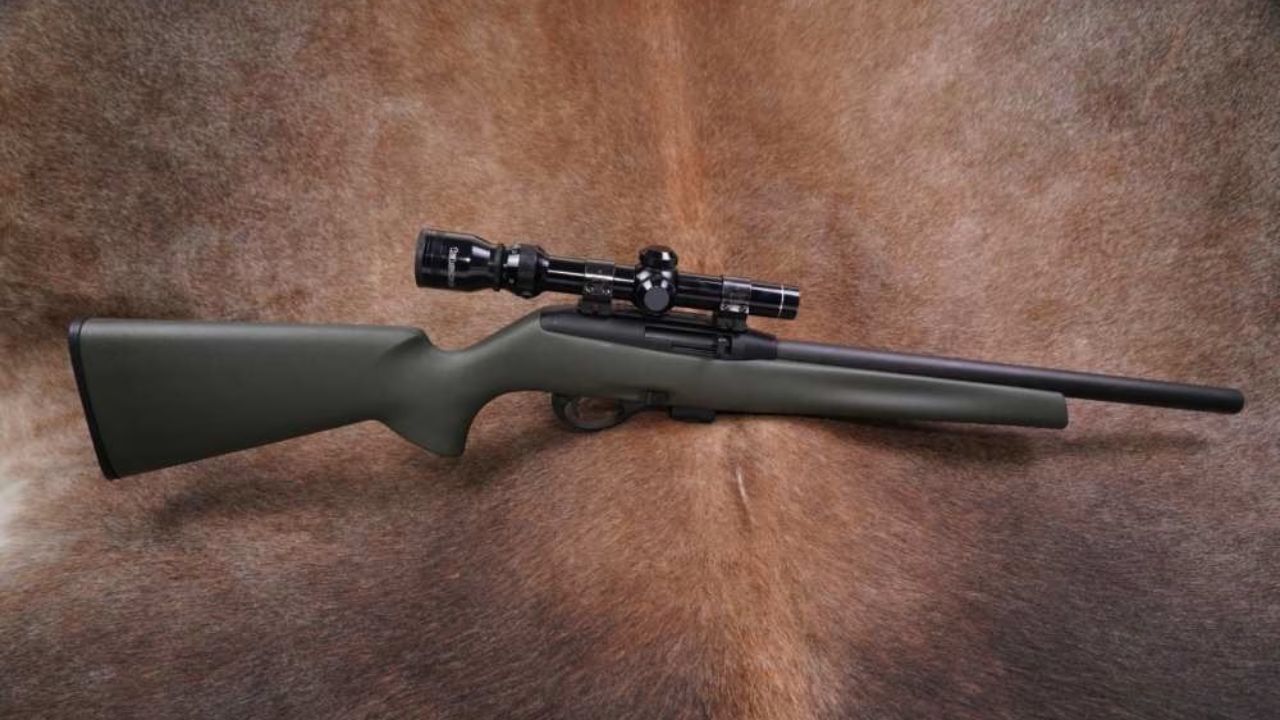
The Remington 597 was designed to compete directly with the Ruger 10/22, but magazine and ammunition issues damaged its reputation. Early magazines were especially troublesome, and questionable ammunition made those feeding problems much worse.
Rimfire cartridges with inconsistent bullet shapes or heavy wax could drag inside the magazine and feed path. Weak rounds might not drive the twin guide-rail bolt far enough rearward to eject and reset properly. Later magazines improved the rifle, but the 597 never became known as a gun that would run anything. A clean rifle with a good magazine and quality ammunition could work well. Cheap bulk ammunition often brought every weakness back at once.
Winchester Model 74
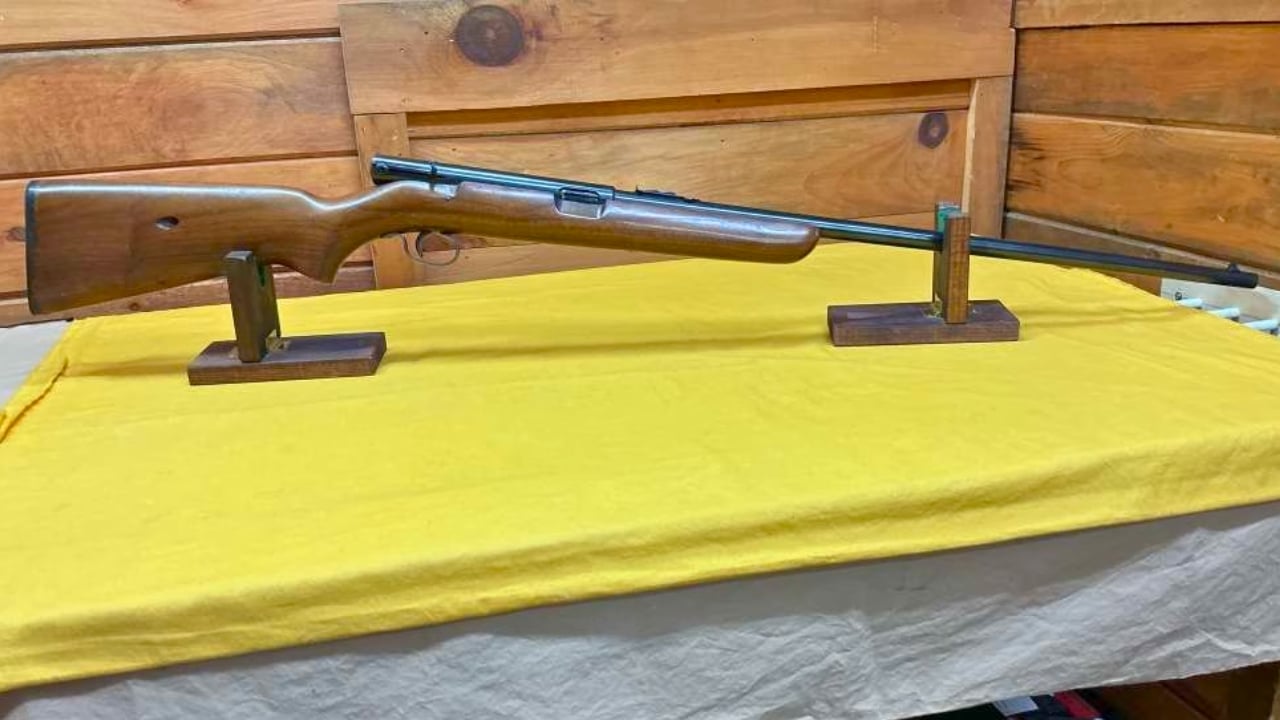
The Winchester Model 74 is a classic semiautomatic rimfire rifle with a receiver-mounted loading system. Its design was built around specific .22 ammunition, and different versions were chambered for either .22 Short or .22 Long Rifle.
The rifle’s age makes ammunition consistency especially important. Weak loads may not cycle the action completely, while damaged or irregular bullets can struggle through the tubular feeding system. Worn springs and decades of chamber fouling reduce the operating margin even further. A Model 74 in good condition can still be an enjoyable rifle, but mixed loose ammunition and modern low-powered specialty loads may produce far more trouble than expected.
FN Model 1910

The FN Model 1910 is a compact blowback pistol chambered in .32 ACP or .380 ACP. Its fixed barrel can provide good mechanical accuracy, but the feed geometry was developed around traditional round-nose ammunition.
Modern defensive bullets with broad hollow points or unusual nose profiles may strike the feed ramp or chamber entrance instead of feeding smoothly. Cartridge overall length can also affect how the round presents from the magazine. Standard full-metal-jacket ammunition often works far more reliably. The pistol may be mechanically sound, yet changing to a modern expanding load without proper testing can turn occasional hesitation into repeated failures to feed.
Walther PPK/S

The Walther PPK/S is one of the most recognizable compact pistols ever made, but its direct-blowback action can be demanding about ammunition. It needs enough cartridge energy to move a relatively heavy slide against a stiff recoil spring.
Weak .380 ACP ammunition may cause short-stroking, while wide hollow points can catch during feeding in some examples. A rough or dirty chamber makes extraction problems more likely, particularly when ammunition uses soft cases. Modern PPK/S production has improved, but individual pistols can still show strong preferences. Ammunition that functions perfectly in a locked-breech .380 may not provide the same reliability in the Walther.
HK4
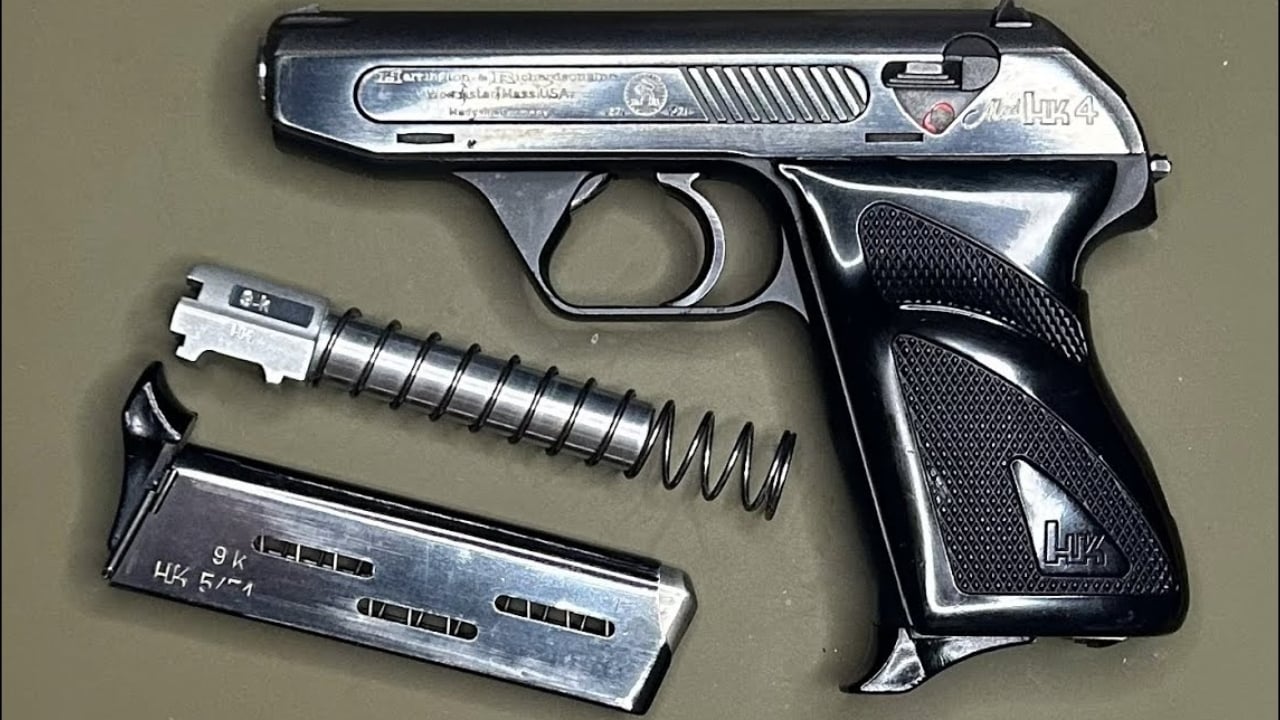
The Heckler & Koch HK4 was designed with interchangeable barrels and recoil springs that allowed the same basic pistol to fire several cartridges. That flexibility was mechanically impressive, but it depended on using the correct components and ammunition for each caliber.
A recoil spring that was wrong for the installed barrel could cause cycling problems immediately. Weak ammunition might fail to move the slide completely, while hotter loads could make operation unnecessarily violent. Bullet profile also mattered in the small blowback action. When properly configured, the HK4 could be dependable. Mixing parts, magazines, or marginal ammunition turned its versatility into a source of constant troubleshooting.
Benelli M1 Super 90

The Benelli M1 Super 90 uses an inertia-operated system known for staying relatively clean. The tradeoff is that the shotgun needs enough recoil energy to cycle the bolt assembly.
Very light target loads may fail to drive the action completely, especially when the shotgun is held loosely or heavily accessorized. Ammunition that produces inconsistent recoil can cause failures to eject or feed the next shell. Full-powered buckshot, slugs, and hunting loads normally provide more than enough energy. The M1 is a dependable shotgun when fed appropriate ammunition, but shooters expecting it to run every extra-light promotional shell may be disappointed.
Browning Auto-5
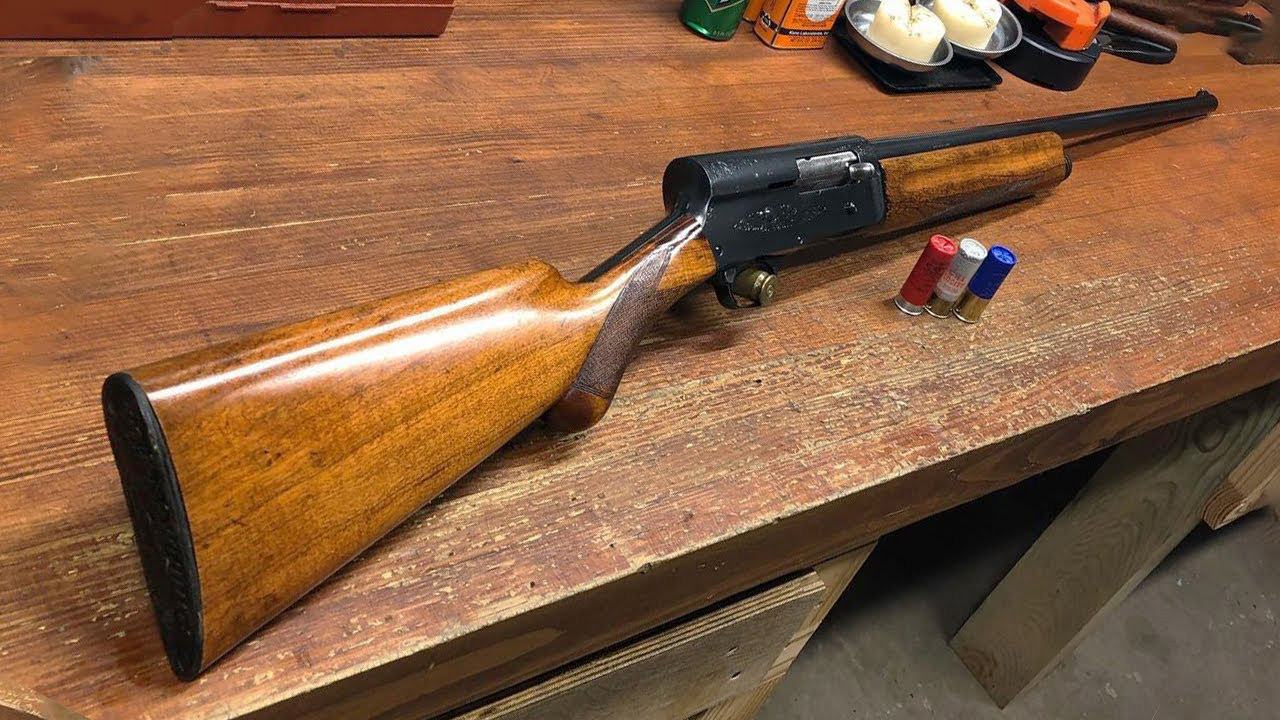
The original Browning Auto-5 uses a long-recoil operating system in which the barrel and bolt move rearward together. Its friction-ring system must be configured correctly for the ammunition being fired.
Set the rings for heavy loads and the shotgun may fail to cycle light shells. Configure it for light loads and then fire heavy magnums, and the action can operate too violently. Dirty or swollen shotshells make the problem worse. The Auto-5 is a remarkably durable design, but it expects the owner to understand how ammunition power affects the operating system. Shooters who constantly switch between light target shells and heavy hunting loads without adjusting the gun often blame the shotgun.
Remington Model 1100

The Remington 1100 became popular because its gas system softened recoil and made semiautomatic shotguns easier to shoot. That same gas operation depends on ammunition producing enough pressure and volume to move the action.
Light loads can cause short-stroking, especially when the gas ports, piston, or action sleeve are dirty. Damaged shell rims or soft hulls may create extraction problems once the chamber becomes warm. Different barrel configurations were also designed around particular shell lengths and power levels. A clean 1100 with ammunition matched to its setup can run smoothly. Weak promotional shells and neglected gas components often produce failure after failure.
FN FAL

The FN FAL includes an adjustable gas system that allows the rifle to be tuned for different ammunition and operating conditions. That flexibility is useful, but it also means a setting that works with one load may not work with another.
Underpowered ammunition can cause short-stroking when the gas regulator is too open. Switching to stronger ammunition without adjusting the system can make extraction unnecessarily violent and batter the rifle. Soft commercial brass may also show damage in a rifle designed around military cases and robust extraction. Once properly tuned, the FAL is highly dependable. Constantly changing ammunition types without checking the gas setting can make it seem temperamental.
Egyptian Hakim

The Egyptian Hakim is a large 8mm Mauser semiautomatic rifle derived from the Swedish Ljungman design. It uses a direct-gas system with an adjustable gas valve, making ammunition pressure especially important.
Hot surplus ammunition can operate the action violently if the valve is opened too far. Weak or inconsistent loads may fail to cycle when the system is set conservatively. Brittle cases, corrosive primers, and storage damage add further problems with old military ammunition. The Hakim can be reliable when properly adjusted, but it punishes owners who treat every 8mm cartridge as interchangeable. Questionable surplus ammunition can turn the rifle into a series of extraction problems and harsh bolt movement.
AR-7 Survival Rifle

The AR-7 is valued because its barrel, receiver, and magazines can be stored inside the hollow stock. Its light blowback action and compact magazines, however, can be unusually sensitive to ammunition consistency.
Weak .22 LR loads may not cycle the bolt completely. Soft bullets can be damaged during feeding, while thick wax coatings increase drag inside the chamber. The rifle’s magazines also need to present each round at the correct angle. Quality high-velocity ammunition usually gives the AR-7 its best chance of running well. Feed it mixed bulk rounds, and small differences in power or bullet shape can create repeated failures that are difficult to separate from magazine problems.
Like The Avid Outdoorsman’s content? Subscribe to our newsletter so you never miss an article.
Here’s more from us: