Photo credit: AvidOutdoorsman
Most hunters know the routine: coffee in the dark, a slow drive with the windows cracked, and that last gear check under a red light. You want to be settled and quiet well before daybreak. But one recent enforcement push reminded folks that being “ready” and being “legal” aren’t always the same thing.
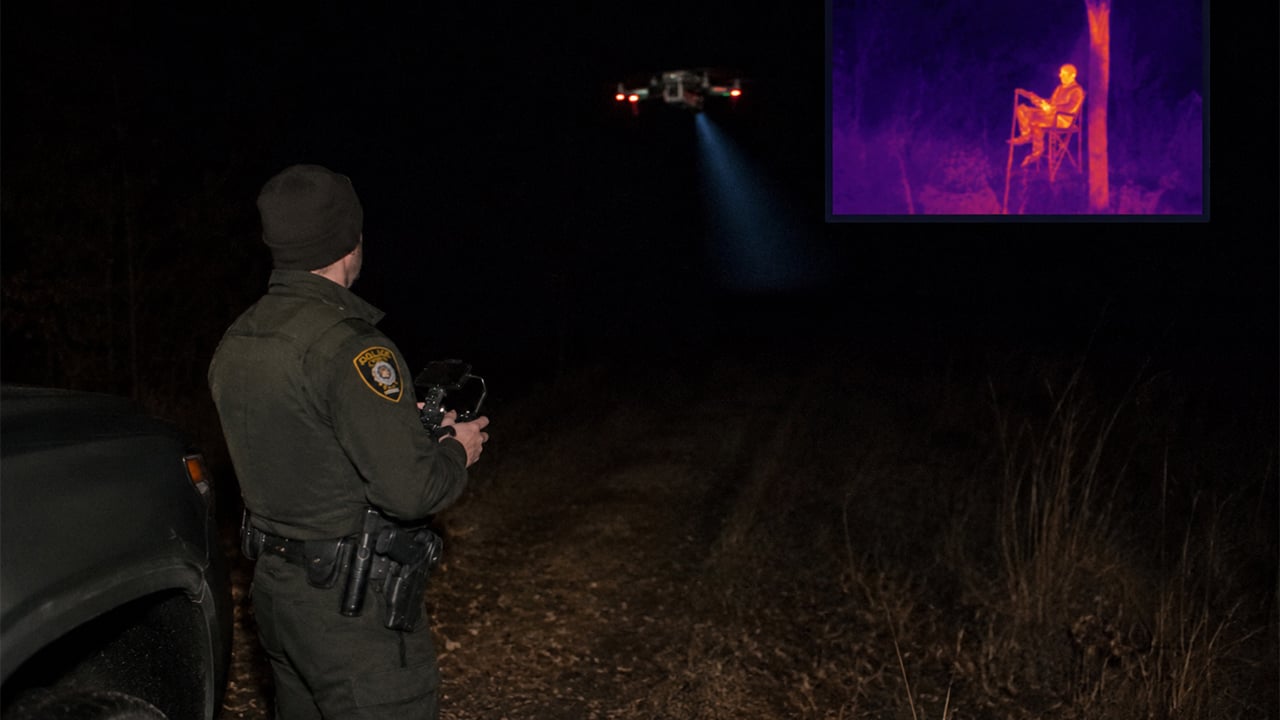
In this case, a game warden launched a thermal drone around 4 a.m. and started scanning a patchwork of timber and field edges where complaints had been stacking up. He didn’t need headlights, boot tracks, or a truck parked in the wrong spot. On a thermal screen, a warm body in a stand looks like a lantern.
A pre-dawn drone turned the woods into a scoreboard
Thermal drones aren’t science fiction anymore. They’re another tool—like binoculars, trail cams, and radios—except they work when it’s pitch black and you’re tucked into cover. From above, the warden could map out where people were posted and how early they’d gotten there.
Before long, he had a handful of heat signatures locked in: hunters already in elevated stands and ground setups on field edges, sitting still like they’d been there for a while. The time stamp mattered. So did what the season regs said about when hunting actually begins.
Getting to the stand early isn’t the same as hunting early
This is where a lot of folks get tripped up, especially if they bounce between states or grew up on looser “everybody does it” traditions. Many regulations don’t just say when you can shoot; they define when you can “take” game, “attempt” to take game, or “hunt,” and that can include being in position with a weapon during prohibited hours.
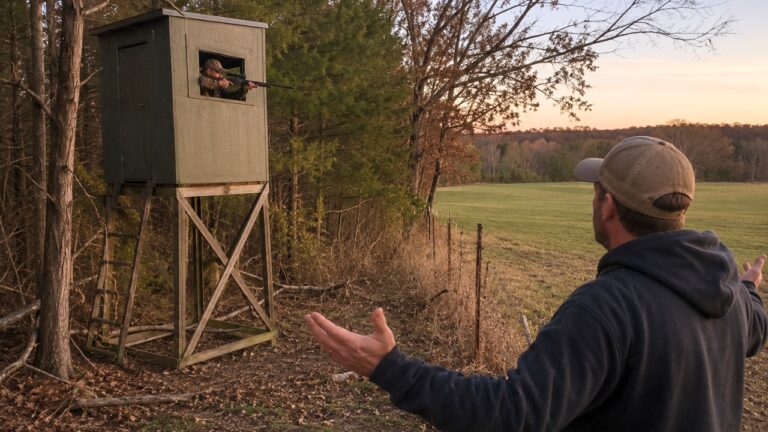
Some hunters swear they’re just walking in early and “not doing anything.” But if you’re sitting in a stand with a loaded rifle, an arrow nocked, or a shotgun across your lap well before legal light, an officer may view that as hunting activity. And if the wardens in that area have been dealing with shots fired in the dark, they’re not going to give much benefit of the doubt.
In the incident that sparked the citations, the warden didn’t catch someone mid-shot. He caught them in place, staged to shoot, in the hours when the regulations said they shouldn’t be there in a hunting posture. Thermal made the difference because it provided a clean timeline and locations without the warden having to crash through brush and blow the whole setup.
Why wardens are leaning into thermal drones
From an enforcement standpoint, pre-dawn hunting violations are tough. A truck can be parked legally. A guy can say he was “scouting.” A shot in the dark might be reported, but by the time an officer arrives, everyone’s quiet and everyone’s story matches.
Drones flip that. A warden can cover a lot of ground without driving every field road, and thermal doesn’t care about camouflage. It also keeps things safer. Nobody wants an officer sneaking up on a hunter in the dark, and nobody wants a hunter swinging a muzzle because he heard something below his stand.
There’s also a resource protection angle. If an area has repeated reports of deer getting dumped, wounded, or shot from roads before dawn, agencies will put pressure where it belongs: on the hours when those violations happen. A thermal drone at 4 a.m. is aimed straight at that window.
The contact at the stand is where it got real
Once the drone located hunters, the warden still had to make contact the old-fashioned way. He and another officer worked in on foot, using the drone’s position info to avoid stumbling around blindly. When you’re dealing with elevated stands, you don’t want surprises—for the officer or the hunter.
When they got to each setup, the questions were basic: ID, licenses, tags, weapon status, and why they were in position at that hour. Some hunters will try to talk their way out of it by saying they were just trying to beat other hunters in, or that they always settle in hours early to avoid spooking deer.
But the issue wasn’t “early.” It was “too early,” and the timing was baked into the regs. The citations reportedly centered on being in the field before legal light in a way that met the definition of hunting. No dramatic arrest. No Hollywood stuff. Just a hard lesson delivered in the dark.
Commenters zeroed in on the fine print and the fairness
When hunters hear about a case like this, the reactions split fast. One crowd says it’s common sense: legal shooting light exists for safety and fair chase, and if you’re set up to kill game in prohibited hours, you’re asking for it. They point out that low-light shots increase bad hits, and a deer wounded in the dark is a deer that might never get recovered.
The other crowd doesn’t love the drone part. They see it as “high-tech surveillance” and worry it’s a slippery slope. They also argue that sitting quietly in a stand with no spotlight, no calling, and no shots fired shouldn’t count as hunting.
But the enforcement reality is simple: game laws are written to be enforceable, and “intent” is hard to measure. Being in a stand with hunting gear during closed hours can be treated as intent because otherwise the rule becomes impossible to apply. If officers had to wait for a shot every time, they’d be showing up after the damage is done.
How to avoid this mess without giving up your morning advantage
If you like getting in early—and I’m one of those guys—your best move is to read your state’s definition of hunting and the legal hours language, not just the sunrise chart. In some places, you can be in the woods early as long as your weapon is unloaded and cased. In others, even that can get sticky on certain public areas or during specific seasons.
Second, plan your entry so you’re set up with enough time to cool down and settle, but not so early that you’re violating the hours. There’s a difference between being on the trail at 5:30 and being posted in a shooting lane at 4:00 with everything ready. If you truly need extra time—new property, swampy access, long hike—build it into the walk, not into sitting at full-alert in a kill spot for an hour.
Third, keep your paperwork and gear squared away. If an officer contacts you in the dark, the last thing you want is a complicated tag situation, a missing license, or a loaded gun when you’re claiming you “weren’t hunting yet.” Those little details turn a warning into a ticket fast.
Finally, assume technology is part of the woods now. Trail cameras, cell cams, license plate readers at access points, and drones are all being used in different places and different ways. Whether a person likes it or not, the best defense is staying inside the lines so clean there’s nothing to argue about.
Most hunters aren’t trying to break the law. They’re trying to beat daylight and beat pressure. But when a warden can see heat signatures from above at 4 a.m., the margin for “close enough” disappears. If you want to sit early, do it the legal way, and keep the hunt about the hunt—not about explaining yourself on the side of a field before sunrise.
Like The Avid Outdoorsman’s content? Be sure to follow us.
Here’s more from us: