Photo credit: The Avid Outdoorsman
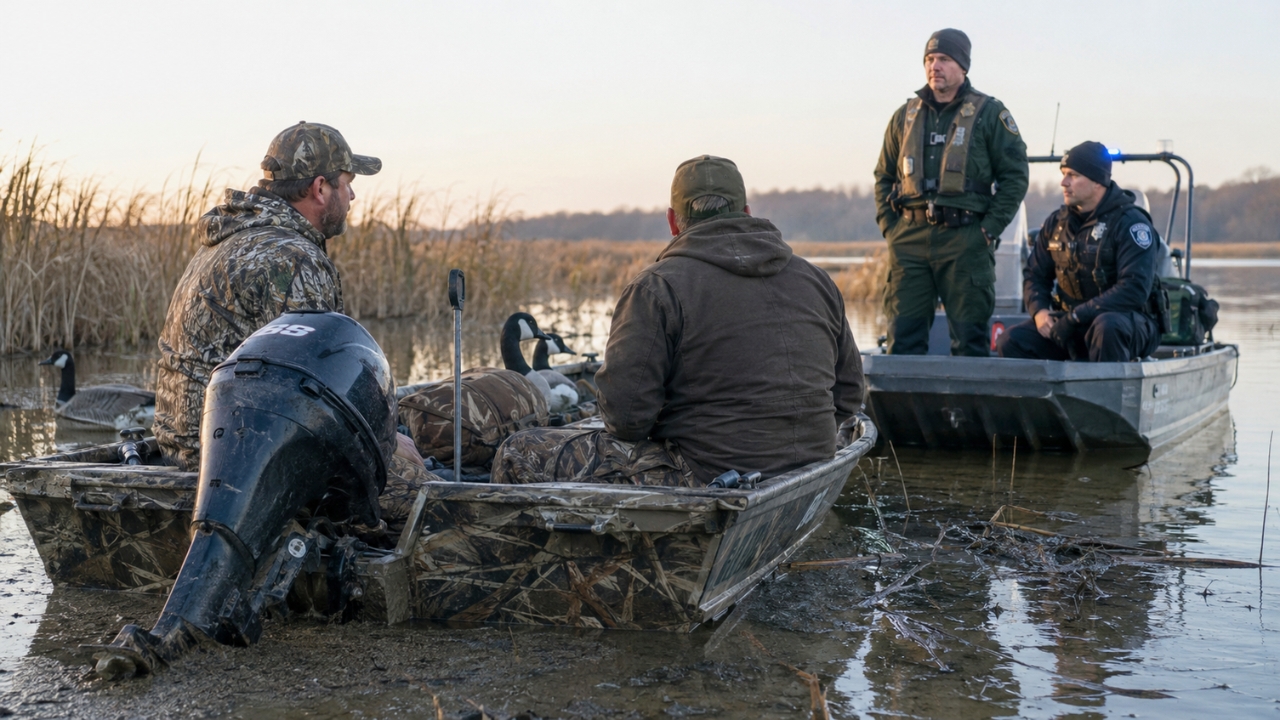
The hunters said they were out for a goose hunt when the trip turned into a legal argument they did not expect. They were on a lake, hunting from a boat, and believed they were staying within the rules. But according to the Reddit post, police and a game warden became involved after someone claimed they were trespassing.
The issue came down to the bottom of the lake.
The hunters said they were accused of trespassing because their boat motor touched the lake bottom. That detail may sound strange if you are used to thinking of water as public and land as private, but water access and property rights can get complicated fast. Depending on the state, the lake, the shoreline, and who owns the bed underneath the water, what looks like open water can still create legal disputes.
The original Reddit post can be found here: https://www.reddit.com/r/Hunting/comments/1nz4cn7/run_in_with_game_warden/
For the hunters, the accusation felt frustrating because they were not walking across someone’s yard or dragging decoys through a private field. They were in a boat. But if the law treats certain lakebeds, shallow areas, or private impoundments differently, then the simple fact that they were floating may not answer the whole question.
The situation also carried the extra pressure that comes when law enforcement and wildlife officers are involved during a hunt. A game warden is not just another person arguing at the ramp. They can check licenses, inspect gear, enforce wildlife laws, and issue citations if they believe hunters are violating the rules. When police are there too, the conversation can quickly feel serious.
The hunters appeared to feel like the accusation turned on a technicality. If a motor bumps bottom in shallow water, does that mean the boat is no longer simply navigating? Does it mean the hunters are physically contacting private property? Does it matter whether the boat is anchored, drifting, motoring, or intentionally resting on the lakebed?
Those are not questions most hunters want to debate while trying to hunt geese. But waterfowl hunting often happens exactly where these disputes get messy: shorelines, coves, shallow flats, flooded fields, lake margins, and areas where public water meets private land.
The post did not read like the hunters were trying to get away with walking onto posted ground. It read like they believed they were using the water legally and then got told that touching bottom changed everything.
That is what made the story interesting. Hunting laws are already specific. Add water access, property lines, and a boat, and the answer can depend on details that are not obvious from the surface.
Commenters focused on how state-specific the issue was. Several said water rights and lakebed ownership vary too much for a simple answer. In some places, navigable water can be used by the public even when the land underneath is privately owned. In other places, private lakes or non-navigable waters can be treated very differently.
Others told the hunters to look up the exact lake, property boundaries, and state water access rules before going back. A game warden’s opinion in the moment might carry weight, but the actual legal answer could depend on statutes, court cases, maps, and whether the water was considered public or navigable.
Some commenters said the hunters should call the wildlife agency directly and ask for clarification in writing if possible. That way, they would not be relying on guesses from other hunters or verbal statements made during a tense encounter.
A few people also warned that even if the hunters believed they were right, arguing hard with a game warden in the field was unlikely to help. The better move was to stay calm, gather names or citation information if any was issued, and challenge it later through the proper process.
Other hunters in the discussion understood why the situation bothered them. Waterfowl hunting already requires planning around wind, birds, decoy spreads, shooting lanes, access points, and safety. Having the hunt turn into a dispute over whether a motor touching bottom counts as trespass added one more layer most people would not see coming.
The post ended with the hunters facing the same question they started with: were they legally hunting from a boat, or had one shallow-water contact with the lakebed crossed a property line they could not see?
Like The Avid Outdoorsman’s content? Be sure to follow us.
Here’s more from us: