Photo credit: TFB TV/YouTube
Defensive ammunition is not all shaped the same. Some hollow points have wide cavities, steep shoulders, long overall lengths, or nickel-plated cases that behave differently during feeding. A pistol that runs perfectly with round-nose practice ammunition can begin choking as soon as a more aggressive defensive bullet reaches the feed ramp.
No handgun should be trusted without testing the exact load carried in it. Manufacturing tolerances, magazine condition, and recoil-spring strength can make two examples of the same model behave differently. Still, some pistols are far less picky than others. These 20 models have feed systems, magazines, and extraction strong enough to handle a broad range of modern defensive ammunition.
Beretta 92A1

The 92A1 uses Beretta’s open-slide design, giving extracted cases a wide and unobstructed path out of the pistol. Its full-size frame and locking-block action also produce a smooth operating cycle with plenty of slide momentum.
The magazine presents cartridges at a relatively direct angle, which helps the pistol feed hollow points with wide cavities or blunt profiles. Older military-era pistols occasionally preferred traditional bullet shapes, but the 92A1 generally handles modern defensive loads without modification. Its size may be excessive for concealed carry, but ammunition tolerance is one of the benefits.
SIG Sauer P220 Legion

The P220 Legion uses a single-stack magazine that keeps cartridges centered as they rise toward the chamber. That straightforward geometry gives hollow points fewer opportunities to turn, dip, or strike the feed ramp at a poor angle.
The pistol’s substantial slide and strong extractor also help with ammunition that produces slightly different recoil impulses or case dimensions. It still needs proper lubrication along the alloy-frame rails. With good magazines, the P220 commonly handles everything from conventional jacketed hollow points to wide-mouth defensive bullets without requiring gunsmith work.
Heckler & Koch USP Compact 9

The USP Compact 9 was designed around duty use rather than minimum size. Its recoil system, large extractor, and generous internal dimensions allow it to cycle ammunition that might make a tightly sprung micro-compact sluggish.
The magazines present cartridges consistently, while the feed ramp handles a broad selection of bullet shapes. The pistol is thick for its capacity and its controls feel dated beside newer carry guns. Owners willing to accept those compromises usually receive a handgun that is remarkably indifferent to defensive-load selection.
FN 509 Tactical
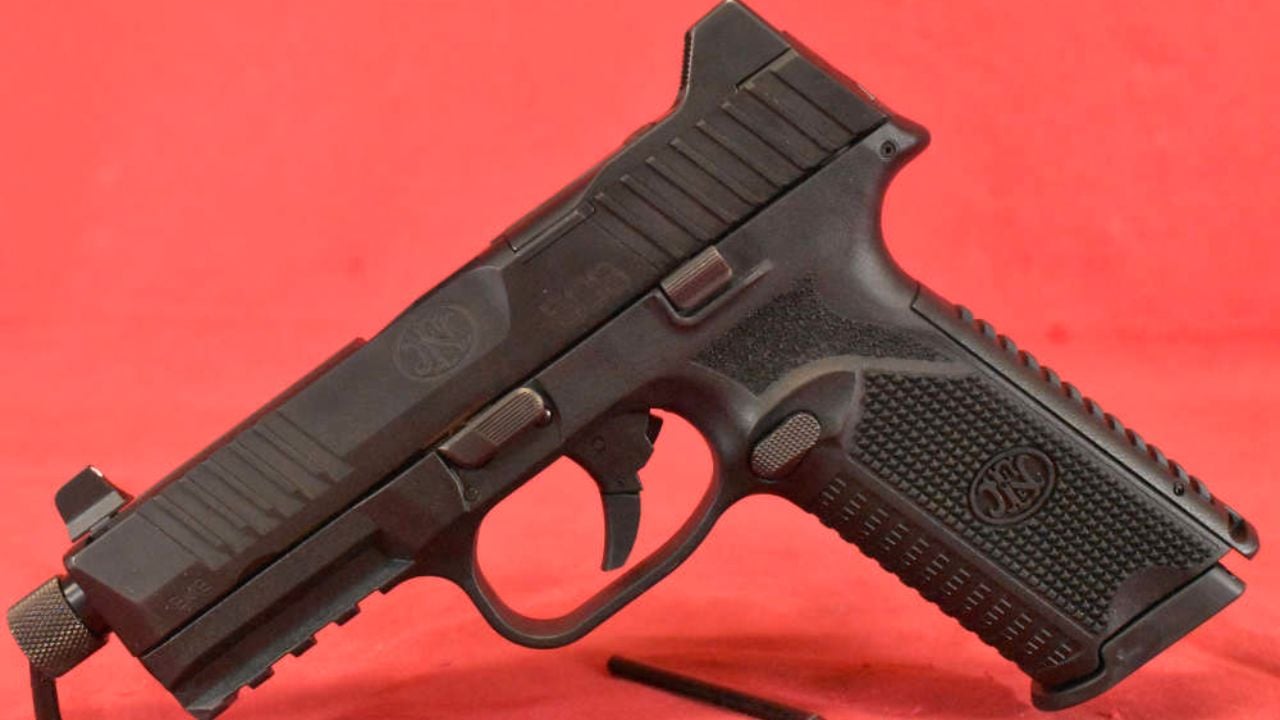
The 509 Tactical uses a full-size operating system, strong external extractor, and duty-oriented magazines. It was built around institutional testing rather than casual commercial range use.
Its feed path works with common 115-, 124-, and 147-grain defensive ammunition, including loads with wide hollow-point cavities. The threaded barrel and optics-ready slide add weight, which can also help the pistol cycle consistently. Suppressor use may still require ammunition and spring testing, but in standard configuration the 509 is rarely fussy.
Glock 17 Gen 4
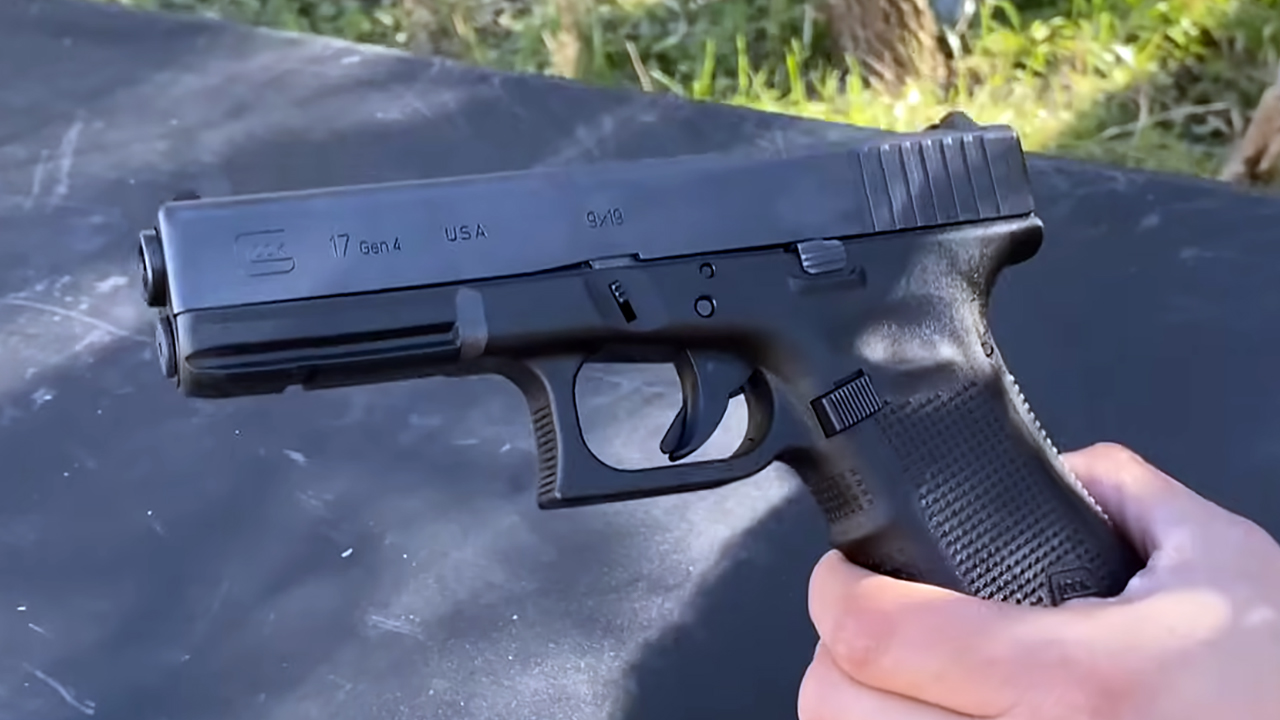
The Glock 17 Gen 4 has enough slide mass and grip length to provide more operating margin than smaller pistols using the same basic system. Its feed ramp and chamber are designed around dependable service function rather than match-grade tightness.
Modern magazines present cartridges reliably even when bullet profiles vary. The pistol usually handles light, standard-pressure defensive ammunition and heavier bonded loads without changing springs. Individual testing remains essential, but the full-size Glock gives problematic ammunition fewer chances to interrupt the cycle.
Smith & Wesson M&P9 M2.0 Metal
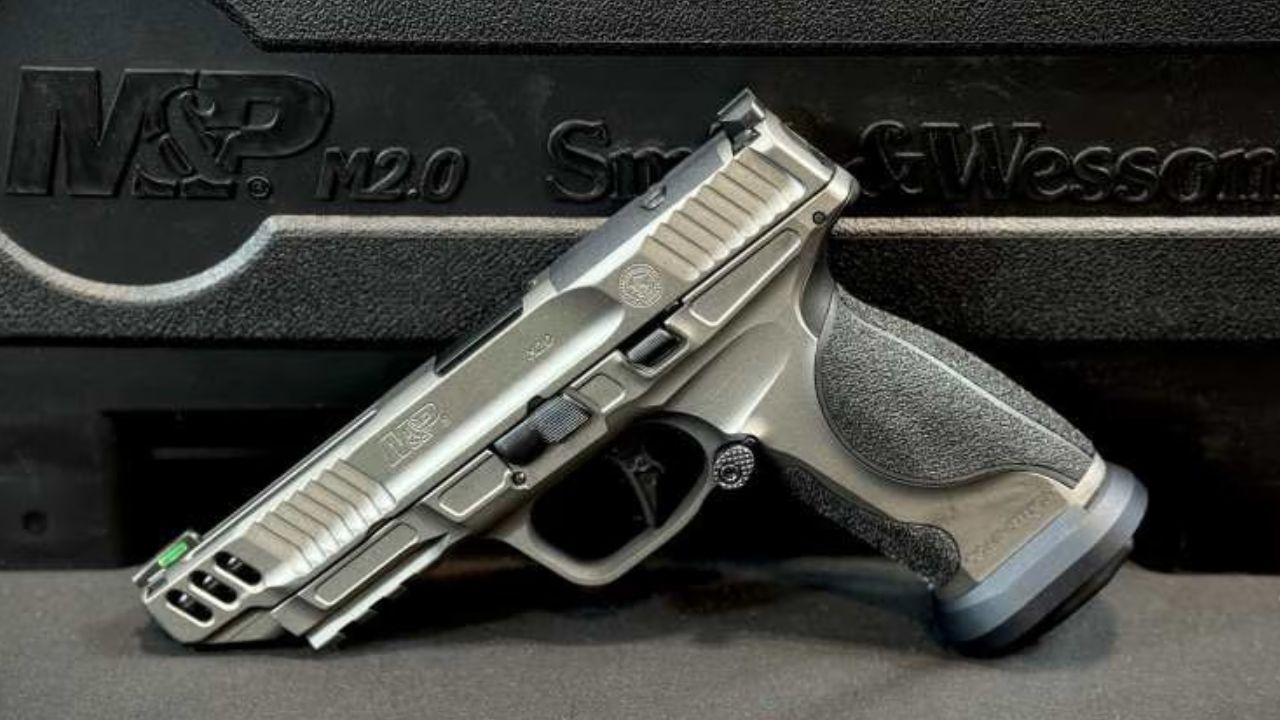
The M&P9 M2.0 Metal combines the established M&P operating system with an aluminum frame that adds stability without changing the basic feed geometry. Its full-size magazines have been widely used with many defensive loads.
The barrel throat and feed ramp accommodate rounded, tapered, and broad hollow-point shapes well. Its extractor provides strong case control, while the full-size slide is less sensitive to minor pressure differences than a micro-compact. The metal frame does not create reliability by itself, but it makes the pistol especially comfortable during extended ammunition testing.
CZ P-09
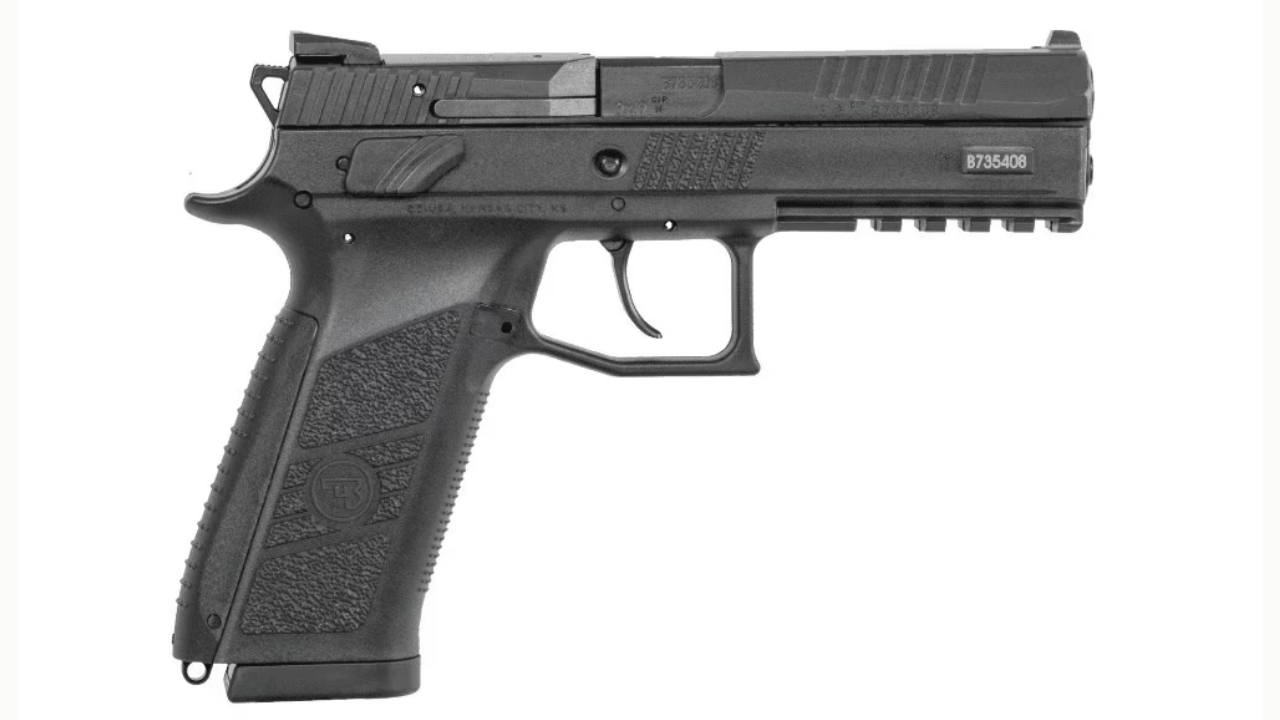
The P-09 is a large polymer-framed hammer pistol with a long slide, generous magazine capacity, and substantial internal components. Its full-size dimensions give the recoil system plenty of room to function.
Cartridges rise from the magazine at a dependable angle, and the barrel throat generally handles defensive bullets without requiring polishing. The pistol benefits from lubrication on its internal slide rails, but it does not normally need a narrow ammunition recipe. Its size makes it better for home defense or duty use than concealed carry.
Walther PDP Compact

The PDP Compact uses a strong extractor, broad feed ramp, and modern magazines designed around duty and defensive ammunition. Its excellent trigger receives most of the attention, but the operating system is equally important.
The pistol generally cycles lightweight, standard, and heavier subsonic-style defensive loads without requiring recoil-spring changes. Its tall slide can produce more visible muzzle movement than some competitors, yet that mass also helps the gun complete the cycle. The PDP is usually much less ammunition-sensitive than smaller Walther carry pistols.
Springfield Armory XD-M Elite 4.5
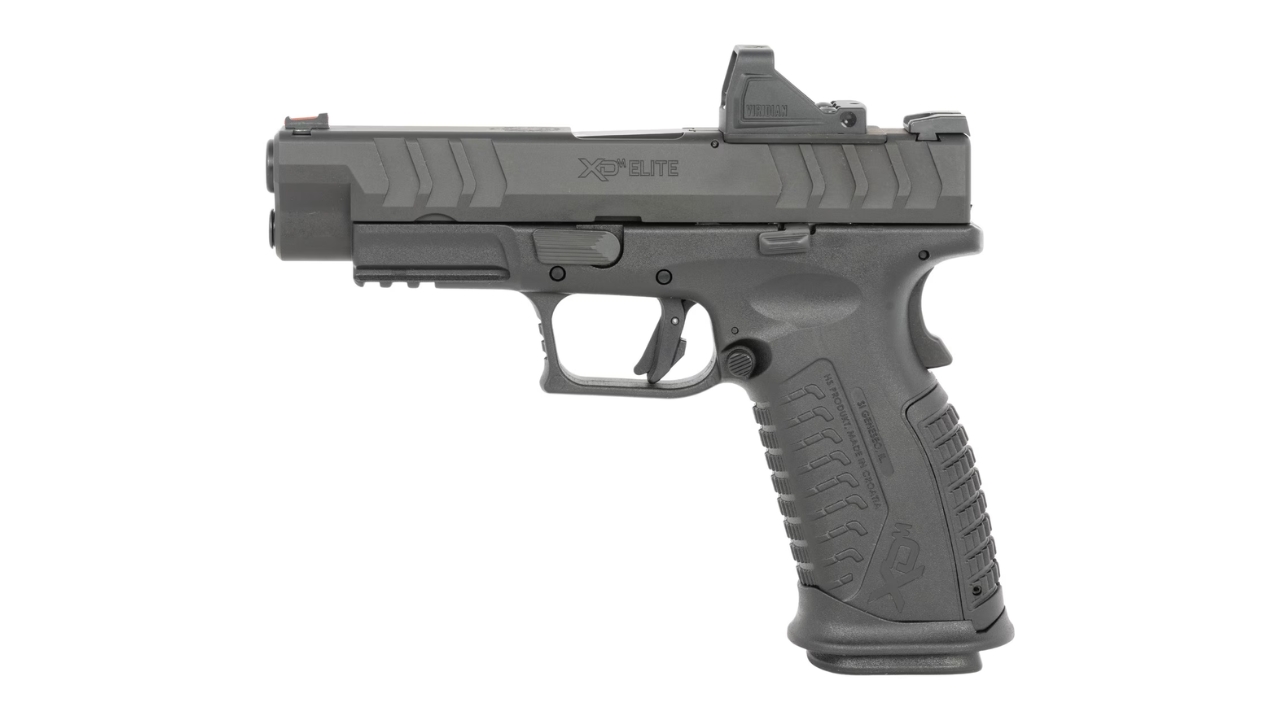
The XD-M Elite 4.5 uses a long slide and full-size frame that provide a broad operating window. Its magazines are substantial, and the feed ramp presents hollow-point ammunition cleanly.
The pistol’s grip safety and high bore line do not appeal to everyone, but neither feature makes it ammunition-sensitive. It commonly handles light defensive loads, heavier bonded bullets, and inexpensive hollow points without adjustment. The full-size configuration is one of the most tolerant versions of the XD family.
IWI Masada Slim

The Masada Slim is compact enough for concealed carry but retains a relatively long grip and well-designed magazine system. It avoids some of the extreme size reductions that make the smallest carry pistols ammunition-sensitive.
Its feed ramp works with a broad range of bullet ogives, while the extractor maintains strong contact with the case. The pistol does not have the aftermarket support of larger brands, but its basic function is usually dependable. It offers micro-compact capacity without feeling mechanically pushed to the edge.
Arex Rex Zero 1 Compact
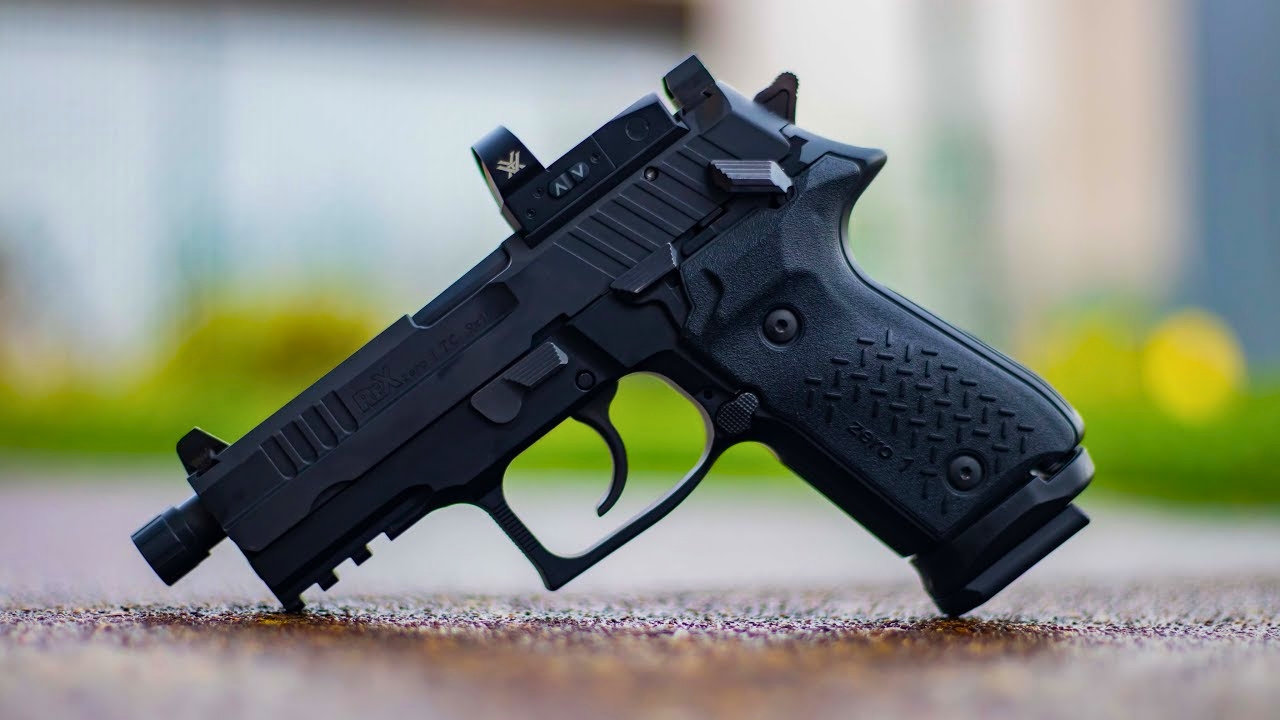
The Rex Zero 1 Compact is a metal-framed hammer pistol built with substantial slide rails, a strong extractor, and durable double-stack magazines. It is heavier than most compact carry pistols, which helps it cycle consistently across different ammunition pressures.
Its feed geometry is conventional and forgiving. Wide-mouth hollow points, bonded bullets, and heavier 147-grain loads generally run without special tuning. The controls are bulky and the pistol is not especially light, but those traits are easier to accept when reliability matters more than minimum size.
Grand Power Q100
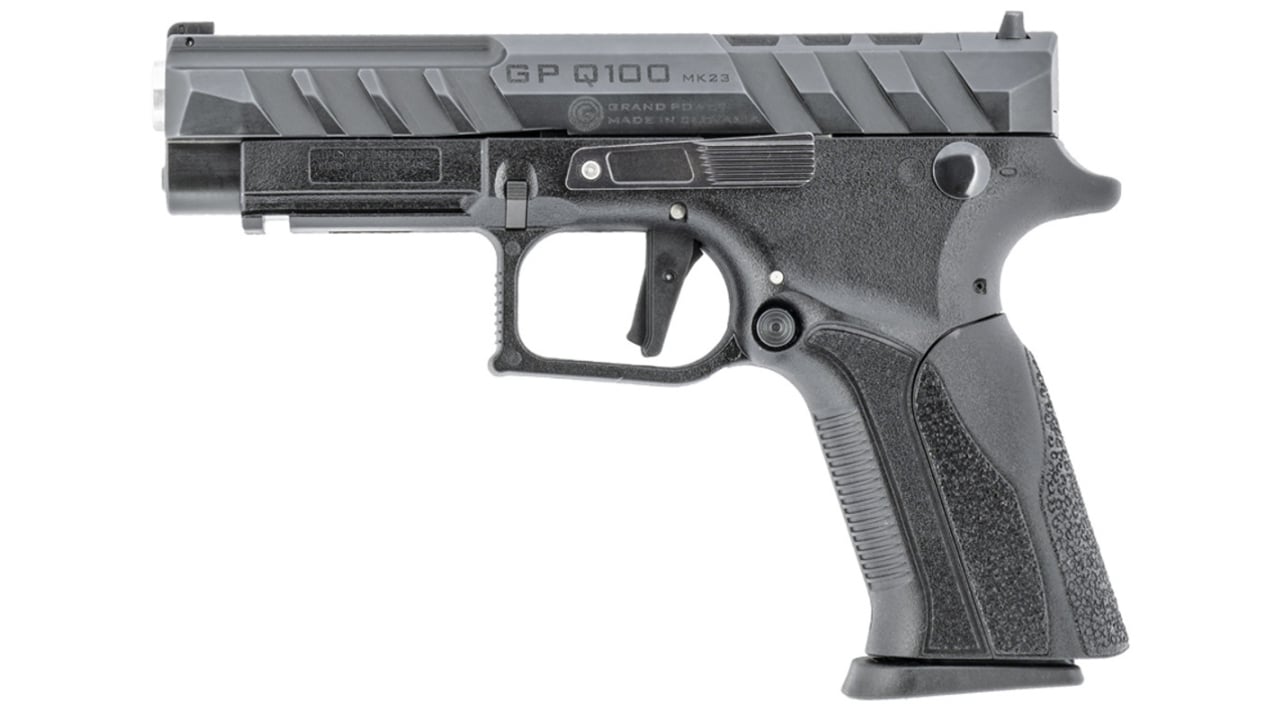
The Q100 uses a rotating-barrel system that keeps the barrel moving differently from a typical tilting design. The controlled movement and full-size slide help the pistol handle ammunition with varying recoil impulses.
Its magazines provide a direct presentation angle, and the chamber usually accepts a wide selection of defensive bullet profiles. The pistol remains uncommon in the United States, so magazines and parts require more planning. Mechanically, it is far less selective about ammunition than its unusual design might suggest.
Beretta PX4 Storm Compact Carry
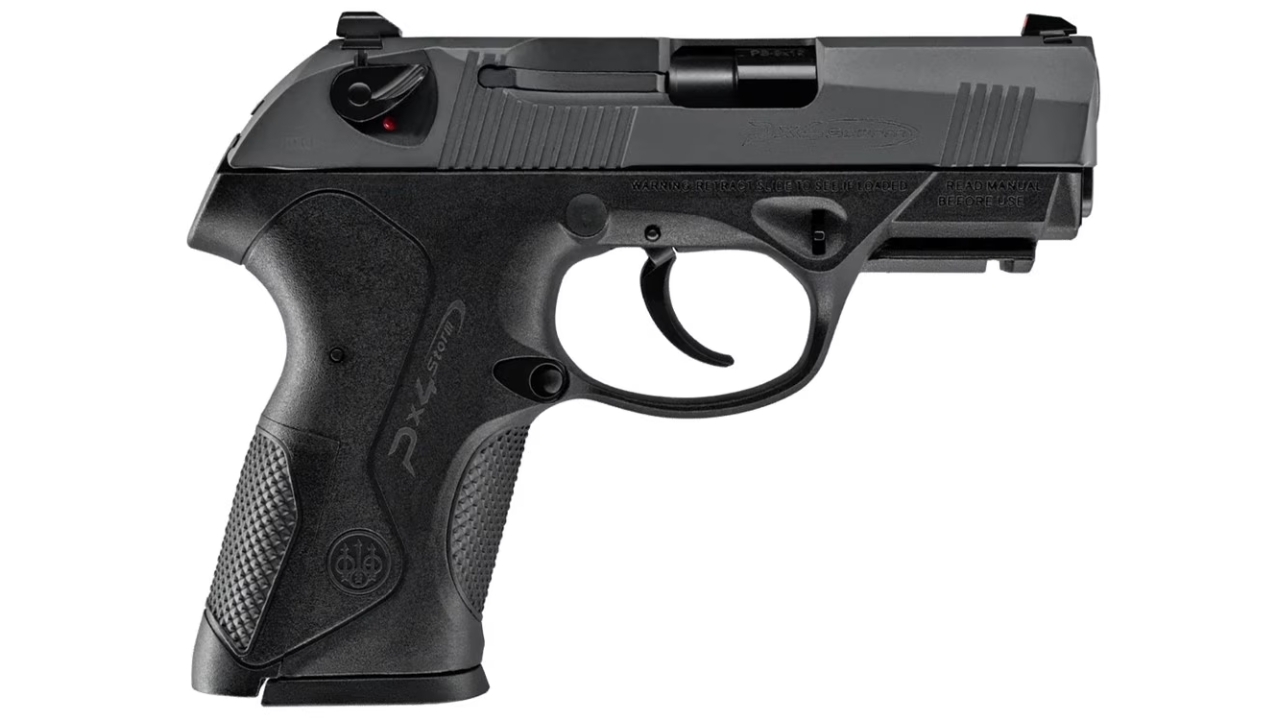
The PX4 Compact Carry uses a rotating barrel, tuned controls, and a service-size operating system shortened only enough for practical carry. It avoids the extremely short slide travel found in many modern micro-compacts.
The rotating action produces smooth cycling and gives the pistol a broad tolerance for different bullet weights. Its feed ramp handles aggressive hollow-point shapes well, while the magazines maintain consistent presentation. Owners may dislike its thickness, but that extra size contributes to its forgiving behavior.
Smith & Wesson Model 4563TSW
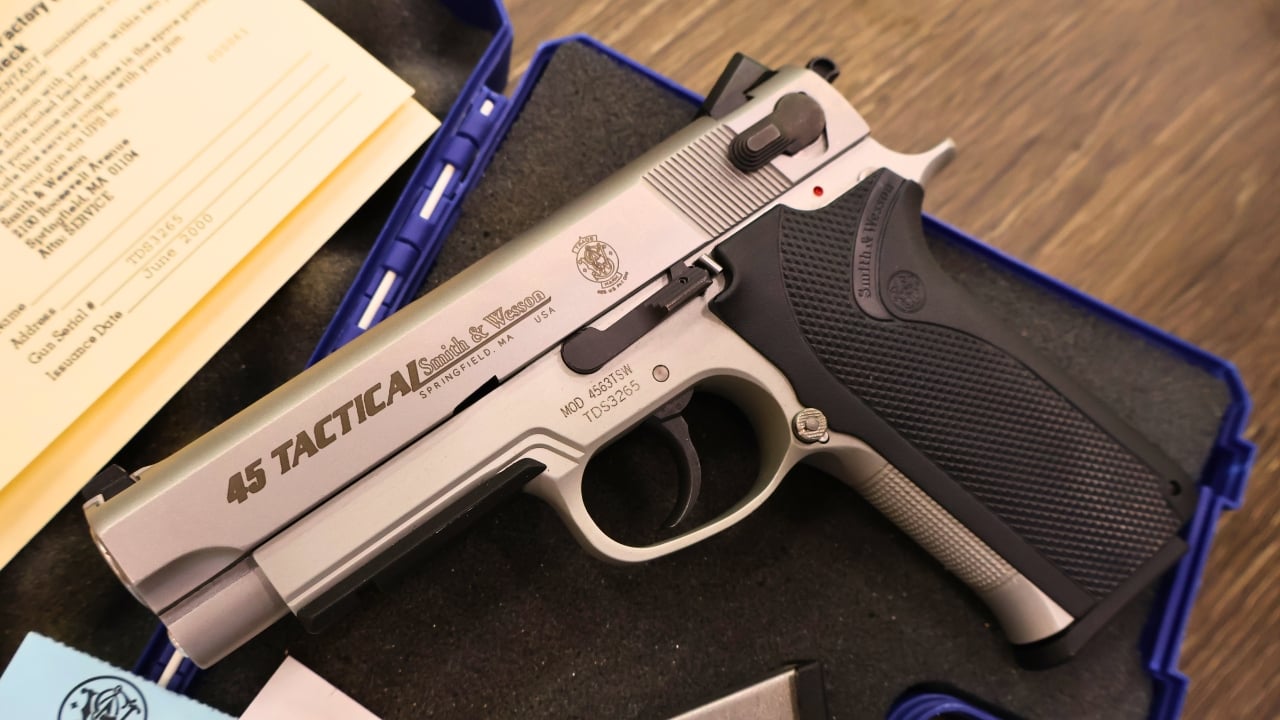
The 4563TSW is a compact stainless-slide, alloy-frame .45 ACP duty pistol from Smith & Wesson’s third-generation line. It was built before manufacturers began removing every possible ounce from carry guns.
Its single-stack magazines feed cartridges directly, and the large extractor pulls cases with authority. The pistol generally handles ball ammunition, traditional hollow points, and wide modern defensive bullets without much concern. Its low capacity and dated controls hurt its appeal, but ammunition tolerance remains excellent.
Ruger American Compact 9mm
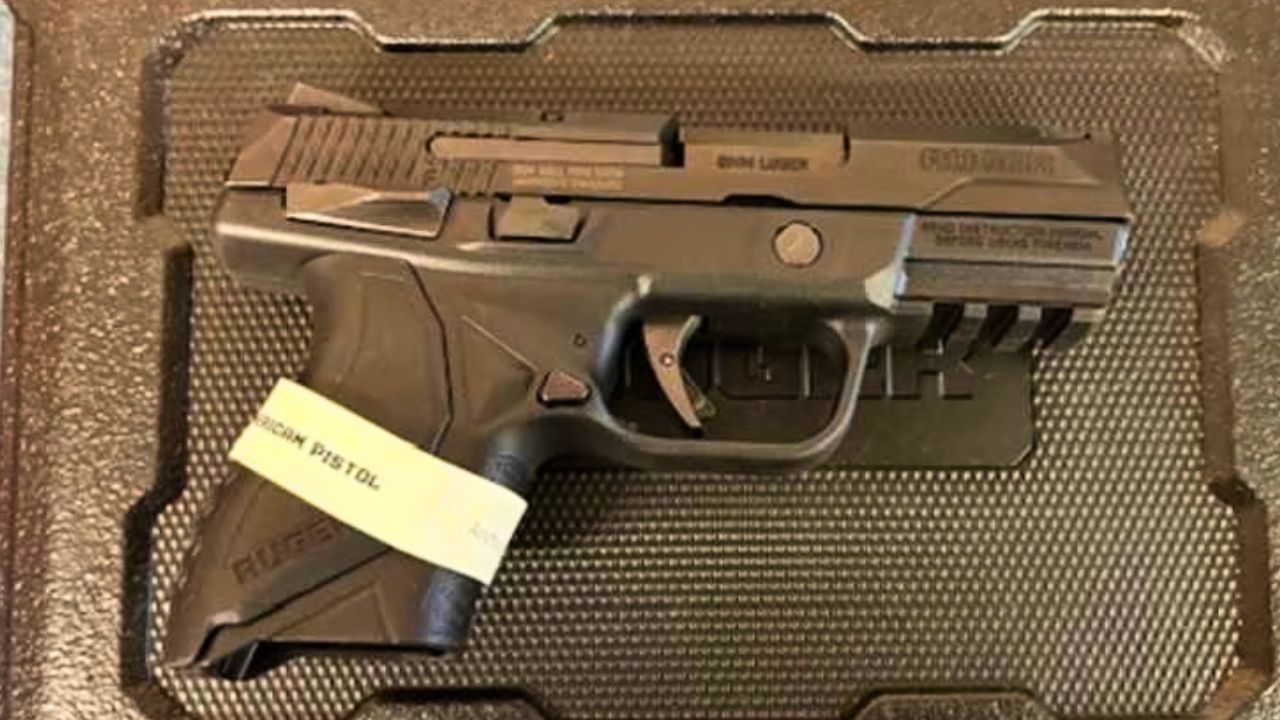
The Ruger American Compact is bulky compared with newer carry pistols, but it was designed around service-pistol durability. Its removable chassis, strong recoil system, and substantial slide give it more mechanical margin than its modest price suggests.
The feed ramp is broad, and the magazines maintain a reliable cartridge angle. The pistol often works with lightweight expanding loads, standard 124-grain defensive ammunition, and heavier 147-grain bullets. It never became fashionable, but it rarely forces owners to search for one specific load.
Steyr L9-A2 MF

The L9-A2 MF combines a long slide, low bore axis, and aggressively shaped grip with a conventional locked-breech system. Its unusual sights and ergonomics receive more discussion than its reliability.
The full-size magazines feed different bullet shapes cleanly, while the extractor maintains positive case control. The pistol is large enough that weak defensive ammunition still produces reliable cycling. Once shooters adjust to the grip and sight picture, the L9-A2 proves to be an unusually tolerant service handgun.
Canik METE SFT
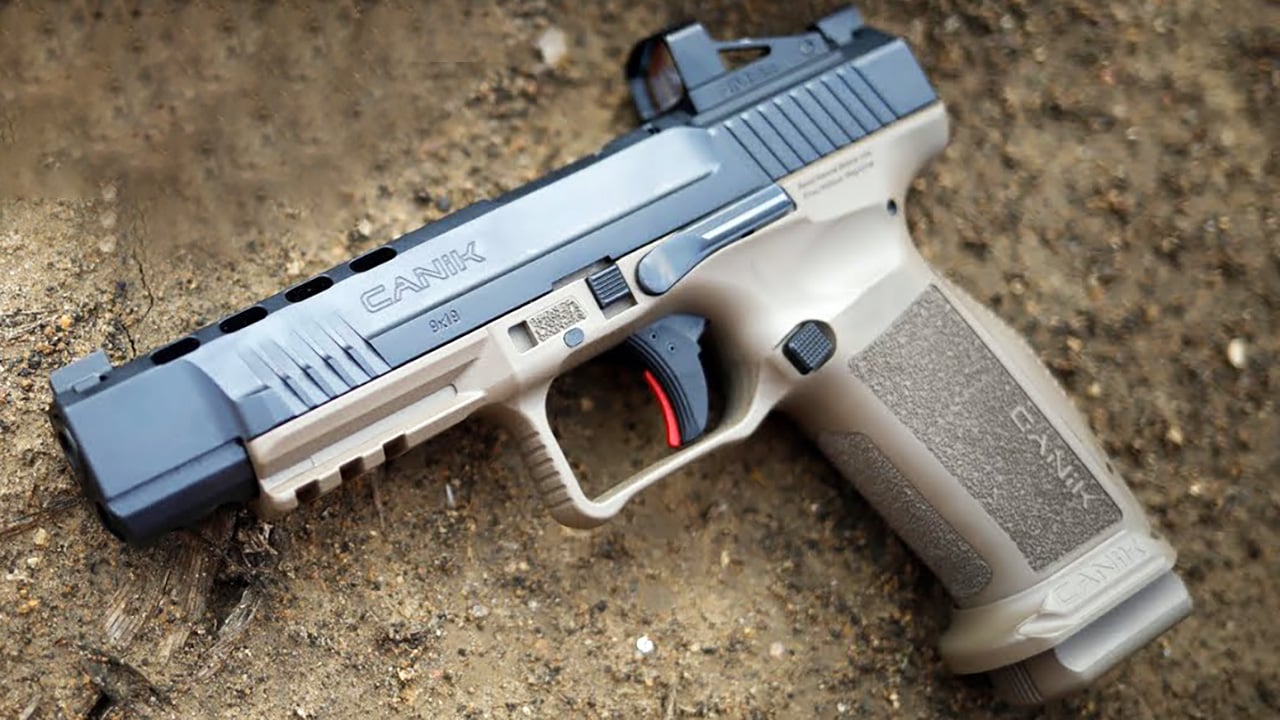
The METE SFT uses a full-size slide and grip with a mature version of Canik’s striker-fired system. Its strong trigger makes it easy to shoot, while its operating mass gives it flexibility with ammunition.
The pistol generally handles common defensive bullet weights and cavity shapes without polishing or spring changes. Magazines are robust and present cartridges consistently. It may not have the long institutional history of older duty pistols, but owners usually find it far less ammunition-sensitive than its price suggests.
Tisas Zigana Sport
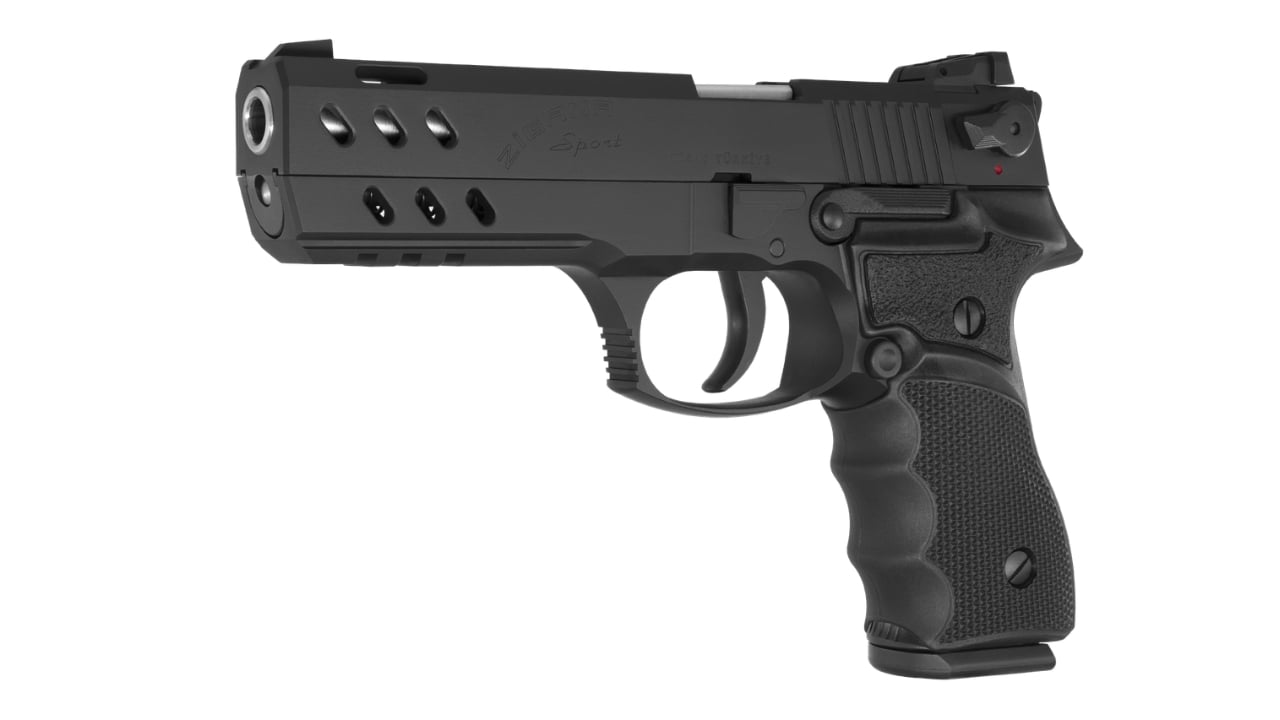
The Zigana Sport is a large hammer-fired 9mm with a full-length grip, substantial slide, and conventional feed system. Its affordable price and unfamiliar name cause many shooters to underestimate it.
The pistol’s generous dimensions allow it to cycle defensive ammunition with different pressure levels and bullet profiles. Its magazines are less common than those for mainstream duty pistols, so quality examples should be preserved. With reliable magazines, the Zigana often feeds hollow points that trouble smaller and more tightly sprung guns.
EAA Witness P Match Pro
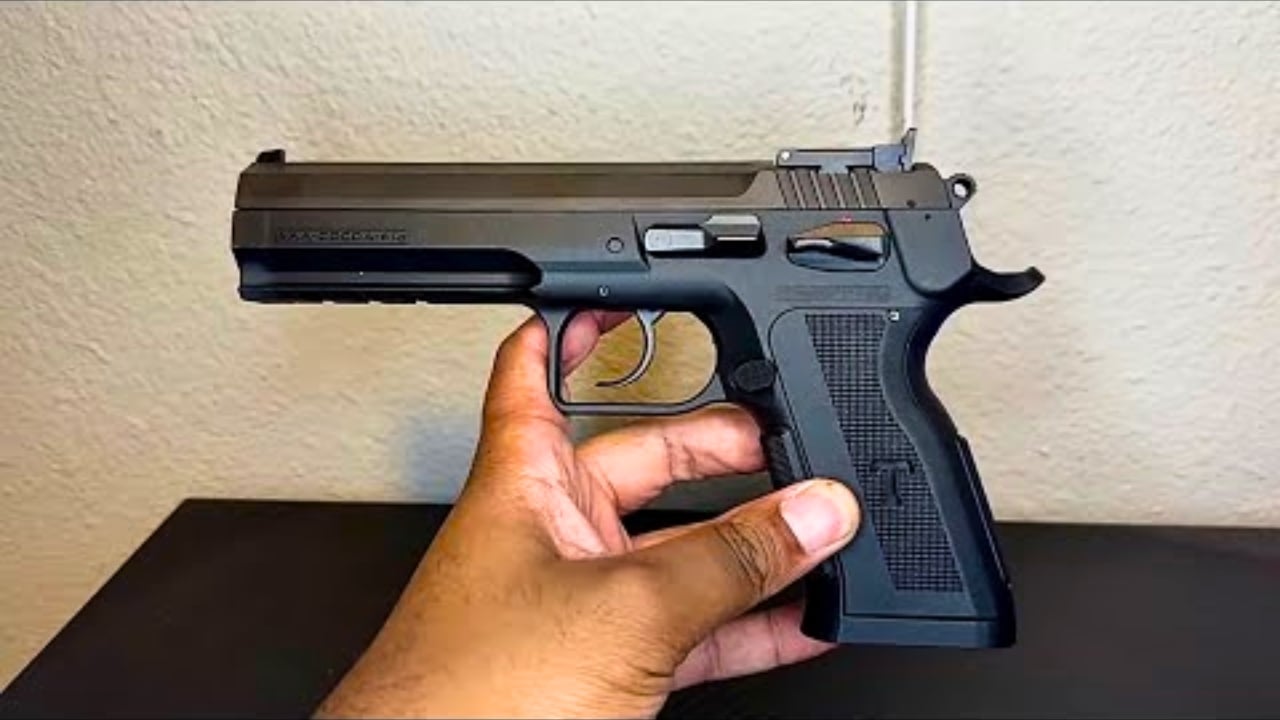
The Witness P Match Pro uses a large polymer frame and CZ-pattern internal-slide layout. It provides plenty of grip area, slide mass, and magazine capacity for a broad range of ammunition.
Its feed system works particularly well with conventional round-nose and tapered defensive bullets, but many examples also handle wide hollow points without modification. Quality control can vary, so each pistol needs serious testing. A sound example usually proves much less selective than owners expect from an affordable competition-style handgun.
Smith & Wesson Model 910
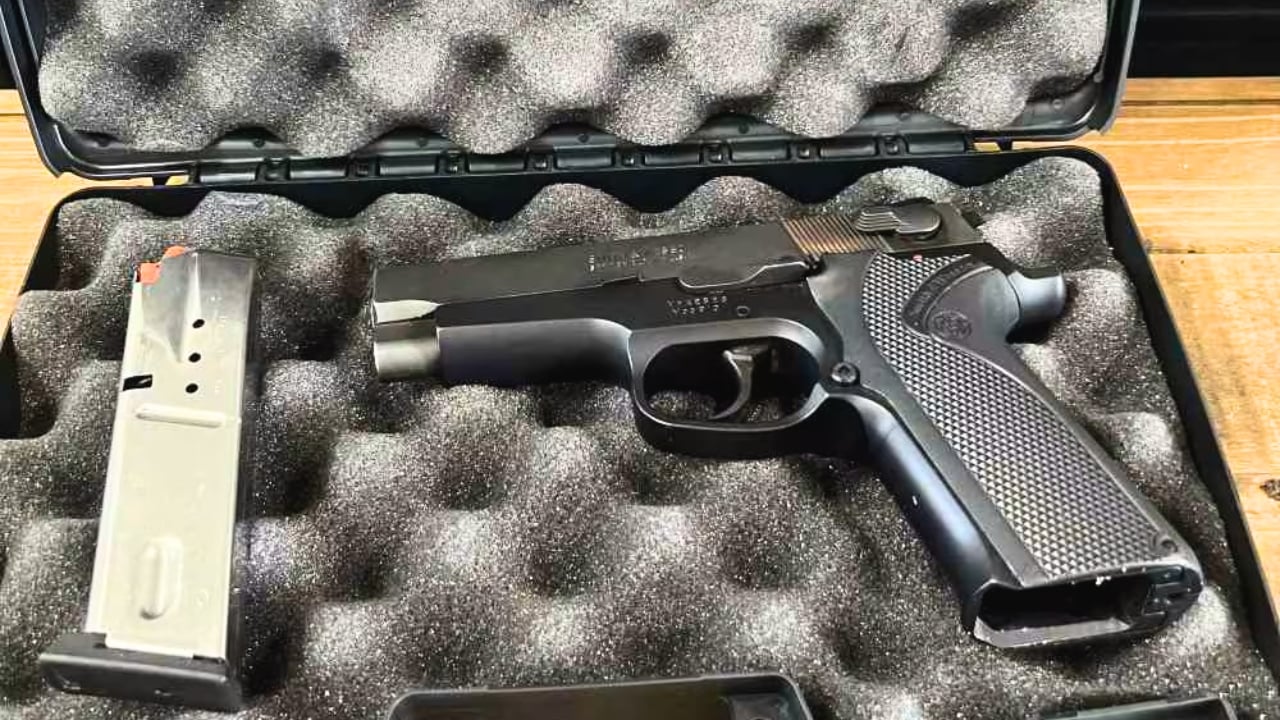
The Model 910 was an economy version of Smith & Wesson’s third-generation service pistols. Its finish and sights were basic, but the feed system was inherited from duty guns expected to work with police ammunition.
Its full-size magazines present cartridges at a consistent angle, while the substantial slide and extractor handle a broad range of case materials and bullet weights. It lacks the refinement and current parts support of newer pistols. As a defensive-ammunition eater, however, it remains much better than its budget reputation suggests.
Like The Avid Outdoorsman’s content? Be sure to follow us.
Here’s more from us: