Photo credit: Buffalo's Outdoors/Youtube
Every few years the internet decides hunting cartridges are “dead,” and every fall you’ll still see the same old boxes riding around in glove compartments and banging around in daypacks. The new stuff is fun to talk about, but hunters are stubborn for a reason: when you’ve watched a cartridge do the job in rain, dust, and cold fingers, you stop caring what’s trendy.
This isn’t a list of what’s “best.” It’s a list of what keeps showing up in camps because it works, ammo can be found when shelves look rough, and rifles chambered for them are everywhere from pawn shops to family safes. Some of these are mild. Some thump. All of them have put a lot of meat in freezers.
1. .30-06 Springfield

If you only owned one centerfire hunting cartridge and you didn’t want to think too hard, this is the boring answer that keeps being right. It handles common bullet weights without getting weird, and it’ll do deer, black bear, elk, and moose inside sane distances with the right bullet. There’s nothing fancy about it, and that is kind of the point.
It’s also forgiving when you’re hunting with a basic rifle and a basic scope. The recoil is real, especially in light rifles, but it’s not abusive if the stock fits and you aren’t trying to sight in off a concrete bench all day.
2. .308 Winchester
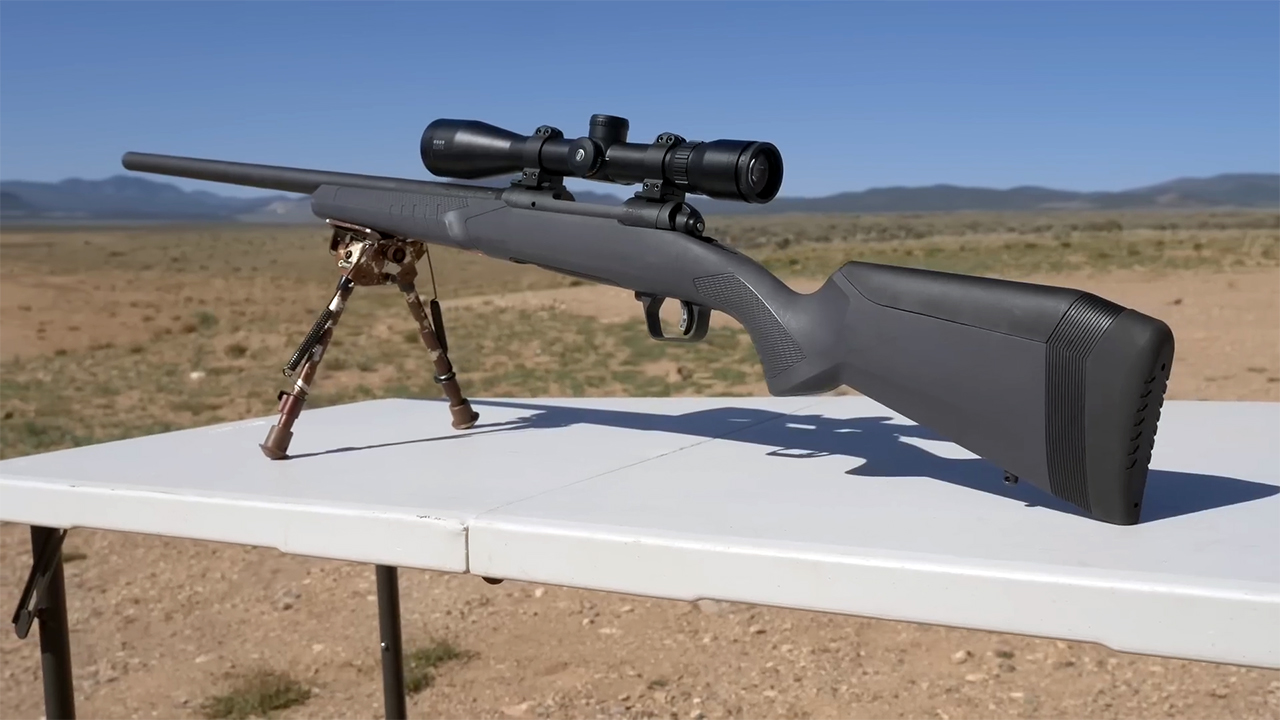
The .308 is the cartridge you end up with when you want practical. Short action rifles carry a little nicer, cycle a little snappier, and there’s a reason outfitters don’t roll their eyes when they see it. It shoots plenty flat for most whitetail and mule deer situations and does fine on elk when you keep your shot selection honest.
Ammo availability is a big part of its staying power. Even in small-town hardware stores, there’s usually a stack of .308 somewhere, and most rifles you’ll run into feed it without drama.
3. .270 Winchester

The .270 has probably killed more deer cleanly than half the “new hotness” combined. It’s a smooth-shooting cartridge that tends to make average hunters look better than they are, because it’s flat enough to cover a lot of mistakes in distance judging out to reasonable ranges.
It’s not the trendy elk round anymore, but plenty of elk have been taken with it using controlled-expansion bullets and good angles. It shines for open-country deer and pronghorn where wind and distance start to matter.
4. .243 Winchester

Some folks act like the .243 is only for kids, and that tells me they haven’t watched one punch through a whitetail’s ribs and tip it over fast. It’s easy to shoot well, easy to spot impacts with, and it builds confidence. Confidence matters more than caliber debates.
Yes, it’s lighter on the bigger end of the game list. But for deer-sized animals with good bullets, it’s a classic for a reason, especially when recoil-shy shooters are in the mix.
5. 6.5 Creedmoor
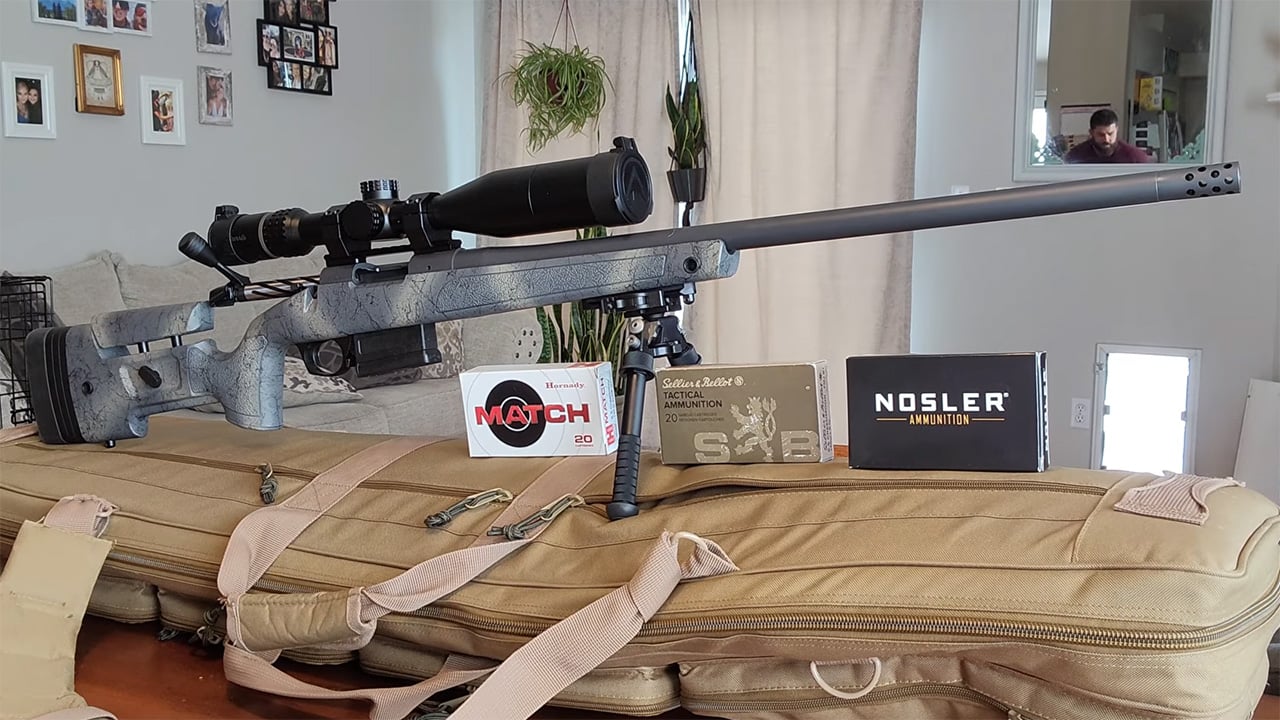
Love it or hate it, this one earned its place in a hurry. Hunters swear by it because it’s accurate in a lot of rifles, recoil is friendly, and it carries well enough for deer and elk with the right bullets and a disciplined approach.
The biggest win is how easy it is for regular people to shoot well. When a cartridge helps you practice more and flinch less, it starts showing up in camps, and it stays.
6. 7mm Remington Magnum

This cartridge has been riding in scabbards and truck racks for decades because it reaches out without needing a rocket science dope chart. It’s a legitimate mountain and open-country cartridge, and it hits hard enough that elk hunters keep coming back to it.
The downside is recoil and muzzle blast in lighter rifles. If you’re the type who “checks zero” with three rounds and calls it good, you’ll like it more than the guy who tries to shoot 40 rounds off the bench in one afternoon.
7. .300 Winchester Magnum
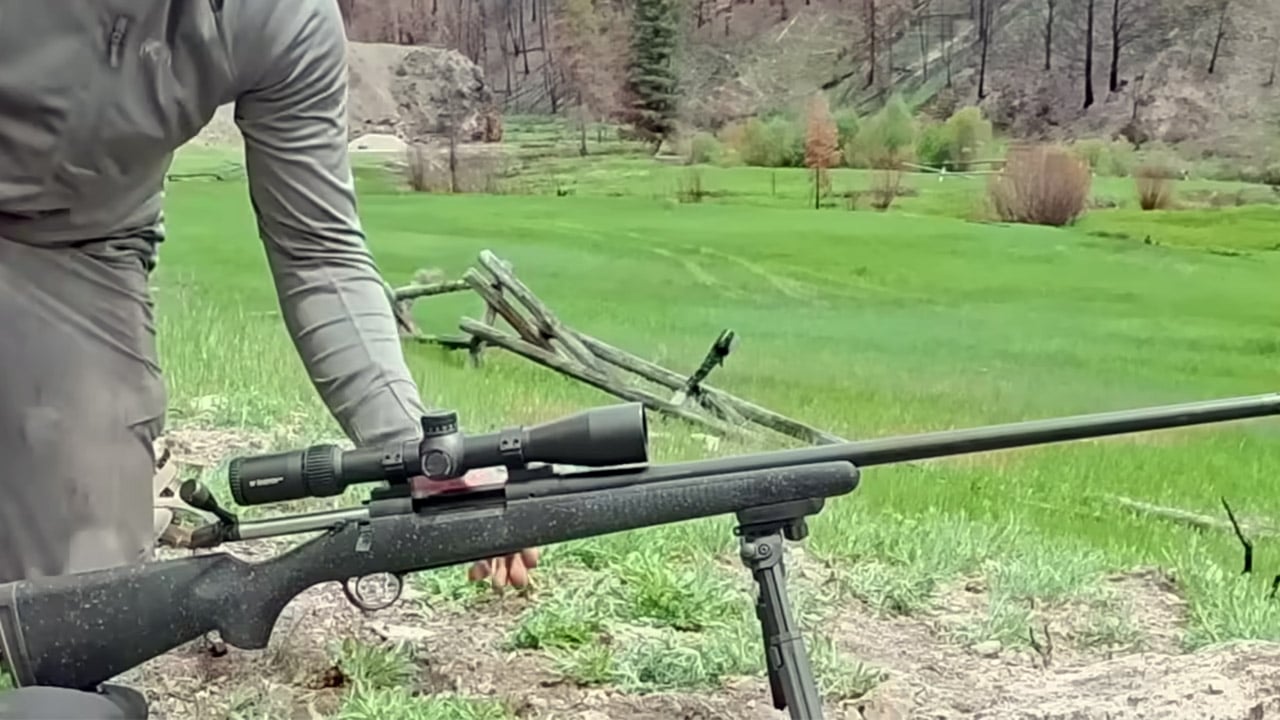
If you’ve spent time around elk camps, you’ve seen a .300 Win Mag leaning in a corner. It’s popular because it brings authority to the table and holds energy well when shots stretch out. It’s not magic, but it buys you a little margin on big-bodied animals.
It’s also one of those cartridges that exposes bad rifle fit fast. In a poorly designed stock, it can beat you up. In a rifle that fits and with a shooter who practices, it’s a hammer.
8. .30-30 Winchester

The .30-30 isn’t trying to be anything it isn’t. It’s a woods cartridge, a stand cartridge, a “slip through thick stuff” cartridge. In a lever gun that carries like a walking stick, it just feels right.
Inside its comfort zone, it kills deer clean and quick. Ask me how I know. You can argue ballistics all day, but the freezer doesn’t care what your chart said.
9. .35 Remington

This one has a cult following, and it’s earned. The .35 Rem hits harder than the .30-30 with a bigger frontal diameter, and in the thick woods it tends to leave easy-to-follow sign when tracking is part of life.
The drawback is ammo availability can be spotty compared to the big mainstream rounds. Still, hunters who run it tend to keep a stash, because when it’s good, it’s really good.
10. .25-06 Remington

The .25-06 is a flat-shooting sweetheart for deer and pronghorn, and it doesn’t get enough credit these days. It’s one of those cartridges that makes a simple 200-yard holdover mindset stretch farther than you think.
It’s not the first choice for heavy-boned elk, but for open country deer it’s hard not to like. Recoil is mild, and accuracy tends to be easy to come by.
11. 7mm-08 Remington

If you like the .308 class of rifles but want a little more sleek bullet behavior, the 7mm-08 has been quietly getting it done for a long time. It’s mild, efficient, and tends to shoot well without fuss.
It’s one of my favorite “real hunter” cartridges because it doesn’t punish you, it fits in handy rifles, and it performs on deer and black bear without needing speed bragging rights.
12. .280 Remington
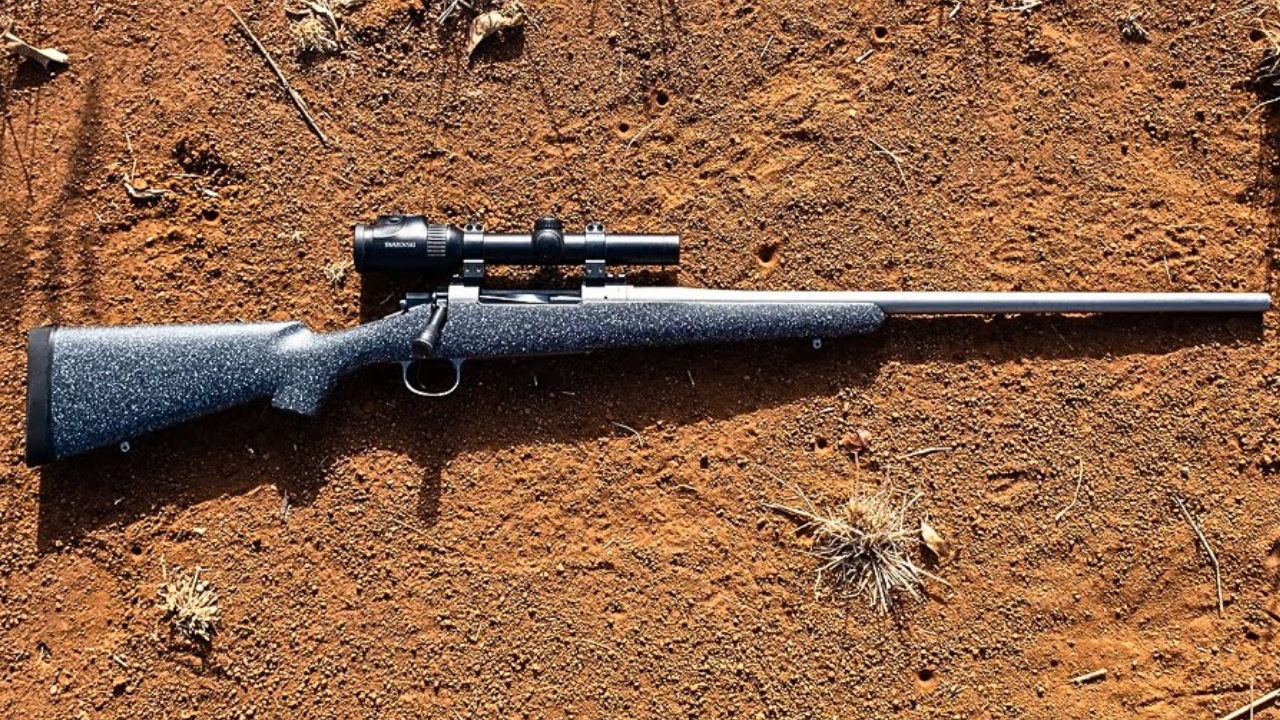
The .280 is the cartridge that makes folks say, “I should’ve bought one years ago,” usually after they shoot their buddy’s rifle and see how it behaves. It’s a great middle ground between .270 and the 7mm magnums, with plenty of bullet options and solid performance.
It never got the marketing push it deserved, but hunters who own one tend to keep it. It’s a smooth operator for deer and elk without the magnum bark.
13. .338 Winchester Magnum

When big bears or big moose are on the menu, the .338 Win Mag gets serious nods. It hits with authority, and it’s one of those cartridges that feels like it’s pushing instead of snapping, even though recoil is still substantial.
It’s not a casual range toy. But for hunters who want a classic heavy hitter in a standard-length action, it keeps showing up for a reason.
14. .45-70 Government
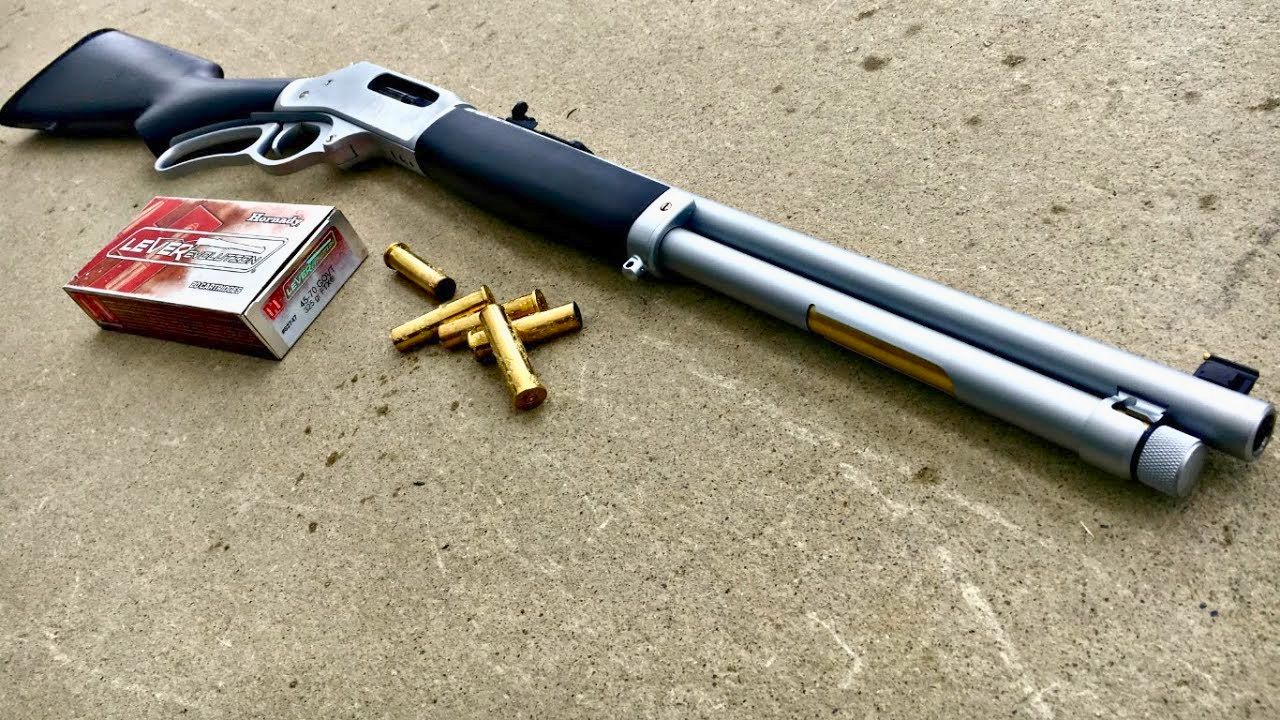
The .45-70 is old, loud, and effective. In a lever gun, it’s a close-quarters thumper that works in thick cover and on big animals when ranges are realistic. It’s also a cartridge that makes you pay attention when you touch it off.
Modern loadings can get spicy, and that’s where you need to match ammo to the rifle and the job. Used within its lane, it’s hard to beat for “big hole, big results” hunting.
15. .22-250 Remington

Predator hunters swear by the .22-250 because it’s fast, flat, and makes shots on coyotes feel almost unfair when the wind is cooperating. It’s been a staple on ranches for decades, and it still makes sense.
It’s not the cheapest round to burn in volume compared to .223, but the performance is real. If you’ve ever watched a coyote fold at distance with a well-placed shot, you get the loyalty.
16. .223 Remington

There’s always debate about using .223 on deer, and you need to follow your local regulations and be honest about your shooting. But as a predator and varmint cartridge, it’s about as practical as it gets. Ammo is everywhere, recoil is nothing, and rifles are easy to live with.
It’s also a practice cartridge. A lot of hunters shoot more because .223 is affordable and comfortable, and that skill carries over when they pick up the deer rifle.
17. .22 Long Rifle
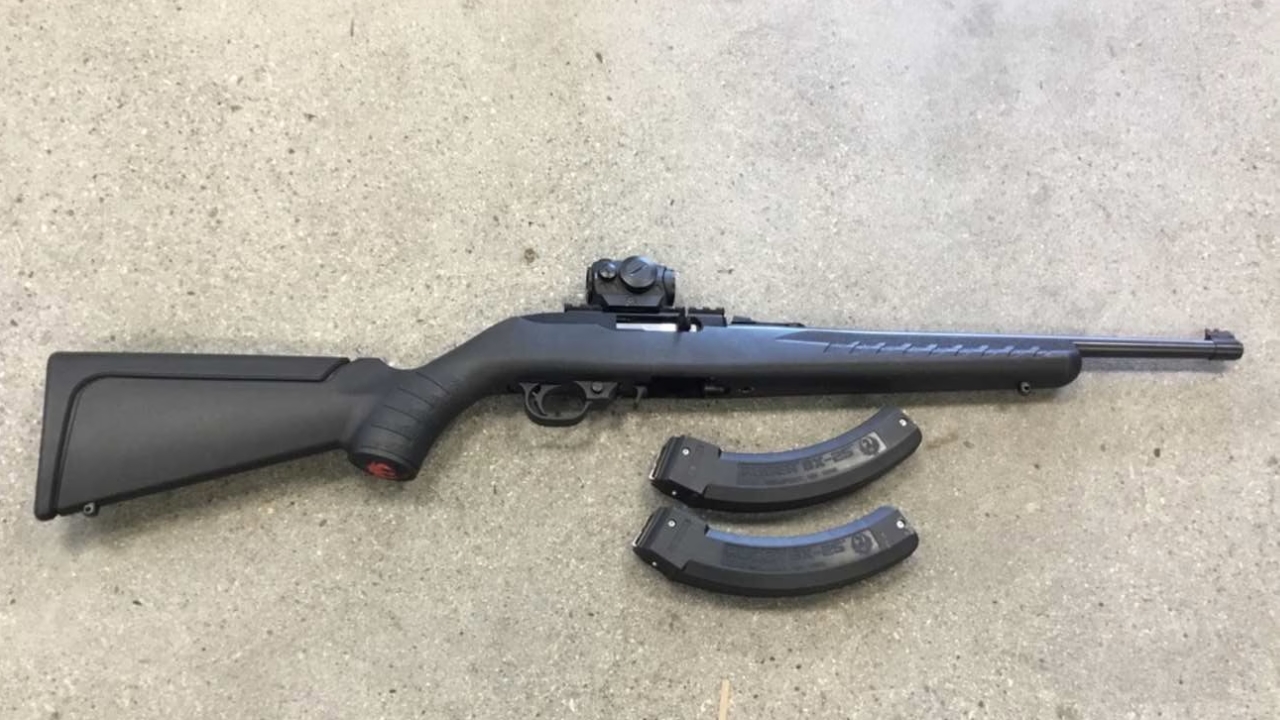
Not every hunt is a big-game hunt. The .22 LR is still the king of small game and camp meat, and it’s the cartridge that teaches more people to shoot than any other. Quiet, handy, and useful is a powerful combination.
It’s also a farm and homestead tool in a way centerfires aren’t. When you need a precise shot without a bunch of noise and expense, the humble .22 keeps earning its keep.
18. .300 Blackout

This one gets a lot of attention for suppressed use, but hunters who swear by it are usually the ones hunting thick woods, feeders, or short-range setups where it makes sense. It’s compact-rifle friendly and can be very effective on hogs and deer at sensible distances with the right loads.
The trap is pretending it’s something it isn’t. Treat it like a short-range hunting cartridge, and it’s handy. Try to make it a 300-yard everything-round and you’ll be disappointed.
19. 6.5×55 Swedish Mauser

The Swede is an old-timer that still shoots like it has something to prove. Hunters who run it tend to be the same folks who keep an old rifle because it just flat works. It has a reputation for deep penetration with reasonable recoil, and that matters in the field.
Rifles and ammo aren’t as common as mainstream U.S. rounds, but they’re out there. When you find a good-shooting 6.5×55, it’s hard to let it go.
20. .375 H&H Magnum
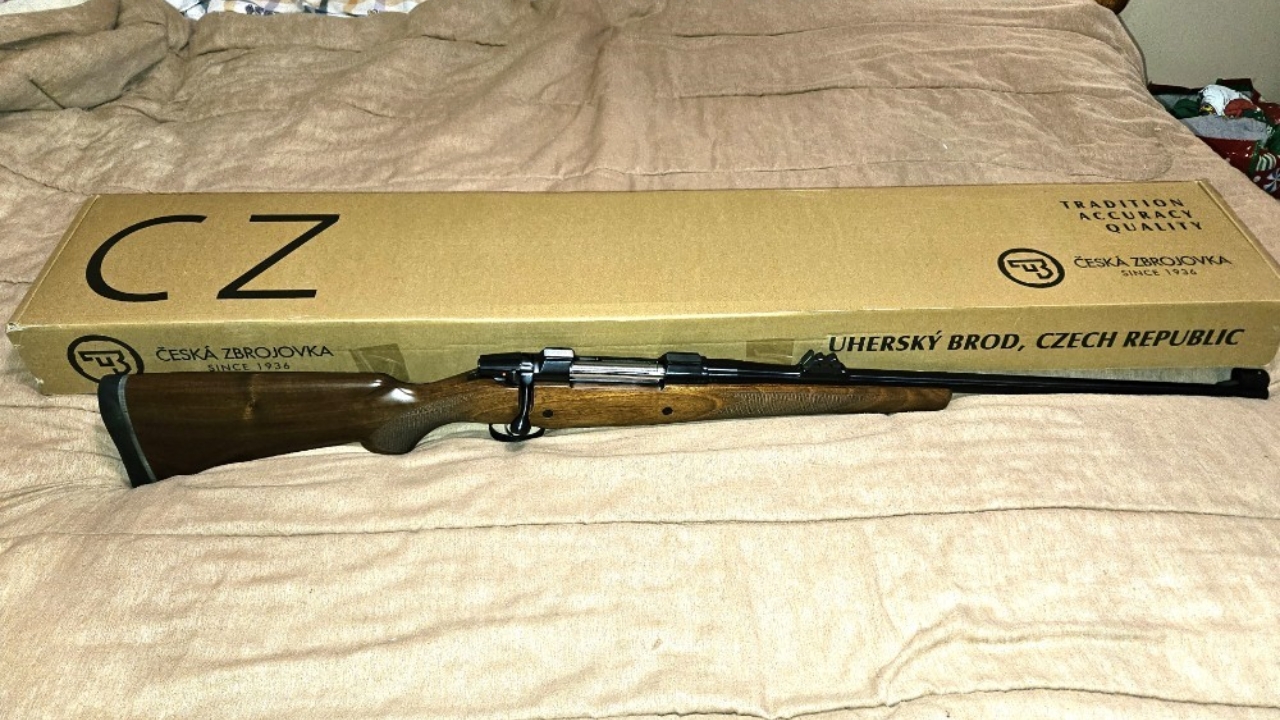
This is the “serious travel” cartridge, and the folks who swear by it usually have a reason that involves big animals, faraway places, or backing up a guide. It feeds smoothly in good bolt guns, it hits like it means it, and it has a long history of doing the job when the stakes are high.
For most North American hunting it’s more than you need, and that’s fine. But if you want one rifle cartridge that has handled about everything on the planet for a very long time, the .375 H&H is still on the short list.
The funny thing about cartridges is how quickly opinions change online, and how slowly they change in a deer camp. The rounds that stick around are usually the ones that let regular hunters shoot straight, find ammo without a scavenger hunt, and trust what happens when the crosshairs settle. If your cartridge does that, you don’t have to defend it to anyone.
Like The Avid Outdoorsman’s content? Be sure to follow us.
Here’s more from us: