Photo credit: sootch00/Youtube
Some calibers earn their reputation honestly. They work well, fill a clear role, and keep proving themselves long after the marketing fades. Those are the cartridges people keep using because experience backs up the talk.
Others live mostly on hype.
They sound powerful, efficient, futuristic, flat-shooting, or perfectly balanced until someone actually buys the rifle or handgun, pays for ammunition, deals with recoil, hunts with it, or tries to find ammo locally. That is when the promise starts shrinking. These are the calibers that often do not deliver what the hype suggests, especially for regular shooters who just want something useful.
.224 Valkyrie
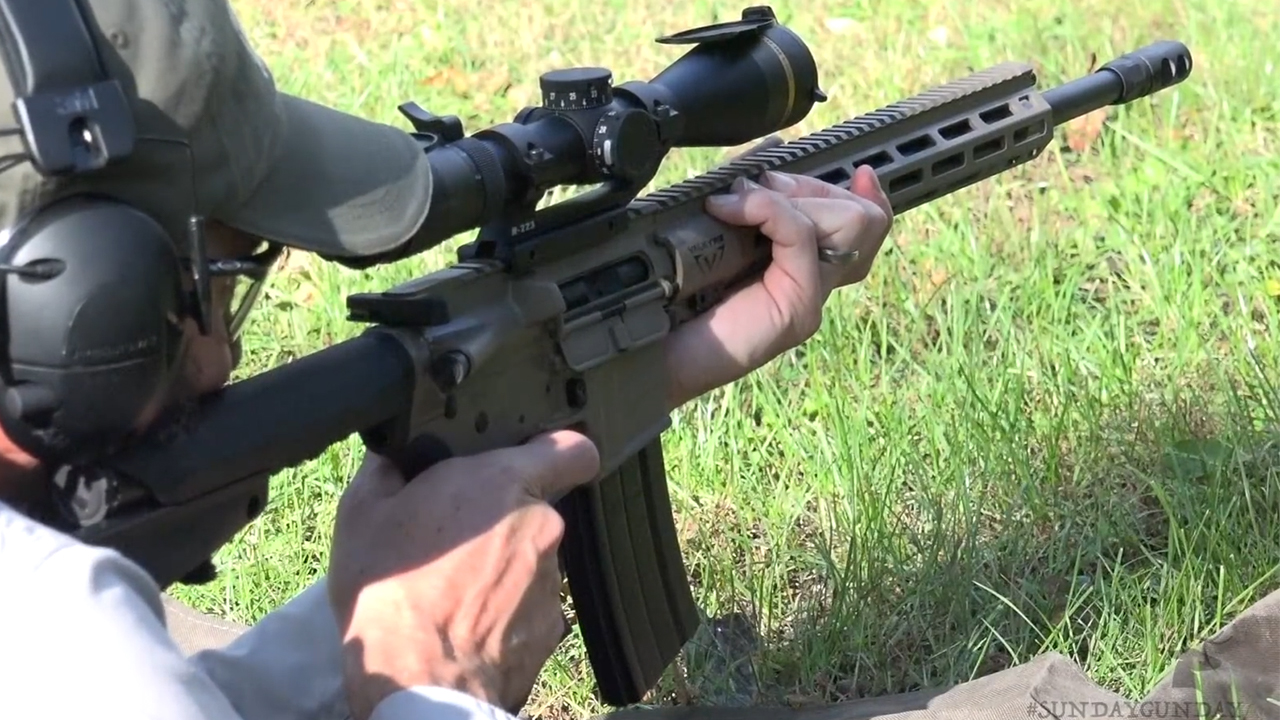
The .224 Valkyrie arrived with a lot of excitement because it promised long-range performance from an AR-15-sized platform. That sounded like a dream for shooters who wanted to stretch distance without moving to a larger rifle. On paper, it looked like the little cartridge that would make the AR-15 feel much bigger.
The problem is that the real world was messier. Accuracy results varied, rifle setup mattered a lot, and the cartridge never fully replaced the simpler appeal of .223 Remington, 5.56 NATO, 6.5 Grendel, or even moving up to an AR-10 platform. For dedicated shooters who tune rifles and loads carefully, it can still be interesting. But for the average buyer expecting easy long-range magic, .224 Valkyrie often feels like a cartridge that promised more than it comfortably delivered.
.45 GAP
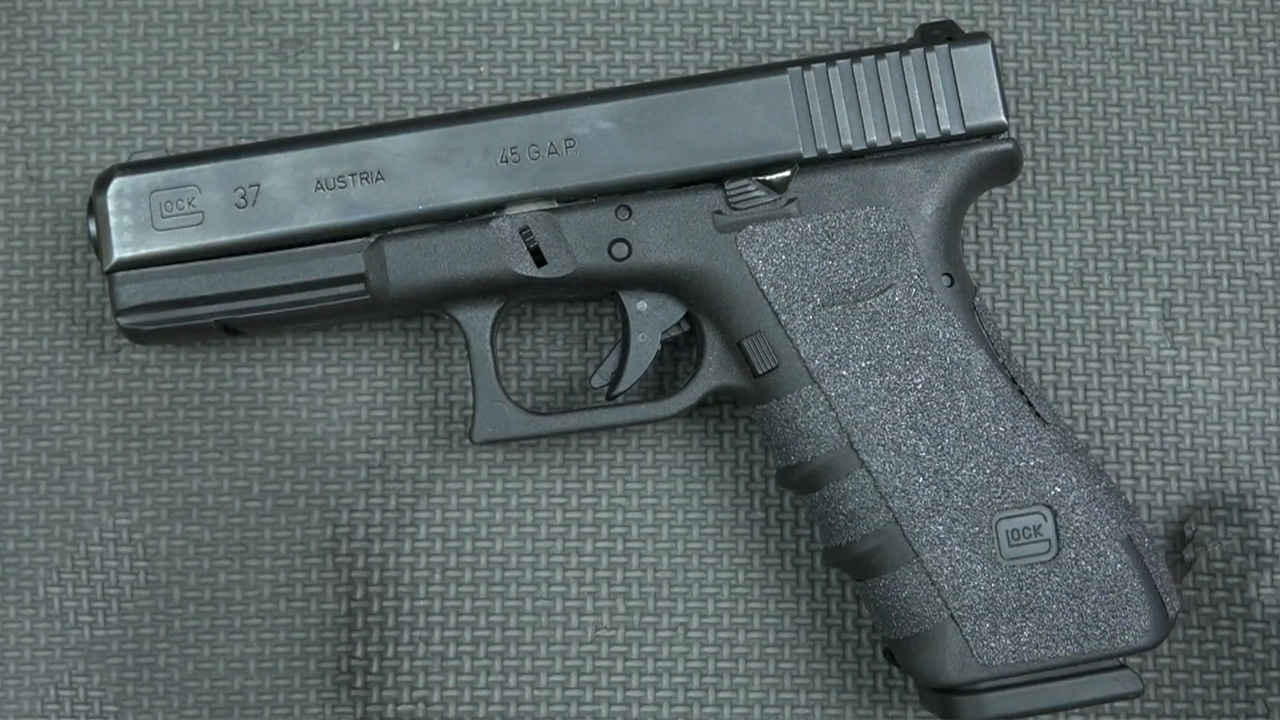
The .45 GAP had a clear idea behind it: offer .45-caliber performance in a shorter cartridge that could fit into smaller pistol frames. That sounded useful, especially for shooters who liked the idea of .45 ACP but wanted a more compact grip.
The issue is that the market never really needed it badly enough. .45 ACP was already established, 9mm kept improving, and pistols chambered in .45 GAP never became common enough to make ammunition easy or affordable everywhere. Even if the cartridge itself works, the ownership experience can feel like a hassle. Most shooters are not looking for a handgun caliber that requires extra explanation at every ammo shelf. The hype promised a clever solution. The market mostly decided the problem was not big enough.
5.7x28mm

The 5.7x28mm cartridge has a futuristic reputation that makes it very easy to want. High velocity, low recoil, flat shooting, and high magazine capacity all sound fantastic. Pistols and carbines chambered in 5.7 also feel different enough to make normal handgun calibers seem boring.
But the hype can outrun the practical value. Ammunition is usually more expensive than common handgun rounds, and the cartridge’s real-world usefulness depends heavily on load, firearm, and expectations. It is fun to shoot and has legitimate fans, but it is not magic. For many owners, 9mm remains cheaper, simpler, and easier to stockpile, while rifle cartridges still make more sense when rifle performance is needed. The 5.7 is interesting. It just does not always justify the mythology around it.
.410 Bore for Defensive Handguns

The .410 bore sounds intimidating when it is discussed in revolvers like the Taurus Judge or Smith & Wesson Governor. A handgun that fires shotshells feels like it should be devastating up close. The idea sells itself because it sounds simple: point, fire, and let the pattern do the work.
Reality is more complicated. Short barrels limit .410 performance, patterns can be inconsistent, and defensive shotshell loads from handguns do not turn a revolver into a real shotgun. The guns are often bulky, and the shooter may be better served by a more conventional handgun they can shoot well. The .410 bore has real uses in proper shotguns and niche handgun roles, but the defensive-revolver hype often promises more confidence than the cartridge can deliver.
.30 Super Carry
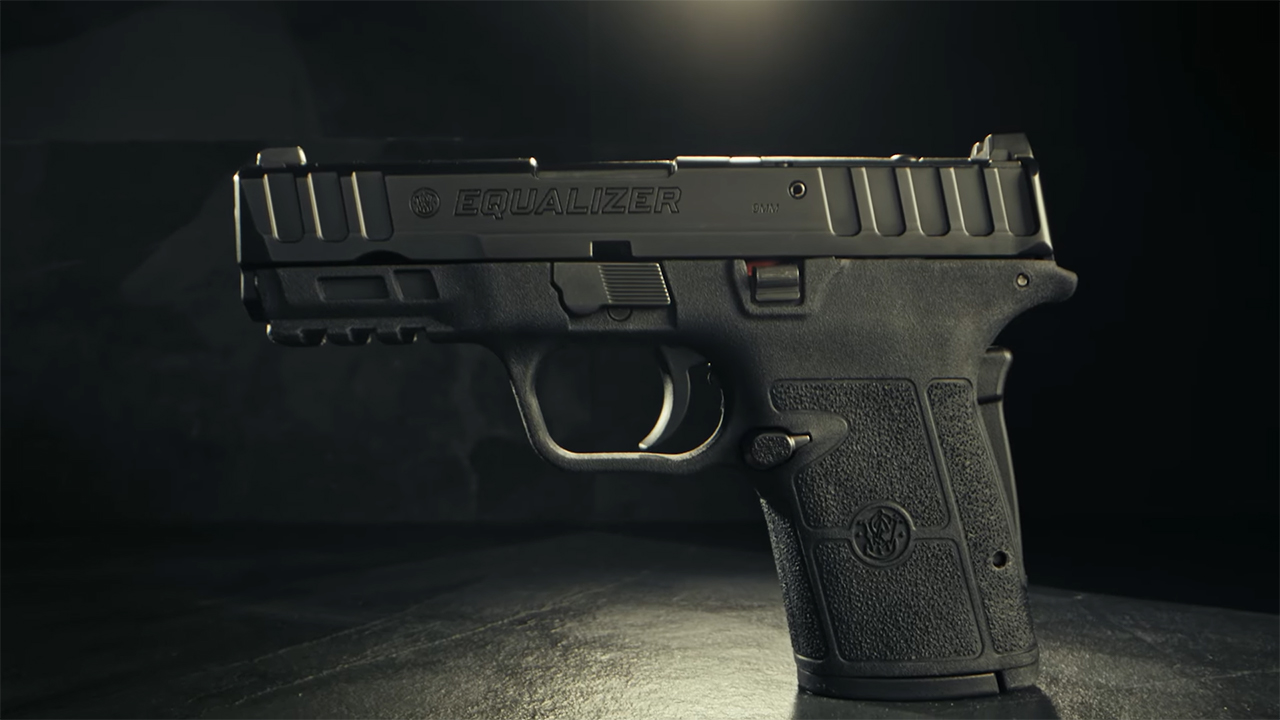
The .30 Super Carry was introduced with an appealing promise: more capacity than 9mm while delivering better performance than .380 ACP. That is a smart-sounding lane, especially in carry pistols where every round and every bit of recoil control matters.
The challenge is adoption. A cartridge can be clever and still struggle if ammunition, pistol options, and shooter trust do not grow quickly. Most people already have affordable 9mm choices that work, while .380 ACP still fills the deep-concealment lane. The .30 Super Carry may be technically interesting, but the hype asked shooters to leave an extremely strong ecosystem for a smaller one. For many buyers, that trade just does not feel worth it.
.357 SIG

The .357 SIG built its reputation on velocity and the promise of .357 Magnum-like performance from a semi-auto pistol. That is a powerful marketing hook, especially for shooters who like flat trajectories, barrier performance discussions, and high-energy handgun rounds.
But owning it is not always as fun as arguing about it. Ammunition is more expensive and less common than 9mm, recoil and blast are sharper, and many shooters do not gain enough practical benefit to justify the tradeoff. It can be an excellent cartridge in the right hands and roles, but the average owner often ends up shooting less because it costs more and feels harsher. A caliber that discourages practice has a hard time living up to the hype.
10mm Auto in Tiny Pistols

The 10mm Auto has earned plenty of respect in full-size pistols and field-oriented setups. The hype gets shaky when people try to cram that power into small carry guns. A compact 10mm sounds like the perfect “do everything” pistol until recoil, blast, grip size, and controllability enter the conversation.
A small 10mm can be unpleasant enough that the owner avoids practicing with it. That defeats much of the point. Reduced-power loads can make it easier to manage, but then the shooter may wonder why they are carrying a bulky, snappy pistol to get performance closer to something milder. Full-size 10mm can make sense for woods use and enthusiasts. Tiny 10mm often sells a fantasy of power that many owners do not enjoy actually shooting.
.300 Blackout for Everyone
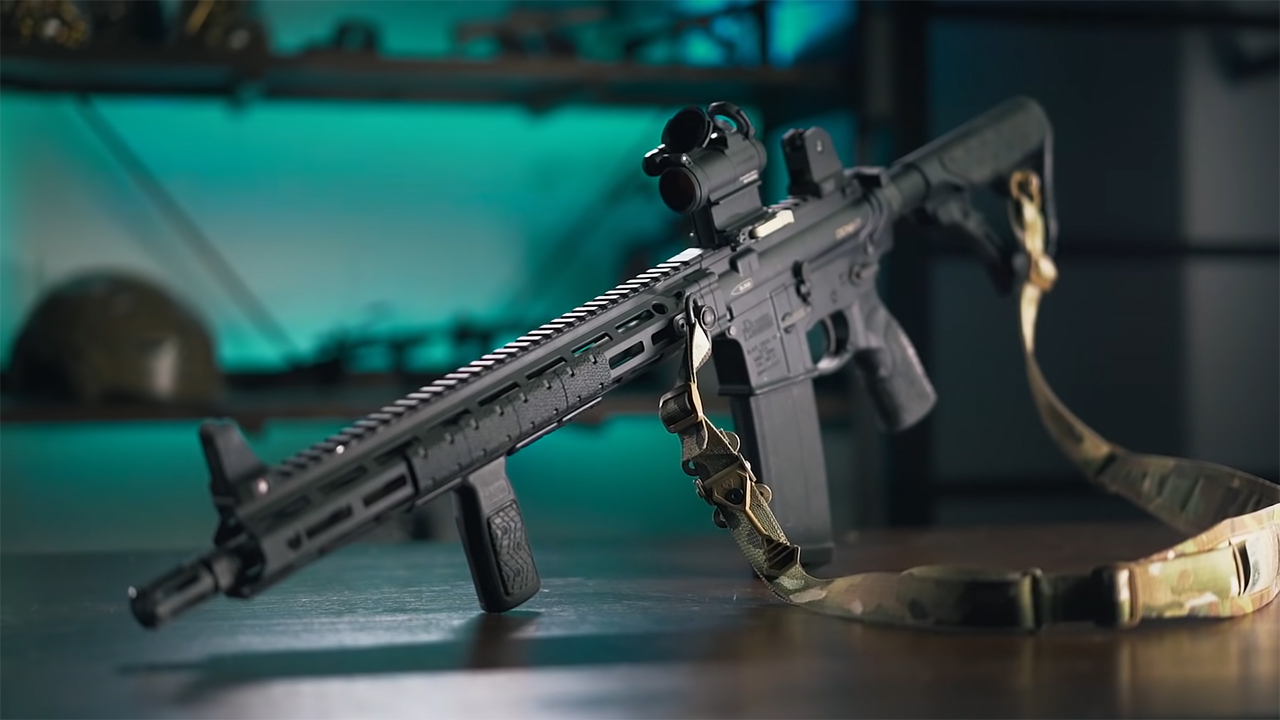
The .300 Blackout is a useful cartridge when matched to the right role, especially short barrels and suppressed shooting. That is where the hype started with some real substance. It can be very effective in the niche it was designed around.
The problem comes when people treat it like it should replace everything. Unsuppressed, with cheap expectations, or in roles where 5.56 NATO, 7.62×39, or a traditional rifle cartridge makes more sense, .300 Blackout can feel expensive and underwhelming. Subsonic loads are fun but specialized. Supersonic loads are useful but not magical. The cartridge delivers when the owner understands the assignment. It disappoints when the hype turns it into an all-purpose miracle round.
.17 HMR
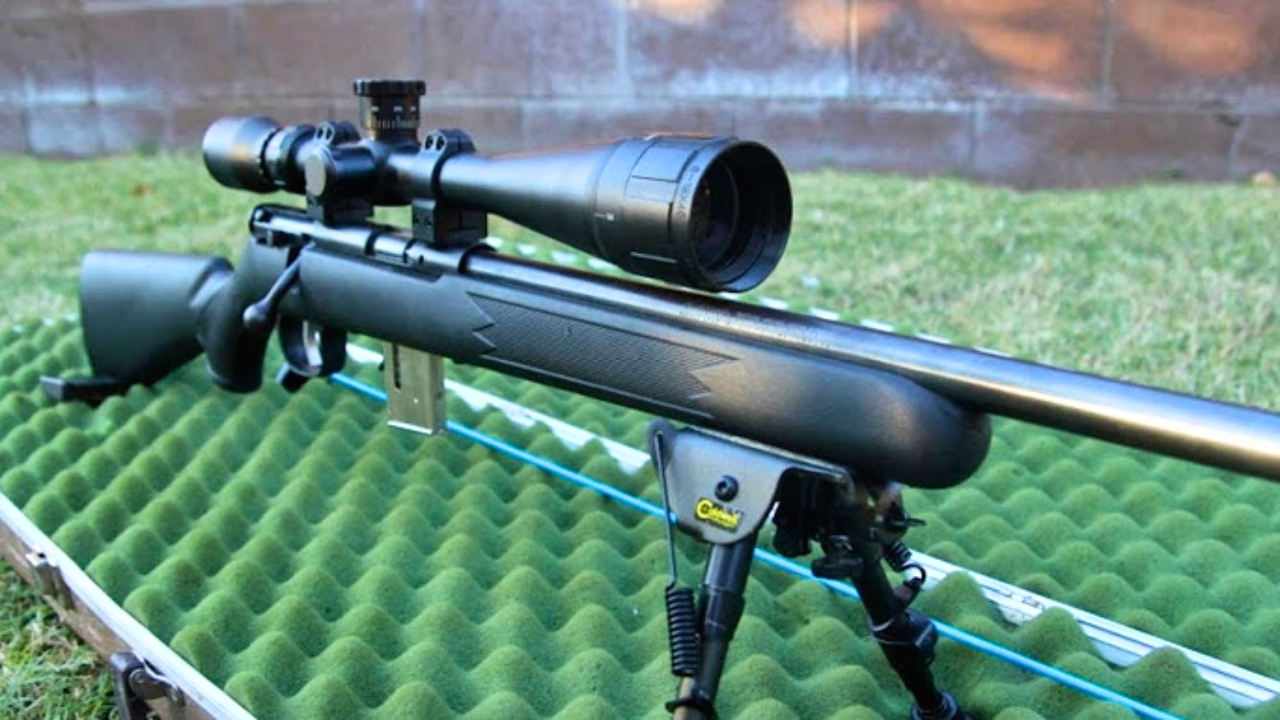
The .17 HMR is fast, flat, and wonderfully accurate in many rifles. For small varmints and rimfire precision, it can be a lot of fun. The hype problem starts when buyers expect it to replace bigger cartridges or behave like something more powerful than it is.
Wind can push it around, ammunition costs more than .22 LR, and it is not as versatile for casual plinking. It shines in a narrower role than some owners expect. For someone shooting small varmints at rimfire distances, it can be excellent. For the buyer who just wants a general rimfire and gets swept up in speed talk, .17 HMR may feel expensive and less practical than expected. Flat-shooting is nice, but it does not automatically mean do-everything.
.45 Colt in Lightweight Revolvers
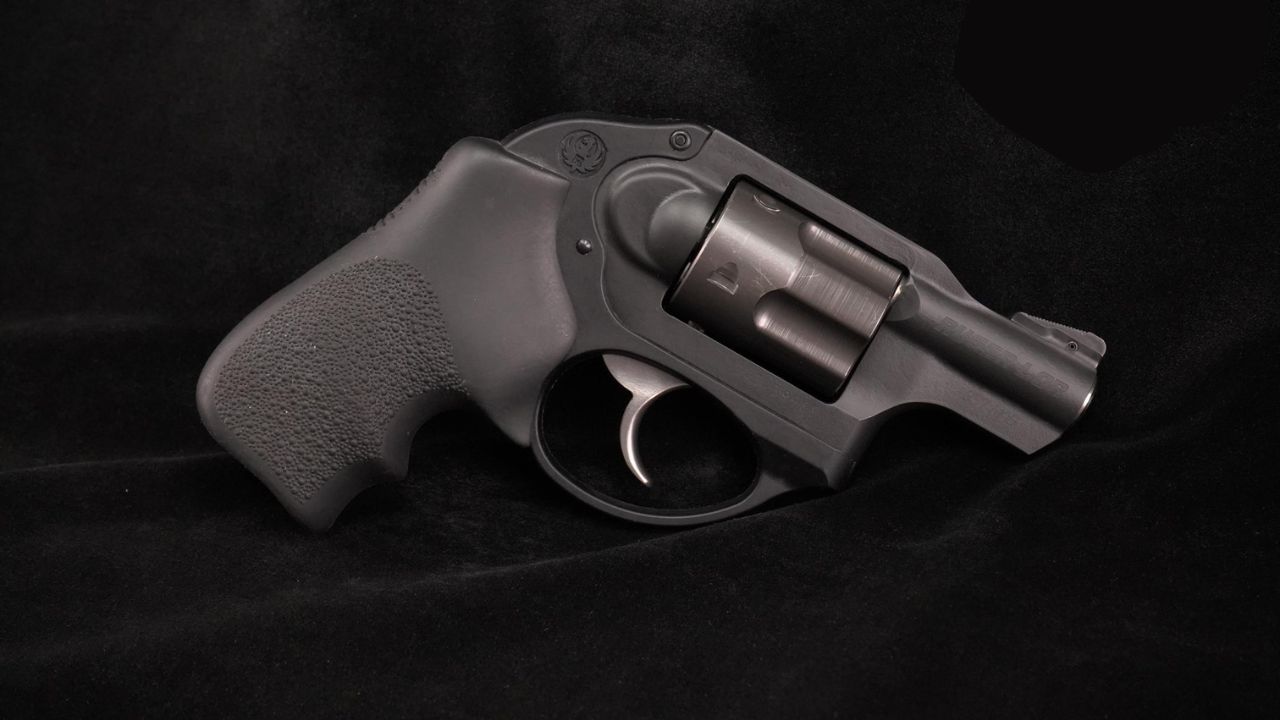
The .45 Colt has history, charm, and real capability. In strong guns with appropriate loads, it can be a serious cartridge. In classic single-actions, it is enjoyable and deeply traditional. The hype gets messy when people put big expectations on lightweight revolvers chambered for it.
A light .45 Colt revolver can be unpleasant with heavier loads and less efficient than buyers imagine with mild ones. Ammunition can also be expensive compared with more common handgun rounds. The cartridge itself is not the problem. The issue is expecting old-school big-bore romance to feel practical in every platform. A heavy revolver or lever gun can make .45 Colt shine. A lightweight carry revolver may make the owner wish they had chosen something easier to shoot.
.22 TCM

The .22 TCM is a blast in the most literal sense. It is fast, loud, flashy, and fun. It offers a lightweight bullet moving at impressive velocity from a handgun or carbine, and that makes it feel exciting in a way common pistol calibers do not.
But excitement is not the same as long-term usefulness. Ammunition availability is limited, firearm options are narrow, and the cartridge can feel more like a novelty than a serious everyday choice. Many owners enjoy showing it to friends, then return to 9mm, .22 LR, or traditional centerfire rifle rounds for regular use. The .22 TCM is entertaining. The hype suggests it is more broadly useful than most shooters will ever need it to be.
6.8 SPC
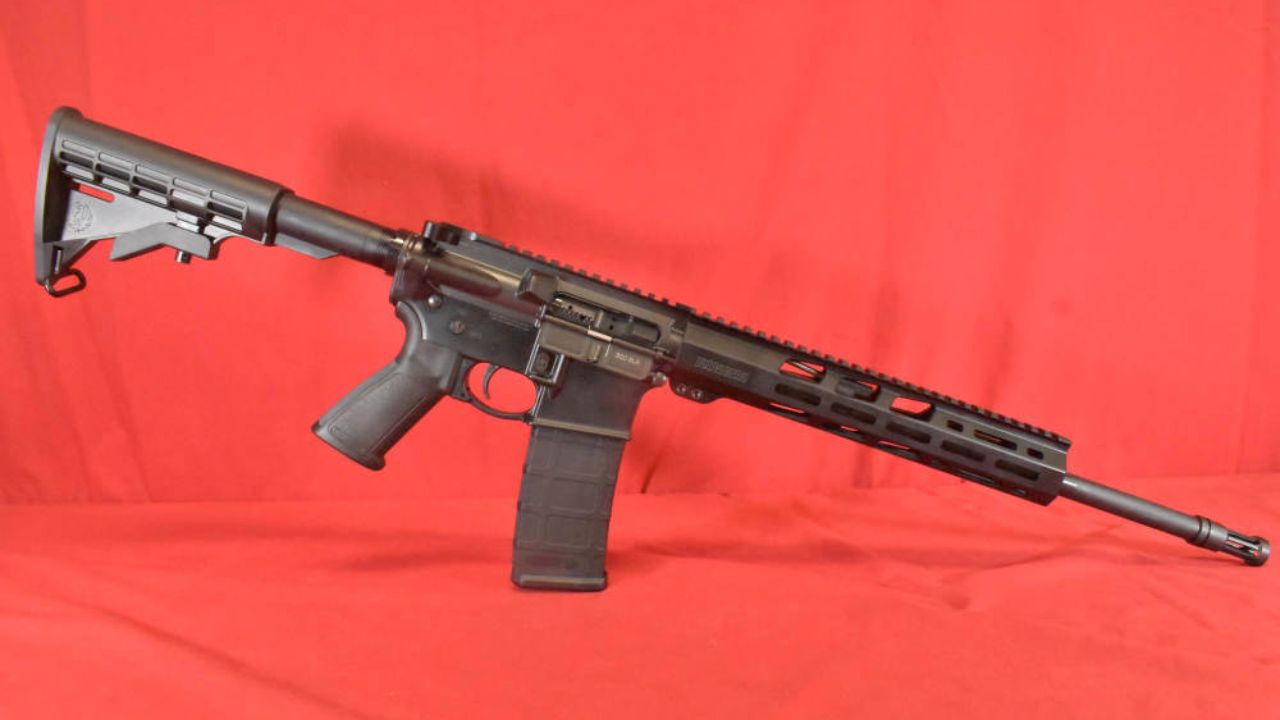
The 6.8 SPC was supposed to give AR-15 shooters more punch than 5.56 NATO while staying in the same general platform size. That promise made a lot of sense, especially for hunters and shooters who wanted better medium-game performance from an AR.
The problem is that the cartridge never fully dominated the space it helped define. Magazine, chamber, and load details mattered, and other options like 6.5 Grendel, .300 Blackout, and later AR-compatible hunting rounds kept competing for attention. The 6.8 SPC can still work well, especially in the right rifle and hunting context. But the hype made it sound like the obvious future. Instead, it became one good option among several, and not always the easiest one to support.
.327 Federal Magnum

The .327 Federal Magnum is genuinely interesting. It offers strong velocity, lower recoil than many .357 Magnum loads, and six-shot capacity in some small revolvers that would normally hold five rounds of .38 or .357. On paper, that sounds excellent.
The ownership problem is ammunition. It is not as common or cheap as .38 Special, 9mm, or .357 Magnum, and the cartridge never became mainstream enough to make casual buyers fully comfortable. Revolver fans may appreciate it, and it can be very useful in the right gun. But the hype suggests a practical small-revolver revolution that never quite happened. A cartridge can be smart and still disappoint if the ecosystem stays thin.
.50 Beowulf

The .50 Beowulf has undeniable appeal. A massive big-bore cartridge in an AR-style rifle sounds like the answer to every “more power” daydream. It hits hard, looks serious, and gives shooters a rifle that feels dramatically different from common 5.56 builds.
But big-bore AR cartridges come with real tradeoffs. Ammunition is expensive, recoil is heavier, capacity is limited, trajectory is arched, and practical use cases are narrower than the hype suggests. For short-range hunting or pure fun, it can be satisfying. For most shooters, though, the novelty wears faster than the ammo bill. The cartridge delivers power, but not the broad usefulness many buyers imagine when they first see that huge bore.
.204 Ruger
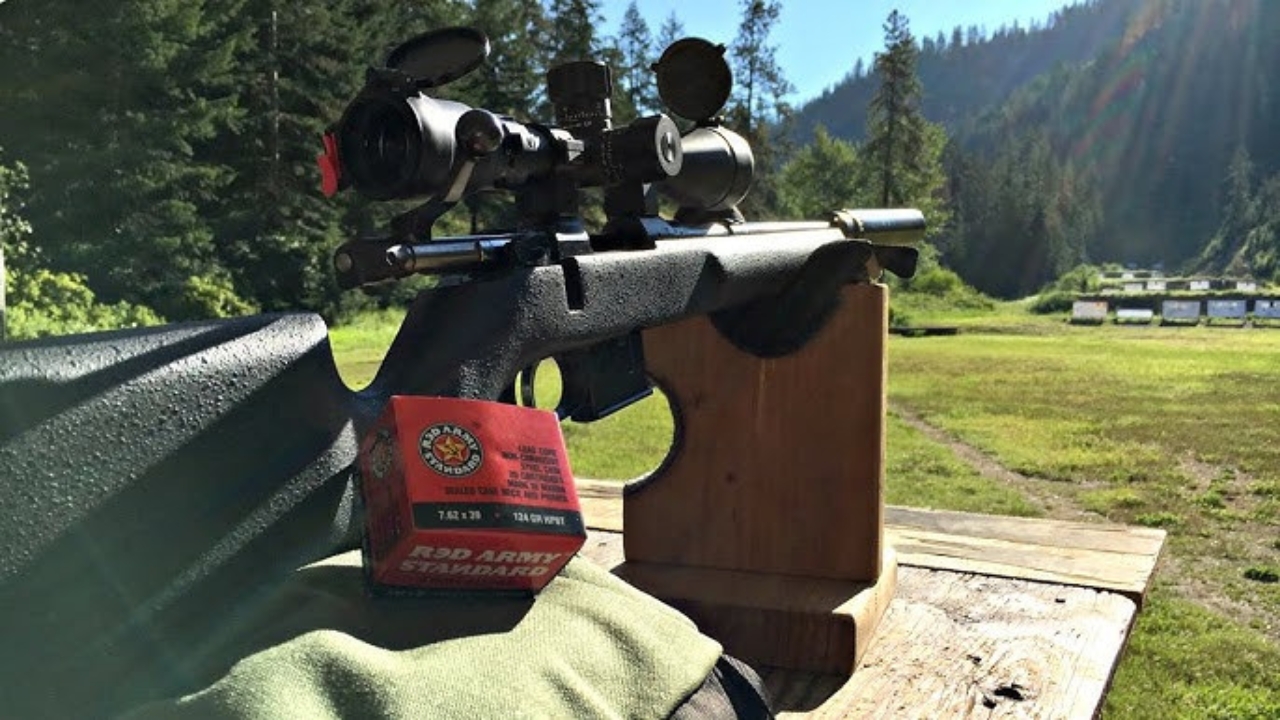
The .204 Ruger made a big splash because it was fast, flat, and laser-like for varmints. For prairie dogs, coyotes, and small targets in the right conditions, it can be excellent. It is a cartridge that looks very impressive when everything lines up.
But not everyone needs what it does. Barrel heat, wind drift with light bullets, ammunition availability, and a narrower hunting role can make it less appealing as a general-purpose rifle caliber. Many shooters eventually return to .223 Remington because it is cheaper, easier to find, and good enough for most varmint work. The .204 Ruger is not bad at all. It just proves that speed alone does not make a cartridge more useful for everyone.
Like The Avid Outdoorsman’s content? Be sure to follow us.
Here’s more from us: