Photo credit: Theavidoutdoorsman.com
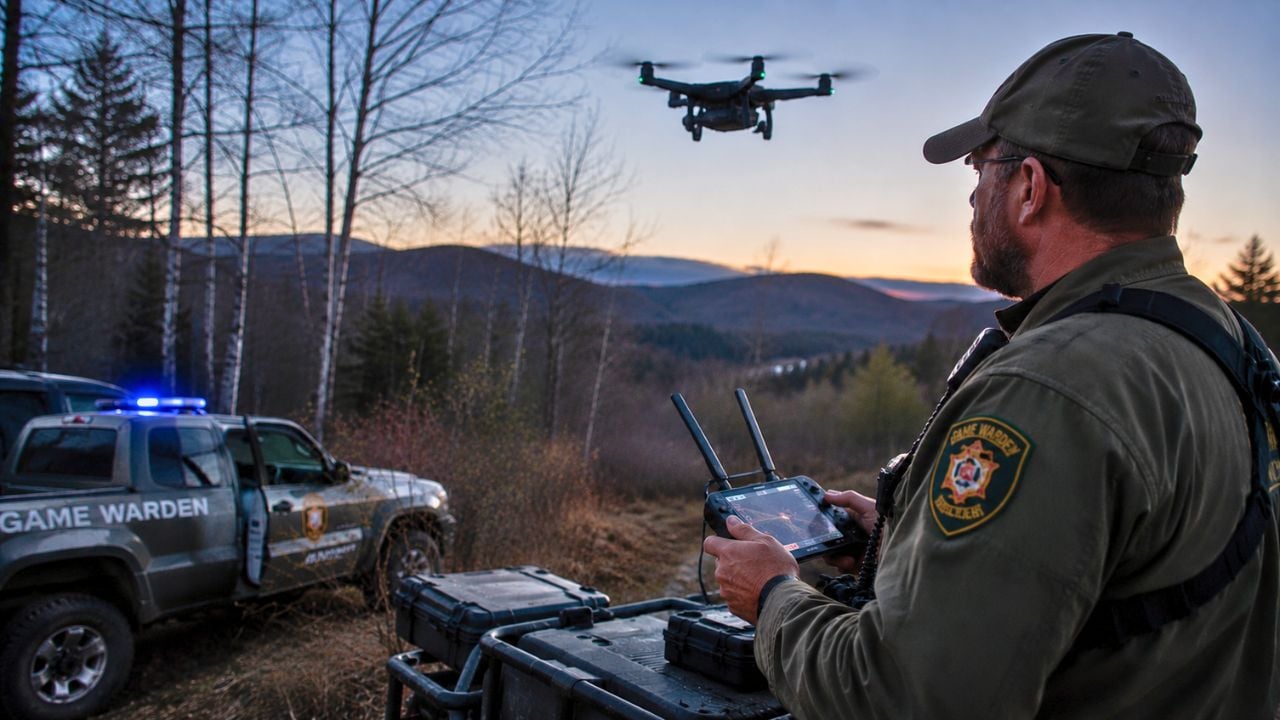
It started the way a lot of poaching cases start: a landowner’s phone call about headlights on a back road, a couple of shots at an odd hour, and a gut feeling that somebody was “just filling the freezer” the wrong way. Only this time, the game warden didn’t have a tailgate stakeout and a lucky traffic stop to lean on. He had a thermal drone.
On a cold, clear night during a closed window for the species in question, the warden launched from a public right-of-way and let the drone do what thermal cameras do best—separate warm bodies from cold ground. Within minutes, the feed showed a pickup nosed into a field edge, two bright heat signatures moving in and out of the tree line, and a third heat spot that didn’t move much at all. That last one looked an awful lot like a downed animal.
The case looked like a textbook night-poaching setup
The warden had already been dealing with complaints in that area: shots heard well after dark, carcasses found with the good cuts missing, and gut piles too close to roads. The kind of stuff that makes ethical hunters mad, because it puts a target on everyone who’s doing it right.
This night, the drone’s thermal view showed behavior that, to an experienced officer, reads like a checklist—vehicle parked with a fast exit route, people moving quickly and repeatedly to a single spot, and a pause long enough to load something heavy. The warden didn’t rush in. He coordinated with another unit and watched long enough to build a timeline before making contact.
Thermal from above made it hard for the suspects to “explain it away”
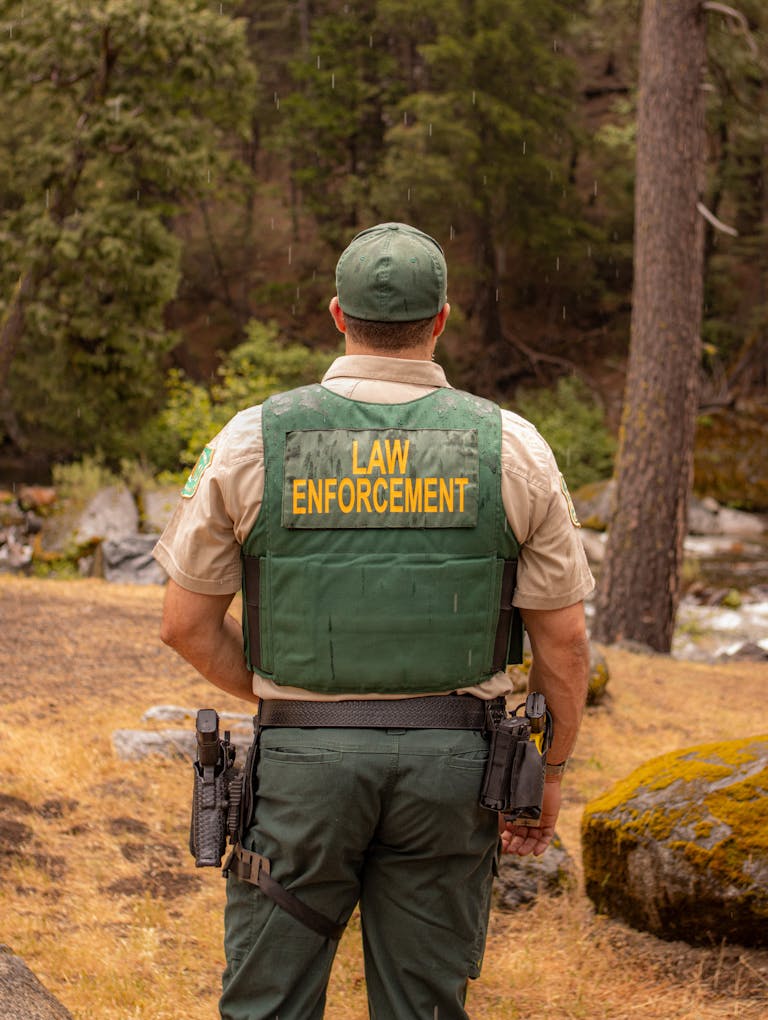
When the truck finally rolled, the stop happened on a county road, not in the field. That matters, because it reduced the risk of someone taking off across private land or dumping evidence in the dark. It also kept the warden from walking into a situation where he can’t see hands, can’t see muzzles, and can’t see who’s who.
Officers on the ground reported seeing blood in the bed and gear that didn’t match a legal hunt—think spotlights, coolers staged for meat, and tools that make quick work of an animal when the goal is to be gone before daylight. The suspects reportedly offered the usual mix of excuses: they were “looking for a lost dog,” “checking fences,” or “helping a buddy.” The thermal footage didn’t match the story, and the recovery team later located the carcass where the drone had flagged the heat.
The defense didn’t argue the hunting facts first—they argued the sky
In court, the defense attorneys didn’t lead with tags, season dates, or the condition of the animal. They went straight at the surveillance. Their claim was simple: hovering a thermal-equipped drone overhead to watch people on or near private ground crossed the line into a search, and a search needs a warrant.
That’s where this kind of case gets interesting for outdoorsmen and landowners. Trail cameras, cell phones, and doorbell cams are one thing. A government-operated aircraft with thermal imaging is another, at least in people’s minds. The defense leaned on the idea that while you might expect a passing truck to see you, you don’t expect an invisible eye in the sky to “see” heat signatures through brush and darkness in a way a normal passerby can’t.
Prosecutors pushed back with the argument game wardens have used for years: officers can observe what’s visible from lawful vantage points, and there’s no magic privacy bubble around open fields. In other words, if the drone was launched and flown in a legal manner, and it observed activity in an area where the public could theoretically see from above or from a road, then it’s not the same as barging into a house or peering through a bedroom window.
Where hunters and landowners drew the line in the comments
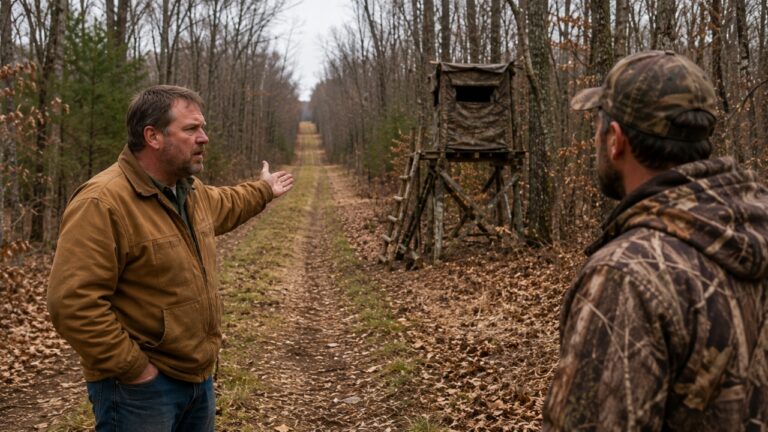
Most of the folks I’ve talked to about drone enforcement land in one of two camps, and neither side is made up of people who love poachers. The first camp says, “Good. Catch them. They’re ruining it for everyone.” These are the guys who’ve watched local herds get hammered, who’ve found trespass cuts on fence wires, and who’ve had to explain to a kid why the big buck they’d been watching all summer turned up dead with the backstraps missing.
The other camp is less worried about the poacher and more worried about the tool. They see thermal drones as something that could drift from catching criminals to watching regular people. A rancher checking heifers at midnight, a farmer moving equipment, even a legal hunter retrieving a deer after last light—people don’t like the idea of being tracked from above and sorted out by a heat signature.
A smaller slice of commenters focused on fairness. If a hunter can’t use thermal to take game in many states, should the state be able to use thermal to watch hunters? That argument isn’t about the Constitution so much as it is about public trust and the feeling of an uneven playing field.
There’s a difference between “poaching enforcement” and “everyday surveillance”
The practical reality is that conservation officers work big territories with limited staffing. Night poaching is dangerous to investigate the old-fashioned way. If you’ve ever been on a rural road when somebody is sweeping a spotlight across fields with a rifle somewhere in the cab, you already know how that can go wrong in a hurry.
Drones reduce some of that risk. They let a warden confirm what’s happening before walking into it, and they help document the behavior that matters—time of night, location, patterns of movement, and whether an animal was shot and handled. That documentation can protect the public, and it can protect the officer from the “he said, she said” that shows up later.
But there are real boundaries that ought to matter to everyone who enjoys the outdoors. Watching activity around a home, hovering low over a backyard, or using enhanced sensors to detect things that aren’t normally observable is where people start talking about warrants, limits, and oversight. If agencies don’t draw bright lines for their own policies, courts eventually will.
What this means if you hunt, own land, or both
If you’re a legal hunter, the best thing you can do is keep your side clean and boring. Have your license, follow shooting hours, tag and validate the way your state requires, and don’t cut corners on access. If you have to track after dark, know your local rules and be ready to explain exactly what you’re doing and why.
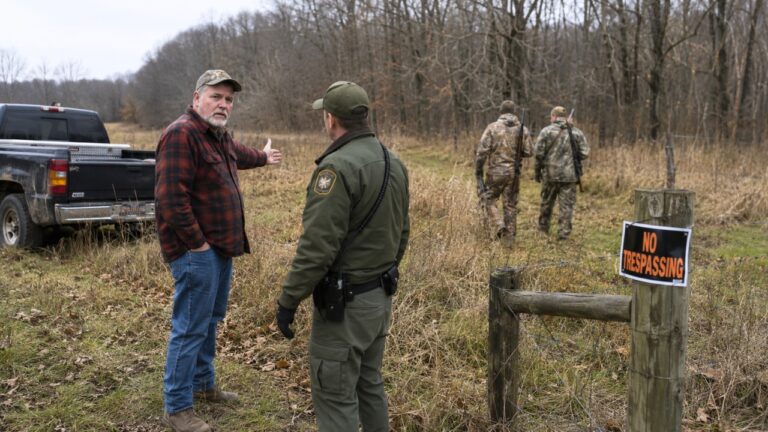
If you’re a landowner dealing with trespass or night shots, document everything before emotions take over. Dates, times, tire tracks, shell casings, photos of gates and fence lines—those details matter. Call it in early rather than waiting until you’re fed up, and avoid confronting suspected poachers yourself. Nobody wins a roadside argument at 1 a.m. with guns involved.
And for everybody watching this play out, pay attention to the reasoning, not just the result. Poachers deserve the book. At the same time, the rules we allow to catch the worst actors are the same rules that can be used on ordinary folks. The outdoors has always been built on trust—between hunters, landowners, and wardens. Thermal drones might help enforcement, but only if the line in the sky stays clear enough that law-abiding people can live their lives without feeling hunted themselves.
Like The Avid Outdoorsman’s content? Be sure to follow us.
Here’s more from us: