Photo credit: The Avid Outdoorsman
The hunter thought he had done his homework.
He was in southern Colorado, chasing antelope in the kind of wide-open country where ranches and prairie can stretch so far that ownership is not always obvious from the road. He had been using OnX Hunt and said the app did not show the area as private. The signs, fences, and property lines he had seen elsewhere seemed to match the app well enough, so when he walked out into the open ground, he believed he was legal.
That belief did not last long.
In his Reddit post, “Private landowner rage,” the hunter said he was kneeling about 400 yards from the county road, waiting on antelope near a dry stream bed, when the animals suddenly spooked. He looked back toward where he had parked and saw a truck driving straight across the prairie toward him.
That is the kind of moment that makes your stomach tighten. If you are hunting public ground, a truck coming at you may be another hunter, a ranch hand, a game warden, or somebody checking cattle. If you have accidentally crossed onto private land, it may be the person who owns it.
He stood up and walked toward the truck.
When it reached him, he tried to keep things normal. He greeted the driver and expected, at worst, a stern correction. Instead, the landowner exploded. The hunter said the man began yelling about trespassing with a level of anger that made it clear he was not interested in hearing an explanation.
The hunter tried anyway.
He explained that he had been using OnX, that the area had not been marked private on the app, and that it had not been fenced or posted like the private properties he had seen nearby. He told the man he must have made a mistake and that he would leave.
The landowner was not having it.
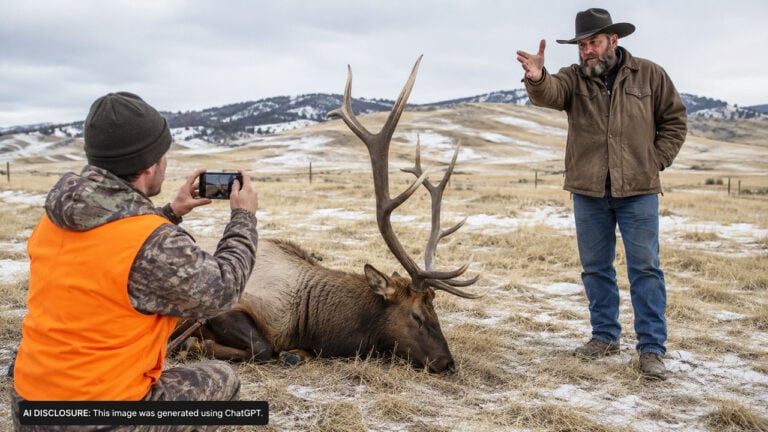
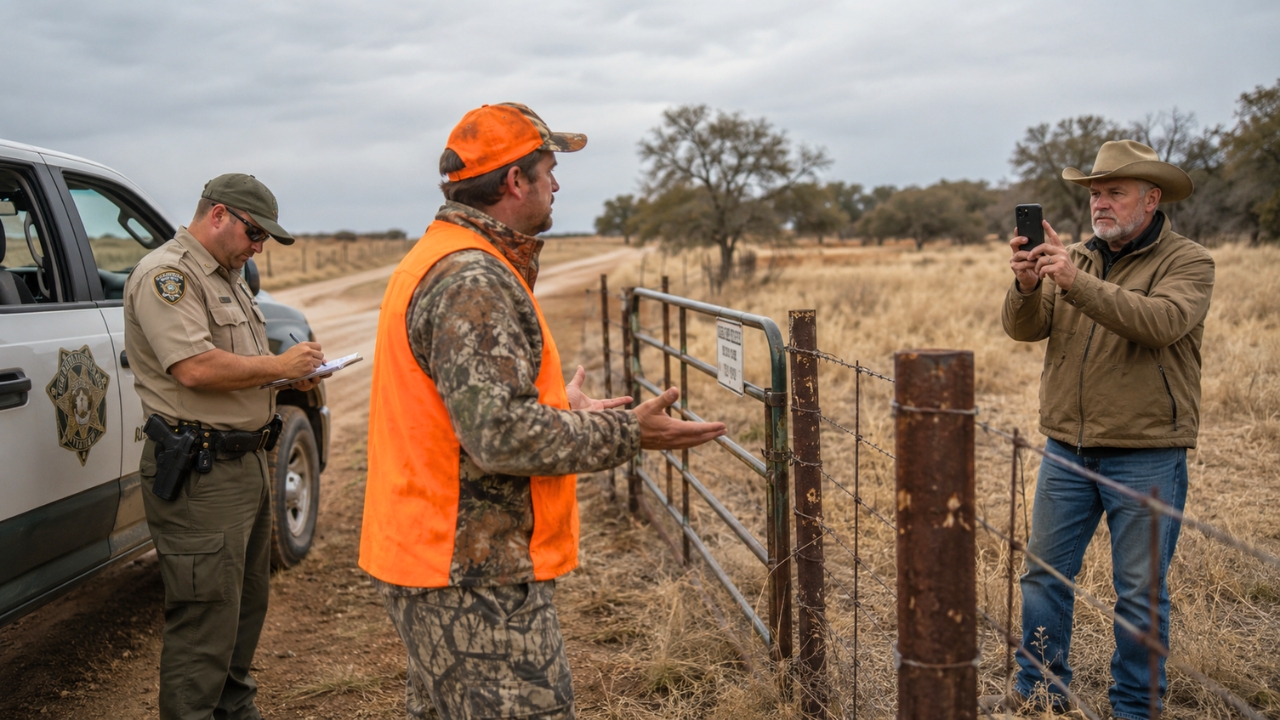
According to the hunter, the man accused him of knowing exactly what he was doing and held up his phone to take photos of him. That turned an already uncomfortable encounter into something more serious. Now it was not just a landowner yelling at a hunter. It was a landowner documenting him, making it clear this was not ending with a warning and a drive back to the road.
The hunter apologized again and started walking out.
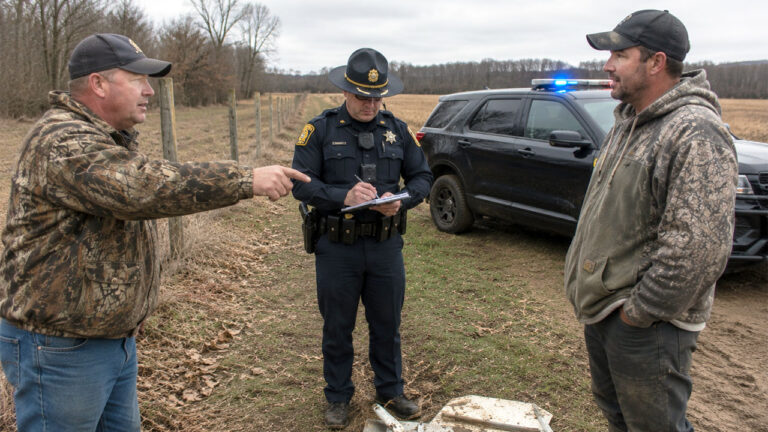
Then the landowner pulled ahead of him and said he had called the game warden. He told the hunter the warden would be there soon and that he needed to wait. At that point, the hunter was stuck in the middle of a bad mistake that he had not understood until it was too late. Leaving might make him look worse. Staying meant standing there with an angry landowner who already believed he had been caught trespassing on purpose.
When the warden arrived, the hunter explained the same thing. He had been using OnX. The land had not been marked private on his map. The area had not looked obviously owned or posted from where he entered. He believed he was hunting legally.
But the warden still wrote him a citation.
The hunter said the warden told him that because the landowner wanted the ticket written, he had to write it. Whether the hunter thought the trespass was accidental did not change the result. He was on land he did not have permission to hunt, and that was enough.
What bothered him afterward was the rage.
He said he could understand being told firmly to leave. He could understand a landowner being annoyed or even angry. But the intensity of the reaction stunned him. From his point of view, he had walked only a few hundred yards into a huge expanse of open land, had not shot anything, and was leaving once he realized there was a problem.
From the landowner’s point of view, though, this may not have been one innocent mistake. It may have been one more stranger on the property after years of trespassers, road hunters, busted trust, damaged fences, and people using map apps as an excuse after getting caught. That is what the hunter was trying to understand when he posted. He was not asking people to tell him the landowner was crazy. He wanted to know why a mistake that felt small to him felt so serious to the person who owned the ground.
That is where the story gets uncomfortable, because both things can be true. The hunter may have made an honest mistake. He also still crossed onto land where he had no permission to hunt. The app may have misled him. The responsibility still landed on him once the warden arrived.
By the time he drove away, he had more than a citation. He had a lesson in how little room there is for “I thought I was legal” once you are standing on someone else’s ranch with a tag in your pocket and a rifle on your shoulder.
Commenters were split, but a lot of them were not gentle. Some told him to contact OnX because map errors can put hunters in bad spots, and a few shared their own examples of apps showing land incorrectly. Others said that did not change the basic responsibility: as the hunter, you have to know exactly where you are before you hunt.
Landowners in the thread gave the strongest pushback. They explained that trespassing is rarely a one-time problem. One person talked about years of hunters treating private ground like public land, putting too many people on too little acreage, creating safety issues around cattle and family, and pressuring or taking game that the owner had spent time and money managing.
The most useful comments were the ones that helped the hunter see the scale differently. To him, it was a huge piece of prairie. To the landowner, it was still his property, the same way a backyard or pasture is part of someone’s home. That did not make the yelling pleasant, but it helped explain why the landowner did not see it as a harmless mistake.
Like The Avid Outdoorsman’s content? Subscribe to our newsletter so you never miss an article.
Here’s more from us: