Photo credit: The Avid Outdoorsman
A Virginia man thought he had picked up an old shotgun in a private sale, but the deal started to feel a lot less simple after he took it to a pawn shop.
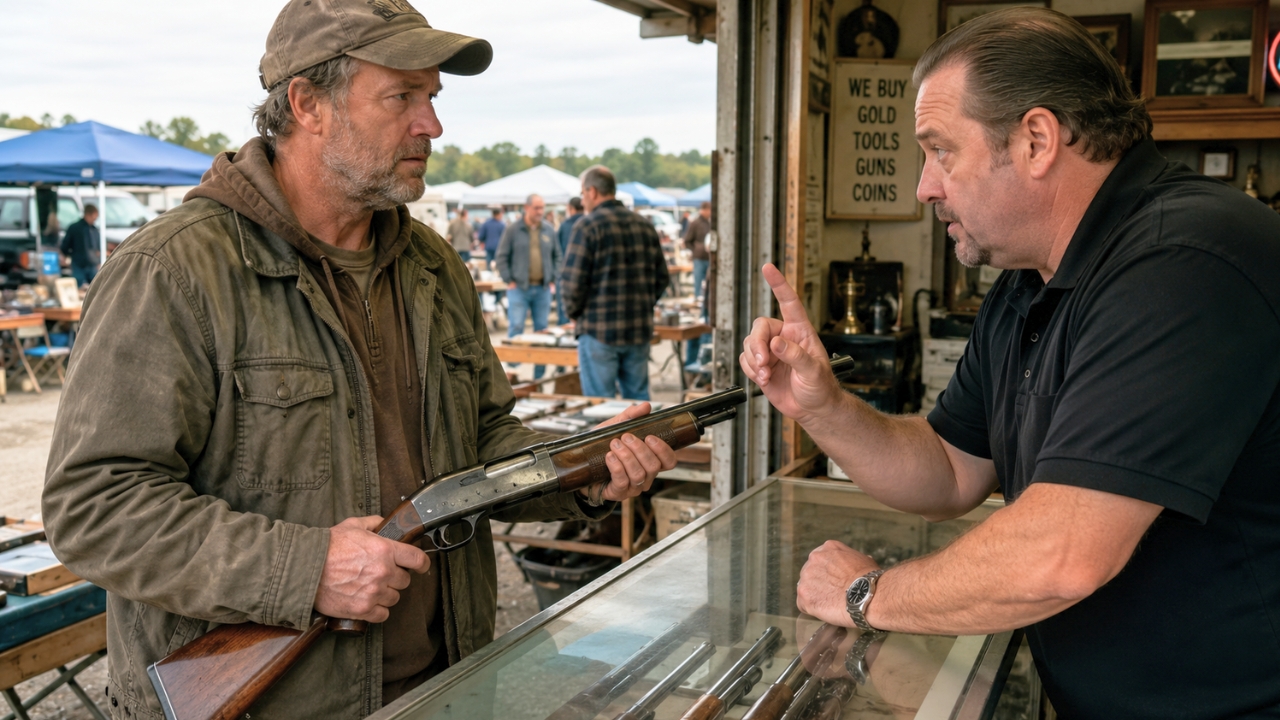
According to the Reddit post, the buyer said he purchased the firearm at a flea market or swap meet from someone he did not know personally. At the time, it seemed like a normal cash transaction for an older gun.
But later, when he brought the shotgun to a pawn shop, the shop apparently raised a concern that made him nervous. The gun might have been stolen.
The buyer explained the situation in a Reddit thread and asked what he should do after buying a firearm that suddenly seemed questionable: https://www.reddit.com/r/legaladvice/comments/4qs8q3/purchased_a_possibly_questionable_firearm_va/
The sale sounded casual from the beginning
One of the biggest issues was how informal the deal was.
The poster did not describe a transaction with a store receipt, background paperwork, or a seller he knew well. It was a private sale at a flea market, which meant he may not have had much information if questions came up later.
That is where these situations get dangerous for a buyer.
A person can buy something in good faith and still end up holding property that turns out to have been stolen. That does not automatically mean the buyer stole it, but it can mean the item has to go back to the rightful owner.
With a firearm, the stakes are even higher because a stolen gun can involve police reports, serial numbers, and potential criminal questions.
The pawn shop made him rethink everything
The pawn shop’s warning changed the situation.
A pawn shop employee likely sees enough firearms to know when a transaction feels off, or at least when a gun should be checked more carefully. If the shop suggested there was a chance the shotgun was stolen, the buyer could not just ignore that.
That did not mean the gun definitely was stolen. But it did mean the buyer needed to stop treating it like an ordinary used shotgun.
The worst move would be trying to sell it quickly, hide it, or pretend the warning never happened. Once someone has reason to believe a gun might be stolen, continuing to move it around can make the situation look worse.
Commenters told him not to pawn it
Several commenters warned the poster not to try pawning or selling the shotgun until he knew what was going on.
That advice was common sense. If the gun was stolen, selling it would only drag another person or business into the mess. It could also make the buyer look like he was trying to unload a problem.
Instead, commenters pointed him toward law enforcement or another official way to check the status of the firearm.
That is uncomfortable for a buyer who does not want to lose the gun or get accused of something. But if the firearm is stolen, there is no clean shortcut around that.
The serial number was the key
With firearms, the serial number matters.
A police report for a stolen gun usually includes a serial number, make, and model. If the shotgun’s serial number matched a stolen firearm report, that would likely settle the ownership question.
The poster’s situation depended heavily on whether the gun could be checked and whether any report existed.
That is why commenters pushed him toward getting the gun looked up properly. A pawn shop’s suspicion is not the same as confirmation. But a confirmed serial-number match would be a much bigger problem.
If the gun came back stolen, the buyer would probably lose it, even if he paid money for it in good faith.
Being honest was the safest path
The buyer’s best protection was the truth.
If he really bought the shotgun at a flea market and had no idea it was stolen, he needed to be upfront about that. He should write down everything he remembered about the seller, the date, the place, the price, and any other details.
Even small details could matter. What did the seller look like? Was there a booth? Was anyone else present? Did the seller have other guns or items? Was there a phone number, name, or vehicle nearby?
A buyer may not remember all of that after the fact, but the more he could provide, the less it looked like he was hiding something.
Commenters worried about possession of stolen property
The legal concern was not just ownership. It was possession.
If someone knowingly possesses stolen property, that can become a serious problem. The tricky part is what “knowingly” means once a pawn shop has warned the buyer that the gun may be stolen.
Before that warning, the buyer could argue he had no reason to suspect anything. After that warning, he had a reason to investigate.
That is why ignoring the issue would be risky.
The safest move was to treat the gun like a potential stolen item and get clarity through the proper channel, rather than continuing to act like nothing had happened.
The seller was the missing piece
The biggest problem in private sales is often the seller disappearing.
If the buyer had a bill of sale, a copy of identification, messages, or any record of the transaction, he would have more to work with. But in a cash swap-meet deal, the seller may be impossible to find.
That leaves the buyer holding the risk.
This is one reason many gun owners insist on a bill of sale for private firearm transactions, even in places where one is not strictly required. It does not solve every problem, but it gives the buyer something to show if the gun later comes back stolen.
Without that, the buyer is stuck saying he bought it from a person he cannot identify.
The thread became a warning for used gun buyers
The Reddit post showed why cheap or casual gun deals can turn into a headache.
A used shotgun at a flea market may be perfectly legitimate. Plenty of private sales are. But if the gun has a bad history, the buyer may not find out until later, and by then the seller may be long gone.
That does not mean every private sale is suspicious. It means buyers need to protect themselves.
Check the seller. Get a receipt or bill of sale. Record the serial number. Know your state’s transfer rules. Be careful with deals that feel rushed, secretive, or unusually cheap.
The buyer’s next move mattered
Once the pawn shop raised the possibility that the shotgun was stolen, the buyer’s choices narrowed.
He could not safely ignore it. He should not try to sell it. He needed to find out whether the gun was actually listed as stolen and be ready to surrender it if it was.
That is a frustrating outcome for someone who may have paid in good faith. But stolen property does not become clean just because a later buyer did not know.
For this gun owner, the Reddit advice was not flashy. It was uncomfortable but practical: stop trying to move the shotgun, document the purchase as best as possible, and get the serial number checked through the proper authorities before the situation turns into something worse.
Check out more from The Avid Outdoorsman here.