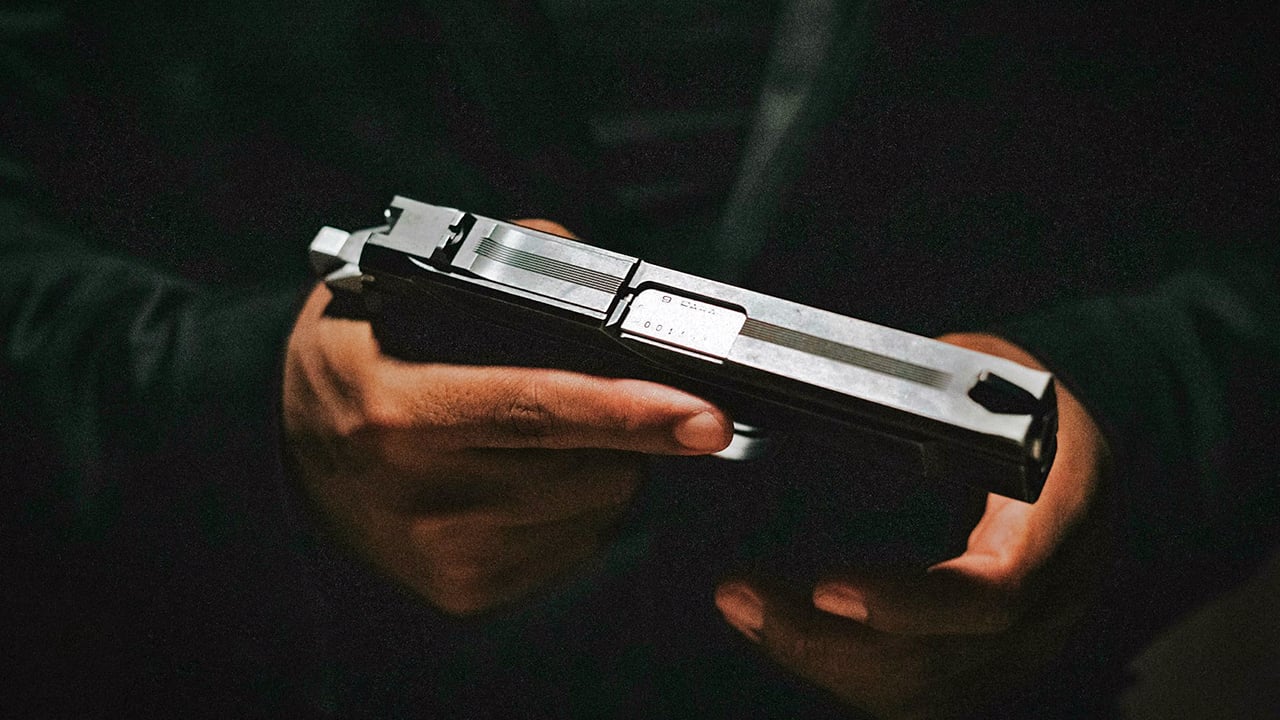
Photo credit: Rock Staar/Unsplash.com
The gun owner had already made the mistake by the time the police arrived.
That is the rough thing about a negligent discharge. The loud part happens fast. The consequences hang around much longer.
In a Reddit post, the gun owner said he negligently discharged his firearm inside his apartment. Nobody was hurt, which is the only reason the story did not become much worse. But the shot still happened inside a place where walls, floors, ceilings, and neighbors make every round a bigger problem than the person holding the gun may realize.
Apartments are unforgiving places for gun mistakes.
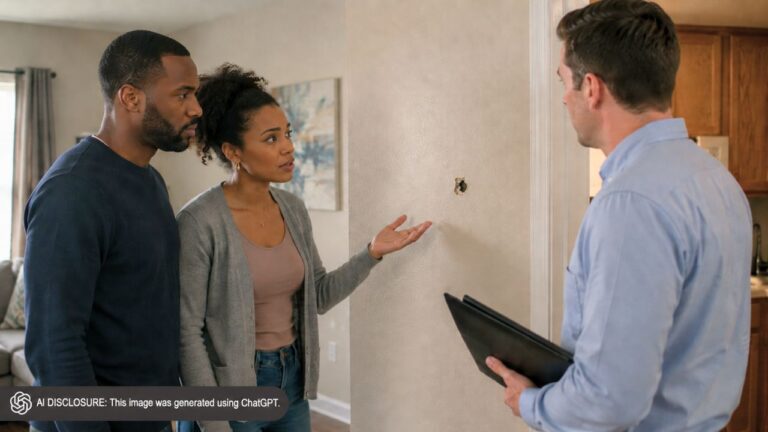
A wall is not a real backstop. Neither is a floor, a closet door, a mattress, or a bathroom cabinet. A bullet can pass through drywall and keep going into the next room, the next unit, or somewhere the shooter never even considered in the moment. Even if it stops inside the apartment, there is still the question of where it went and what it could have hit.
That is the first wave of panic after an indoor discharge.
The second wave is usually what comes next.
In this case, police got involved, and according to the poster, they took the firearm. That added another layer to an already awful situation. The gun owner was not only dealing with the fear and embarrassment of firing a round indoors. He was also suddenly dealing with law enforcement, questions, possible legal trouble, and losing possession of the firearm at least temporarily.
That is the part some gun owners do not think through until it happens.
A negligent discharge in an apartment is not private just because it happened inside your own unit. Neighbors may hear it. Someone may call 911. The bullet may damage someone else’s property. Police may need to confirm nobody was hurt, figure out where the round went, and determine whether a crime occurred. Even if the person did not mean to fire, the incident can still bring official attention fast.
And once police are there, the story is no longer yours alone.
The poster’s language suggested he understood this was negligent. That matters. There is a big difference between a mechanical failure and a person handling a loaded gun in a way that lets a round go where it should not. Calling it negligent does not make the person evil. It makes the lesson clear.
Something in the safety process failed.
Maybe the gun was assumed empty. Maybe the chamber was not checked. Maybe a magazine was removed but a round stayed chambered. Maybe someone was dry-firing after loading. Maybe the muzzle was pointed in a direction that felt safe but was not. Maybe the trigger was touched when it should not have been. The exact mechanics matter, but the bigger picture is the same: a loaded firearm was handled like it could not fire, and then it did.
Inside an apartment, that failure is terrifying.
The gun owner was lucky nobody was hurt. But luck does not erase the seriousness of the mistake. It also does not erase the damage to trust. A person who has a negligent discharge at home often has to rebuild confidence in his own habits. He may have to explain it to roommates, a spouse, neighbors, police, or a landlord. He may have to repair property. He may have to deal with noise complaints, lease issues, legal questions, or insurance problems.
The shot itself lasts a second. The embarrassment can last years.
The safest response after something like this is not to rush into explaining it away. It is to slow down and identify exactly what went wrong. Was there live ammo in the room during dry-fire? Was the gun checked properly? Was the person distracted? Was the muzzle direction chosen carefully? Was the trigger pressed intentionally during a takedown or practice routine?
If the answer is uncomfortable, good. That discomfort is the point.
A negligent discharge should change the routine permanently. Live ammo out of the room for dry-fire. Chamber and magazine well checked every time. No gun handling while distracted, angry, tired, or on the phone. No trigger press unless the firearm has been deliberately cleared and the direction would be safe if every assumption is wrong. No casual handling in an apartment where neighbors may be on the other side of thin walls.
That may sound strict, but apartments demand strict.
The police taking the firearm also shows how quickly consequences can leave your control. Once an indoor discharge is reported, the responding officers are not there to soothe the shooter’s nerves. They have to handle it like a real incident because it is one. They may secure the weapon, investigate the bullet path, talk to neighbors, and decide whether any charges or reports are necessary.
That is not the time to realize your safety habits were too loose.
For this gun owner, the best outcome had already happened in one sense: nobody was injured. But the incident still came with fear, police involvement, and a very public reminder that a gun fired indoors does not stay a private mistake.
A round went off in an apartment.
After that, the lesson belongs to everyone close enough to hear it.
Commenters mostly treated the situation as serious, not something to laugh off.
Several people focused on the apartment setting. A negligent discharge in a house is dangerous enough, but apartments add neighbors above, below, and beside you. That means muzzle direction and backstop awareness matter even more, because there may be people behind walls that look empty.
Others said the police taking the firearm was not surprising. Once a round is fired inside an apartment and law enforcement responds, they may secure the gun while they investigate what happened. Commenters warned that anyone in this situation should take the legal side seriously and avoid making careless statements.
A lot of the advice centered on fixing the handling routine. Remove ammo from the room during dry-fire, check the chamber and magazine well every time, and do not press the trigger during administrative handling unless you have deliberately cleared the firearm and chosen the safest direction available.
Some commenters were harsh about the word negligent, but the point was accountability. The gun did not fire because the room was unlucky. A safety rule broke down somewhere.
The main message was simple: nobody getting hurt was luck, not proof that the mistake was small. A negligent discharge in an apartment is a warning loud enough for the whole building.