Photo credit: Theavidoutdoorsman.com
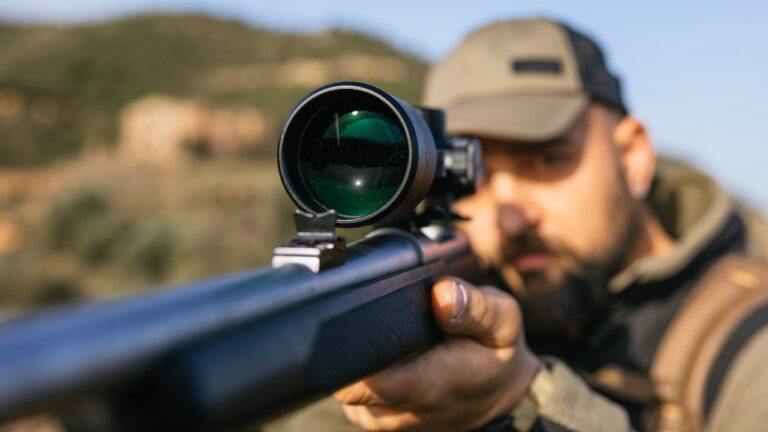
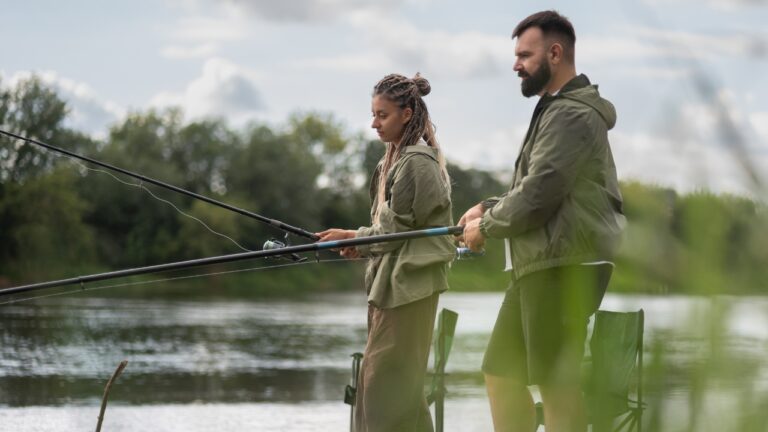
It started like a lot of weekend outdoor plans do: a truck loaded down with a cooler, a couple rods, and a small pile of gear that makes a day outside easier. The difference this time was one item most folks don’t bring to a state park—an NFA suppressor that was legal, registered, and riding along because the owner planned to do some pest control on private land after his park stop.
At the entrance gate, a routine check turned into a long headache. By the time the dust settled, the man watched a federal paperwork item disappear into an evidence bag, and he spent the better part of eight months proving what he already knew—that the suppressor had been registered all along.
A simple gate interaction turned into a seizure
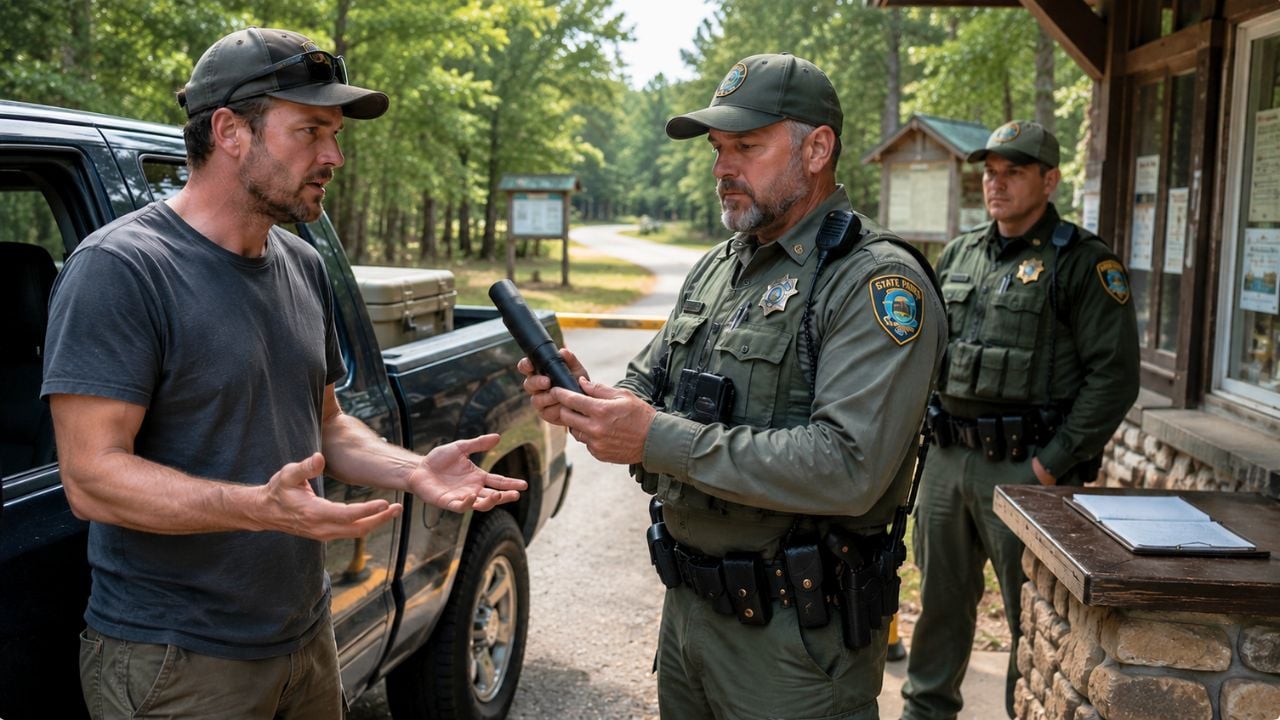
The man pulled up to the park gate on a busy afternoon when the line of vehicles was slow and the staff was trying to keep things moving. Some parks do quick license plate checks, some ask about alcohol, and some will ask if you’ve got firearms if there have been recent problems. This one did.
He did what most instructors tell you to do: stayed calm, kept his hands visible, and answered straight. He told them he had a cased rifle in the back and a suppressor in a locked container. That’s where the tone shifted. A park employee called over an officer working the gate, and the conversation went from “have a good day” to “do you have paperwork for that?”
Suppressors are legal in a lot of states, but they’re also one of those things that immediately sets off alarm bells for people who don’t deal with them often. The man said he had proof of registration—an approved tax stamp copy—and offered to show it. The officer reportedly didn’t accept what was on hand at the gate and chose to hold the suppressor “until it could be verified.”
Why “show me your stamp” isn’t always as simple as it sounds
Hunters and shooters argue about this all the time: whether you should carry a copy of your paperwork and whether a picture on your phone counts. In the real world, a lot of folks keep a reduced copy in the rifle case or store a PDF in their phone because the original is something you don’t want creased, wet, or lost.
The problem is that not every officer or gate worker understands what they’re looking at. Some expect an original. Some don’t know the difference between an individual registration and a trust. Some don’t know that eForms approvals are common now and that a printed copy is still a copy.
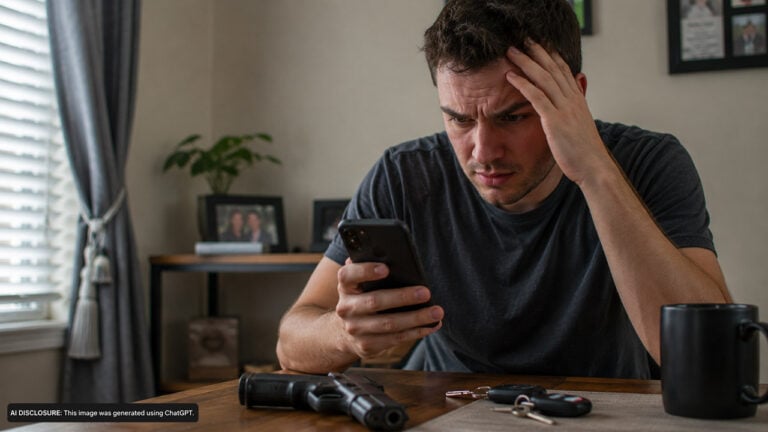
At the park gate, the man’s paperwork apparently didn’t satisfy the person making the call. So the suppressor went one direction and he went another—with a receipt and a case number, but without the piece of equipment that can cost as much as a good rifle.
The long grind of verification with the ATF
Once an NFA item gets pulled into an official “verification” process, your timeline is no longer your own. The man did what most folks would do: contacted the local office listed on the receipt, asked what exactly was needed, and started assembling his documentation.
That usually means copies of the approved Form 4 or Form 1, serial number documentation, photos of markings, and any correspondence from the original approval. If the suppressor was owned by a trust, it can also mean providing trust documents to show who’s allowed to possess it and how it’s registered.
What made this ordeal drag out wasn’t that the suppressor was illegal. It was the opposite. It was registered—but it still took months to get the right person to confirm it, push the confirmation through the system, and authorize a return. Meanwhile, the suppressor sat in a property room like a forgotten pocketknife.
Eight months is a long time for any piece of gear to sit, especially one with a serialized tube and a finite service life. Even if it’s treated well, you’ve got real concerns: was it stored in a humid room, did it get knocked around, did anyone disassemble it, did the mounting hardware walk off? When you’re the owner, you don’t get to control any of that.
What the outdoors crowd focused on: paperwork, transport, and “don’t volunteer info”
If you spend five minutes around gun counters or hunting forums, you can predict the reaction. A lot of commenters zeroed in on the same themes: always carry a printed copy of your approval, keep the suppressor in a locked case, and avoid state parks if you don’t know the rules cold.
Another camp took the “say less” approach. Their view is that if you’re not required to declare a firearm or an NFA item at a gate, don’t create the conversation. Just follow the posted rules, keep the gear secured, and go about your business. The trouble is that a lot of places have their own entry policies, and the moment an officer asks directly, you’re stuck balancing honesty with the fact that not everyone understands NFA law.
Several people also pointed out the practical side: even when you’re 100% legal, “prove it right now” isn’t always possible in a parking lot with poor reception and a line of cars behind you. That’s where good documentation habits matter. Not because you did something wrong, but because you might need to educate someone who’s never seen an eForm approval.
The practical lessons for suppressor owners who hunt and travel
This kind of story is a reminder that owning NFA gear is different than owning a standard rifle or shotgun. You’re not just carrying equipment—you’re carrying paperwork baggage whether you like it or not.
First, keep multiple copies of your approved forms. One in the gun safe, one in the vehicle kit, and one on your phone in an offline folder so you’re not dependent on cell service. If you use a trust, keep the relevant pages handy so you can show you’re authorized to possess it without handing over your whole life history.
Second, think hard about where you’re going and what the rules are. State parks can be a patchwork—some allow firearms for lawful purposes, some restrict discharge, some have different rules for campgrounds versus trailheads. Even if you’re not planning to shoot, possession rules can get sticky in places that lean “family recreation” and treat anything gun-related as a problem to be solved.
Third, understand that “they’ll just check the serial number” isn’t always quick. Verification can be slow, and getting property released can be slower. If your suppressor is a core piece of your hunting setup, losing it for a season isn’t theoretical—it’s a real setback.
In the end, the man got his suppressor back, but only after months of phone calls, paperwork, and waiting on a process that doesn’t move at the speed of a weekend plan. For those of us who hunt, fish, and travel with the tools we’ve worked hard to buy legally, the takeaway is simple: stay calm, document everything, and don’t assume the person checking the gate knows NFA rules better than you do.