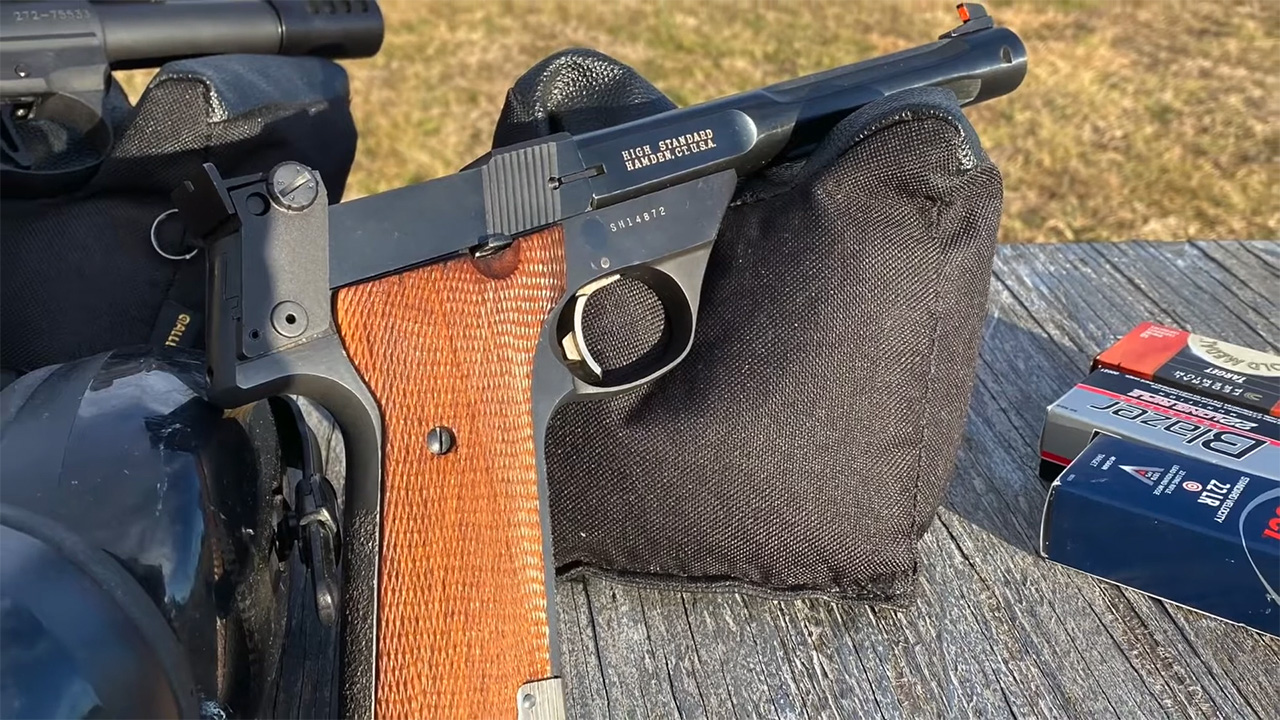
Photo credit: Jason Campbell/Youtube
Some guns come and go without leaving much of an impression. You buy them, shoot them for a while, decide something else does the same job better, and eventually trade them away without thinking much about it.
Then there are the guns that become permanent. Maybe the trigger has worn in perfectly, the stock fits exactly right, or you have simply spent enough time behind the sights that everything feels automatic. At that point, replacement stops making sense. A newer gun might be lighter, faster, or packed with more features, but it would still have to earn the familiarity the old one already has. These are the firearms I would keep because years of shooting have made them too dependable, too useful, or too familiar to replace.
Browning Auto-5 Light Twelve
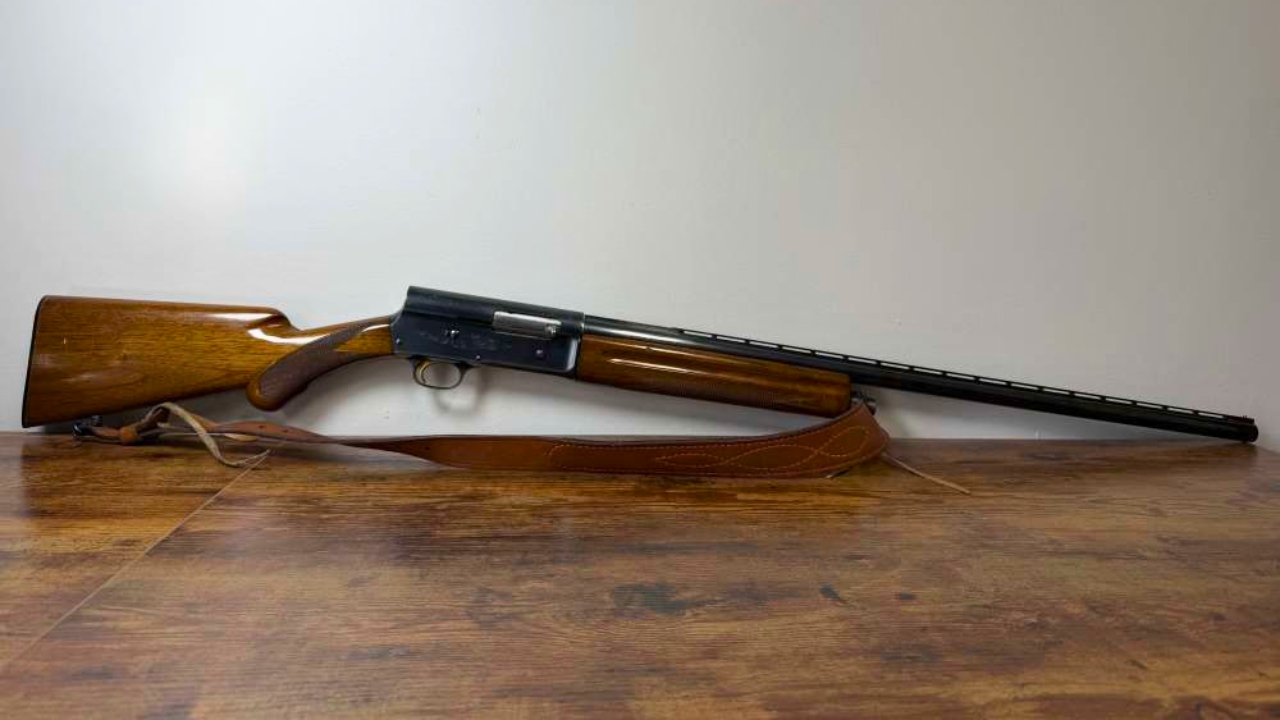
The Auto-5 Light Twelve is one of those shotguns that feels strange to younger shooters until they spend enough time with one. The humpback receiver, long-recoil action, and old-school controls are completely different from the slick gas guns filling racks today, but the design has a rhythm of its own. Once you learn how it swings and how the action feels, the gun becomes incredibly natural on birds. The receiver profile also gives you a distinctive sighting plane that many longtime owners end up preferring.
I would never sell one after putting years into it. Modern semiautos may be softer shooting and easier to clean, but they do not duplicate the feel. Familiarity matters enormously with a shotgun, and once an Auto-5 starts mounting naturally every time, replacing it becomes pointless.
Winchester Model 12
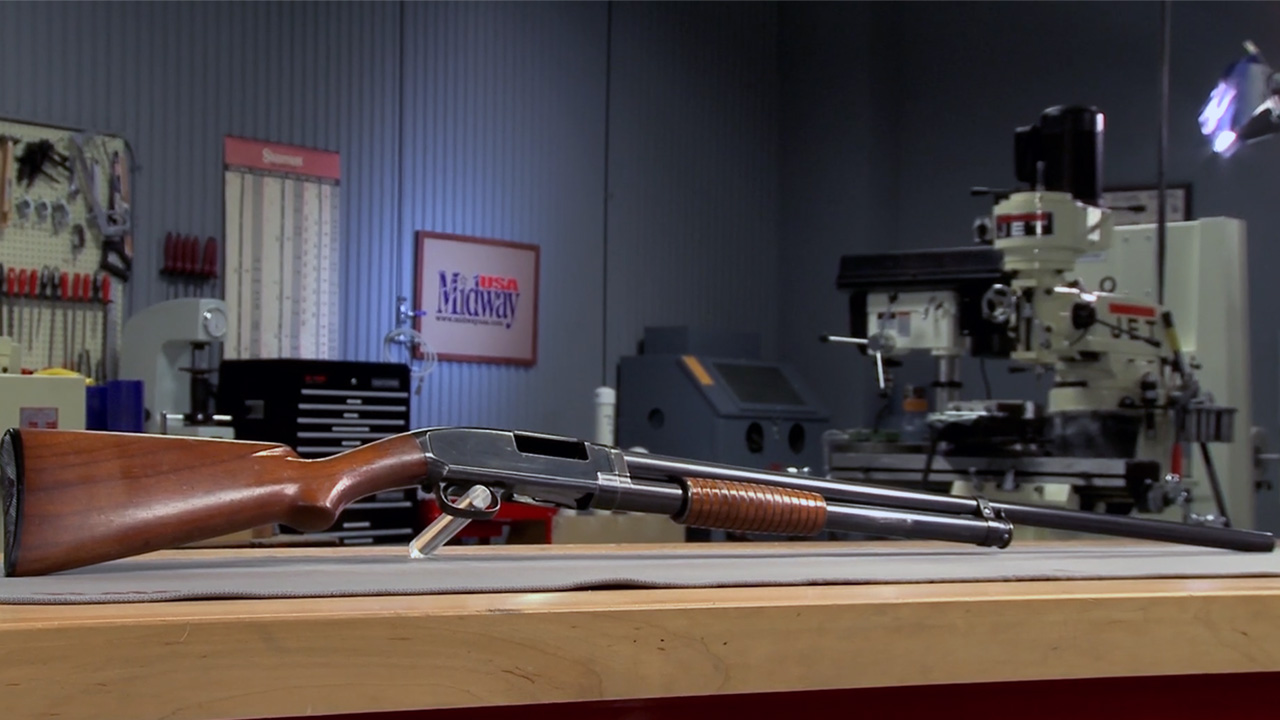
The Model 12 is heavier and more mechanically involved than many modern pump shotguns, but that is part of why it feels so good after years of use. The action becomes remarkably slick, the gun points naturally, and the all-steel construction gives it a sense of solidity that newer pumps rarely match. A well-worn Model 12 can feel almost custom because every moving surface has had decades to smooth itself out.
That kind of familiarity is hard to put a price on. You can buy a lighter pump with larger controls, but it will not immediately feel like the gun you have mounted and fired thousands of times. Once a Model 12 becomes that familiar, I would rather keep it than chase something newer.
Remington 7600 .30-06
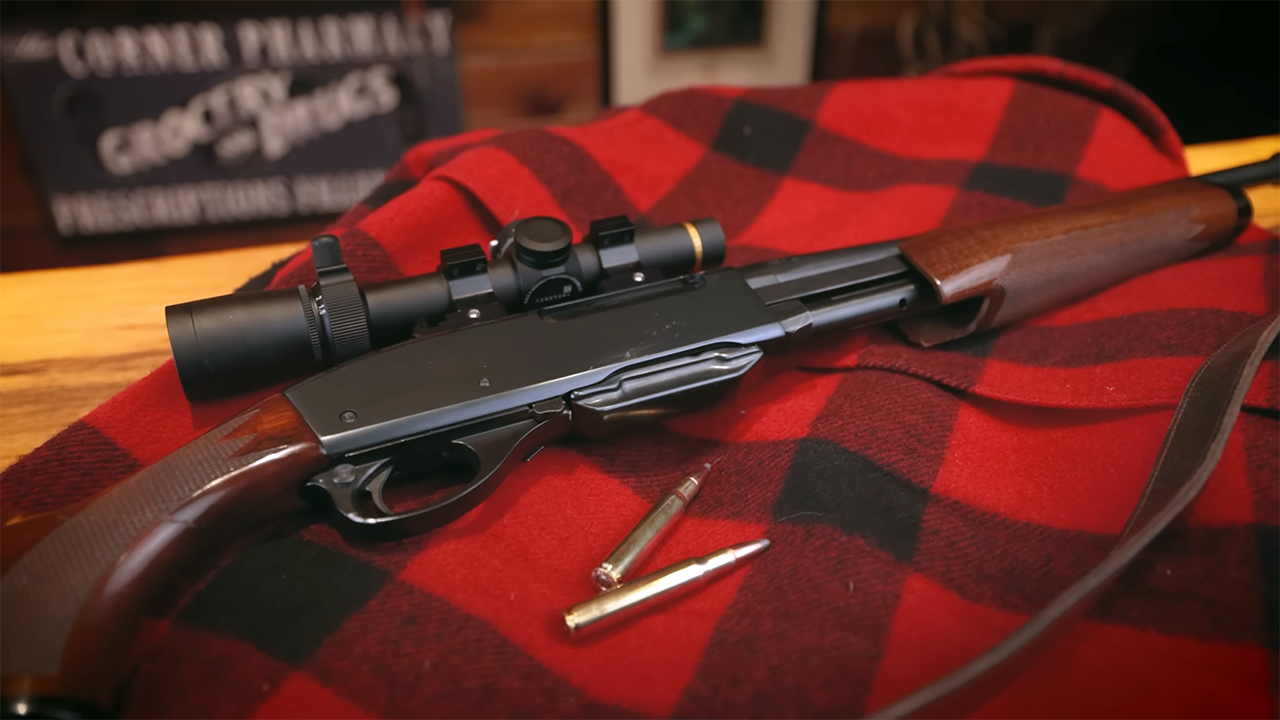
The 7600 has always made sense to hunters who want fast follow-up shots without moving to a semiautomatic. The pump action is quick once you get used to it, the detachable magazine is practical, and the rifle handles surprisingly well in thick woods. In .30-06, it also gives you enough cartridge for nearly any deer-hunting situation and plenty of larger game.
The more you shoot one, the more automatic the pump stroke becomes. That matters during real hunting, where familiarity can be more useful than tiny theoretical advantages. If I had spent seasons carrying a 7600 and knew exactly where it hit, I would not trade that confidence for a newer rifle simply because the new one looks more modern.
Browning BAR Mk II Safari

The BAR Mk II Safari is not light, but that weight becomes much easier to appreciate once you shoot it enough. The semiautomatic action softens recoil, the rifle settles well from a stand or rest, and the traditional stock gives it the feel of a serious hunting rifle instead of a tactical platform. In cartridges like .270, .30-06, or .308, it provides plenty of capability without making follow-up shots difficult.
This is the kind of rifle hunters build habits around. Once the safety, trigger, balance, and recoil impulse become second nature, replacing it with something lighter can actually feel like a downgrade. A rifle that fits you perfectly after years of use earns the right to stay.
Ruger M77 Mk II .30-06
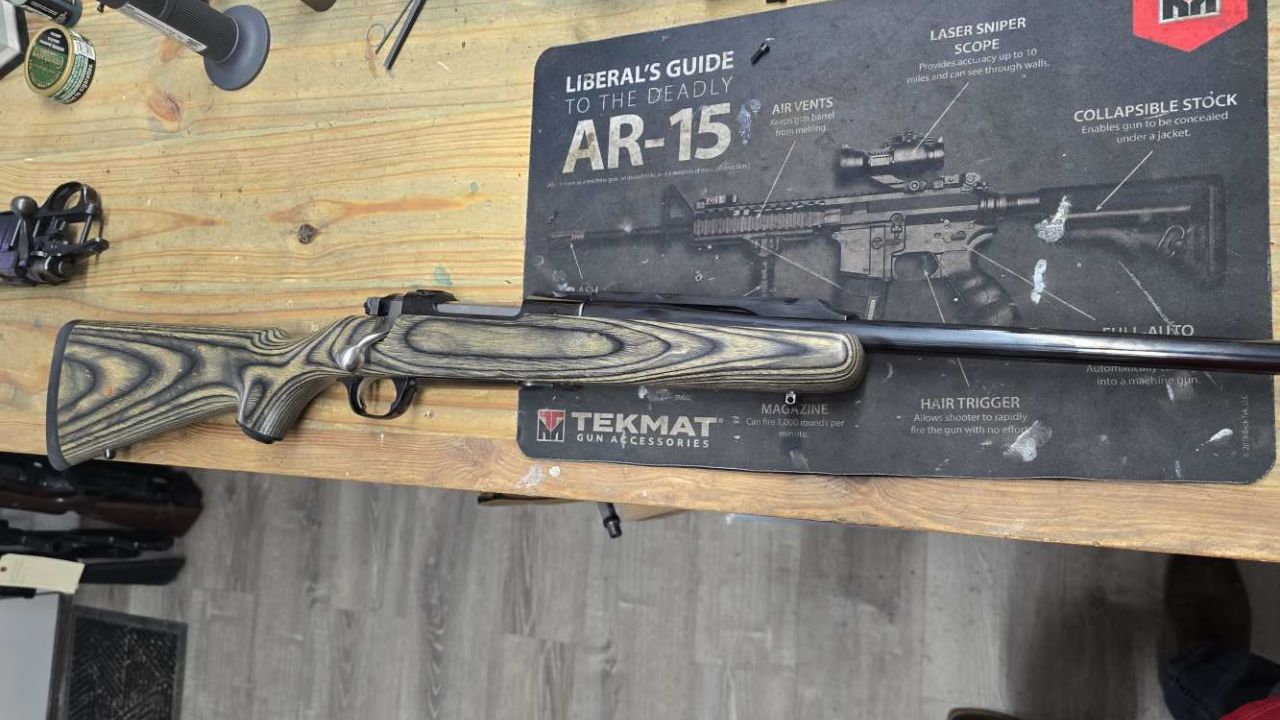
The M77 Mk II is one of those rifles that can look plain beside newer bolt guns, but the older Ruger action has a toughness that becomes more appealing with time. The controlled-round-feed design, fixed ejector, and substantial receiver make the rifle feel built for real hunting rather than benchrest bragging. The stock may pick up scratches and the finish may wear, but that usually makes the gun feel better rather than worse.
If I had one that consistently grouped well and carried naturally, there would be no reason to move on. A new rifle might save a pound or have a smoother bolt, but it would still need years to become as familiar.
Winchester Model 70 Featherweight .270
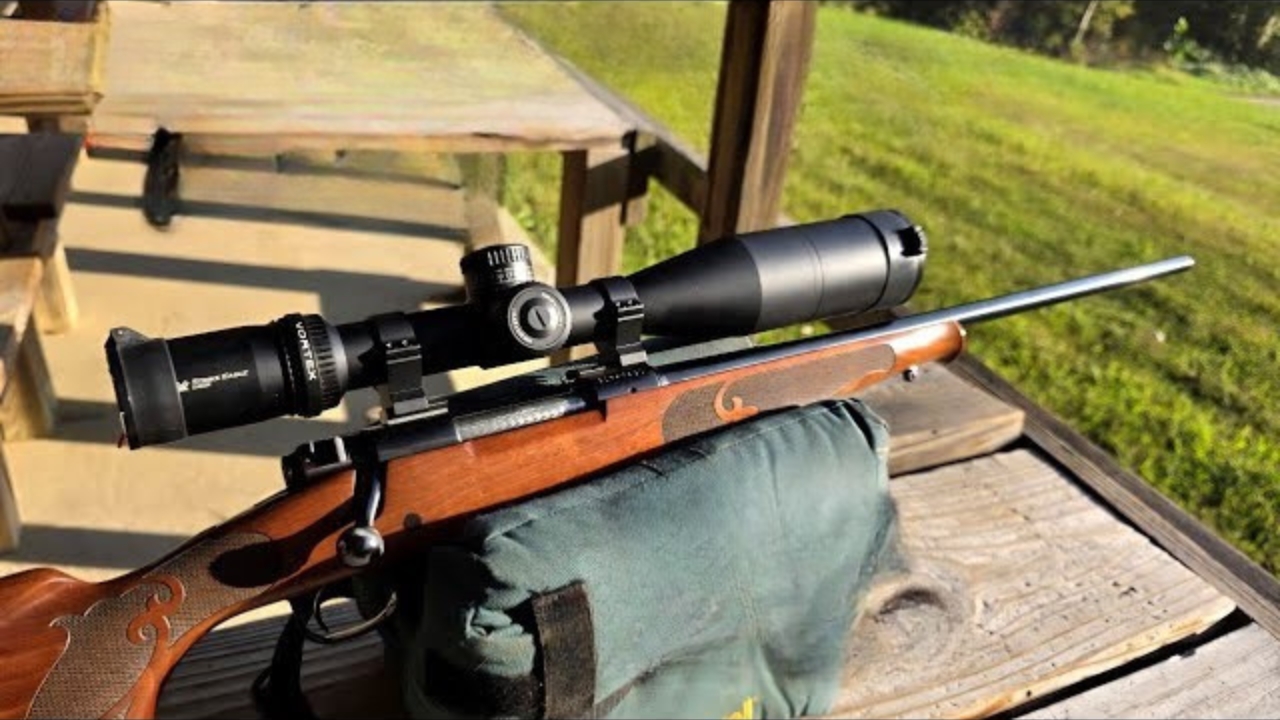
The Featherweight is the kind of hunting rifle that becomes difficult to replace because the balance is so good. The stock is slim, the rifle carries easily, and the controlled-round-feed action has the traditional feel many hunters prefer. In .270 Winchester, the combination is especially hard to argue with for deer and open-country hunting.
After enough seasons, a rifle like this becomes more than a cartridge and action. You know exactly how it comes to the shoulder, how the safety feels with gloves, and where the first cold-barrel shot is going. That level of confidence matters more than whatever new feature shows up in next year’s catalog.
Marlin 1895 Guide Gun
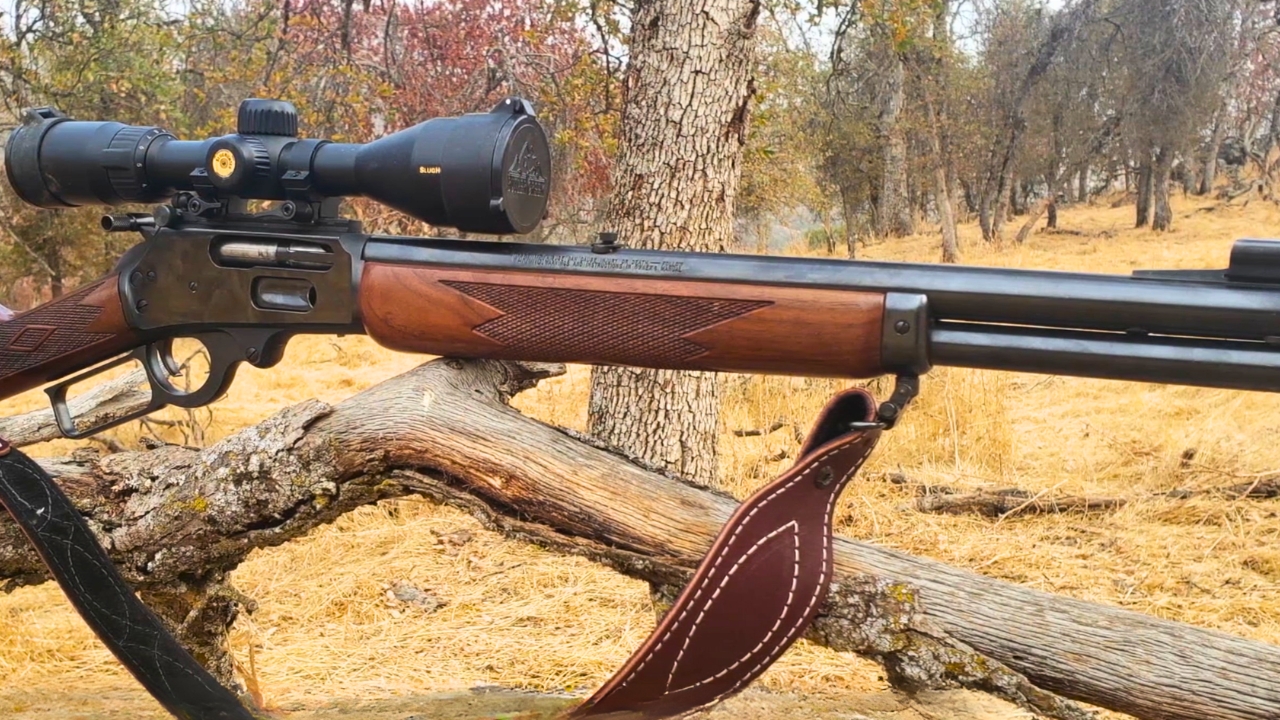
The Guide Gun takes the .45-70 and packages it into something short enough to carry easily through thick woods. The recoil is substantial, but once you shoot it enough, you learn how the rifle moves and how quickly you can get back on target. The lever action is straightforward, the gun is easy to carry, and the cartridge gives you confidence around large game or heavy cover.
This is exactly the kind of rifle that grows on you with use. It may not be the gun you shoot the most rounds through, but every season spent carrying it makes the handling feel more natural. I would not replace that familiarity with a newer lever gun unless the old one had actually failed me.
Henry H001 .22 LR
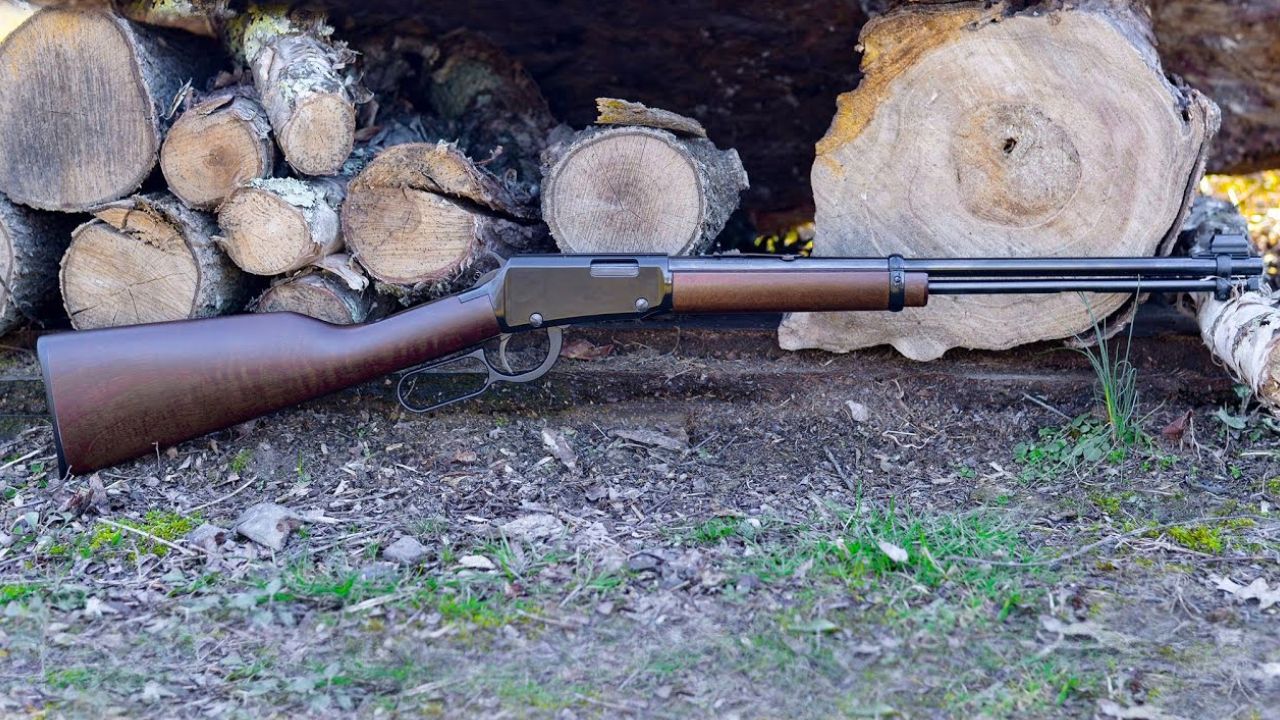
The H001 is not fancy, and that is part of why it becomes so easy to keep forever. It is light, fun to shoot, and useful enough that it can end up being the rifle you grab more often than anything else. The lever throw is easy, recoil is nonexistent, and the .22 LR chambering means you can spend hours shooting without worrying about cost or fatigue.
A gun like this tends to collect memories faster than expensive rifles do. Kids learn on it, cans get shot with it, small game gets taken with it, and eventually the rifle feels like part of the property. At that point, selling it for a few hundred dollars would make no sense.
CZ 452 American
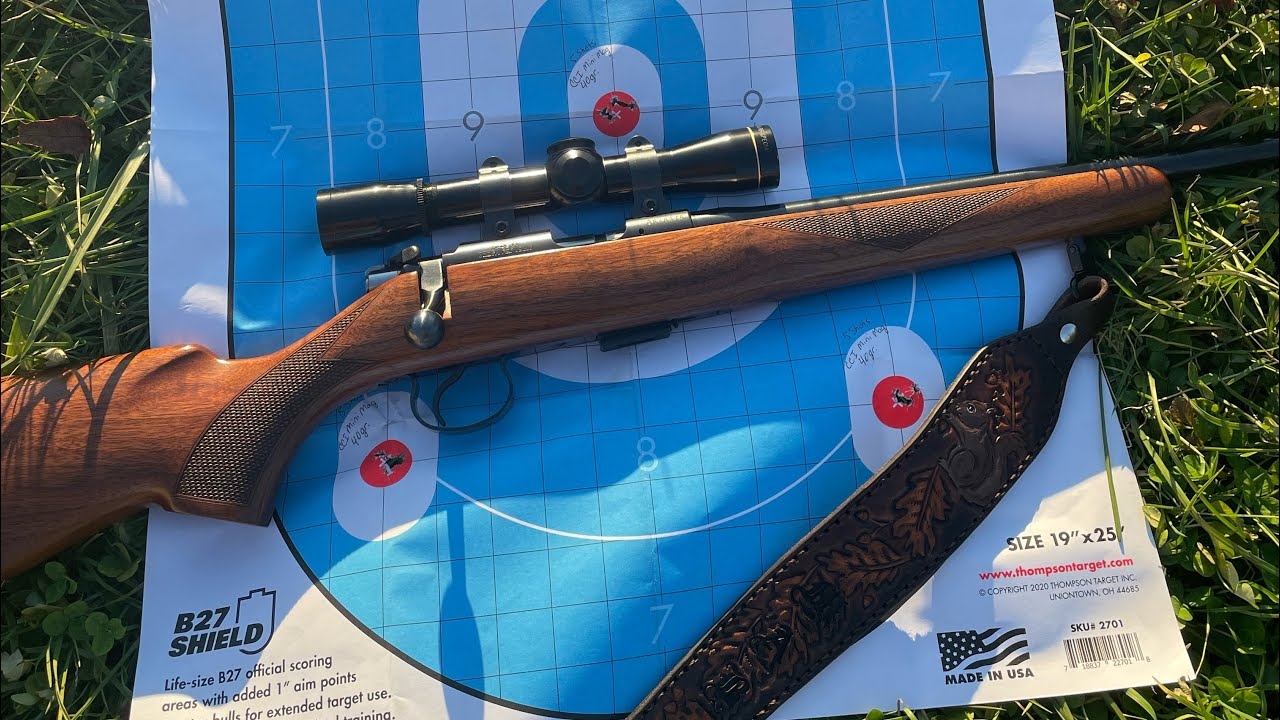
The CZ 452 earned its reputation by being one of those rimfire rifles that routinely shot better than people expected. The action is smooth, the trigger can be excellent, and the traditional stock gives the rifle a more serious feel than most inexpensive .22s. It is accurate enough for careful small-game hunting and enjoyable enough for long afternoons at the range.
Once you find a .22 rifle that shoots several loads well and fits you naturally, there is almost no reason to let it go. A newer rimfire may have more adjustability or a threaded barrel, but the old CZ already knows how to put bullets where you want them.
Remington 552 Speedmaster
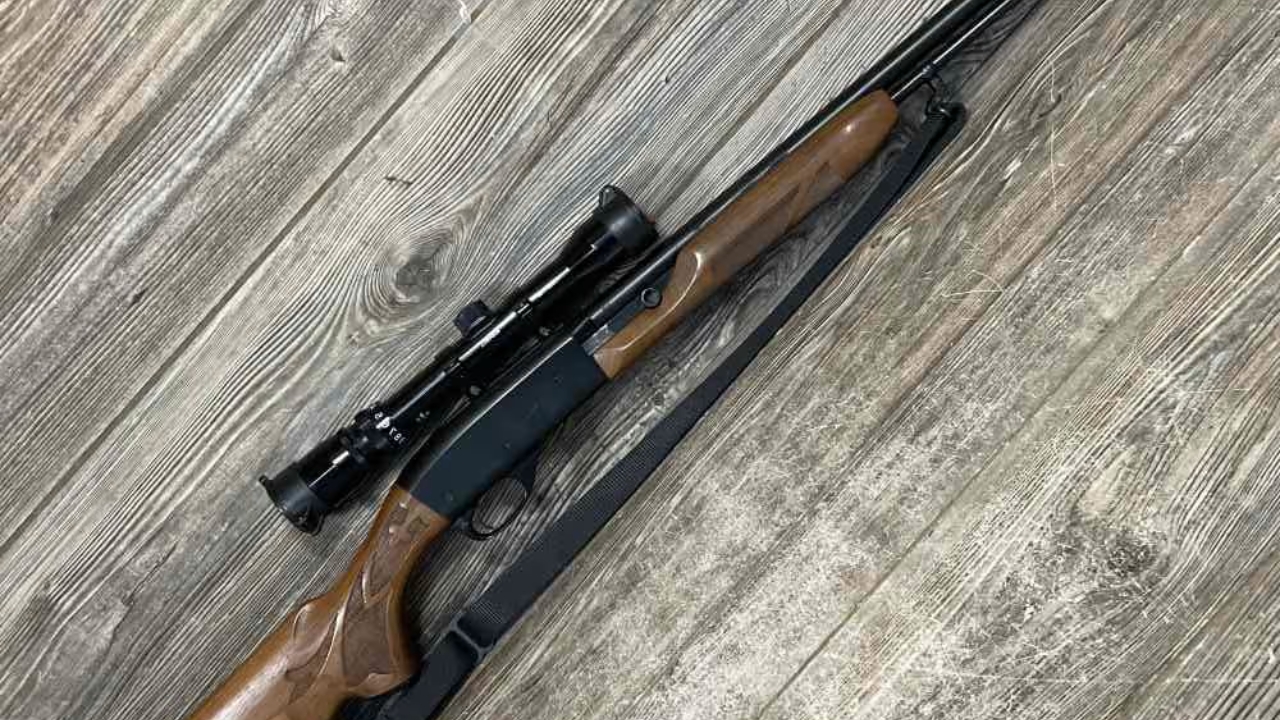
The 552 is one of those rimfire rifles people often keep for decades because it does something increasingly rare: it gives you a smooth semiautomatic platform that can handle multiple .22 rimfire load types depending on configuration and ammunition. The rifle has classic lines, a tubular magazine, and the kind of old Remington feel that makes it more interesting than a basic modern plinker.
It is not tactical or modular, but none of that matters after you have shot one for years. The rifle becomes familiar, dependable, and useful in a way that is hard to duplicate. I would rather keep a proven 552 than replace it with a cheaper new semiauto.
Beretta 686 Silver Pigeon I

A good over-under becomes deeply personal once the dimensions and balance fit you. The 686 is one of those guns that may not feel dramatically different from competitors in the store, but after thousands of shells the relationship changes. The action opens and closes with a familiar feel, the barrels swing exactly the way you expect, and mounting the gun becomes nearly automatic.
That is why I would never sell one that had become part of my shooting rhythm. Shotguns are especially dependent on fit and muscle memory. Replacing a gun that already comes to your shoulder perfectly is one of the easiest ways to spend a lot of money making yourself worse.
Ithaca Model 37 Featherlight
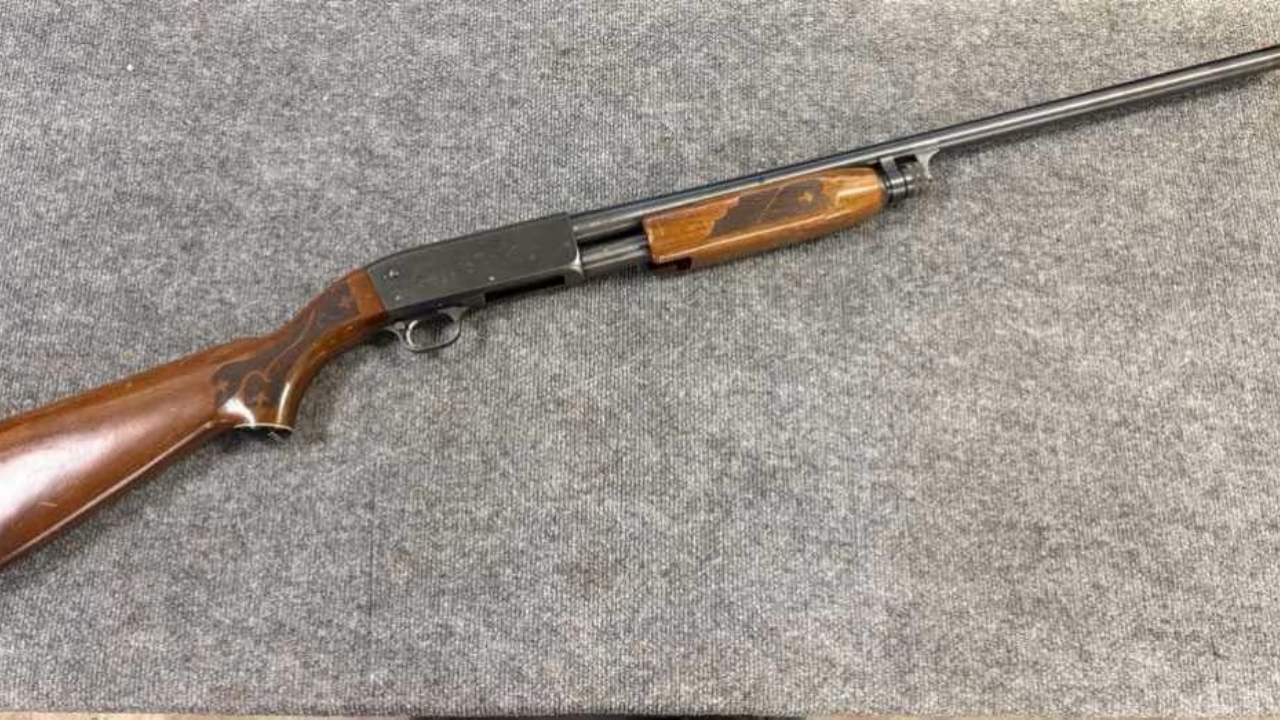
The Model 37 Featherlight has a handling quality that newer pumps rarely duplicate. The bottom-loading and bottom-ejecting design keeps the receiver clean on both sides, while the light weight makes the gun easy to carry all day. The action also becomes extremely smooth with use, especially on older examples that have spent decades being worked.
After enough bird seasons, that smoothness becomes part of the gun’s identity. You know exactly how far the fore-end travels and how the shotgun swings through a target. A modern pump might be more modular, but there is nothing automatically better about it.
Ruger Mini Thirty

The Mini Thirty is not the rifle everyone would choose on paper, but familiarity can make it hard to replace. The traditional stock, Garand-style action, and compact dimensions give it a completely different feel from an AR. In 7.62×39, it also produces more authority than 5.56 while keeping recoil manageable and the rifle handy.
If I had already spent years learning exactly which ammunition it liked and how it grouped, I would not be eager to start over with another platform. A known rifle with known preferences is often more valuable than a supposedly better rifle you have not proven yet.
Remington 700 BDL .30-06
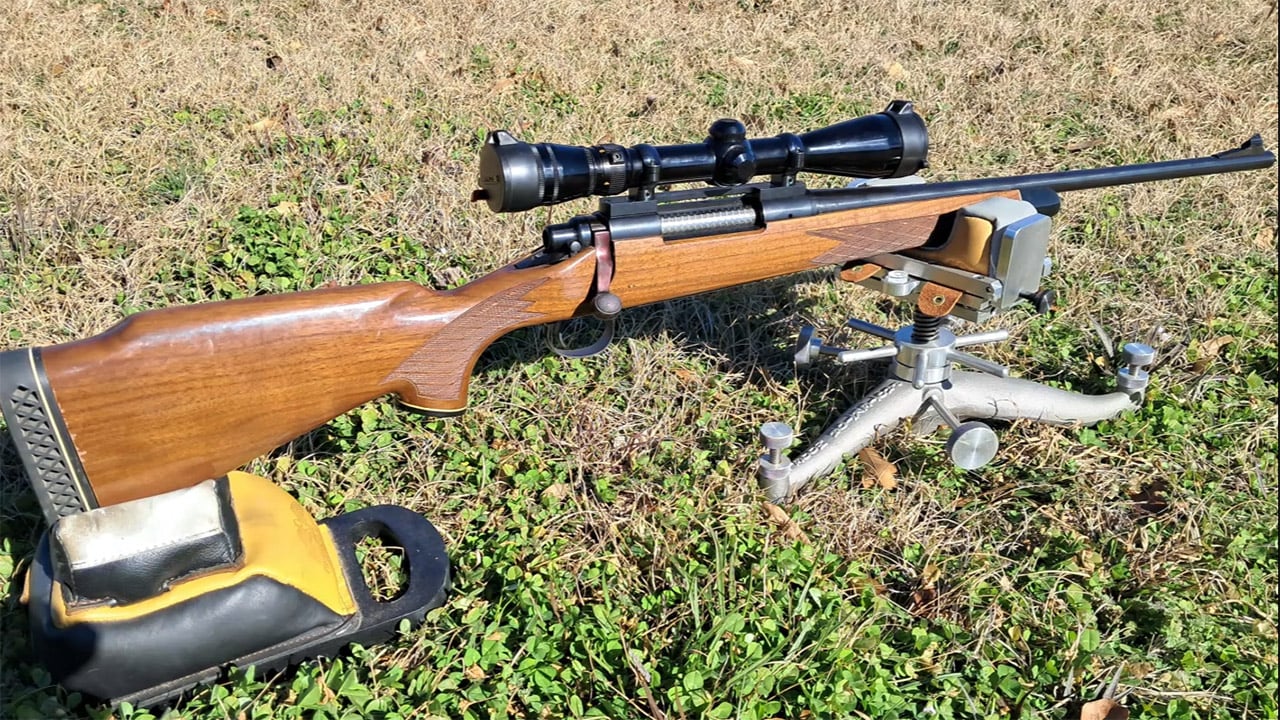
The 700 BDL represents the kind of classic deer rifle that becomes nearly impossible to replace emotionally once it has been used long enough. The glossy walnut stock, hinged floorplate, and traditional lines give it a look tied directly to American hunting camps. More importantly, a good 700 can shoot extremely well and has decades of aftermarket support behind it.
If the rifle had already taken deer, held zero through multiple seasons, and proven exactly what ammunition it liked, I would never see much reason to sell it. The next bolt gun may be lighter or more adjustable, but it will not have the same history.
Sako L579 Forester

The L579 is one of those older Sako rifles that reminds you how refined factory bolt guns could be before everything became about modularity. The action is extremely smooth, the machining is excellent, and the rifle feels compact and balanced in the hand. Chamberings like .243 Winchester and .308 Winchester fit the action particularly well.
The more you shoot one, the harder it is to accept rougher actions and cheaper-feeling stocks. If I had already owned and hunted with a Forester for years, selling it would mean giving up a standard that many newer rifles simply do not match.
Colt Series 70 Government Model

A Series 70 Government Model is the kind of pistol that gets better the more time you spend with it. The single-action trigger, slim profile, and natural pointability are already appealing, but familiarity makes the platform even better. After enough rounds, the thumb safety, grip safety, and trigger press become automatic, and the pistol starts feeling like an extension of your hand.
There are higher-capacity pistols and easier guns to carry, but none of that automatically replaces skill built on one platform. If I had a Series 70 that was reliable and accurate, I would rather keep shooting it than spend years trying to make another pistol feel the same.
SIG Sauer P225

The P225 is one of the best examples of a pistol that feels better than its capacity numbers suggest. The single-stack grip is slim, the alloy frame keeps weight manageable, and the DA/SA trigger system has the traditional SIG feel that many shooters learned to love. It points naturally and carries easier than the larger service pistols of its era.
Once the double-action first shot and decocking system become second nature, the pistol is extremely comfortable to run. Newer guns hold more ammunition, but that does not make them automatically better for someone who already shoots the P225 exceptionally well.
Beretta 85F
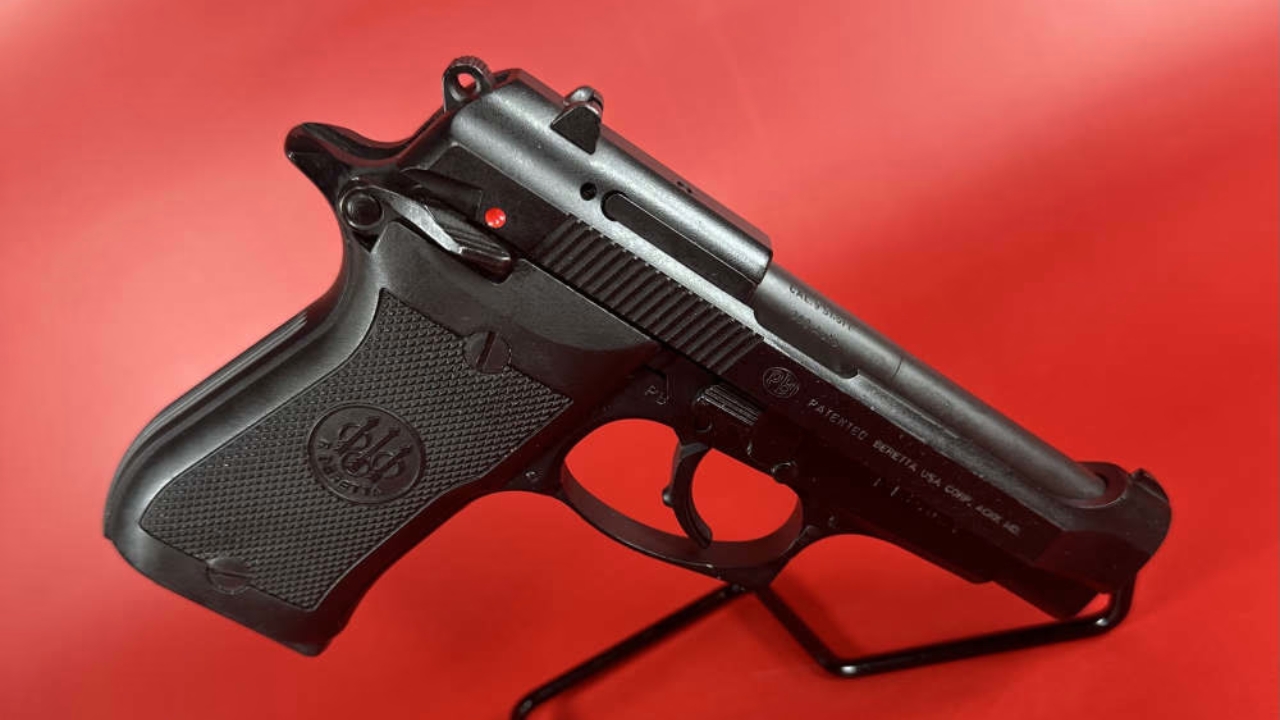
The 85F gives you a slim single-stack .380 in a beautifully made alloy-frame pistol. It is larger than modern pocket .380s, but that extra size makes it much easier to shoot accurately. The open-top slide, traditional DA/SA action, and well-shaped grip give it the kind of refinement that tiny polymer guns rarely match.
If I had carried and shot one for years, I would have no interest in replacing it just because a smaller pistol held more rounds. The Beretta is the kind of gun that rewards familiarity, and once it fits your hand, the numbers on a spec sheet stop mattering as much.
Smith & Wesson Model 645
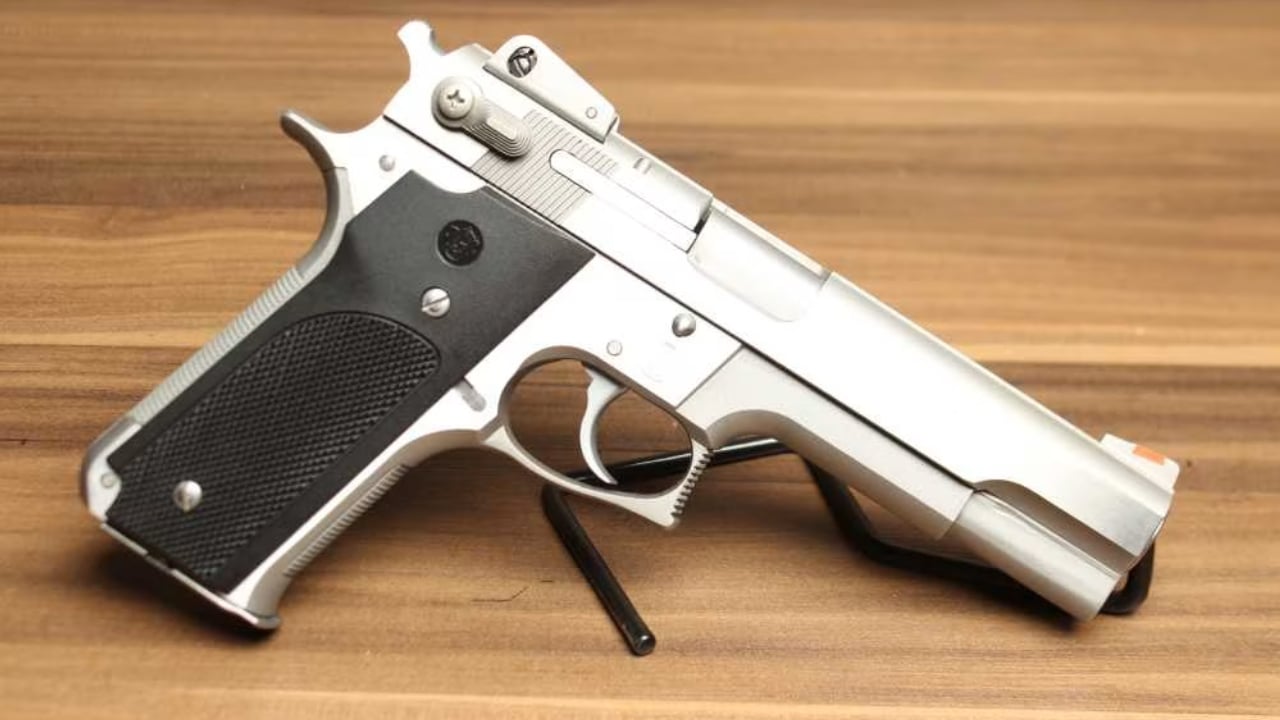
The 645 is heavy, large, and thoroughly old-school, but those same traits make it remarkably easy to shoot well. The stainless frame soaks up .45 ACP recoil, the grip feels substantial, and the DA/SA action gives the pistol a very deliberate rhythm. It was built as a service gun during an era when nobody cared much about shaving ounces.
Once you have put enough rounds through one to master the first trigger pull, the pistol becomes extremely predictable. That predictability is why I would keep it. A newer polymer .45 may be lighter, but it will not automatically be easier to hit with.
High Standard Supermatic Citation
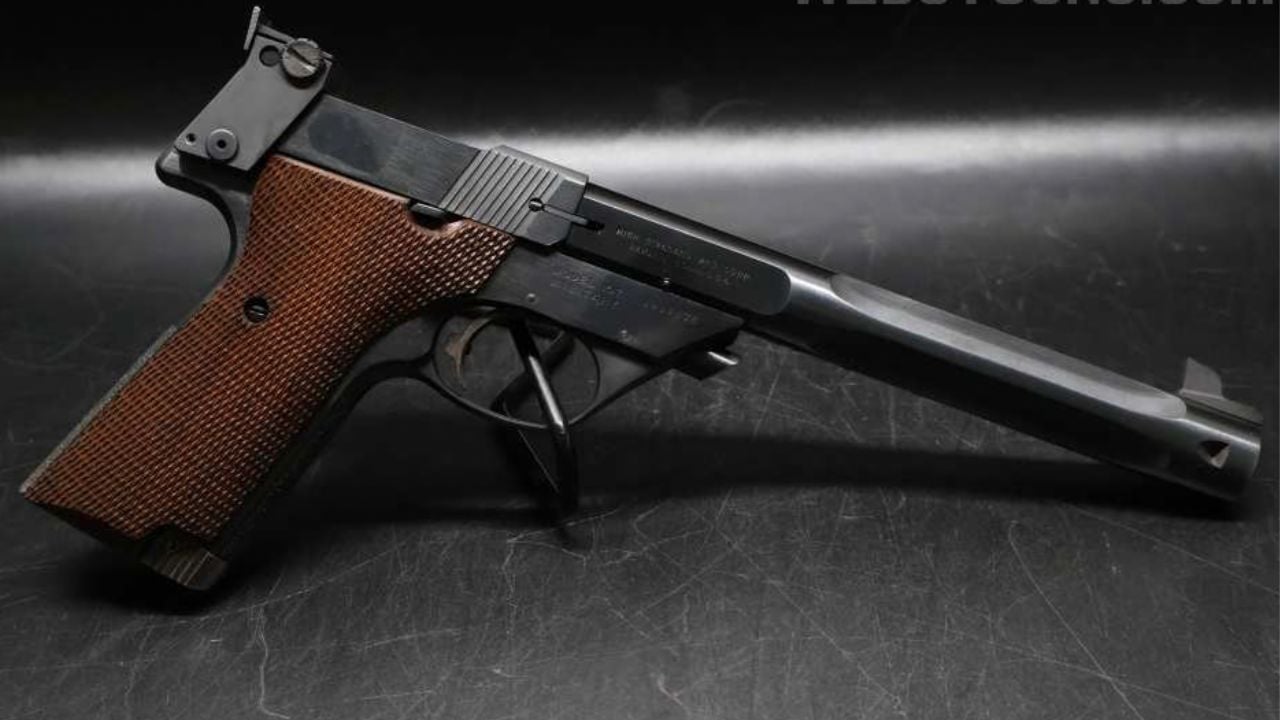
The Supermatic Citation is the kind of target pistol that can spoil you for ordinary rimfires. The trigger, balance, and sighting setup are all designed around precision, and the gun has enough weight to remain steady during deliberate shooting. It was built in an era when serious target pistols did not need rails, optics plates, or aggressive styling to prove what they could do.
If I had spent years shooting one and knew exactly how it behaved, there would be no reason to sell it. A target pistol is all about consistency, and once you find one that makes tight groups feel routine, replacing it becomes a solution in search of a problem.
Like The Avid Outdoorsman’s content? Subscribe to our newsletter so you never miss an article.
Here’s more from us: