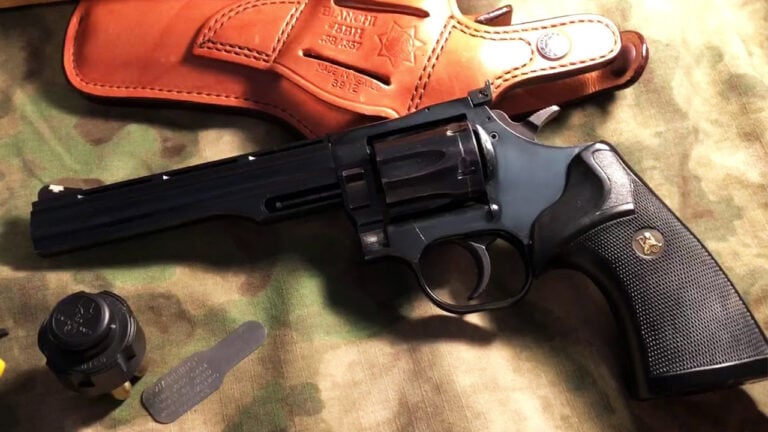
Photo credit: TheGearTester/Youtube
Carry revolvers have a way of cutting through the noise. No magazines to chase, no slide to short-stroke on a bad grip, and no mystery about whether it’s loaded. You’ve got a cylinder, a trigger, and a handful of rounds that will sit there for years and still work when you need them. That simplicity is why so many outdoorsmen kept a wheelgun close long after the polymer pistol wave took over.
But not all revolvers pushed the carry world the same direction. Some made concealed carry realistic for normal folks. Some proved a big-bore could still be carried all day. A few taught hard lessons about recoil, weight, and what “snub-nose” really feels like at the range. Here are 20 revolvers that reshaped what people expect from a carry gun.
1. Smith & Wesson Model 36 “Chief’s Special”
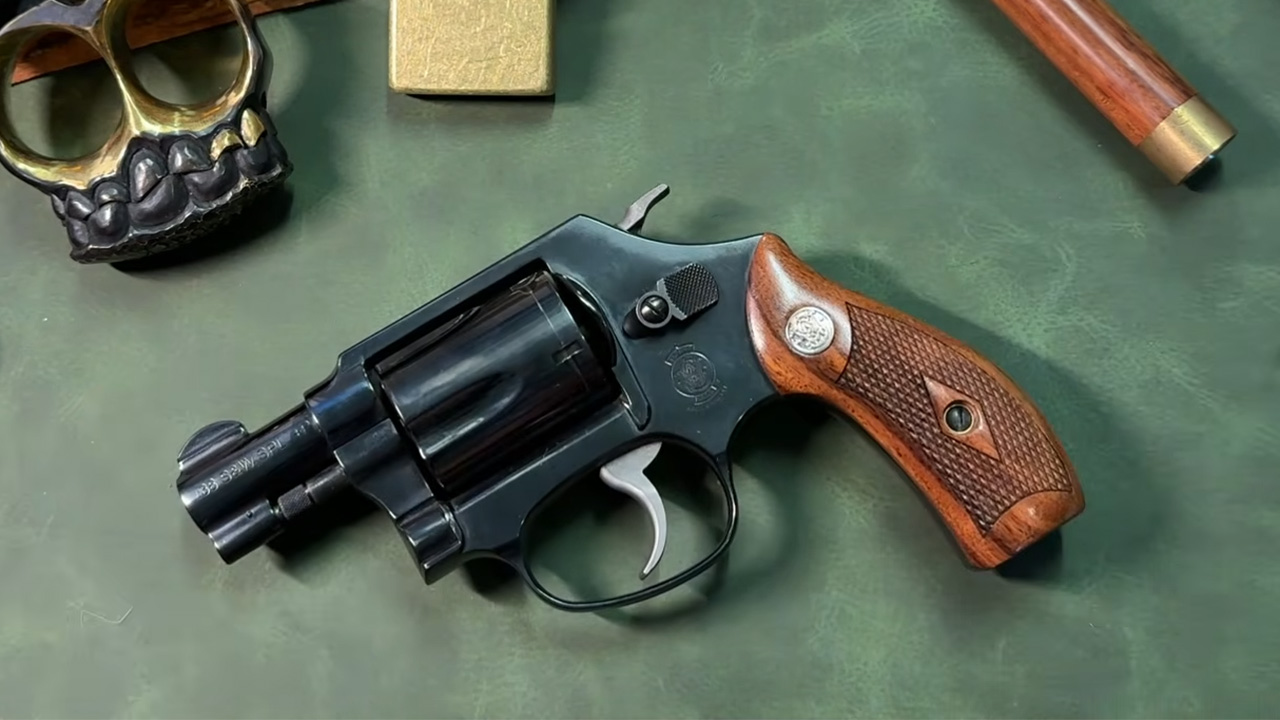
This is one of the originals that made the idea of a truly concealable revolver mainstream. Small frame, simple sights, and a profile that disappears in a coat pocket like it was designed for it—because it was.
It also taught generations that small guns are not automatically easy guns. The grip is short, the sights are basic, and the trigger can feel like work if you’re new. Still, it’s a blueprint that a lot of later snubs copied.
2. Smith & Wesson Model 60 (stainless J-frame)
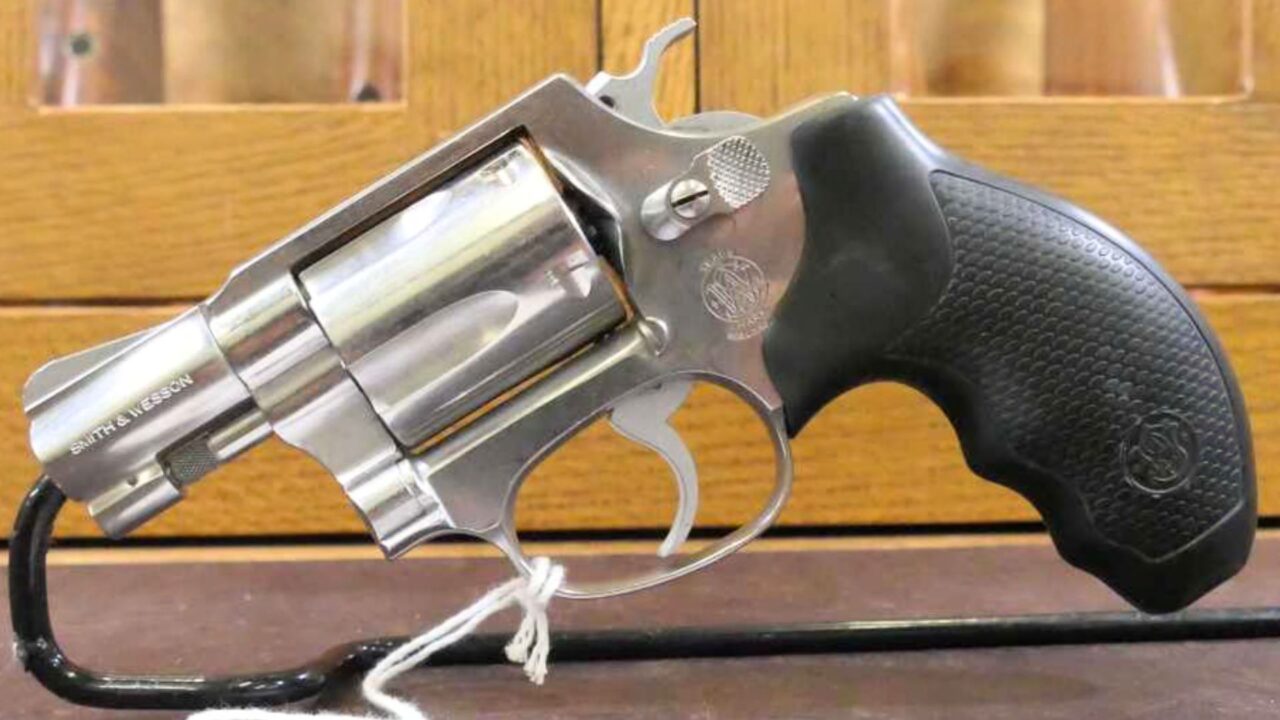
Take the little Chief’s Special concept and give it stainless steel, and you’ve got a carry gun that doesn’t mind sweat, rain, or a season riding in a tackle bag. That mattered more than people admit, especially for folks who actually live outdoors.
The Model 60 also normalized the idea that a carry revolver could be an “everyday” tool, not a pampered safe gun. It’s not the lightest choice, but it holds up, and that counts.
3. Smith & Wesson Model 642 Airweight

The 642 is what a lot of people picture when they picture a modern pocket revolver: enclosed hammer, light frame, and no drama. It carries when you’re not “feeling like carrying,” which is a real category whether we like it or not.
It’s also a recoil teacher. With +P ammo, it reminds you that physics is still in charge. Folks who practice with it tend to respect it, and folks who don’t… well, you can usually tell.
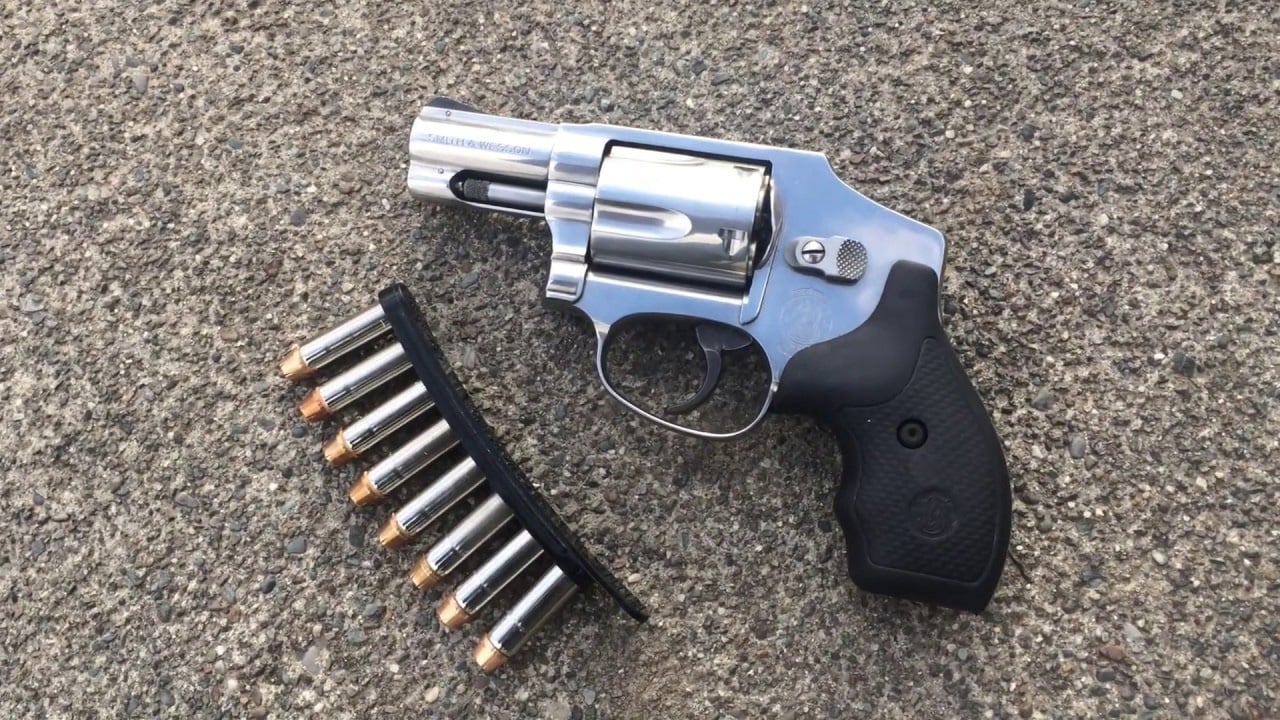
4. Smith & Wesson Model 640 (all-steel Centennial)
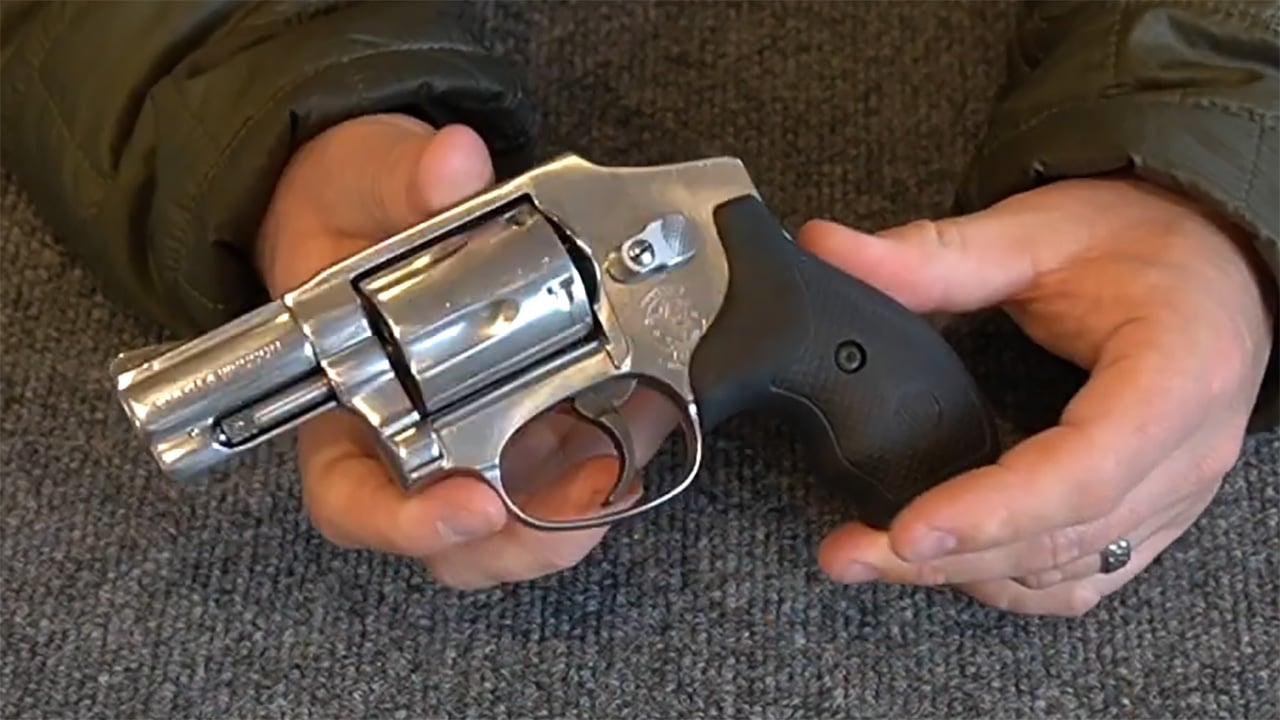
Same general shape as the 642, but heavier, and that extra weight changes the whole experience. The 640 made a strong case that controllability is a carry feature, not a range luxury.
If you’ve ever watched someone shoot a lightweight snub and then shoot a 640, you’ve seen the light bulb turn on. It carries a little heavier, but it shoots like it wants to help you.
5. Ruger LCR

When Ruger rolled out the LCR, plenty of traditionalists grumbled about how it looked. Then they shot it. The trigger was better than expected, the gun was lighter than expected, and it carried like a pocketknife.
The LCR also helped normalize polymer and aluminum in a revolver without turning it into a gimmick. It’s not romantic, but it’s useful, and “useful” wins a lot of arguments.
6. Ruger SP101

The SP101 is the opposite of the featherweight trend, and it’s on this list because it proved a small revolver doesn’t have to be delicate. It’s stout, it’s steady, and it soaks up recoil better than most small-frame guns.
It’s also one of those carry guns that people buy for the woods and then realize it’s not terrible for town either. Not everyone wants that weight on the belt, but if you do, it pays you back.
7. Ruger GP100 (3-inch)
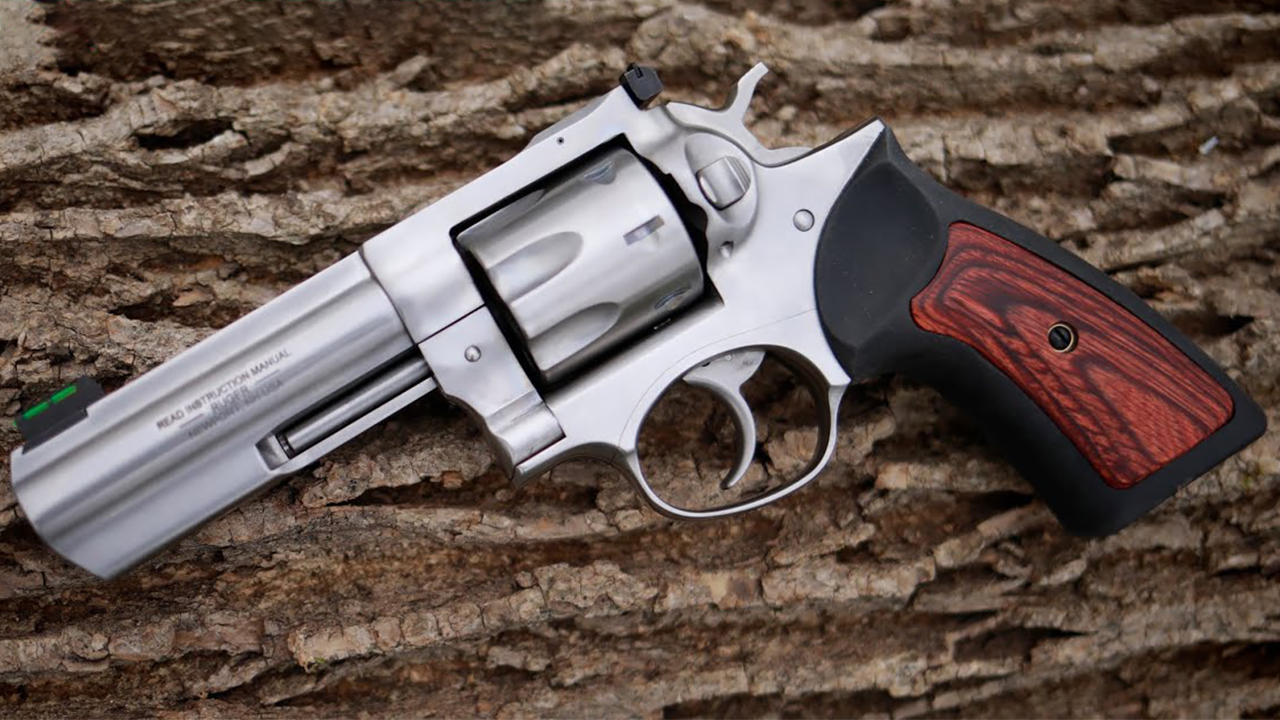
A 3-inch GP100 is where “carry revolver” starts blending into “field revolver.” It’s not a pocket gun. It’s a belt gun for folks who wear a real belt and don’t mind a little steel.
The GP100 changed minds by being shootable. The sights are usable, the grip fills the hand, and the gun doesn’t beat you up. If you’ve ever tried to get good with a snub and felt like you were wrestling it, the GP100 feels like relief.
8. Smith & Wesson Model 10
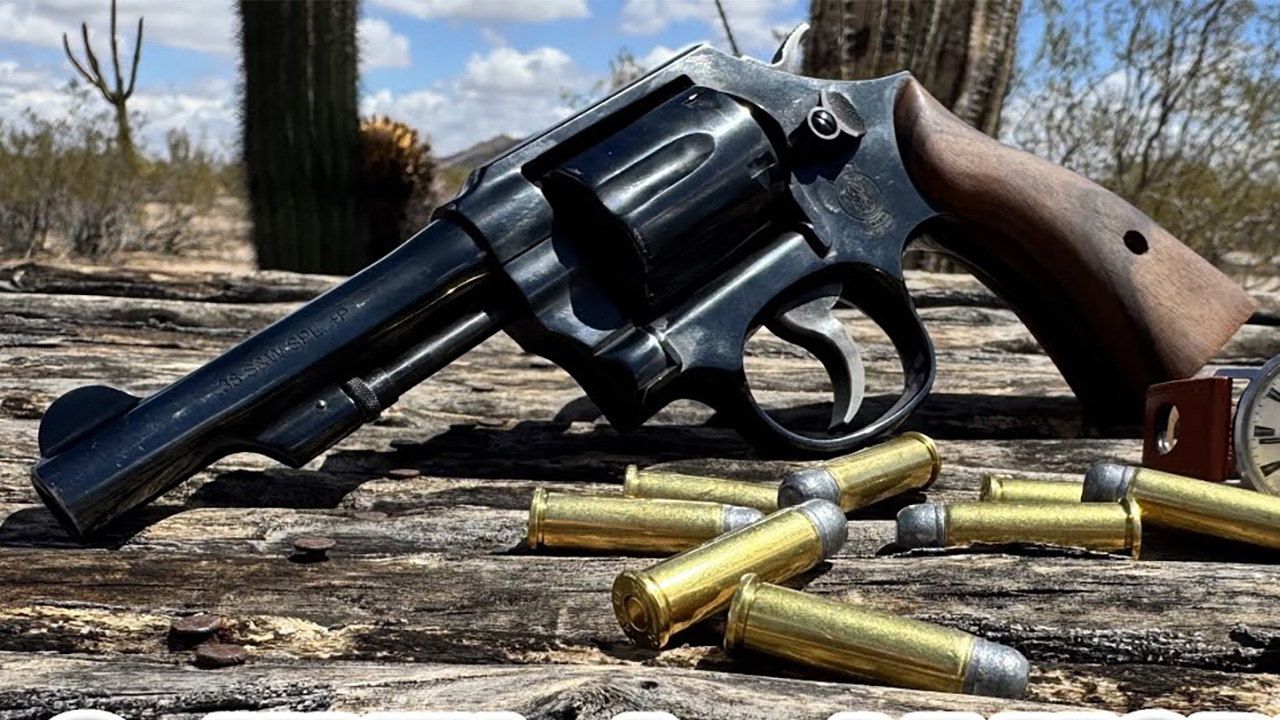
The Model 10 is the plain hamburger of revolvers, and that’s a compliment. It built trust over decades, and it taught people that a carry gun doesn’t need to be fancy or tiny to be practical.
With a good holster and a sensible barrel length, it carries fine and shoots even better. It’s also one of the best examples of “boring” being exactly what you want in a tool.
9. Colt Detective Special

Colt’s Detective Special showed the world that six shots could fit in a package that still carried well. That extra round doesn’t sound like much until you start comparing sizes and realizing you didn’t give up much to get it.
It also set a standard for how a small revolver should point. A lot of these old Colts have a natural feel that’s hard to explain until you’ve handled one.
10. Colt Cobra (classic alloy-frame)
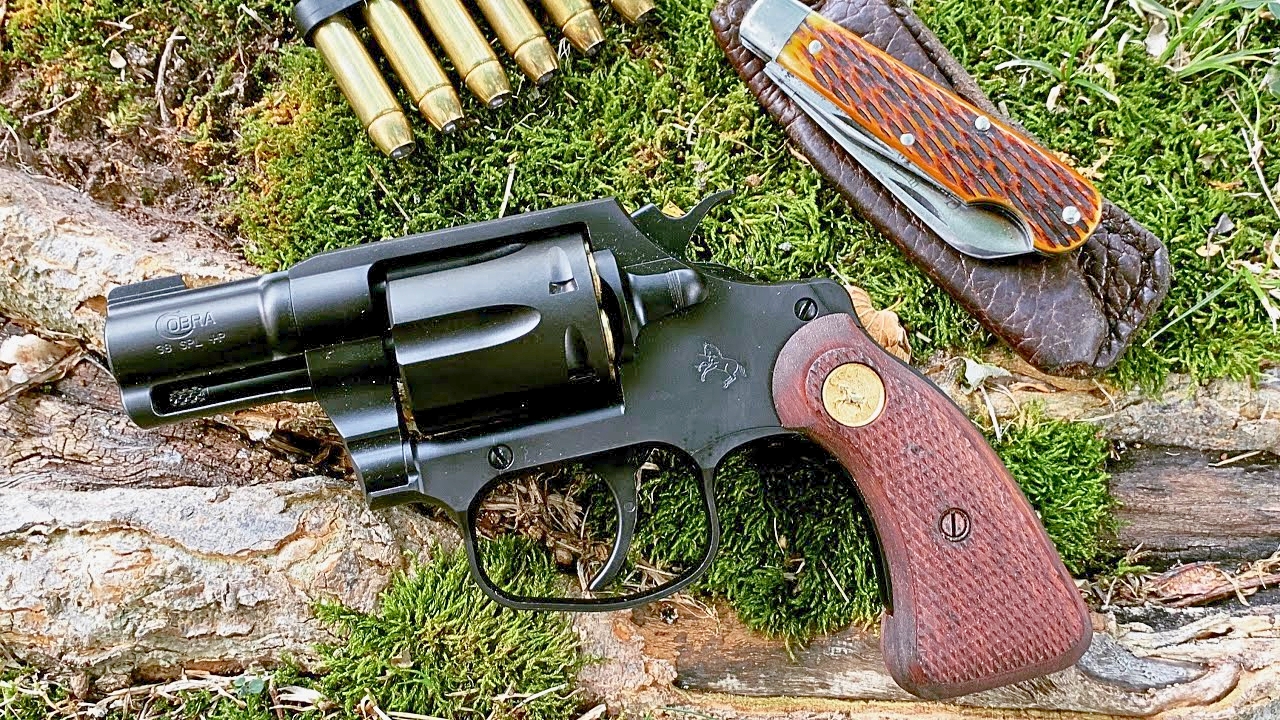
The Cobra took the Detective Special idea and trimmed weight, which is always tempting in a carry gun. It brought “light enough to actually carry” into the conversation without going fully into punishing recoil territory for everyone.
There’s a reason folks hang onto them. They’re handy, they’re smooth, and they feel like something made to be carried, not just owned. Replacement cost these days can sting. That one hurts.
11. Colt Agent
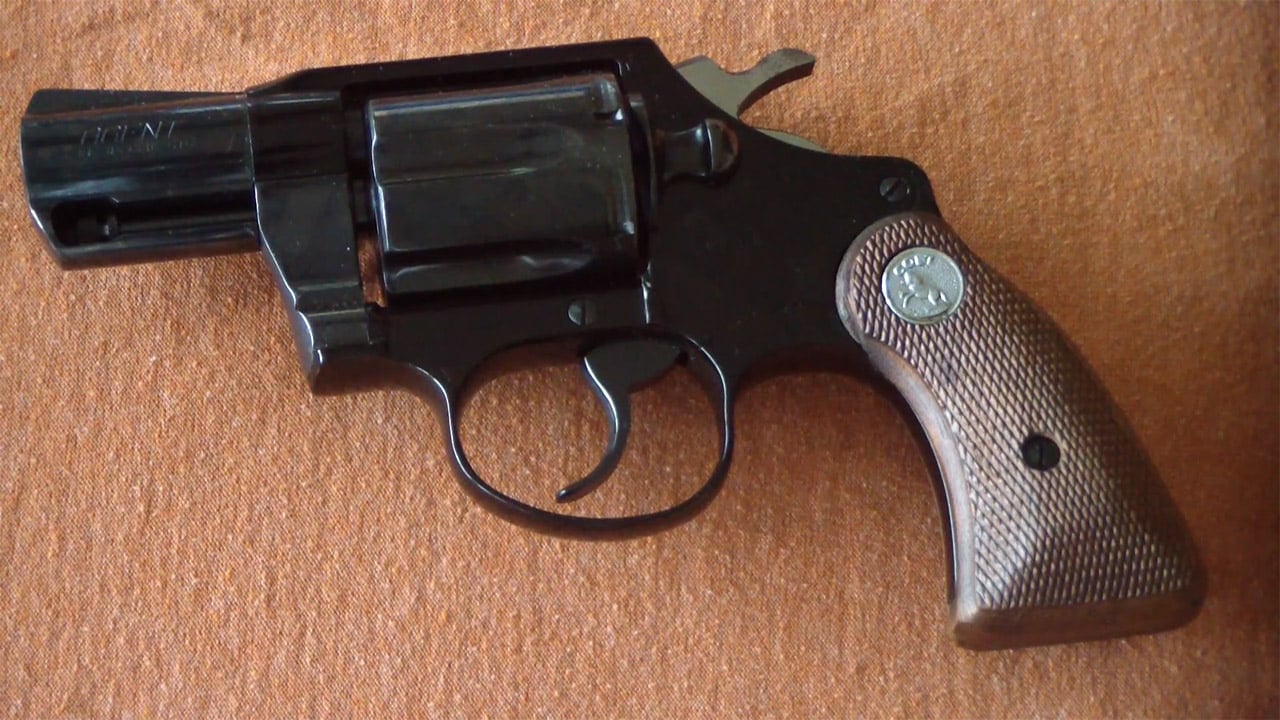
The Agent is one of those revolvers that makes sense the first time you stick it in a pocket and walk around the property for an afternoon. It’s light, it’s compact, and it doesn’t demand a wardrobe change to conceal.
It also reminds you that grips matter. A tiny revolver with tiny grips can be a miserable shooter. The Agent is a great example of a gun that benefits from thoughtful setup without turning into a science project.
12. Smith & Wesson Model 19 (2.5-inch)
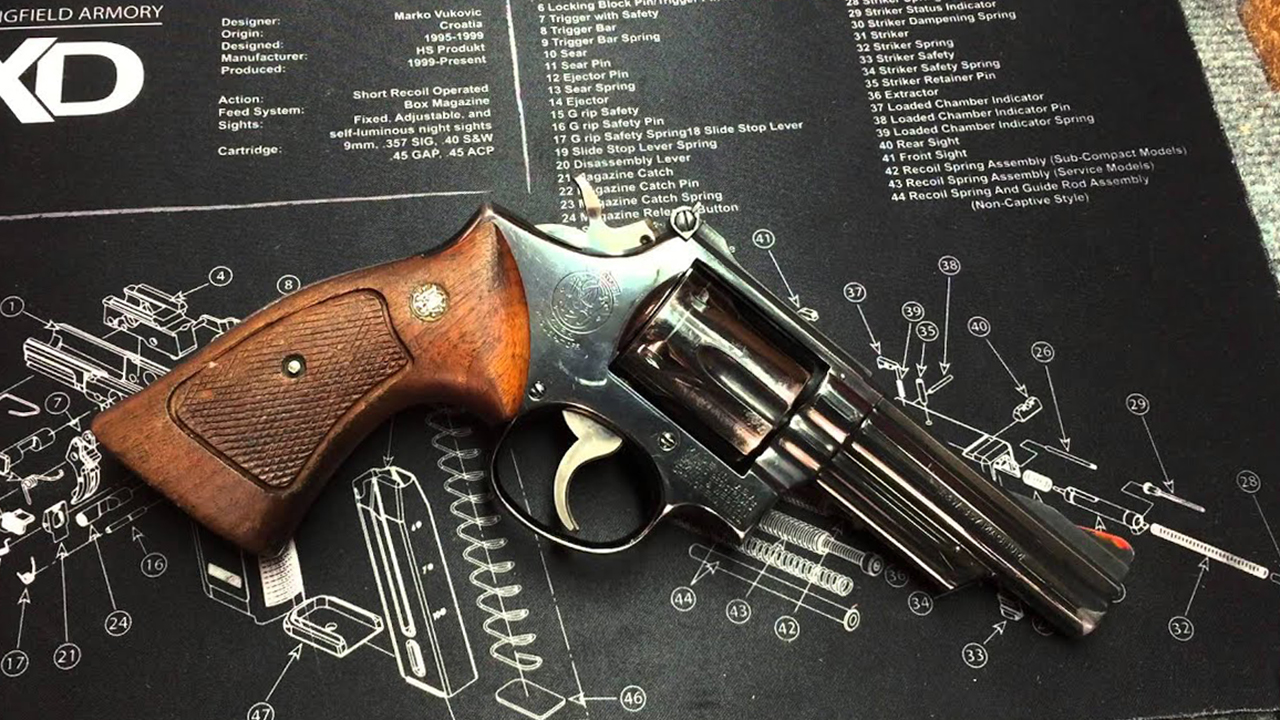
The 2.5-inch Model 19 is where the “carry a .357” idea got serious for a lot of folks. It’s not the lightest, but it balances like a real gun, not a compromise.
It’s also the revolver that made plenty of shooters realize they didn’t actually want to shoot full-power magnums all day. Many ended up carrying .38s in it most of the time. The point is, they had the option.
13. Smith & Wesson Model 66 (2.5-inch stainless)
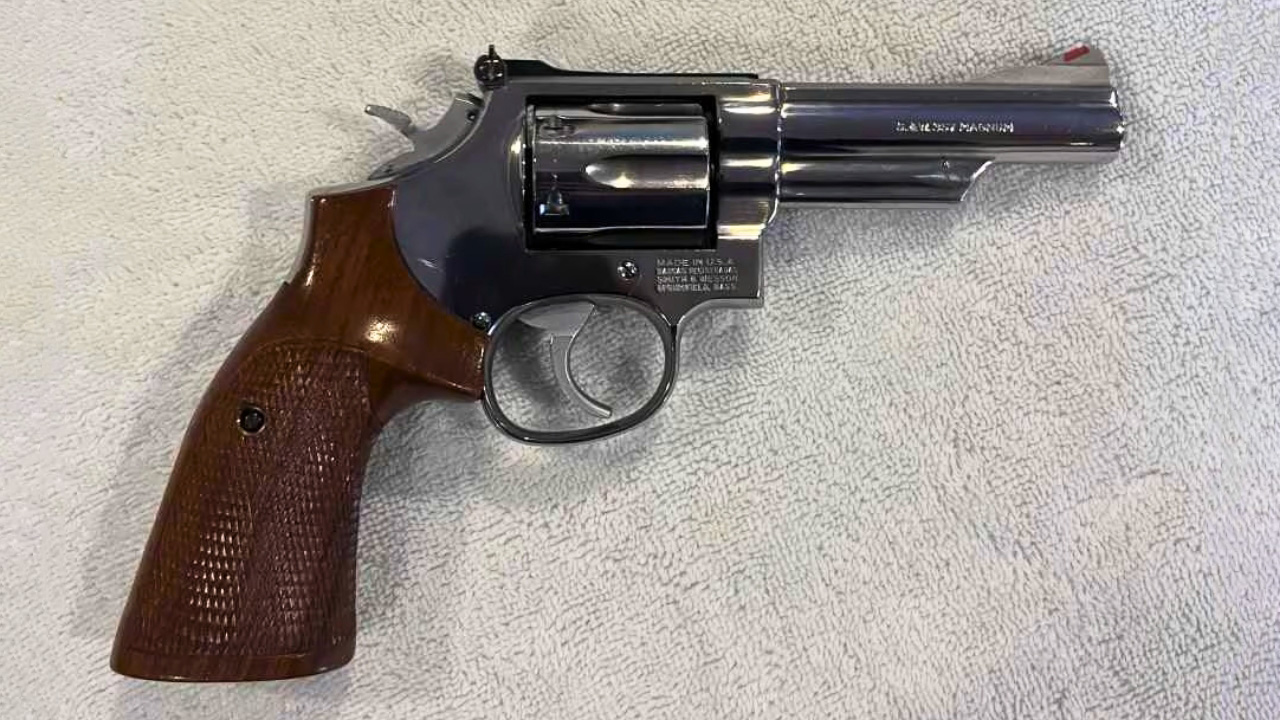
Same concept as the Model 19, but in stainless. This one earned its place with people who sweat, fish, hunt in the rain, and don’t baby a sidearm. Stainless and a good holster is a real-world combo.
A 2.5-inch 66 can ride on the hip through a whole day of chores and still be pleasant enough to practice with. That’s a big deal. Guns you practice with are the ones you can actually use well.
14. Smith & Wesson Model 27 (snub)
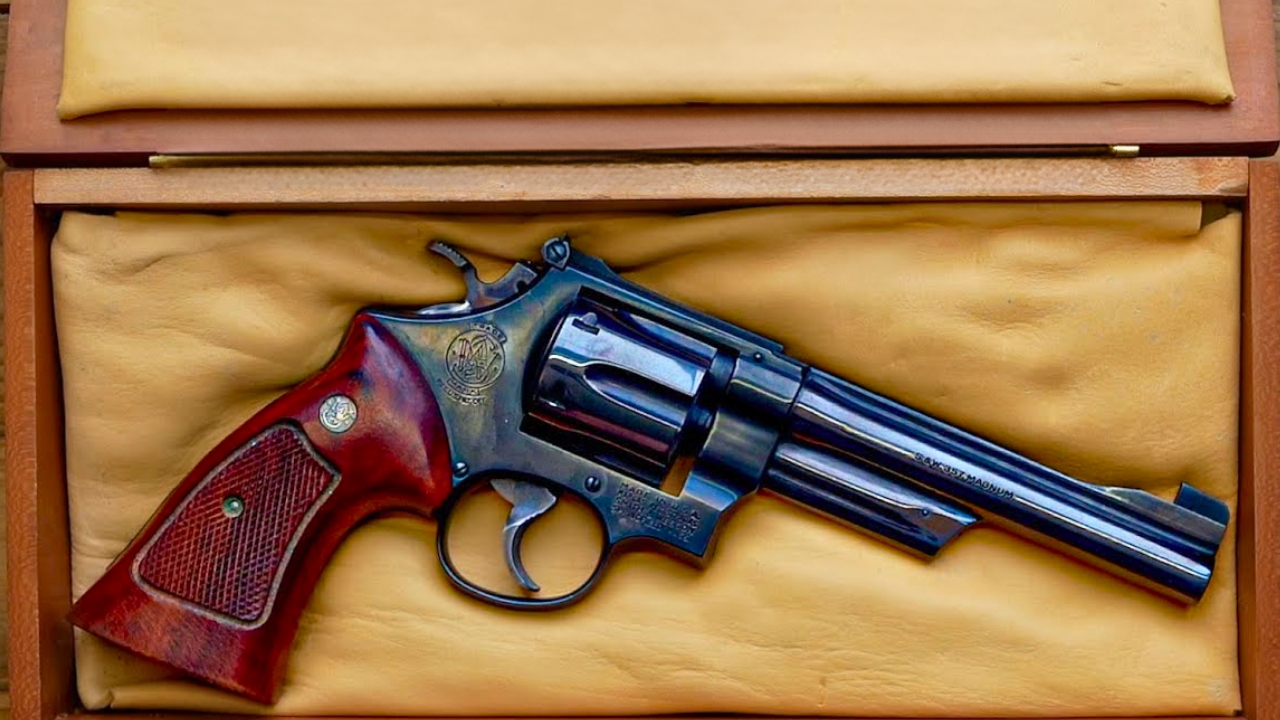
A snub-nosed Model 27 is a reminder that “carry gun” doesn’t always mean “small.” It’s heavy, yes. It’s also incredibly shootable, and it makes .357 feel less like a stunt and more like a cartridge.
Most folks won’t carry one daily, but the people who do usually have their reasons. When you want a revolver that feels like it’s built out of a bridge girder, this is where the conversation goes.
15. Smith & Wesson Model 29 (4-inch)
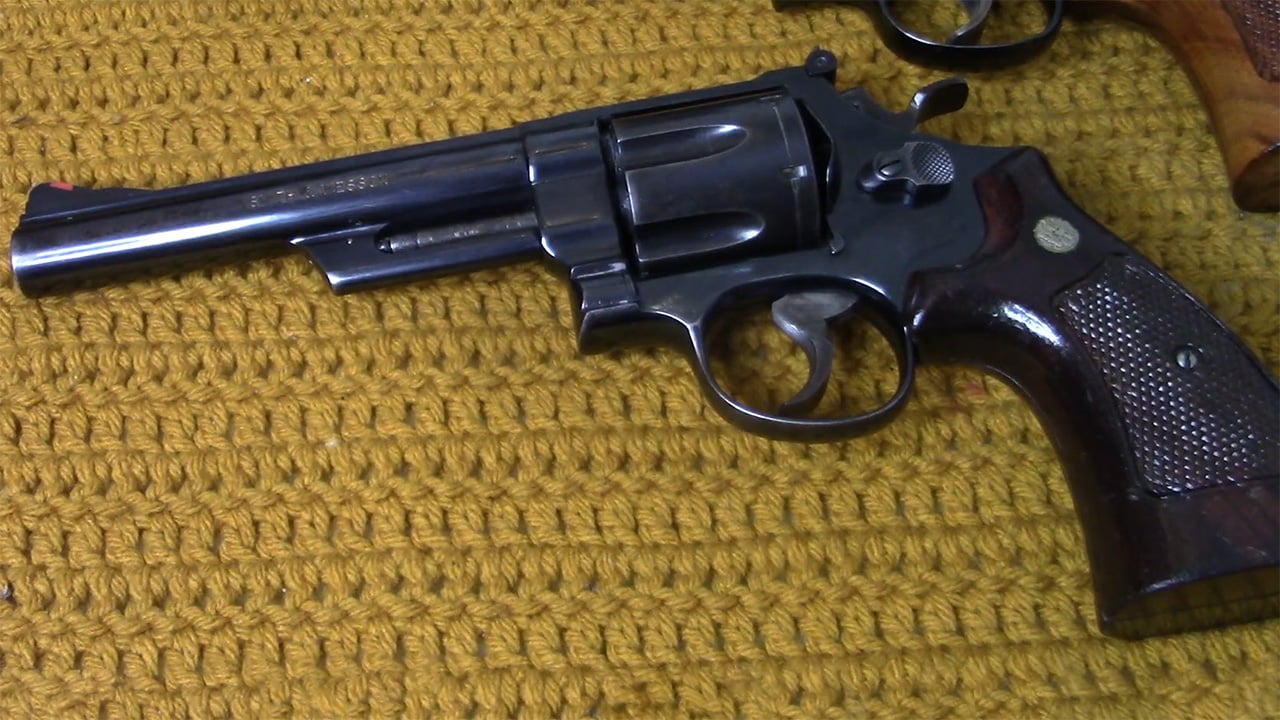
Carrying a .44 Magnum isn’t for everybody, and I’m not going to pretend it is. But the 4-inch Model 29 changed how a lot of outdoorsmen thought about “carry” as in “on the belt in the woods,” not “under a t-shirt at the grocery store.”
It also taught people that power is only part of the equation. Weight, holster choice, and whether you’ll actually keep it on you all day matter. The best gun in the truck is still in the truck.
16. Ruger Redhawk (4-inch)
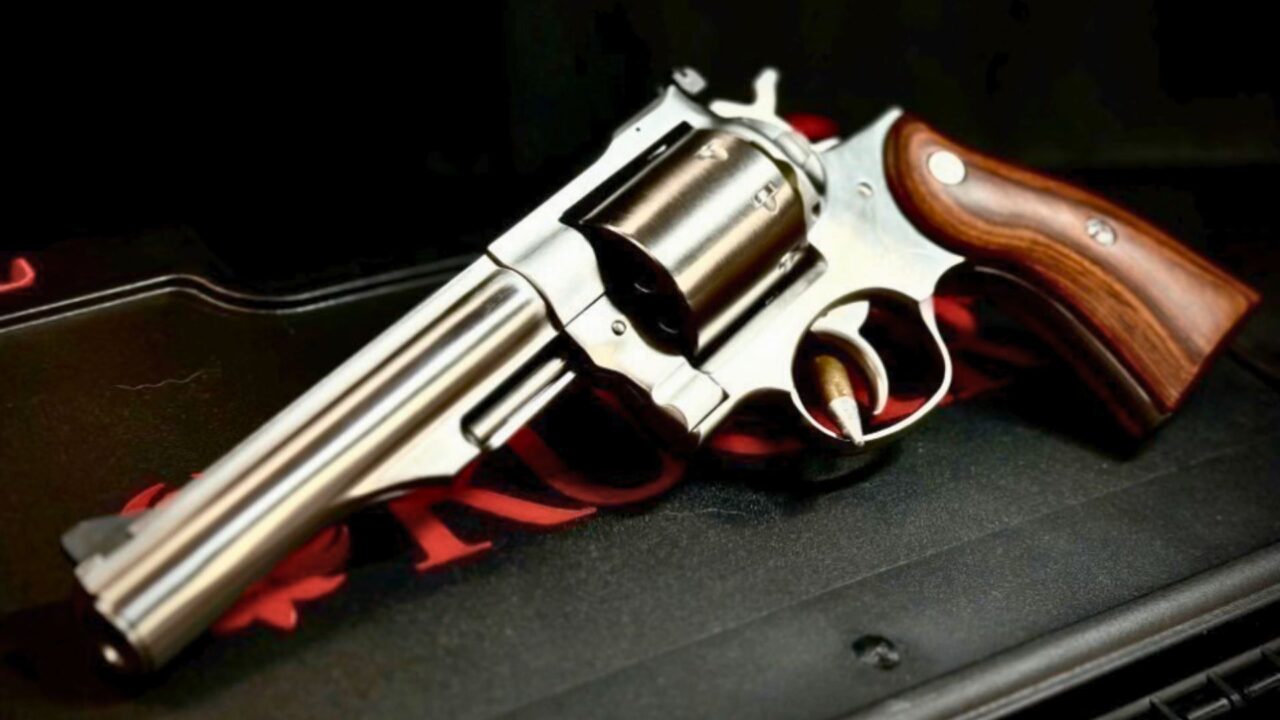
The Redhawk brought big-bore durability into the working-man category. It’s not refined in a fancy way, but it’s tough, and it doesn’t feel fragile when you’re crawling under a fence or bouncing around on a tractor.
For bear country hikers and hunters who want a revolver that can take neglect and still run, the Redhawk earned trust. It’s heavy. So are a lot of problems that show up in the backcountry.
17. Ruger Super Redhawk Alaskan
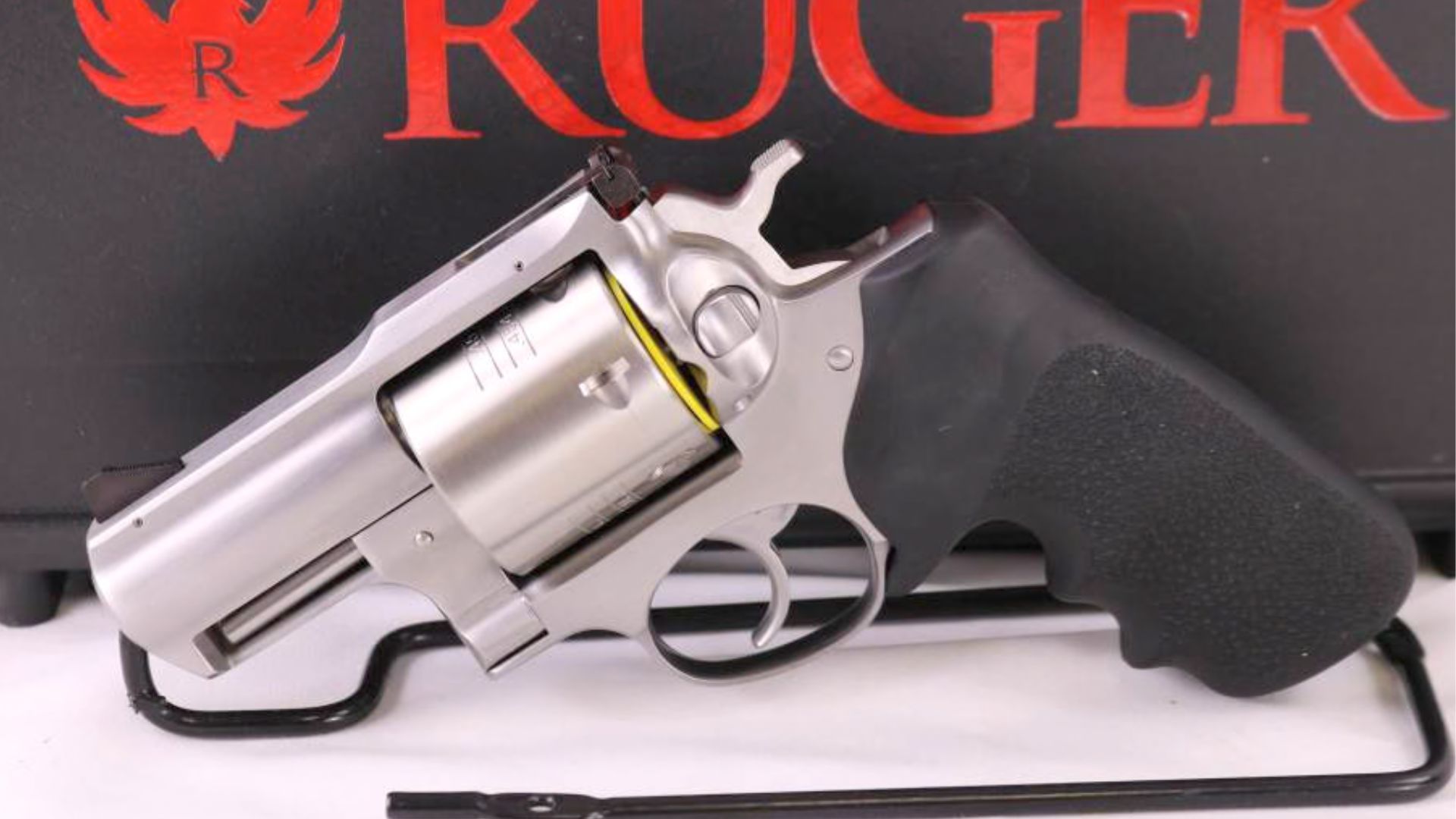
The Alaskan looks almost comical until you understand what it’s for: maximum power in a package you can actually carry. It’s a specialized tool, but it changed minds about what a “short” revolver could be.
It’s also a recoil reality check. If you buy one because you think it’s cool and you don’t train with it, you’ll learn fast. Ask me how I know. The folks who do put in the time tend to keep them.
18. Charter Arms Undercover

Charter Arms put a lot of revolvers on a lot of hips because they were attainable. Not everyone can drop premium money on a carry gun and then another pile of money on ammo and a holster drawer.
The Undercover made the case that a simple, affordable revolver can still be a legit defensive option if it’s reliable. They aren’t all polished jewels, but the concept helped keep the revolver in the everyday carry conversation.
19. Taurus Model 85

The Taurus 85 is a model plenty of folks have owned even if they won’t admit it in a room full of gun snobs. It’s been a first carry revolver for a lot of people because it was on the shelf and in budget.
It also forced the carry crowd to talk honestly about quality control, warranty expectations, and what “good enough” means when the tool might be used to save a life. Some run great. Some don’t. That’s the point—carry guns should be boringly dependable.
20. Kimber K6s
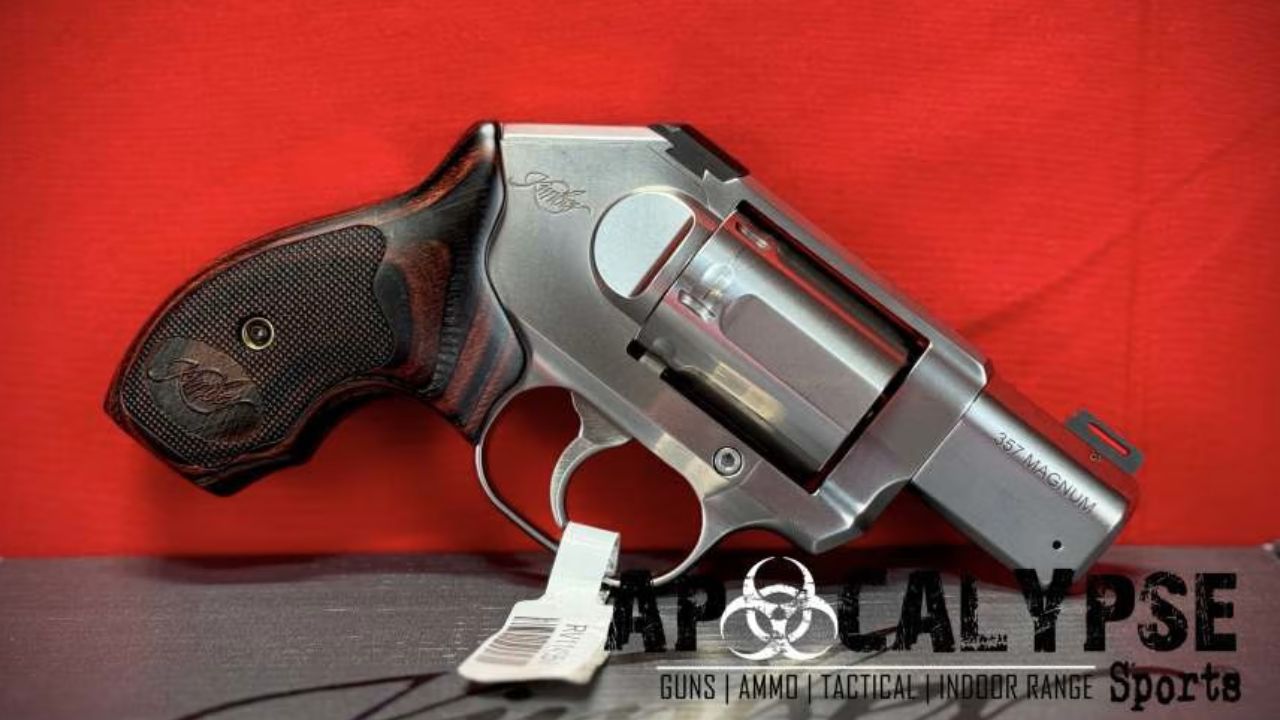
Kimber’s K6s showed up and reminded everyone that a small revolver doesn’t have to top out at five shots. Six rounds in a tight package got attention fast, especially from folks who wanted a little more capacity without jumping to an auto.
It also pushed the market toward better sights and better triggers on carry-sized revolvers. When you can actually see the front sight and actually press the trigger well, you’re more likely to practice. And practice is what makes these little guns more than just comfort objects.
Revolvers aren’t magic, and they’re not always the easiest path. Small ones are hard to shoot well, big ones are hard to carry comfortably, and all of them demand you do your part on the range. But these particular models nudged the whole carry world forward—toward lighter guns, stronger guns, more shootable snubs, and better “real life” features that matter when you’re sweaty, tired, and out on the edge of town.
Like The Avid Outdoorsman’s content? Be sure to follow us.
Here’s more from us: