Photo credit: WaffenUS/GunBroker
Some revolvers are easy to replace. Others become part of the family the longer you own them. Maybe it is the way the action has smoothed out after years of use, the scratches from being carried in the woods, or the fact that the gun simply represents an era of manufacturing that is never coming back in quite the same way. Those are the revolvers that stop feeling like ordinary possessions.
If I owned these, I would have a hard time imagining selling them unless there were absolutely no other choice. They are the kinds of guns I would rather hand to a son, daughter, or grandchild decades from now with a story attached to them. Some are valuable because they are collectible. Others matter because they are exceptionally useful. The best ones manage to be both.
Colt Diamondback .38 Special
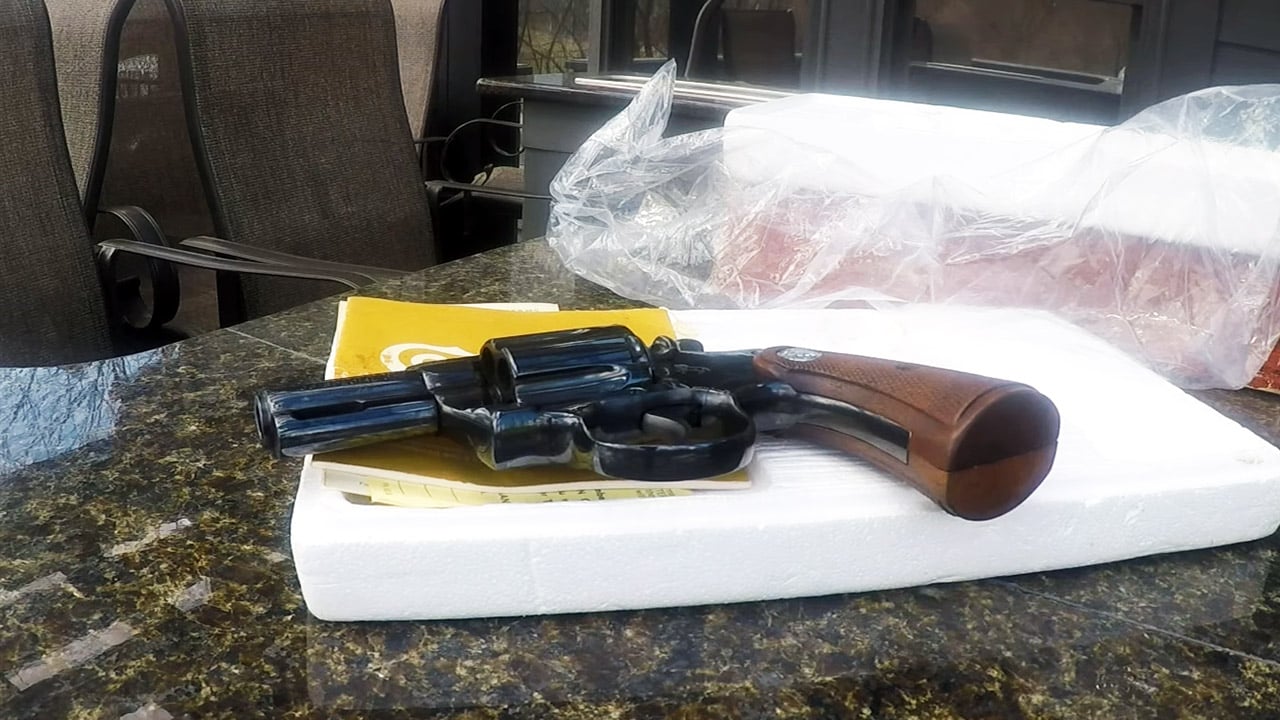
The Diamondback is one of those revolvers that becomes more appealing every time you handle one. It has the classic Colt look, a ventilated rib, adjustable sights, and proportions that fall somewhere between a compact carry revolver and a full-size target gun. The .38 Special chambering also makes it pleasant enough to shoot regularly instead of becoming one of those collectible revolvers that spends its entire life behind glass. Older examples have a level of polish and finishing that immediately separates them from most modern production guns, and that alone gives them the kind of character worth preserving.
I would hand one down because replacing it later would only get harder. A clean Diamondback is not simply an old .38. It represents a kind of small-frame premium revolver Colt is unlikely to reproduce exactly the same way again.
Smith & Wesson Model 27-2

The Model 27-2 is the kind of revolver that makes you understand why older Smith & Wessons have such loyal followings. The large N-frame gives the .357 Magnum plenty of weight to work with, while the polished blue finish and checkered topstrap give the gun an appearance that modern utilitarian revolvers rarely attempt. More importantly, it shoots beautifully. The long sight radius on larger-barreled versions, smooth action, and substantial frame make deliberate shooting feel almost effortless compared with lightweight magnum revolvers.
This is exactly the kind of gun I would want future generations to understand rather than simply hear about. It combines real usefulness with craftsmanship, which makes it far more meaningful than something that is valuable only because collectors decided it should be.
Ruger Old Model Blackhawk .357
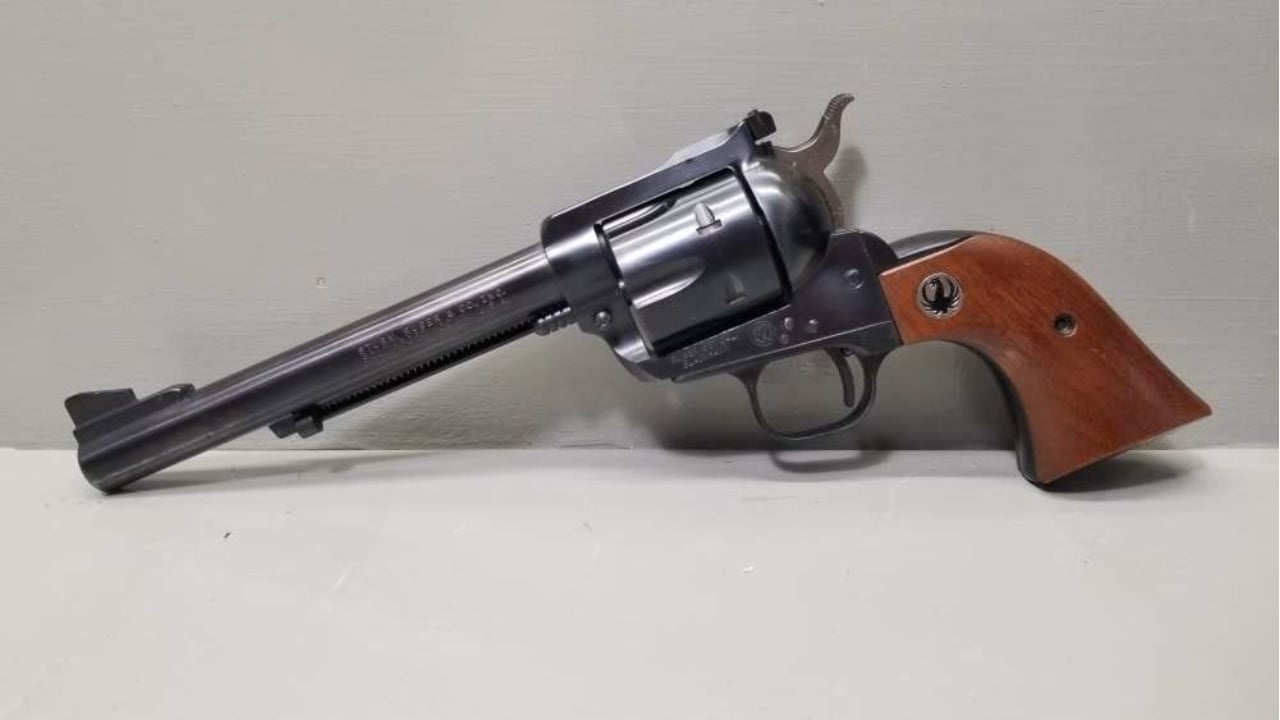
The original three-screw Blackhawk represents Ruger before the company redesigned the action around the transfer-bar system. That makes it mechanically different from the New Model revolvers most shooters know today, and the older action has a feel all its own. The gun is rugged, straightforward, and built around the kind of single-action design that can spend a lifetime in hunting camps, trucks, and on rural property without becoming outdated. In .357 Magnum, it is also versatile enough to remain genuinely useful instead of merely nostalgic.
I would not sell one simply because another Blackhawk could be bought later. The old-model construction, history, and character are exactly what cannot be replaced. A new revolver might perform the same job, but it would not be the same gun.
Smith & Wesson Model 18 Combat Masterpiece
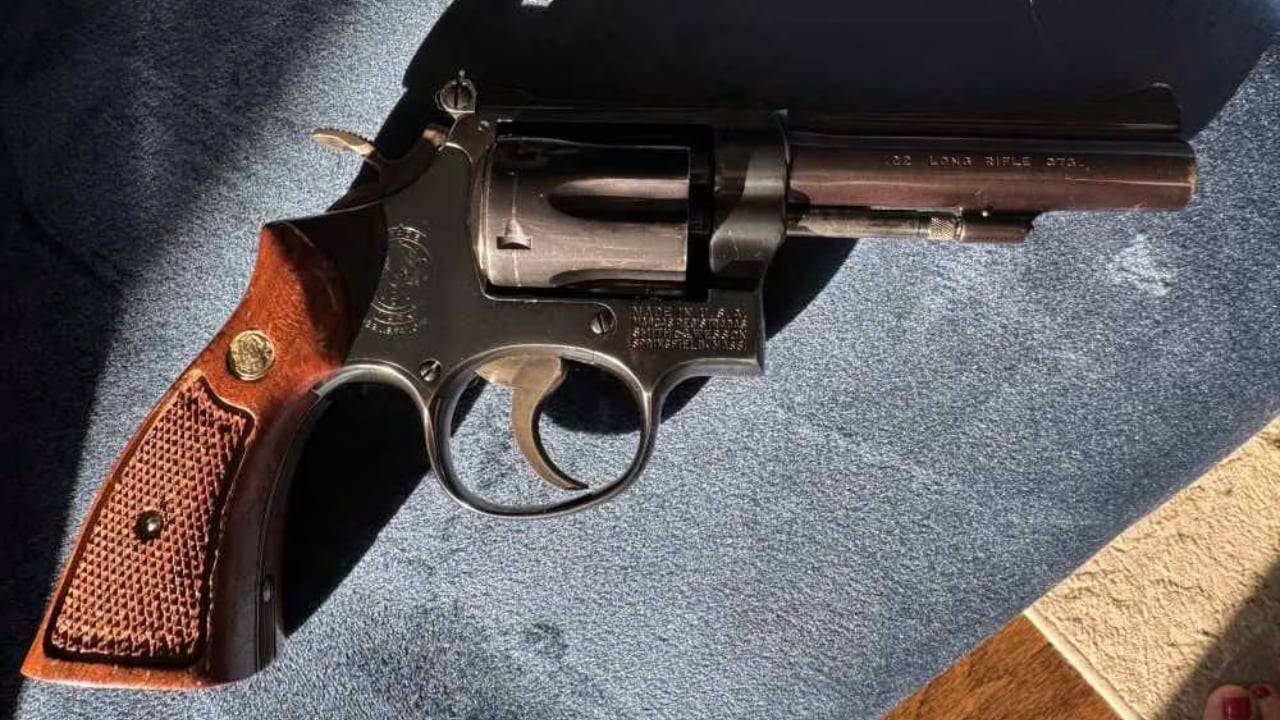
The Model 18 is one of the best revolvers to hand down because it is the kind of gun almost anybody in the family can enjoy. The K-frame gives it the same proportions as larger centerfire Smiths, while .22 LR keeps recoil and ammunition cost low enough for long practice sessions. Adjustable sights and a good trigger make it far more capable than a casual plinker, and the 4-inch barrel keeps the whole package balanced and easy to carry.
A revolver like this can teach a new shooter, take small game, spend an afternoon knocking cans around, and still be appreciated by an experienced handgun shooter decades later. That versatility is what makes it heirloom material. It is not just something to preserve. It is something the next owner can actually use.
Colt Official Police
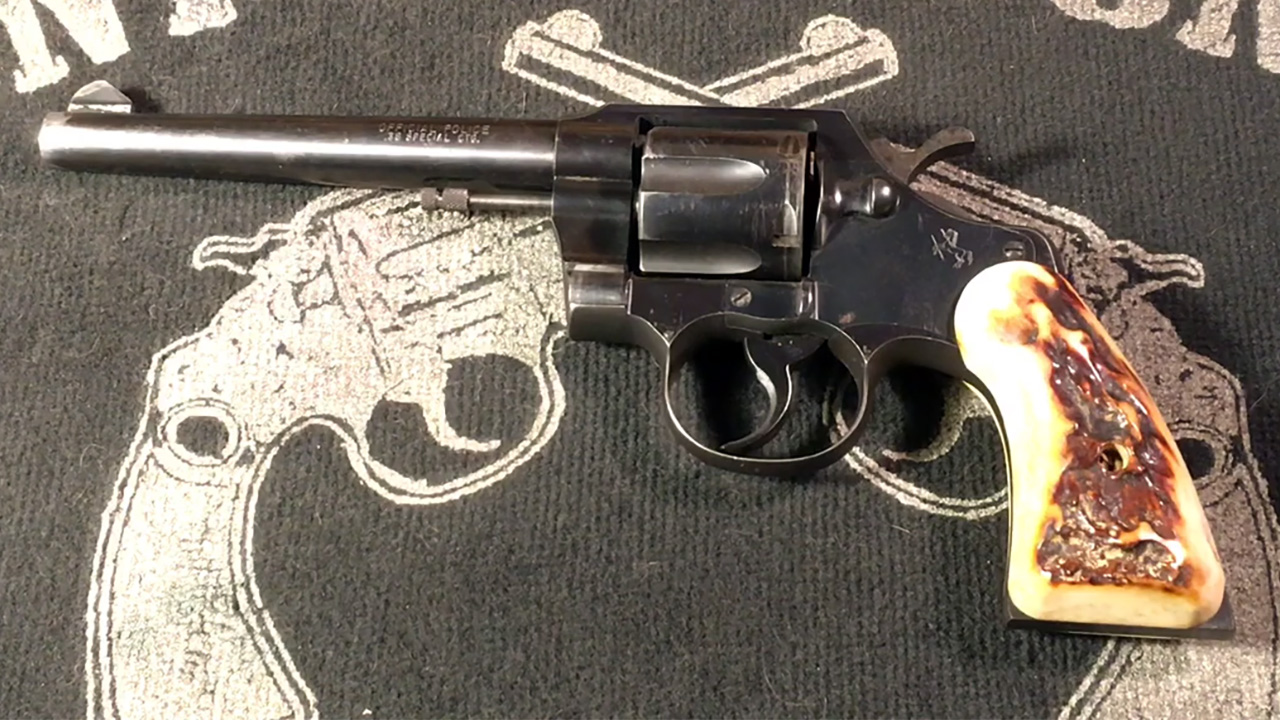
The Official Police does not have the prestige of a Python, but that is part of what makes it appealing as a family gun. These were serious working revolvers built during an era when Colt expected service handguns to see years of daily use. The frame is substantial without being excessively large, the .38 Special chambering is easy to shoot, and good examples have the smooth, mechanical feel that made older Colt actions famous. Many were carried hard, which means clean examples already feel like survivors.
I would rather hand one down than trade it toward something newer because the newer gun will probably still be available later. The Official Police belongs to a manufacturing era that is steadily disappearing from ordinary gun racks.
Smith & Wesson Model 24-3
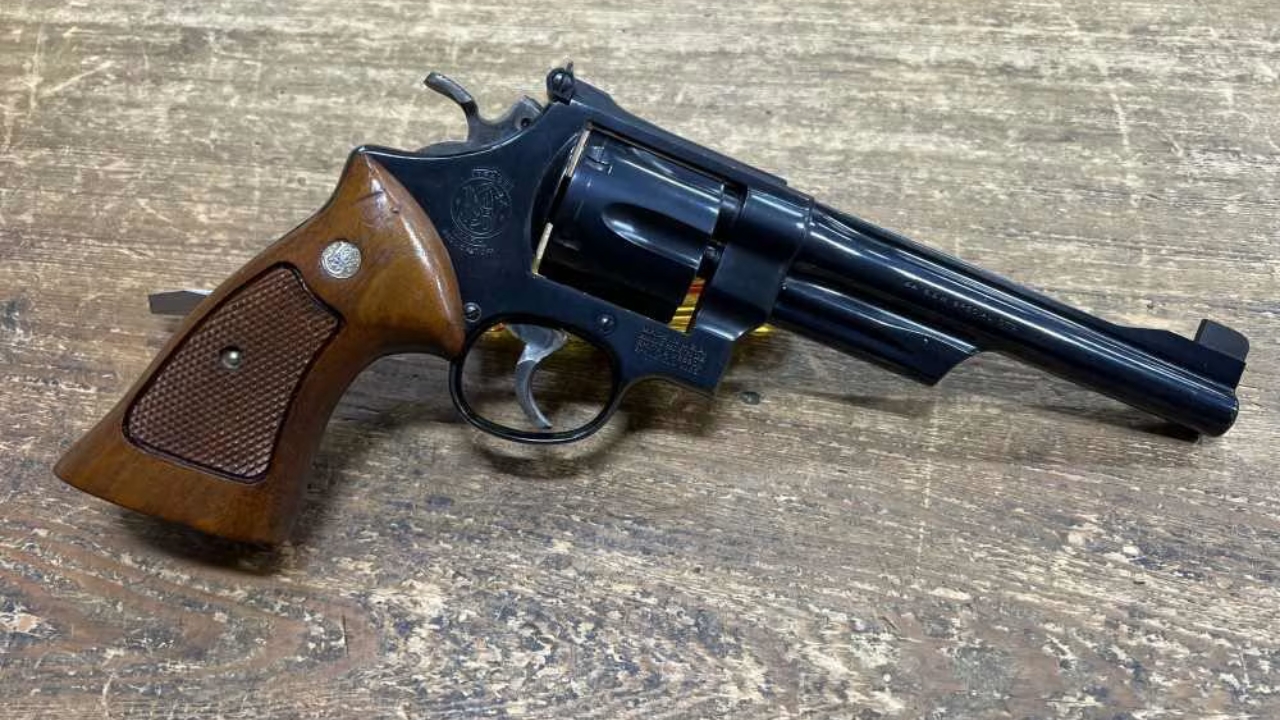
The Model 24-3 gives you .44 Special in the large N-frame without the blast and recoil that comes with stepping all the way up to .44 Magnum. That makes it one of those revolvers that experienced shooters often appreciate more as they get older. The cartridge is accurate, comfortable to shoot, and capable of serious field work with appropriate ammunition, while the large Smith frame makes recoil feel almost leisurely.
It also has the kind of classic appearance that makes it easy to imagine being passed through several generations. A revolver does not need maximum power to be worth keeping forever. Sometimes the better heirloom is the gun people will actually enjoy shooting.
Ruger Bearcat Old Model
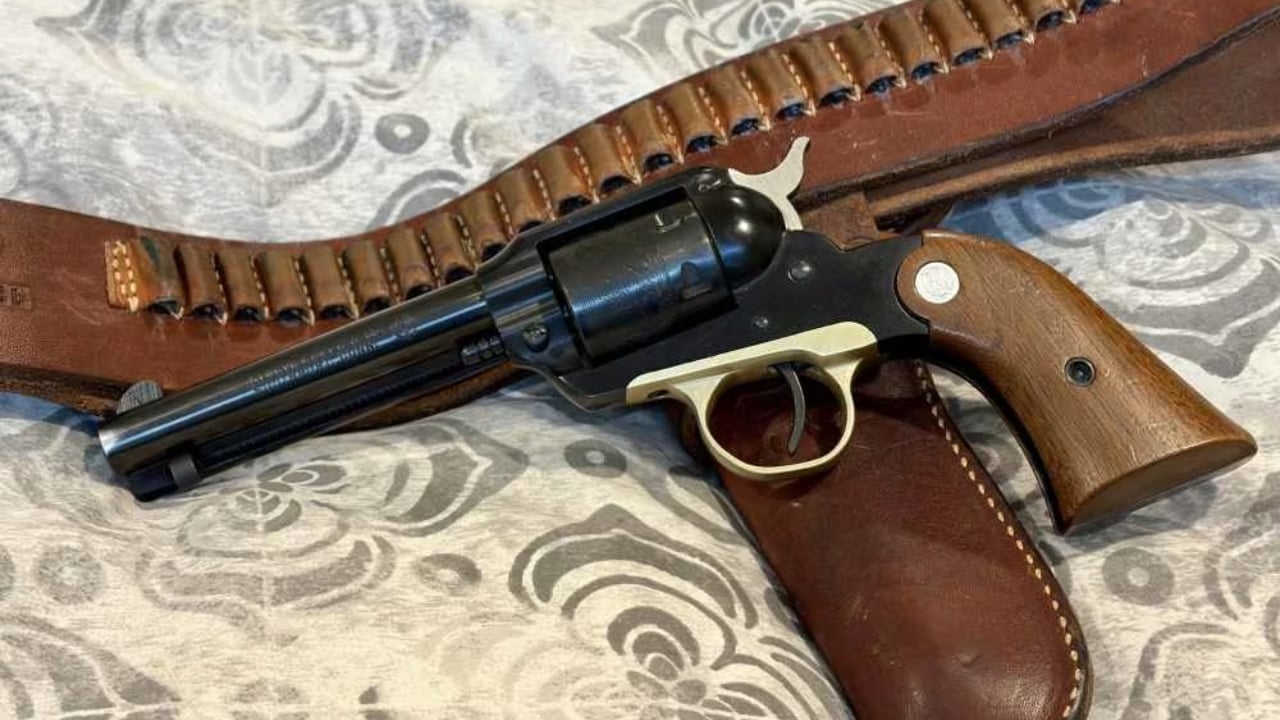
The Old Model Bearcat is small enough to seem almost like a novelty until you spend time carrying one. Then the usefulness becomes obvious. It is light, easy to pack, mechanically straightforward, and chambered in .22 LR, which makes it perfect for plinking, small-game use, or simply carrying around rural property. The compact single-action design also gives it a personality completely different from larger rimfire revolvers.
This is exactly the kind of gun a grandchild could learn on decades from now. It is easy to understand, inexpensive to feed, and built around a design that does not need modern accessories to remain useful. I would rather see one stay in the family than disappear into somebody else’s collection.
Smith & Wesson Model 48
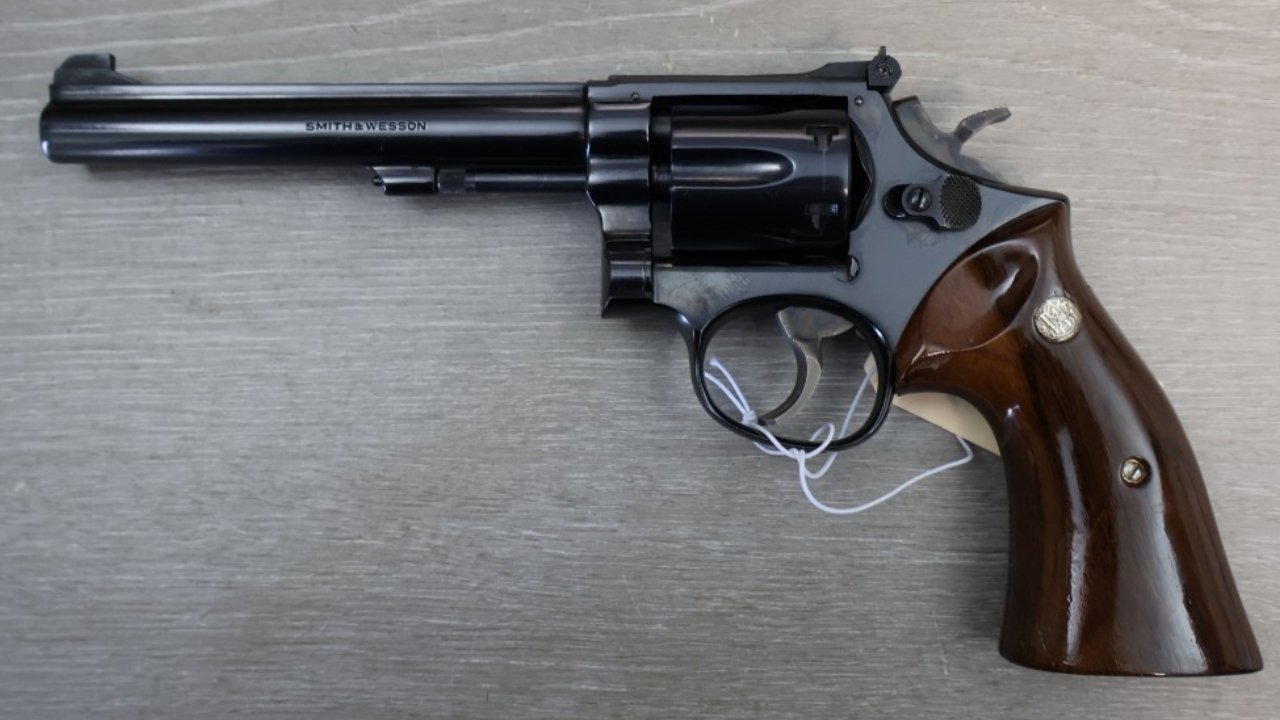
The Model 48 chambered in .22 Magnum is one of those revolvers that fills a niche modern buyers often overlook. The K-frame gives it excellent balance and a real centerfire-sized feel, while .22 WMR provides noticeably more performance than .22 LR without bringing meaningful recoil. That makes the revolver useful for small game, pests, and general field carry while still being pleasant enough for extended range sessions.
Older Smith rimfires are becoming harder to replace in clean condition, especially when they retain their original finish and parts. A Model 48 is the kind of revolver that could remain useful for another fifty years while becoming more interesting with every one of them.
Colt New Frontier .45 Colt
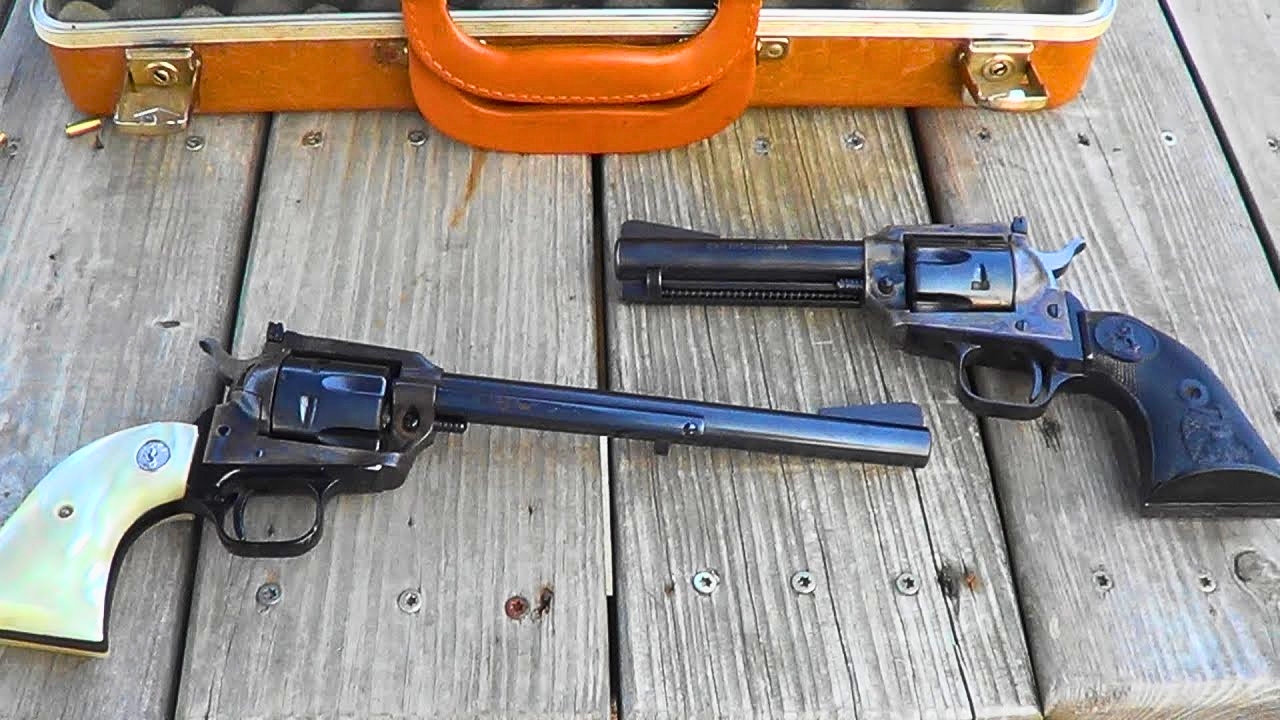
The New Frontier combines classic single-action styling with adjustable sights, which gives it a level of field usefulness that fixed-sight cowboy revolvers do not always have. In .45 Colt, it can be loaded mildly for casual shooting or used with appropriate hunting ammunition depending on the specific gun and load. The balance, trigger, and old Colt finishing also give it the kind of character that makes a modern reproduction feel like an approximation rather than a true substitute.
I would want this one to stay in the family because it can carry stories along with it. A revolver like this looks better with honest wear, and every scratch can eventually mean something to the person who inherits it.
Smith & Wesson Model 58
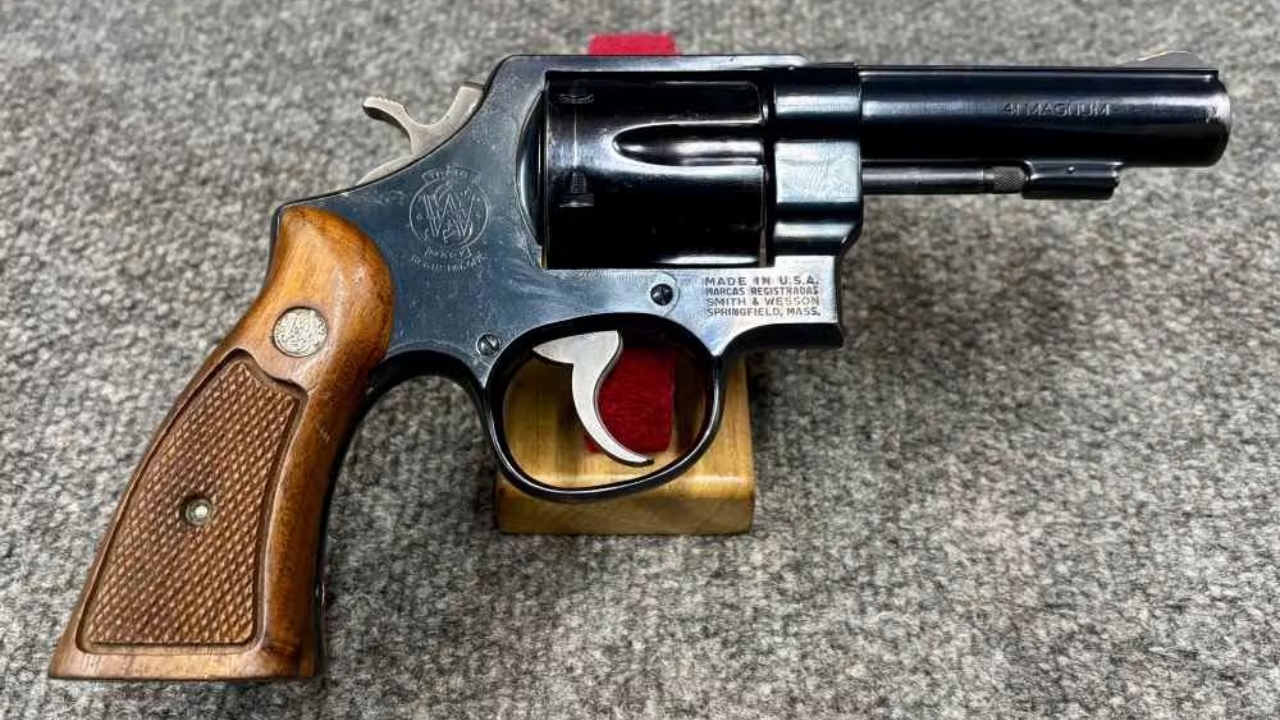
The Model 58 is one of the more purposeful revolvers Smith & Wesson ever built. It took the large N-frame, chambered it in .41 Magnum, and paired it with fixed sights and a straightforward service configuration. There is nothing delicate or ornamental about the basic concept. It looks like a revolver designed to be carried and used, and that simplicity gives it tremendous appeal today.
The .41 Magnum chambering makes the gun even more interesting because it never became as common as .357 or .44 Magnum. That means the Model 58 occupies a special place both mechanically and historically. I would have no interest in selling one just because demand pushed the value higher. That is when I would want to keep it even more.
Ruger Single-Six Three-Screw
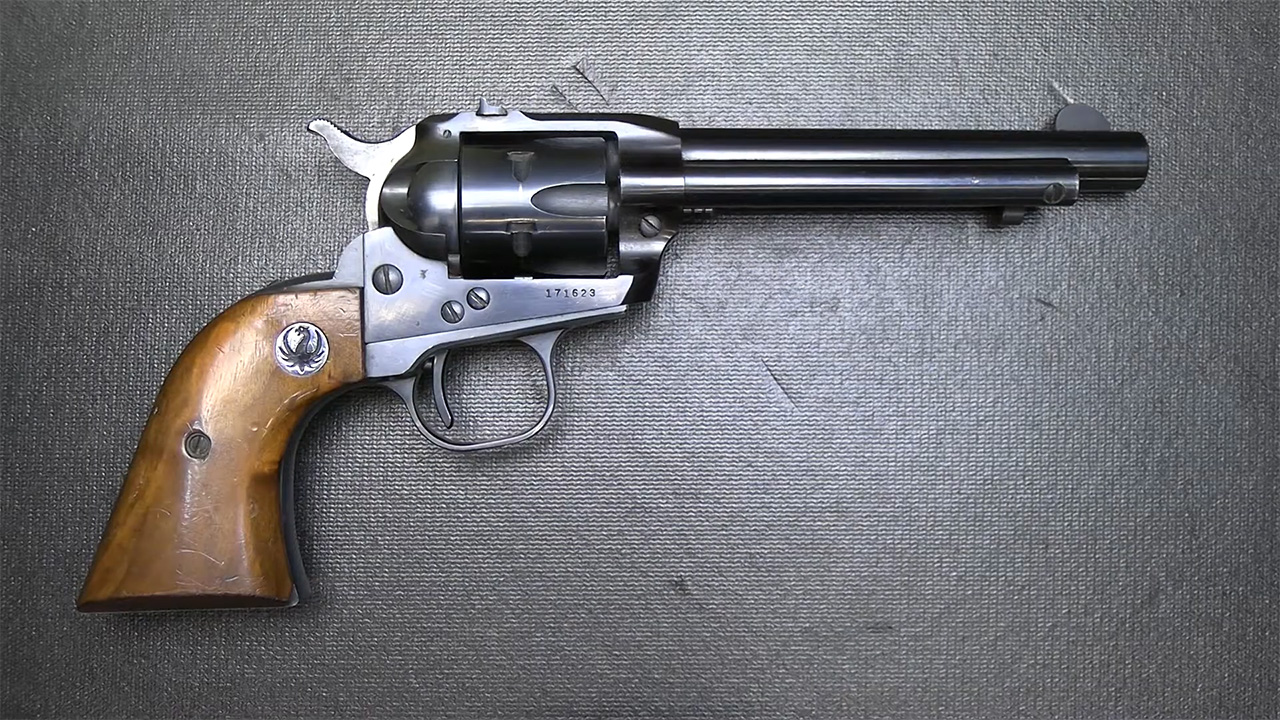
The early three-screw Single-Six has the same old-model appeal as Ruger’s larger Blackhawks, but the .22 chambering makes it much easier for every generation of a family to enjoy. The revolver is light, accurate, and mechanically satisfying without requiring expensive ammunition or a lot of recoil tolerance. Convertible versions add even more utility by allowing .22 Magnum use with the additional cylinder.
This is one of those guns that can genuinely spend decades being passed between family members and still make sense every time somebody takes it outside. A rifle or pistol may become outdated. A good .22 single action never really does.
Smith & Wesson Model 520
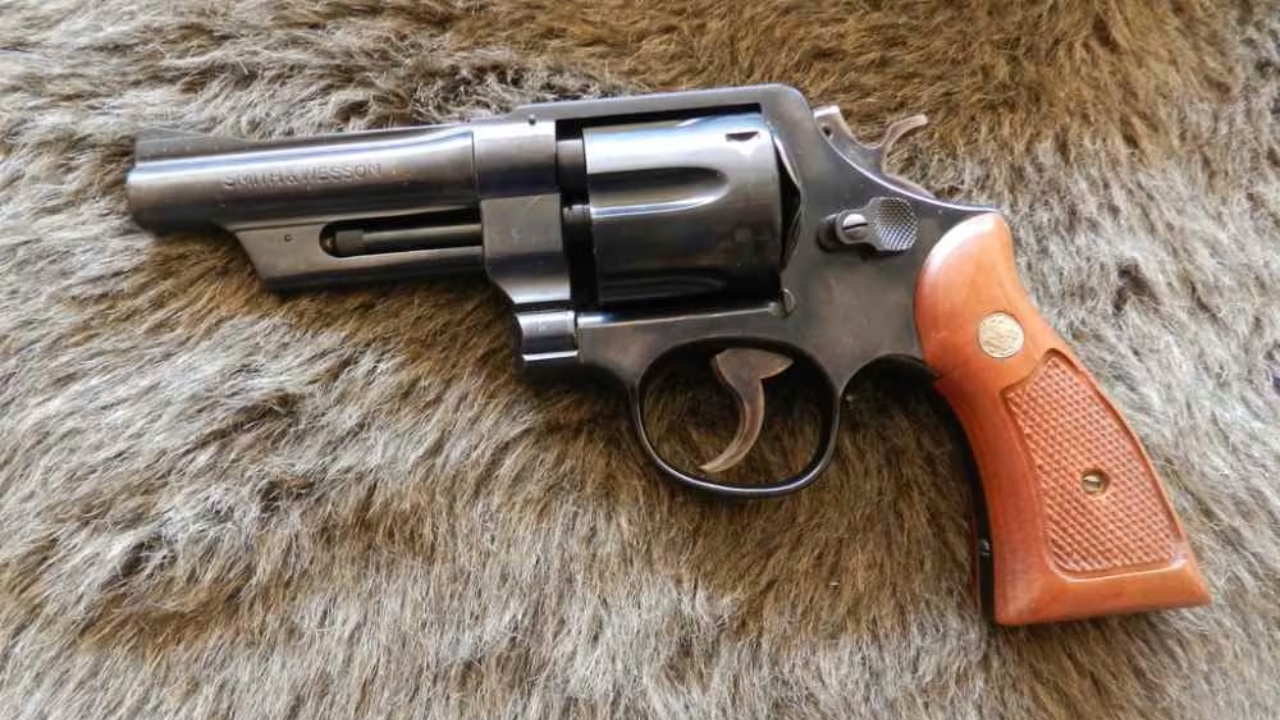
The original Model 520 has the kind of unusual backstory that makes a revolver more interesting as the years pass. Built around the N-frame and chambered in .357 Magnum, it used fixed sights and a straightforward service configuration tied to a law-enforcement contract that never turned into the success Smith expected. That limited history left the model in a strange place where it was neither common enough to be ordinary nor famous enough to be widely chased for years.
That is exactly the sort of revolver I would keep. It has genuine shooting capability, but it also tells a specific story about Smith & Wesson production. Future owners would be inheriting more than just another .357.
Colt Trooper .357
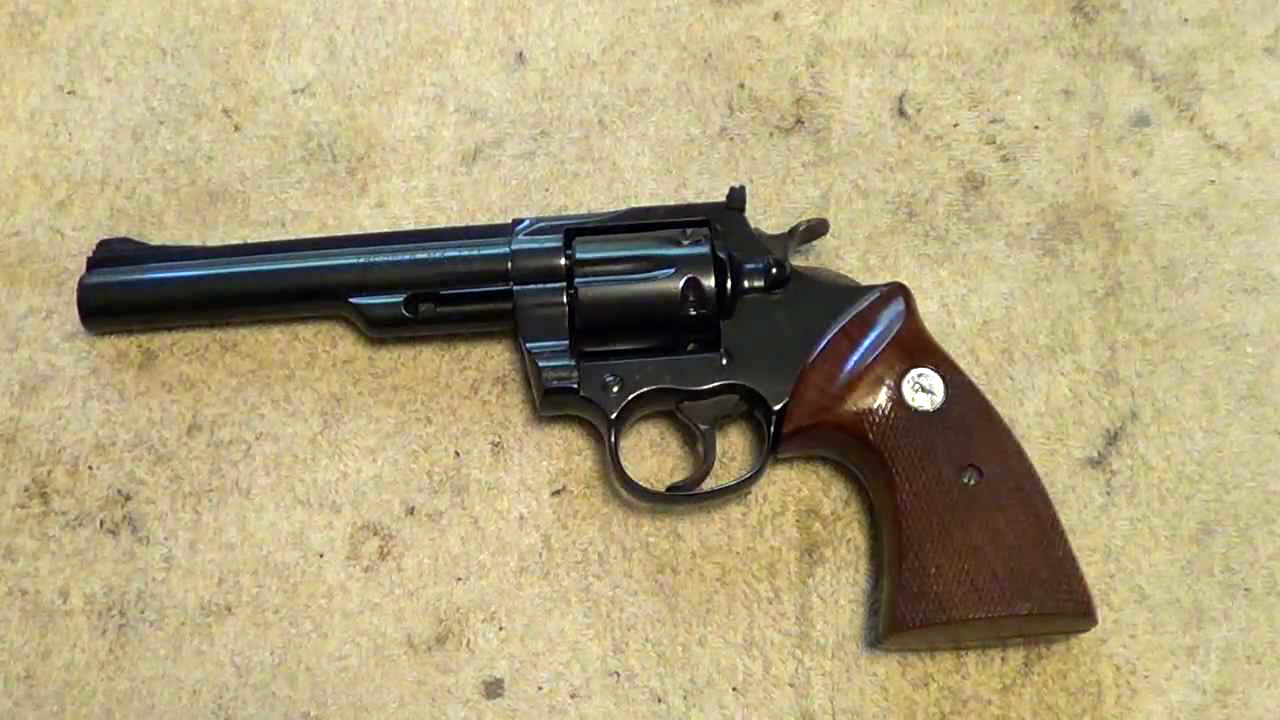
The original Colt Trooper deserves more respect than it gets because it lived alongside much more famous revolvers without ever receiving the same level of attention. It uses the older Colt action, has adjustable sights, and gives shooters a serious .357 Magnum platform without automatically carrying the prestige and price associated with a Python. The result is a revolver that can still be used regularly without feeling like you are risking a museum piece every time you load it.
I would keep one because guns like this are getting squeezed from both directions. Shooters want them because they perform well, and collectors want them because the old Colt action is never coming back cheaply. Selling one only makes finding another harder.
Smith & Wesson Model 34 Kit Gun
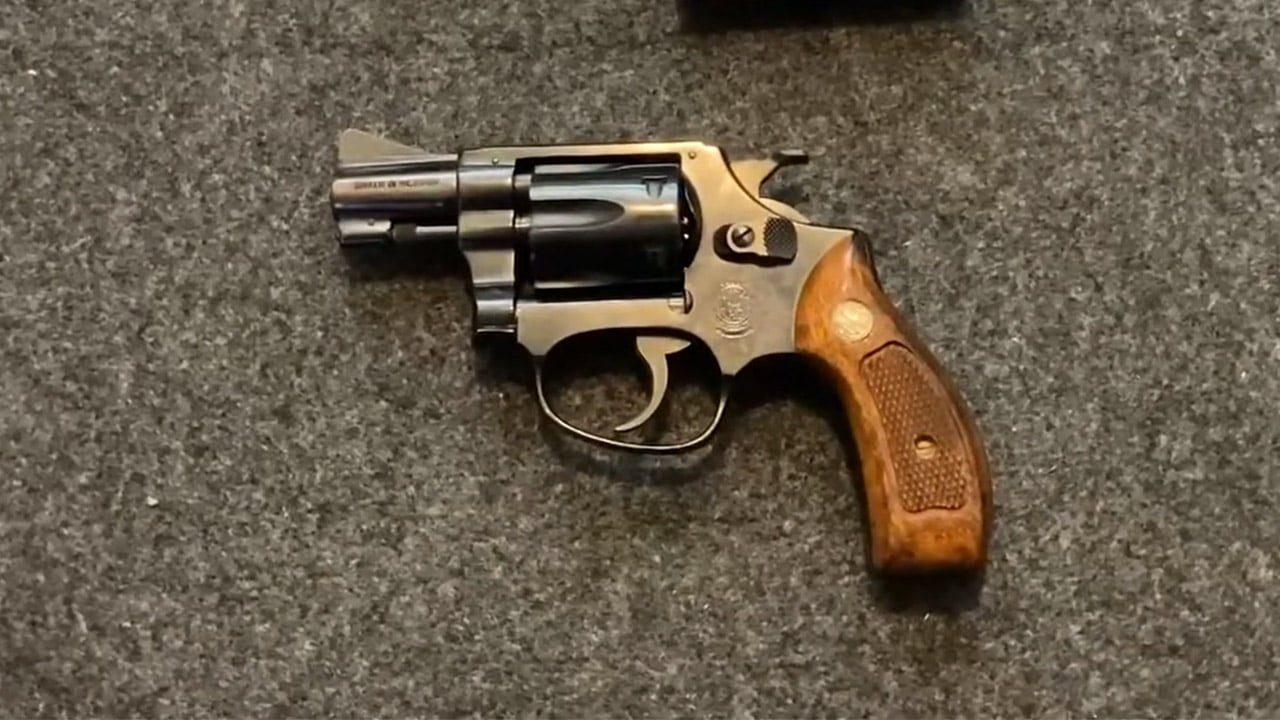
The Model 34 is exactly the kind of revolver that earns sentimental value because it is easy enough to carry everywhere. The small J-frame, adjustable sights, and .22 LR chambering make it ideal for camping, hiking, trapping, small-game hunting, or just tossing into a field bag for an afternoon. Unlike heavier target rimfires, it does not feel like a commitment to carry, which means it is more likely to accumulate years of actual use.
Those are the guns that become meaningful heirlooms. A Model 34 can end up associated with hunting trips, family property, and the first handgun lessons given to younger shooters. That makes it worth far more than whatever a dealer might offer for it.
Ruger Super Blackhawk 10.5-Inch
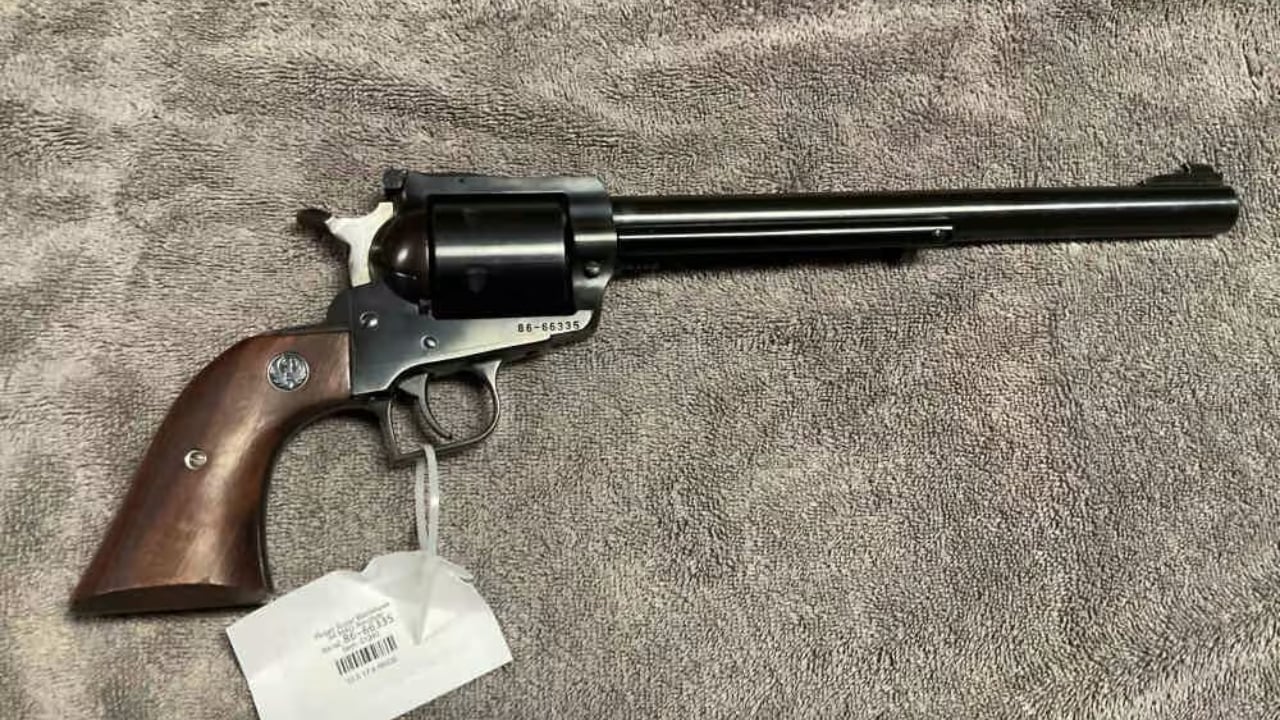
The long-barreled Super Blackhawk is unapologetically built around hunting and deliberate shooting. The 10.5-inch barrel adds weight, sight radius, and velocity while turning the revolver into something that feels much closer to a specialty hunting handgun than a normal belt gun. The single-action trigger and stout Ruger frame also make it capable of excellent accuracy with heavy .44 Magnum loads.
It is too large for casual carry, but heirloom guns do not have to be the most convenient guns in the safe. This is the kind of revolver somebody remembers seeing their father or grandfather take hunting every season. That history would be worth preserving.
Smith & Wesson Model 29-2
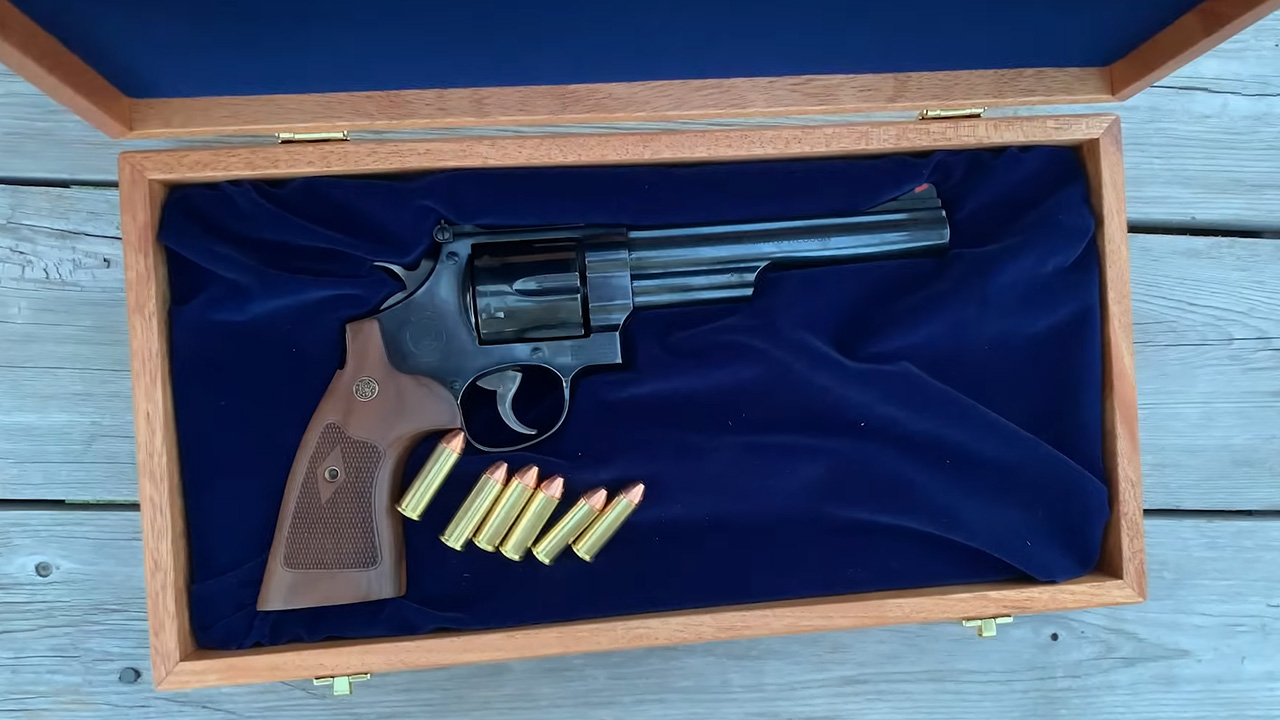
The Model 29-2 has become one of the classic large-frame Smith & Wessons for reasons that go well beyond movie fame. Older examples combine deep bluing, traditional pinned-and-recessed-era construction, and an N-frame action that can be exceptionally smooth. The .44 Magnum chambering gives the revolver enough power for hunting and field use, but .44 Special also makes it possible to shoot the gun without turning every range trip into a recoil session.
This is exactly the sort of revolver I would rather preserve for another generation than turn into cash. There are modern .44 Magnums everywhere. There will never be another original Model 29-2 made.
Colt Frontier Scout
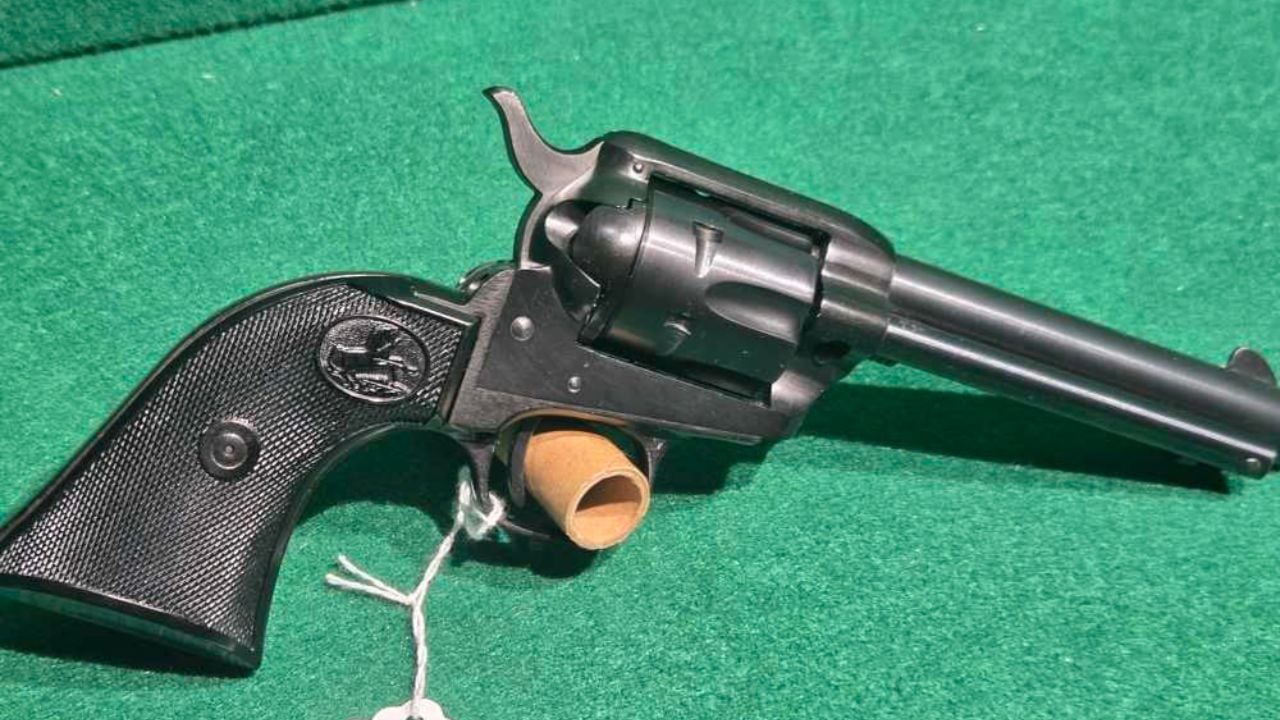
The Frontier Scout gives you classic Colt single-action styling in a lightweight rimfire revolver that almost anybody can enjoy. It is smaller and easier to carry than a full-size Single Action Army-style gun, and the .22 chambering makes it inexpensive enough to shoot without worrying about every trigger pull. Older examples also have enough production variation to make them interesting to collectors without becoming too precious for ordinary range use.
That combination is ideal for something meant to be handed down. A younger shooter can actually use it, while an older collector can appreciate what it represents. Few heirlooms manage both.
Smith & Wesson Model 16-4
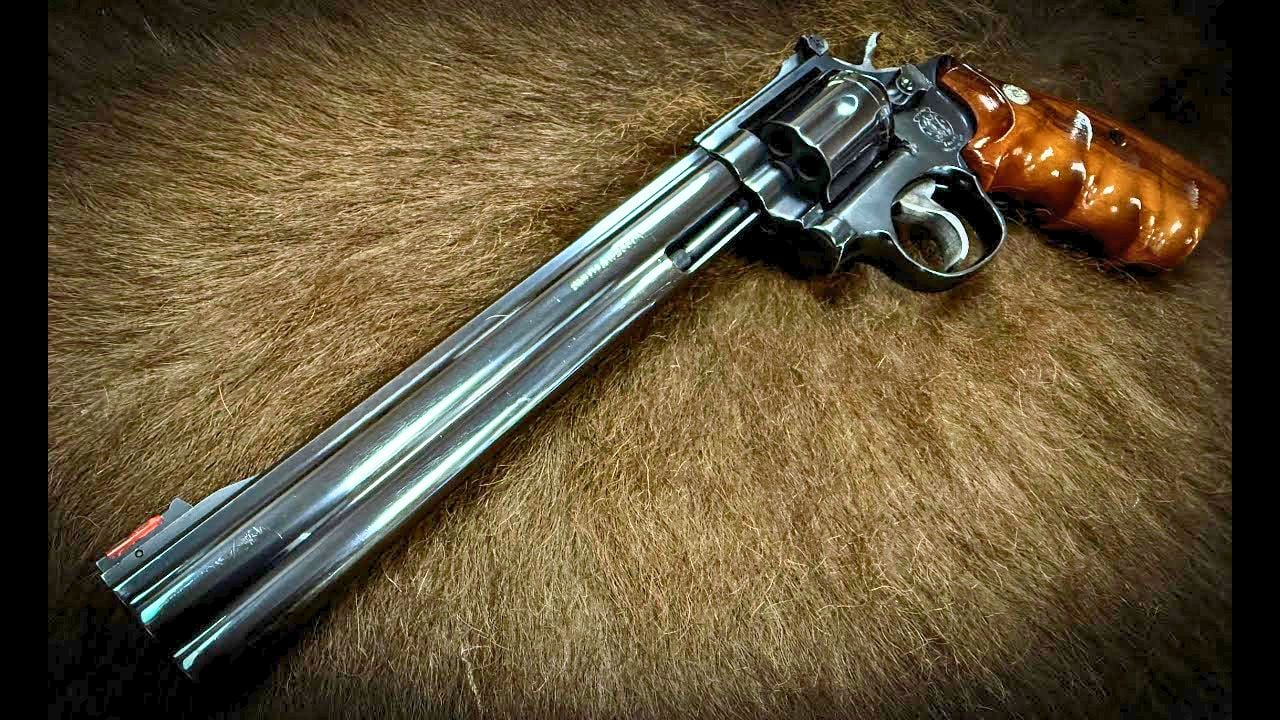
The Model 16-4 in .32 H&R Magnum became far more interesting once shooters rediscovered how useful .32-caliber revolvers can be. The K-frame gives the cartridge almost no intimidating recoil, while the adjustable sights and longer-barreled configurations make the gun exceptionally enjoyable for target shooting and small-game use. You also get six rounds in a platform that feels substantial enough to shoot with real precision.
The renewed interest in .32 revolvers makes older guns like this especially difficult to replace. I would not sell one just because values started climbing. That would be the exact reason to keep it and let somebody in the family appreciate it later.
Ruger Bisley Blackhawk .44 Special
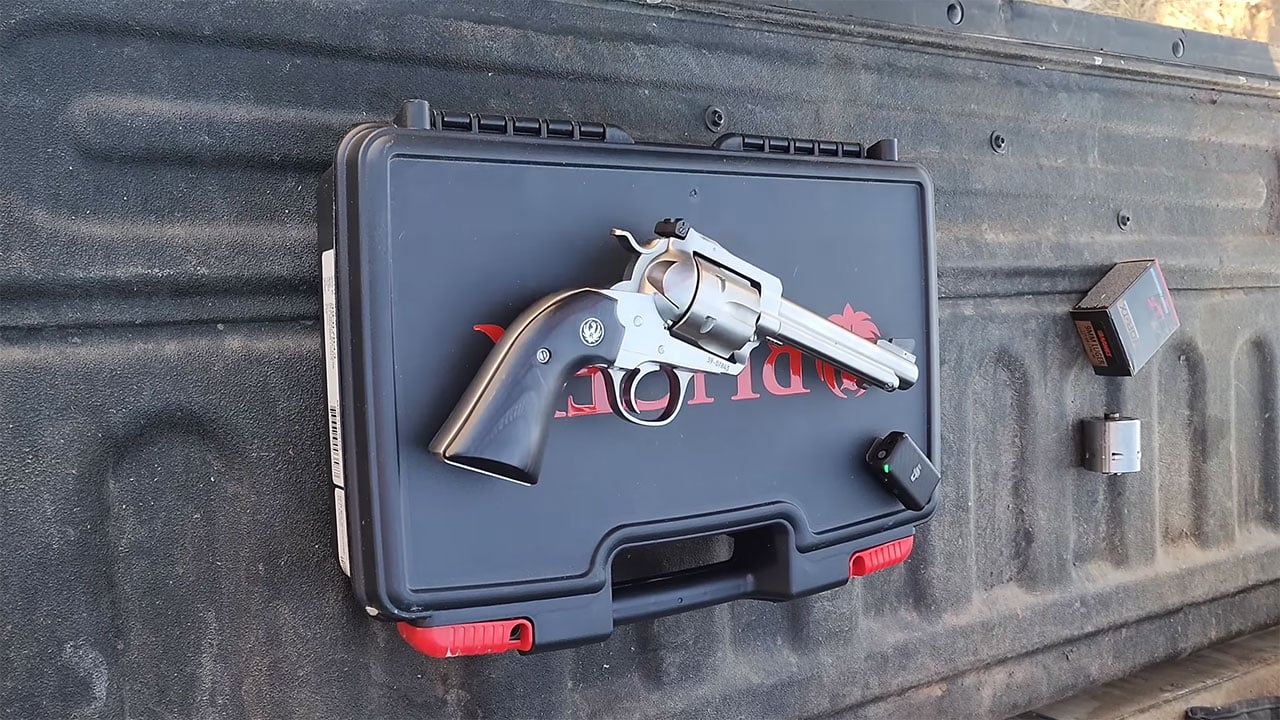
The Bisley Blackhawk in .44 Special is one of those revolvers that makes more sense to experienced shooters than it does to someone simply comparing muzzle-energy numbers. The Bisley grip handles heavier loads comfortably, the single-action trigger is excellent for deliberate shooting, and the .44 Special cartridge can be both pleasant and extremely useful. It gives you big-bore performance without requiring full-power .44 Magnum every time you want to shoot.
This is the sort of gun that could remain a favorite for decades because there is nothing trendy about it. It is strong, accurate, and comfortable enough to use regularly. Those qualities age very well.
Colt Officers Model Match
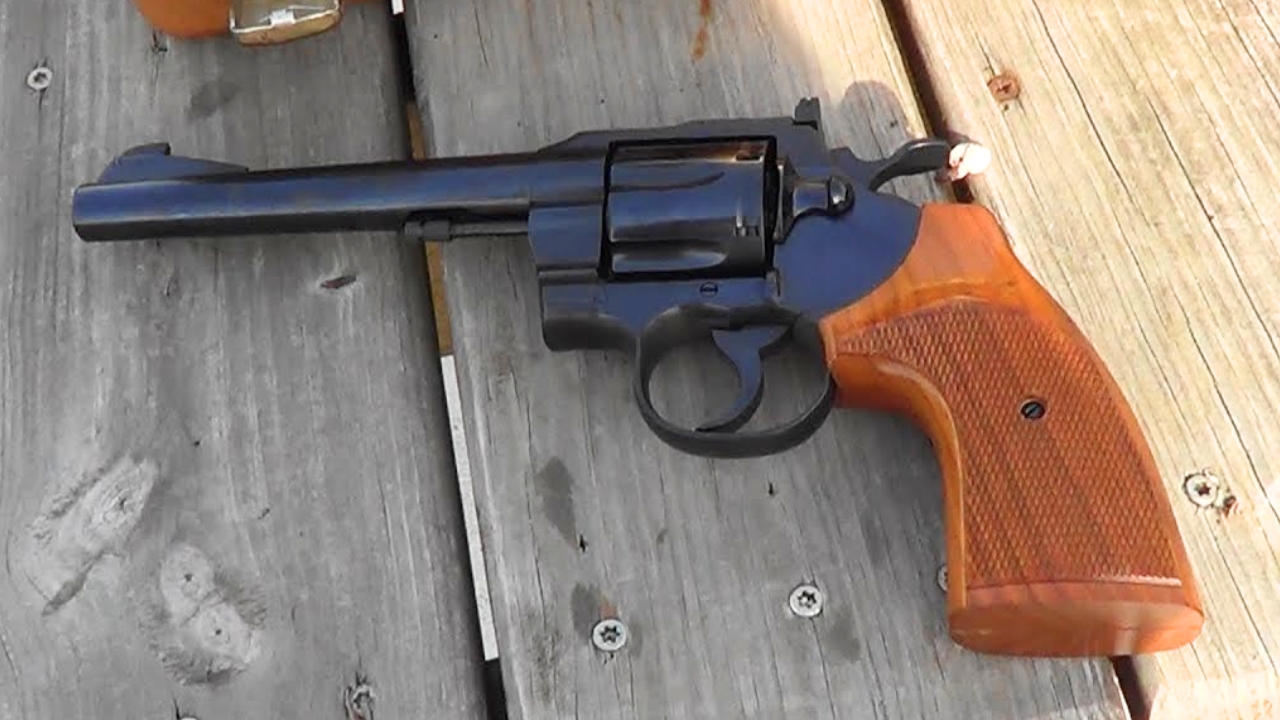
The Officers Model Match came from an era when factory revolvers were expected to serve serious target shooters without needing to be rebuilt immediately. The long barrel, adjustable sights, refined action, and careful fitting made these guns capable of exceptional accuracy. They also represent a level of traditional Colt revolver manufacturing that would be extraordinarily expensive to reproduce in the same way today.
That is why I would never look at one purely as something to sell once the value climbed. A clean Officers Model Match is a piece of shooting history that still performs the job it was designed for. Passing it down preserves both the gun and the experience of shooting something built to a standard that has largely disappeared.
Like The Avid Outdoorsman’s content? Subscribe to our newsletter so you never miss an article.
Here’s more from us: