Photo credit: Buffalo's Outdoors/YouTube
I have walked past more “good deals” than I care to admit. Sometimes it’s because I was broke. Sometimes it’s because I was being picky about a scratch on the stock or a little holster wear. And sometimes it’s because I convinced myself I needed the newest thing instead of the thing that actually works.
This isn’t a collector’s brag list. It’s a working guy’s regret list—the guns I’ve stood there looking at on a rack or a table and talked myself out of, only to watch the market run away, parts dry up, or my needs change. A few of these would have been “fun.” Most would have been useful.
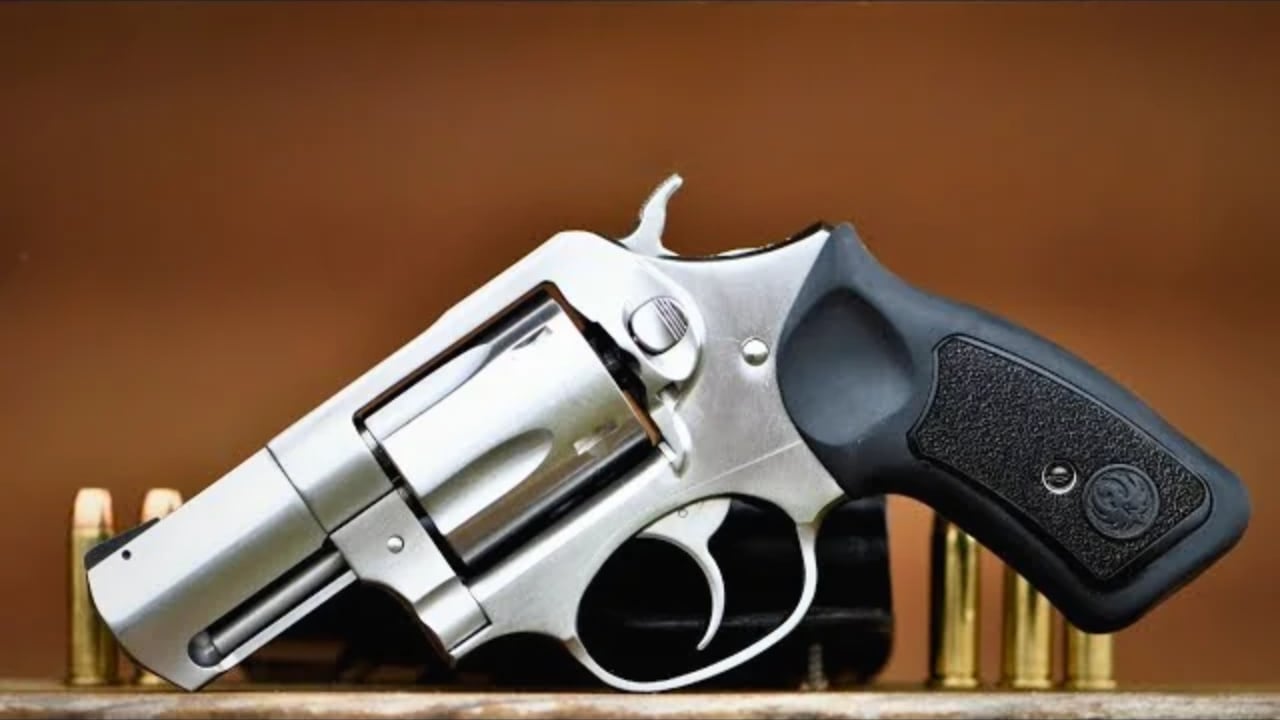
1. Ruger SP101 (2.25-inch)

I remember handling one at a small shop and thinking it felt “too chunky” for a small revolver. That was the whole point, and I missed it. The SP101 carries like a brick compared to an airweight, but it shoots like a real gun instead of a punishment device. In .357, you can run .38s all day without beating yourself up, then load serious stuff when you want it.
It’s also a revolver that doesn’t feel fragile. The latch, the lockup, the way the cylinder closes—everything has that overbuilt Ruger feel. Try finding a clean one now at the price they sat at for years. That one hurts, mostly because it’s the kind of gun that ends up riding in a coat pocket on a cold evening walk, not sitting in the safe waiting for “range day.”
2. Smith & Wesson Model 10 (police trade-in)

There was a time when old duty K-frames were stacked like cordwood. Finish wear, some honest dings, but tight actions. I picked one up, worked the double-action a few times, and decided I “didn’t need another .38.” The truth is, a Model 10 is one of the best .38s ever made for normal people who just want a revolver that points right and hits where it should.
They’re boring in the best way. Fixed sights, simple maintenance, and they will outshoot most folks offhand. Throw a set of grips that fit your hand and it becomes a “forever” nightstand gun or a farm revolver. The regret is watching them climb from “cheap and common” into “why didn’t I buy two?” territory.
3. CZ 75B (or CZ 75 BD)

I stood at a gun counter with a CZ 75B in my hands and talked myself into a polymer striker gun because it was lighter and had more accessories. The CZ felt heavy, and the slide looked small. Later, after shooting friends’ CZs, I realized what I passed up: a pistol that tracks flat, has a real grip shape, and makes you look like a better shooter than you are.
Magazines are easy enough, the guns are durable, and the accuracy is usually there even with plain factory sights. It’s not the best choice for everyone to carry every day, but as a do-it-all 9mm—range, home, training—it’s hard to beat. Prices didn’t get ridiculous, but the “used bargain” days aren’t what they were.
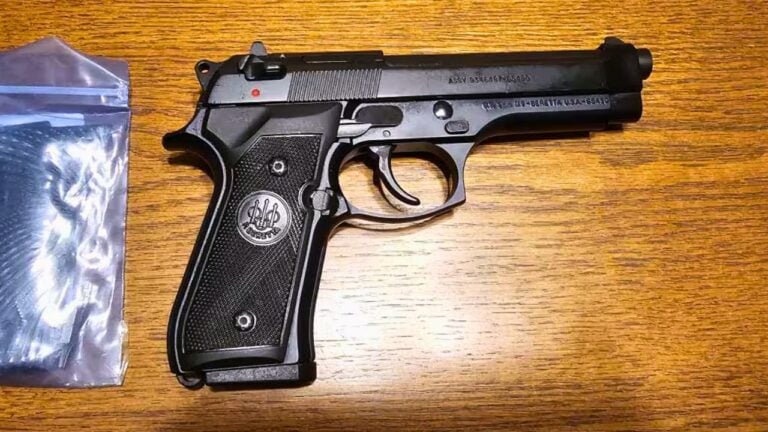
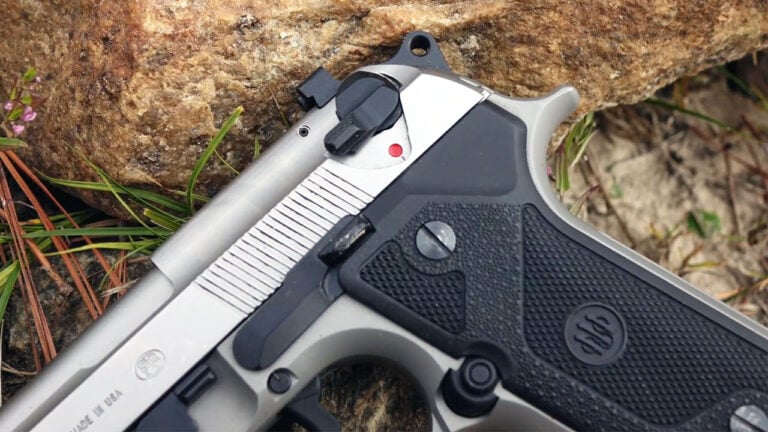
4. Beretta 92FS (Italian-made, used)
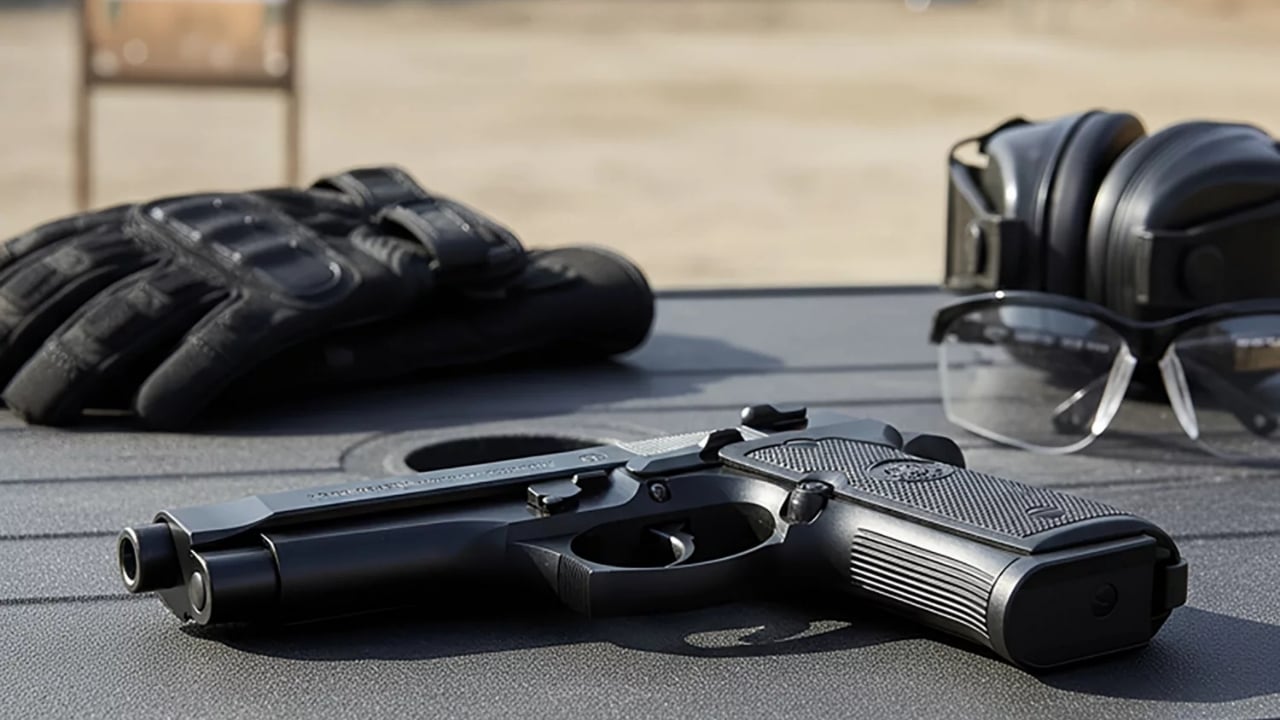
In my head, the Beretta 92FS was a big, dated service pistol. Then I actually learned what makes it good: it runs, it feeds, it has a soft recoil impulse, and the controls make sense once you stop fighting them. I had the chance to buy a used Italian gun with a little holster shine for a price that now feels like a typo.
The 92 isn’t perfect. It’s wide. It’s not the easiest gun for small hands, and the double-action first pull takes practice. But as a home-defense pistol, a range pistol, or a “teach somebody to shoot 9mm without flinch” pistol, it’s excellent. I should have brought it home and quit overthinking it.
5. Marlin 336 (pre-Remington, .30-30)
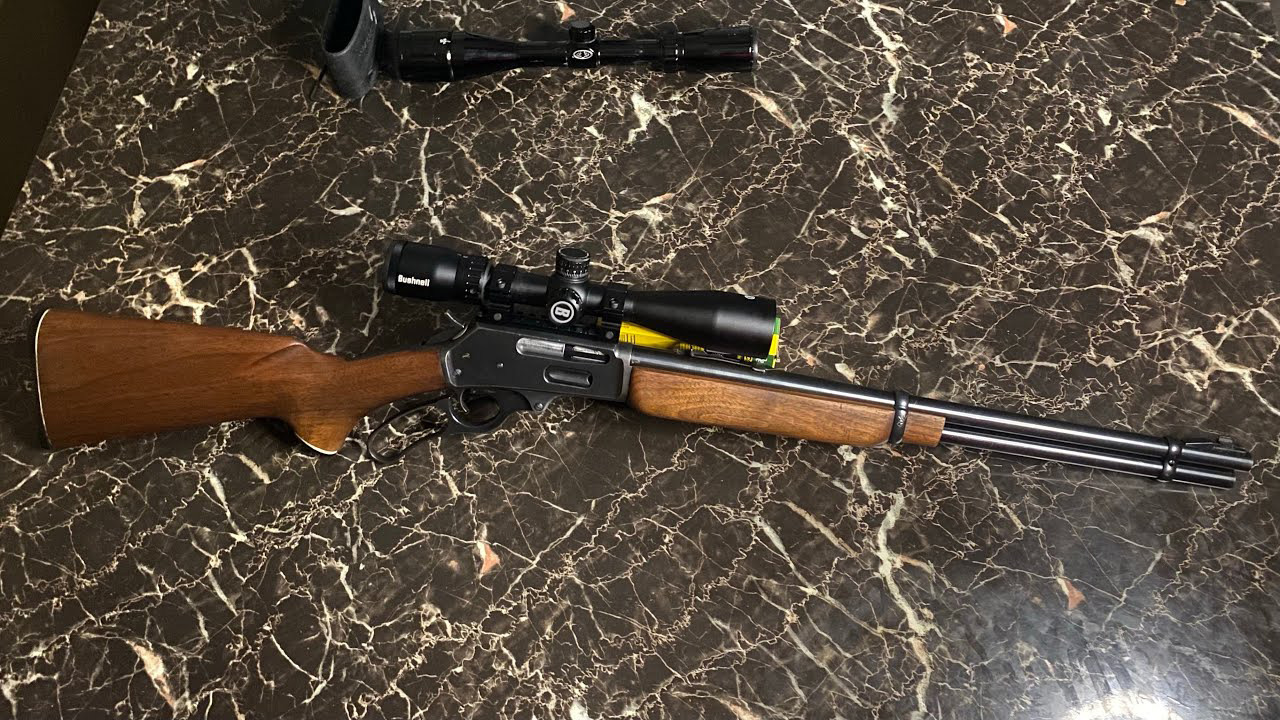
I’ve seen more than one clean old 336 sitting behind the counter while I chased some “better” deer rifle idea. A lever gun in .30-30 doesn’t win internet arguments, but it has put more venison in freezers than most trendy cartridges ever will. The balance is right, it carries easy, and in the woods it comes up fast.
What I didn’t appreciate at the time was how the market would shift. The older Marlins with good wood-to-metal fit and smooth actions don’t sit around anymore, and when they do, they aren’t cheap. If you hunt thick stuff, ride a four-wheeler into tight timber, or just want a simple rifle you’ll actually carry, the 336 makes a lot of sense. I should have bought the one that was right there.
6. Winchester Model 70 (pre-64)
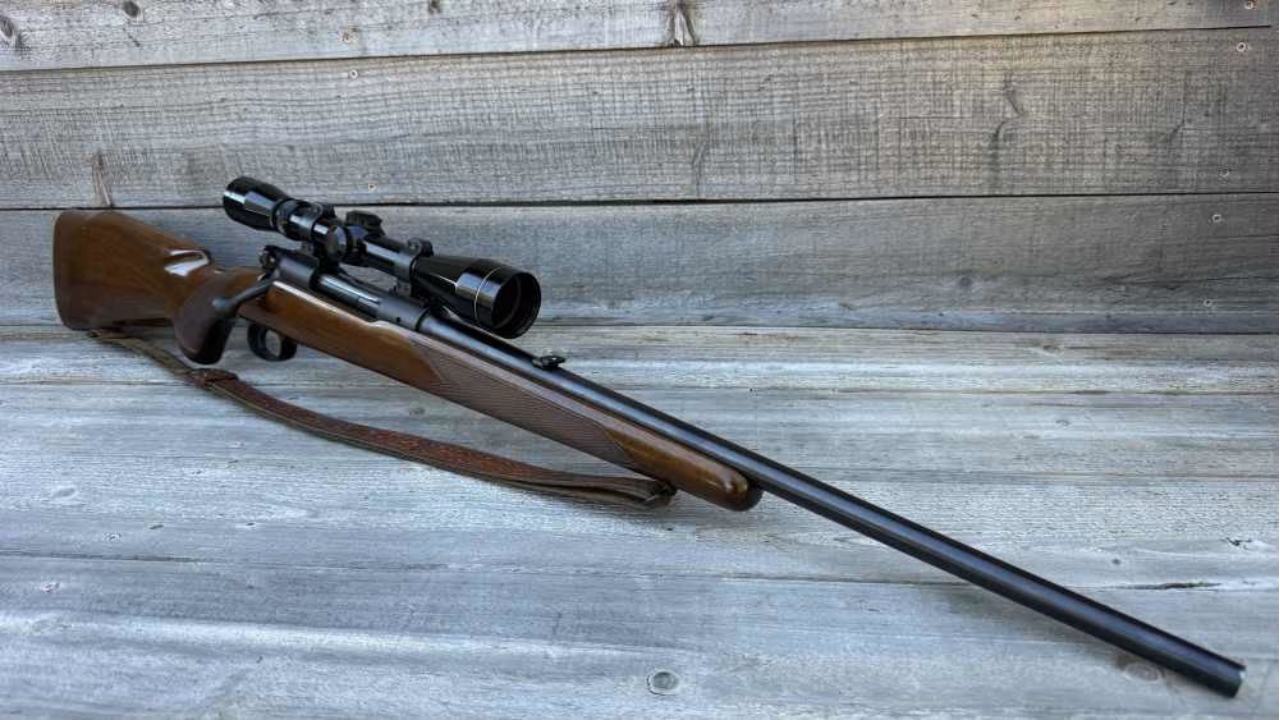
I’m not a fancy collector, but even I know a pre-64 Model 70 is a different animal. I handled one at a show, looked at the tag, and decided it was “too much rifle for me.” What I meant was I didn’t want to spend the money. The action was slick in that controlled-round-feed way, the trigger was clean, and it had that solid feel that makes modern budget rifles feel disposable.
Would I baby it? No. I’d hunt it. That’s what it was built for. A good Model 70 carries well, balances well, and if it’s chambered in something sensible like .30-06 or .270, it’ll do anything most North American hunters need. I don’t lose sleep over missing many guns, but that one pops up in my mind every time I see what they bring now.
7. Remington 870 Wingmaster (older, blued)
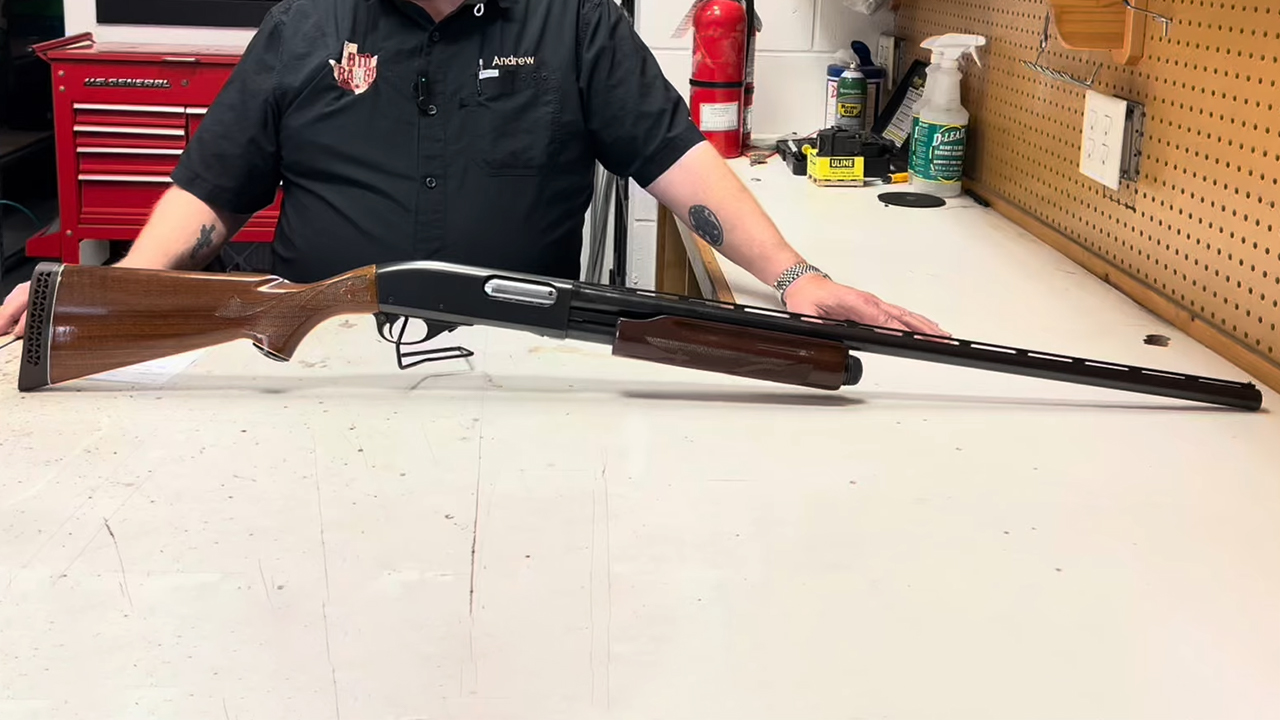
I’ve owned 870s, but I passed on more than one older Wingmaster because I figured “an 870 is an 870.” Wrong. The older Wingmasters have a feel—smooth cycling, deep bluing, walnut that didn’t come from a pallet of mystery wood. You work the fore-end and it sounds like a well-fitted tool, not a loose drawer sliding shut.
These are the shotguns that live behind truck seats, in mud rooms, and in duck blinds for decades. Parts are everywhere, barrels swap easy, and they just keep running with basic care. With the way new production has gone through ups and downs, those older Wingmasters have become the safe bet. I should have grabbed every clean one I saw under a fair price.
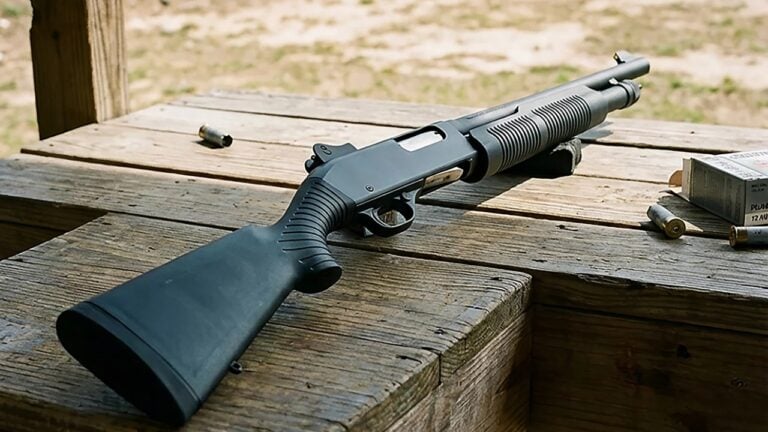
8. Mossberg 590A1 (20-inch)
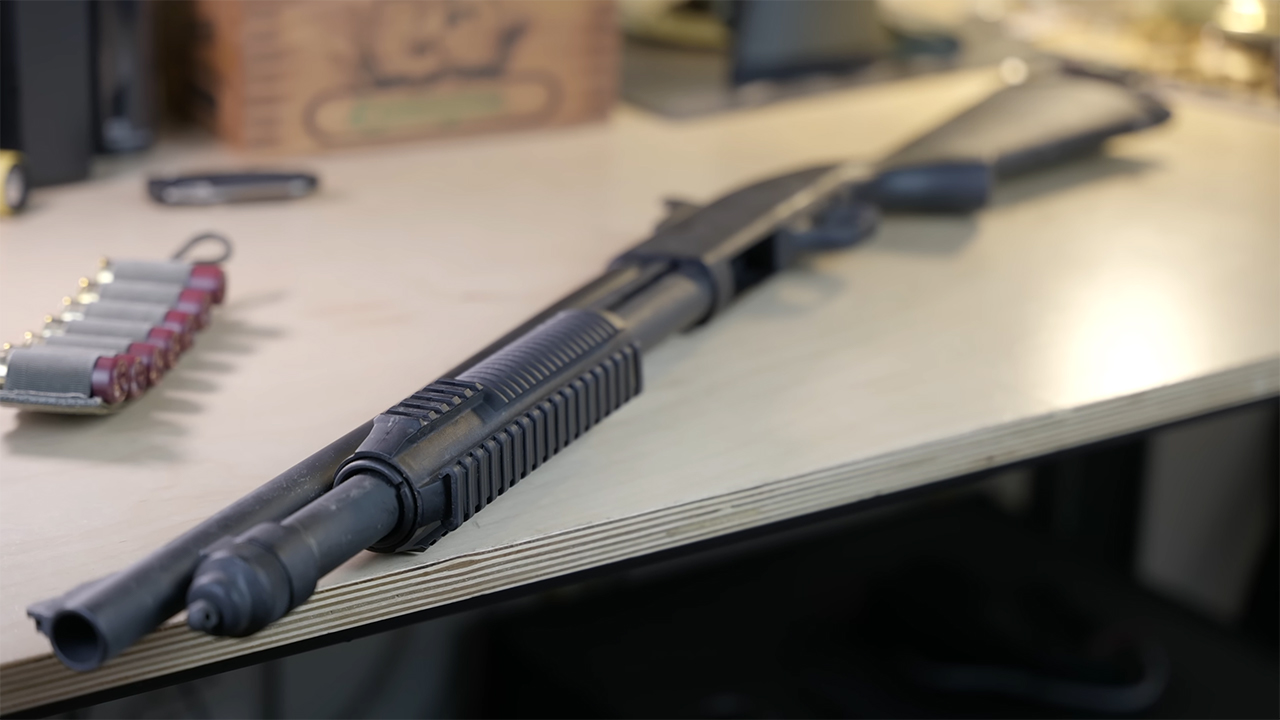
I remember picking up a 590A1 and thinking it was overkill. Heavy barrel, metal trigger guard, built like it was meant to survive rough handling. Later, after seeing what hard use does to cheaper shotguns—loose parts, cracked polymer, sights that won’t stay put—I started appreciating “overkill” a lot more.
The 590A1 is not a delicate gun and it isn’t trying to be. It’s a practical defensive shotgun that also makes a good “farm trouble” gun where you might be dealing with coyotes, pests, or just wanting something simple and reliable at hand. It’s also friendly to maintain, and it’s not picky about ammo if you keep it reasonably clean. I talked myself out of one because it wasn’t pretty. That was dumb.
9. Ruger 10/22 (older used carbine)

I’ve owned a couple 10/22s, but I’ve also passed on more used ones than I can count because I thought, “I can get one any time.” Then you have kids that want to shoot, or you start trapping and want a quiet, handy rifle, or you just want a .22 that works every time. The 10/22 is the .22 you keep coming back to.
It’s not perfect out of the box. Some need a little love with mags and ammo selection, and the factory trigger can be nothing special. But parts and magazines are everywhere, and the rifle is endlessly adaptable without being complicated. A clean used carbine at a good price is one of those things you buy even if you didn’t plan on it. I should have treated them like boots: always good to have another pair.
10. Henry H001 .22 Lever Action

The Henry .22 lever gun is one I dismissed as a novelty until I spent time with one. It’s the kind of rifle that makes you want to shoot, and that matters more than folks admit. Smooth action, decent sights, and it’s easy to carry when you’re checking fences or walking creek bottoms for squirrels.
Is it the fastest reload? No. But for teaching new shooters, for casual plinking, and for small-game hunting where you want something safe and controllable, it’s hard to beat. They also tend to hold up well, and they don’t require you to chase obscure magazines. When I saw one used at a price that was genuinely fair, I passed because I already had a .22. I learned that “already have one” isn’t the same as “have the right one.”
Free for gun owners: If something happened to you tomorrow, would your family know where the guns are, who has the safe combination, or what to do first? Our free Gun Owner’s Family Checklist walks them through it. It takes about 15 minutes to fill out. Get your free copy here.
11. Glock 19 Gen 3 (used, basic)
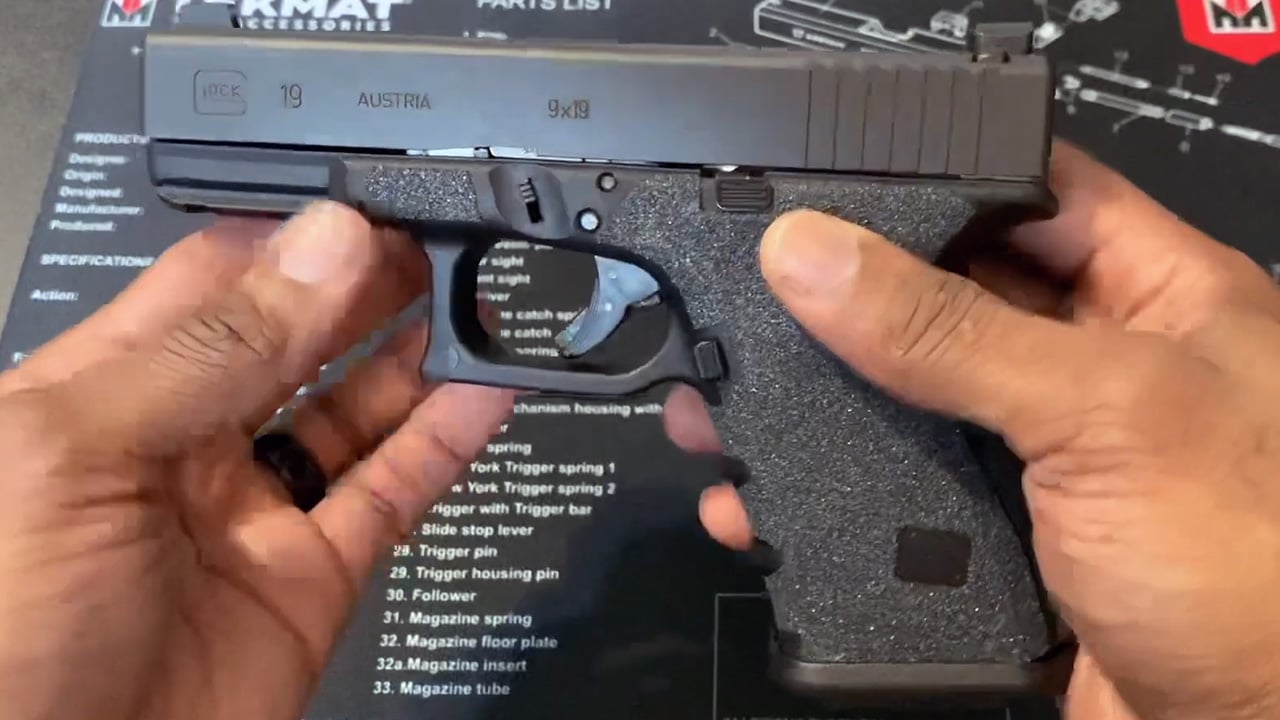
I used to be the guy who thought Glocks were boring and overpriced. Then I watched enough “cool” pistols choke on cheap range ammo, run finicky with magazines, or require parts that were backordered forever. A plain Glock 19 is boring the way a good hammer is boring. It works. Magazines are everywhere. Holsters are everywhere. Parts are everywhere.
A used Gen 3 at a good price is one of those purchases you almost never regret, even if it’s not your favorite. It’ll do concealed carry, training classes, and home defense without drama. The regret for me is all the time I spent trying to outsmart the simple answer. I should have bought the clean used one sitting there instead of telling myself I needed something more “interesting.”
12. Smith & Wesson Model 19 (4-inch)
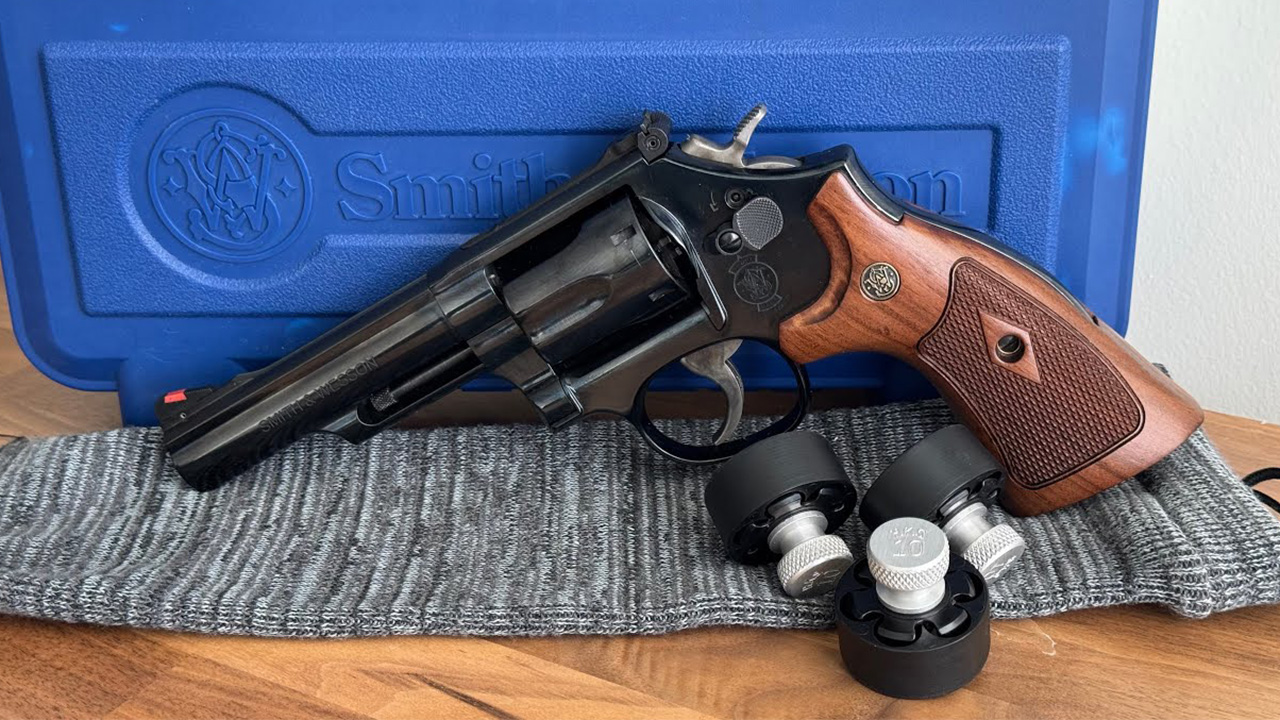
I held a 4-inch Model 19 once and remember thinking it felt like the ideal revolver. Then I set it down because I told myself I’d rather have a “stronger” .357. Sure, there are tougher revolvers for constant heavy magnum loads. But the Model 19 is what a .357 should feel like in the hand—balanced, lively, and accurate with a trigger that makes you grin.
With .38s it’s a joy, and with sensible .357 loads it’s plenty for most practical use. As a trail gun or a woods-walk companion, it’s hard not to love. The older ones especially have a level of fit that’s tough to find without spending real money now. I get why folks hang onto them. I also get why I should have bought that one when it was sitting there calling my name.
13. Ruger Blackhawk (Convertible .357/9mm)

Single-actions aren’t for everybody, and I understand why some folks walk right past them. But a Blackhawk convertible is pure utility disguised as an old-west toy. Being able to shoot .357 Magnum, .38 Special, and 9mm out of the same revolver (with the extra cylinder) makes it one of the better “use what you can find” handguns out there.
It’s also strong. You can run it hard, keep it clean, and not worry about it. The sights are usually solid, the triggers can be excellent, and it’s a gun that encourages slow, careful shooting. Where I regret passing is that I didn’t realize how often a rugged revolver becomes the default camp gun—something you can toss in a holster, hike with, and not obsess over. It’s not fancy, and that’s kind of the point.
14. Savage Model 99 (300 Savage)

The Savage 99 is one of those rifles you either “get” or you don’t. I didn’t, at least not when I was younger. I saw the rotary-mag lever action and figured it was an oddball compared to a 336 or a Model 94. Then you shoulder one and realize it’s a slick hunting rifle with real accuracy potential and a design that was ahead of its time.
In 300 Savage, it’s a classic deer cartridge that still works. The rifles have character, they carry well, and they’re the kind of heirloom gun that still gets used if you treat it right. They aren’t getting easier to find in good condition, and when you do find one, the price reflects that. I passed on one because it had “old gun” vibes. I should have bought it for exactly that reason.
15. Springfield Armory M1A (Standard model)
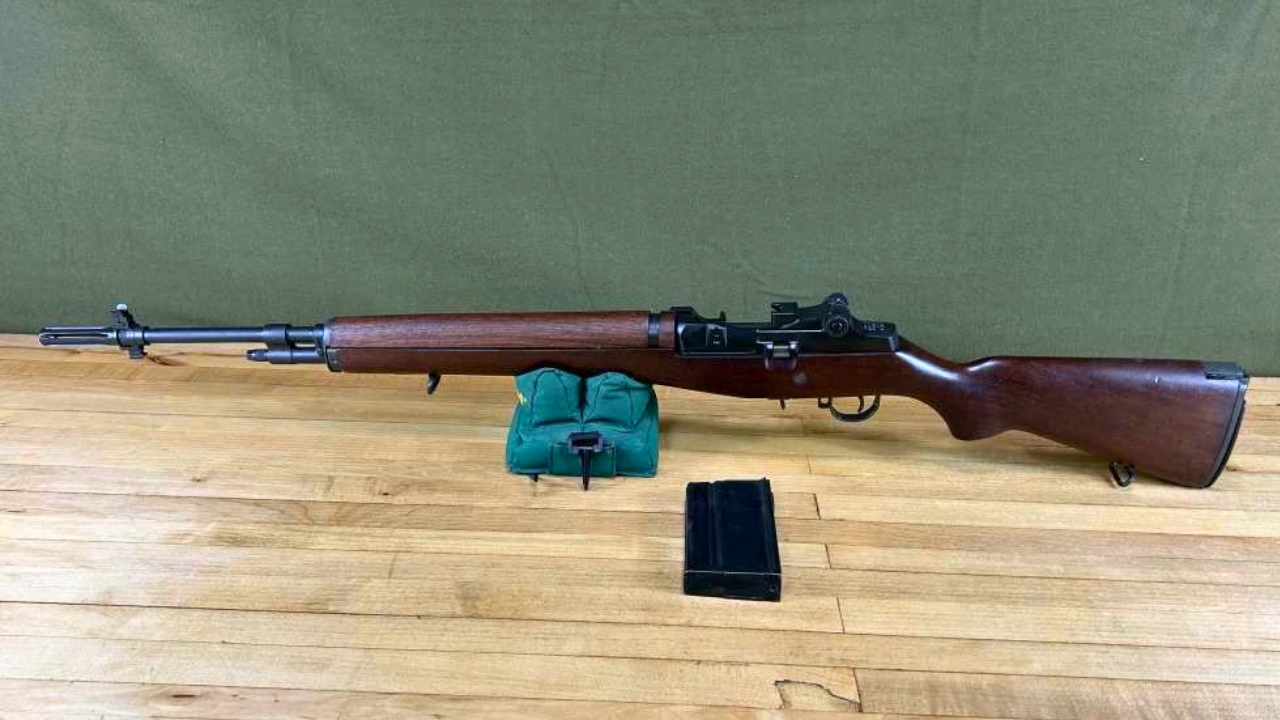
I know the internet loves to argue about the M1A. Heavy, expensive, not an AR, and not as modular. All fair. Still, the Standard M1A is one of those rifles that just feels right if you like traditional stocks and a rifle that balances like a rifle. I had a chance at a clean used one and decided I’d rather put the money into an AR build.
What I missed is that an M1A scratches a different itch. It’s a .308 you can actually enjoy shooting from field positions, and it has a way of making you slow down and pay attention. Magazines are available, parts are out there, and it’s a rifle that can live as a range gun, a property rifle, or a “one rifle” for somebody who doesn’t want an optic-covered space blaster. It isn’t for everyone, but I should have grabbed that one.
16. Colt Detective Special (older, 6-shot)
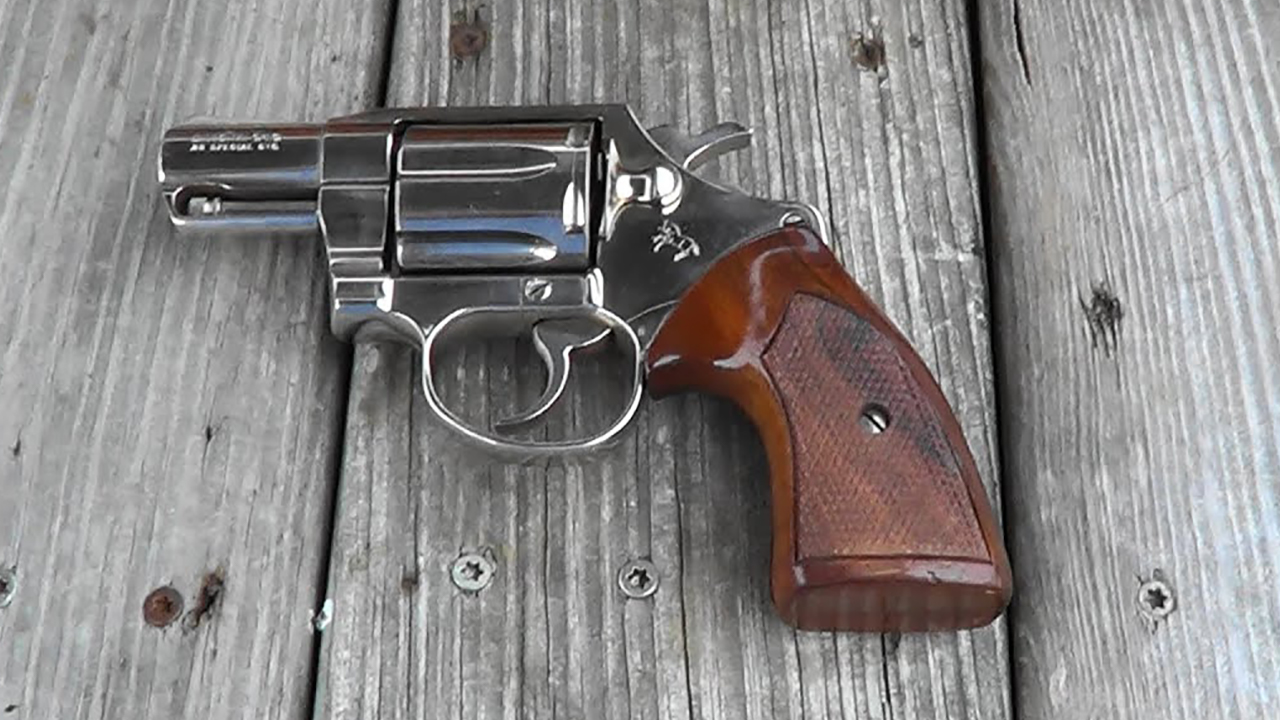
There’s something about the old Colt snubs that’s hard to describe until you handle one. The Detective Special I passed on had that slick Colt action and a grip frame that sat right in the hand. Six shots in a compact revolver is still a real advantage, and the older guns have a fit that feels like it came from a different era of manufacturing.
They also aren’t as simple to replace as a common J-frame, and that’s where regret creeps in. The Colt lockwork can be more complex, and you want one that’s in good shape, but a solid example is a great carry revolver for someone who actually practices. The one I handled wasn’t perfect, but it was honest. I set it down because I thought I’d see another next month. I didn’t.
17. Browning Hi-Power (FN or Browning-marked)
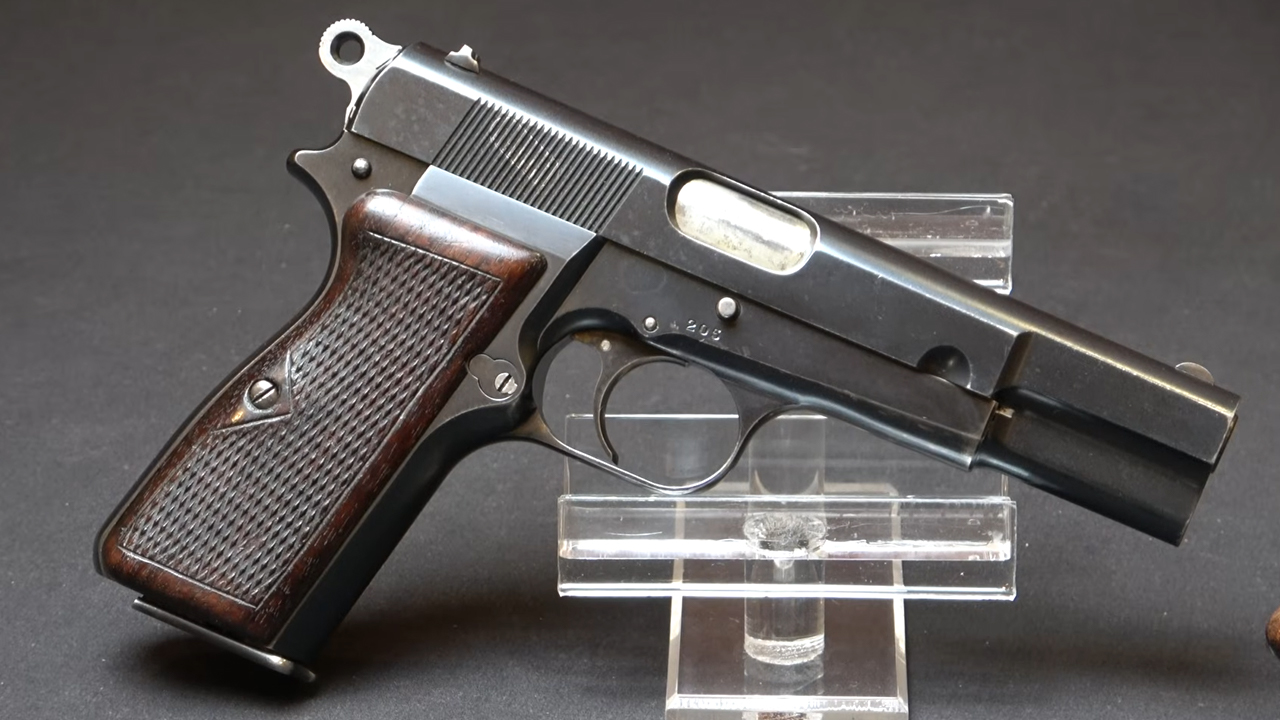
The Hi-Power is one of those pistols you can talk yourself out of because modern guns hold more rounds and have better sights and better triggers out of the box. Then you shoot a good Hi-Power and you understand why it has the reputation it does. It points naturally, carries flatter than you’d think, and it has that all-steel steadiness that polymer guns don’t quite replicate.
Downsides? Sure. Some bite the web of your hand. Some need a little work to reach their potential, and magazines matter. But the good ones have become harder to find at a sane price, especially originals that haven’t been “improved” into something else. I had one in my hands at a show, hesitated, and watched it disappear. That was my lesson: classics don’t wait around for you to make up your mind.
18. Ruger Mini-14 Ranch Rifle (older 180/181-series era)
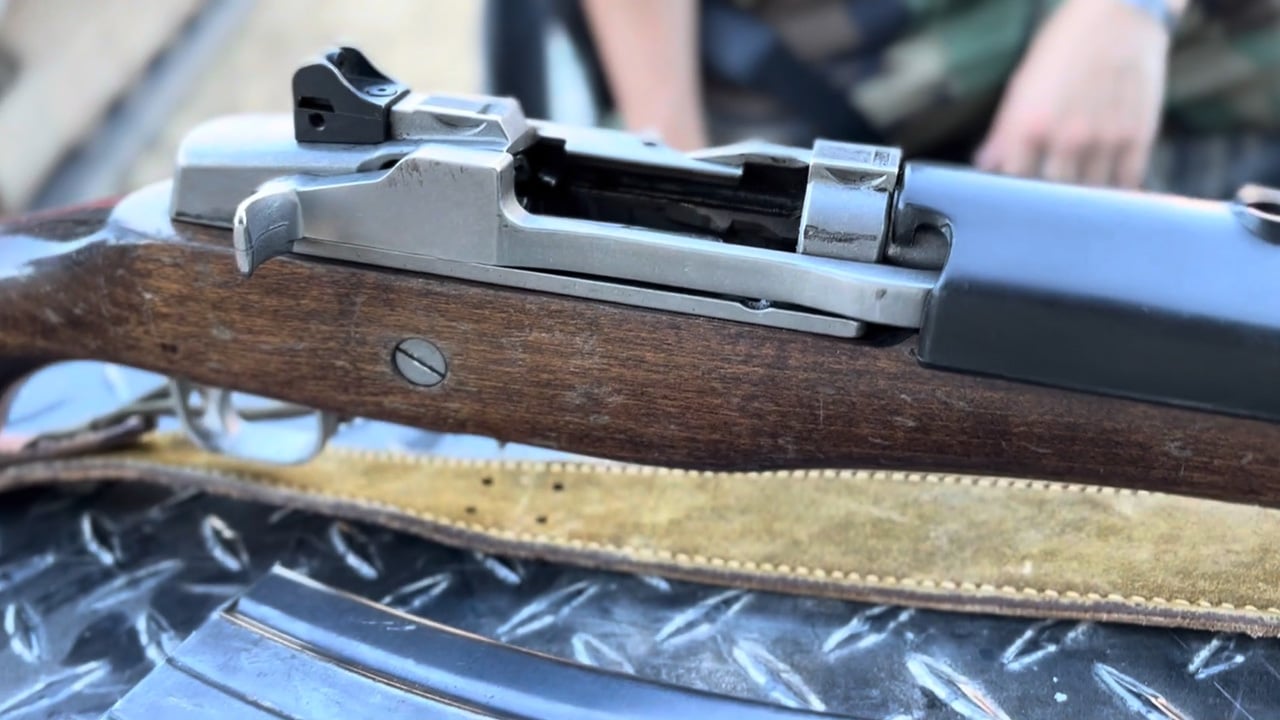
I used to be one of the guys who repeated the old “Mini-14s can’t shoot” line like it was gospel. Then I spent time around a few that ran flawlessly and did exactly what a ranch rifle is supposed to do. They carry light, they handle fast, and for property work—coyotes, pests, riding in a truck—they make a lot of sense without screaming “tactical.”
The older ones vary. Some are not tack-drivers, and you need to be honest about that. But if you find one that groups well enough for the distances you actually shoot, it’s a handy rifle with simple controls and a reputation for reliability. The regret is that I passed on a clean used one with a couple factory mags at a fair price. Factory Mini mags aren’t always cheap, and that bundle would have saved me money and hassle later.
19. Smith & Wesson 686 (4-inch)
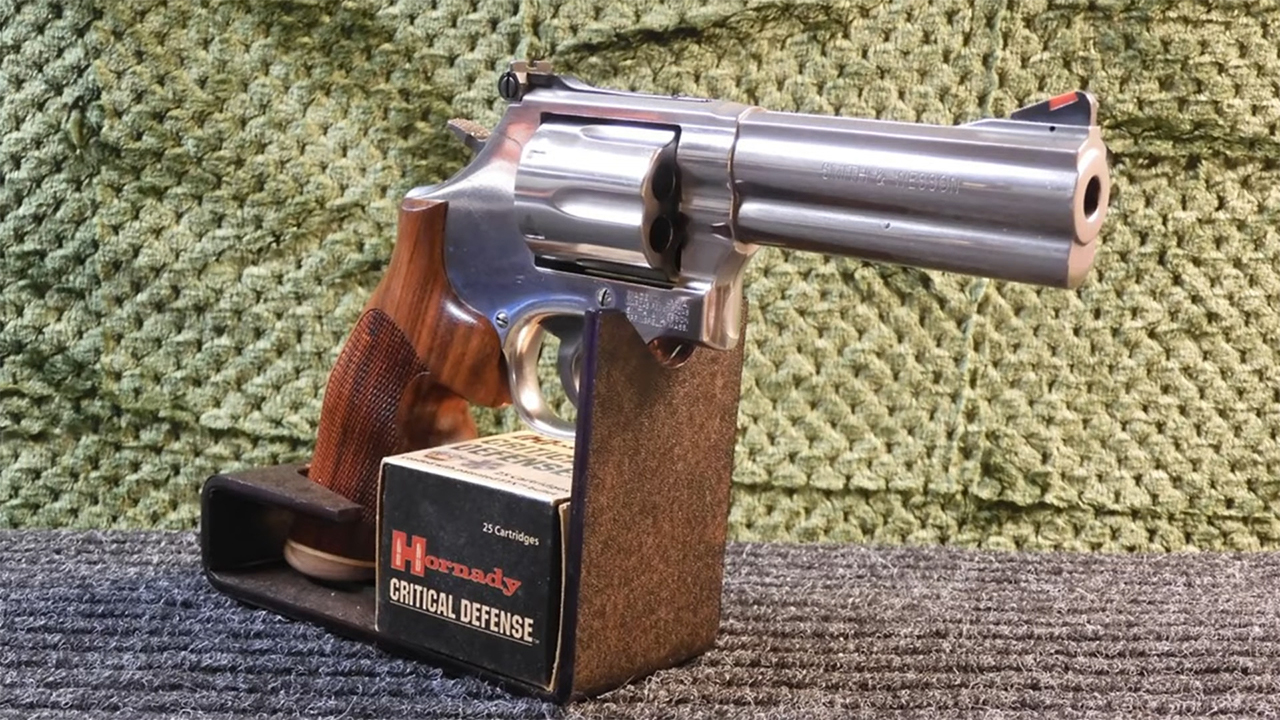
The 686 is a working revolver. It’s not dainty, it’s not light, and it’s not trying to be cute. I remember seeing a 4-inch 686 on consignment, turning the cylinder, and thinking it was almost too nice to “use.” That was a goofy thought. The whole point of an L-frame .357 is that you can actually shoot .357 without feeling like you’re wearing the gun out.
For a woods revolver, a range revolver, or a home-defense revolver that anybody in the household can learn, the 686 is hard to argue with. They tend to be accurate, the triggers are often excellent, and speedloaders and holsters aren’t hard to find. The only real downside is weight on the belt, but that weight buys you control. I should have bought it and quit pretending I was going to stumble into a better deal later.
20. Tikka T3x Lite (stainless, .308)

I stood behind a counter with a stainless T3x Lite and told myself it was “too plain” for the price. Then I watched buddies buy them and quietly kill deer year after year without fiddling, re-zeroing, or dealing with mystery flyers. Tikkas tend to shoot. The bolts are smooth. The triggers are good. The magazines aren’t my favorite, but they work, and the rifle carries like it was built for real hunting instead of a catalog photo.
A stainless .308 is about as practical as it gets if you hunt in wet weather, ride in dusty trucks, or just want a rifle that shrugs off neglect better than blued steel. It’s not flashy, and you won’t get social media points for it. You will get a rifle you trust when the shot is there and your hands are cold. I should have bought the plain one and spent the rest of the money on glass and ammo.
Regrets aren’t always about “missing an investment.” Most of mine are about missing a tool that would have made my hunting, practice, or day-to-day life simpler. If you’re standing at a counter looking at something proven, useful, and fairly priced, don’t talk yourself out of it just because it isn’t trendy. Trendy changes. A good rifle or handgun that fits your actual needs doesn’t.
Like The Avid Outdoorsman’s content? Subscribe to our newsletter so you never miss an article.
Here’s more from us: