Photo credit: GunBroker
Most modern pistols are easy to like for the first 500 rounds. They run, they point well, magazines are everywhere, and the internet tells you they’re “duty proven.” Then you actually carry one through a sweaty summer, shoot it in a couple classes, and start noticing the same pattern: the gun itself is solid, but there’s usually one part that gives up before anything else. It might be a recoil spring, a tiny slide stop, a magazine catch, or a cheap sight. None of it is the end of the world, but it’s the first real reminder that pistols are machines, not magic.
Here are 20 handguns that are tough to nitpick—right up until the first wear item taps you on the shoulder. If you own one, this isn’t a knock. It’s just the stuff worth watching so your “can’t miss” pistol doesn’t turn into an intermittent problem at the worst time.
1. Glock 19 (Gen3/Gen4/Gen5)
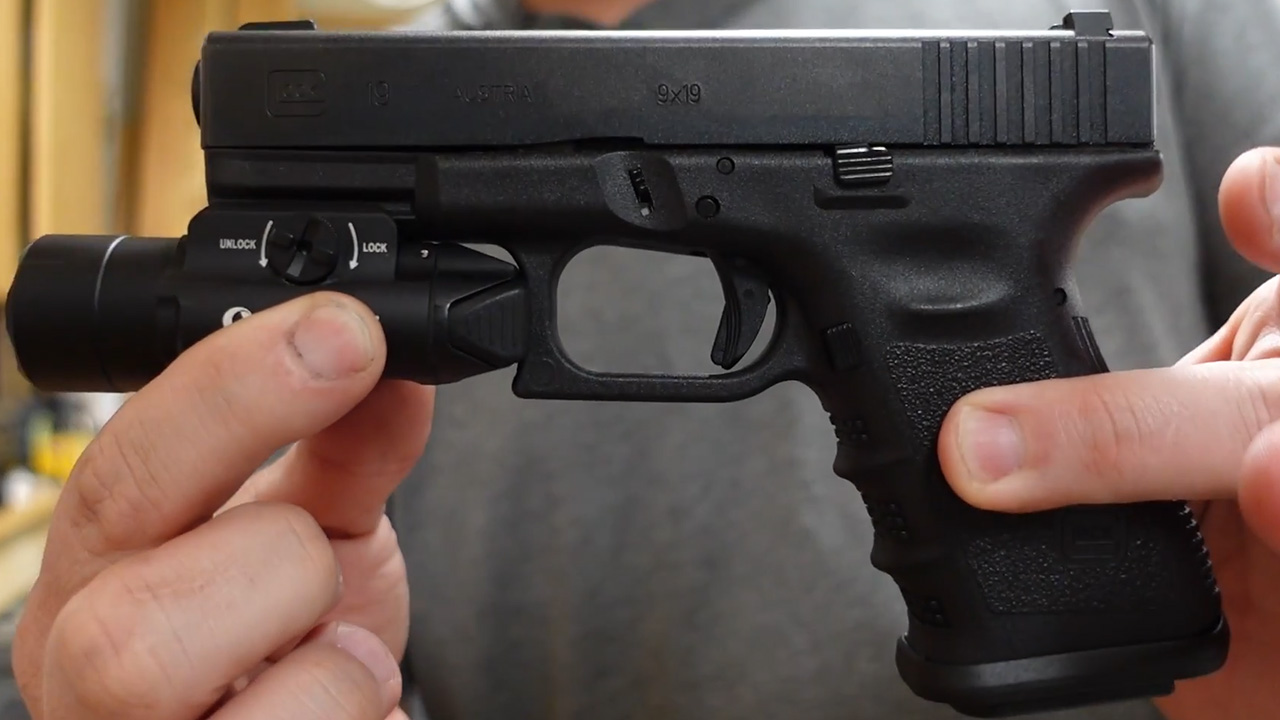
You can carry a Glock 19 for a decade and never have a dramatic malfunction, which is why they’re everywhere from nightstands to duck camp trucks. They feed about anything, they’re simple, and the size hits that sweet spot where it’s not a chore to shoot well. It’s the pistol I see new shooters improve with faster than almost anything else because the gun isn’t fighting them.
The first thing that tends to quit on high-round-count Glock 19s is usually spring-related. Recoil spring assemblies get tired, and when they do you may start noticing sluggish return to battery, brass landing in odd places, or the gun feeling “soft” in a way that’s hard to describe until you’ve felt it. The fix is easy, but the lesson matters: schedule spring replacements and don’t ignore ejection pattern changes like they’re just “ammo differences.”
2. SIG Sauer P365
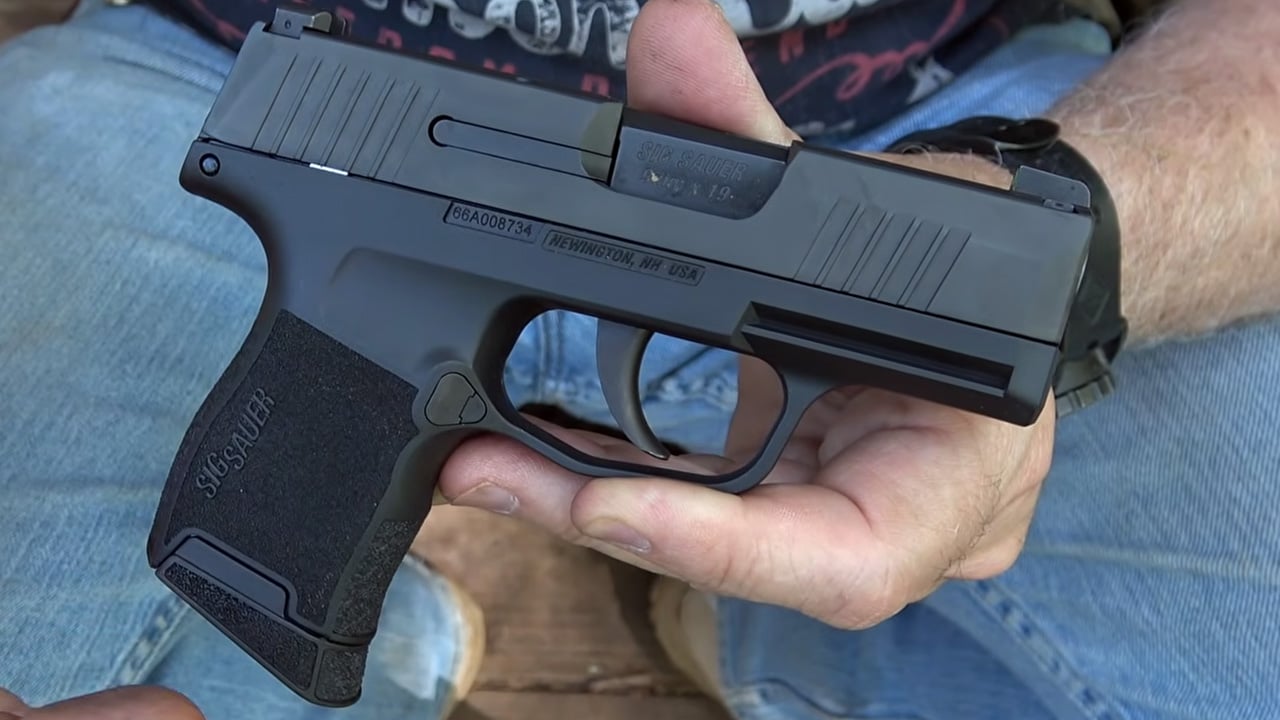
The P365 changed what folks expect from a micro-compact. Real sights, real capacity, and a grip that doesn’t feel like holding a wet bar of soap. It carries like a little gun but shoots bigger than it looks, which is why it’s on so many belts in town and in the woods when people want something lighter than a full-size.
Small guns run fast, and small parts take the beating. The wear item I’d keep an eye on is the recoil spring assembly, along with magazines that get ridden hard. When the spring starts losing its edge, you can see the gun get pickier about limp-wristing and ammo power. If your carry is a P365, it’s smart to rotate mags, keep an extra recoil spring assembly on hand, and function-check after you swap grip modules or change anything that affects how the gun sits in your hand.
3. Smith & Wesson M&P 2.0 Compact

The M&P 2.0 Compact is one of those pistols that just points right for a lot of people. The grip texture is aggressive enough to matter when it’s hot, raining, or your hands are sweaty from hauling a deer. It’s also a gun that usually runs with a wide range of ammo without needing a “break-in story.”
The part I see get tired first is often the striker/firing pin system components, especially if the gun lives a hard life with lots of dry fire and lots of rounds. Springs weaken, and occasionally you’ll see intermittent light primer strikes show up like a ghost—rare, but frustrating. Keeping the striker channel clean and replacing wear springs on a sensible schedule goes a long way. Also, if your gun came with basic sights and you swapped them, keep an eye on sight set screws and drift. A loose rear sight can mimic bigger problems.
4. Heckler & Koch VP9

The VP9 is easy to shoot well. The trigger is clean enough out of the box, the grip panels let you fit the gun to your hand, and recoil feels more like a push than a snap. If you’re the kind of shooter who cares about how a pistol tracks in recoil, the VP9 earns its keep.
The first thing that can annoy you isn’t the gun “breaking,” it’s smaller upkeep items like magazine springs and the recoil spring assembly once the round count climbs. A VP9 that’s been shot a lot will still run, but you may notice slide velocity changing and ejection getting less consistent. The other common gripe is sight durability depending on what version you have and what you did to it—suppressor-height sights, optics plates, and constant holster wear can loosen or chew up parts. None of it scares me, but it rewards a guy who checks screws and tracks round count.
5. Walther PDP Compact

The PDP is a serious shooter’s pistol that still works as a daily carry if you don’t mind a little bulk. The grip is solid, the slide serrations are the best in the business, and it’s one of the few striker guns where I’ll say the trigger actually helps you shoot better. If you hunt and carry a pistol in the off-season, a PDP feels like a “real gun” on the range, not a compromise.
The wear point to watch is the recoil spring assembly and, depending on your setup, optics mounting screws and plates. The PDP invites red dots, and red dots invite loose screws if you don’t stay on top of them. When recoil springs start to get tired, you’ll sometimes see the dot track differently and the gun feel more abrupt. That’s your hint. The gun isn’t becoming “bad,” it’s telling you it’s time for routine parts, just like changing oil in a truck that never leaves you stranded.
6. CZ P-10 C

The P-10 C is one of those pistols that makes you wonder why you’d pay more for “basically the same thing.” It’s accurate, the grip is locked in, and the trigger is usually very good for a striker gun. It’s also tough enough for rough use, which is why you see them on range lines that aren’t exactly gentle on equipment.
The first thing that tends to get complained about is magazines and small controls wearing in a way that changes feel. Magazine springs can soften, baseplates take abuse, and the slide stop can start feeling different after a lot of use. It’s not a reliability death sentence, but it’s the kind of gradual wear that makes a gun feel “off” before it actually stops. Keep quality mags, mark them, and don’t be shy about replacing springs. If you’re running the gun hard, you’ll spend more time on mag upkeep than on the pistol itself.
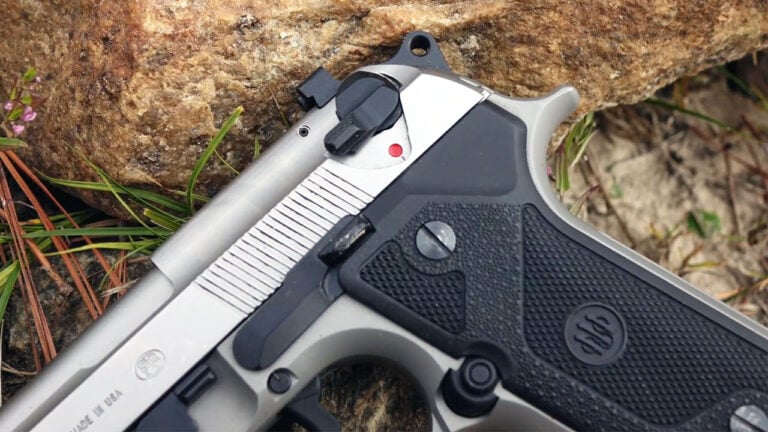
7. Beretta 92FS / M9

There’s nothing trendy about a Beretta 92FS, and that’s part of why I still like them. They’re smooth, soft shooting, and ridiculously easy to control once you learn the long reach and the slide-mounted safety/decocker setup. For a camp pistol or a range gun that just eats 9mm, they’re hard to hate.
The first wear item that can bite you is the locking block system and related springs as the round count climbs. Most owners will never shoot enough to see a real issue, but the folks who do high-volume training with 92s pay attention to the locking block and recoil spring. When those parts start to get tired, you can see odd cycling behavior that looks like ammo trouble. The good news is parts are available and the design is understood. The bad news is ignoring it can turn a famously smooth gun into a finicky one.
8. Ruger Mark IV
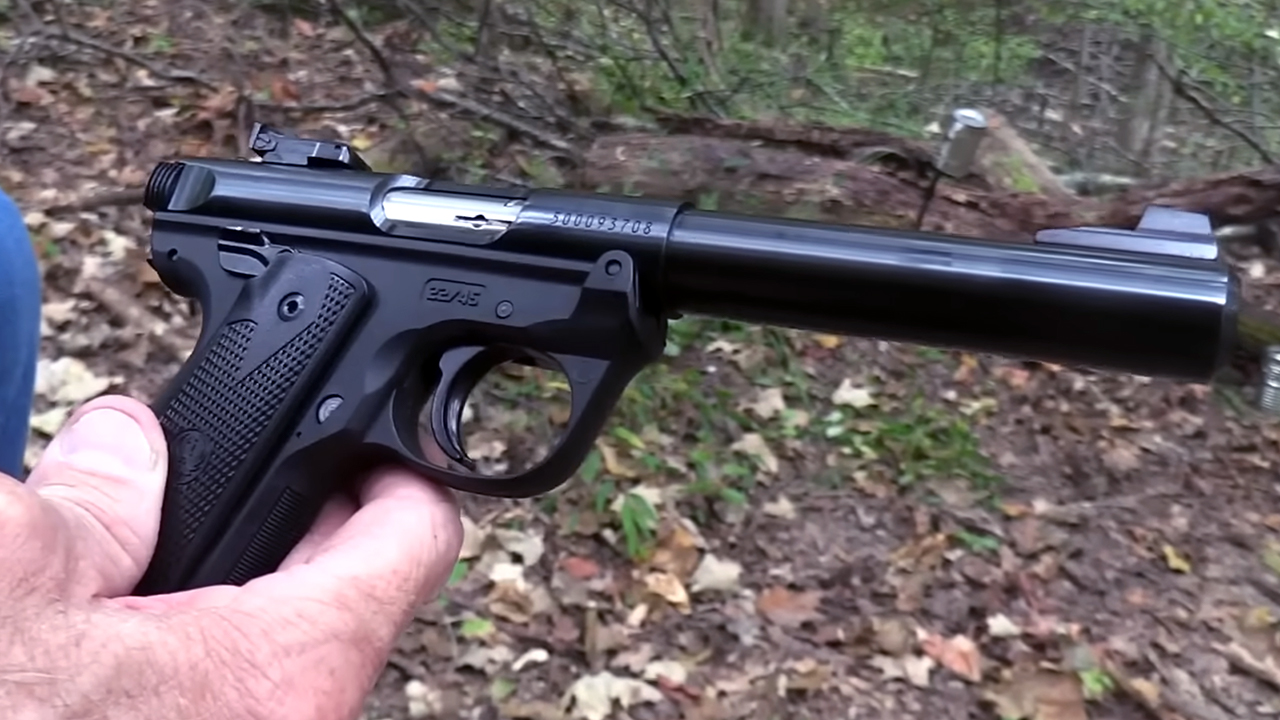
A Ruger Mark IV is one of the best “actually useful” pistols a person can own. Cheap practice, small-game work where legal, teaching kids and grandkids, and just plain fun. The one-button takedown means you’ll clean it more often, which is half the battle with rimfire pistols.
Rimfires will humble you, and the first thing that usually wears or causes trouble is the magazine and its related springs and lips, followed by small extractor wear. When the extractor starts losing sharpness, you’ll see failures that feel random until you look at the brass. Also, the Mark IV’s reliability is heavily tied to cleanliness, so a gun that “was flawless” can turn into a problem if you let it get gunked up with rimfire crud. It’s not a design flaw. It’s the cost of cheap .22LR and lots of smiles.
9. Browning Buck Mark

The Buck Mark is another rimfire workhorse that doesn’t get enough credit outside of target shooters. The grip angle feels natural, the trigger is often very good, and they tend to be accurate with basic ammo. For a tackle-box pistol on the farm pond or a trapline sidearm where legal, it’s a solid choice.
The first thing that can irritate you is fasteners and small parts working loose, especially if you shoot it a lot and don’t keep an eye on screws. Once a Buck Mark starts loosening up, it can change point of impact or start feeling “mushy.” It’s also sensitive to dirty ammo, and the recoil spring and guide system can get sluggish with fouling. Treat it like a rimfire machine that likes a little attention—clean it, check tightness, and don’t assume “it ran last time” means it’ll run after 800 rounds of bulk pack.
10. Springfield Armory XD-M Elite
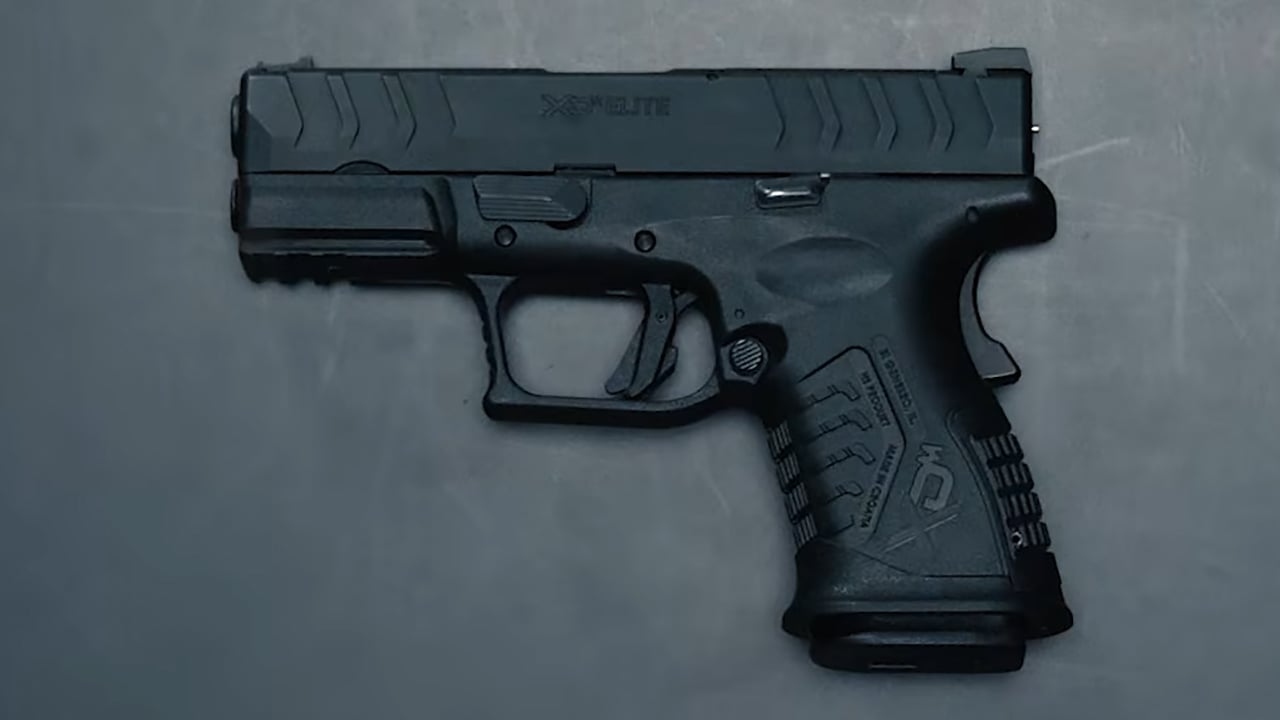
The XD-M Elite line is accurate, high capacity, and easy to run fast. The grip safety doesn’t bother some shooters and drives others nuts, but the guns generally run and run. For folks who like a more aggressive grip and a long sight radius, they’re very comfortable pistols that soak up range time.
The wear point I’d watch is magazine-related first, then recoil springs. High-capacity mags that get dropped on gravel and stepped on eventually start acting like it, even if the gun itself is fine. A tired mag spring or a slightly tweaked feed lip can create “mystery” failures that get blamed on the pistol. The XD-M will usually keep going, but it’s the kind of platform where keeping your mags in shape matters a lot. Mark your mags, rotate them, and don’t baby the gun—just maintain the parts that actually take the abuse.
11. FN 509
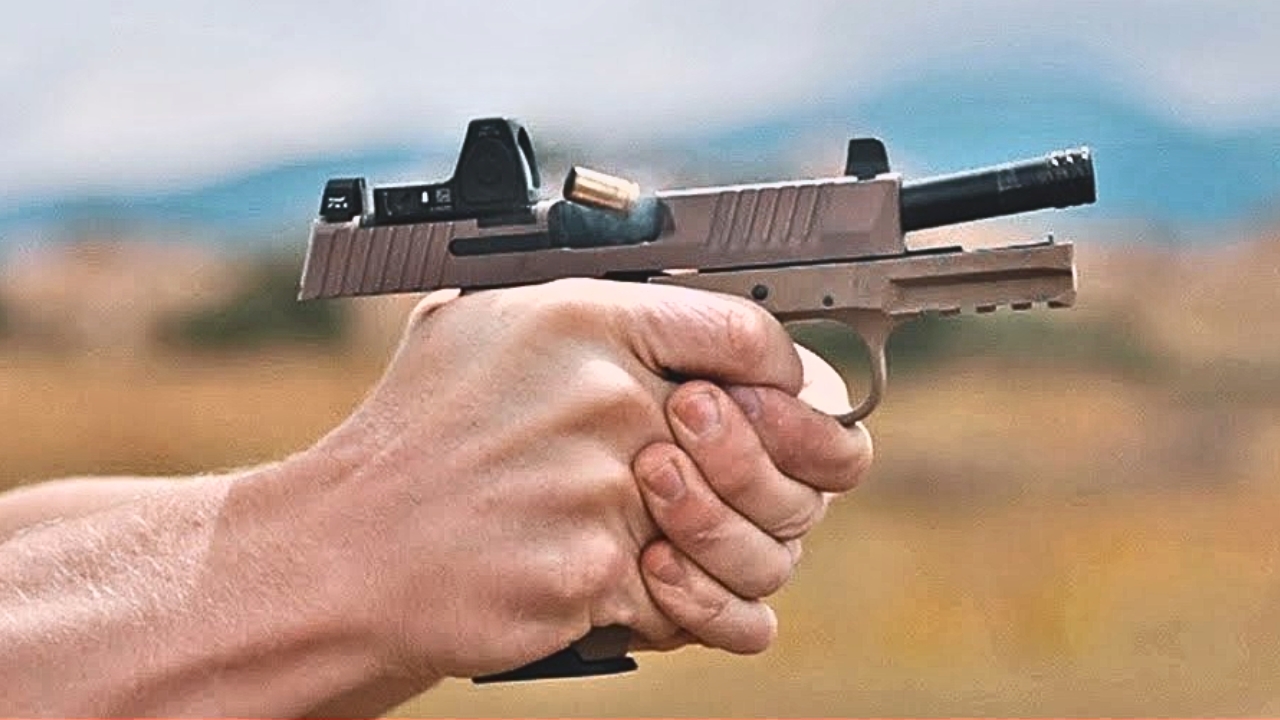
The FN 509 has a duty-gun feel. The slide is stout, the frame is tough, and it’s built for rough handling. If you want a pistol that doesn’t feel like it was designed on a napkin, the 509 scratches that itch. It’s not the lightest, not the cheapest, but it’s serious.
The first thing to show wear for many owners ends up being the striker/firing pin related springs or the trigger return feel changing over time. It’s subtle: the trigger starts to feel a little different, reset changes slightly, and you notice it because you’ve shot it enough to know better. Add optics into the mix and you also have the usual screw and plate maintenance that can’t be ignored. The pistol will take abuse, but it won’t forgive neglect of small hardware, especially if you’re running it hard in classes or carrying it in a dusty environment.
Free for gun owners: If something happened to you tomorrow, would your family know where the guns are, who has the safe combination, or what to do first? Our free Gun Owner’s Family Checklist walks them through it. It takes about 15 minutes to fill out. Get your free copy here.
12. Canik TP9SF Elite
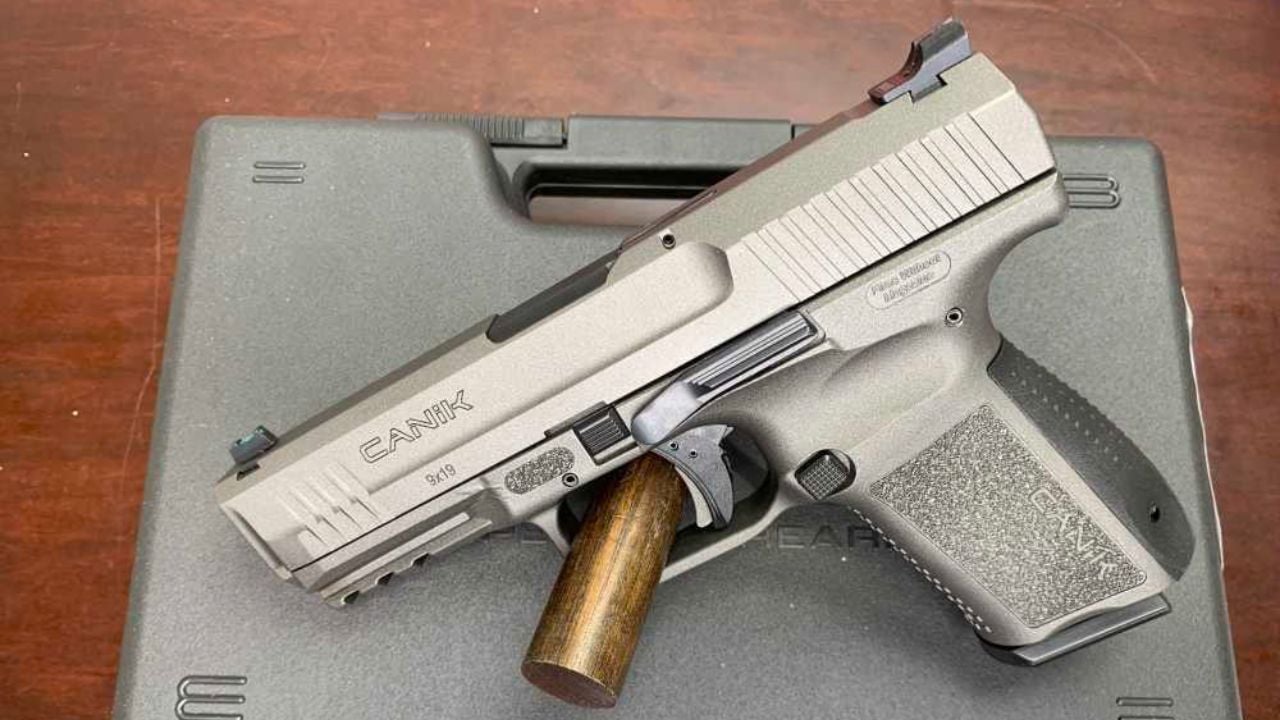
Canik built a reputation by giving shooters a lot of gun for the money. The TP9SF Elite points well, the trigger is surprisingly good, and it tends to run with minimal drama. For a “one pistol that does most things” on a tighter budget, it’s easy to recommend.
What usually shows up first isn’t a catastrophic break, it’s wear in the recoil spring assembly and magazine springs—especially if you keep mags loaded all the time and run hot ammo. Some Caniks also feel like they prefer a certain power level to cycle with authority. When springs soften, you can see failures to return to battery or weak ejection pop up earlier than you’d expect. The fix is straightforward: treat springs as consumables. If the gun is doing carry duty, keep a spare recoil spring and a couple fresh mag springs around like you would spare batteries for your headlamp.
13. Taurus G3C

The G3C is a lot of pistol for not much cash, and plenty of them run just fine. They’re small enough to carry, big enough to shoot decently, and the controls aren’t weird. For a working guy who wants a basic 9mm that doesn’t require a loan, I get the appeal.
The part that tends to wear or show weakness first is usually magazine-related, plus occasional small internal springs depending on how hard the gun is used. The G3C can go a long time, but cheap mags or abused mags can turn it into a headache. Another thing to watch is sight durability and drift if the gun gets banged around. It’s not that the pistol is “junk.” It’s that this is the price point where you need to be honest about maintenance and quality control. If it’s your main carry, prove your specific gun with your specific ammo and keep your mags squared away.
14. Ruger LCP II

The LCP II is a pocket gun that actually gets carried. That’s its whole job. It disappears in light clothes, it’s light enough you forget it’s there, and it gives you an option when a bigger pistol would stay home. There’s nothing fancy about it, and that is kind of the point.
The first thing that shows wear is often the recoil spring assembly and the little bits that take a beating in such a small package. Tiny .380s run fast, and you feel it in the hand and the parts. Over time you may notice the slide feels snappier, the gun gets a little more sensitive to grip, or the last-round behavior changes. Also, magazines are small and easy to dent or contaminate with lint if you pocket carry. Pocket pistols live in a dirty world. If you carry one, clean it more than you think you need to and replace springs before you start making excuses for it.
15. SIG Sauer P226

The P226 is one of those pistols that feels like it was built when companies still cared about overbuilding things. It’s smooth, accurate, and boring in the best way. A lot of them end up as “truck safe” guns or range guns for folks who want metal and weight, not another plastic striker.
The wear item that sneaks up is usually spring life—recoil springs and magazine springs—and sometimes the small pins and trigger return spring depending on age and use. You can shoot a P226 for years and never think about it, then suddenly it starts tossing brass weird or the slide feels like it’s slamming harder. That’s your clue. The gun isn’t failing; it’s just due for routine parts. The other thing is cost: factory mags and some parts aren’t bargain-bin cheap, so guys delay maintenance. Don’t. A P226 will treat you right if you treat it like a real tool with a service interval.
16. CZ 75B
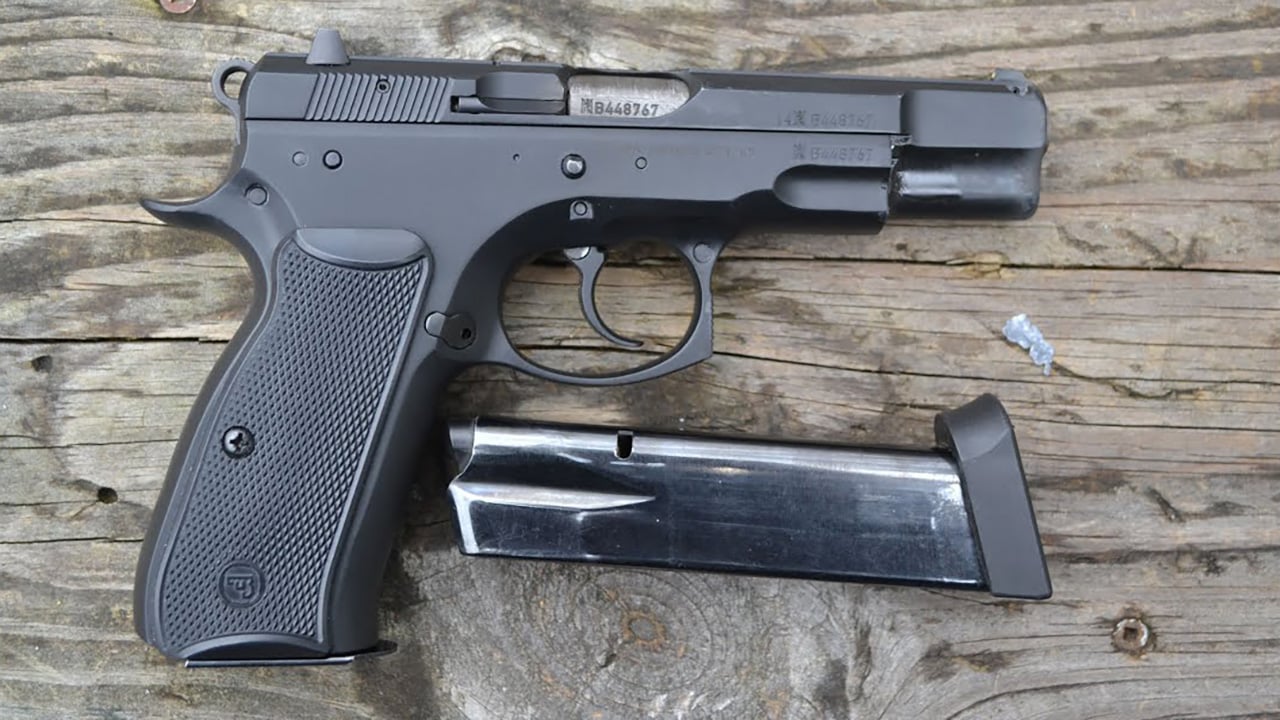
A CZ 75B has a way of making you look like a better shooter than you are. The grip shape is natural, the weight helps, and the slide-to-frame feel is smooth once it’s broken in. It’s not a lightweight carry gun for most folks, but as a belt gun under a coat or a farm pistol, it’s easy to appreciate.
The first weak link tends to be the small springs—especially trigger return springs on older, heavily used examples—and magazine springs if they’re original. When those parts get tired, the gun can start doing odd little things: reset feels off, or feeding becomes inconsistent with certain mags. None of it is mysterious if you’ve been around the platform. The CZ 75 family is durable, but it’s also a design with a few small parts doing a lot of work. Keep a couple spares on hand and don’t wait for a spring to break during the one range trip you actually needed to confirm zero on a carry setup.
17. Kimber Custom II (1911)

A good 1911 is still hard to beat for shootability. The Kimber Custom II, when it’s running right, is accurate, points naturally, and has a trigger that makes you slow down and shoot clean. For a woods carry pistol in .45 ACP or a range gun that you enjoy, it can be a sweet setup.
The part that tends to wear out first on many 1911s is the extractor tension and the recoil spring schedule. When the extractor starts losing its edge, you can get failures to extract or erratic ejection that looks like ammo trouble. Recoil springs are also a real maintenance item on 1911s, and ignoring them can beat the gun up. Add in the reality that 1911 magazines vary wildly, and you’ve got a platform where the “one thing” might actually be the mag you trusted. If you run a 1911, you don’t get to be casual about springs and magazines. Ask me how I know.
18. Colt Python (new production)
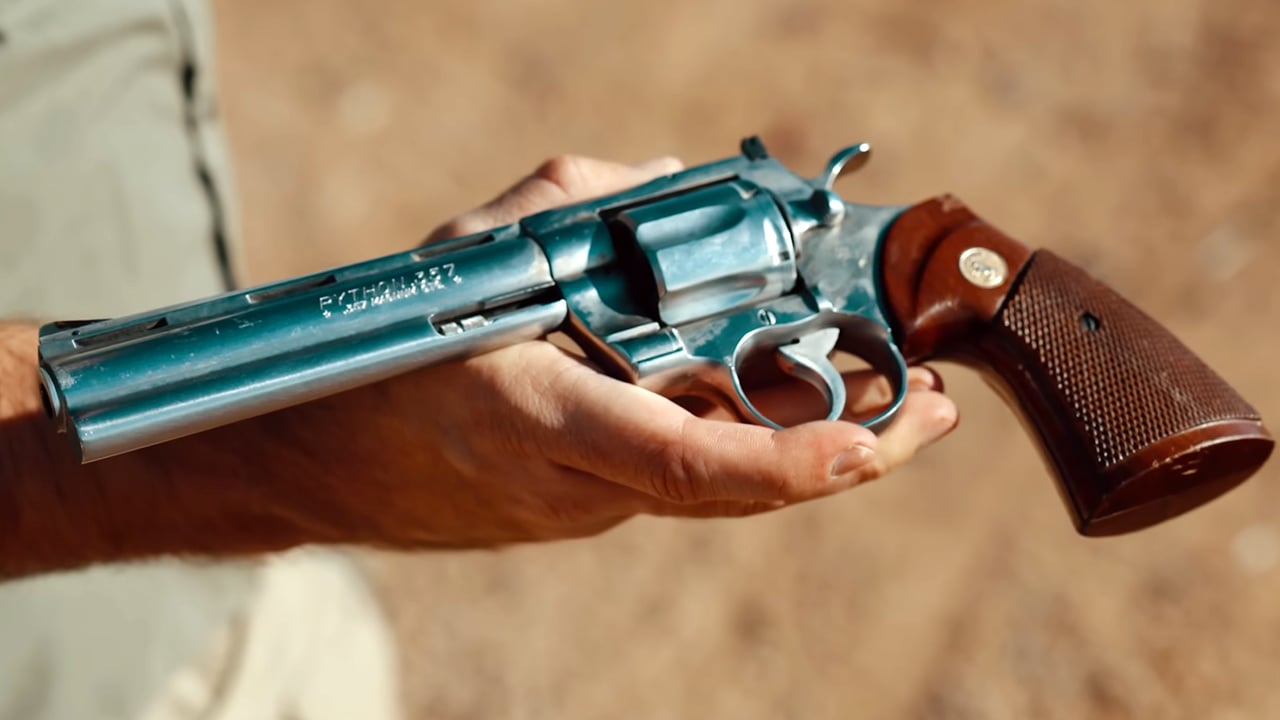
The new production Python is a slick revolver with real craftsmanship, and it scratches that “nice gun” itch in a way polymer never will. The trigger is usually excellent, the finish is good-looking, and it’s a revolver you can be proud to hand someone at the range. For outdoorsmen, it’s also a reminder that wheelguns still have a place.
The wear point on revolvers often shows up as timing and lockwork getting out of spec sooner than you’d expect if you run heavy loads a lot. A revolver can feel perfect right up until it doesn’t, and then it’s not a “swap a spring and move on” situation for most owners. Endshake, cylinder play, and small internal wear can creep in. If you’re shooting full-house .357s constantly, pay attention to how the cylinder locks up and whether the action starts feeling different. A Python is a joy, but it’s not immune to physics.
19. Ruger GP100
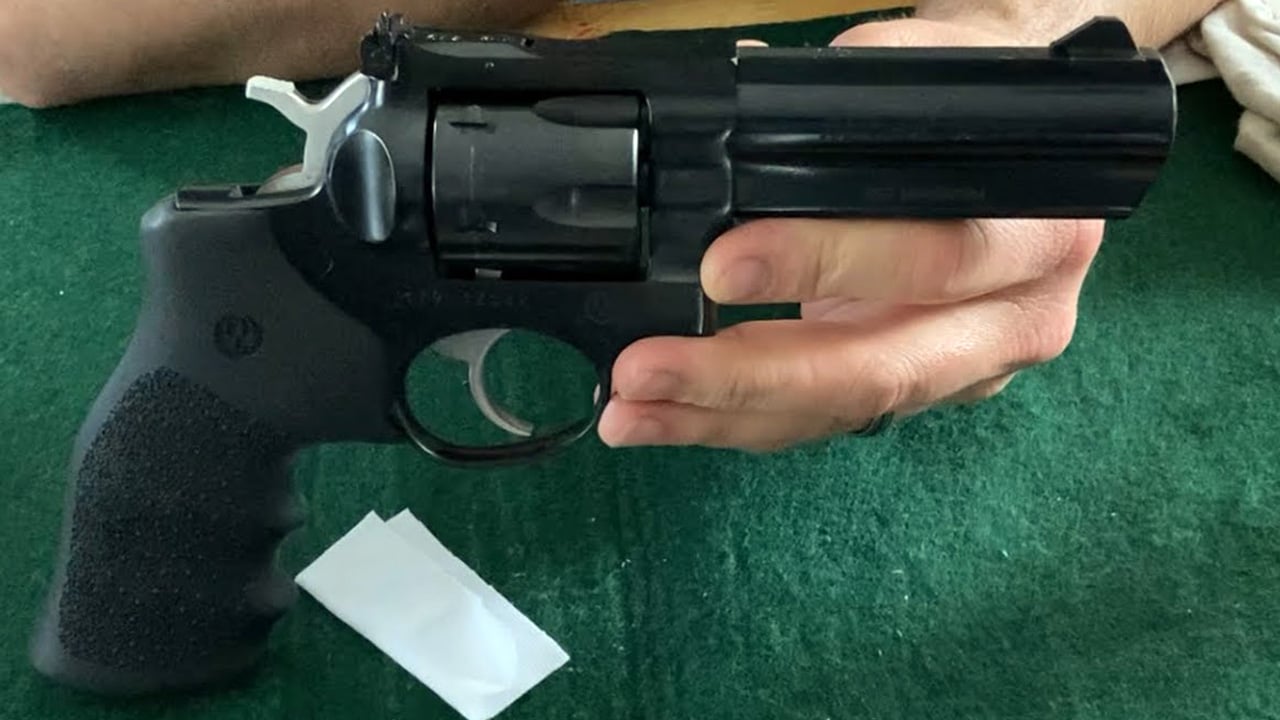
The GP100 is the revolver I trust when someone says, “I want a .357 that’ll last.” It’s not delicate, it’s not flashy, and it will handle the kind of loads and the kind of neglect that make lighter revolvers cry uncle. It’s a good trail gun, a good farm gun, and a revolver you can actually shoot a lot without hating life.
Even so, the first thing that usually needs attention is springs and small wear surfaces inside the action, especially if the gun has been dry-fired a ton or run hard without cleaning. The GP100’s robustness doesn’t mean it runs forever with zero upkeep. If the trigger starts stacking weird or the cylinder release feels gritty, don’t shrug it off. Also watch the front sight setup depending on the model; a banged-up sight or a loose retaining system can ruin your day quicker than any internal issue. The GP100 isn’t picky, but it still appreciates basic maintenance and inspection.
20. Smith & Wesson Model 686
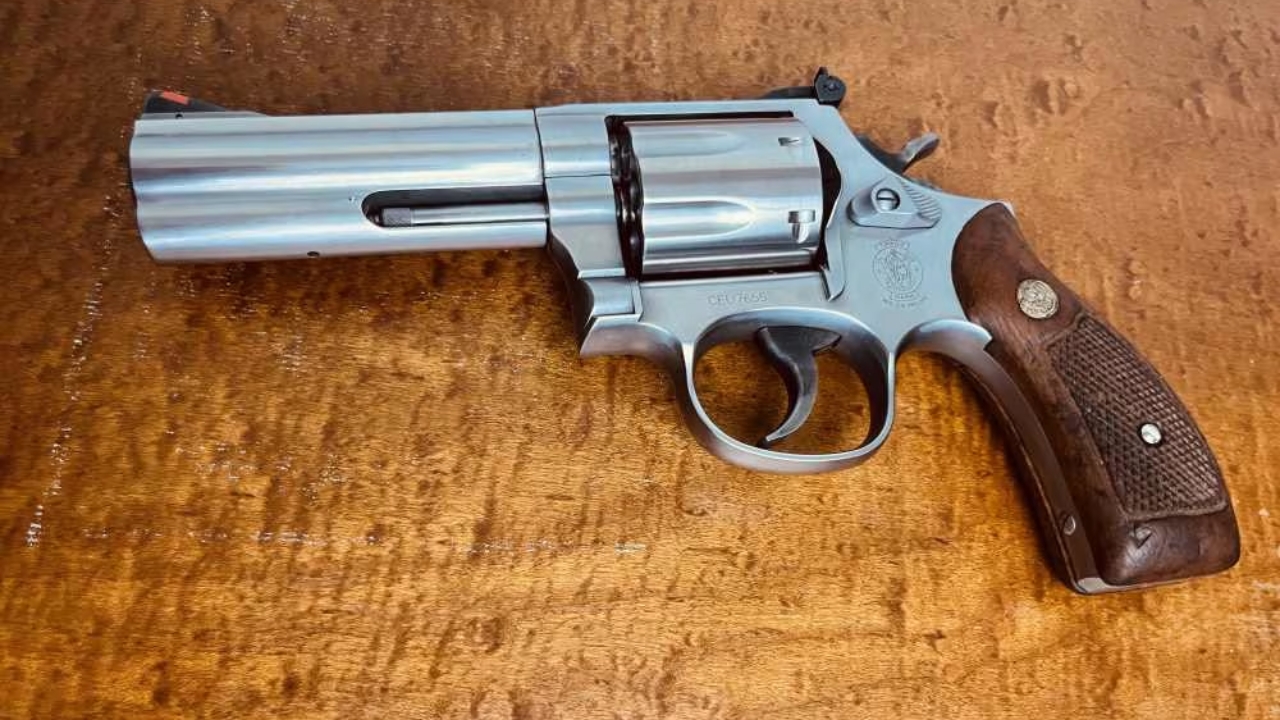
The 686 is what a lot of folks picture when they think “good .357 revolver.” It balances well, carries well in a real holster, and it’ll shoot .38s all afternoon without beating you up. For someone who wants one revolver that can do a little of everything—woods walking, property checking, even some hunting roles depending on local rules—it’s a classic for a reason.
The first wear issue tends to be the same revolver story: lockwork and timing slowly changing if it’s fed a steady diet of hot loads, plus internal springs that eventually get tired. You’ll also see ejector rod and cylinder-related loosening on guns that get carried a lot and bumped around, especially if they ride in a truck or ATV. When a 686 starts feeling different, pay attention early. Revolvers don’t usually give you loud warnings. They give you subtle ones, and then you’re looking for a good revolver smith at the exact time everyone else is, too.
Pistols don’t usually fail in heroic, movie-style ways. They get a little tired in one specific place first, and you either notice and fix it, or you keep pretending it’s “just this ammo.” If you carry any of these guns, the smart move is simple: track your round count, mark your magazines, replace springs before they turn questionable, and don’t ignore the small changes in feel. The guns on this list are hard to complain about for a reason. Keep the little wear items from becoming big problems, and they’ll keep doing their job.
Like The Avid Outdoorsman’s content? Subscribe to our newsletter so you never miss an article.
Here’s more from us: